Our verdict
Hollerei occupies a quiet address in Vienna's 15th district, operating at a remove from the Innere Stadt dining circuit that dominates most visitors' itineraries. The neighbourhood draws a repeat clientele who return for the room's unpretentious character and a kitchen that works within a local, grounded register rather than chasing tasting-menu theatre. For those willing to cross the Gürtel, it rewards the detour.

Pearl is the En Primeur Club membership app, where members save venues, book tables and use the concierge.

The 15th District and the Restaurants That Belong to It
Vienna's dining conversation tends to collapse into a few familiar postcodes. The first district carries the formal Austrian fine-dining tradition: white tablecloths, Grüner Veltliner poured with ceremony, menus that reference Wiener Küche as though it were scripture. The inner districts cluster the city's ambitious contemporary kitchens, places like Steirereck im Stadtpark, Amador, and Konstantin Filippou, which position themselves against international peers as much as local ones. Further out, beyond the Gürtel ring road, the grammar changes. The 15th district is a working residential neighbourhood, Rudolfsheim-Fünfhaus, with a demographic mix that tends to filter out the kind of restaurant that needs foot traffic from hotel guests or expense-account lunchers. Hollerei, on Hollergasse 9, is part of that outer fabric. Its clientele is, almost by definition, intentional.
This is where the regulars' logic begins. A restaurant that survives in a low-footfall residential address without awards recognition printed on its window does so because people come back. Repeat custom in a neighbourhood like this is a more reliable signal than a placement on a ranking list because it is self-correcting: there is no novelty effect, no tourist cycle, no buzz to coast on. What you are looking at when you look at Hollerei is a place that has made itself necessary to the people who live nearby or who travel across the city specifically to be there.
What the Room Tells You Before the Menu Arrives
Vienna has a specific architectural register for neighbourhood restaurants, a vernacular that sits between the grand Kaffeehaus tradition and the stripped-back natural-wine bar that arrived from Paris and Copenhagen. Hollerei occupies Hollergasse 9 in the 15th, a street address that carries no particular prestige. That is, in its own way, a credential. Rooms that feel built for the neighbourhood rather than designed to signal ambition to outsiders tend to develop a specific atmosphere that is difficult to manufacture: the furniture gets broken in, the noise level settles at a pitch where conversation is still possible, and the staff stop performing and start recognising. These are the physical markers of a regulars' room.
The comparison point worth keeping in mind is what Vienna's decorated dining rooms ask of you in exchange. Mraz & Sohn and Doubek sit at the formal end of the city's creative kitchen spectrum, places where the commitment runs to two or three hours and a price point that brackets the evening as an occasion. That mode is legitimate and has its own rewards. But it is a different proposition from a room where you can arrive on a weekday without a reservation made months in advance, eat well, and leave without the sense that you have attended an event. Hollerei operates in that second register.
The Logic of Returning
The most telling thing about restaurants with strong repeat clientele is what brings people back on the third and fourth visit, not the first. The first visit is curiosity. The second is confirmation. By the third, something more specific is happening: the guest has identified something on the menu or in the room's character that they cannot easily replicate elsewhere in the city. In a market as developed as Vienna, where the dining offer runs from Michelin-starred tasting menus down through Beisl, Würstelstand, and everything in between, that specificity is not a given.
Vienna's restaurant scene in the 15th and neighbouring outer districts is structurally different from what Austria's other premium dining addresses produce. Out in the provinces, restaurants like Döllerer in Golling an der Salzach, Obauer in Werfen, or Landhaus Bacher in Mautern an der Donau operate in destination mode, guests travel specifically to the restaurant, which becomes the anchor of a trip. In the Alpine west, Gourmetrestaurant Tannenhof in Sankt Anton am Arlberg, Stüva in Ischgl, and Schwarzer Adler in Hall in Tirol serve a similar function within their resort contexts. Ois in Neufelden, Taubenkobel in Schützen am Gebirge, and Kräuterreich by Vitus Winkler in Sankt Veit im Pongau all share the destination-restaurant logic where the surrounding landscape is part of the value proposition. Restaurant 141 by Joachim Jaud in Mieming extends that pattern further into the Tyrolean countryside.
Hollerei does none of that. It is an urban neighbourhood restaurant in the fullest sense: its value proposition is proximity, reliability, and the specific pleasure of a room that does not ask you to justify the visit as a special occasion. The international parallel is closer to what Lazy Bear in San Francisco represents at its core, a place with a defined community of return visitors, than to the ceremony of a room like Le Bernardin in New York City, where each visit is its own formal event.
Planning a Visit
Hollerei sits at Hollergasse 9 in Vienna's 15th district. The address is accessible by U-Bahn, the U3 line serves the Rudolfsheim area, and the neighbourhood rewards a slow approach on foot rather than a taxi directly to the door. The restaurant does not appear in the city's formal awards circuit, which means booking pressure is likely lighter than at the decorated rooms of the inner districts, though regulars who have made Hollerei part of their weekly pattern may create a de facto reservation demand during peak evening service. For a broader map of Vienna's dining offer, the EP Club Vienna restaurants guide covers the city across price tiers and neighbourhood contexts.
Frequently asked questions
Can I bring kids to Hollerei?
Hollerei sits in the residential 15th district at Hollergasse 9, a neighbourhood where local families make up a significant share of the regular crowd. That context tends to produce a room that accommodates children without friction.
What kind of setting is Hollerei?
Hollerei occupies a neighbourhood address in Vienna's 15th district, a working residential postcode well removed from the formal dining rooms of the Innere Stadt. The setting follows the Viennese vernacular of the committed local restaurant: neither grand Kaffeehaus nor stripped-back wine bar, but a room built around return visits rather than first impressions. Hollergasse 9 is reachable via the U3 U-Bahn line, which positions it as a deliberate destination rather than a walk-in option.
Is Hollerei in Vienna worth visiting if you're staying in the city centre?
Hollerei is located at Hollergasse 9 in the 15th district, roughly a 15-minute U3 ride from the city centre's Stephansplatz hub. The case for making the trip is the same case the 15th district makes generally: a restaurant operating for its neighbourhood rather than for visitors tends to price, pace, and cook differently than one positioned on a tourist circuit. Whether that trade-off suits a short Vienna itinerary depends on how much a reader values context over convenience.
What dish is Hollerei famous for?
What is consistent in accounts of the restaurant is a focus on cooking that rewards regulars rather than one-time visitors, the kind of menu logic that resists a single headline dish and instead builds a case across multiple visits. For current menu specifics, reaching the venue directly is the most reliable approach.
Cuisine Context
| Venue | Cuisine | Price | Awards | Notes |
|---|---|---|---|---|
| HollereiThis venue (the venue you are viewing) | Vegetarian European with Asian & Mediterranean influences | $20–30 | Not listed | Not listed |
| Steirereck im Stadtpark | Modern Austrian Fine Dining | $200–300 | 3 Michelin Stars · World's 50 Best #33 | Creative |
| Konstantin Filippou | Modern Fish-Led Fine Dining | $200–300 | 2 Michelin Stars · La Liste Top Restaurants | Modern European, Modern Cuisine |
| Mraz & Sohn | Contemporary Austrian Fusion | $150–200 | 2 Michelin Stars · La Liste Top Restaurants | Modern Austrian, Creative |
| Silvio Nickol Gourmet Restaurant | Modern Austrian Fine Dining | $300–500 | 2 Michelin Stars · La Liste Top Restaurants | Modern Cuisine |
| APRON | Modern Austrian Fine Dining | $150–200 | 1 Michelin Star · Falstaff Restaurant - 95 Falstaff Points | Austrian, Creative |
Continue exploring
More in Vienna
Restaurants in Vienna
All restaurants in Vienna →
Bars in Vienna
All bars in Vienna →
Hotels in Vienna
All hotels in Vienna →
Details
- Cozy
- Rustic
- Casual Hangout
- Group Dining
- Garden
- Beer Program
- Organic
- Local Sourcing
- Garden
- A La Carte
- Vegetarian Friendly
- Vegan Options
- Gluten Free Options
- Organic Focus
Current opening hours
- Monday
- 11:30 AM–11 PM
- Tuesday
- 11:30 AM–11 PM
- Wednesday
- 11:30 AM–11 PM
- Thursday
- 11:30 AM–11 PM
- Friday
- 11:30 AM–11 PM
- Saturday
- 11:30 AM–11 PM
- Sunday
- Closed
Hours can change for holidays and private events. Hours as of .
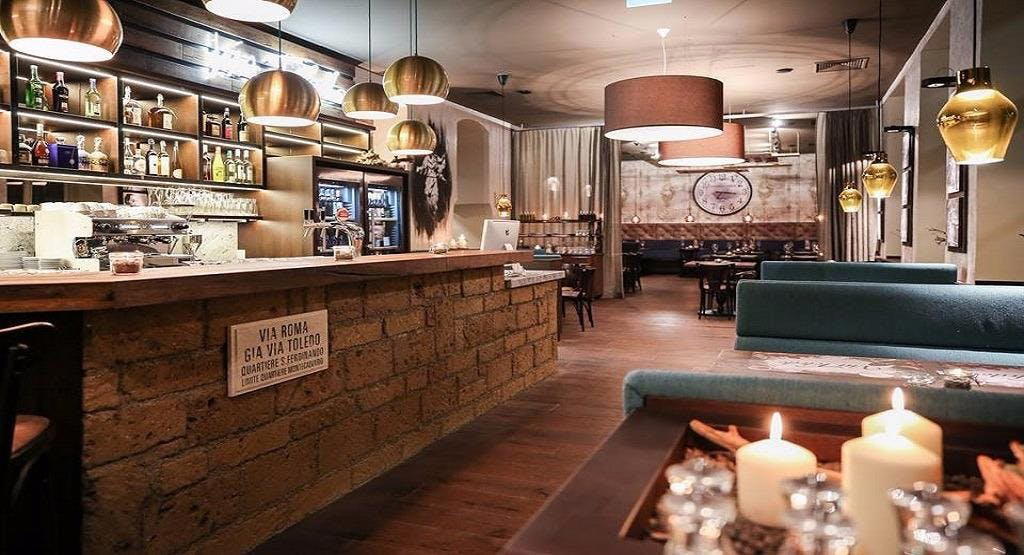
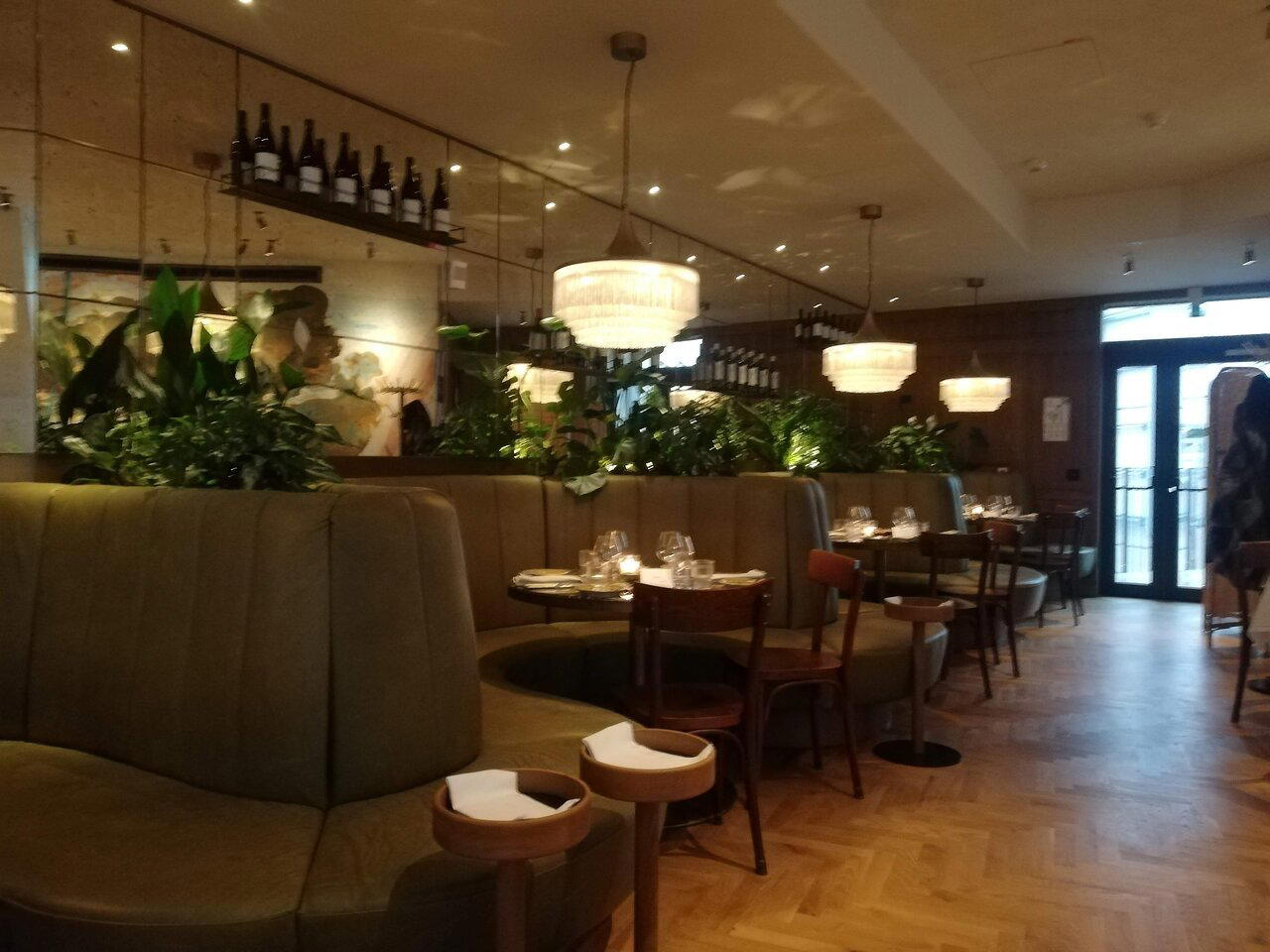
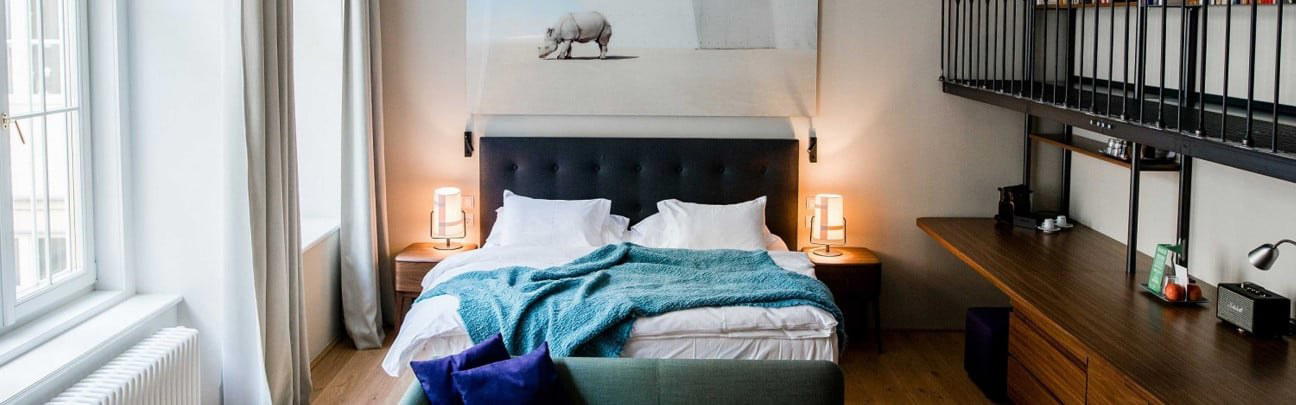
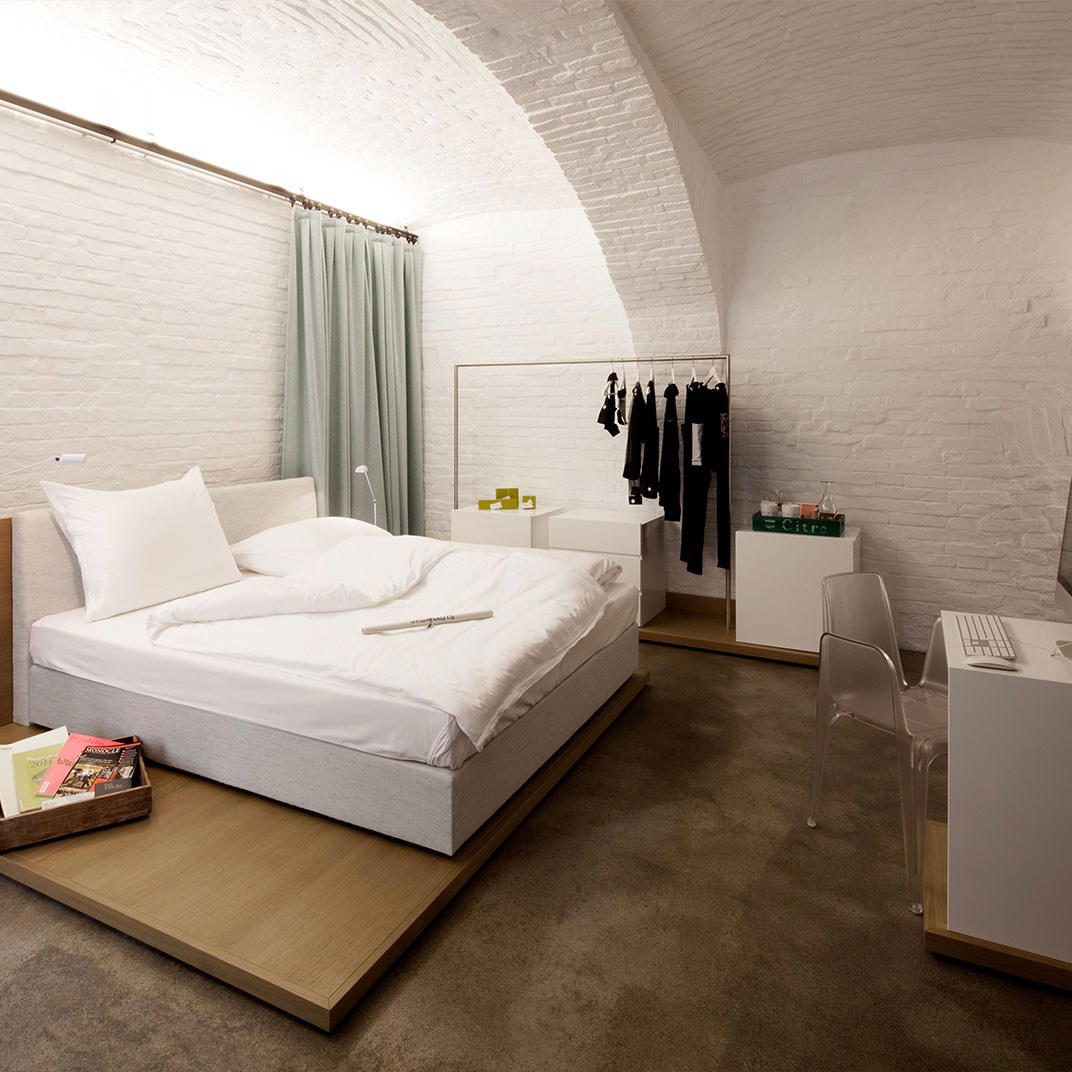
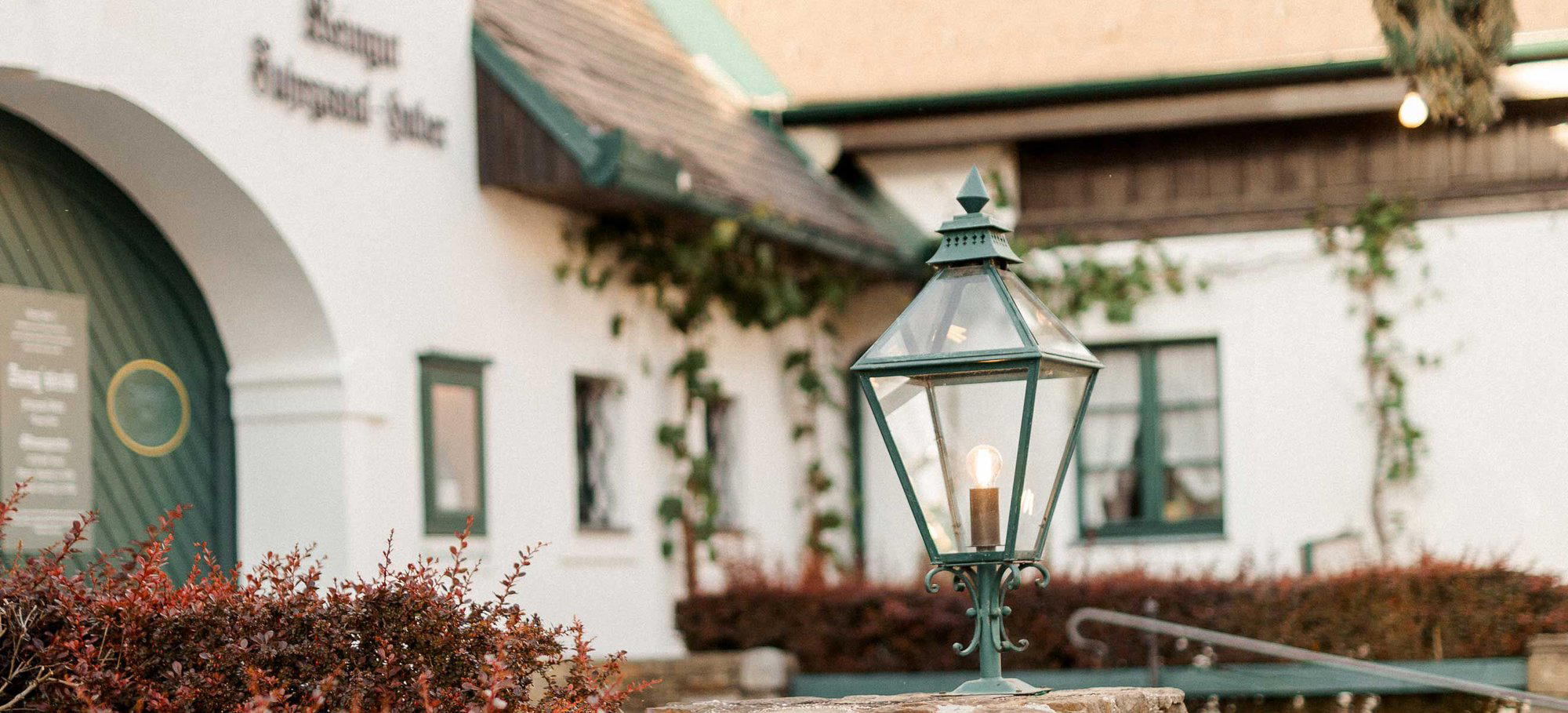
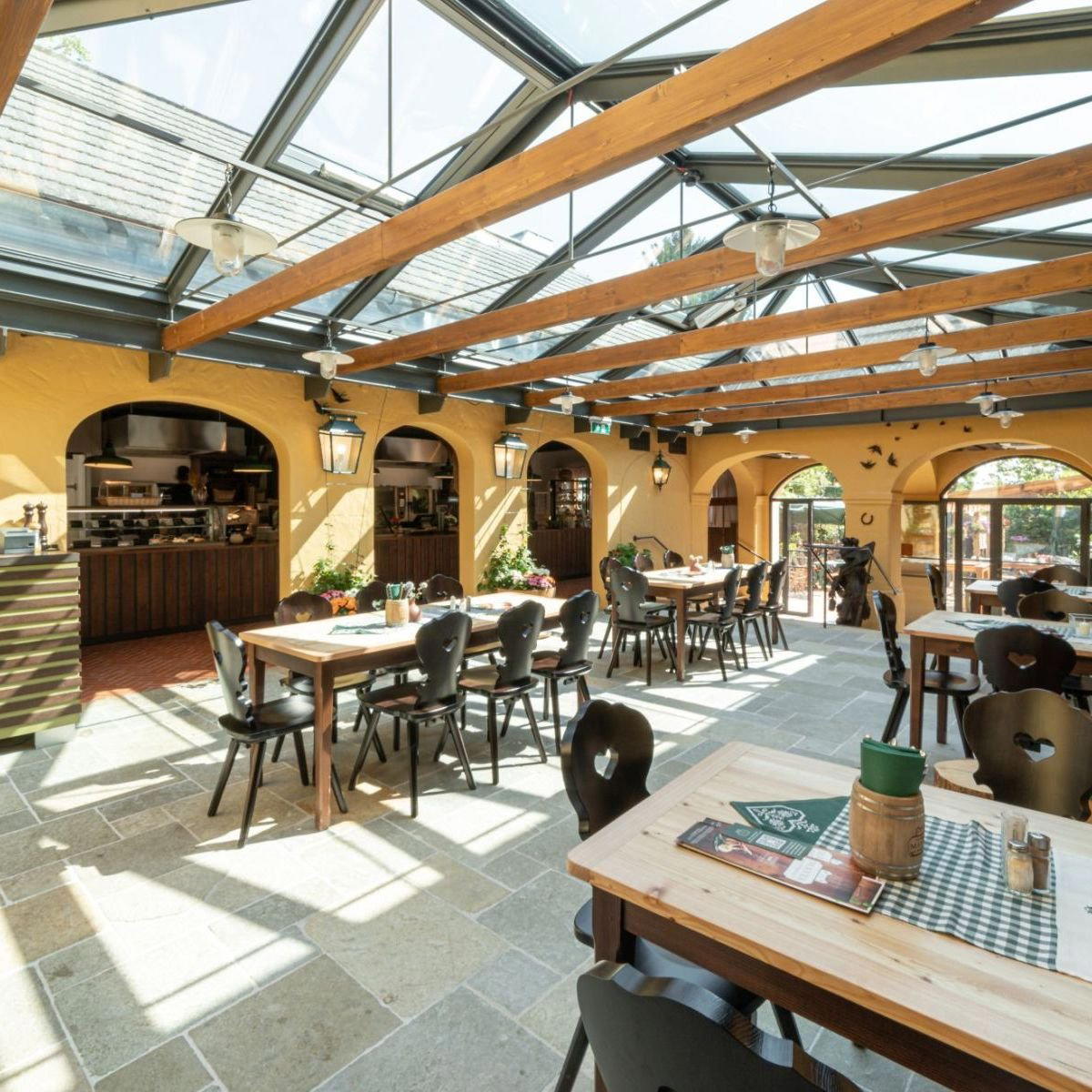
Cozy wooden interior with relaxed atmosphere, enhanced by garden seating in summer.