Summer Restaurant occupies a residential address in Vienna's 10th district, at Waldgasse 56, placing it outside the conventional fine-dining corridor that clusters around the Innere Stadt and Stadtpark.
Pearl is the En Primeur Club membership app — saves, bookings, and concierge access live there. Same editors, same standards.
- Address
- Waldgasse 56, 1100 Wien, Austria
- Phone
- +4366499887333
- Website
- summer-restaurant-wien.at
- Directions
- Get directions
 Saves & bookings on Pearl
Vienna's 10th District and the Question of Where Fine Dining Goes Next
For most of its modern restaurant history, Vienna's serious dining has concentrated in a narrow band: the Innere Stadt, the Stadtpark, and the immediate ring around the Naschmarkt. The city's Michelin-recognised tier, which includes addresses like Steirereck im Stadtpark, Amador, and Konstantin Filippou, has long operated within those familiar postcodes. What has shifted gradually over the past decade is appetite, from both operators and guests, for dining outside that corridor. The 10th district, Favoriten, has historically been understood as a working-class and increasingly multicultural quarter rather than a restaurant destination. Summer Restaurant, at Waldgasse 56, sits inside that shift.
This is not a trivial geographic detail. Where a restaurant chooses to operate shapes who it serves and the kind of dining room it can be. Addresses in Favoriten carry lower rents, different foot traffic patterns, and an entirely different relationship to the kind of visibility that awards circuits reward. That context shapes almost everything: the likely format, the pricing pressure, and the degree to which the kitchen can absorb the cost of ethical sourcing without passing it entirely to the guest.
Sustainability in Austrian Restaurant Culture: The Structural Argument
Across Austria's serious restaurant tier, the conversation around sourcing has moved from marketing footnote to operational centre. At Mraz & Sohn, the kitchen's relationship with small Austrian producers has been a defining characteristic for years. Döllerer in Golling an der Salzach has built a reputation partly on its proximity to Alpine ingredient sources. Further afield, Kräuterreich by Vitus Winkler in Sankt Veit im Pongau takes the herb-garden-to-plate relationship as a structural premise rather than a seasonal garnish. The pattern across these addresses is consistent: ethical sourcing in Austrian fine dining tends to emerge most credibly from kitchens with genuine geographic proximity to their ingredients, or from operators who have rebuilt their supply chains over years rather than rebranding around a sustainability claim.
A restaurant operating in Favoriten, removed from the tourist economy of the first district, has different incentives in this regard. Without the footfall of a hotel dining room or a landmark address, neighbourhood restaurants in Vienna's outer districts often develop tighter relationships with local suppliers by necessity as much as ideology. The economics of a lower-profile postcode can, counterintuitively, make genuine sustainability practice more achievable, because the kitchen is not absorbing the overhead of prestige real estate and can redirect margin toward ingredient quality.
What the Waldgasse 56 Address Tells You
The 10th district sits south of the Gürtel, Vienna's inner orbital road, which functions as a rough cultural and economic boundary in the city's restaurant geography. Venues like Doubek have demonstrated that serious cooking can operate outside the postcard districts, but the majority of Vienna's internationally profiled restaurants remain north of that line. Summer Restaurant's location at Waldgasse 56 places it in a residential stretch of Favoriten, not in a gentrifying cluster or a newly discovered food street. That kind of address tends to produce a specific type of dining experience: one oriented toward repeat local clientele, with cooking that does not require the theatre of a first-district setting to justify itself.
For a restaurant serious about waste reduction and ethical sourcing, a neighbourhood-anchored model has practical advantages. Waste management costs, delivery logistics, and the social capital required to maintain producer relationships all operate differently at this scale and in this postcode. Austrian restaurant culture outside Vienna's premium tier, from Landhaus Bacher in Mautern an der Donau to Obauer in Werfen, has long shown that proximity and rootedness produce more sustainable operations than prestige addresses. That tradition has a geography, and Summer Restaurant shares the structural logic of it even if the specifics are not yet documented.
The Broader Vienna Context: Where This Fits
Vienna's restaurant scene in 2024 and 2025 has been navigating a tension between its Michelin-facing tier, which competes on a European scale and draws comparisons to addresses like Le Bernardin in New York City or Atomix in New York City in terms of ambition and formality, and a quieter stratum of neighbourhood-driven cooking that is less visible internationally but more embedded in how Viennese people actually eat. The restaurant, with no awards documentation in the current record and no published pricing or format details, sits in that second category by default.
The venues that define Vienna's top tier, including Mraz & Sohn and Konstantin Filippou, all carry the overhead of sustained critical attention and the pricing that comes with it. A restaurant at Waldgasse 56 operates without those pressures, which creates both freedom and opacity. Freedom because the kitchen can make choices, including sourcing choices, that are not subject to the expectations of a tasting-menu format or an awards-conscious clientele. Opacity because, without awards data or documented menus, the case for a visit rests on proximity to the neighbourhood and local reputation.
For the Austrian dining circuit more broadly, that pattern is not unusual. Ois in Neufelden, Schwarzer Adler in Hall in Tirol, and Gourmetrestaurant Tannenhof in Sankt Anton am Arlberg all operate in contexts where local embeddedness matters more than international profile. The restaurant belongs to that register within Vienna itself, occupying a position that the city's outer districts increasingly need: serious cooking that is not calibrated primarily for tourists or critics.
The Austrian circuit beyond Vienna, including Ikarus in Salzburg, Griggeler Stuba in Lech, and Restaurant 141 by Joachim Jaud in Mieming, provides a useful peer frame for understanding how regional Austrian kitchens position themselves when they are not competing directly with Vienna's centre.
Know Before You Go
- Address: Waldgasse 56, 1100 Wien, Austria
- District: Favoriten (10th), south of the Gürtel
Booking and Cost Snapshot
Comparable venues nearby, for context on price, style, and recognition.
| Venue | Cuisine | Price | Notes |
|---|---|---|---|
| Summer RestaurantThis venue — the venue you are viewing | Favoriten, European Gastropub with Pizza | $$ | Not listed |
| Fladerei Berggasse | Inner City, Stuffed Flatbreads | $$ | Not listed |
| Hollerei | Not listed | $$ | Sechshaus, Vegetarian European with Asian & Mediterranean influences |
| The opposite of west | Wieden, Balkan Tapas Bar | $$ | Not listed |
| Brasserie Sophie | Not listed | $$$ | Inner City, Contemporary Austrian Brasserie |
| Donnersmarkt | Not listed | $$ | Staatsoper, Modern Austrian Alpine Plant-Forward |
Continue exploring
More in Vienna
Restaurants in Vienna
Browse all →
![[aend] restaurant in Vienna](https://cdn.enprimeurclub.com/storage/v1/object/public/images/locations/recsVyRkMfzCxPmp0/hero2.jpg?width=3840&quality=75)
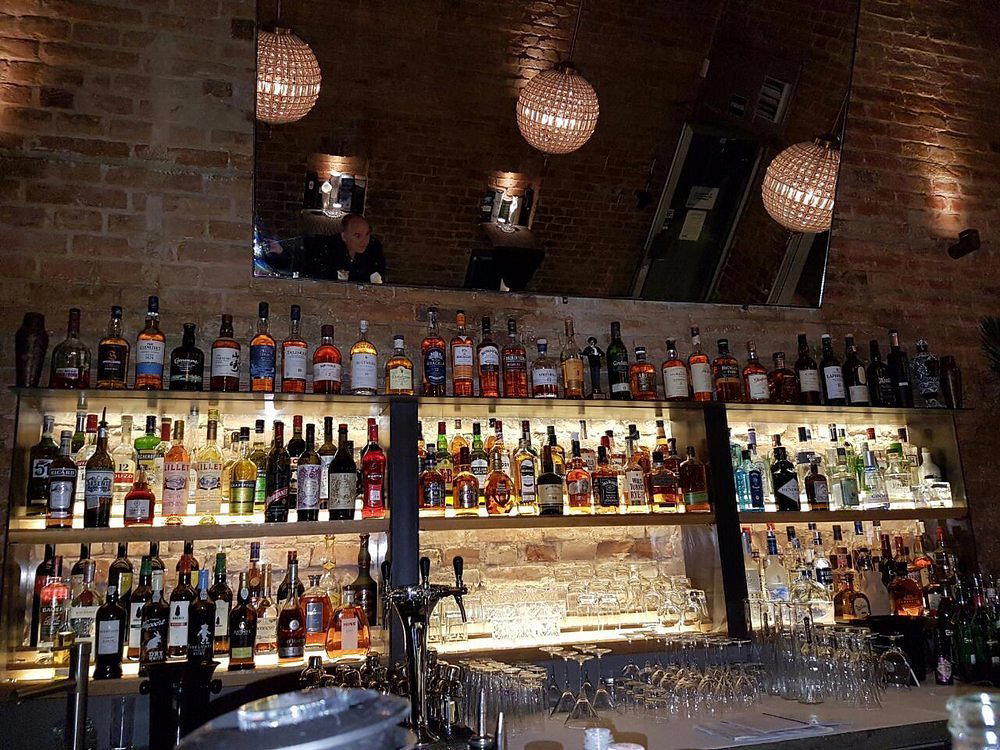
Bars in Vienna
Browse all →
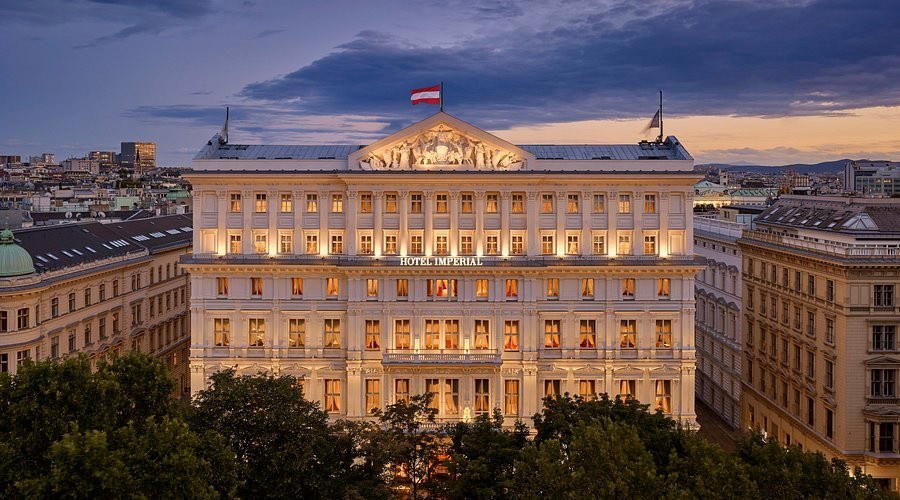
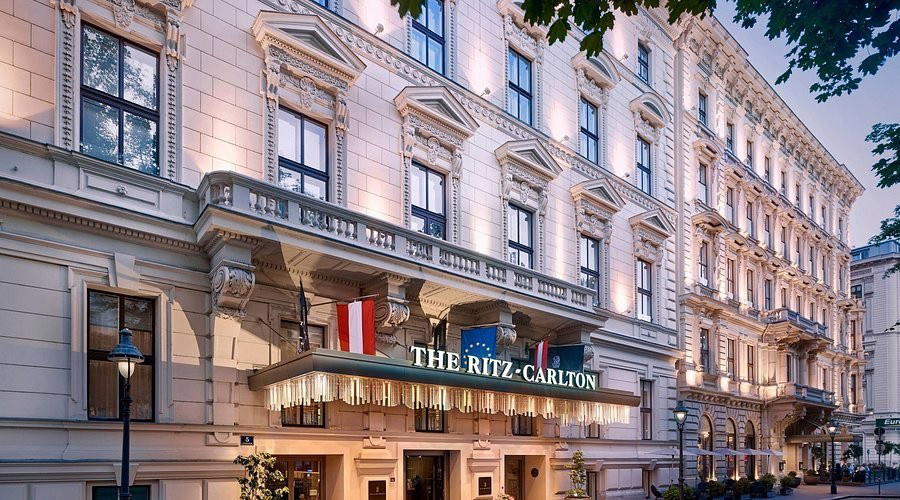
Hotels in Vienna
Browse all →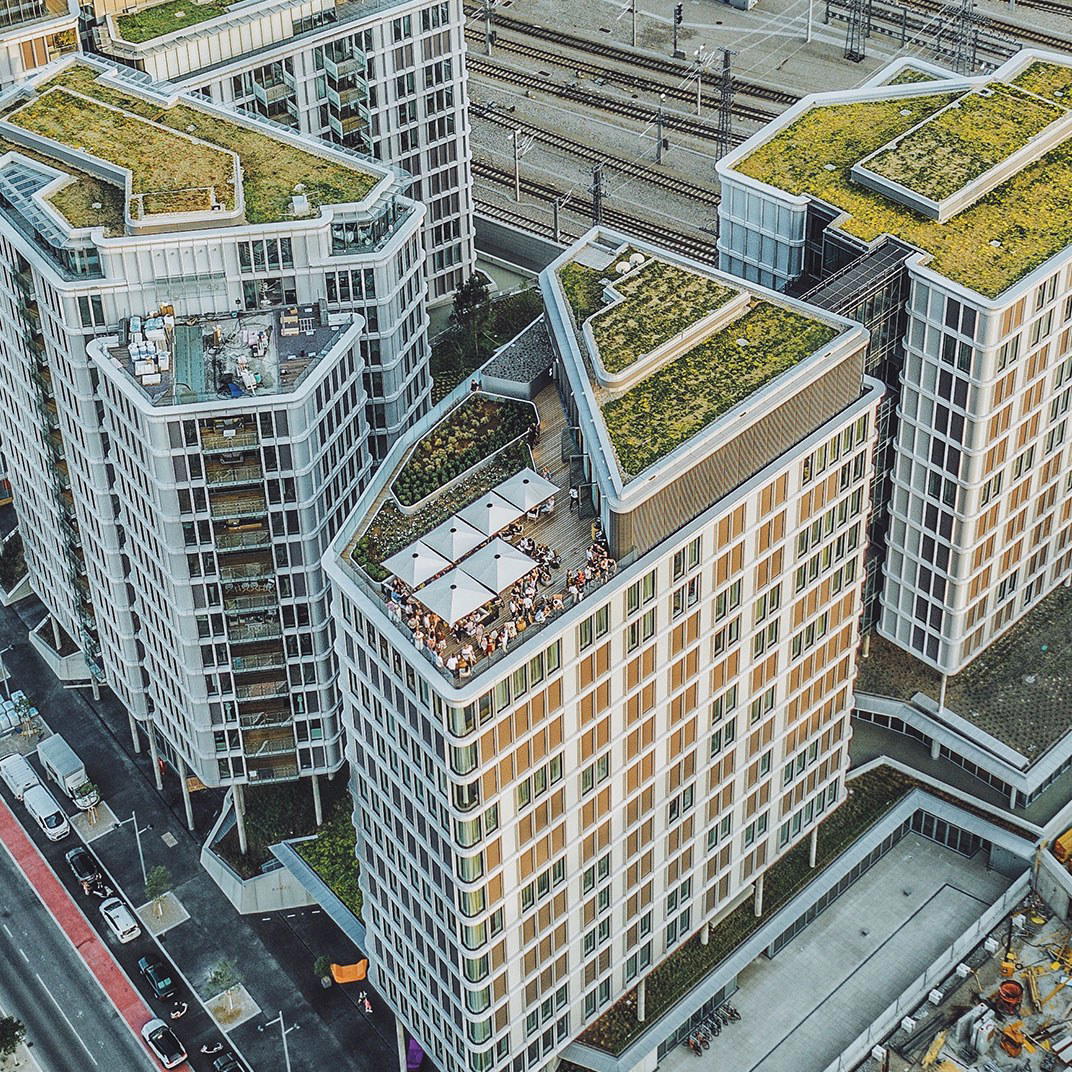
At a Glance
- Casual Hangout
- Waterfront
- Waterfront
Current opening hours
- Monday
- Closed
- Tuesday
- 12–9 PM
- Wednesday
- 12–9 PM
- Thursday
- 12–9 PM
- Friday
- 12–9 PM
- Saturday
- 12–9 PM
- Sunday
- 12–9 PM
Hours can change for holidays and private events. Last verified .