
Lubin occupies a quiet address on Hainburger Strasse in Vienna's third district, sitting at a remove from the inner-city restaurant circuit that clusters around the Ringstrasse. The kitchen works at the intersection of classical European technique and Austrian regional produce, a pairing that defines a growing tier of serious mid-city restaurants operating outside the Michelin glare.
Pearl is the En Primeur Club membership app — saves, bookings, and concierge access live there. Same editors, same standards.
- Address
- Hainburger Str. 48, 1030 Wien, Austria
- Phone
- +434319433429
- Website
- fischlubin.com
- Directions
- Get directions
 Saves & bookings on Pearl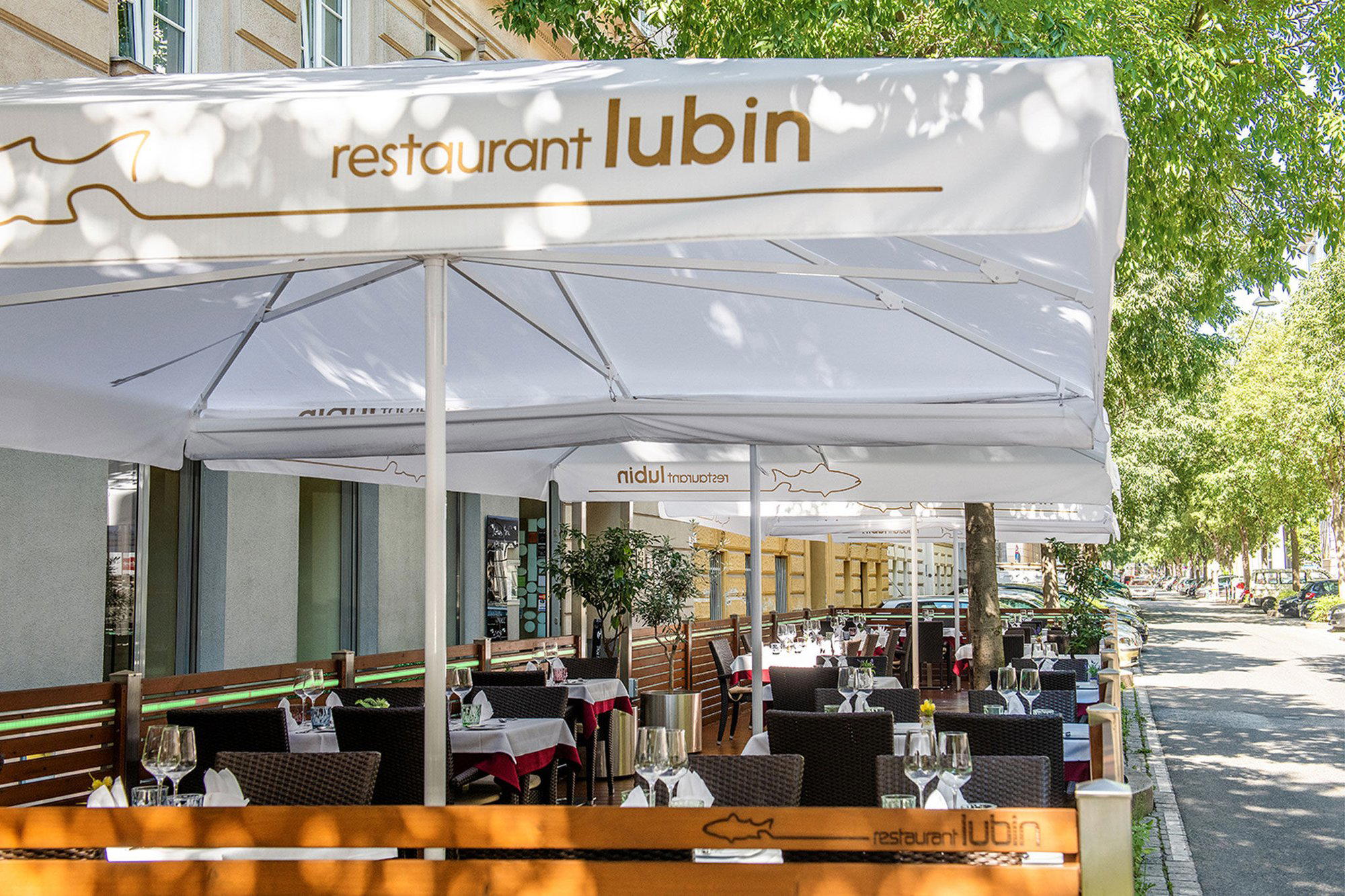
The Third District's Quieter Register
Lubin is a traditional Croatian seafood restaurant in Vienna, at Hainburger Str. 48 in the third district. The arrondissement sits just beyond the Ringstrasse's gravitational pull, its streets a mix of embassies, Gründerzeit apartment blocks, and the kind of neighbourhood infrastructure that serves residents rather than tourists. That positioning is precisely what makes it interesting. A restaurant on Hainburger Strasse operates at a different register from a room in the first district: it is not performing for visiting diners who have pre-read a shortlist; it is built for the city's own inhabitants. Lubin exists within that logic, and understanding it requires placing it there rather than measuring it against the cathedral-adjacent competition.
The broader pattern across Vienna's outer districts is a gradual consolidation of serious cooking away from the premium corridor. Where the first district sustains rooms like Konstantin Filippou and Amador on the strength of destination dining spend, addresses in the third and beyond depend on a different compact with their audience. The cooking has to earn repeat visits, not first-time curiosity. That tends to produce kitchens with a more grounded relationship to their suppliers and a more iterative relationship to their menus.
Technique Borrowed, Ingredients Found Locally
The dominant editorial argument in contemporary Austrian fine dining is the tension between imported method and indigenous material. Austria's professional kitchen culture trained heavily on French and broader Central European classical foundations through the latter half of the twentieth century, and the residue of that training persists in the brigade structures and technical vocabulary of most serious rooms. What shifted in the last decade was the direction of attention toward the pantry: the Alpine herbs, the Wachau stone fruit, the Styrian pumpkin seed oil, the lake fish that rarely leave the country. The kitchens that interest critics most now are those that hold the technical framework while reorienting it entirely around what Austria actually grows, raises, and forages.
This is the lens through which Lubin reads most clearly. The address in Landstrasse is not incidental; the district's character aligns with a cooking approach that is precise without being showy, locally grounded without being folkloric. Across Austria's dining geography, the restaurants making this argument most convincingly include Steirereck im Stadtpark, which has spent decades building a network of Austrian producers into a flagship-level tasting format, and Mraz & Sohn, which applies creative technique to the same regional material from a different aesthetic position. Lubin occupies a less conspicuous coordinate on that same axis.
Further afield, the conversation continues in Austria's provincial dining rooms. Döllerer in Golling an der Salzach has built its identity almost entirely around Alpine produce interpreted through modern technique, while Landhaus Bacher in Mautern an der Donau represents the Wachau's particular version of the same argument, where Danube fish and wine-country vegetables frame a kitchen with serious classical roots. Obauer in Werfen has held the same position in Salzburg state for decades, the kind of longevity that signals institutional confidence in local sourcing as a competitive strategy rather than a trend.
Vienna's Mid-Tier and What It Signals
The category Lubin occupies in Vienna sits between the fully awarded rooms and the neighbourhood bistro tier, with a typical price point of about $50 per person. This is a structurally important space in any serious dining city: it is where cooking ambition is tested against commercial reality without the insulation that Michelin recognition provides. Rooms at this level in Vienna include Doubek, which brings a similar precision-led approach to accessible formats, and a cluster of addresses in the outer districts that are beginning to attract the kind of attention that used to be reserved exclusively for inner-city flagships.
Internationally, the model that this tier of Viennese restaurant most closely resembles is the kind of technically accomplished, produce-led cooking that characterises serious mid-market rooms in cities where ingredient quality is treated as non-negotiable. Atomix in New York City represents one high-water mark of this approach applied to Korean technique and American ingredient sourcing. At the opposite end of the spectrum, Le Bernardin in New York City has spent decades demonstrating what happens when classical French technique is applied with absolute consistency to a single category of ingredient. The comparison is scale-agnostic: the question these restaurants answer is the same one Lubin is presumably addressing on Hainburger Strasse, which is what happens when you take method seriously and let the pantry lead.
Austria's younger kitchens working in this register are distributed across the country in ways that suggest the argument is not exclusively metropolitan. Kräuterreich by Vitus Winkler in Sankt Veit im Pongau has made herb-led Alpine cooking a full programme rather than a garnish strategy. Gourmetrestaurant Tannenhof in Sankt Anton am Arlberg and Griggeler Stuba in Lech apply the same framework to Vorarlberg's Alpine material, while Schwarzer Adler in Hall in Tirol and Restaurant 141 by Joachim Jaud in Mieming represent the Tyrolean version of the same sensibility. Ois in Neufelden takes a more stripped-back position in Upper Austria, and Ikarus in Salzburg works a rotating guest-chef format that regularly brings international technique into direct contact with Austrian produce, making it one of the more instructive rooms for understanding how imported method and local material can coexist or collide.
Planning a Visit
Lubin is located at Hainburger Strasse 48 in Vienna's third district, reachable from the city centre by U3 or U4 with a short walk from either Rochusgasse or Stadtpark. The third district is walkable from the first and second, and the neighbourhood around Hainburger Strasse has a residential density that makes arriving on foot from the canal area a reasonable approach. Booking is recommended, and Lubin is open Tuesday through Saturday from 12 to 10 PM, with Sunday and Monday closed.
Reputation First
Comparable venues nearby, for context on price, style, and recognition.
| Venue | Cuisine | Price | Notes |
|---|---|---|---|
| LubinThis venue — the venue you are viewing | Traditional Croatian Seafood | $$$ | Not listed |
| Nautilus | Classic Seafood Brasserie | $$$ | Wieden |
| Blue Marlin | Premium Fresh Seafood | $$$ | Hietzing |
| Kulinarium 7 | Modern Seafood & Croatian | $$$ | Hofburg |
| Süsswasser | Austrian Freshwater Fish & Seafood | $$ | Hofburg |
| Ragusa | Croatian Dalmatian Seafood | $$ | Inner City |
Recognition history
Dated appearances from independent guides and award organizations, with the underlying list record or original source where available.
Falstaff Restaurant - 92 Falstaff Points
Falstaff
Continue exploring
More in Vienna
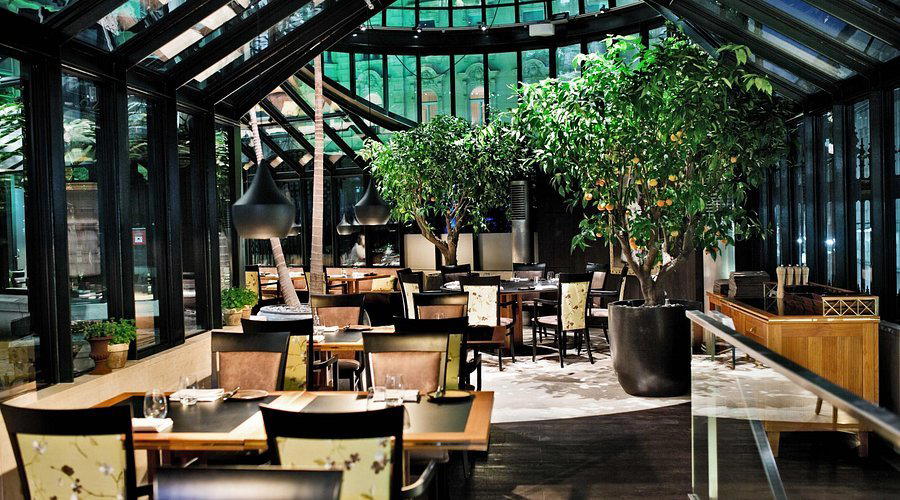
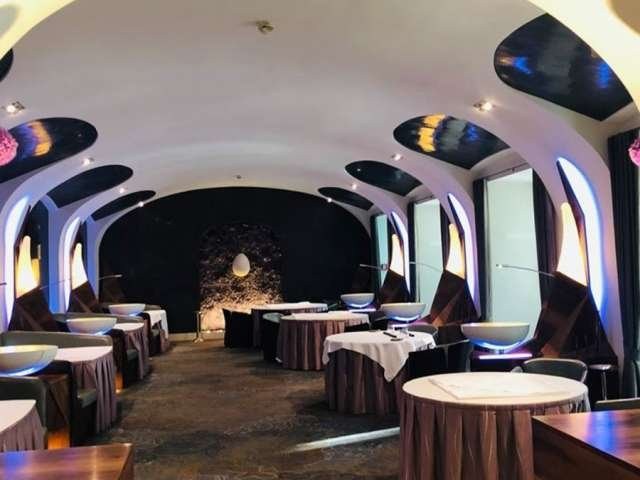
Restaurants in Vienna
Browse all →
Bars in Vienna
Browse all →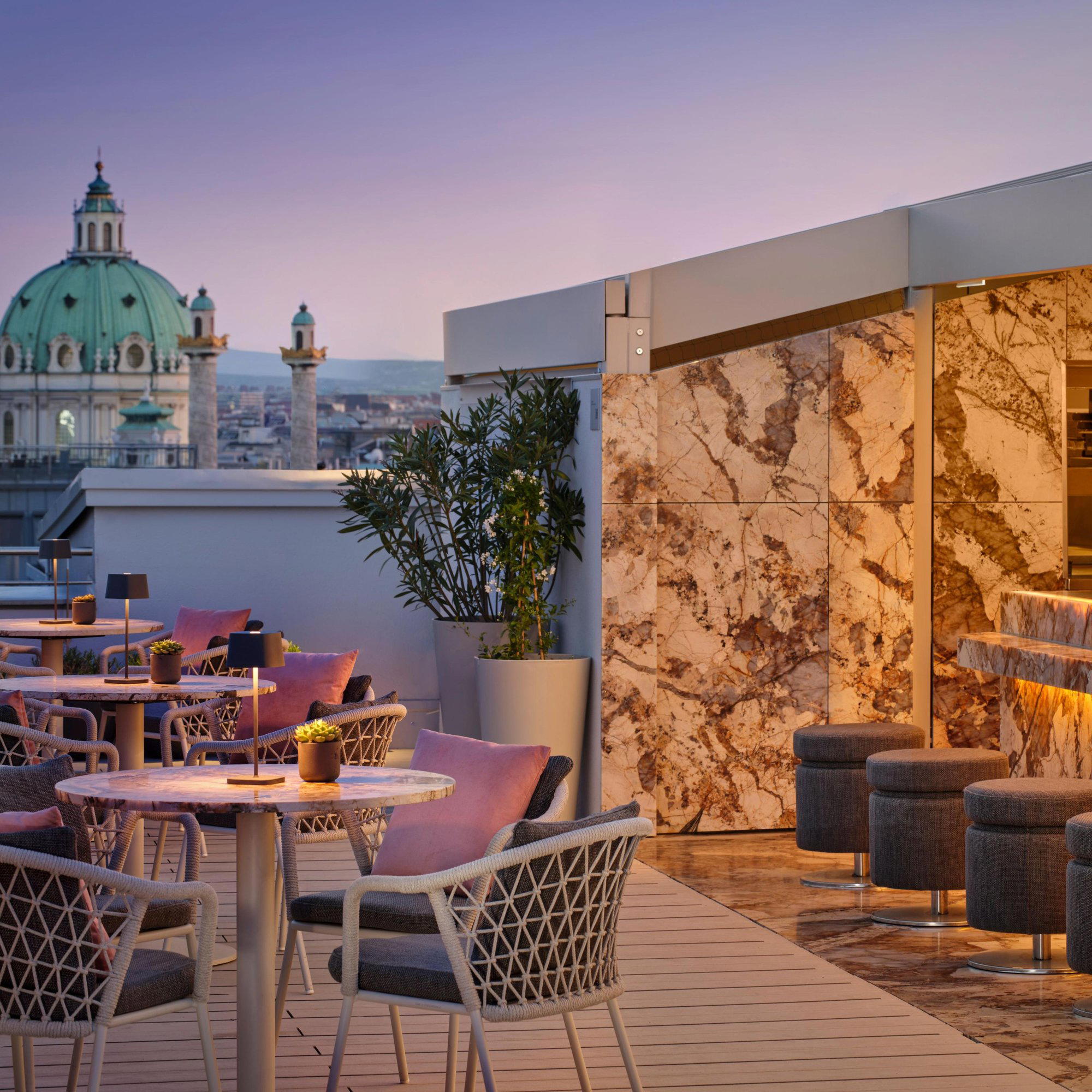
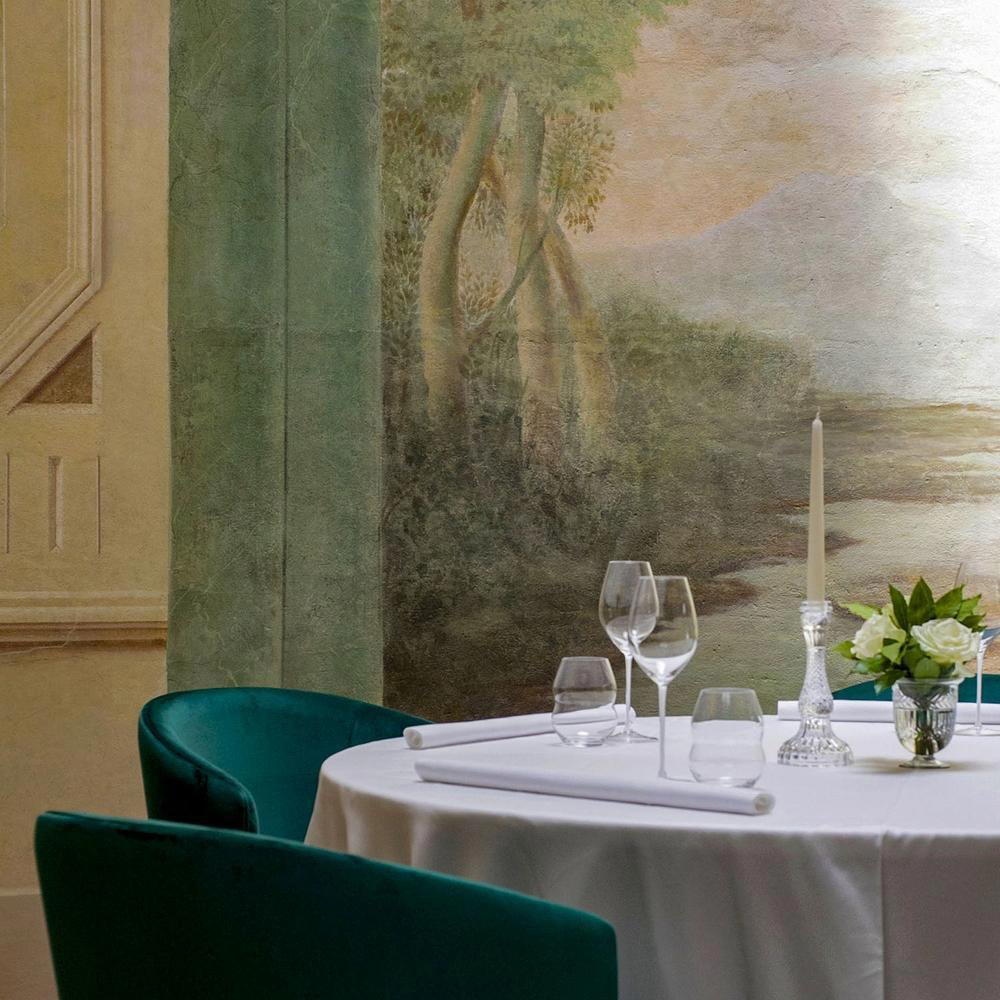

Hotels in Vienna
Browse all →

At a Glance
- Elegant
- Cozy
- Sophisticated
- Date Night
- Special Occasion
- Business Dinner
- Standalone
Current opening hours
- Monday
- Closed
- Tuesday
- 12–10 PM
- Wednesday
- 12–10 PM
- Thursday
- 12–10 PM
- Friday
- 12–10 PM
- Saturday
- 12–10 PM
- Sunday
- Closed
Hours can change for holidays and private events. Last verified .
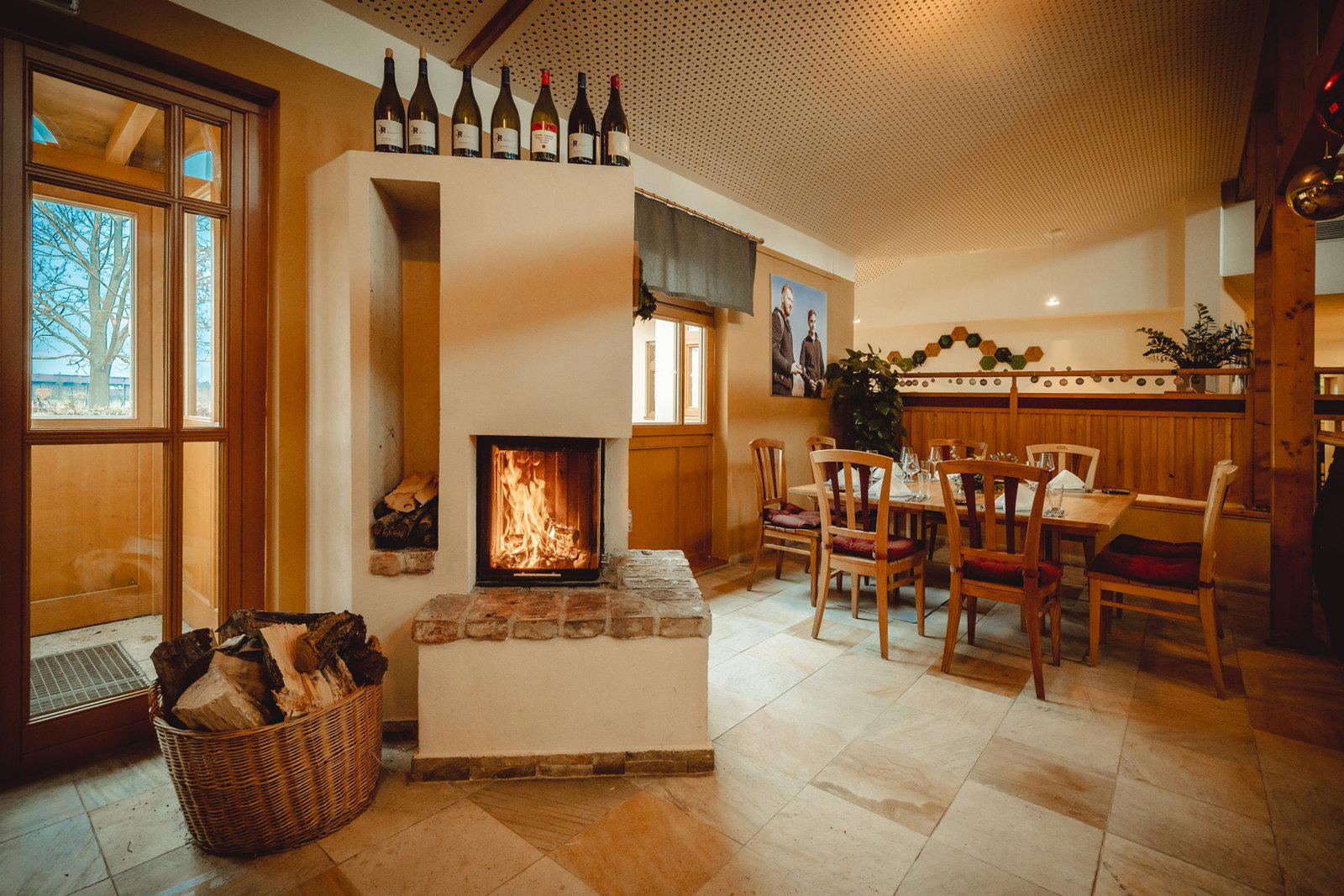
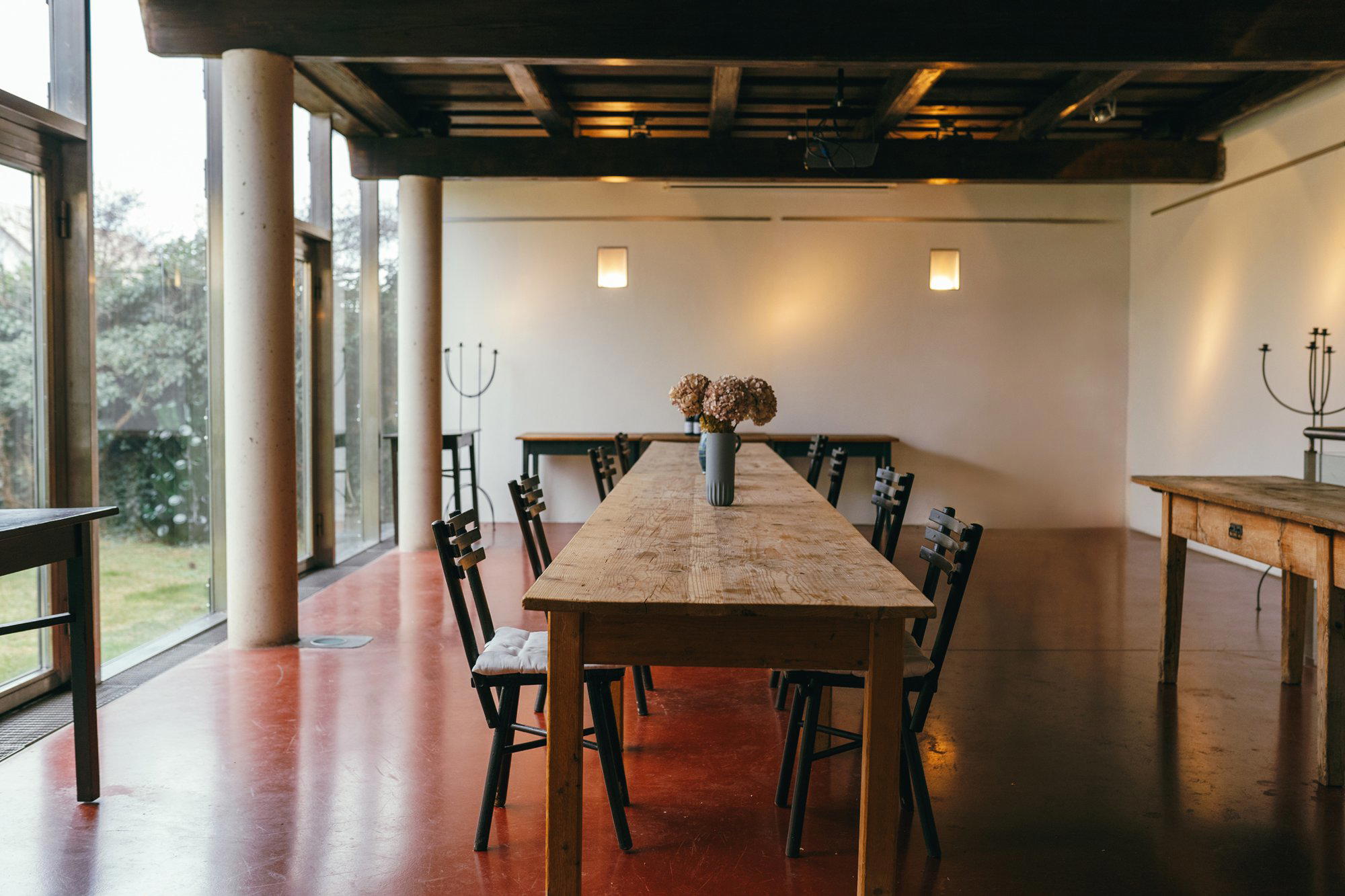
Cozy and elegant atmosphere with refined service in Vienna's 3rd district.