Fischkutter occupies a prominent address on Tauentzienstraße in western Berlin, positioning itself within the city's growing conversation around responsible seafood sourcing. Against a Berlin fine-dining scene that skews toward modern European tasting menus, a fish-specialist format focused on provenance and minimal waste carries a distinct editorial weight. Booking ahead is advisable given the location's foot traffic and Berlin's appetite for seafood-led dining.
Pearl is the En Primeur Club membership app — saves, bookings, and concierge access live there. Same editors, same standards.
- Address
- Tauentzienstraße 21-24, 10789 Berlin, Germany
- Phone
- +49 30 21212578
- Website
- kadewe.de
- Directions
- Get directions
 Saves & bookings on Pearl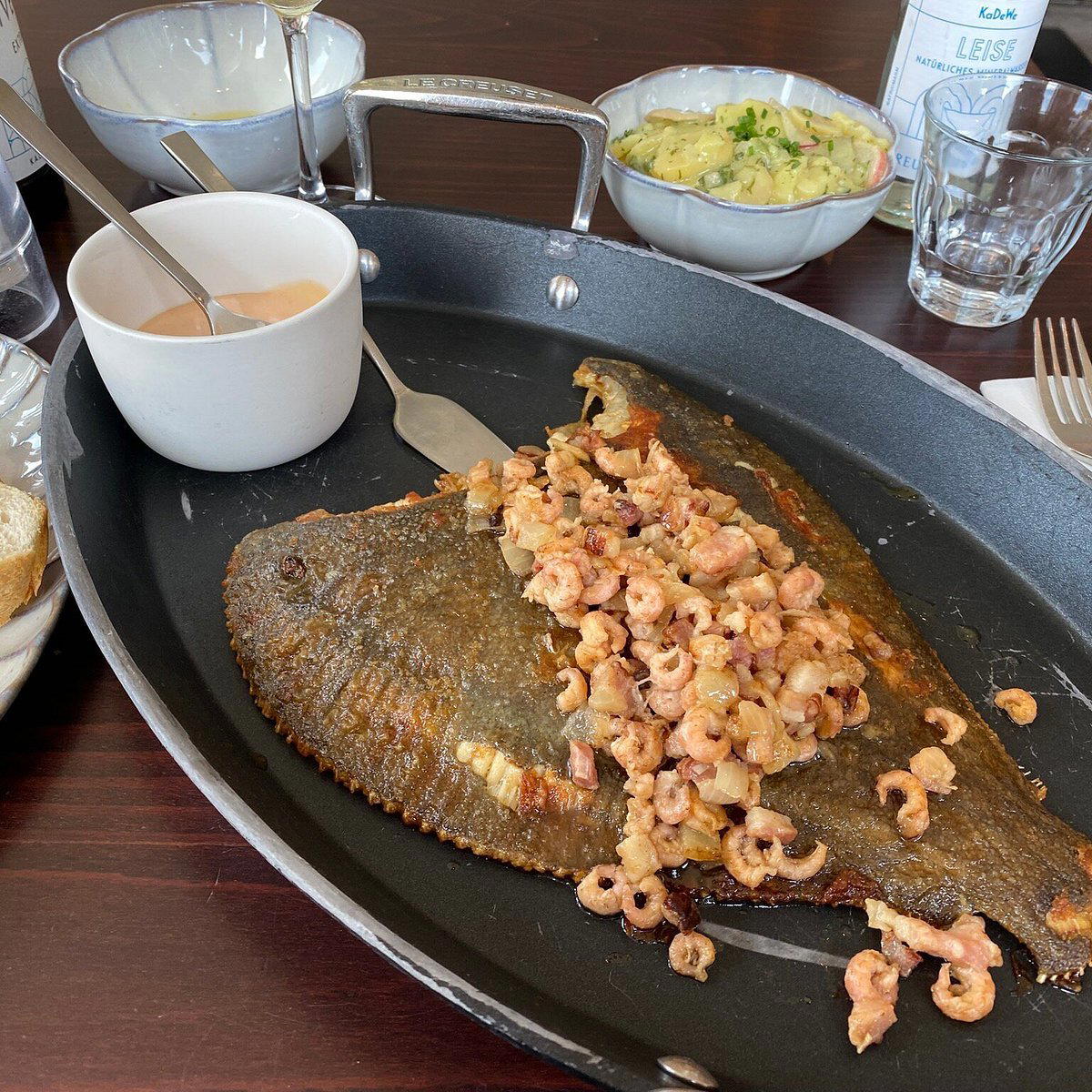
Seafood Provenance on Tauentzienstraße
Fischkutter is a seafood restaurant in Berlin, at Tauentzienstraße 21-24, with. The street is better known for KaDeWe's food halls and the dense pedestrian flow of a major shopping corridor than for restaurants that position sustainability as a structural commitment rather than a menu footnote. Fischkutter operates at number 21-24 along this stretch, and the address alone creates an interesting tension: a provenance-led seafood approach inside one of the city's highest-footfall retail zones.
That tension is actually instructive. Berlin's fine-dining scene has long been concentrated in Mitte, Prenzlauer Berg, and around the Tiergarten, where venues like FACIL, Rutz, and Nobelhart & Schmutzig have built reputations on local-sourcing rigour. Fischkutter's western location places it in a different neighbourhood register, one where the diner profile is broader and the context for serious seafood dining less established. That makes its presence more consequential, not less.
The Sustainability Frame: Why It Matters in German Seafood Dining
Germany's relationship with fish is structurally complicated. The country is landlocked across most of its territory, which means high-volume seafood supply chains tend to prioritise logistics over provenance. The result is that most restaurant fish in German cities travels significant distances before it reaches a plate, with traceability often patchy at the retail and wholesale level. Coastal destinations like Hamburg have built more developed seafood cultures, Restaurant Haerlin in Hamburg, for instance, operates within a tradition of northern German seafood seriousness that Berlin has historically lacked.
In that context, a Berlin fish restaurant that takes sourcing seriously is addressing a genuine gap. Across Europe's more sustainability-conscious dining scenes, the shift has been away from species prestige (Dover sole, bluefin tuna) toward lower-impact, under-utilised fish chosen for ecological reasons as much as flavour. That framing has become standard in Scandinavian fine dining and has made inroads in London and Paris. Berlin has been slower to absorb it, which means a venue genuinely committed to that logic sits in a relatively uncrowded position in the city's seafood category.
The comparison with waste-reduction-focused kitchens elsewhere is worth noting. Le Bernardin in New York City has long operated at the intersection of technical seafood cooking and sourcing accountability, treating fish as a material that demands both skill and responsibility. On the more experimental side, Lazy Bear in San Francisco has embedded ethical sourcing into a format where the narrative around ingredients is as important as the cooking itself. Fischkutter's address and apparent format suggest a less formal register than either of those, but the underlying question, where did this fish come from, and at what cost to the ecosystem, is the same one serious seafood kitchens across price tiers are now expected to answer.
Berlin's Broader Dining Context
Berlin's Michelin-starred tier has become more competitive in recent years, with CODA Dessert Dining and Restaurant Tim Raue representing two ends of a spectrum from conceptual rigour to bold Asian-influenced flavour. What those venues share is a willingness to commit to a single strong editorial identity and hold it. The city's dining scene rewards that kind of specificity. A seafood restaurant that makes provenance its throughline rather than just another marketing phrase is making the same kind of commitment.
Outside Berlin, Germany's most decorated tables tend to be destination restaurants outside the capitals: Schwarzwaldstube in Baiersbronn, Aqua in Wolfsburg, Vendôme in Bergisch Gladbach, Victor's Fine Dining by Christian Bau in Perl, and Waldhotel Sonnora in Dreis all operate in rural or small-city settings where sourcing relationships with nearby producers are geographically easier to build and maintain. Urban restaurants face a harder supply-chain problem, which is precisely why a city-centre seafood concept with genuine sourcing intent carries more editorial weight when it works.
Other German cities offer additional reference points: JAN in Munich, ES:SENZ in Grassau, Schanz in Piesport, and Bagatelle in Trier each show how regional German cooking at a serious level depends on producer relationships that city kitchens have to work harder to establish. The logistics of ethical seafood sourcing in an inland city are non-trivial, and that effort, when visible in the product on the plate, is the central story worth telling about any Berlin fish restaurant.
Planning Your Visit
Tauentzienstraße sits in the Charlottenburg-Wilmersdorf district, directly accessible from U-Bahn station Wittenbergplatz (U1, U2, U3). The area is high-footfall throughout the week, particularly on weekends when KaDeWe draws significant visitor traffic. For venues on this stretch, weekend availability at peak dining hours tends to compress quickly, making a booking a sensible precaution rather than a formality. Weekday evenings typically offer more flexibility.
| Venue | Area | Format | Price Tier | Notable for |
|---|---|---|---|---|
| Fischkutter | Charlottenburg | Seafood-specialist | Not confirmed | Provenance-led seafood, western Berlin |
| Nobelhart & Schmutzig | Mitte | Modern German tasting | €€€€ | Hyper-local sourcing, counter format |
| Rutz | Mitte | Modern European | €€€€ | Wine programme, producer focus |
| FACIL | Tiergarten | Contemporary European | €€€€ | Garden setting, hotel-backed |
| CODA Dessert Dining | Neukölln | Creative dessert tasting | €€€€ | Concept-led, Michelin-starred |
The Essentials
Comparable venues nearby, for context on price, style, and recognition.
| Venue | Cuisine | Price | Notes |
|---|---|---|---|
| FischkutterThis venue — the venue you are viewing | Schoneberg, Fresh Seafood | $$ | Not listed |
| Trattoria a muntagnola | Not listed | $$ | Schoneberg, Authentic Southern Italian Basilicata Trattoria |
| Han BBQ | Charlottenburg, Korean BBQ | $$ | Not listed |
| Restaurant Pastis | Wilmersdorf, Classic French Bistro | $$ | Not listed |
| Sasaya | Not listed | $$ | Prenzlauer Berg, Traditional Japanese Sushi |
| Szimpla Berlin | Friedrichshain, Hungarian Bistro | $$ | Not listed |
Continue exploring
More in Berlin
Restaurants in Berlin
Browse all →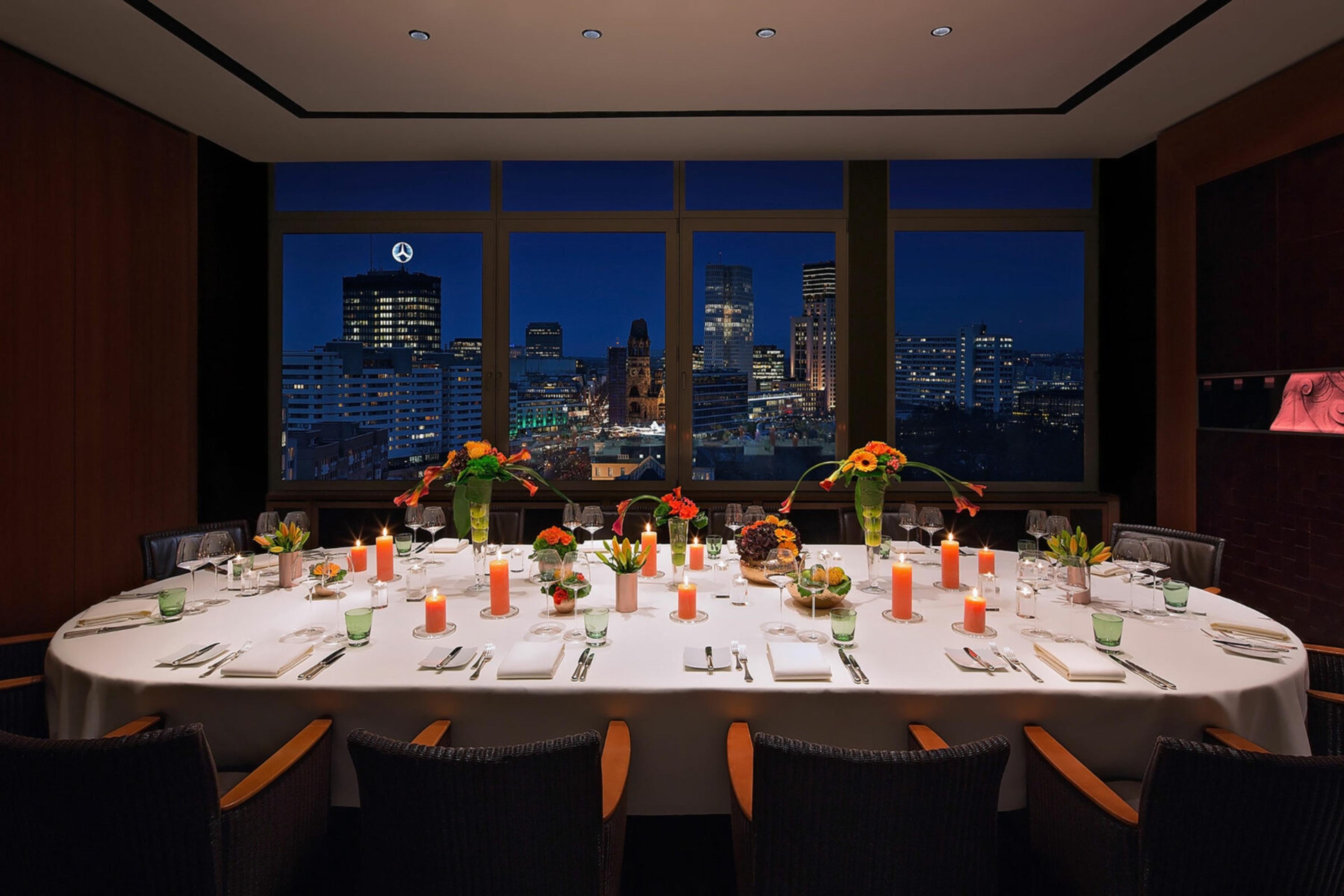
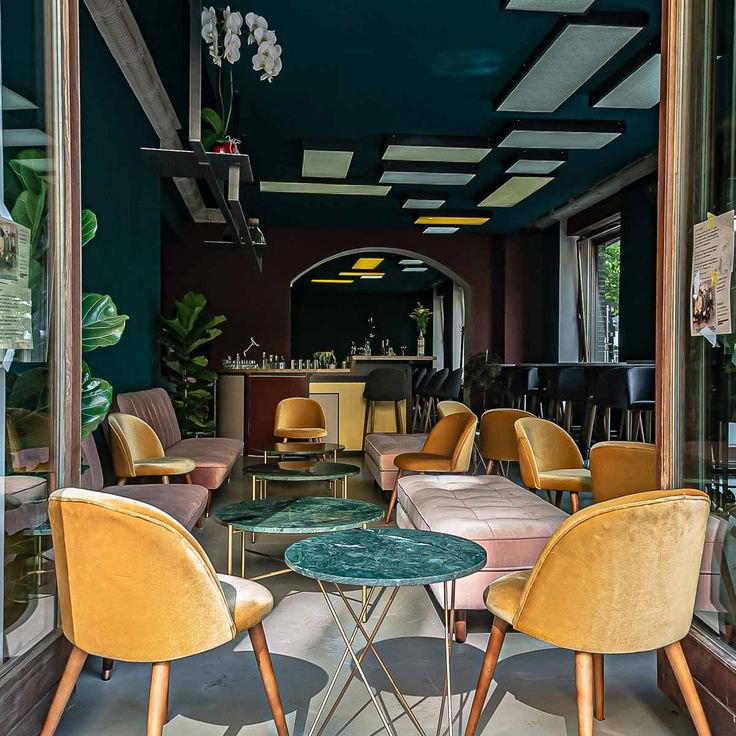
Bars in Berlin
Browse all →
Hotels in Berlin
Browse all →

At a Glance
- Lively
- Lunch
- Dinner
- Standalone
Current opening hours
- Monday
- 12–8 PM
- Tuesday
- 12–8 PM
- Wednesday
- 12–8 PM
- Thursday
- 12–8 PM
- Friday
- 12–8 PM
- Saturday
- 12–8 PM
- Sunday
- Closed
Hours can change for holidays and private events. Last verified .
Energetic atmosphere with lively seafood dining experience.