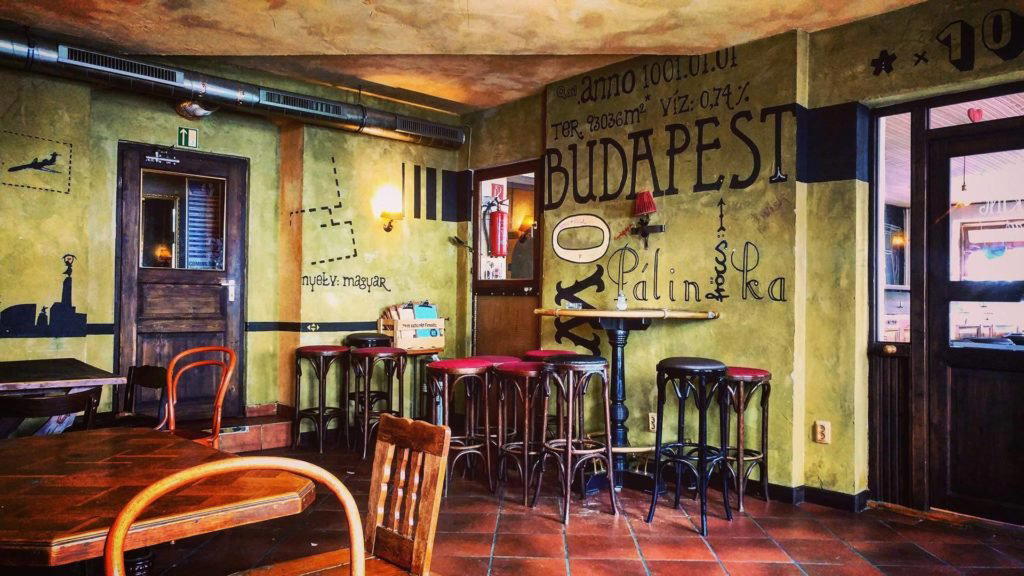
"A Bit of Budapest in Berlin One of Budapest's well-known "ruin" bars, Szimpla has a cafe & bar in the heart of Berlin 's coolest neighborhood. On a corner of Boxhagener Platz (popular for its weekend markets), the Szimpla cafe offers brunches and a lively atmosphere in the early evening. It's one of my favorite cafes in Friedrichshain and thanks to a recent expansion, there's now plenty of tables and cozy couches to enjoy a relaxed night out. Things only get messy when you overindulge in the Hungarian alcoholic specialty, Pálinka (a potent fruit-flavored brandy)."
- Address
- Gärtnerstraße 15, 10245 Berlin, Germany
- Phone
- +49 30 66308523
- Website
- szimpla.de
- Directions
- Get directions
Friedrichshain's Ruin Bar Export, What Szimpla Berlin Actually Is
Gärtnerstraße 15 sits in the eastern stretch of Friedrichshain, a neighbourhood whose post-reunification identity was built on repurposed industrial space, cheap rent, and a deliberate indifference to polish. The ruin bar format that made Szimpla's Budapest original a reference point in European alternative nightlife culture carries specific cultural freight when it travels: it is, at its core, a Central European response to vacancy, a way of turning urban neglect into something worth visiting before the developers arrive.
The ruin bar tradition originates in Budapest, where Szimpla Kert opened in 2002 in a derelict factory in the Jewish Quarter and became the template for an entire category of venue. The formula is architectural salvage as aesthetic programme: mismatched furniture, exposed brick, hanging bicycles, dim corridors opening onto unexpected courtyards, and a bar operation calibrated to volume rather than craft. It is the anti-lounge, the anti-hotel bar, and deliberately so. When that format arrives in Berlin, it meets a city that has its own deep history of exactly this kind of space, the Mitte squat bars of the 1990s, the techno clubs in former power stations, the open-air venues that occupied the Spree's vacant riverbanks for two decades. Berlin has always done ruin chic without needing to import it.
Friedrichshain and the Context of the Address
Gärtnerstraße places Szimpla Berlin in a part of Friedrichshain that sits between the club corridor of Revaler Strasse and the calmer residential grid further south. The immediate neighbourhood has gentrified at a pace slower than Mitte or Prenzlauer Berg, which means it retains the mixture of Spätkauf culture, mid-range bars, and occasional institutional grey that still reads as authentic East Berlin to visitors who arrived after the prime years. For a ruin bar concept, this is a sensible address. The surrounding streets do not contradict the aesthetic.
For visitors coordinating an evening in this part of the city, Friedrichshain is accessible by U5 and S-Bahn to Ostbahnhof or Warschauer Strasse, both within reasonable walking distance of the Gärtnerstraße address. The neighbourhood rewards an early evening arrival on foot from the Spree waterfront, which gives a useful sense of how the eastern districts sequence before the night consolidates around specific venues.
Where Szimpla Sits in Berlin's Broader Drinking Culture
Berlin's bar scene has never followed a single trajectory. The late 1990s and 2000s produced a wave of concept-light, experience-heavy venues where the space was the product. That era overlapped with the techno club boom, and both operated on similar principles: industrial aesthetics, low overhead, and a crowd drawn by cultural positioning rather than service standards. The craft cocktail movement arrived later and unevenly, concentrated in Mitte and Charlottenburg rather than the eastern districts. Venues like the cocktail-focused bars of the Torstrasse corridor represent one evolution; the ruin bar format represents a parallel lineage that never converged with the precision-drink crowd.
Berlin's Michelin-level restaurant scene, which includes Rutz, Nobelhart & Schmutzig, FACIL, CODA Dessert Dining, and Restaurant Tim Raue, occupies a different tier entirely. That fine dining cohort competes on provenance, technique, and reservation scarcity. Szimpla Berlin operates on entirely separate premises, it is a social venue whose value is measured in atmosphere, accessibility, and cultural association, not in kitchen credentials. These are not competing categories. A visitor constructing a Berlin itinerary can hold both without contradiction.
Germany's broader fine dining context, which includes three-star destinations like Schwarzwaldstube in Baiersbronn, Aqua in Wolfsburg, and Vendôme in Bergisch Gladbach, demonstrates how seriously German culinary culture takes formality at the leading end. Venues like Victor's Fine Dining by Christian Bau in Perl, ES:SENZ in Grassau, Schanz in Piesport, Waldhotel Sonnora in Dreis, Restaurant Haerlin in Hamburg, Bagatelle in Trier, and JAN in Munich are reference points for that tradition. The restaurant is not in conversation with any of them. Internationally, the contrast extends further: a tasting-menu institution like Le Bernardin in New York City or a chef-driven communal format like Lazy Bear in San Francisco operates with a formality of intent that the ruin bar format is explicitly structured to refuse.
What the Ruin Bar Format Actually Offers
The cultural argument for the ruin bar, in Budapest and in its exports, is that it democratises after-dark social space. There is no dress code enforced by a rope, no prix-fixe structure demanding a financial commitment before you sit down, and no sommelier to navigate. The Budapest original attracted a mixture of locals and international visitors precisely because the barrier to entry was low and the atmosphere was produced by the crowd rather than by management. That is a genuine design philosophy, not an accident of budget.
In Berlin's case, the concept arrives in a city that already has its own version of that philosophy at scale. The city's club culture operates on selective door policies, but its bar culture has always been more open. The ruin bar format fits into a section of that ecosystem without transforming it.
Planning a Visit
The restaurant is located at Gärtnerstraße 15, 10245 Berlin, in Friedrichshain. The venue is at Gärtnerstraße 15, 10245 Berlin, in Friedrichshain.
Fast Comparison
Comparable venues nearby, for context on price, style, and recognition.
| Venue | Cuisine | Price | Notes |
|---|---|---|---|
| Szimpla BerlinThis venue — the venue you are viewing | Hungarian Bistro | $$ | Not listed |
| Salhino | Authentic Georgian | $$ | Charlottenburg |
| La Cave Prenzlauer Berg | Wine Bar | $$ | Prenzlauer Berg |
| STADTSALAT | Premium Organic Bowls & Salads | $$ | Mitte |
| lütt | Modern Creative Tapas | $$$ | Kreuzberg |
| Kanal61 | Modern Bistro Sharing Plates | $$ | Kreuzberg |
Continue exploring
More in Berlin
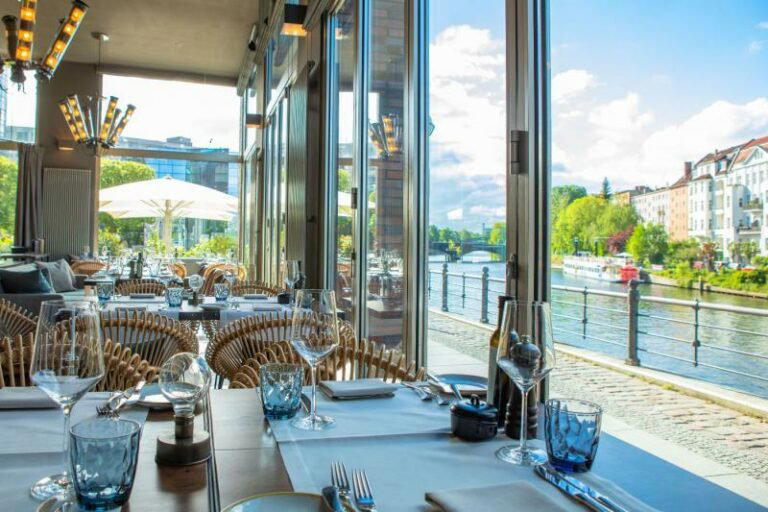
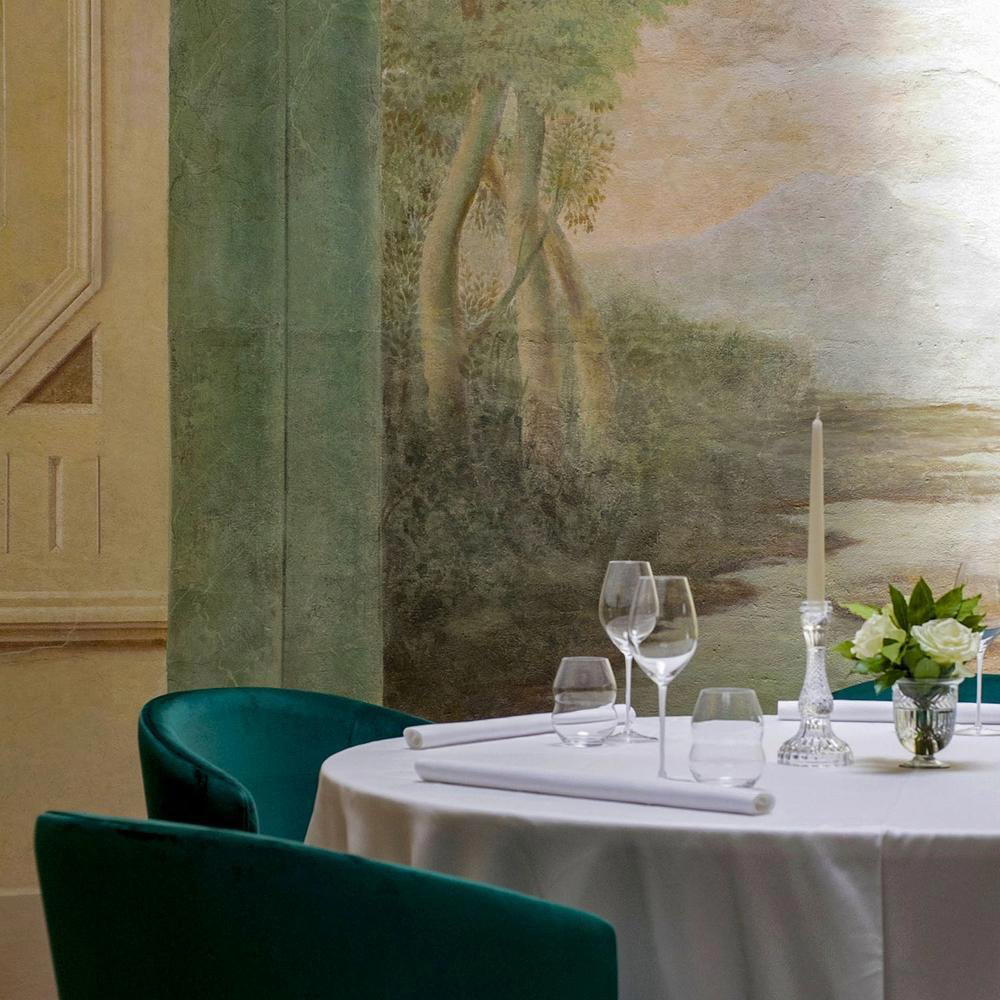
Restaurants in Berlin
Browse all →
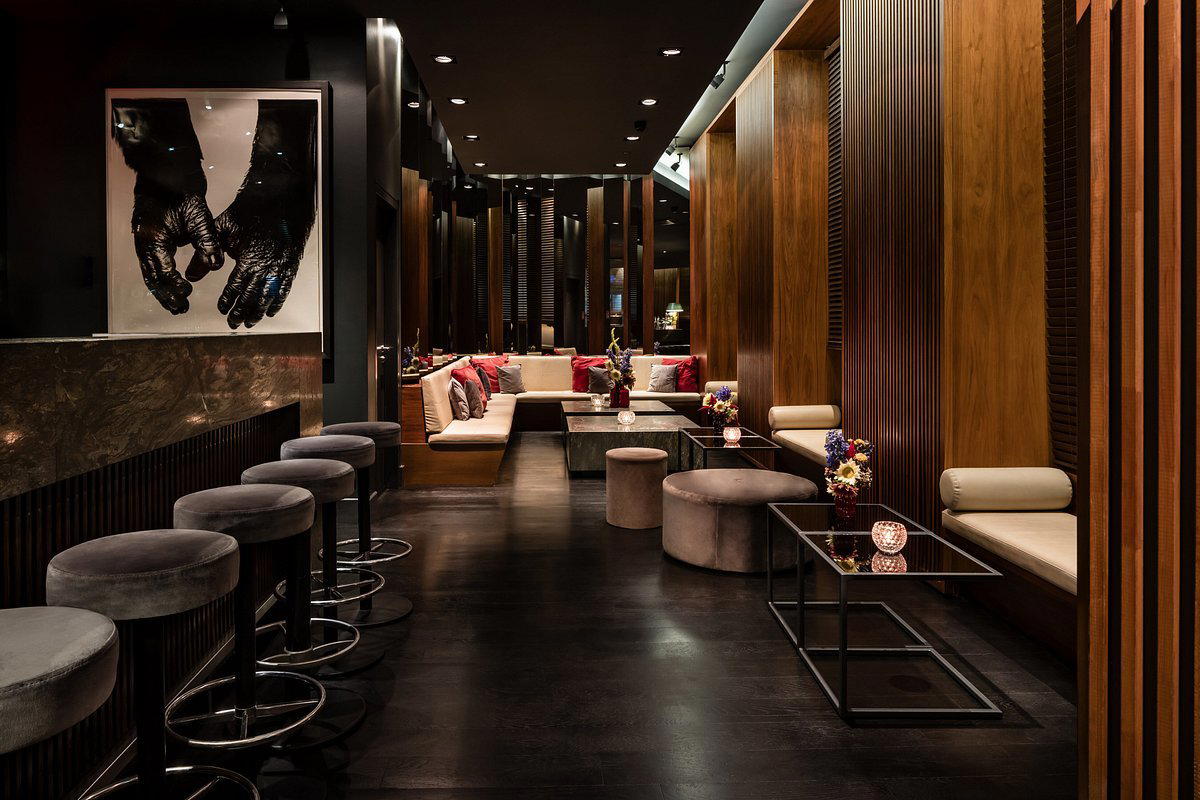
Bars in Berlin
Browse all →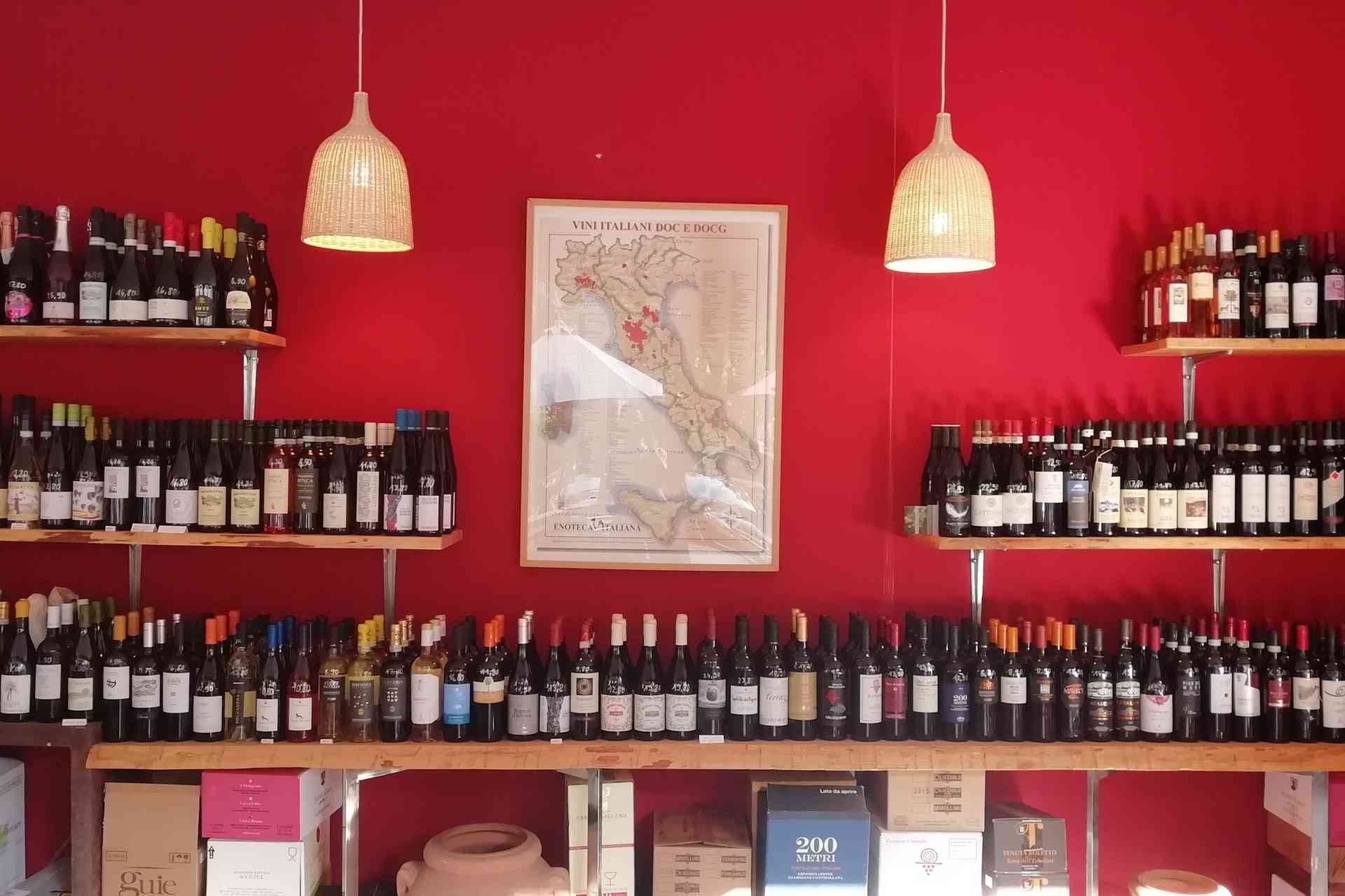
Hotels in Berlin
Browse all →
Wineries in Berlin
Browse all →
At a Glance
- Lively
- Cozy
- Bohemian
- Trendy
- Casual Hangout
- After Work
- Live Music
- Beer Program
Impressively cozy atmosphere with live music in the evenings and a laidback vibe.