A market fish stall at Vorgartenmarkt in Vienna's second district, Fisch am Markt operates where daily catch and neighbourhood commerce intersect. In a city where fine dining tilts heavily toward creative Austrian tasting menus, this kind of market-embedded seafood counter represents a different tradition: immediate, sourcing-led, and priced by the season rather than the occasion. Stand 11 is the address; the surrounding market context is the point.
Pearl is the En Primeur Club membership app — saves, bookings, and concierge access live there. Same editors, same standards.
- Address
- Vorgartenmarkt Stand 11, 1020 Wien, Austria
- Phone
- +434317268377
- Website
- fischammarkt.at
- Directions
- Get directions
 Saves & bookings on Pearl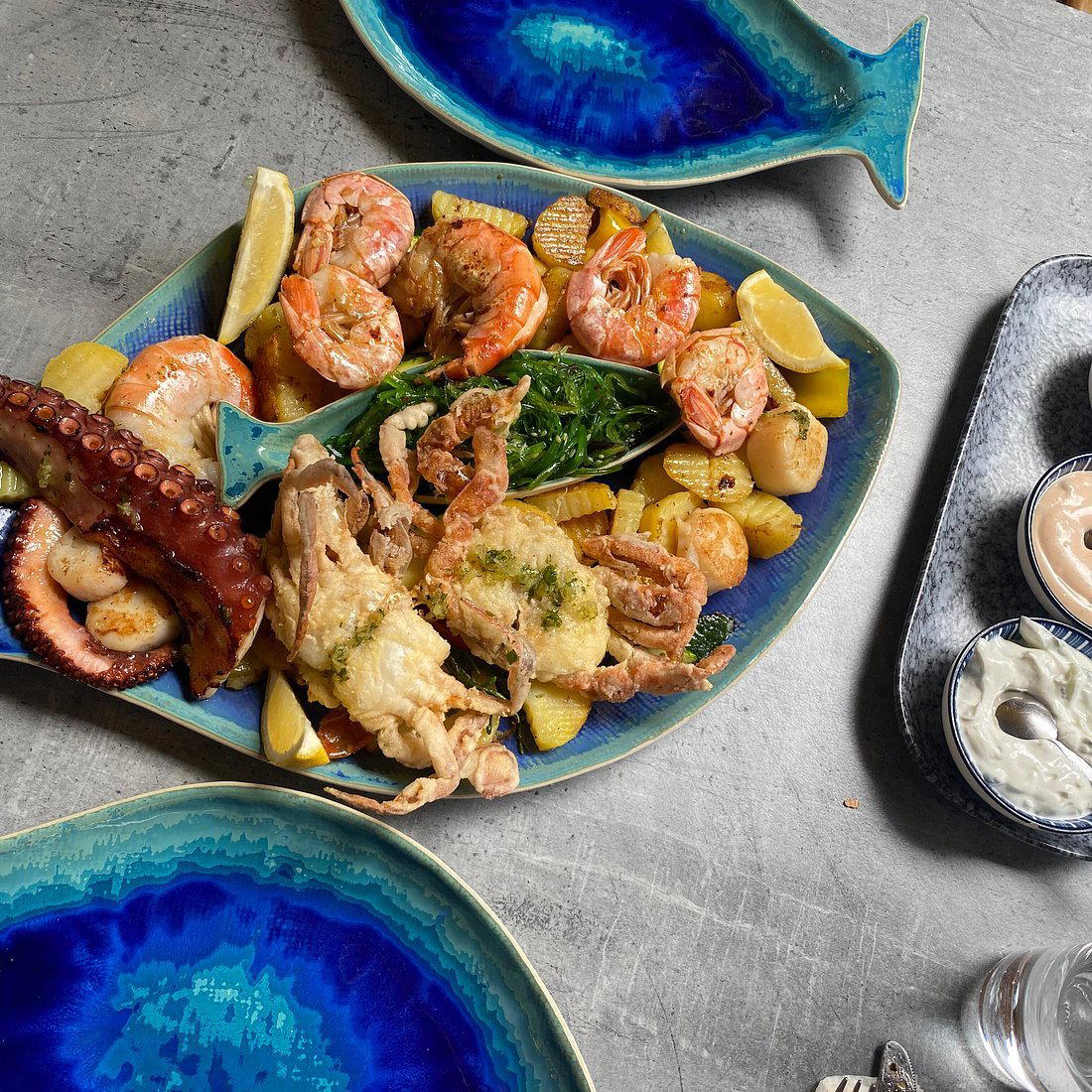
Where Vienna Buys Its Fish
Markets in Vienna still function as supply chains, not tourist theatre. The Vorgartenmarkt in the 1020 district operates on that older logic: stallholders sell to households, restaurants buy their day's protein, and the transaction is purposeful rather than performative. Fisch am Markt, at Stand 11, sits inside that system. It is a seafood counter embedded in a working neighbourhood market, and the distinction matters when assessing what it actually offers versus what the city's formal dining circuit provides.
Vienna's restaurant scene at its upper end, represented by counters like Steirereck im Stadtpark, Konstantin Filippou, and Mraz & Sohn, operates in the €€€€ bracket with elaborate tasting formats. A market stall like Fisch am Markt occupies a structurally different category: the supply side of the food chain made visible, where freshness is the non-negotiable and overhead is minimal by design. Understanding that distinction is the first step toward understanding what a visit here actually delivers.
The Market Stall as Sustainability Argument
Across European food markets, the environmental case for buying direct from a seafood counter has grown stronger as the cost of cold-chain logistics and packaging-heavy retail alternatives has become harder to ignore. A fish stall at a neighbourhood market compresses that chain significantly. What arrives at Vorgartenmarkt does not pass through a supermarket distribution centre or sit in modified-atmosphere packaging for three days. The time between source and sale is shorter, which reduces energy inputs and waste at the retail end of the process.
The sustainability credentials of any seafood operation ultimately depend on sourcing decisions upstream, specifically which fisheries supply the product and whether those fisheries operate within certified or demonstrably responsible parameters. Fisch am Markt's specific sourcing relationships are not documented in detail. What can be said is that the market-stall format, by its structural nature, tends to operate with smaller volumes, faster turnover, and less waste than larger retail formats.
The broader Austrian context is instructive. Landlocked countries have historically relied on freshwater species, and Austria's lake and river fish, including Zander, Forelle (trout), and Reinanke (coregonid), represent a lower-transport-miles option than Atlantic or Mediterranean imports. How a Vienna fish counter balances imported marine species against locally sourced freshwater options is one of the more telling sustainability signals a market stallholder can send.
Seasonal Logic Over Fixed Menus
Seasonal argument for market fish is not rhetorical. Trout runs, lake fish availability, and the commercial fishing calendars of the Alpine region all shift through the year, and a market counter that tracks those rhythms prices differently in April than in October. This is a different operating model from the tasting-menu format, where dishes are designed months in advance and ingredients sourced to fit the concept. At a market stall, the concept is the availability.
That seasonal discipline means a visit in summer will likely present different species at different price points than a visit in winter. For the Austrian fine-dining context, this kind of responsive sourcing is precisely what operations like Döllerer in Golling an der Salzach and Landhaus Bacher in Mautern an der Donau have built formal reputations around. At the market level, the same principle operates without the restaurant infrastructure. Internationally, the committed sourcing approach taken by operations like Le Bernardin in New York City demonstrates how seriously the top end of seafood dining treats supply-chain discipline. The restaurant functions at a different scale, but the underlying logic of letting daily availability drive the offer is shared.
The Vorgartenmarkt Setting
The 1020 district, Leopoldstadt, sits between the Danube Canal and the main Danube river. It is one of Vienna's denser, more mixed-use districts, with a resident population that actually uses its neighbourhood markets rather than treating them as weekend leisure destinations. The Vorgartenmarkt operates on that functional basis. Unlike the more tourist-oriented Naschmarkt, which has shifted considerably toward prepared food and coffee-stop traffic, the Vorgartenmarkt retains more of its original supply function.
For a seafood counter, that market character matters. The customer base at a working neighbourhood market trends toward regular shoppers who compare prices, know the seasonal range, and return when the offer is right. That dynamic creates a different kind of accountability than a restaurant review or an awards cycle. A stall that loses the confidence of its regular buyers has no floor of destination traffic to fall back on.
Austria's broader regional dining scene, from Obauer in Werfen and Taubenkobel in Schützen am Gebirge to Kräuterreich by Vitus Winkler in Sankt Veit im Pongau and Ois in Neufelden, has developed a coherent identity around regional sourcing and environmental awareness. The market stall sits at the base of that same value chain: less architecturally dramatic, but operationally closer to the source.
How It Compares to Vienna's Formal Seafood Offer
Vienna is not a seafood city in the way that, say, Lisbon or Copenhagen is. The dominant protein traditions are meat-heavy, and the formal dining scene reflects that. Operations like Amador and Doubek handle fish as part of broader creative menus rather than as a dedicated focus. A specialist seafood counter at the market level is therefore not competing with those operations; it serves a different function entirely, closer in spirit to what Lazy Bear in San Francisco would describe as the sourcing layer that serious restaurants depend on, made directly accessible to the public.
For visitors comparing seafood options across Austria's wider restaurant network, including Gourmetrestaurant Tannenhof in Sankt Anton am Arlberg, Stüva in Ischgl, and Schwarzer Adler in Hall in Tirol, the restaurant and Restaurant 141 by Joachim Jaud in Mieming represent a different tier of the ecosystem. The market counter is where the product originates in the retail sense; the formal kitchen is where it is transformed. Both matter to anyone trying to understand what Austria's relationship with fish actually looks like from source to plate.
City Peers
Comparable venues nearby, for context on price, style, and recognition.
| Venue | Cuisine | Price | Notes |
|---|---|---|---|
| Fisch am MarktThis venue — the venue you are viewing | Nordic-Istrian Seafood Grill | $$ | Not listed |
| Kalkalpenfisch | Fresh Local Fish Counter | $$ | Ober-St.-Veit |
| Fischrestaurant Kaj | Croatian Seafood | $$$ | Praterstern Wien Nord |
| Blue Marlin | Premium Fresh Seafood | $$$ | Hietzing |
| Goldfisch - Fischladen & Bistro | Seafood Bistro | $$ | Hofburg |
| Colono Wien | Spanish Tapas Bar & Gourmet Shop | $$ | Wien-Mitte |
Continue exploring
More in Vienna
Restaurants in Vienna
Browse all →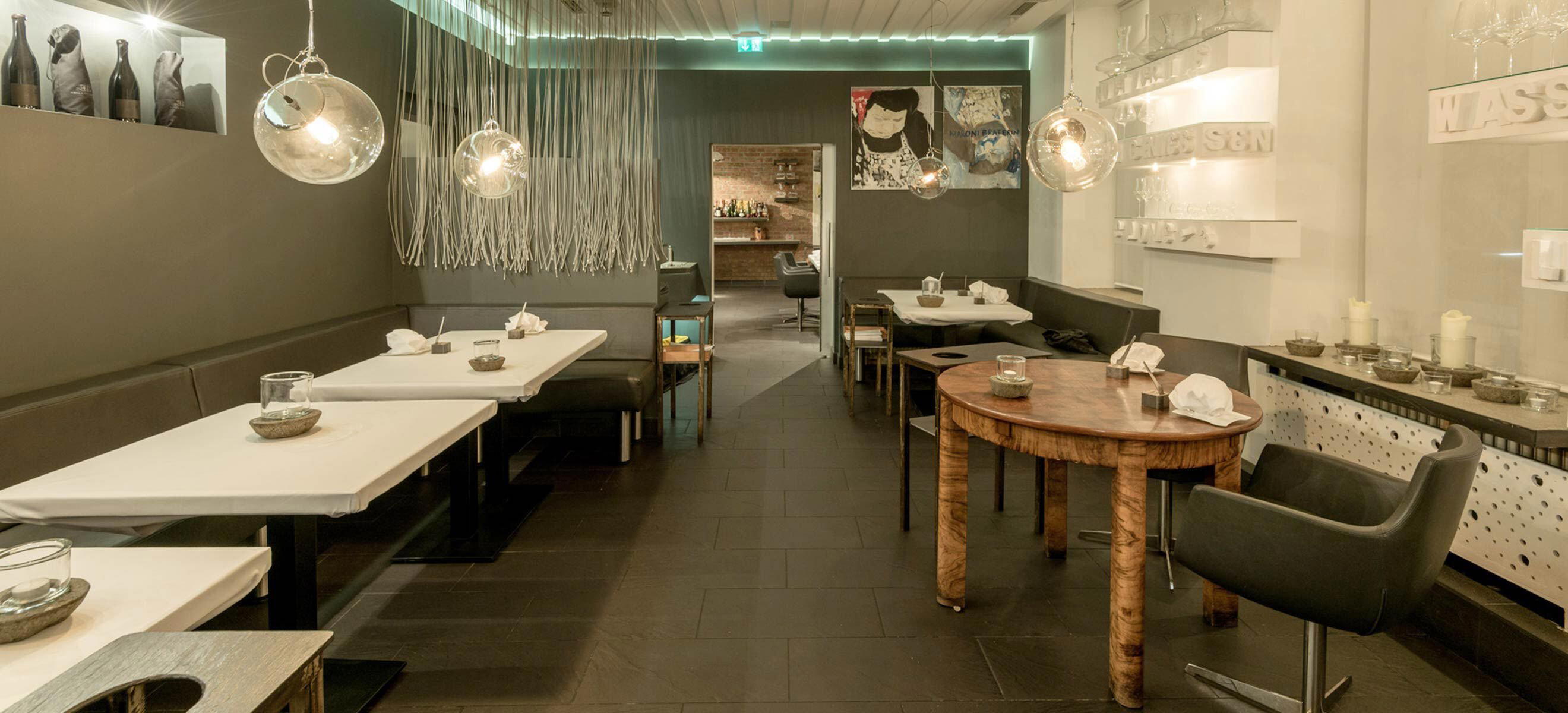
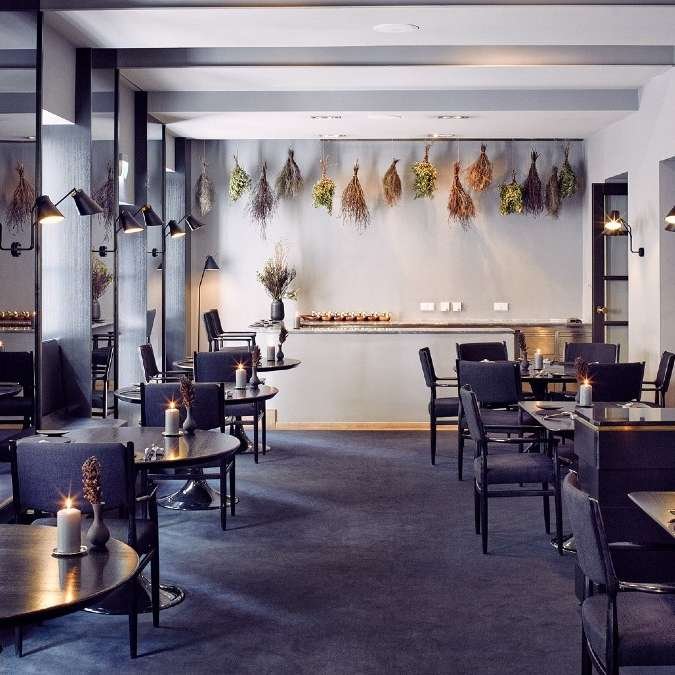
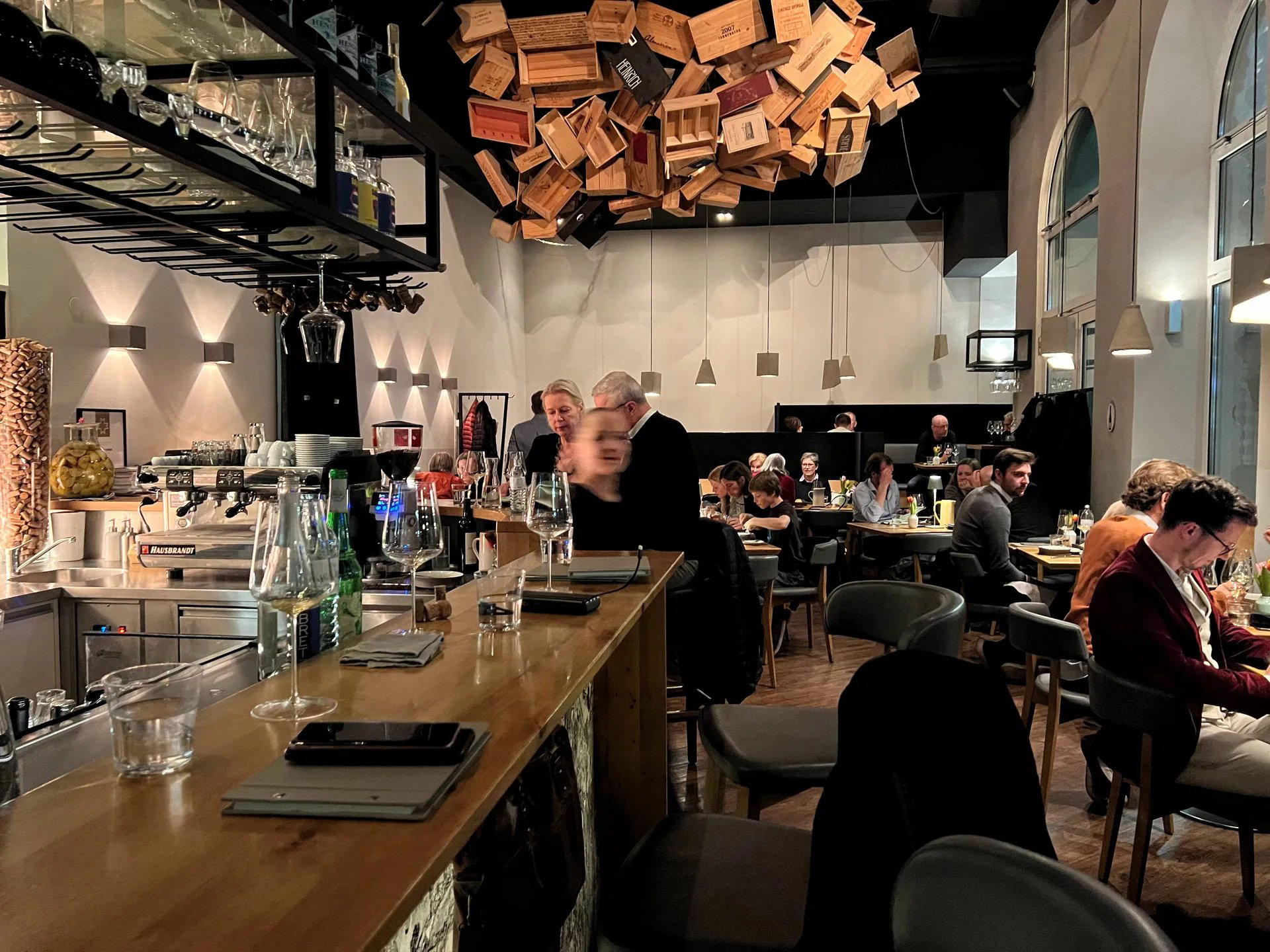
Bars in Vienna
Browse all →

Hotels in Vienna
Browse all →


At a Glance
- Cozy
- Intimate
- Casual
- Date Night
- Casual Hangout
- Terrace
- Sustainable Seafood
- Local Sourcing
- Organic
Current opening hours
- Monday
- 8 AM–3 PM
- Tuesday
- 8 AM–6 PM
- Wednesday
- 8 AM–9 PM
- Thursday
- 8 AM–9:30 PM
- Friday
- 8 AM–9 PM
- Saturday
- 8 AM–3 PM
- Sunday
- Closed
Hours can change for holidays and private events. Last verified .
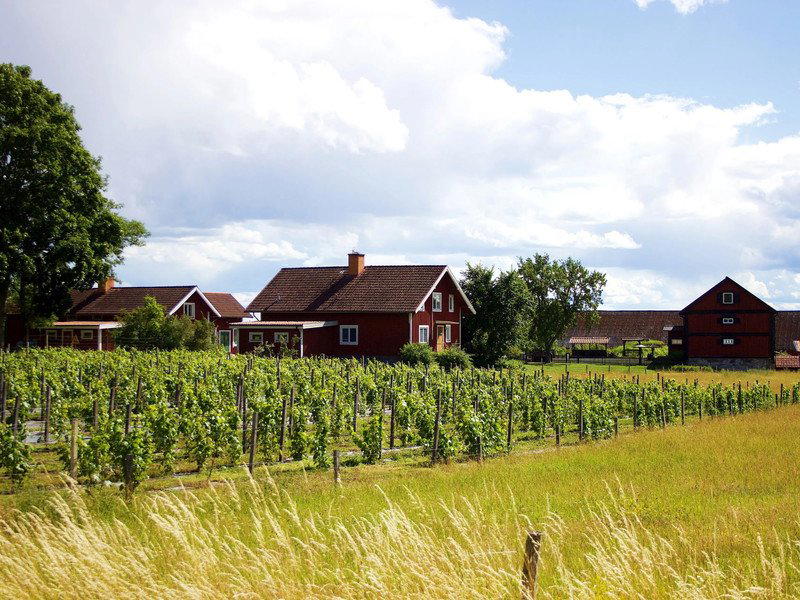
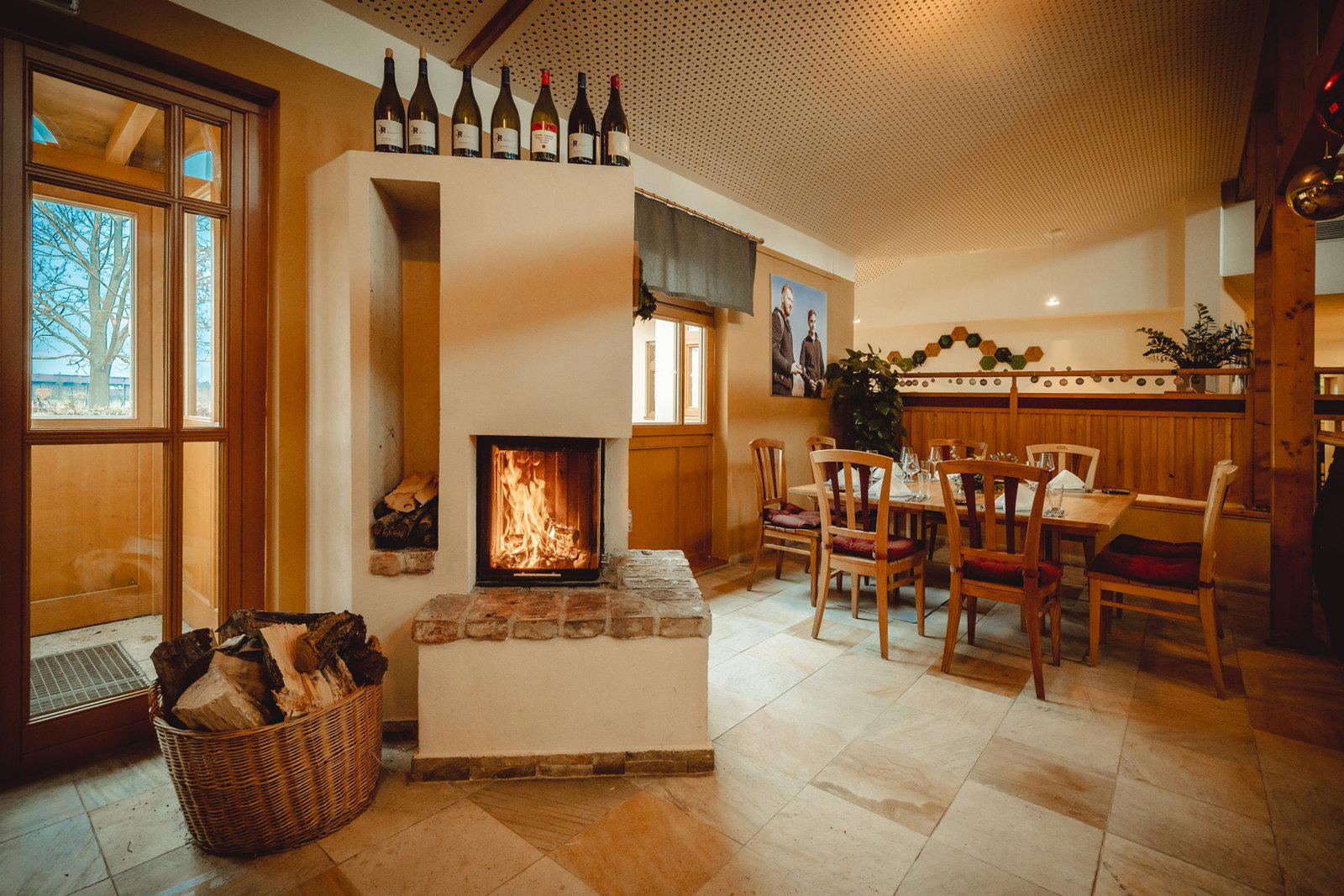
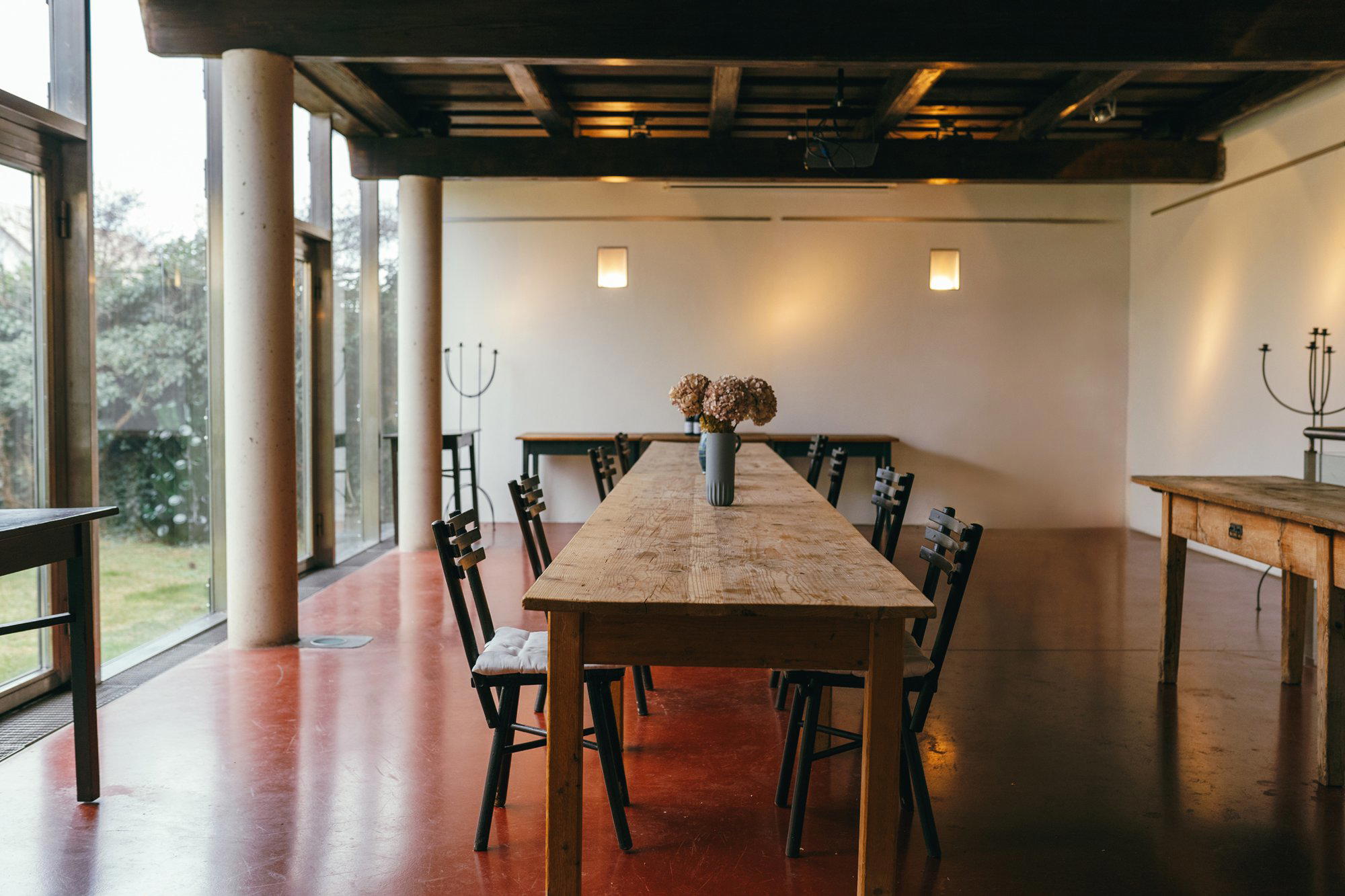
Cozy and intimate Nordic ambience with a small garden area; minimal seating creates a personal, focused dining experience.