On Lerchenfelder Strasse in Vienna's 8th district, Goldfisch operates as both fish shop and bistro, a format that places fresh catch at the centre of the plate without the ceremony of a dedicated seafood restaurant. The dual-format model reflects a broader Viennese tradition of market-adjacent eating, where provenance and simplicity carry more weight than tablecloths.
Pearl is the En Primeur Club membership app — saves, bookings, and concierge access live there. Same editors, same standards.
- Address
- Lerchenfelder Str. 16, 1080 Wien, Austria
- Phone
- +43 664 2549596
- Website
- goldfisch.wien
- Directions
- Get directions
 Saves & bookings on Pearl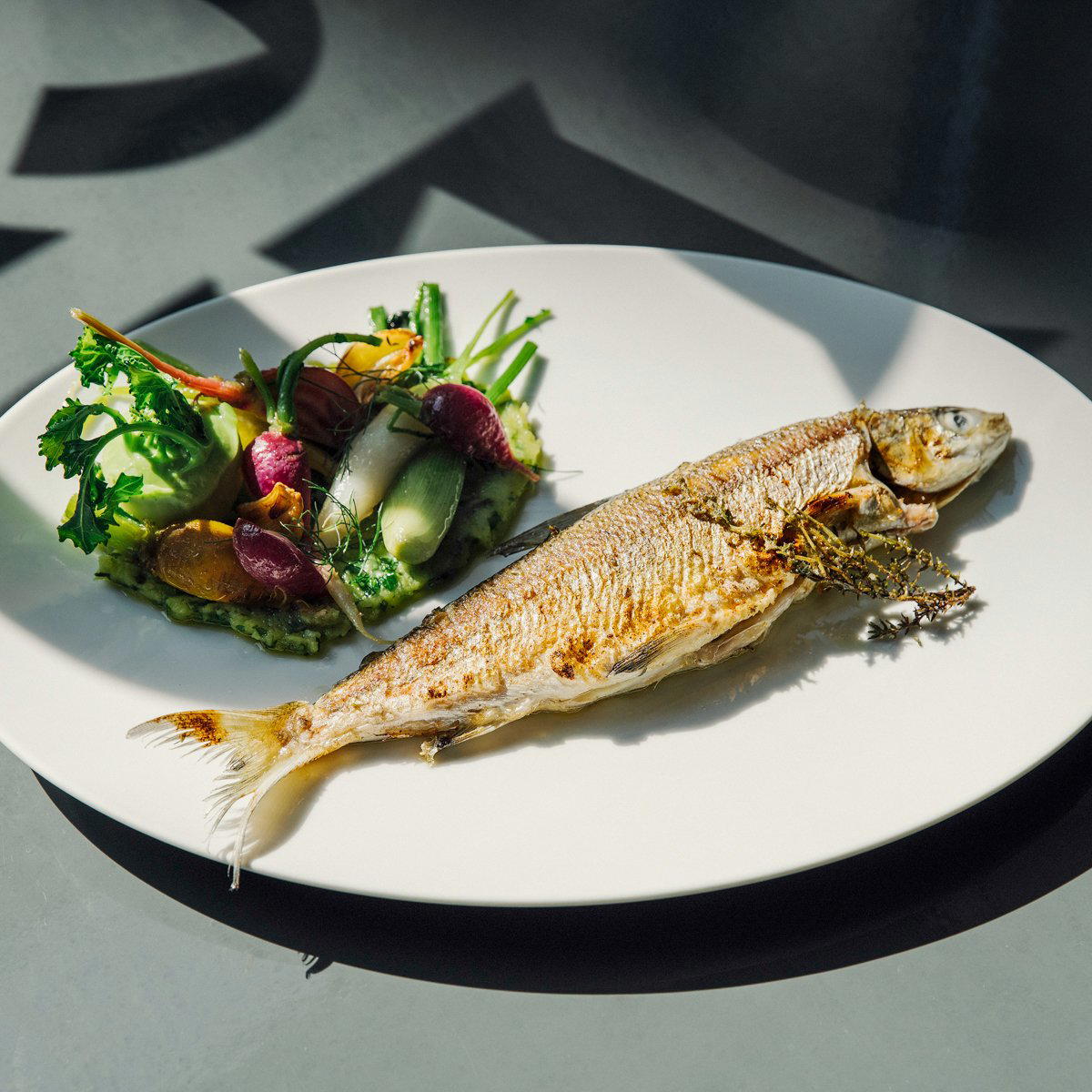
Fish Counter, Bistro Table: A Format Vienna Does Quietly Well
Goldfisch is a seafood bistro in Vienna, at Lerchenfelder Str. 16 in the 8th district. Lerchenfelder Strasse is a working neighbourhood strip, the kind of address where a butcher, a bakery, and a wine bar can sit within a few doors of each other without any of them feeling like a concept. Goldfisch occupies that register, combining a fish retail counter with bistro seating in a format that strips away the formality typically attached to seafood dining in this city. The fish shop component is not decorative. It signals that the kitchen's relationship with its primary ingredient begins at the point of purchase, not at the delivery dock.
This Fischladen-and-bistro hybrid sits in a distinct tier of Vienna's eating culture, one that operates well below the tasting-menu theatrics of Steirereck im Stadtpark or the precision-driven European cooking at Konstantin Filippou, and closer to the neighbourhood trattoria model where daily availability, not a fixed printed menu, drives what lands on the plate. In a city where fine dining tends to announce itself loudly, the low-key fish-shop format functions as its own kind of credential.
The Fischladen Model and What It Actually Means for the Plate
Across Central Europe, the fishmonger-bistro combination has a long practical logic. Austria is landlocked, and fresh seafood has historically arrived through established supply routes from the Adriatic, the North Sea, and inland freshwater sources in the Alpine region. The fish shop component of an operation like Goldfisch functions as a quality signal in both directions: the retail counter demands daily-fresh stock to stay commercially viable, and the bistro kitchen draws from that same inventory. What doesn't sell by midday becomes the lunch special; what arrives on Tuesday shapes the menu through the week.
This is a meaningfully different operating model from a restaurant that sources fish independently. The dual-format creates a tighter feedback loop between what is available and what is cooked, which tends to produce menus with genuine seasonal rhythm. Vienna's inland position makes this seasonal logic more pronounced than in coastal cities: freshwater species from Austrian and Bavarian lakes (Reinanke, Saibling, Zander) rotate with imported Atlantic and Mediterranean catch depending on the season and the supplier relationship. Spring and early summer typically bring the strongest freshwater options, while autumn shifts the balance toward richer, fattier species.
For the editorial angle that defines compelling dining in Austria's capital right now, the intersection of classical European technique with indigenous Alpine and Danubian ingredients is the territory worth watching. Elsewhere in the Austrian dining scene, that argument is made at high volume: at Mraz & Sohn in Brigittenau, or in the creative frameworks of Amador. At Goldfisch, it is made without fanfare, through the simple mechanism of cooking what the counter sells.
Local Product, European Method
Austrian freshwater fish cookery has its own lineage, distinct from the Scandinavian or French traditions that dominate the international conversation about fish preparation. The Saibling (Arctic char) in particular is a species deeply embedded in Alpine Austrian food culture, farmed and wild-caught across the Salzkammergut lake district. When a Vienna bistro has consistent access to quality freshwater catch, the cooking approach that follows tends to draw on Central European methods: light butter work, clean acid from local wine reductions, herbs from the nearby Wachau or Marchfeld regions. This is not fusion in the contemporary sense; it is the natural result of applying accumulated kitchen knowledge to the leading available local ingredient.
The broader Austrian seafood-focused dining scene extends well beyond Vienna. At Döllerer in Golling an der Salzach, Alpine ingredients including freshwater fish are handled with multi-Michelin rigour. Further into the mountains, Obauer in Werfen has built decades of reputation on exactly this intersection of local provenance and classical training. In the wine country south of Vienna, Taubenkobel in Schützen am Gebirge approaches regional ingredients with a more contemporary lens. Goldfisch operates at a different price point and formality level than any of these, but the underlying logic, cook what the region produces, cook it with skill, is the same thread. For those interested in how this approach plays out in purpose-built fine dining environments, comparisons with internationally focused fish-forward kitchens like Le Bernardin in New York City and the creative seasonal model at Lazy Bear in San Francisco illustrate how far the fishmonger-kitchen integration concept can be stretched before it becomes something else entirely.
Where This Fits in the 8th District
Josefstadt, Vienna's 8th district, has a compact, residential character that makes it a consistent producer of neighbourhood restaurants with genuine local followings. It is not a tourist-driven dining corridor, which means the economics of a place like Goldfisch depend on repeat local custom rather than destination traffic. That pressure tends to keep standards honest. The street-level position on Lerchenfelder Strasse is the kind of address that Viennese residents pass regularly, which makes the fish shop component commercially sensible in a way it might not be in a more transient neighbourhood. For those building a broader picture of Vienna's mid-tier dining, see our full Vienna restaurants guide.
Comparable formats in other Austrian contexts include the market-adjacent eating around Landhaus Bacher in Mautern an der Donau, where Danube proximity shapes the kitchen's fish thinking, and the herb-forward approach at Kräuterreich by Vitus Winkler in Sankt Veit im Pongau, which demonstrates how deeply local ingredient sourcing can anchor a restaurant's identity without requiring tasting-menu formality. In the alpine ski context, places like Gourmetrestaurant Tannenhof in Sankt Anton am Arlberg and Stüva in Ischgl apply similar local-sourcing discipline to different guest contexts. What connects all of these is the same underlying principle that makes Goldfisch worth attention: the kitchen's ingredient relationship precedes its menu decisions.
And in the mountain setting, Restaurant 141 by Joachim Jaud in Mieming and Schwarzer Adler in Hall in Tirol show how Tyrolean kitchens pursue the same local-technique intersection at considerably higher formality levels.
Planning Your Visit
Goldfisch operates as a working fish shop and bistro on Lerchenfelder Strasse 16 in Vienna's 8th district, accessible by U-Bahn (U2, Lerchenfelder Strasse) or tram lines along the Gürtel. As a neighbourhood operation driven by daily catch, the opening hours are Mon closed, Tue 10:30 AM to 6:30 PM, Wed closed, Thu and Fri 10:30 AM to 10 PM, Sat 9:30 AM to 3 PM, and Sun closed.
Address: Lerchenfelder Str. 16, 1080 Wien, Austria
Comparable Venues
Comparable venues nearby, for context on price, style, and recognition.
| Venue | Cuisine | Price | Notes |
|---|---|---|---|
| Goldfisch - Fischladen & BistroThis venue — the venue you are viewing | Seafood Bistro | $$ | Not listed |
| Fish & Chips Bistro by DieSeeteufel | Fish & Chips Bistro | $$ | Inner City |
| Ragusa | Croatian Dalmatian Seafood | $$ | Inner City |
| Biofisch Fischbistro | Bio Organic Fish Bistro | $$ | Altmannsdorf |
| Lieblingsfisch | Fresh Seafood Deli & Bistro | $$ | Praterstern Wien Nord |
| Pizzeria Minante | Neapolitan Pizza | $$ | Hofburg |
Continue exploring
More in Vienna
Restaurants in Vienna
Browse all →
Bars in Vienna
Browse all →
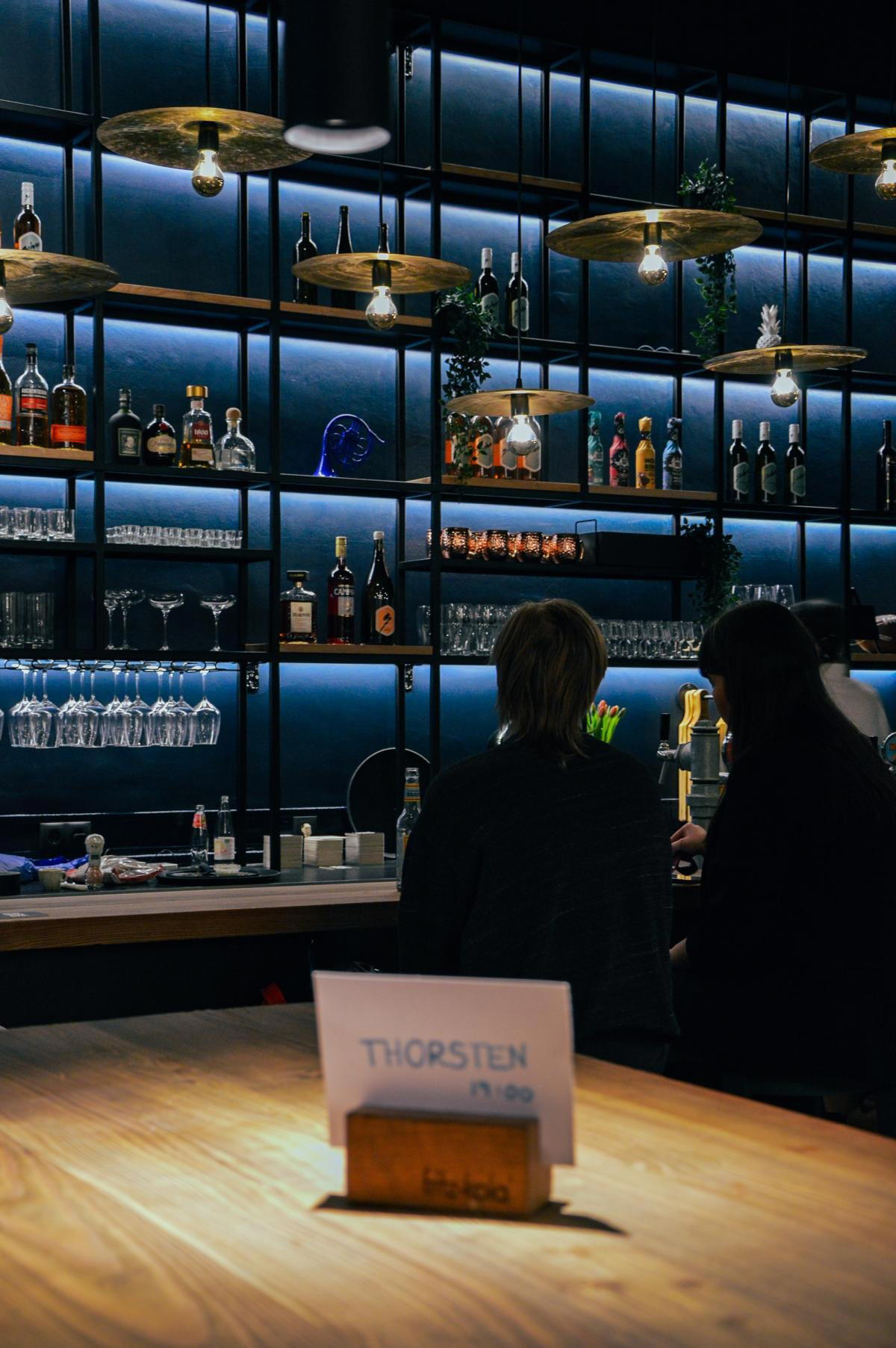
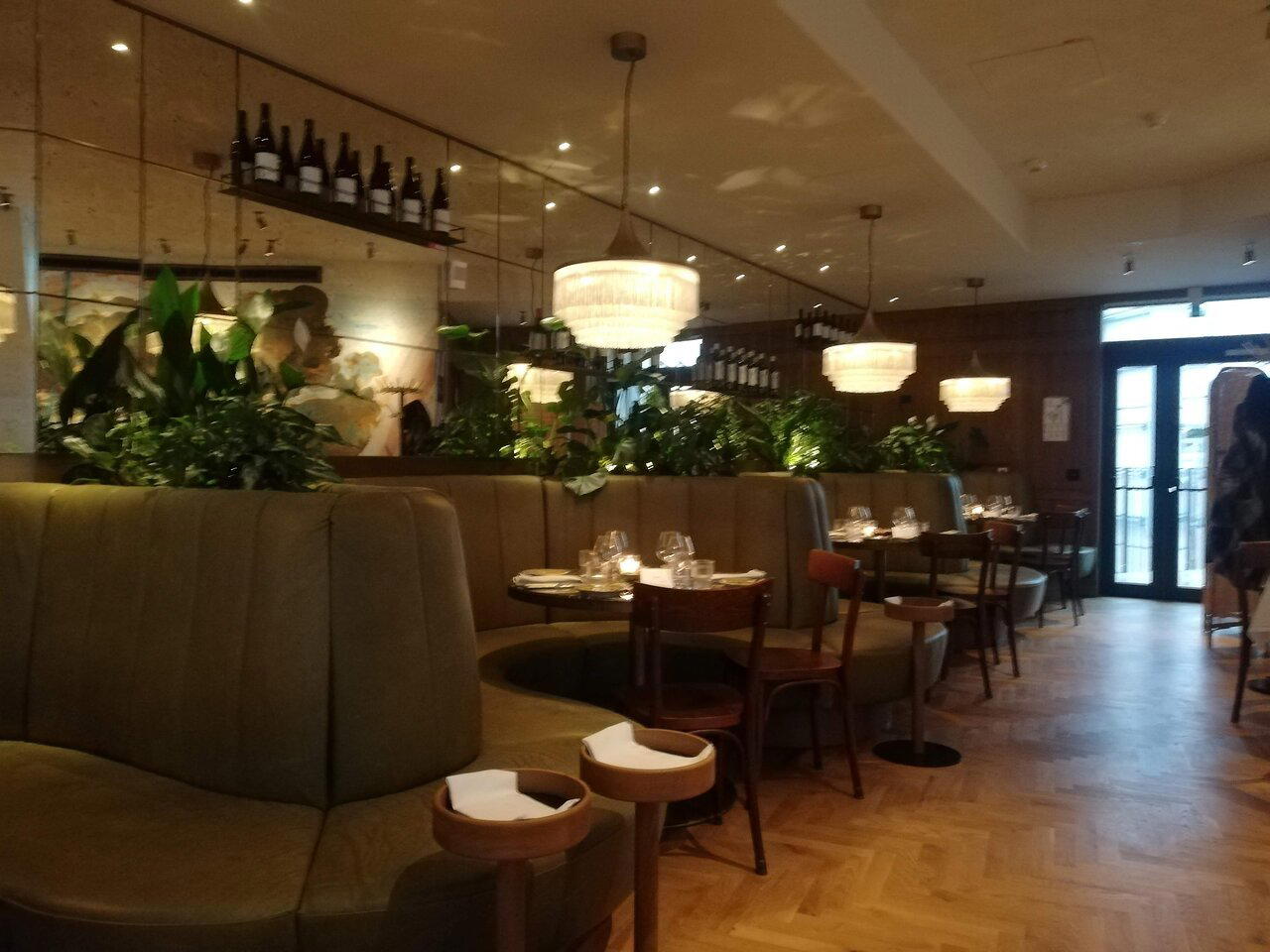
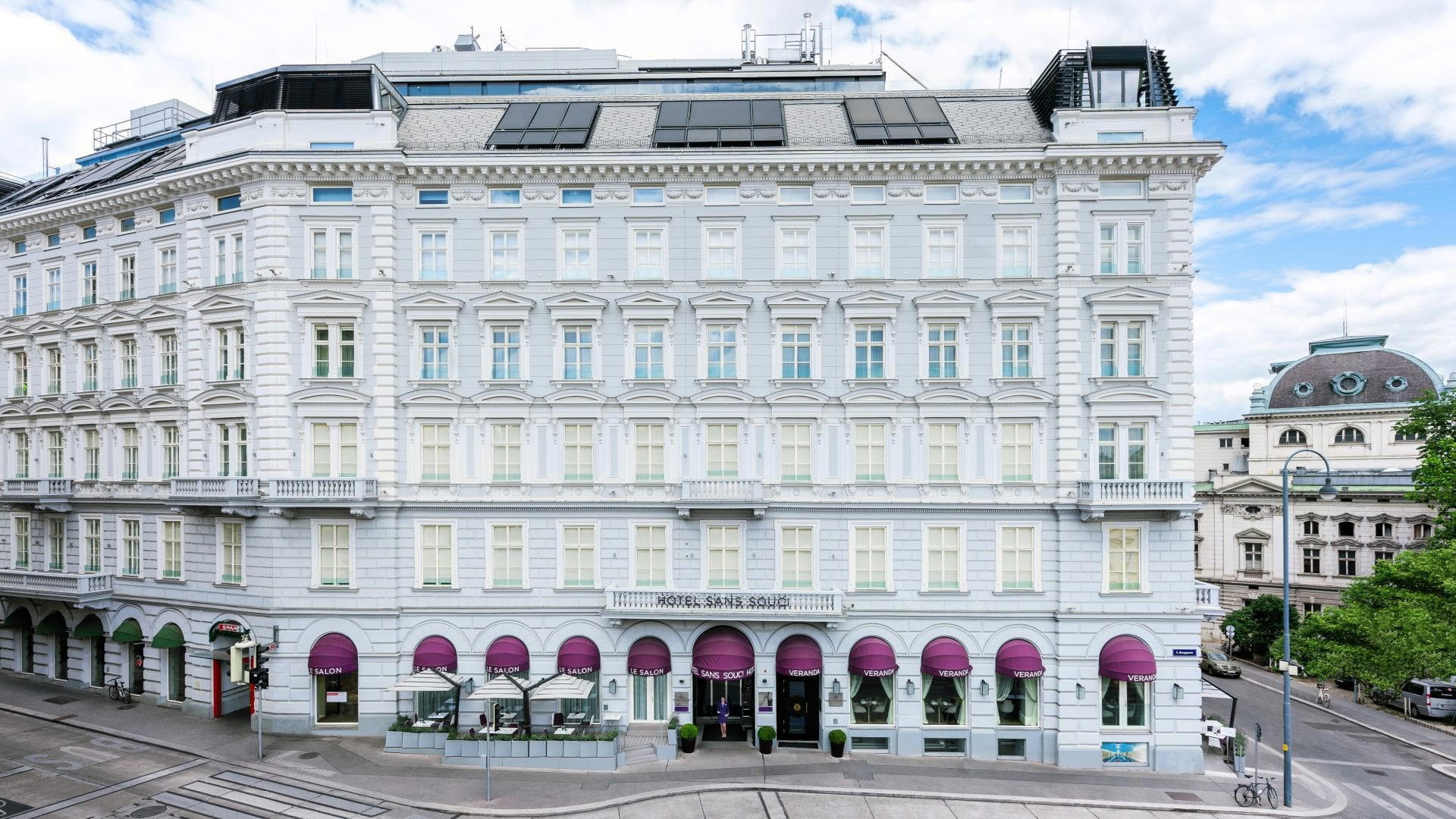
Hotels in Vienna
Browse all →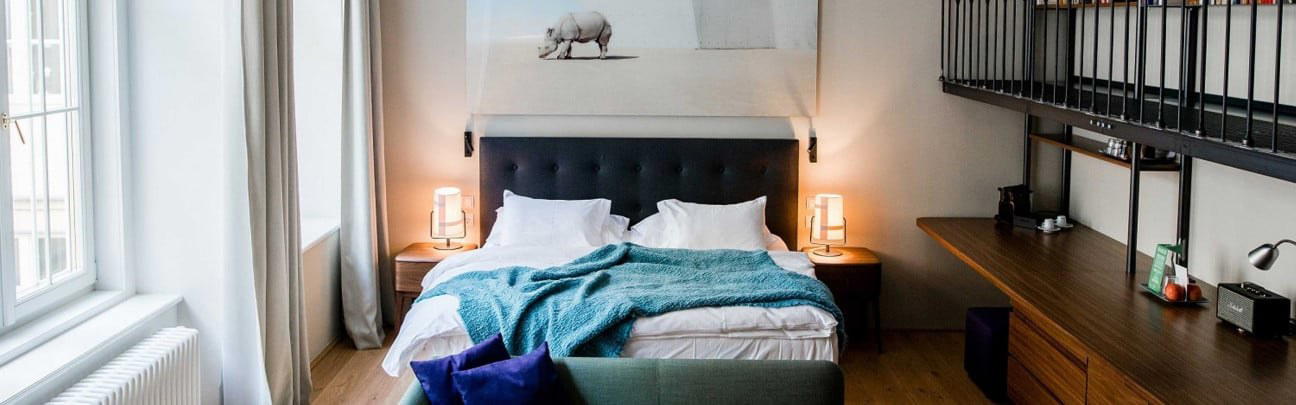
At a Glance
- Cozy
- Casual
- Casual Hangout
- Open Kitchen
- Sustainable Seafood
Current opening hours
- Monday
- Closed
- Tuesday
- 10:30 AM–6:30 PM
- Wednesday
- Closed
- Thursday
- 10:30 AM–10 PM
- Friday
- 10:30 AM–10 PM
- Saturday
- 9:30 AM–3 PM
- Sunday
- Closed
Hours can change for holidays and private events. Last verified .
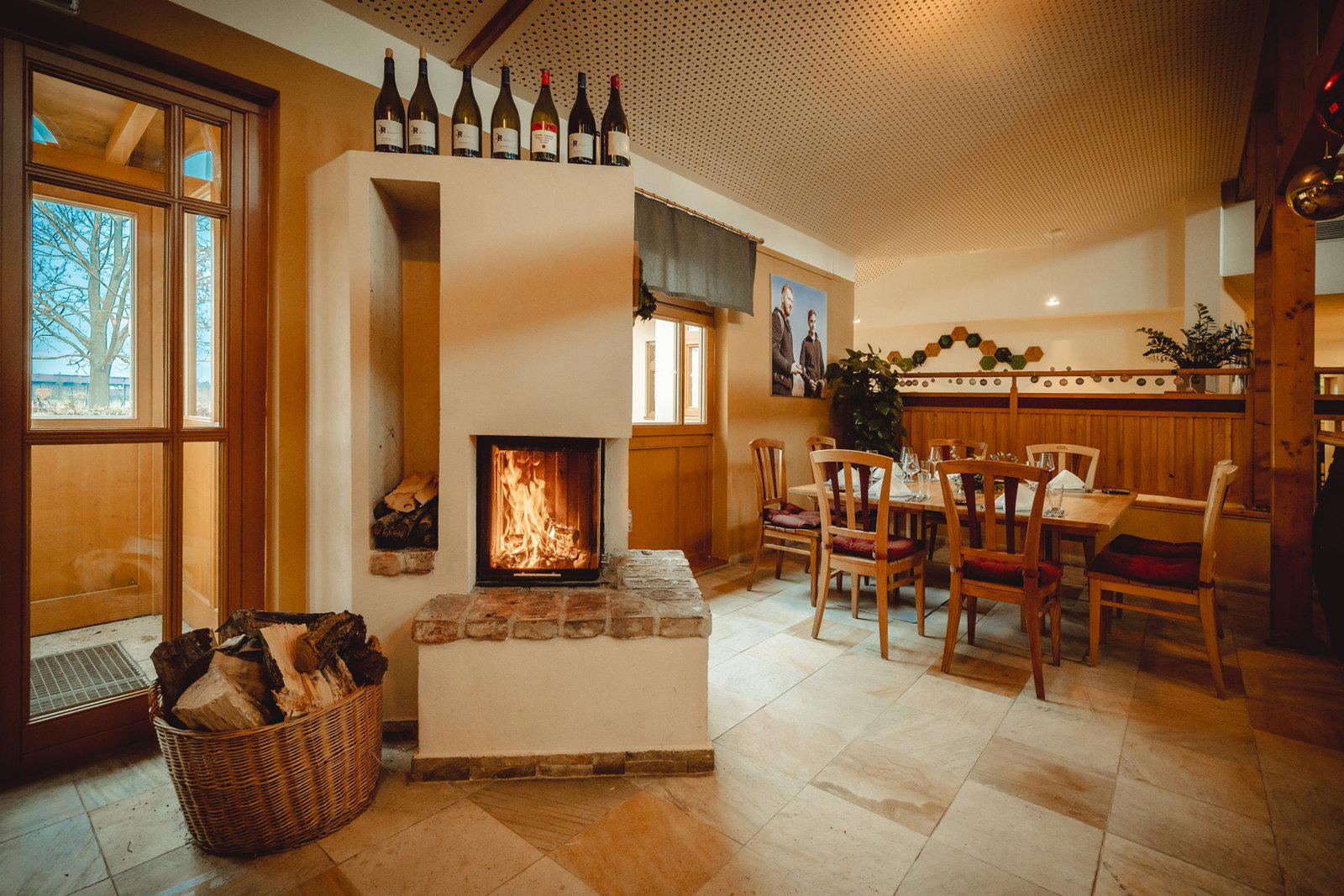
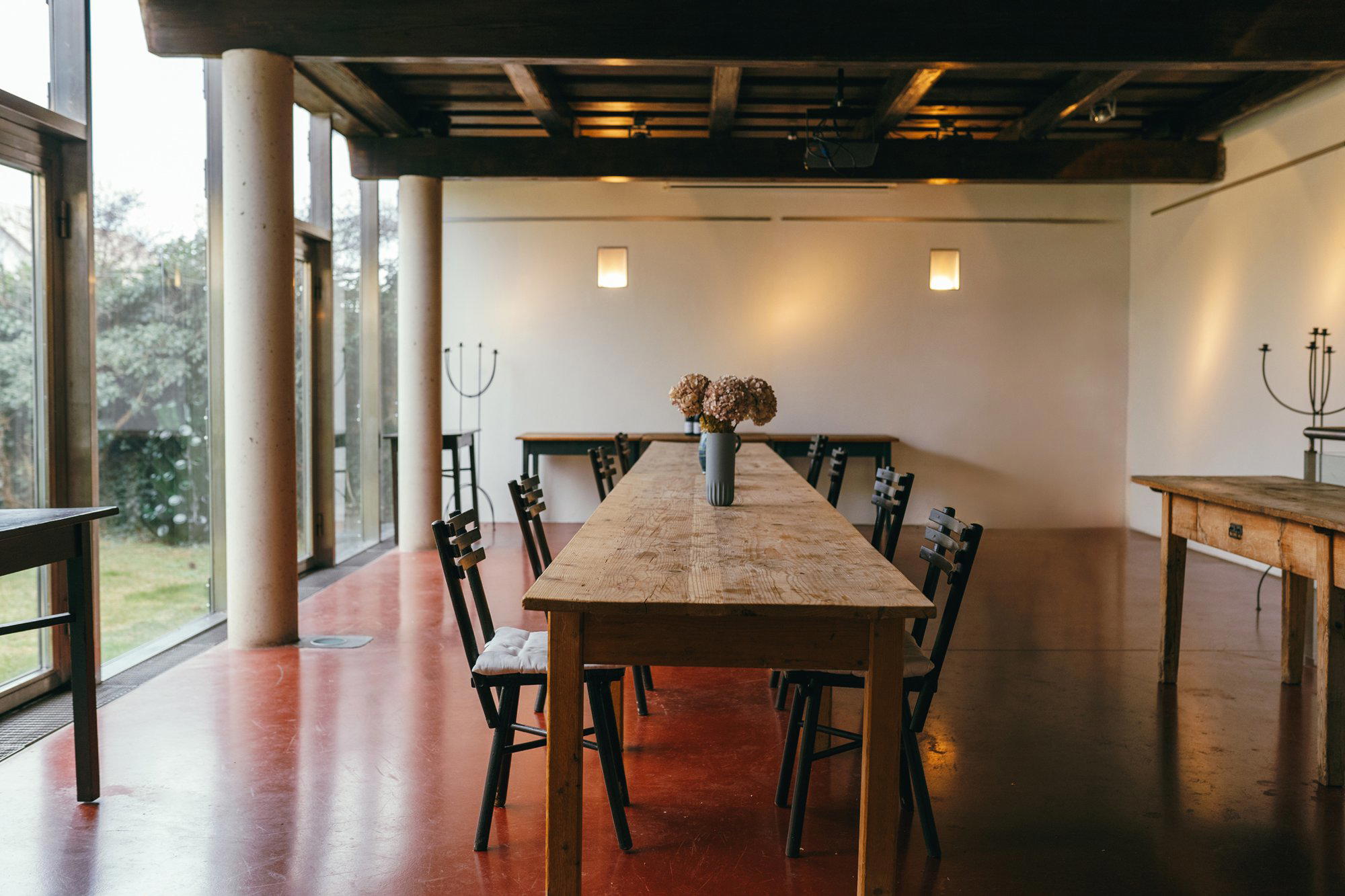
Relaxed fish market atmosphere with simple sea-inspired blue and white decor.