Alpine hut serves house dairy cheese and a sweet
 Discover on Pearl
Pearl is the En Primeur Club membership app — saves, bookings, and concierge access live there. Same editors, same standards.
- Address
- 39016 Ulten, Autonomous Province of Bolzano – South Tyrol, Italy
- Phone
- +393483101250
- Website
- fiechter-alm.it
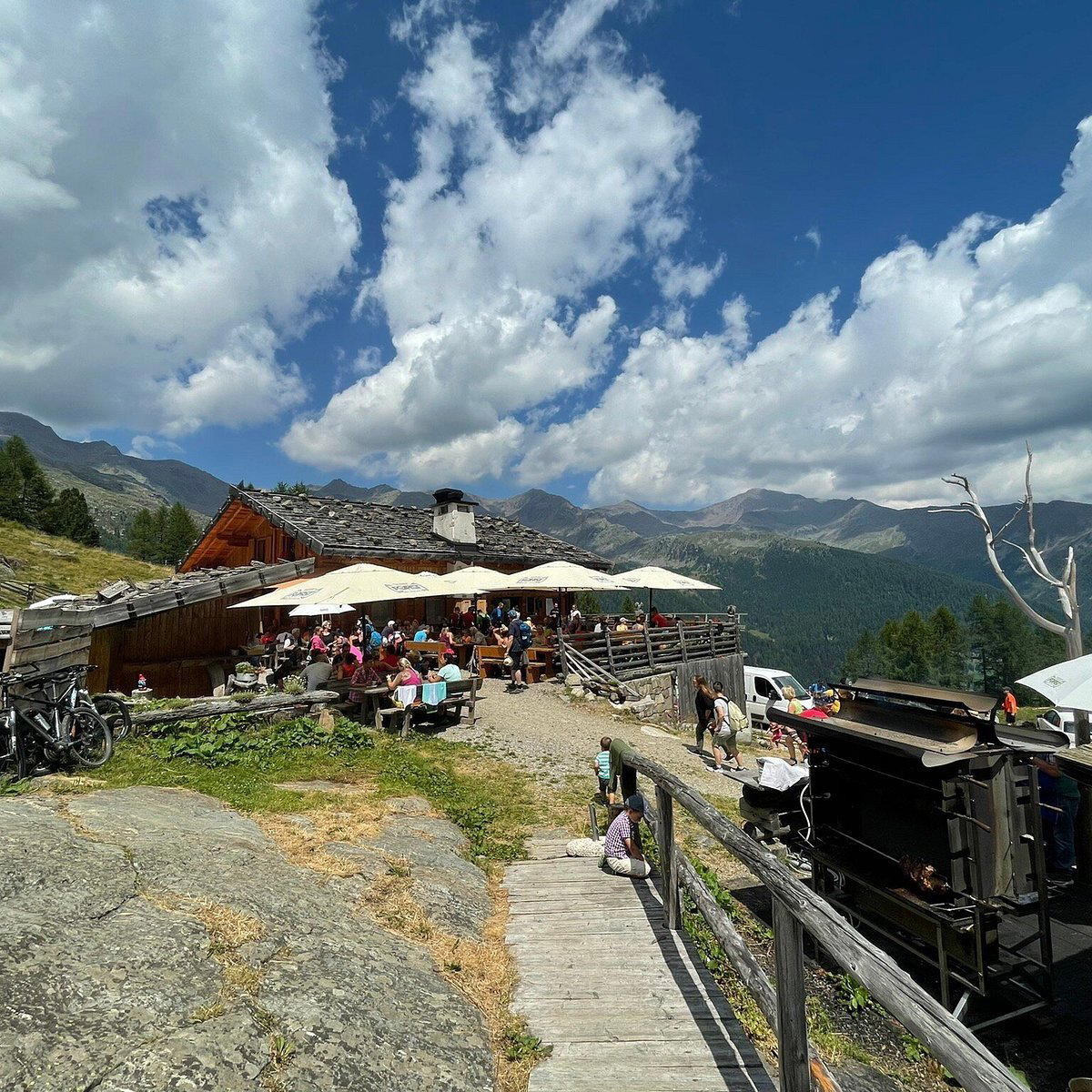
Mountain Grazing Country: What Ulten Valley Does Differently
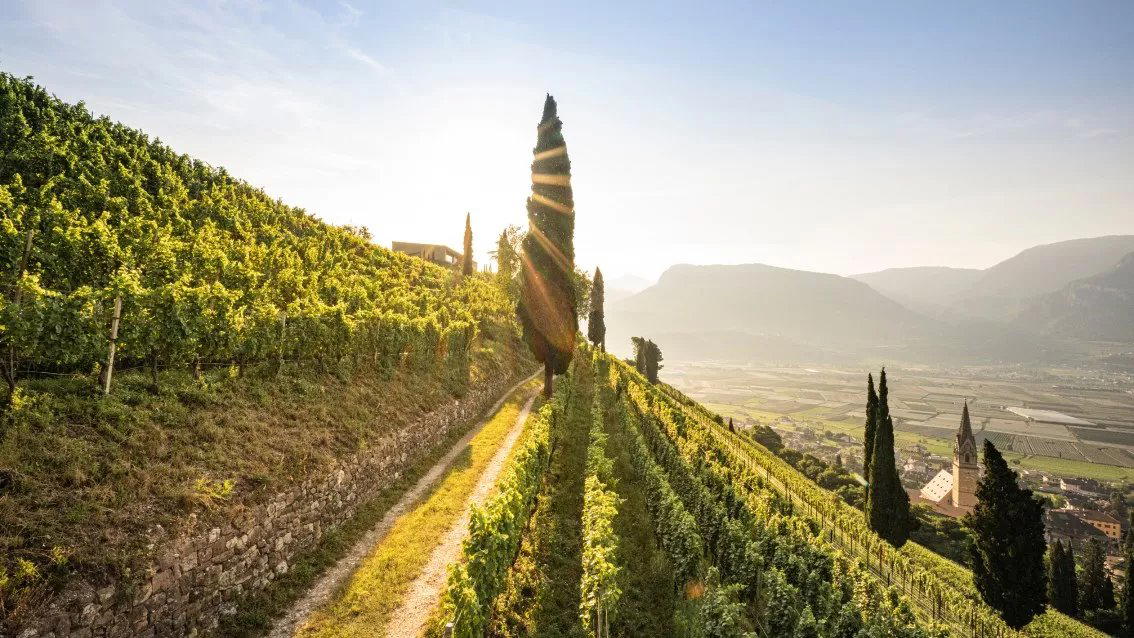
The Ulten Valley cuts south from Merano into the Autonomous Province of Bolzano with the kind of agricultural seriousness that lowland Italy rarely matches. At altitude, the growing season compresses, which forces precision: farmers here have long selected for density of flavour over yield. The result is a larder that the wider South Tyrol dining scene has spent decades learning to articulate. Fiechter Alm sits within that tradition, a Tyrolean Alpine Hut in Ulten, South Tyrol, Italy.
South Tyrolean alm culture operates on a logic that is easy to misread from the outside. These are not tourist reconstructions of pastoral life. An alm is a working seasonal institution: livestock brought to high pasture in late spring, dairy and meat produced on-site through summer, then the descent before the first hard frost. The food that comes out of this cycle reflects the rhythm directly. Guests eating at Fiechter Alm are eating within a system, not just at a restaurant that happens to have mountain scenery as a backdrop.
The Ingredient Logic of an Alm Kitchen
The sourcing argument at high-altitude alm kitchens in South Tyrol is not marketing shorthand. It describes a structural condition. At elevations common to the Ulten Valley, grazing animals move more, eat slower-growing grasses and wildflowers, and produce milk and meat with measurably different fat profiles than valley-floor equivalents. Grey cattle, the traditional breed of this part of Trentino-Alto Adige, have been central to alm economies for centuries and remain the benchmark animal for serious mountain kitchens in the region.
This matters because the South Tyrolean kitchen is fundamentally a preservation and concentration tradition, not an elaboration one. Speck, grey cheese aged in mountain cellars, rye bread, and butter made from raw cream are not garnishes to more complex preparations; they are the preparations. The discipline of alm cooking lies in sourcing and timing, not in technical intervention. Venues across the wider Italian fine dining circuit, from Atelier Moessmer Norbert Niederkofler in Brunico at the €€€€ tier down to simpler alpine addresses, draw from the same regional ingredient logic, but apply it at very different scales of elaboration. Fiechter Alm operates at the alm end of that spectrum, where proximity to source is the defining condition.
For comparison, venues further afield that have built reputations on sourcing discipline include Reale in Castel di Sangro in Abruzzo, where the Apennine landscape similarly constrains and concentrates the ingredient palette, and Uliassi in Senigallia on the Adriatic, where the sea plays the same structural role the mountain does here. The source material is the argument; the kitchen builds from there.
Where Fiechter Alm Sits in the South Tyrol Dining Picture
South Tyrol has quietly become one of the most densely awarded dining regions in Italy relative to its population. The province holds a concentration of Michelin recognition that rivals much larger Italian cities, anchored by the creative alpine cuisine emerging from venues in Brunico, Castelrotto, and along the wine road south of Bolzano. Fiechter Alm does not compete in that fine dining tier. Its position is in the traditional alm category, which serves a different and arguably more location-specific function: direct access to what the mountain produces, without the mediation of a tasting menu format.
That distinction is worth holding onto when placing Fiechter Alm against the broader Italian restaurant spectrum. Venues like Dal Pescatore in Runate, Le Calandre in Rubano, or Piazza Duomo in Alba represent the elaborated, award-recognised tier of Italian regional cooking. What Fiechter Alm offers is structurally different: the alm format prioritises immediacy of place over interpretive distance. You are not reading a chef's thesis on the landscape; you are sitting in it. Readers who want the former should look at Osteria Francescana in Modena or Enoteca Pinchiorri in Florence. Readers who want the latter, and know why that trade-off is worth making, will find Ulten Valley the right address.
Getting to Ulten and Planning Around the Season
Logistical planning for an alm visit in South Tyrol requires treating seasonality as a hard constraint, not a preference. The Ulten Valley is accessible via Merano, which sits roughly 30 kilometres to the northeast and connects to Bolzano by rail and road. Bolzano itself links to the main Brenner rail corridor running between Innsbruck and Verona. The valley road into Ulten climbs steadily from St. Walburg; conditions in late autumn and winter will dictate access to higher elevations.
Alm operations in this part of the Alps traditionally run from late May or early June through September, with the exact dates varying by elevation and weather year. Planning a visit in July or August gives the highest probability of finding full-service alm kitchens operating at altitude. Early June and mid-September offer fewer crowds and cooler temperatures, which suit the food better, but require checking on operating status before travelling.
For those building a longer South Tyrol itinerary, the region pairs well with a drive south along the wine road to Bolzano, or northeast toward the Dolomites. Dinner at a venue in Brunico such as Atelier Moessmer Norbert Niederkofler provides a useful counterpoint to an alm lunch: the same regional ingredients, two very different modes of presentation. Further afield across Italy, Quattro Passi in Marina del Cantone, Villa Crespi in Orta San Giulio, and Da Vittorio in Brusaporto all represent the premium end of Italian regional dining if the trip extends south. For readers whose appetite runs to international comparisons, Le Bernardin in New York City and Lazy Bear in San Francisco both operate sourcing-led programs that share a philosophical kinship with the alm tradition, even if the settings could not be more different.
At-a-Glance Comparison
Comparable venues nearby, for context on price, style, and recognition.
| Venue | Cuisine | Price | Awards | Notes |
|---|---|---|---|---|
| Fiechter AlmThis venue — the venue you are viewing | Tyrolean Alpine Hut | $$$ | , | |
| THEDL | South Tyrolean Italian | $$$ | , | Partschins |
| FIVE | Contemporary Italian Mediterranean | $$$ | , | Porta Venezia |
| Haselburg | Modern Italian-South Tyrolean Fine Dining | $$$ | , | Aslago |
| Krone | Traditional South Tyrolean | $$$ | , | Aldein |
| Enoteca della Valpolicella | Valpolicella Italian Trattoria | $$$ | , | Fumane |
Continue exploring
More in Ulten
Restaurants in Ulten
Browse all →
Bars in Ulten
Browse all →
Hotels in Ulten
Browse all →
At a Glance
- Rustic
- Cozy
- Scenic
- Family
- Casual Hangout
- Terrace
- Local Sourcing
- Mountain
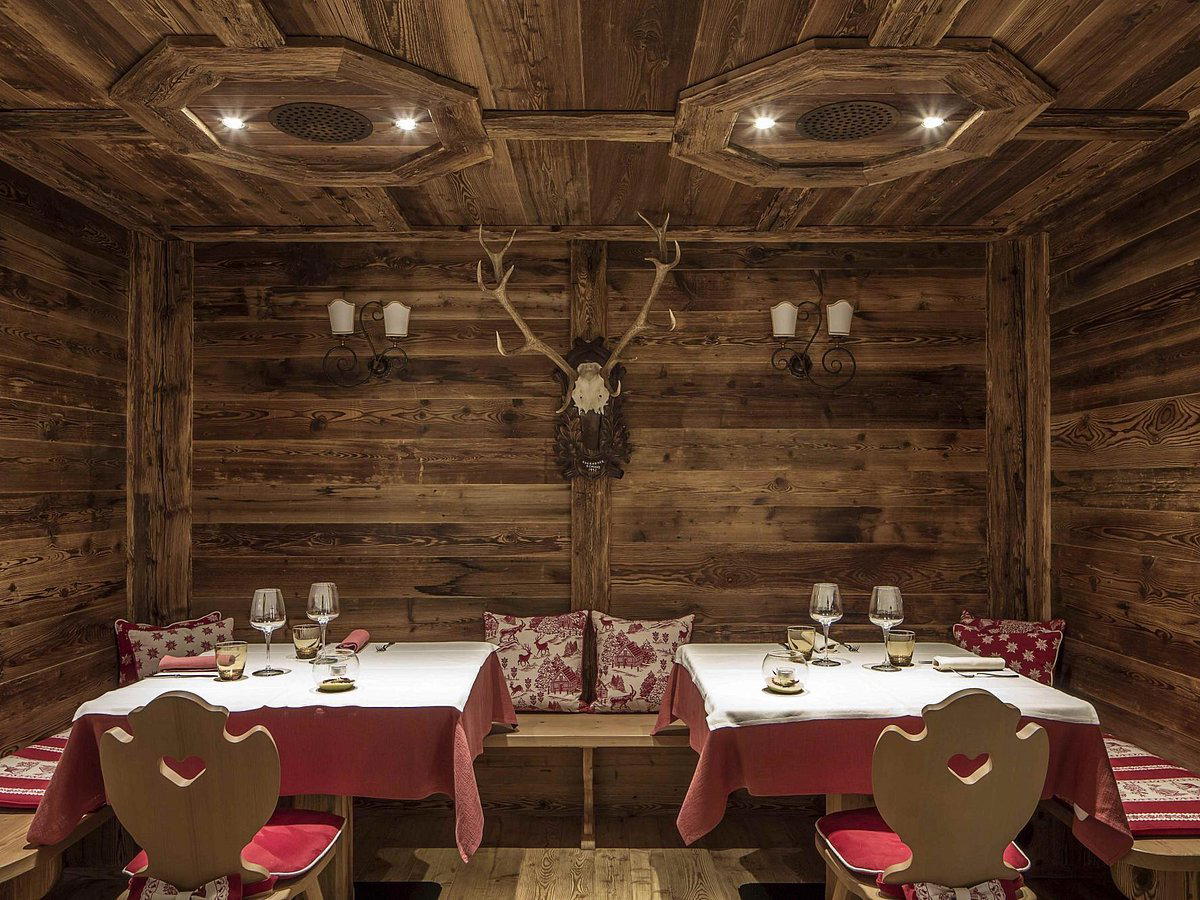
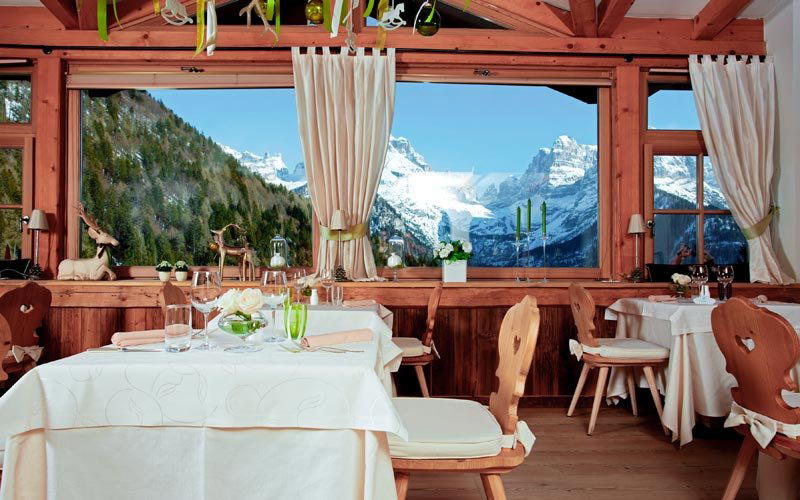
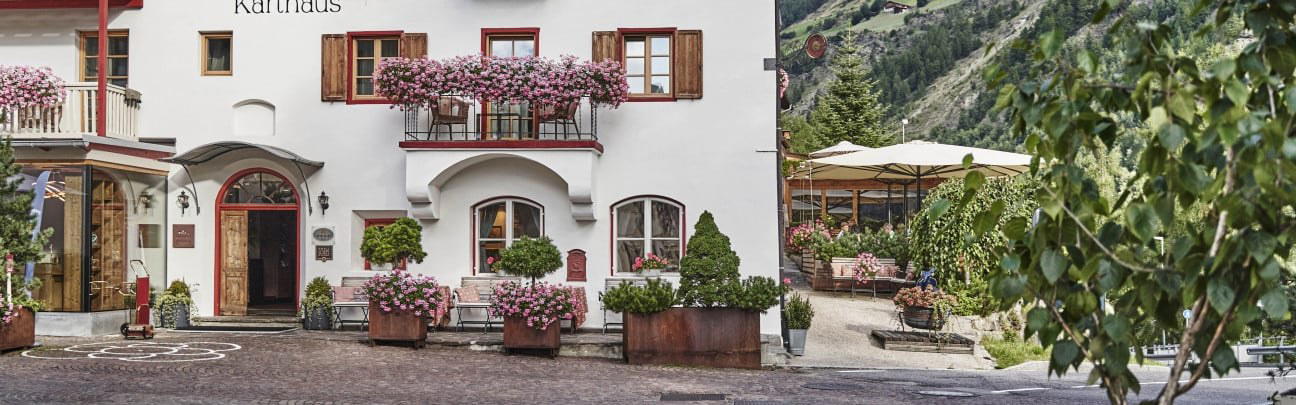
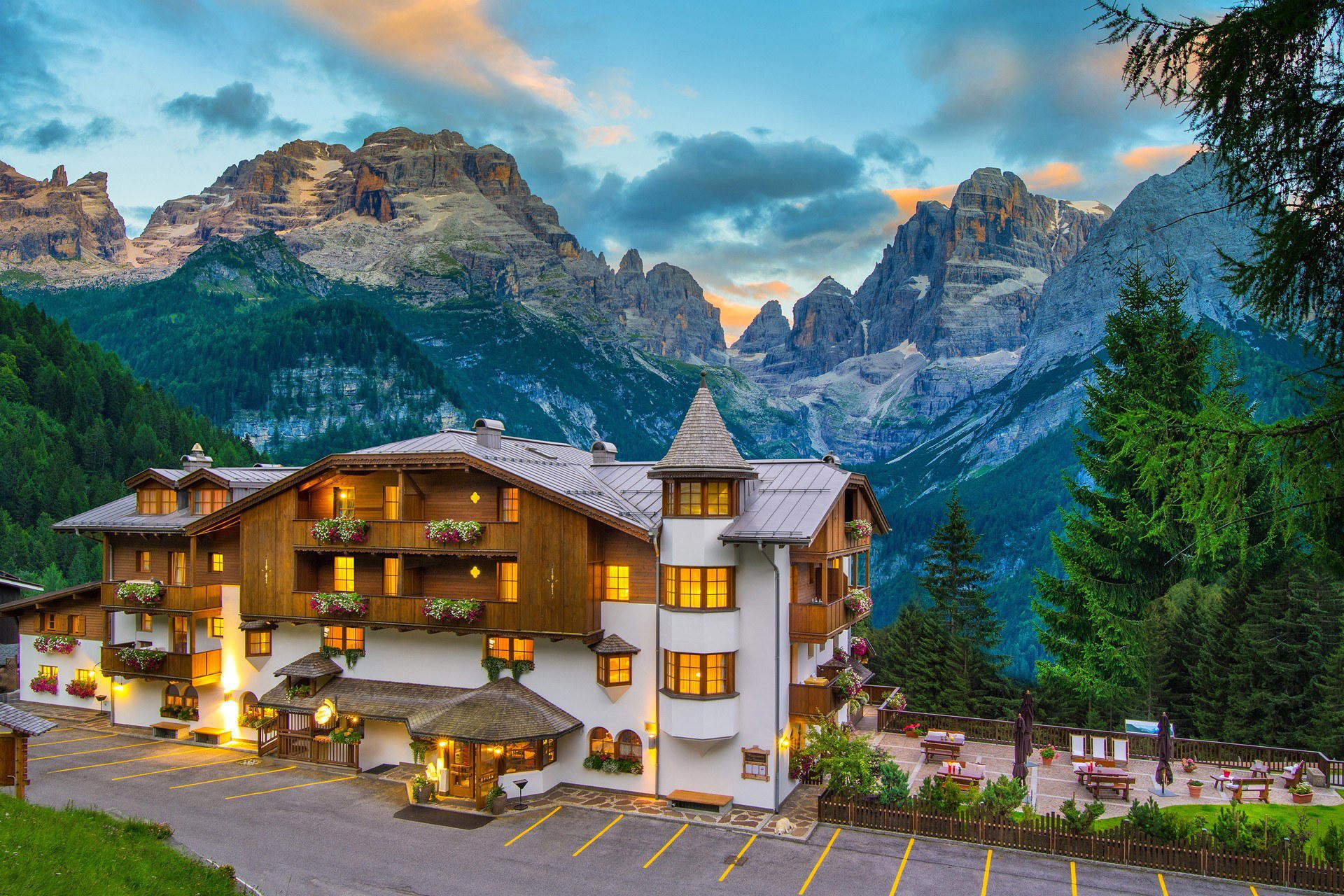
Cozy alpine hut atmosphere with hearty, home-cooked meals in a scenic mountain setting.