A village inn on the main square of Aldein, a small Dolomite settlement in South Tyrol, Krone sits within one of northern Italy's most ingredient-driven regional food cultures. The Alto Adige tradition of short-distance sourcing, mountain dairy, forest herbs, valley produce, shapes what appears on plates across this elevation. A practical stop for travellers moving through the high plateau between Bolzano and the Latemar range.
Pearl is the En Primeur Club membership app — saves, bookings, and concierge access live there. Same editors, same standards.
- Address
- Piazza Principale, 3, 39040 Aldino BZ, Italy
- Phone
- +39471886825
- Website
- gasthof-krone.it
- Directions
- Get directions
 Saves & bookings on Pearl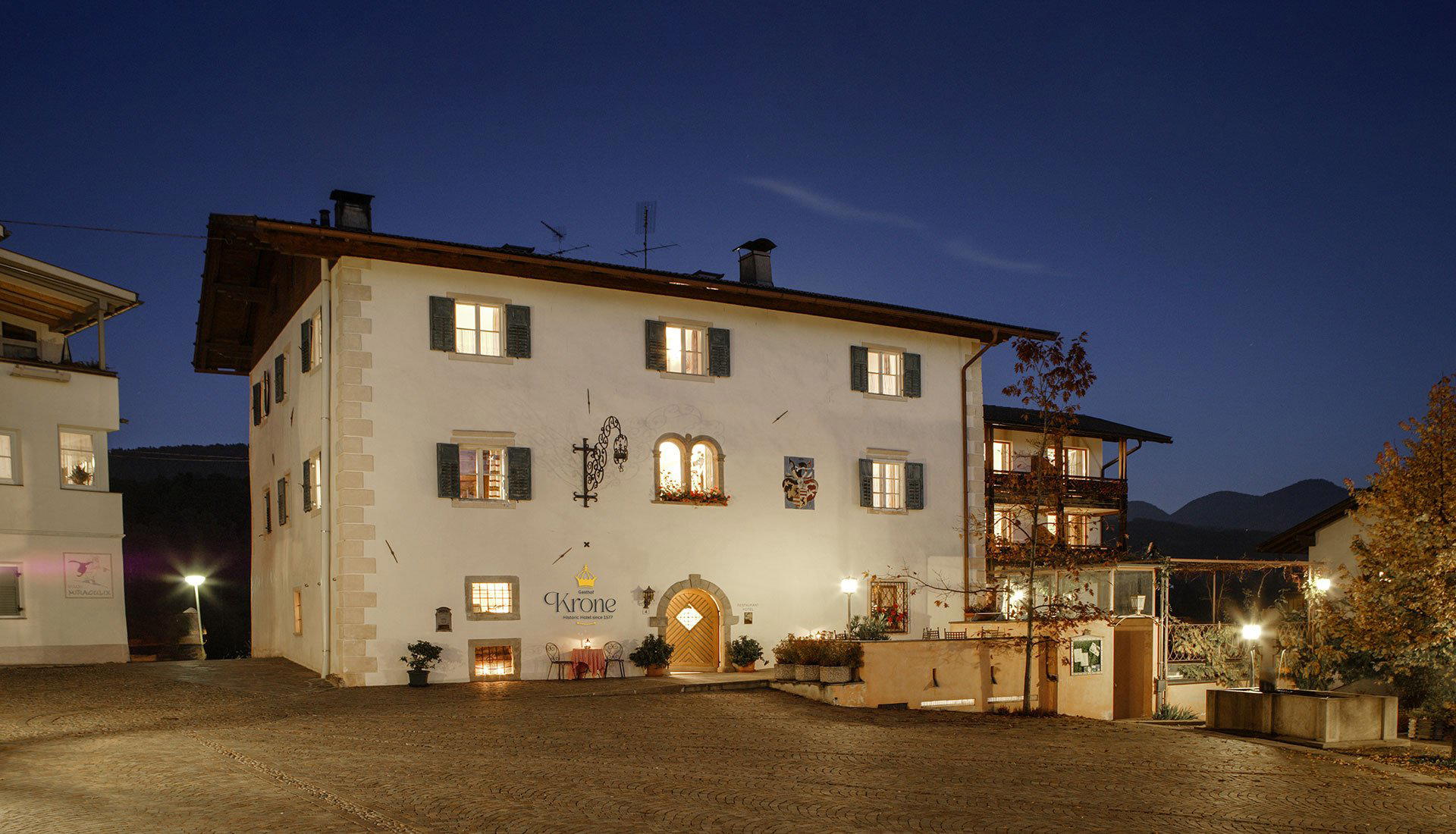
A Village Square in the Alto Adige Highlands
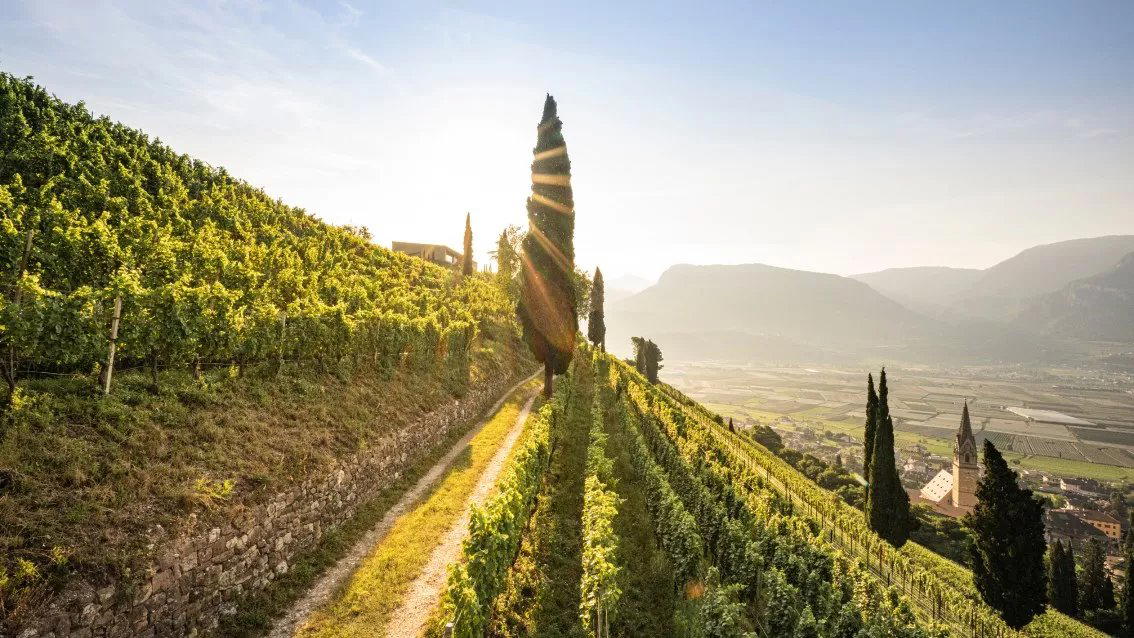
Aldein sits on a plateau at roughly 1,200 metres above the Adige valley, small enough that the piazza functions as the social centre of the entire settlement. Krone occupies a position on that square, Piazza Principale 3, as a traditional Gasthaus in a region where the Gasthaus format has survived not through nostalgia but through genuine utility. These are working inns, built around the logic of feeding locals and travellers with what the surrounding land produces. In South Tyrol, that logic has become a quiet point of regional pride.
The Ingredient Logic of South Tyrolean Kitchens
The Alto Adige region operates on a sourcing geography unlike most of Italy. Altitude stratifies what grows and what grazes: valley floors support apple orchards and wine vineyards; mid-elevation pastures produce the milk that becomes Graukäse and Bergkäse; high meadows yield the herbs and mushrooms that appear in kitchens across the province. A village at Aldein's elevation sits squarely in that middle band, close enough to both dairy country and wild-forage terrain to draw from each. The regional kitchen tradition treats this proximity as a given rather than a selling point, which is part of what keeps the food grounded.
That tradition places South Tyrol in interesting company within the Italian fine-dining conversation. The region's most prominent expression of alpine ingredient sourcing is Atelier Moessmer Norbert Niederkofler in Brunico, where the Cook the Mountain philosophy built a formal tasting framework around precisely the same principle, sourcing from defined altitude bands, rejecting ingredients that don't belong to the local ecological system. That approach earned three Michelin stars. What Krone and places like it represent is the less formalised, pre-codified version of the same idea: kitchens that have sourced locally for generations without attaching a manifesto to the practice.
The contrast matters for understanding how a village inn in Aldein fits into the wider picture of Italian regional cooking. The multi-starred tasting-menu tier, Osteria Francescana in Modena, Le Calandre in Rubano, Piazza Duomo in Alba, has built global reputations on creative reinterpretation of regional identity. But the foundation those kitchens reference is the village-level cooking that continues without press coverage or award cycles. South Tyrol has a particularly intact version of that foundation, partly because its dual Austro-Hungarian and Italian inheritance created a distinct culinary register that resisted homogenisation.
What the Gasthaus Format Carries
The Gasthaus tradition in South Tyrol is not equivalent to a generic Italian trattoria. It carries specific structural features: a menu that shifts with season and availability, a wine selection weighted toward local production from the surrounding Überetsch and Unterland zones, and a hospitality model rooted in the inn's role as a community anchor. Aldein lacks the tourist infrastructure of Bolzano or the wine-route villages further down the valley, which means the clientele skews toward locals, hikers using the plateau trails, and travellers who have chosen the area deliberately rather than passing through on a standard circuit.
That demographic shapes the atmosphere in ways that distinguish Aldein from the more visited nodes of South Tyrolean tourism. The cooking at village inns in this zone tends to be direct: cured meats from local producers, bread made with local rye and spelt, dairy-rich preparations that reflect the pasture economy, and game dishes that track the hunting calendar. These are not approximations of regional food, they are the regional food, produced at the scale and with the supply chains that fine-dining kitchens pay to replicate.
South Tyrol in the Context of Italian Regional Dining
Italy's regional dining spectrum is wide. At the coastal end, kitchens like Uliassi in Senigallia and Quattro Passi in Marina del Cantone work with what the Adriatic and Tyrrhenian provide. Further inland, Dal Pescatore in Runate and Reale in Castel di Sangro represent different iterations of the same underlying discipline, tight geographic identity expressed through ingredient selection. South Tyrol's alpine kitchens operate within this national tradition but with a distinct northern European inflection that sets them apart from the peninsula's centre and south.
For travellers moving through northern Italy, that inflection is worth seeking out as a contrast. The dairy-forward, grain-rich, game-inflected cooking of the Dolomite plateau is not replicated elsewhere in the country. Kitchens like Enoteca Pinchiorri in Florence, Enrico Bartolini in Milan, La Pergola in Rome, and Da Vittorio in Brusaporto express different regional and creative registers. Even within northern Italy, Casa Perbellini 12 Apostoli in Verona and Villa Crespi in Orta San Giulio occupy a Veneto and Piedmontese-Lombard culinary logic that doesn't cross into South Tyrol's alpine specificity. For global reference points in the sourcing-led tradition, Le Bernardin in New York City and Atomix in New York City show how ingredient provenance can anchor different formats at the highest end of the price tier. And Gambero Rosso in Marina di Gioiosa Ionica demonstrates how the same sourcing discipline plays out in a completely different Italian coastal context.
Planning a Visit
Aldein is accessible by road from Bolzano, roughly 20 kilometres to the northwest via the Aldein Pass road, with the drive climbing through vineyards before reaching the plateau. The village is small, and Krone's position on Piazza Principale means it is easy to locate on foot once you arrive. Travellers should verify current hours and availability directly before visiting, as seasonal closures are common for mountain inns in the region. The Alto Adige plateau is a summer and autumn destination primarily, with hiking season running from June through October and the harvest period in September and October bringing local produce to its seasonal peak. Winter operations at village-level inns in this zone can be reduced or suspended.
How It Stacks Up
Comparable venues nearby, for context on price, style, and recognition.
| Venue | Cuisine | Price | Notes |
|---|---|---|---|
| KroneThis venue — the venue you are viewing | Traditional South Tyrolean | $$$ | Not listed |
| Jora Mountain Dining | Gourmet South Tyrolean Alpine | $$$ | Monte Baranci, Alta Pusteria |
| Tolin | Italian Meat & Barbecue | $$$ | Lozzo Atestino |
| Binderstube | Upscale South Tyrolean Italian | $$$ | Fiè allo Sciliar |
| Feichtnerhof | Traditional Italian / Tyrolean | $$$ | Mittelberg, Ritten |
| Perché | Modern Italian Gourmet Pizza & Veneto Cuisine | $$$ | Roncade |
At a Glance
- Rustic
- Cozy
- Classic
- Intimate
- Group Dining
- Special Occasion
- Casual Hangout
- Historic Building
- Standalone
- Farm To Table
- Local Sourcing
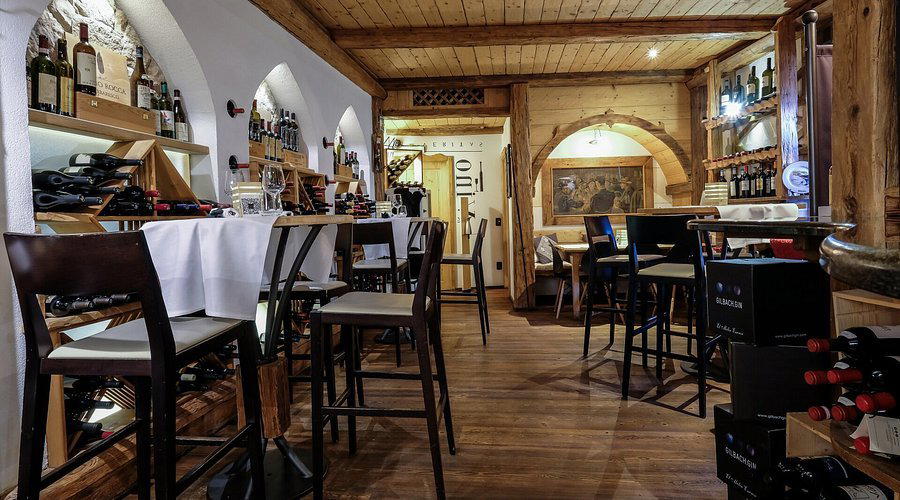
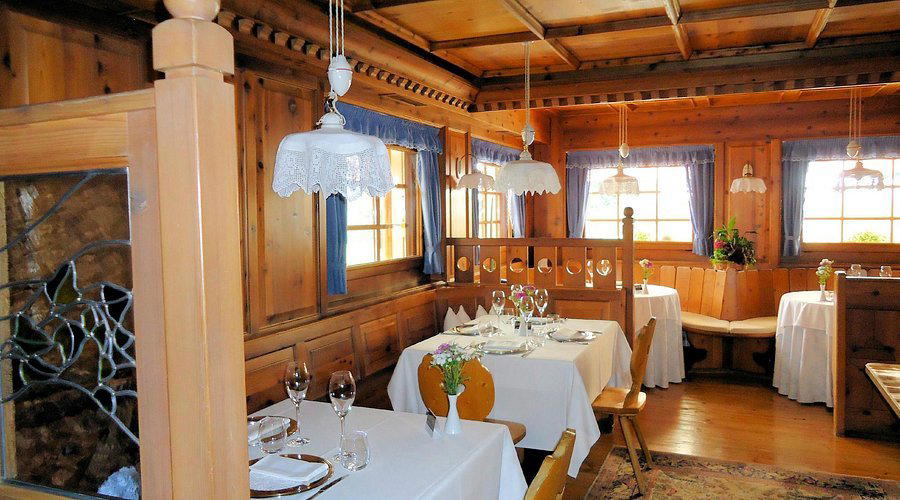
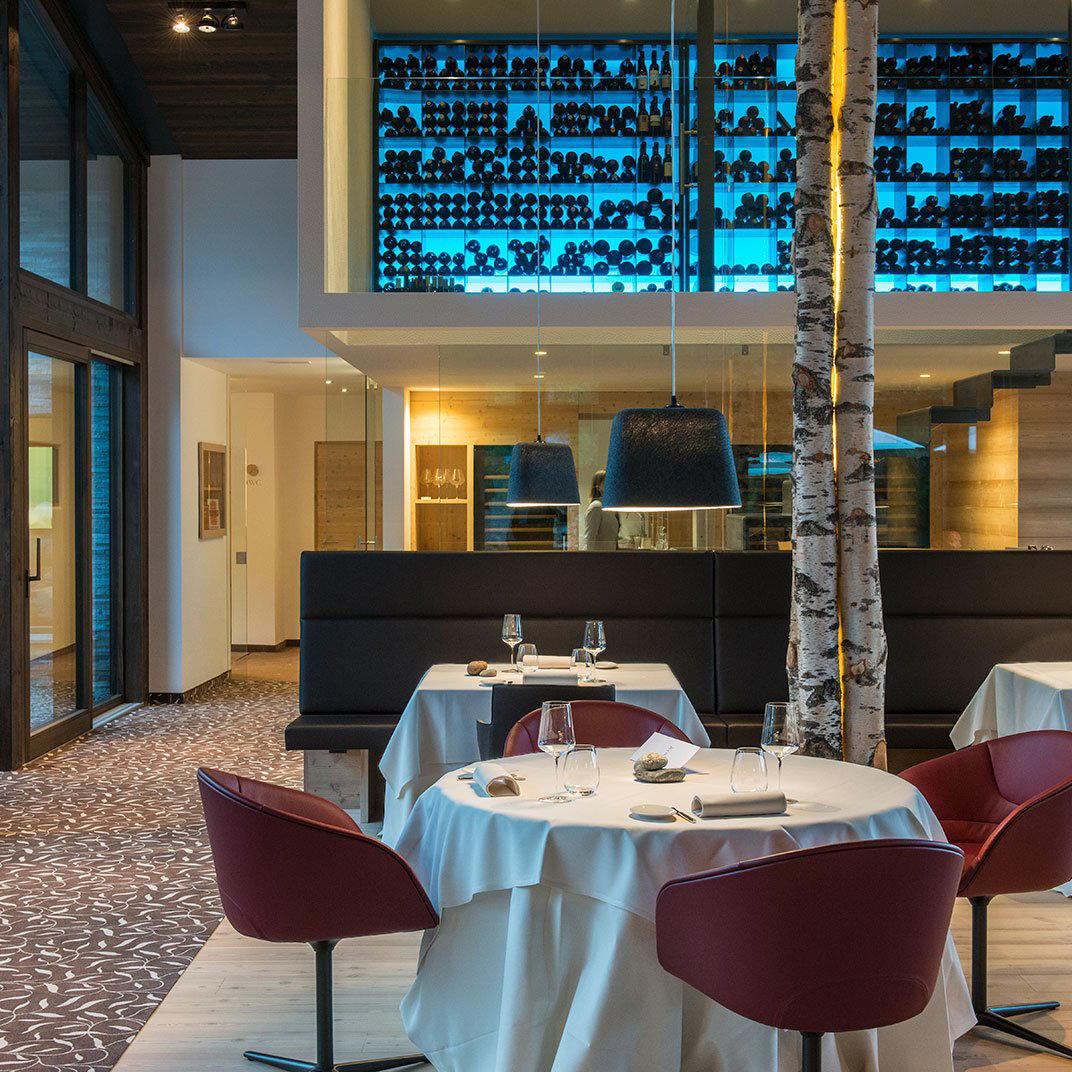
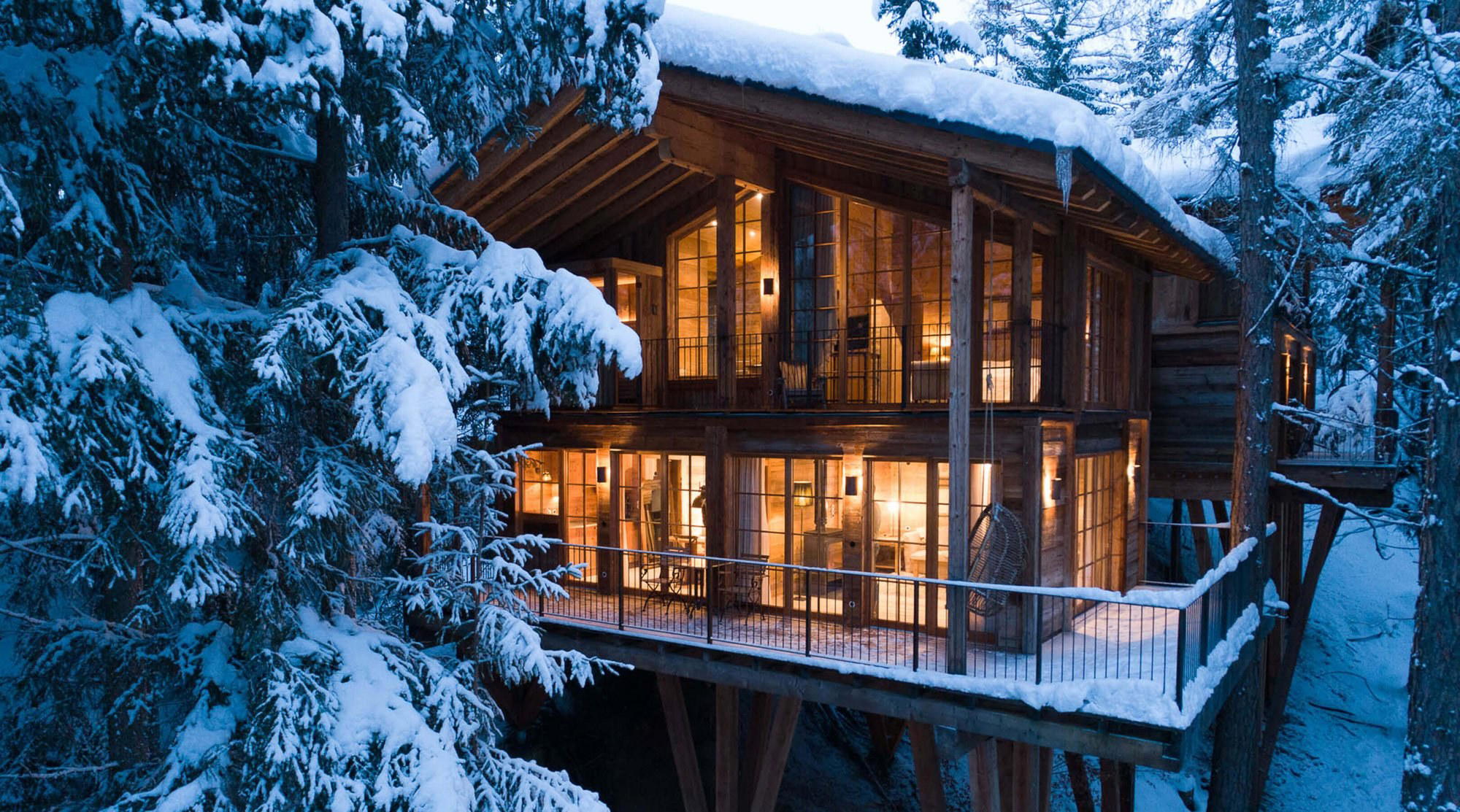
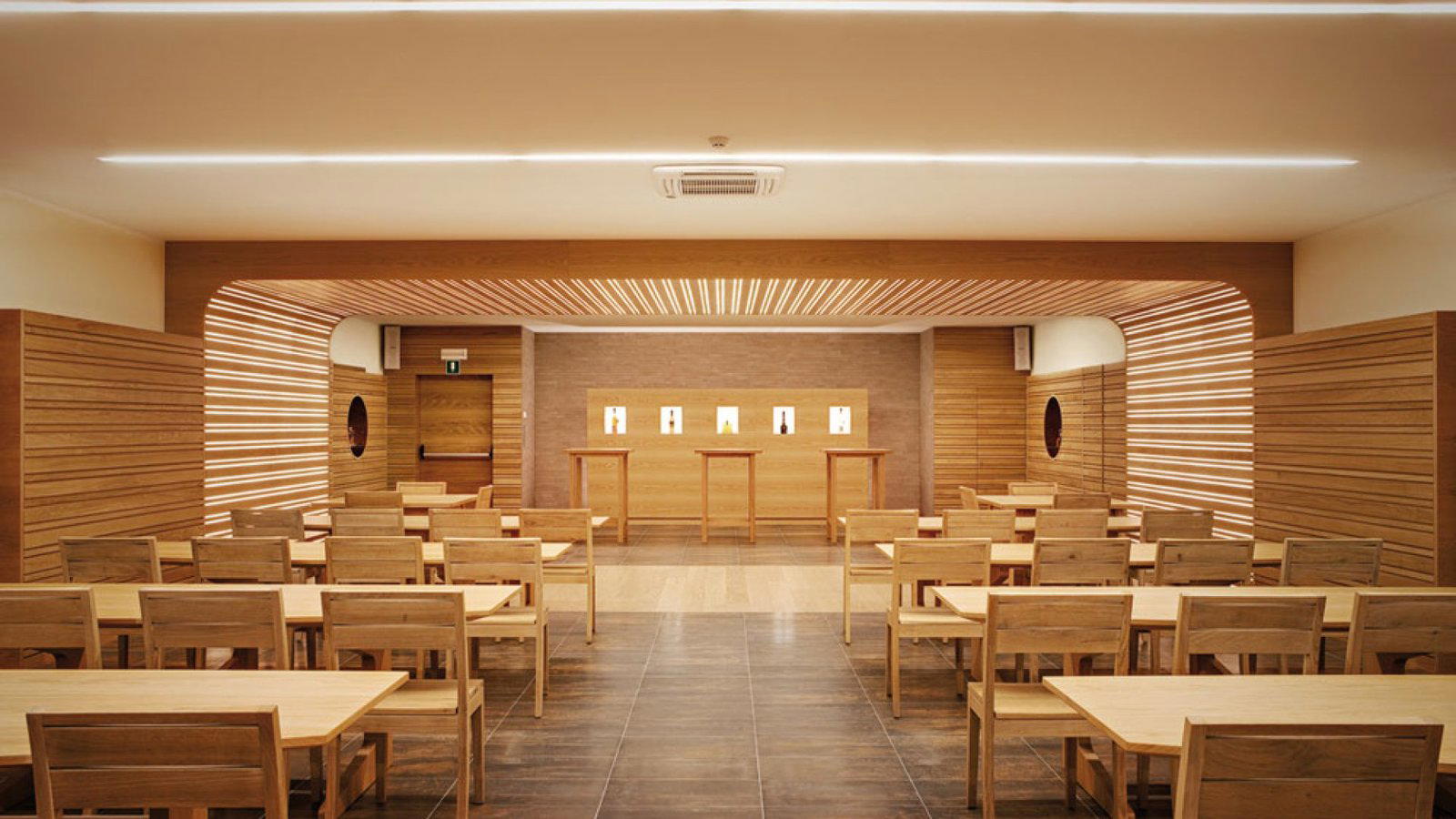
Warm, traditional mountain village setting with historic parlors and antique wooden furnishings, evoking centuries-old Alpine hospitality.