Dolomieu

1 Michelin Star
Our verdict
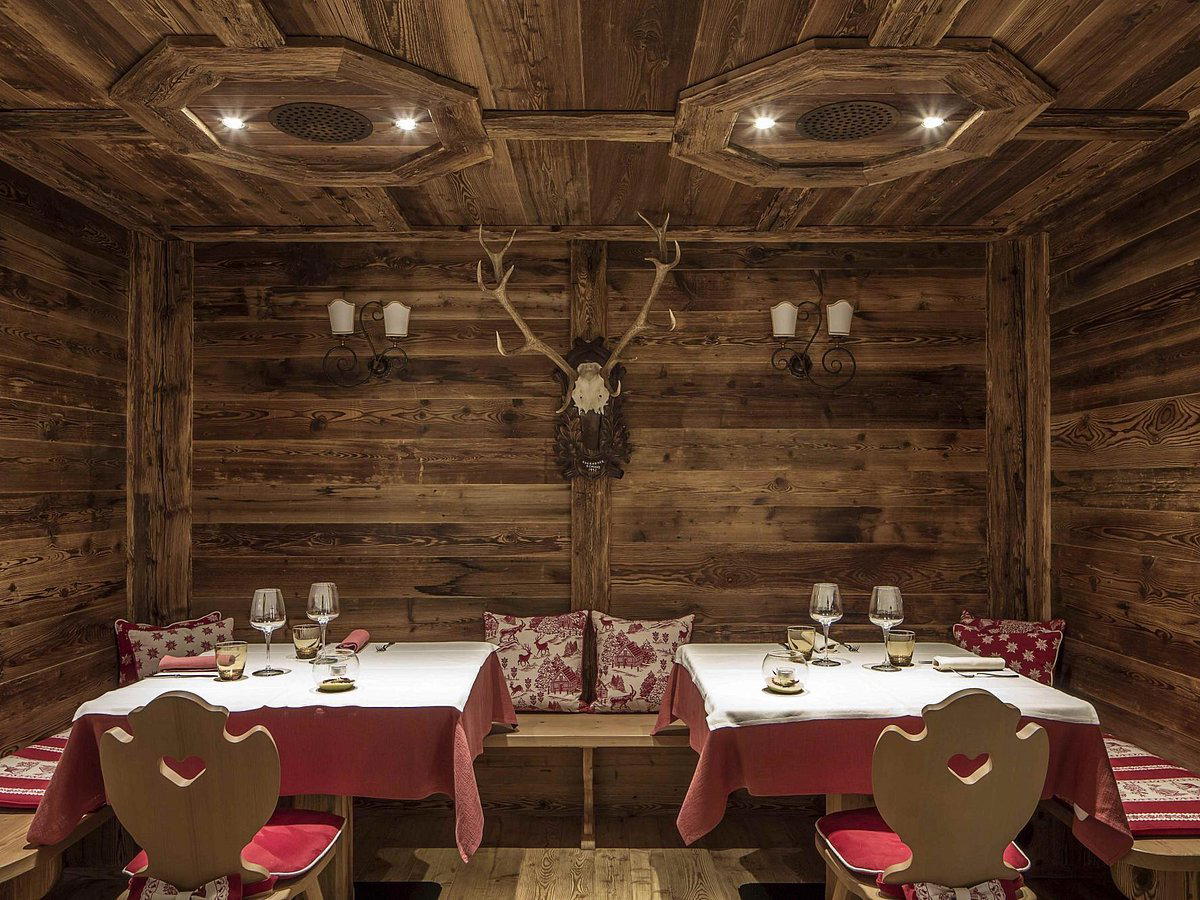
Dolomieu holds a Michelin star inside DV Chalet's intimate six-table stube, where aged oak panelling and a tasting menu rooted in the surrounding Dolomite valleys define one of Madonna di Campiglio's most serious dining rooms. The maître-sommelier rotates an ever-changing by-the-glass list that reaches well beyond the Alps. Book well ahead: six tables fill fast in both ski season and summer.

Pearl is the En Primeur Club membership app, where members save venues, book tables and use the concierge.
The menu
What to order
- Saffron risotto with urchins
- Baby squid risotto
- Venison
- Roe deer
- Lemon dessert
Six Tables in an Oak Stube
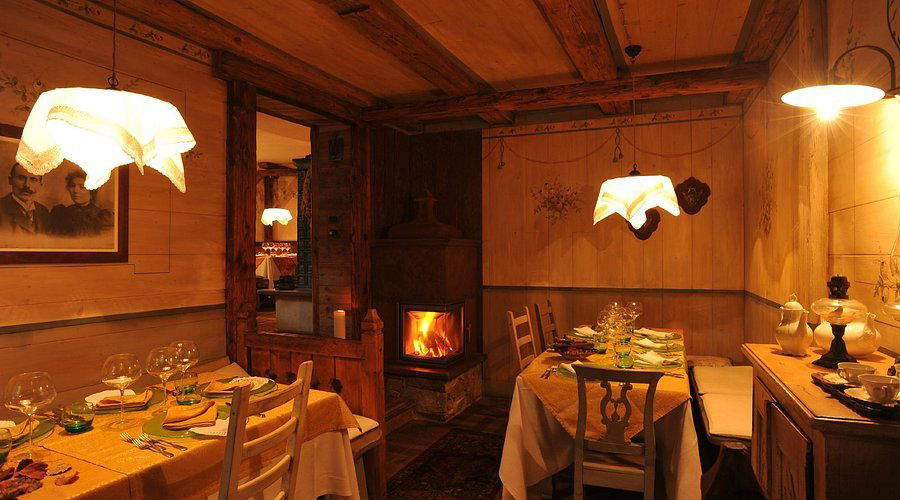
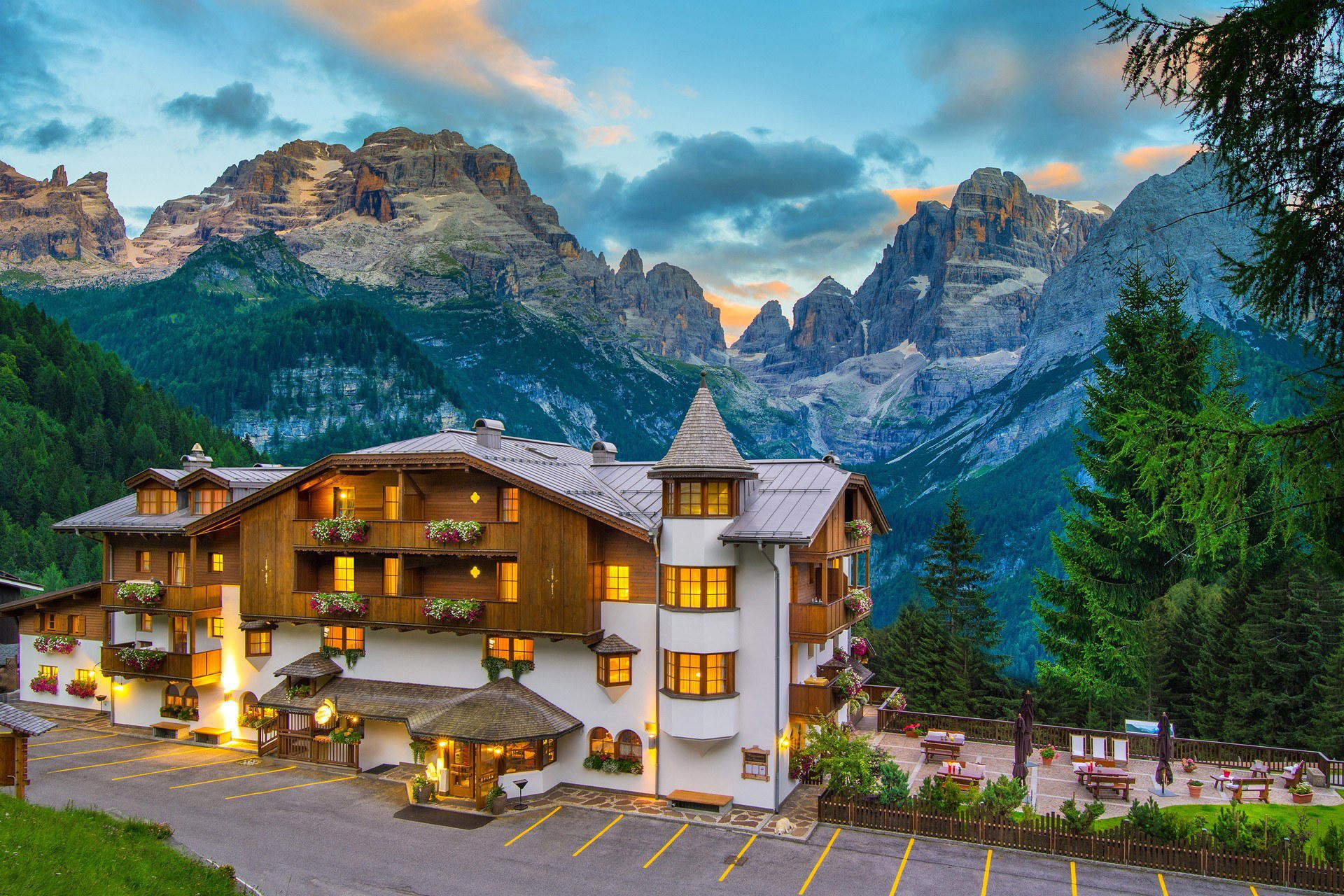
The alpine stube format carries specific expectations: low ceilings, dark wood, candlelight, a sense of being sealed against the mountain cold outside. Dolomieu, the gourmet room of DV Chalet on Via Castelletto Inferiore, meets those expectations architecturally and then quietly exceeds them gastronomically. The space runs to six tables set within aged oak panelling, an arrangement that makes it one of the smaller serious dining rooms in the Trentino alpine circuit, closer in scale to a private dining club than a hotel restaurant. That scarcity of seats is not incidental. It shapes how the kitchen operates, how the sommelier programme functions, and how evenings unfold.
Madonna di Campiglio sits at roughly 1,500 metres in the Adamello-Brenta massif, and its restaurant scene has historically divided between casual rifugio dining and a handful of formal hotel rooms that compete on a regional rather than local basis. Dolomieu belongs to the latter group, alongside Stube Hermitage and Il Gallo Cedrone, both of which also carry Michelin recognition at the €€€€ tier. For visitors treating Madonna di Campiglio primarily as a skiing or hiking destination, the concentration of starred rooms in one small resort is worth noting: this is not a compromise dining stop between mountain days, but a destination in its own right.
The Chef Lineage at Dolomieu
Contemporary alpine cuisine in northern Italy has developed a recognisable grammar over the past decade, one that draws on the valley-to-valley variation of mountain ingredients rather than defaulting to pan-Italian luxury. Dolomieu operates within that grammar. The kitchen has passed through the hands of Davide Rangoni and is currently led by Fiorenzo Perremuto, a progression that reflects a pattern common to high-end hotel restaurants in the region: a sequence of trained chefs who carry the programme forward rather than reinventing it wholesale with each transition.
What matters editorially is less the individual biography than what each iteration has preserved: a tasting menu structured around the valleys that surround the resort, with the surrounding landscape read through its seasonal produce, its cured and aged ingredients, and its relationship to the culinary traditions of Trentino-Alto Adige. That regional specificity is what places Dolomieu in a different conversation from, say, the coastal contemporary rooms like Quattro Passi in Marina del Cantone, or urban fine-dining addresses like Enrico Bartolini in Milan. The reference points here are the high valleys, not the Mediterranean or the city. This is a commitment, not a default.
The Michelin star awarded in 2024 ratifies what the room's format already implied: this is cooking calibrated for guests who are paying close attention. Italy's most decorated restaurants Osteria Francescana in Modena, Le Calandre in Rubano, Piazza Duomo in Alba, occupy a different price bracket and operate at greater scale. Dolomieu's single star positions it at the entry tier of that system, which in Italian fine dining terms still represents a kitchen operating with genuine technical intent. Internationally, the standard compares with ambitious contemporary rooms such as Jungsik in Seoul or César in New York City, contexts in which a single star signals consistent precision rather than a consolation prize.
Two Menus, One Coherent Stance
The menu architecture at Dolomieu follows a structure increasingly common at starred alpine hotels: a tasting menu that reads as the chef's statement, supplemented by an à la carte selection for guests who prefer to compose their own progression. This dual format serves a hotel dining room sensibly. Hotel guests arrive with varying levels of appetite for a full-commitment tasting sequence, and the à la carte provides a less prescriptive entry point without diluting the kitchen's identity.
Tasting menu is framed explicitly around the surrounding valleys, a positioning that asks the kitchen to demonstrate range within a constrained regional brief rather than reaching outward for exotic imports. That constraint, when executed well, tends to produce more focused cooking than menus that assemble luxury ingredients from multiple continents. The à la carte, described as featuring dishes designed to appeal broadly while remaining technically engaged, functions as a calibrated parallel track rather than a lesser alternative.
Among the Michelin-starred rooms in Madonna di Campiglio, the comparison worth making is with Stube Hermitage and Il Gallo Cedrone, both running creative programmes at the same price tier. Dolomieu distinguishes itself partly through its stube environment, the most traditionally alpine of the three settings, and partly through the sommelier programme, which tilts the overall experience toward a wine-led evening rather than a purely kitchen-led one. The room at Due Pini, operating at the €€€ tier with a contemporary approach, offers a lower-commitment alternative for the same visit.
The Sommelier Programme
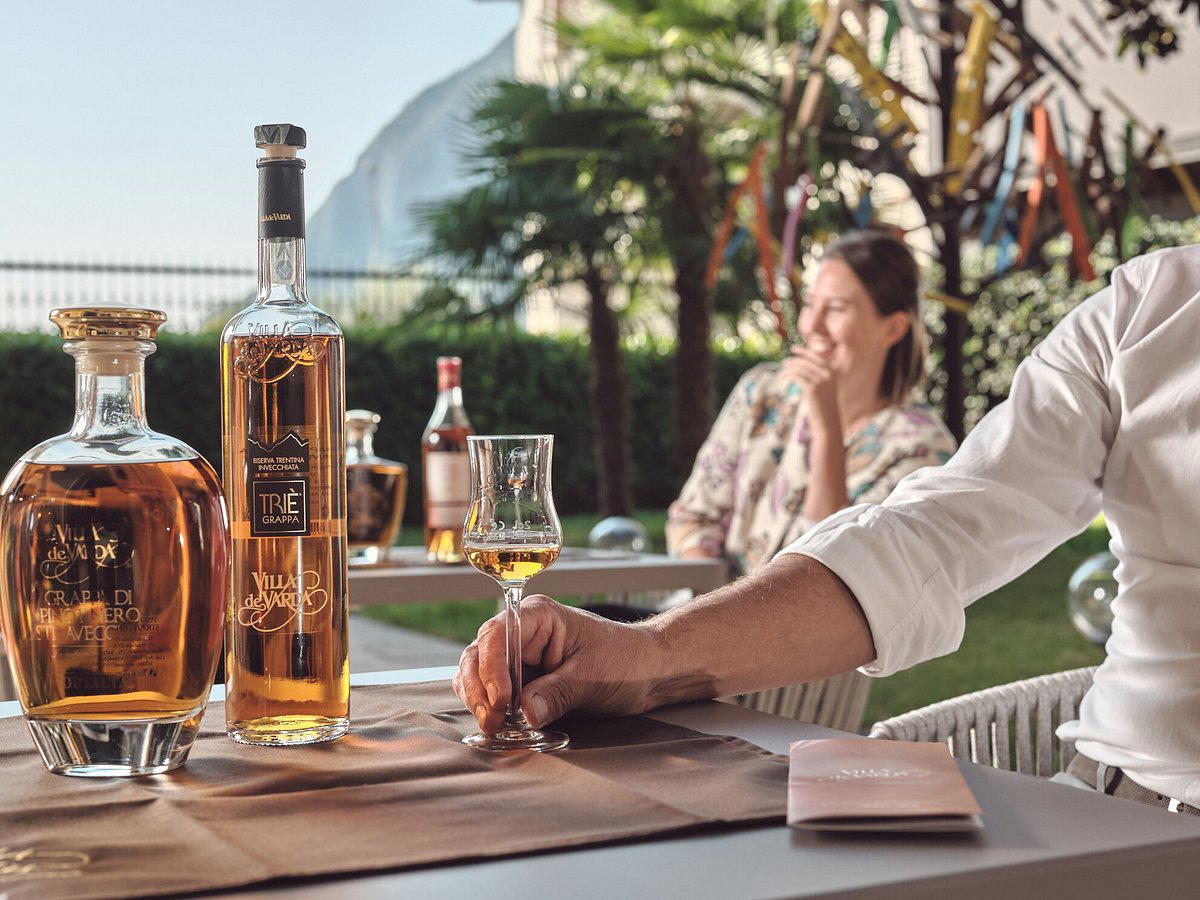
In the Italian alpine fine-dining circuit, the wine programme frequently follows a regional logic: Trentino DOC, Alto Adige whites, and a Südtirol selection heavy on Pinot Grigio and Gewürztraminer. Dolomieu's maître-sommelier operates within that local framework but extends it deliberately beyond the Alps, with a by-the-glass selection described as ever-changing and informed by pairings from non-Italian producing regions. This is a meaningful distinction in a market where alpine parochialism can close off a wine list unnecessarily.
The rotating by-the-glass format implies a programme built around weekly or seasonal acquisitions rather than a fixed list, which in practical terms gives the sommelier room to respond to what the kitchen is doing and to introduce guests to producers they would not encounter on a static list. For guests with a serious wine interest, this is the argument for choosing Dolomieu over its peers on any given visit: the pairing conversation is likely to be more adventurous than the room's traditionalist decor might suggest. Italy's most celebrated wine-forward rooms, Enoteca Pinchiorri in Florence, Dal Pescatore in Runate, set the benchmark at a different level of depth and cellar investment, but within the alpine hotel category Dolomieu's approach to the glass programme is notably deliberate.
Across the border in South Tyrol, Atelier Moessmer Norbert Niederkofler in Brunico represents the apex of the alpine-sourced fine dining model in northern Italy; Dolomieu operates in the same philosophical register at a different level of ambition and recognition.
Planning Your Visit
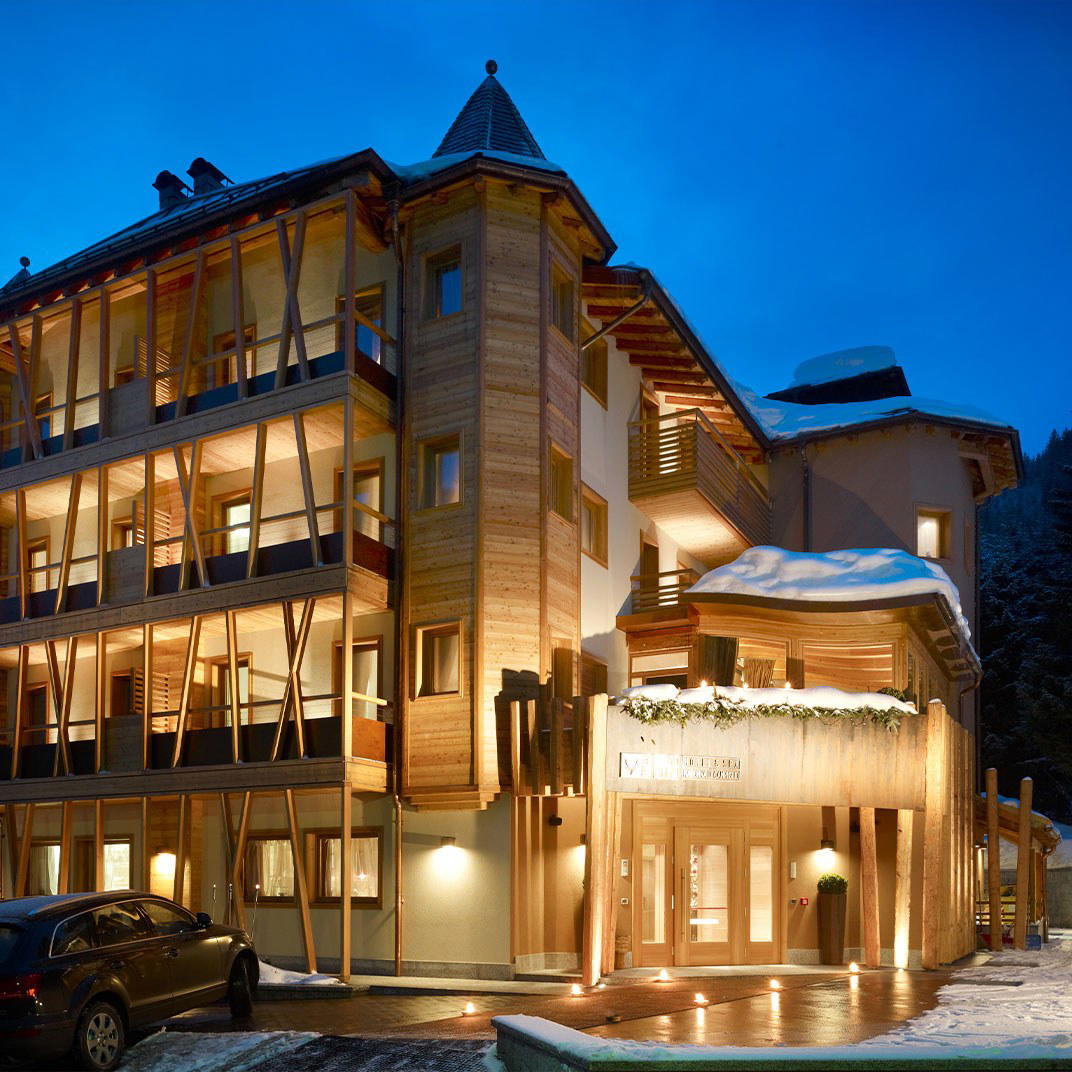
Dolomieu operates at the €€€€ price tier, which in Madonna di Campiglio aligns with the resort's top-end spending bracket. The room seats six tables, and the combination of limited capacity and Michelin recognition means reservations should be made well in advance, particularly during the December-to-March ski season and the summer hiking window when the resort reaches peak occupancy. The restaurant sits within DV Chalet at Via Castelletto Inferiore, 10, making it accessible to guests staying at the hotel and to outside visitors prepared to book ahead. For guests building a broader programme in the resort, the full Madonna di Campiglio restaurants guide covers the range of options by format and tier, while the hotels guide, bars guide, wineries guide, and experiences guide map the rest of the destination.
Frequently asked questions
Is Dolomieu suitable for children?
Dolomieu's format, six tables, a Michelin-starred kitchen, and a €€€€ price point, is oriented firmly toward adults seeking a deliberate, wine-led dinner. The intimate oak stube leaves little room for the kind of flexibility young children typically need, and the pacing of a tasting menu structured around valley produce does not naturally suit that dynamic.
Is Dolomieu better for a quiet night or a lively one?
Quiet, without question. Six tables in a traditional oak stube, a Michelin star earned in 2024, and a sommelier programme built around considered pairings, this is a room designed for slow, conversation-forward dinners rather than high-energy evenings. Guests looking for noise and social energy will find the DV Chalet's broader spaces a better fit.
Does Dolomieu have a Michelin star or similar recognition?
Dolomieu has received recognition including: Dolomieu is the gourmet offering of DV Chalet. The tasting menu is a journey through the valleys surrounding the resort, while the à la carte menu features appealing dishes designed to delight the palate. By the glass, you’ll find ever‑chan….
What's the signature dish at Dolomieu?
No fixed signature dish appears in the confirmed record, which is consistent with how contemporary Michelin-level kitchens in alpine Italy tend to operate, menus shift with the valleys and the season. The tasting menu at Dolomieu is structured around the terrain surrounding Madonna di Campiglio, so the most accurate answer is that the menu itself, rather than any single plate, functions as the statement.
Comparable Spots, Quickly
| Venue | Cuisine | Price | Awards | Notes |
|---|---|---|---|---|
| DolomieuThis venue (the venue you are viewing) | Contemporary Alpine Italian | $200–300 | 1 Michelin Star | Not listed |
| Stube Hermitage | Modern Italian Fine Dining | $150–200 | 1 Michelin Star · Wine Spectator Best of Award of Excellence | Creative |
| Due Pini | Modern Regional Italian | $50–100 | Michelin Plate | Contemporary |
| Il Gallo Cedrone | Modern Italian Mountain Cuisine | $50–100 | 1 Michelin Star | Creative |
Recognition history
Dated appearances from independent guides and award organizations, with the underlying list record or original source where available.
Michelin 1 Star
Michelin
Full recognition history (3 entries)
Michelin 1 Star
Michelin
Michelin 1 Star
Michelin
Continue exploring
More in Madonna di Campiglio
Restaurants in Madonna di Campiglio
All restaurants in Madonna di Campiglio →
Bars in Madonna di Campiglio
Browse all →
Details
- Intimate
- Elegant
- Sophisticated
- Cozy
- Date Night
- Special Occasion
- Celebration
- Hotel Restaurant
- Private Dining
- Extensive Wine List
- Sommelier Led
- Local Sourcing
- Tasting Menu
- A La Carte
- Wine Pairings
- Craft Cocktails
- Grappa
- Vegetarian Friendly
Current opening hours
- Monday
- 8 PM–12 AM
- Tuesday
- Closed
- Wednesday
- Closed
- Thursday
- 8 PM–12 AM
- Friday
- 8 PM–12 AM
- Saturday
- 8 PM–12 AM
- Sunday
- 8 PM–12 AM
Hours can change for holidays and private events. Hours as of .
Modern elegance with traditional alpine roots; intimate wood-paneled room with ceramic-tiled stove and photographs honoring local climbers; warm, welcoming atmosphere with essential white décor evoking dolostone.