Biohotel Hermitage

Biohotel Hermitage sits at the convergence of Alpine eco-credentials and Michelin-recognised hospitality in Madonna di Campiglio, one of the Dolomites' most consistently demanding ski resorts. Awarded a Michelin Key in 2024, the property holds, and positions itself within Italy's growing tier of mountain hotels that treat sustainability as architecture rather than afterthought.
Pearl is the En Primeur Club membership app — saves, bookings, and concierge access live there. Same editors, same standards.
- Address
- Via Castelletto Inferiore, 69, 38086 Madonna di Campiglio TN
- Phone
- +39 0465 441558
- Website
- biohotelhermitage.it
- Directions
- Get directions
 Saves & bookings on Pearl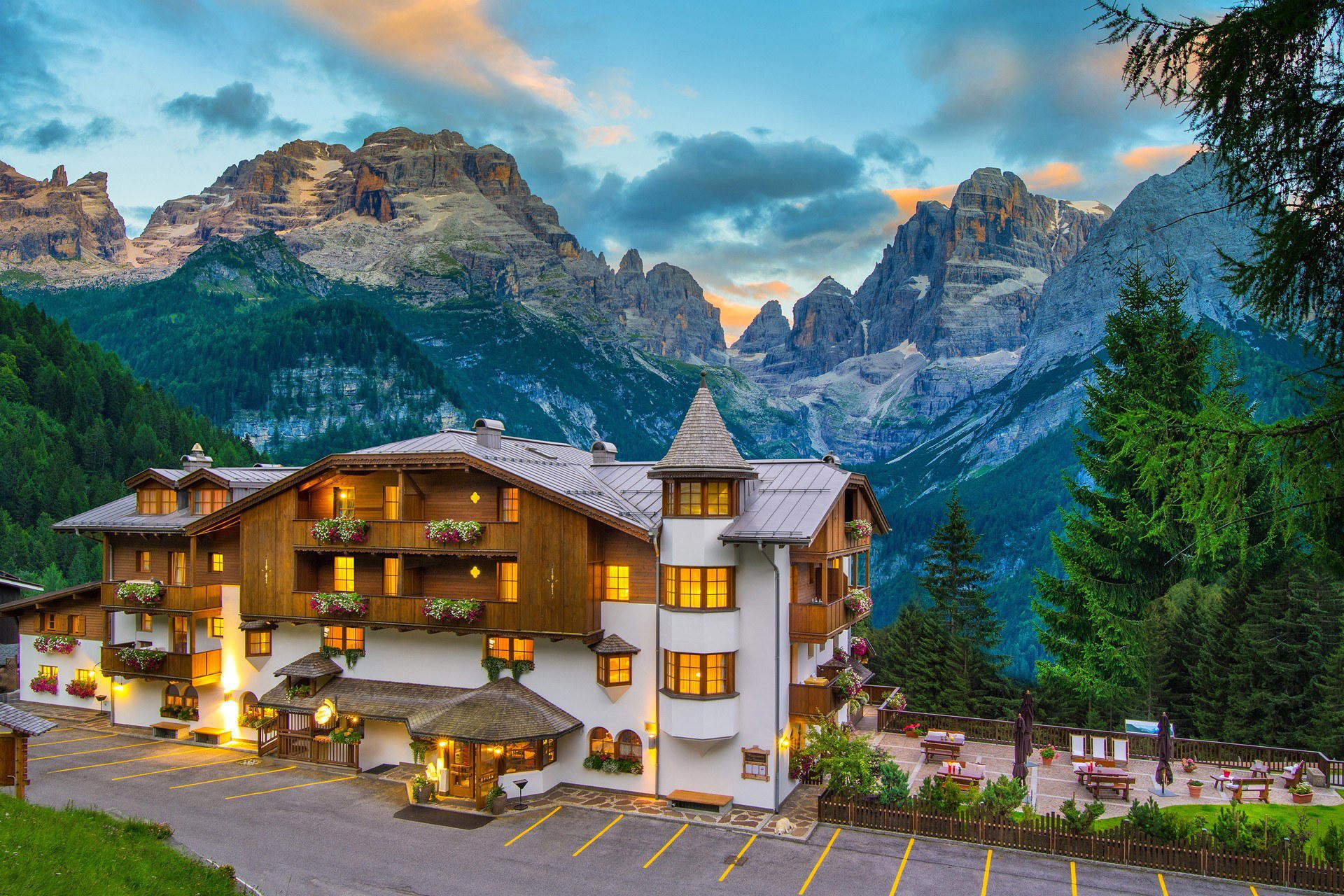
Wood, Stone, and the Logic of the Alpine Envelope
The upper Rendena Valley imposes a particular discipline on the buildings that occupy it. At elevations where winters are measured in metres of snowfall and summers arrive briefly and without ceremony, architecture in Madonna di Campiglio has historically defaulted to one of two registers: the broad-shouldered grand hotel built for an earlier era of thermal tourism, or the functional chalet scaled for ski-week rentals. What makes Biohotel Hermitage worth attention is that it occupies neither of those categories comfortably. The property reads instead as part of a smaller, more considered tradition in Alpine design: the mountain hotel that treats insulation, material sourcing, and environmental integration not as regulatory compliance but as the structural logic behind every design decision.
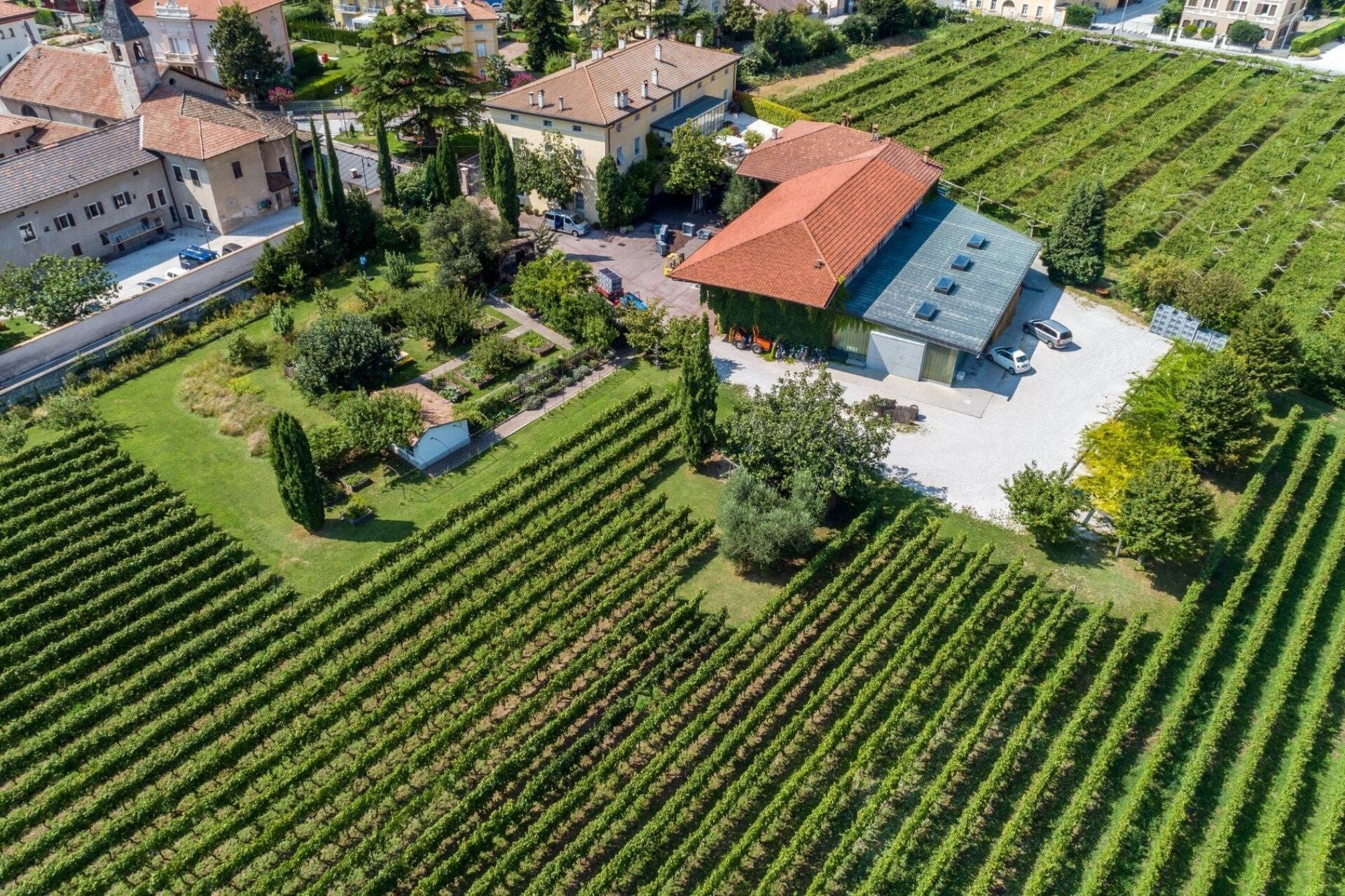
Arriving at Via Castelletto Inferiore, the building's mass sits in deliberate conversation with the treeline rather than in opposition to it. Timber cladding, stone detailing, and roof profiles that follow rather than interrupt the slope gradient are signals of a design approach that has become central to the biocertified hotel category across the Italian Alps. Among comparable properties in this niche, where Castel Fragsburg in Merano works a different tradition of mountain manor and Forestis Dolomites in Plose has pushed the alpine minimalism argument further toward abstraction, Hermitage holds the more vernacular position, grounded in local material vocabulary rather than architectural provocation.
What a Michelin Key Means in This Context
The Michelin Key, introduced in 2024 as the guide's first formal hotel distinction, signals something specific when applied to a mountain property of this type. Unlike the Keys awarded to grand urban addresses such as Aman Venice or the Bulgari Hotel Roma, recognition in an Alpine resort context points primarily to consistency of service, design integrity, and the quality of the dining program relative to the property's category and location. For Biohotel Hermitage, the 2024 Key places it alongside a small group of Italian mountain hotels that have moved the argument for high-altitude hospitality beyond ski-access proximity and spa square footage.
The broader pattern here is instructive. Italy's northern mountain resorts have produced a recognisable tier of properties where ecological commitment and hospitality standards reinforce rather than trade off against each other. The biocertified designation that defines Hermitage's positioning is not window dressing in that context: it determines materials, food sourcing protocols, energy systems, and the construction vocabulary of the building itself. The Michelin Key, from that angle, functions as an external validator of what the biohotel framework requires internally.
Ratings at that score and volume, in a ski resort where guest expectations are calibrated by price and the availability of alternatives, reflect consistent delivery rather than a handful of notable experiences skewing an average upward.
Madonna di Campiglio as the Competitive Frame
Madonna di Campiglio occupies a specific position among Italian Alpine resorts. It sits above Cortina d'Ampezzo in snow reliability, below it in name recognition among international visitors, and broadly level in price positioning with the upper tier of Trentino-Alto Adige resort towns. The resort's guest profile trends toward Italian rather than international travellers at the leading spending level, which shapes the hospitality expectations hotels here are designed to meet: an emphasis on food quality and dining ritual, a preference for warm material environments over cold-minimalist design, and a seriousness about wellness programming that goes beyond pool and sauna access.
Within that frame, Biohotel Hermitage's ecological positioning is commercially coherent. The Italian market's appetite for certified organic and biodynamic approaches, well-established in food and wine contexts, has extended into hospitality. Properties holding formal biocertification in ski destinations occupy a niche that is small enough to be distinct and large enough to be commercially viable, particularly among the returning guest cohort that drives revenue in mountain hotels where peak season windows are compressed.
For comparison across Italy's broader premium hotel spectrum, properties like Borgo Santandrea on the Amalfi Coast, Passalacqua in Moltrasio, or Rosewood Castiglion Del Bosco in Montalcino demonstrate how Italian luxury accommodation has split between large-footprint resort operations and smaller, more philosophically defined properties. Hermitage belongs to the latter cohort, properties where the defining premise shapes the physical space as much as the service model.
The Interior Logic
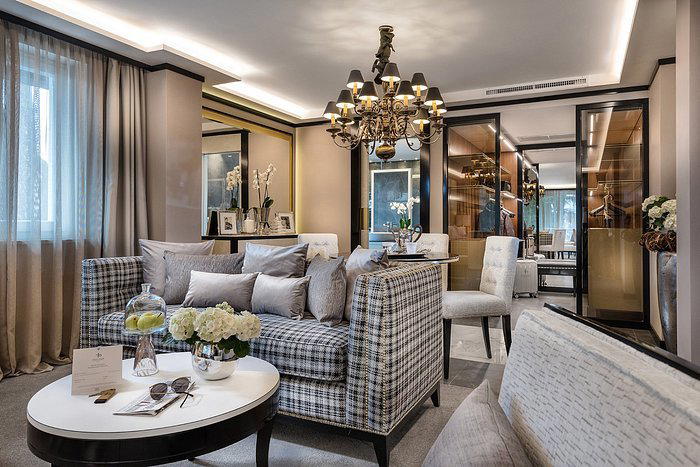
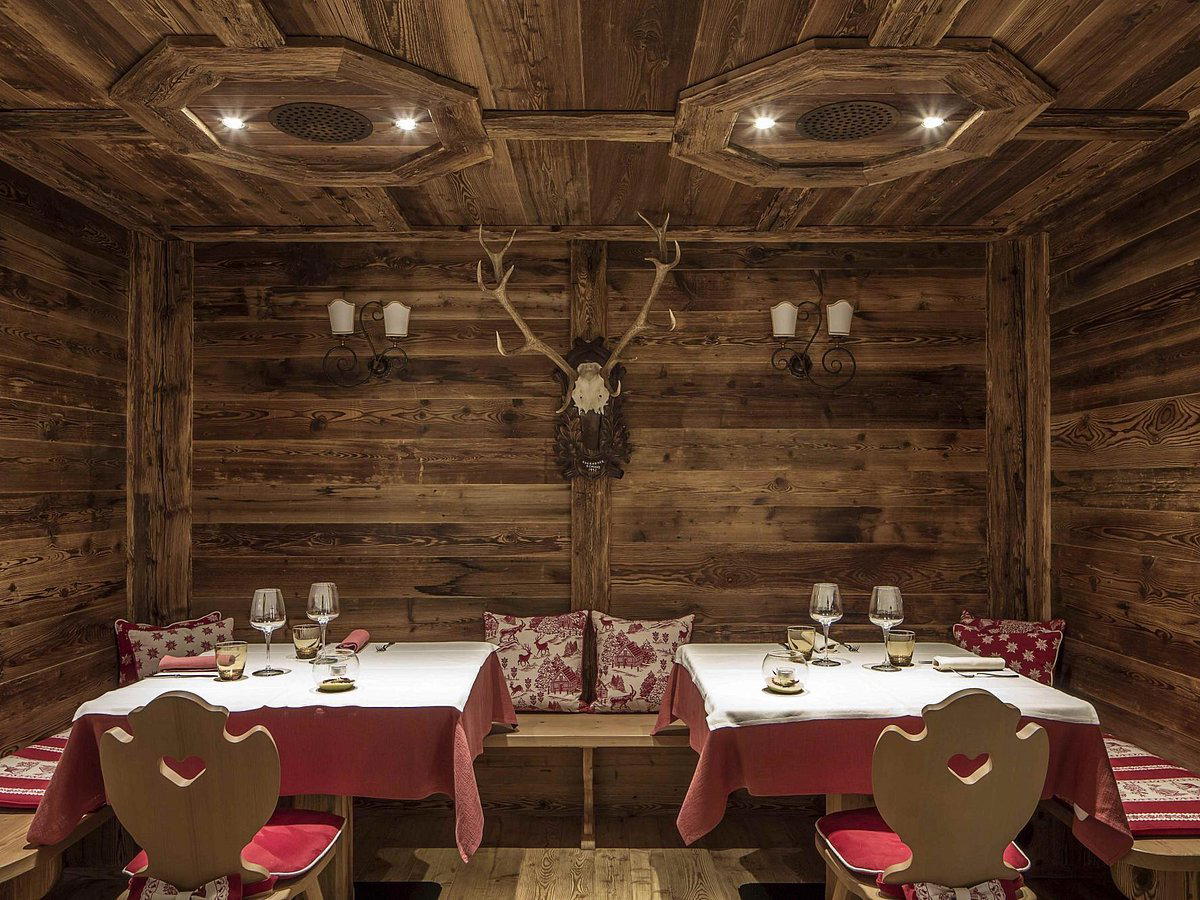
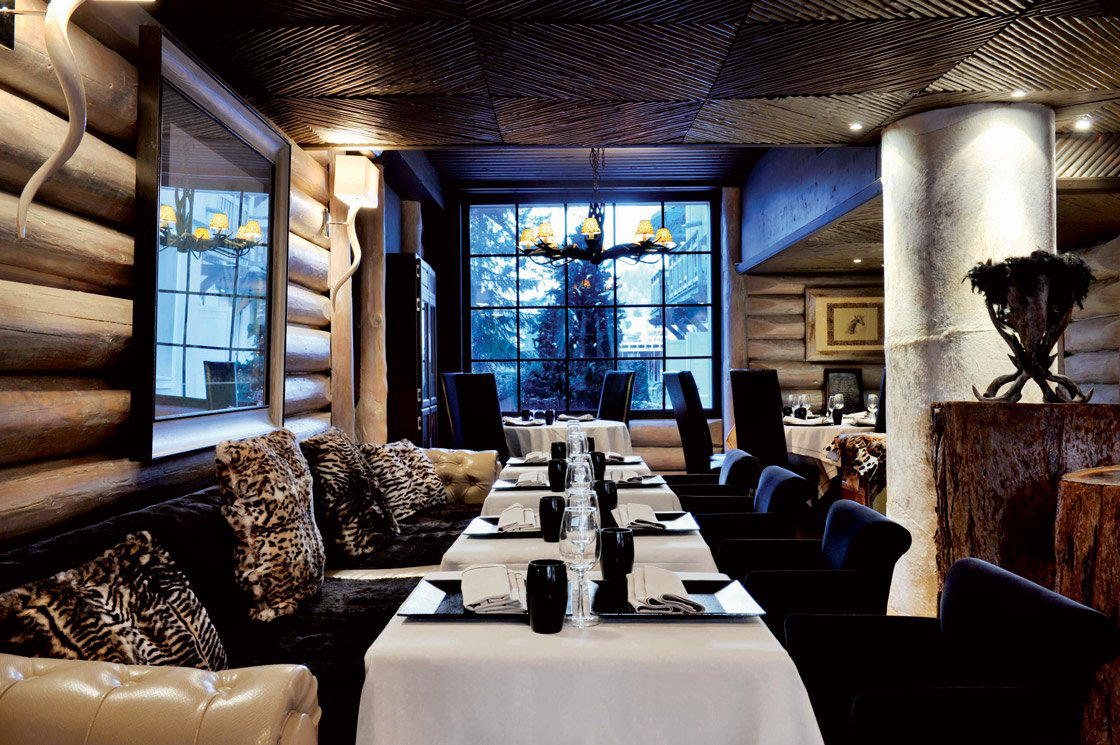
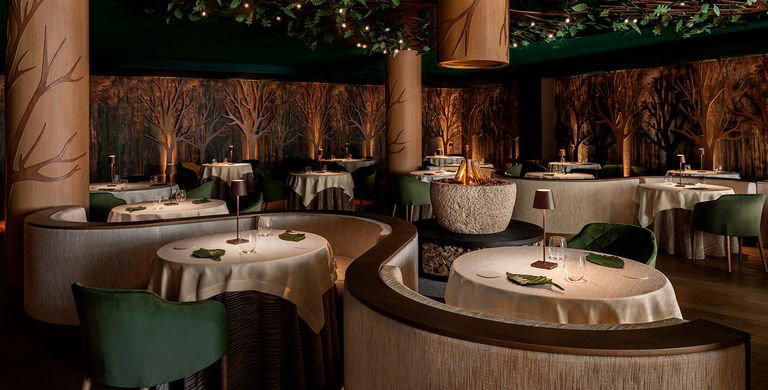
Within the biohotel design framework, interior choices follow material rules that are more constrained than in conventional luxury hotel design. Natural textiles, untreated or low-treatment timber surfaces, the exclusion of synthetic materials where certifiable alternatives exist, these are parameters that produce interiors with a particular sensory register. The Alpine context amplifies this: the combination of mountain light, which is directional and high-contrast, with warm natural surfaces creates an interior quality that reads as restrained without feeling sparse. It is a different argument from the cool-tone precision of properties like Forestis Dolomites, and a different scale from the formal grandeur of Four Seasons Hotel Firenze, but it operates within a coherent aesthetic logic that the certification framework enforces rather than merely suggests.
Other Italian properties pursuing design coherence in their respective contexts, Castello di Reschio in Lisciano Niccone in Umbria, Casa Maria Luigia in Modena, or Corte della Maestà in Civita di Bagnoregio, each demonstrate that the strongest Italian boutique properties tend to have this quality: a physical environment that the underlying premise makes consistent, rather than one assembled from hospitality convention.
Planning a Stay
Madonna di Campiglio's peak windows run from late December through March for skiing and from late June through August for hiking and summer mountain activity. Both seasons compress availability across the resort's upper-tier properties, and a Michelin Key designation in 2024 will bring Hermitage into broader awareness among the international guest cohort that previously may have passed over it. Booking ahead for peak season dates is the functional baseline for any property at this level in the Campiglio valley. The hotel's address at Via Castelletto Inferiore, 69 places it within the resort's main circulation zone, accessible from the ski lifts without requiring additional transfer. For guests arriving from further afield, Trento is the nearest significant rail hub, with Madonna di Campiglio approximately 60 kilometres to the northwest by road.
For further context on where Biohotel Hermitage sits within the region's dining and hospitality offer, our full Madonna di Campiglio restaurants guide covers the resort's broader culinary tier. Also consider EALA My Lakeside Dream in Limone sul Garda, Grand Hotel Tremezzo in Tremezzo, or, for a different register entirely, Portrait Milano as a city-based counterpart with comparable attention to material and design discipline.
At-a-Glance Comparison
Comparable venues nearby, for context on price, style, and recognition.
| Venue | Cuisine | Price | Awards | Notes |
|---|---|---|---|---|
| Biohotel HermitageThis venue — the venue you are viewing | Bio-architectural design using natural materials like wood and stone | $$$$ | Michelin 1 Key | Not listed |
| DV Chalet | luxurious chalet-style boutique with organic architecture | $$$$ | 4-Star | Madonna di Campiglio |
| Laqua by the Lake | Modern boutique lakeside aparthotel with suites featuring private terraces. | $$$$ | Michelin 1 Key | Pettenasco |
| San Luis Retreat Hotel & Lodges | Luxe-rustic chalets and treehouses blending seamlessly with nature | $$$$ | Michelin 1 Key | Avelengo |
| Byblos Art Hotel Villa Amista | Contemporary art-focused luxury villa blending 15th-century Venetian architecture with modern design and curated art collection. | $$$$ | Michelin 1 Key | San Pietro in Cariano |
| Grand Hotel Minerva | Historic palazzo converted to upscale boutique hotel with contemporary amenities and classical Italian design elements. | $$$ | Michelin 1 Key | Santo Spirito |
Recognition history
Dated appearances from independent guides and award organizations, with the underlying list record or original source where available.
Michelin Selected
Michelin
Michelin 1 Key
Michelin
Continue exploring
More in Madonna di Campiglio
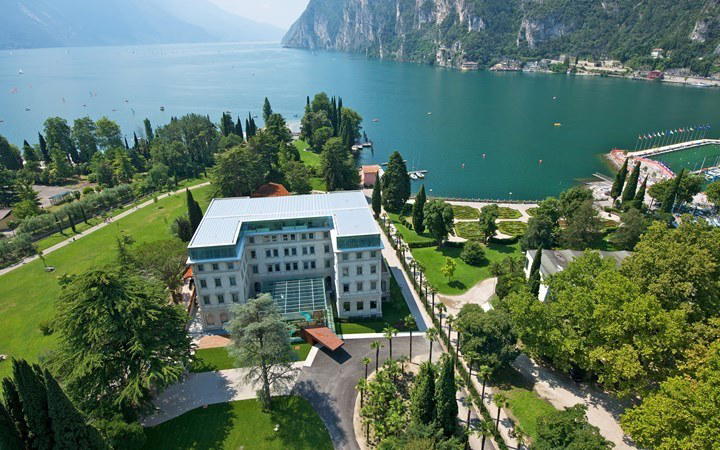
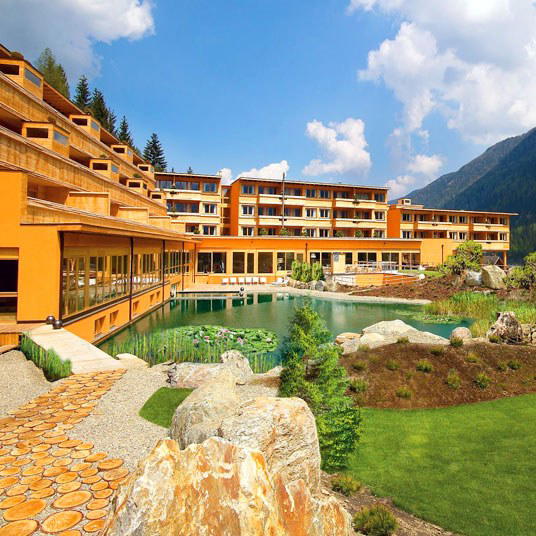
Hotels in Madonna di Campiglio
Browse all →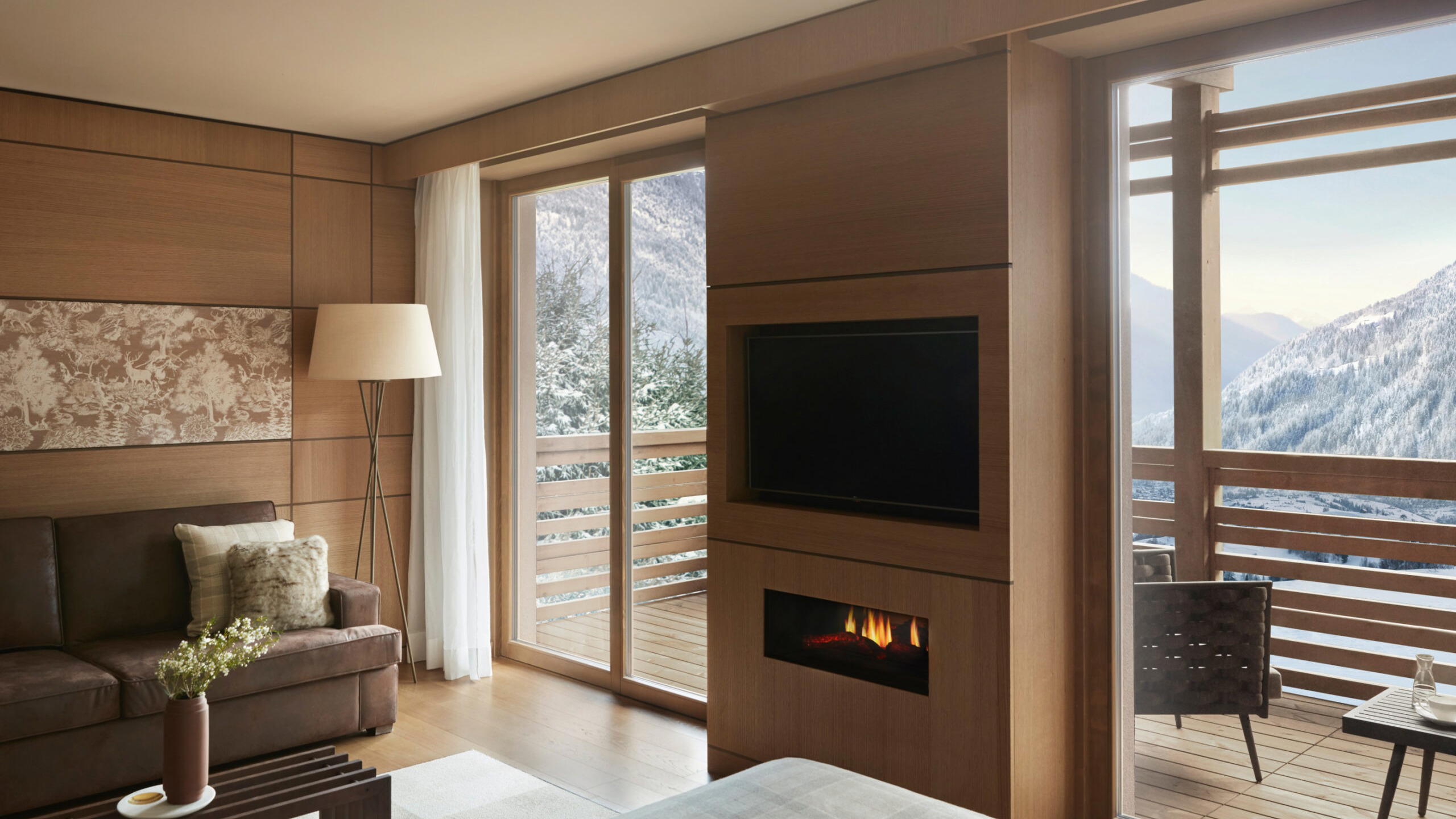
Bars in Madonna di Campiglio
Browse all →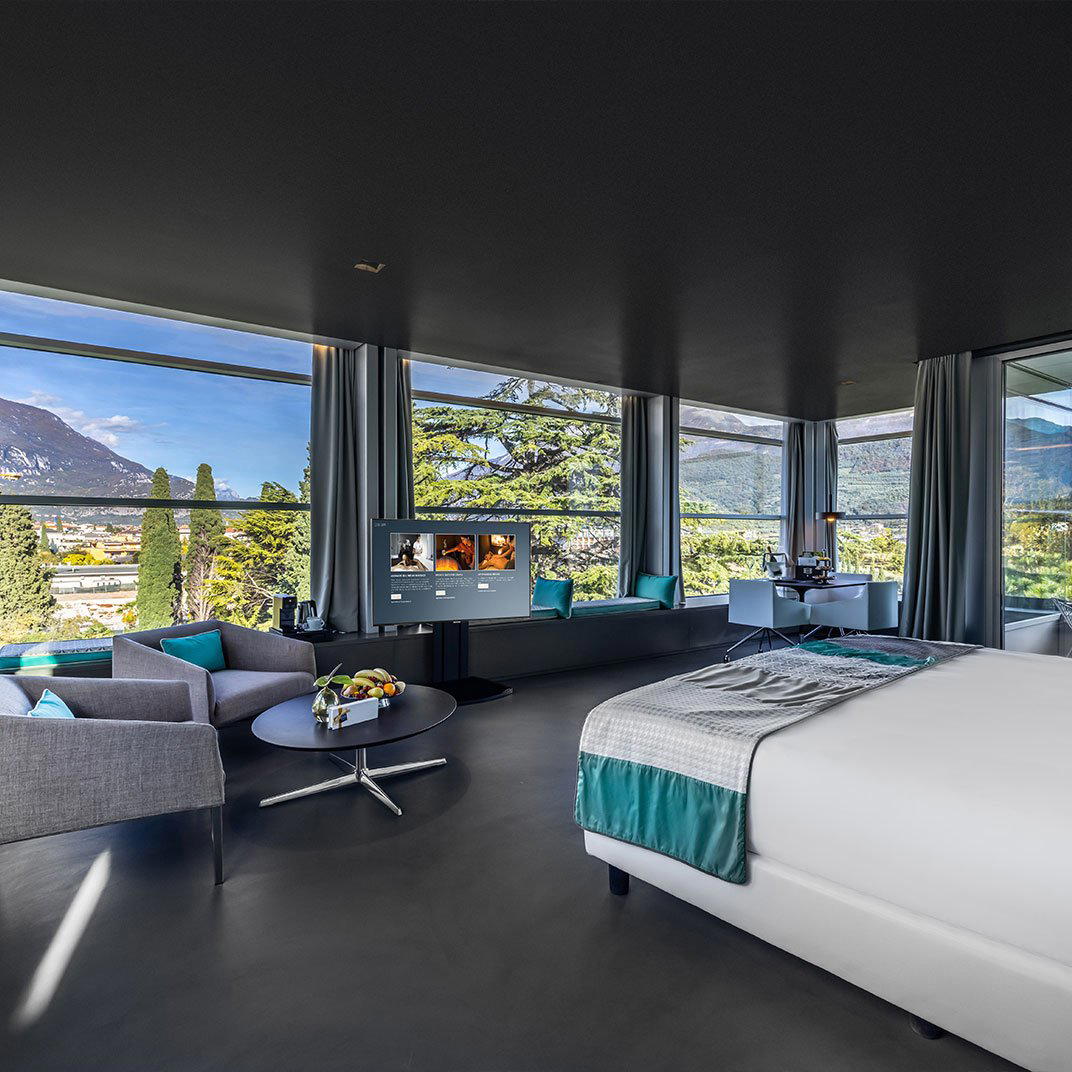
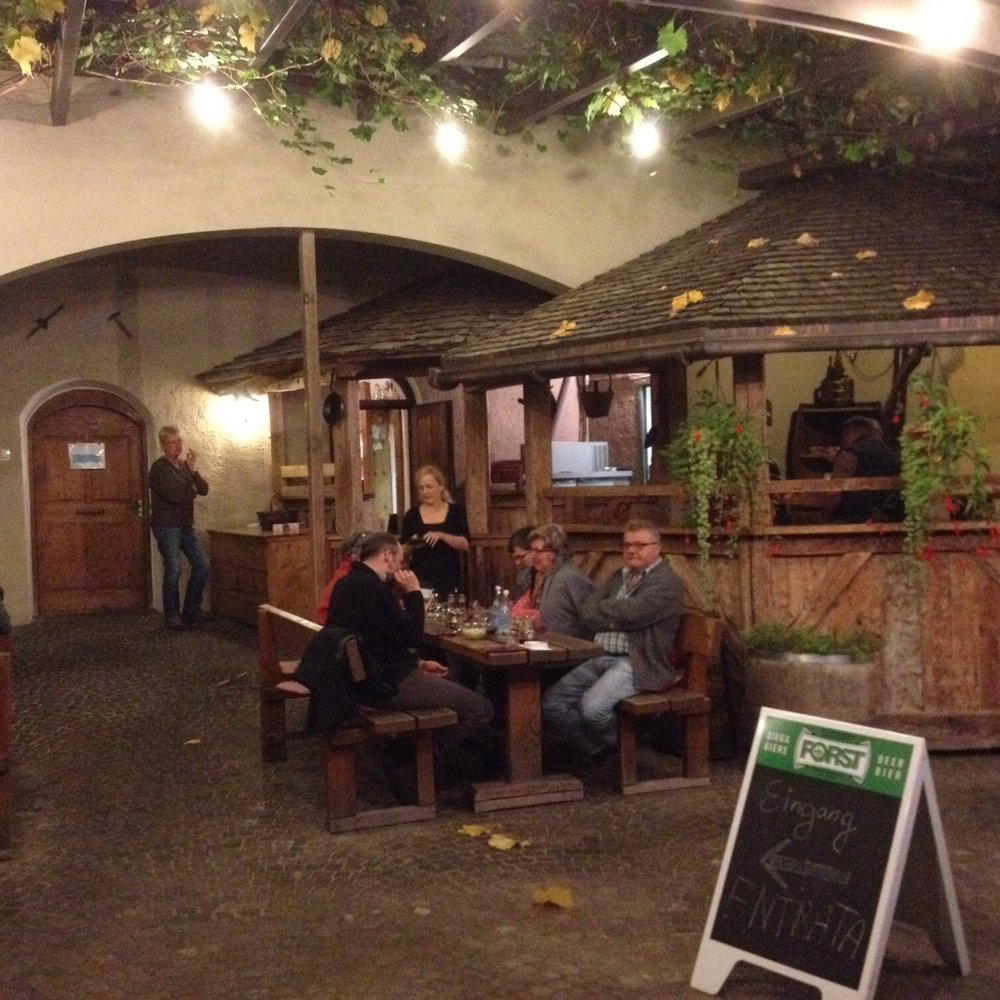
Restaurants in Madonna di Campiglio
Browse all →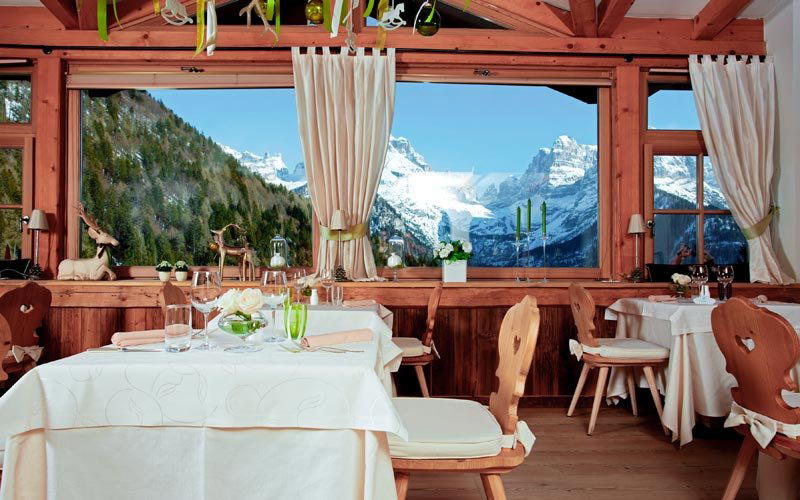

At a Glance
- Romantic
- Quiet
- Elegant
- Cozy
- Scenic
- Romantic Getaway
- Honeymoon
- Wellness Retreat
- Weekend Escape
- Panoramic View
- Ski In Ski Out
- Wi Fi
- Pool
- Spa
- Sauna
- Massage
- Restaurant
- Room Service
- Concierge
- Elevator
- Free Parking
- Mountain
- Wi Fi
- Pool
- Spa
- Sauna
- Massage
- Restaurant
- Room Service
- Concierge
- Elevator
- Free Parking
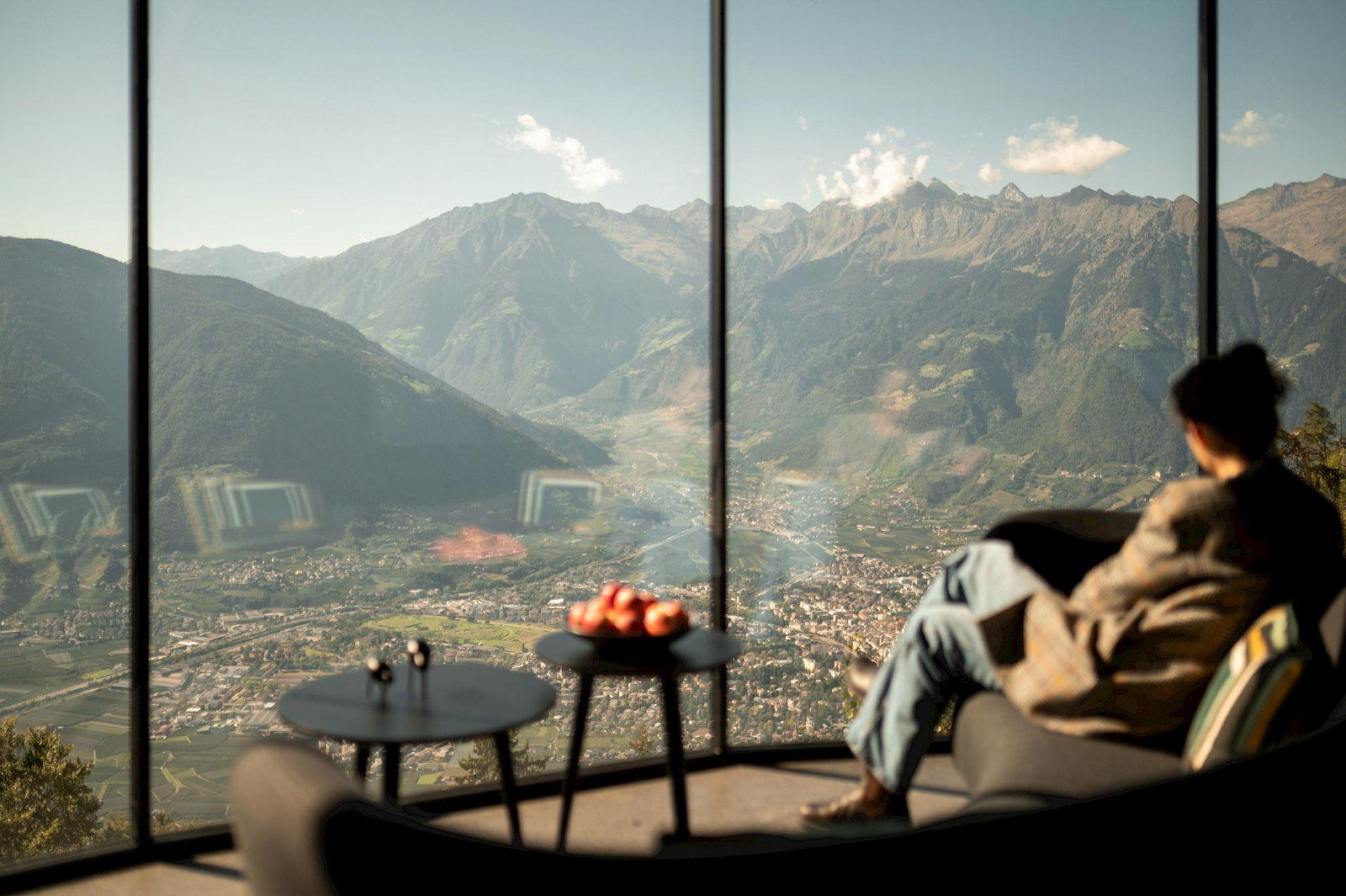
Warm and welcoming mountain elegance with relaxing spa atmosphere, soft lighting, and natural wood interiors.