A Goltsteinstraße address in Cologne's Südstadt places Feinkost Seemann within a neighbourhood that rewards unhurried exploration on foot. The name, Feinkost, meaning fine provisions or delicatessen, signals a particular relationship with ingredient sourcing that sits apart from the city's more formal dining tier. For Cologne visitors tracking the gap between everyday eating and special-occasion tables, this is a reference point worth knowing.
- Address
- Goltsteinstraße 87A, 50968 Köln, Germany
- Phone
- +492213508138
- Website
- erleben-magazin.de
- Directions
- Get directions
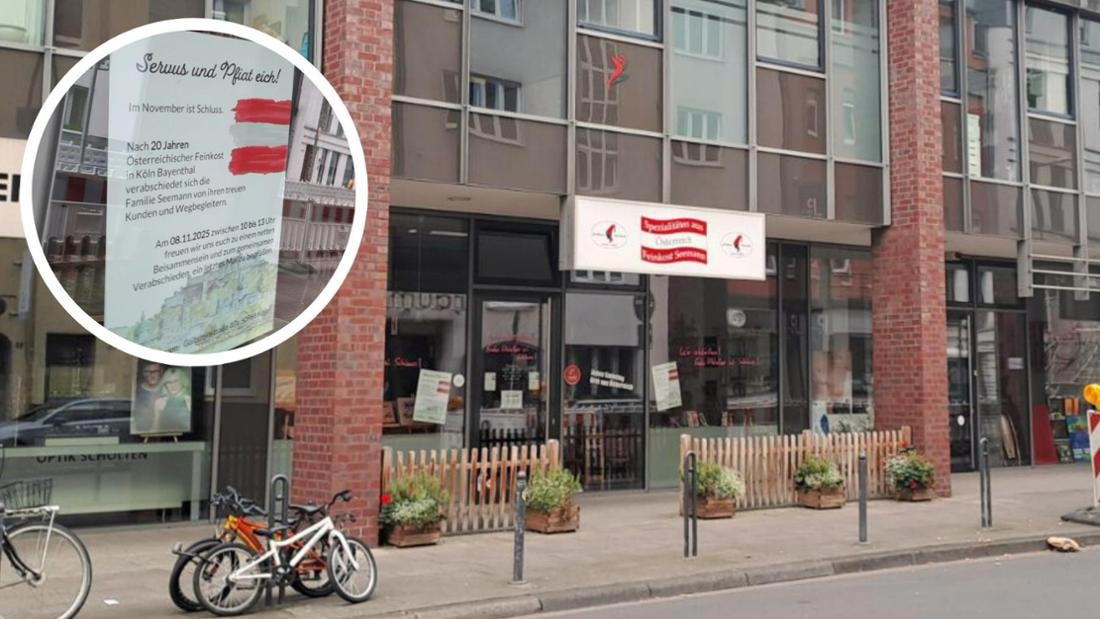
Südstadt, Fine Provisions, and the Grammar of a Cologne Neighbourhood Address
Goltsteinstraße runs through Cologne's Südstadt at the kind of residential pitch that discourages destination dining in the conventional sense. There are no hotel lobbies nearby funnelling well-dressed guests past a maître d'. The street reads as a living neighbourhood first and a dining corridor second, which is precisely the condition under which a venue trading on the word Feinkost, fine provisions, quality produce, the continental European tradition of the specialist food shop raised to a point of culinary seriousness, tends to work well. In cities like Paris, Vienna, and Hamburg, the feinkost register occupies a specific position: more considered than a bistro, less theatrical than a grand restaurant, with the menu's architecture communicating what the kitchen values rather than what the room wants to perform.
Cologne's dining conversation at the upper tier is dominated by addresses like Ox & Klee and La Cuisine Rademacher, both operating at the €€€€ bracket with the kind of formal recognition that draws travellers explicitly. La Société and maiBeck hold a comparable position in the modern cuisine tier. Feinkost Seemann sits at a different register within this map, the Südstadt address and the feinkost designation together suggest a venue defined less by ceremony and more by product logic: what arrives in the kitchen determines what appears at the table, and the menu's structure reflects that sequence of priorities.
What a Feinkost Menu Architecture Communicates
The feinkost tradition in German-speaking cities has always carried an implicit argument about how fine eating should be organised. Rather than the multi-act progression of haute cuisine, where the kitchen's technique is the subject of each course, the feinkost approach foregrounds the ingredient itself as the primary statement. This is a menu philosophy with a long lineage: charcuterie, aged cheeses, cured fish, and preserved seasonal produce feature not as garnish or supporting cast but as the point. The menu's architecture, read in this context, tells you something about what the kitchen believes: that sourcing decisions precede cooking decisions, and that restraint in preparation is a form of respect for the ingredient.
In practice, this places Feinkost Seemann in a different competitive conversation than the city's formal fine dining addresses. The frame of reference is closer to the informed neighbourhood table, a category that across Europe has consistently produced some of the more interesting dining experiences precisely because it operates without the pressure of tasting-menu theatrics. Germany's wider fine dining circuit includes three-Michelin-star operations such as Schwarzwaldstube in Baiersbronn and Aqua in Wolfsburg, and multi-award recipients like Vendôme in Bergisch Gladbach, which sits close enough to Cologne to make the city a node in a broader North Rhine-Westphalian dining itinerary. Against that backdrop, the feinkost model operates as a deliberate counterweight, lower ceremony, higher product focus, with the menu making its case through selection rather than transformation.
The Südstadt Context and What It Implies for the Visitor
Cologne's Südstadt has developed a character over the past decade that places it alongside similar left-bank urban residential neighbourhoods in other German cities: dense, walkable, with an independent retail culture that supports specialist food merchants alongside neighbourhood restaurants. The address on Goltsteinstraße 87A sits within this fabric rather than above it. That has consequences for the visitor's planning logic. This is not a table you book around a special occasion in the way you might approach a reservation at Le Moissonnier Bistro or a destination-driven trip to JAN in Munich. The appropriate frame is the informed local's midweek choice, or the traveller who has already covered the city's formal dining circuit and wants a different register on a return visit.
For context on how neighbourhood-anchored feinkost addresses fit into the broader German dining picture, it is worth noting that the country's most discussed fine dining rooms, from Victor's Fine Dining by Christian Bau in Perl to ES:SENZ in Grassau and Schanz in Piesport, tend to operate in destination-resort or wine-country formats, removed from urban residential settings. The urban neighbourhood table, by contrast, competes on consistency, product integrity, and the quality of the room atmosphere rather than on transformation-led tasting menus. Waldhotel Sonnora in Dreis and Restaurant Haerlin in Hamburg both demonstrate that formal recognition and a residential or hotel-anchored setting can coexist, but they do so at a different scale and ceremony level than the feinkost format invites.
Internationally, the closest conceptual relatives to the feinkost register are less the tasting-menu palaces like Le Bernardin in New York City and more the produce-forward neighbourhood formats seen in cities with strong artisan food cultures. Even Lazy Bear in San Francisco, despite its communal format, shares the feinkost instinct of letting sourcing decisions drive the menu's shape. CODA Dessert Dining in Berlin demonstrates a related principle from a different direction: format discipline as a form of editorial curation. The common thread is a menu that argues a point of view through selection rather than through lengthy kitchen transformation.
Know Before You Go
Budget Reality Check
Comparable venues nearby, for context on price, style, and recognition.
| Venue | Cuisine | Price | Notes |
|---|---|---|---|
| Feinkost SeemannThis venue — the venue you are viewing | Not listed | $$ | Not listed |
| Brauerei zur Malzmühle | Not listed | $$ | Altstadt/Nord, Traditional Rhineland Brauhaus |
| Restaurant Zum Buchheimer Kreuz | Buchheim, Croatian Balkan Grill | $$ | Not listed |
| Malz-Bierbrauerei Gerhard Fischenich | Not listed | $$ | Altstadt/Süd, Traditional Cologne Brewpub |
| Haus Töller | Not listed | $$ | Altstadt/Süd, Traditional Rhenish German Brewery Pub |
| Funkhaus | Not listed | $$ | Altstadt/Nord, Modern German Bistro |
Continue exploring
More in Cologne
Restaurants in Cologne
Browse all →
Bars in Cologne
Browse all →

Hotels in Cologne
Browse all →

At a Glance
- Cozy
- Rustic
- Casual Hangout
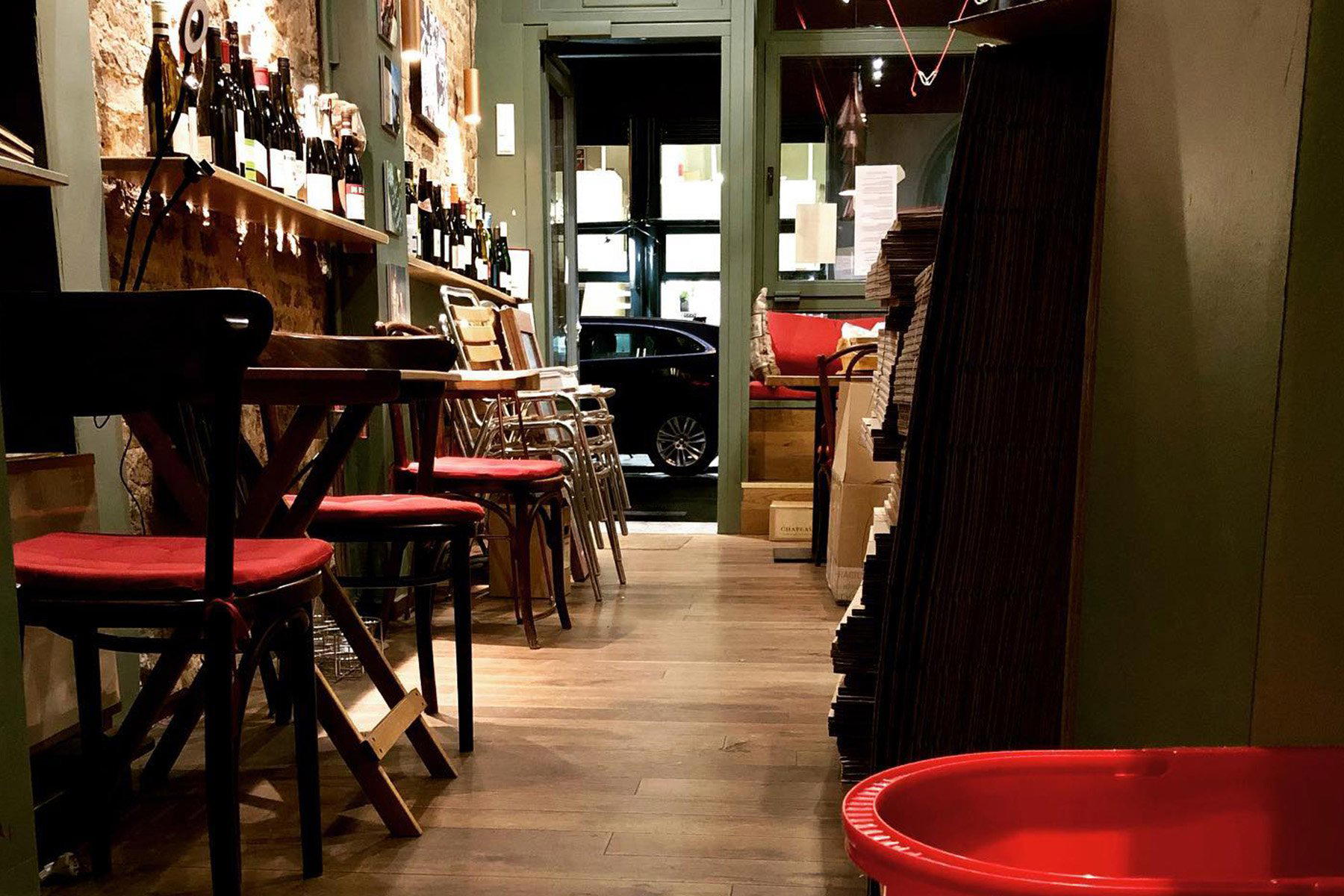
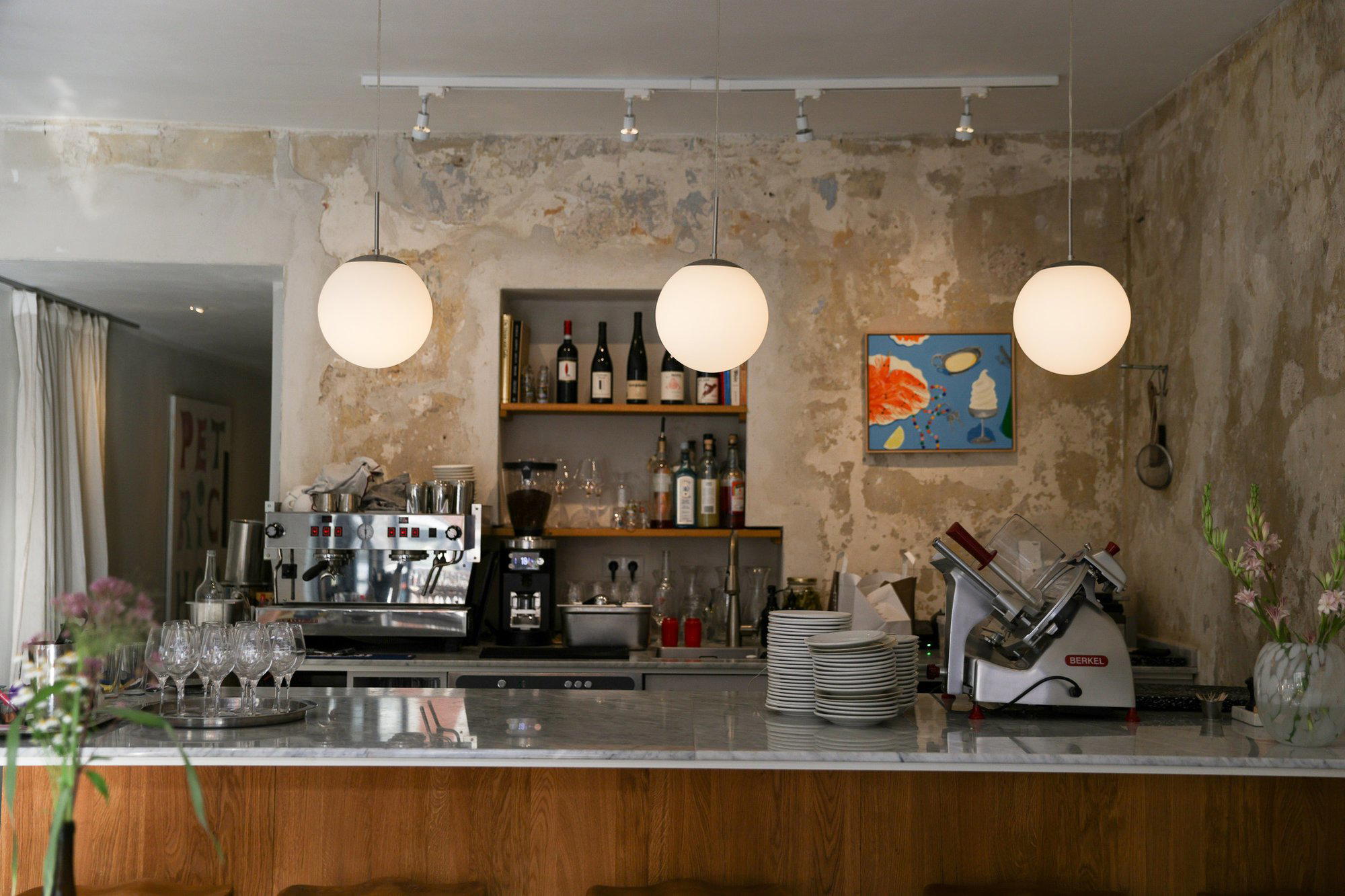
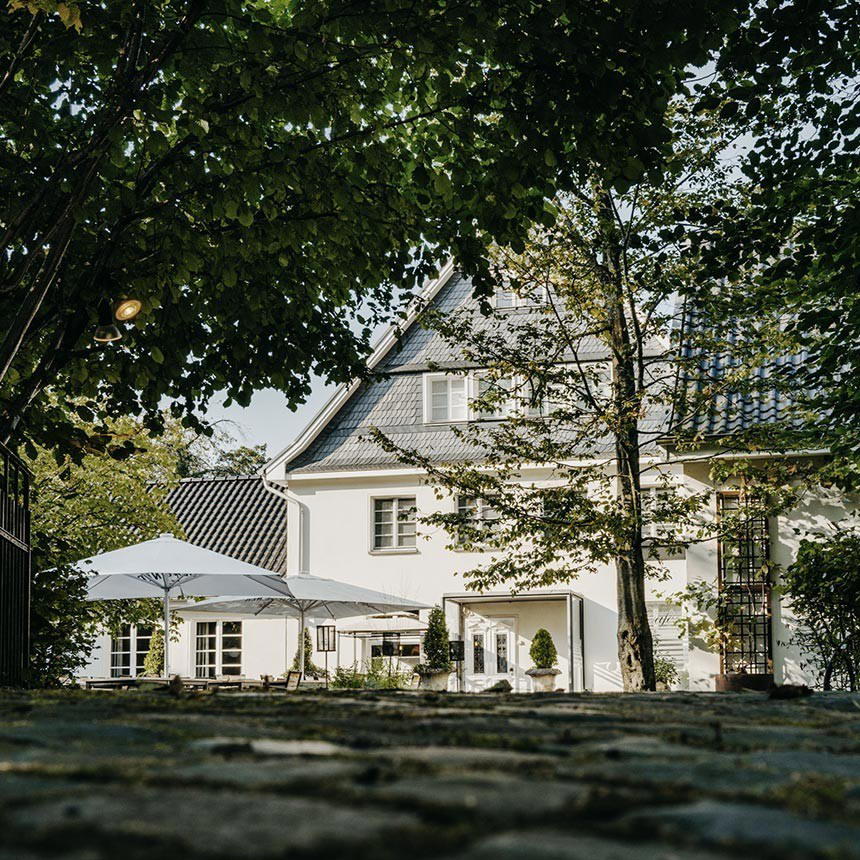
Gemütlich (cozy) atmosphere well-suited for lunch.