FEAST occupies the first floor of EAST Hong Kong in Quarry Bay, sitting at a different address, and a different register, from the Michelin-heavy rooms of Central. Where Hong Kong's celebrated fine-dining corridor favours formal service and tasting menus, FEAST operates as an all-day dining destination inside a design-led business hotel, making it a practical reference point for the eastern residential corridor.
Pearl is the En Primeur Club membership app — saves, bookings, and concierge access live there. Same editors, same standards.
- Address
- 1/F, EAST Hong Kong, 29 Tai Koo Shing Rd, Quarry Bay, Hong Kong
- Phone
- +85239683777
- Website
- easthotels.com
- Directions
- Get directions
 Saves & bookings on Pearl
Quarry Bay's Dining Register
Hong Kong's most discussed restaurant addresses cluster west: the Michelin-starred counters of Central, the French rooms of Four Seasons, the Italian dining of Landmark. Quarry Bay operates at a different frequency. The neighbourhood is residential and corporate in roughly equal measure, anchored by the Taikoo Shing development and a business hotel strip that serves eastbound professionals who have little reason to commute to Central for dinner. FEAST, on the first floor of EAST Hong Kong at 29 Tai Koo Shing Road, positions itself inside that local logic, an all-day dining room designed to hold a room that has both neighbourhood regulars and hotel guests in it simultaneously. That is a harder brief than it sounds. Most hotel restaurants in Hong Kong's outer districts resolve the tension by becoming invisible: functional, forgettable, relevant only to guests who cannot be bothered to leave. FEAST exists in that context but operates with enough format discipline to register as a destination in its own right for the eastern end of the island.
The Physical Environment
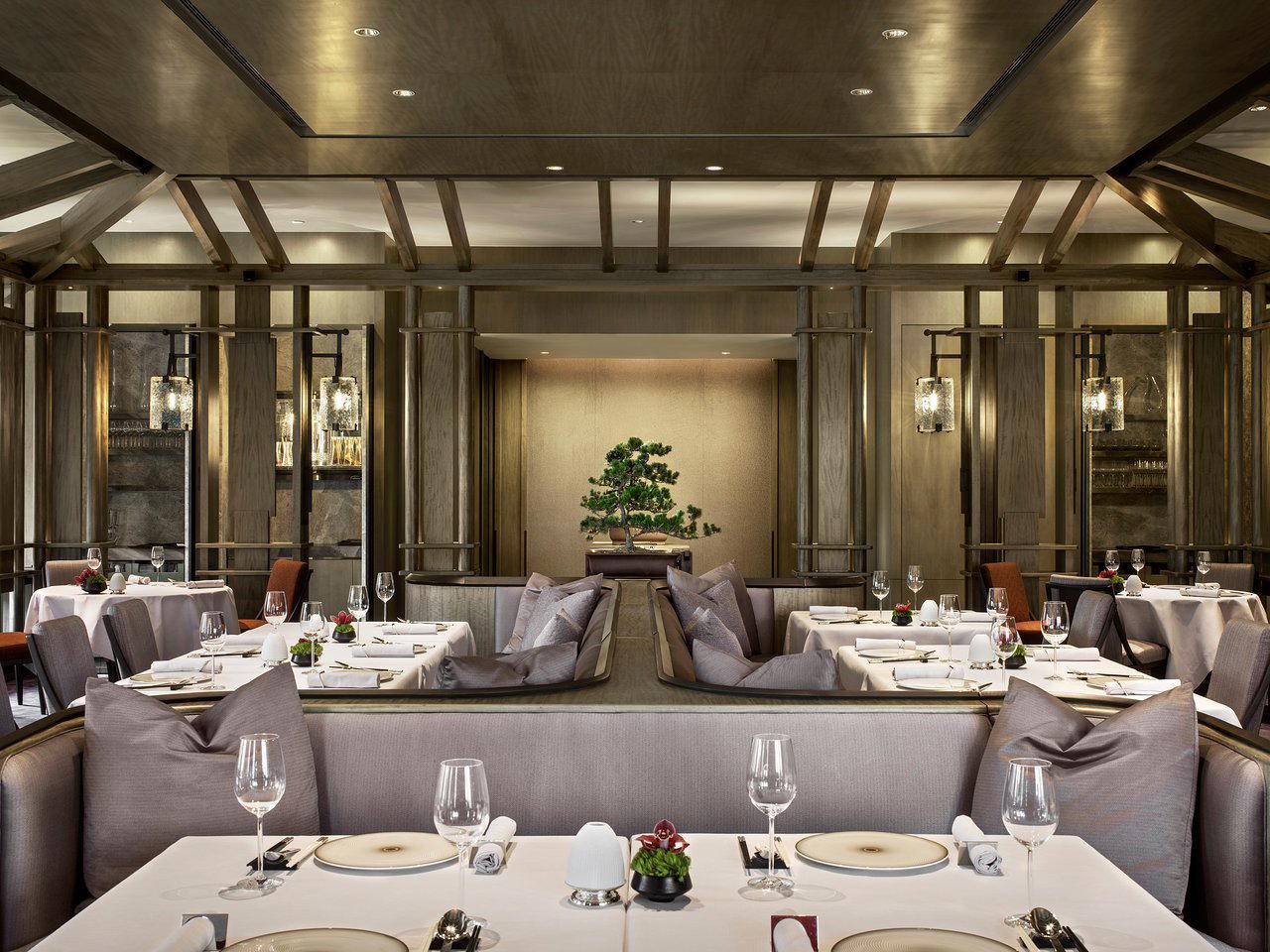
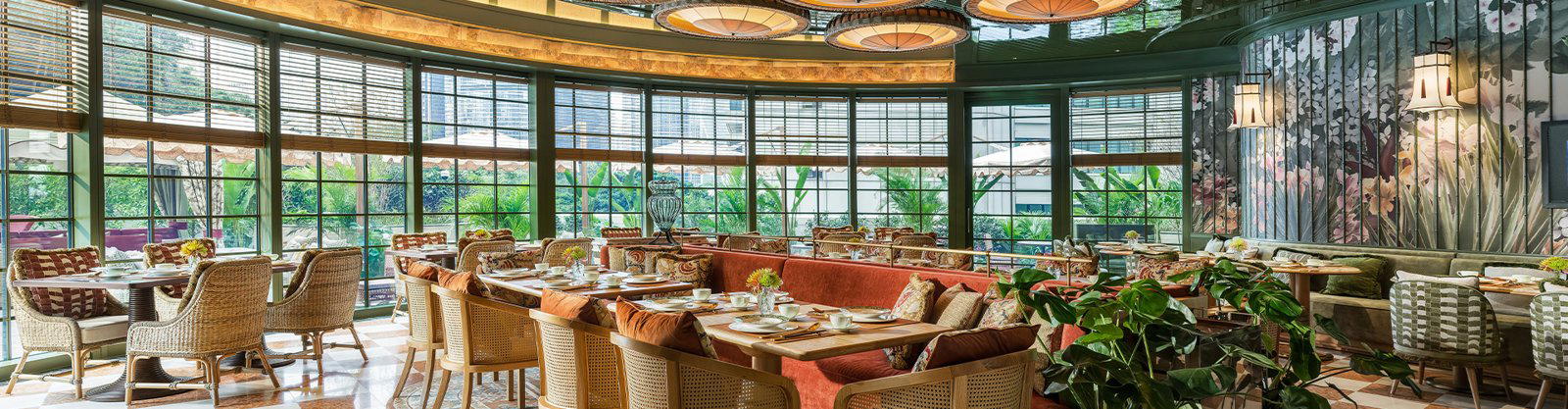
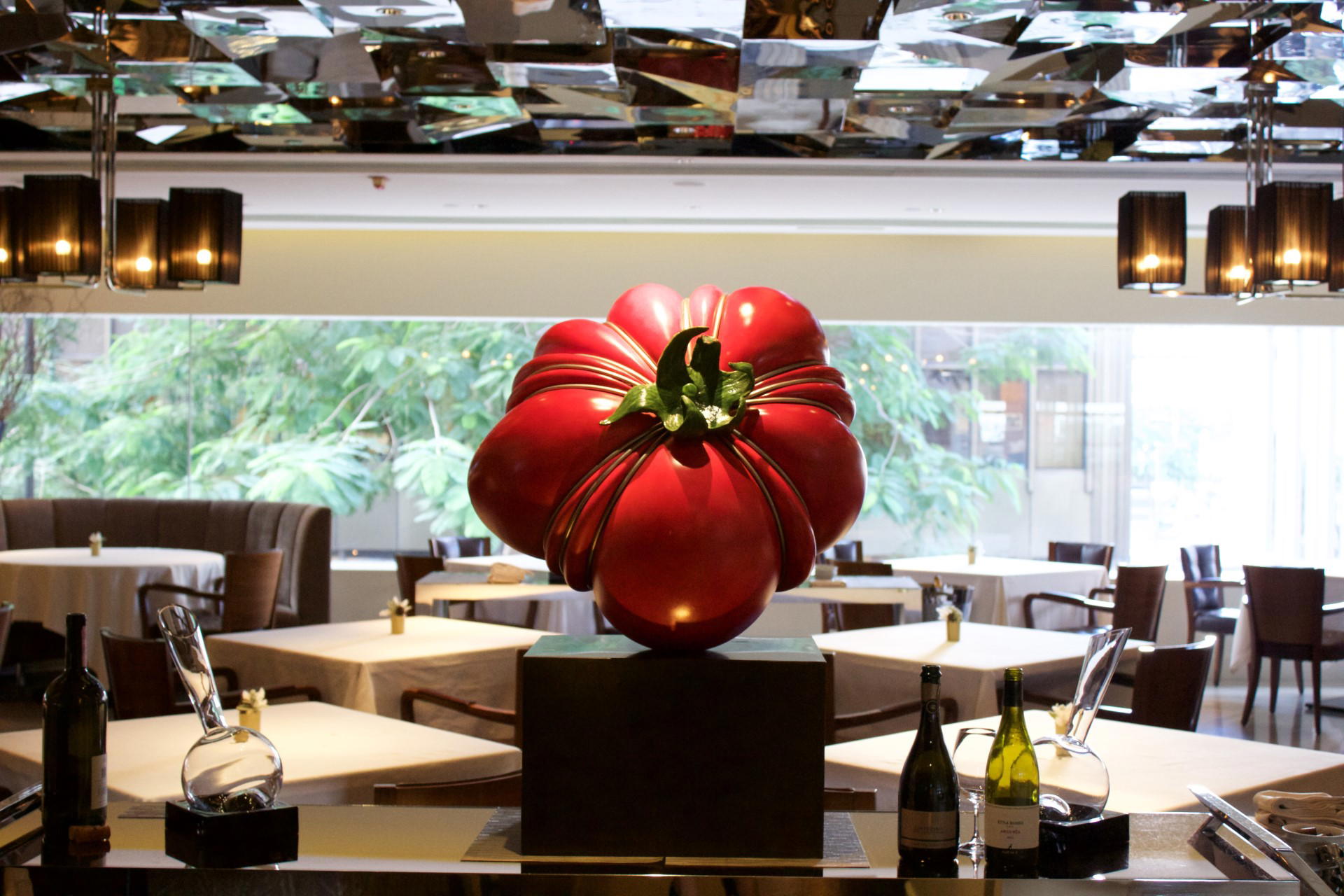
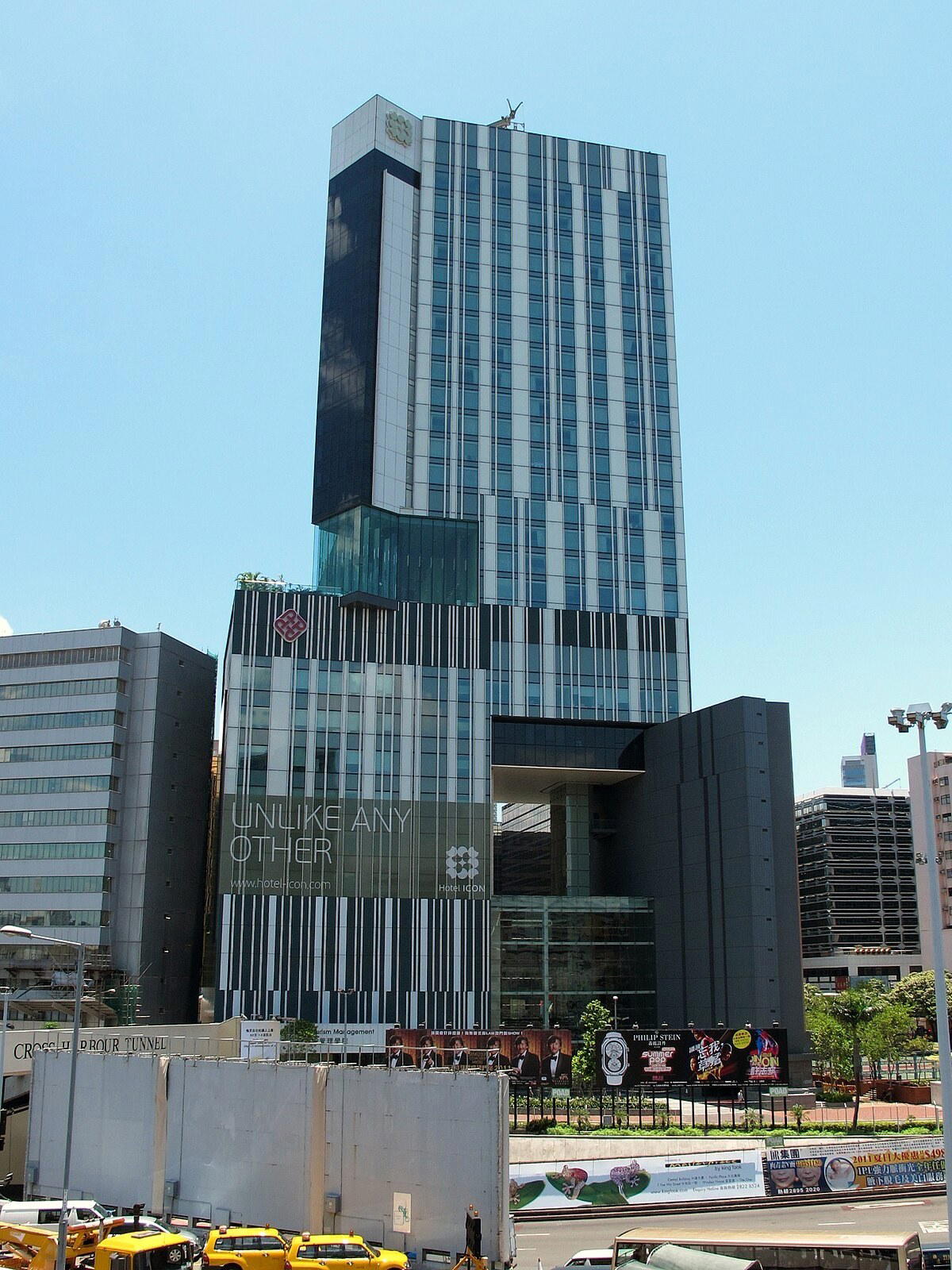
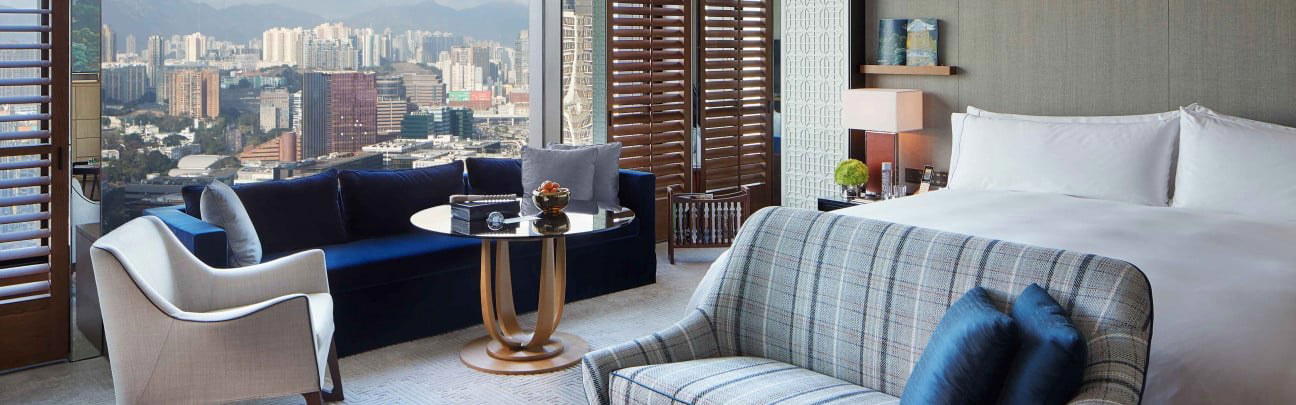
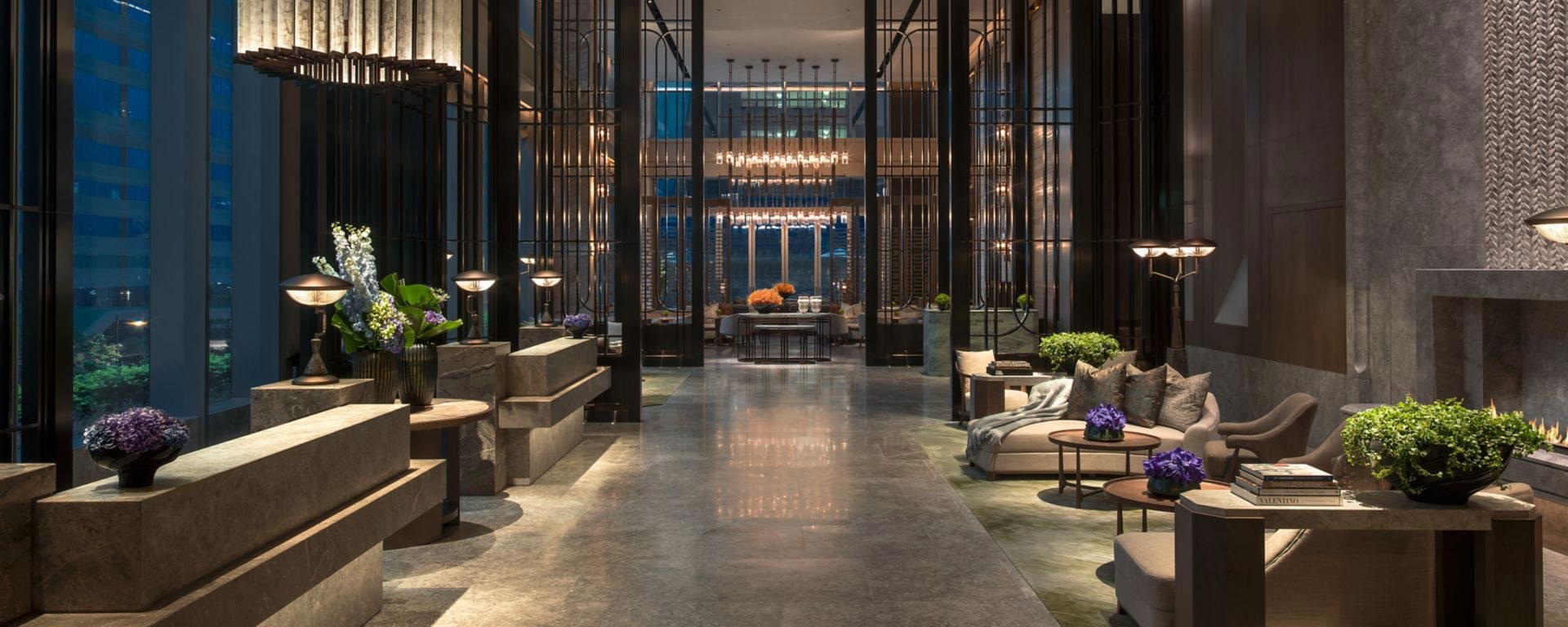
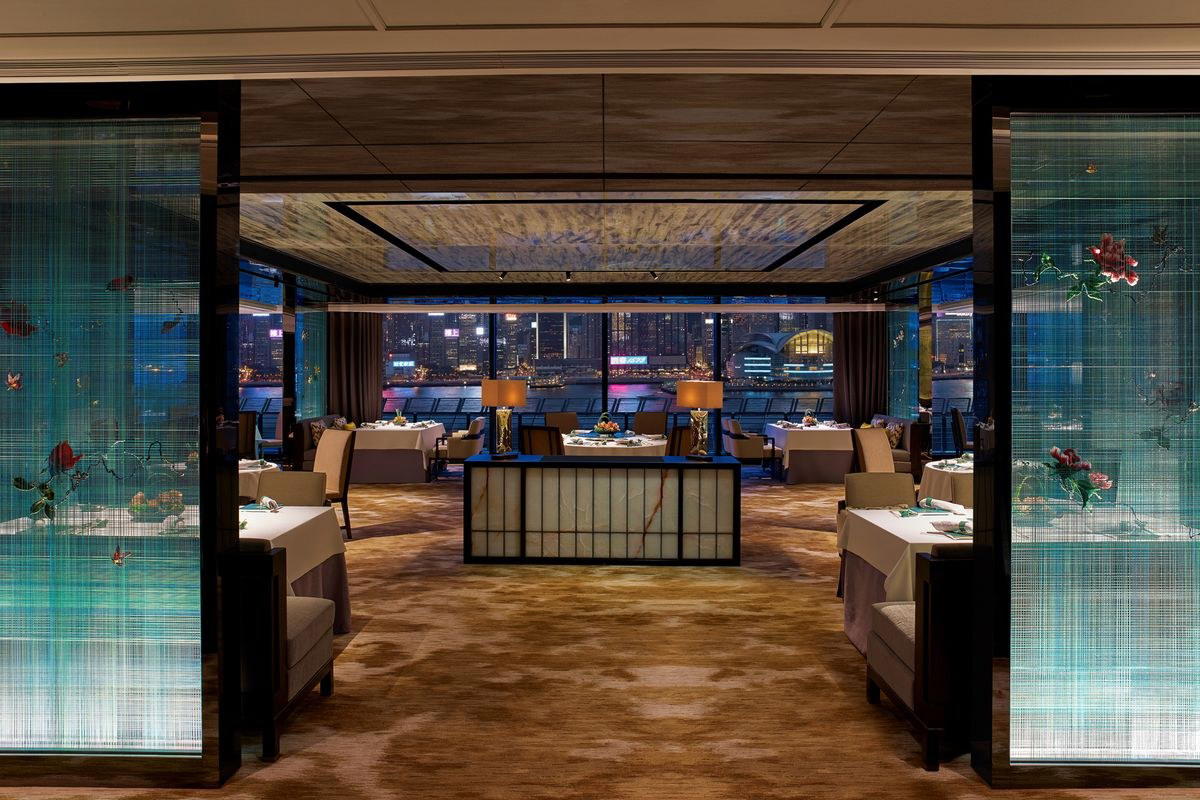
EAST Hong Kong was developed as a design-led property within the Swire Hotels portfolio, and the visual language carries through to the dining room. The first-floor positioning means FEAST sits above street level, separated from the Tai Koo Shing Road traffic by enough elevation to make the interior feel deliberate rather than incidental. Hotel all-day dining rooms in Hong Kong's mid-tier and upper-mid tier tend to favour either the open-plan buffet format, long counters, chafing dishes, high ceilings, or the more restrained à la carte configuration that signals a programme serious enough to turn walk-in tables away. The sensory contract of FEAST follows the latter model: a room that reads as designed rather than configured, where materials and layout carry the weight of positioning without needing to announce it.
The Quarry Bay MTR station sits close enough to make arrival direct from anywhere on the Island Line, which matters in a city where restaurant geography is often settled by transport convenience as much as by cuisine preference. For visitors orienting from Central, the eastbound journey takes under fifteen minutes, putting FEAST inside the threshold at which most Hong Kong diners begin calculating whether a trip is worth making. For guests staying at EAST Hong Kong, the question dissolves entirely: the restaurant is the path of least resistance, and the hotel's design credentials give it enough cover to feel like a considered choice rather than a default.
Where FEAST Sits Relative to the City's Dining Conversation
Hong Kong has one of the densest concentrations of formally recognised fine dining in Asia. Amber at The Landmark Mandarin Oriental carries sustained critical recognition for its French contemporary programme. Caprice at Four Seasons holds its position in the city's formal French tier. 8 1/2 Otto e Mezzo Bombana operates as the city's reference Italian address. Ta Vie works a Japanese-French intersection that has attracted serious critical attention. These are rooms built around tasting menus, significant advance booking windows, and a service formality that suits occasion dining rather than the rhythm of a working week. Forum holds a different register in Cantonese, with decades of reputation in the traditional mould.
FEAST does not compete with those addresses on their terms. The competitive set for an all-day hotel dining room in Quarry Bay is a different calculation: it runs against neighbourhood restaurants in Taikoo Shing, the convenience operators at Cityplaza, and the increasing quality of casual dining that has moved eastward from Wan Chai and Causeway Bay over the past decade. Placed in that context, a room with EAST Hong Kong's design pedigree and Swire Hotels' operational standards occupies a clear upper position in the local tier without needing to invoke the Michelin geography of Hong Kong Island's western end.
For readers with time on Hong Kong Island, the eastern corridor offers a genuine counterpoint to the Central concentration. The former Jumbo Floating Restaurant in Aberdeen represents the city's more theatrical dining history, now archived. AMMO in Central and Western holds a different design-led position on the western side of the island. Across the harbour, Block 18 Doggie's Noodle in Yau Tsim Mong and Habib's Indian and Middle Eastern Food in Kwun Tong serve the Kowloon-side appetite for neighbourhood specificity over destination formality. The New Territories extends further: Lei Garden in Sha Tin carries Cantonese credibility across multiple branches, and Chin Sik in Tsuen Wan and Hoi Tin Garden in Tuen Mun extend the map further west. The Outlying Islands add another register entirely: Enchanted Garden Restaurant in Islands and King of Soybeans in Wong Tai Sin address the more local end of the dining spectrum. For full coverage of the city's dining options by district, the EP Club Hong Kong restaurants guide maps the range.
Internationally, the all-day hotel dining format that FEAST inhabits has close analogues in other cities operating under similar pressures: high real estate cost, a transient-plus-local dual audience, and the need to hold credibility across breakfast, lunch, and dinner without losing coherence. Rooms like Le Bernardin in New York City demonstrate what happens when a hotel-adjacent fine-dining programme commits fully to a single cuisine register. Lazy Bear in San Francisco shows a different resolution: the community-dining model that flattens the hotel-guest/neighbourhood-visitor divide by making the format itself the point. Le Salon de Thé de Joël Robuchon at ifc mall in Central demonstrates how a legacy brand can occupy the casual tier of a premium address without eroding its broader positioning.
Planning a Visit
The EAST Hong Kong hotel address at 29 Tai Koo Shing Road is clearly mapped from the station, with the restaurant on the first floor of the hotel.
The Essentials
Comparable venues nearby, for context on price, style, and recognition.
| Venue | Cuisine | Price | Notes |
|---|---|---|---|
| FEASTThis venue — the venue you are viewing | Tai Pak, International Semi-Buffet | $$$ | Not listed |
| RÙN (The St. Regis Hong Kong) | Wan Chai, Modern Cantonese Fine Dining | $$$ | Not listed |
| Big JJ Seafood Hotpot | Not listed | $$$ | Central, Hong Kong-style seafood hotpot & wine bar |
| Lei Garden | Tai Pak, Traditional Cantonese | $$$ | Not listed |
| CHAAT (Rosewood Hong Kong) | Not listed | $$$ | Tsim Sha Tsui, Modern Indian Street Food–Inspired Fine Dining |
| Asado - Argentinian Steakhouse | Not listed | $$$ | Wan Chai, Authentic Argentinian Steakhouse |
Continue exploring
More in Hong Kong
Restaurants in Hong Kong
Browse all →
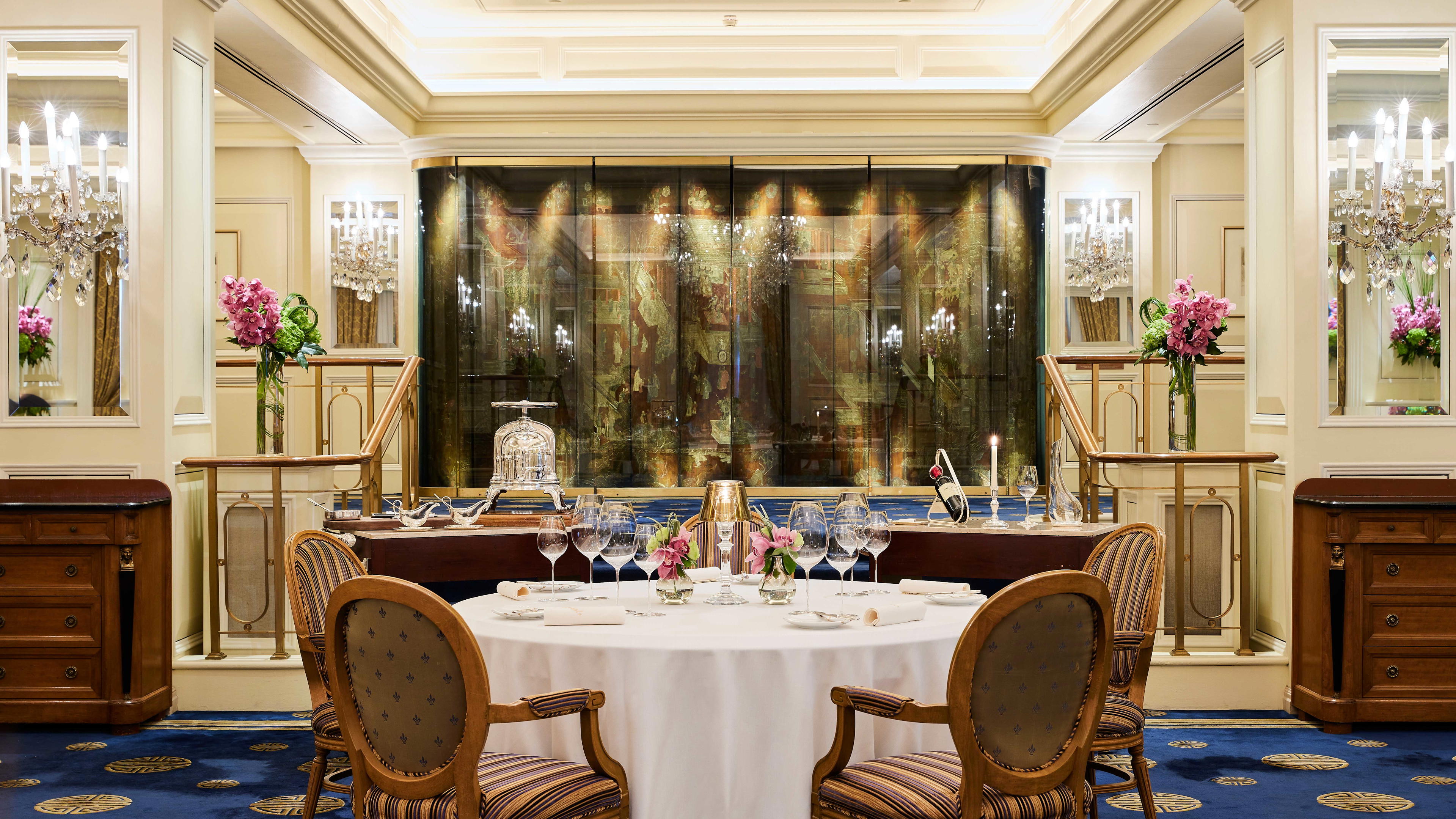
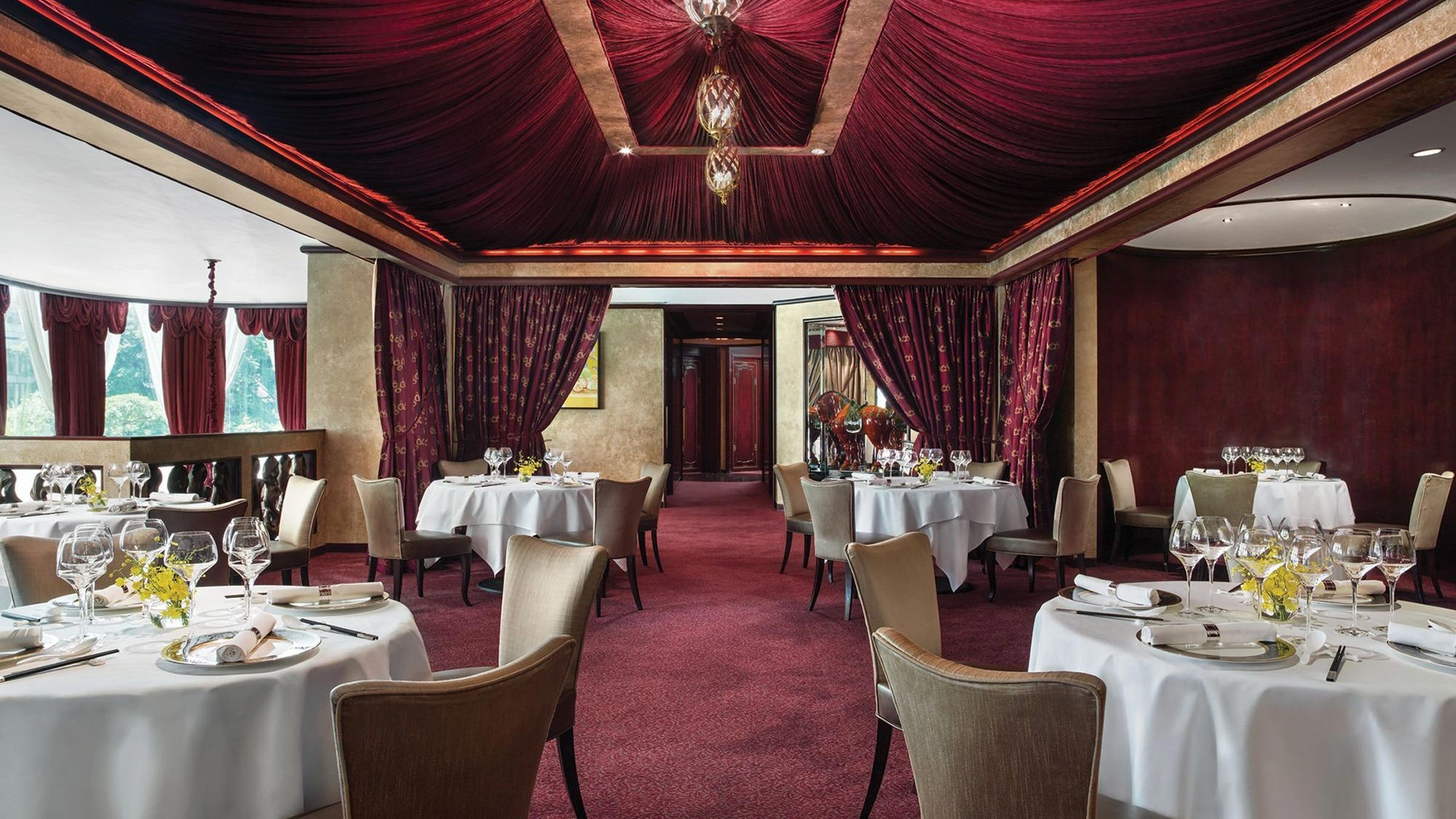
Bars in Hong Kong
Browse all →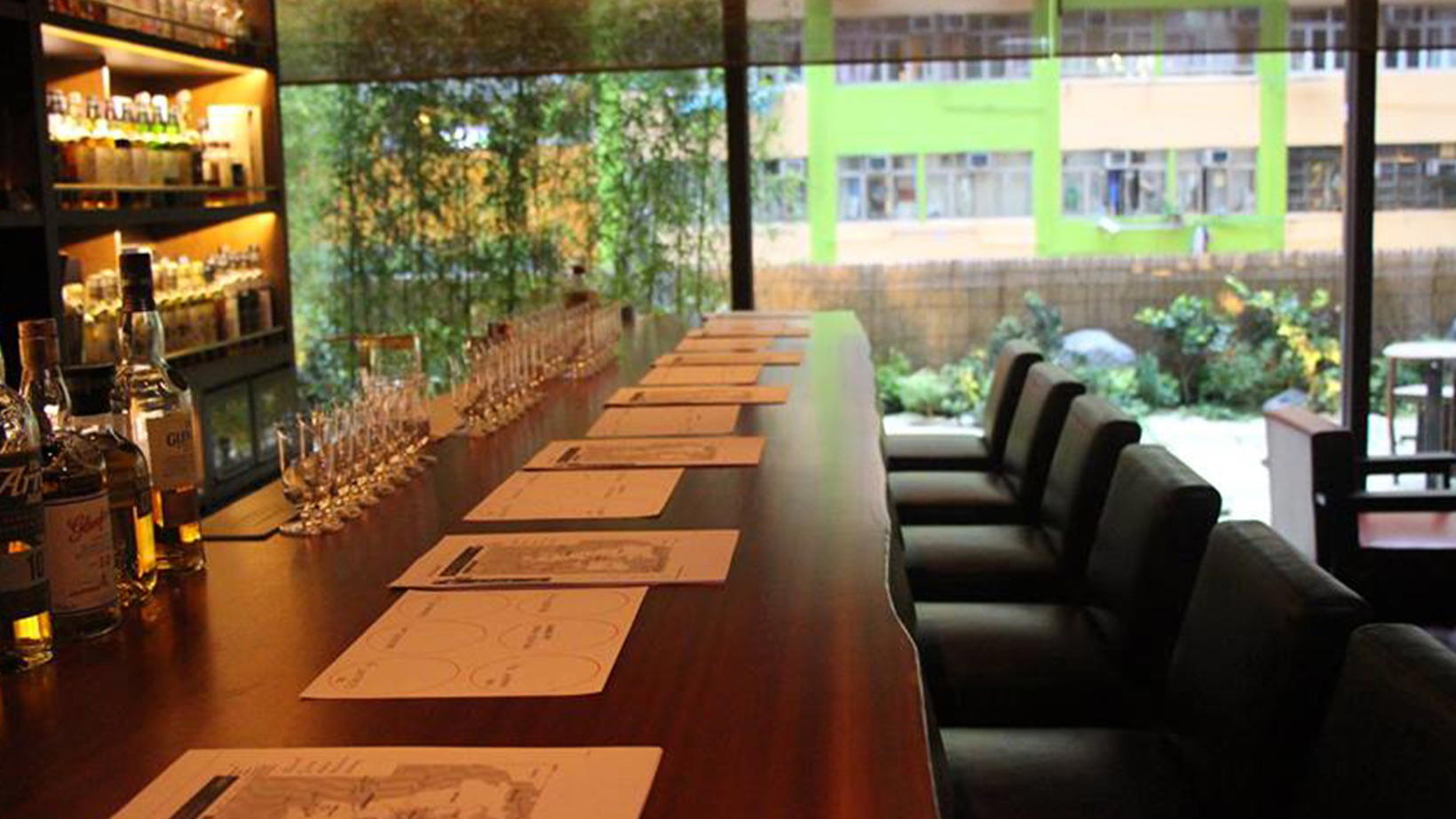
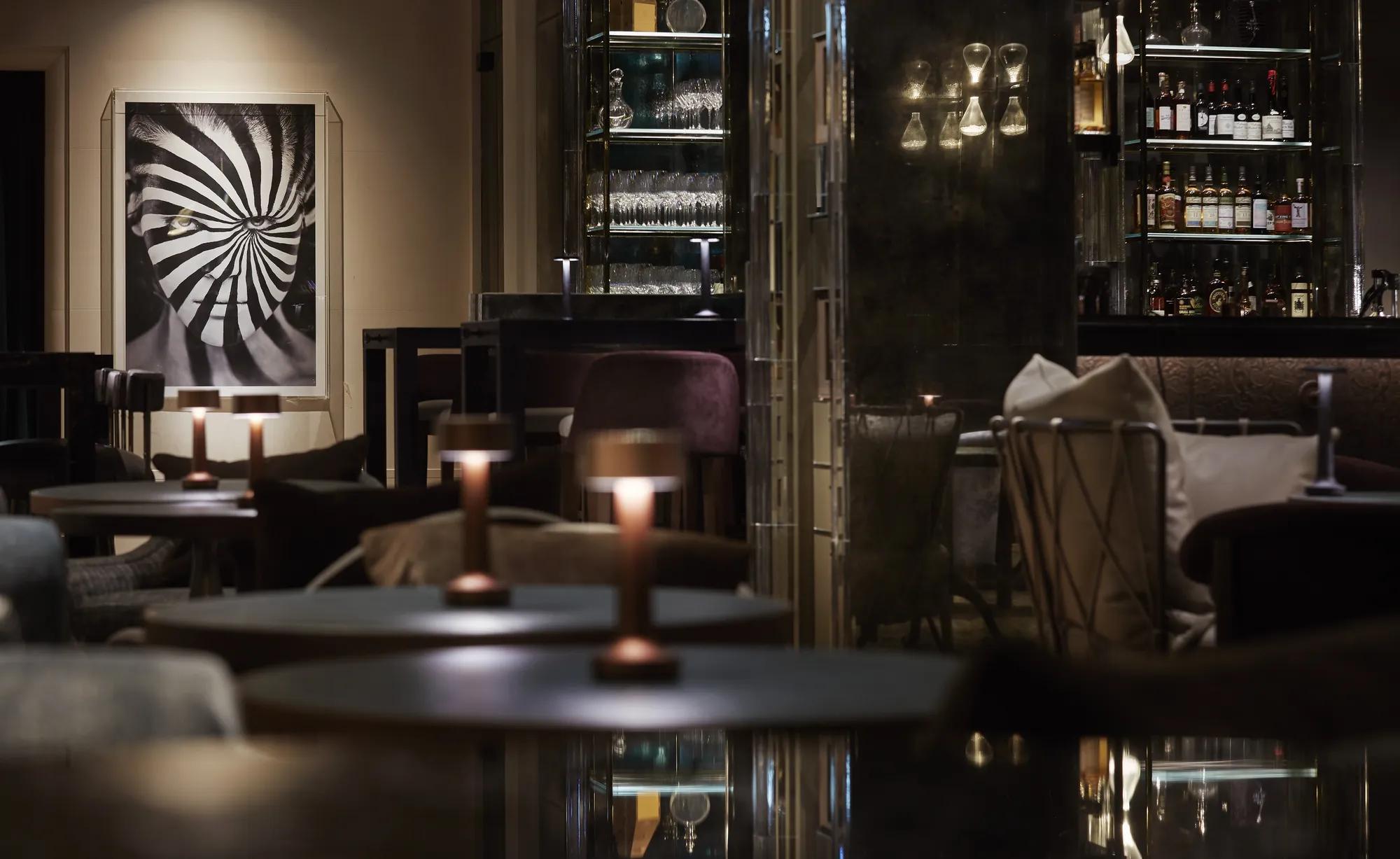
At a Glance
- Lively
- Modern
- Group Dining
- Family
- Business Dinner
- Brunch
- Hotel Restaurant
- Open Kitchen
Current opening hours
- Monday
- 6:45–10:30 AM, 12–2:30 PM, 6–10 PM
- Tuesday
- 6:45–10:30 AM, 12–2:30 PM, 6–10 PM
- Wednesday
- 6:45–10:30 AM, 12–2:30 PM, 6–10 PM
- Thursday
- 6:45–10:30 AM, 12–2:30 PM, 6–10 PM
- Friday
- 6:45–10:30 AM, 12–2:30 PM, 6–10 PM
- Saturday
- 6:45–10:30 AM, 12–2:30 PM, 6–10 PM
- Sunday
- 6:45–10:30 AM, 12–2:30 PM, 6–10 PM
Hours can change for holidays and private events. Last verified .
Bright, laidback atmosphere with open layout ideal for work lunches, family get-togethers, and casual bonding over meals.