Argentinian asado culture arrives in Wan Chai at 22-30 Tai Wong Street East, where the South American tradition of live-fire cooking meets Hong Kong's appetite for serious red meat. In a city where premium steakhouses largely pull from Japanese wagyu or US Prime traditions, Asado positions itself around the wood-and-charcoal rituals that define the pampas. A distinct address for those tracing how grill culture travels across hemispheres.
Pearl is the En Primeur Club membership app — saves, bookings, and concierge access live there. Same editors, same standards.
- Address
- 22-30 Tai Wong St E, Wan Chai, Hong Kong
- Phone
- +85225566262
- Website
- asadohk.com
- Directions
- Get directions
 Saves & bookings on Pearl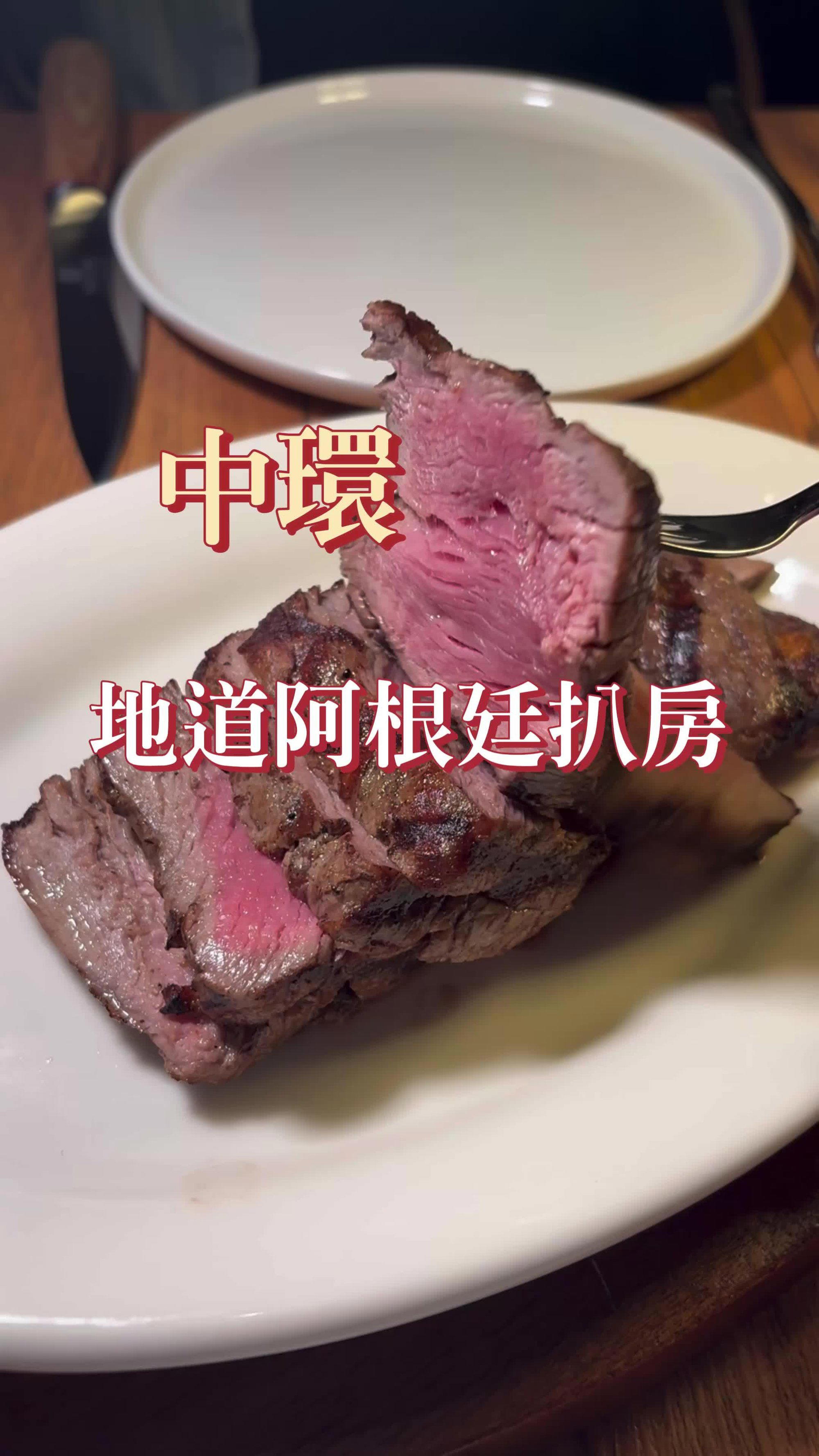
The Asado Tradition and What It Means in a Cantonese City
Hong Kong's relationship with red meat is long and layered. The city's Cantonese heritage has always included an appreciation for carefully sourced protein, cooked with precision, whether that's roast goose in Sham Shui Po or braised short rib at a family banquet table. What has shifted in the past decade is the arrival of international grill traditions that carry their own equally serious cultural logic. Argentinian asado is among the more codified of these: a social practice built around slow cooking over wood embers, where the fire is managed for hours before the first cut is served, and where the quality of the flame management is as much a mark of skill as any sauce or seasoning.
At Asado on Tai Wong Street East in Wan Chai, that South American tradition is rooted in a neighbourhood that already runs a long spectrum of international dining. Wan Chai sits between the high-end French and Italian addresses of Central, where Caprice and 8 1/2 Otto e Mezzo Bombana anchor stronger examples from the market, and the more casual, street-level energy of Causeway Bay. That positioning is not incidental. Wan Chai has historically absorbed dining formats that require space and a certain tolerance for theatre, and a live-fire grill operation qualifies on both counts.
How Asado Culture Travels
The word asado refers both to a cooking method and a social event. In Argentina, it is the weekend ritual that organises family and community around a fire, with the asador, the person tending the grill, carrying a role closer to host than cook. Cuts are typically larger and cooked longer than in European traditions: whole ribs, flanks, and offal portions that European butchery often processes differently. The seasoning is restrained, typically limited to coarse salt, because the argument is that the smoke and the quality of the beef do the work.
What makes that tradition interesting to trace in Hong Kong is that the city's steakhouse market is already crowded, but it is crowded in a particular direction. The dominant premium tier pulls from Japanese wagyu, either local A5 imports or wagyu crossbreeds, and from US Prime, the benchmark that built the American steakhouse format that Hong Kong imported enthusiastically in the 1990s and 2000s. Argentinian beef, which typically comes from grass-fed Angus or Hereford cattle on the pampas, presents a different flavour profile: leaner, with a more mineral quality and a longer finish that responds particularly well to wood smoke. It occupies a different position on the palate from heavily marbled wagyu, and the cooking method that goes with it is correspondingly different.
For comparison, the Latin American culinary tradition in Hong Kong finds a foothold at a handful of addresses. Mono, operating at the $$$ price tier, approaches Latin American cuisine through a fine-dining lens. Asado, by grounding itself in the asado ritual specifically, draws from a more primal, fire-first tradition rather than a modernist one.
The Wan Chai Address
Tai Wong Street East runs through a part of Wan Chai that carries more residential and neighbourhood character than the district's better-known bar strip along Lockhart Road. Approaching the address at number 22-30, the sense is of a block that still has working-Hong Kong texture: shopfronts at street level, buildings that predate the luxury tower wave that has reshaped much of Central and Admiralty. That context matters for understanding what kind of dining experience a grill-focused restaurant here is likely to offer. It is not the polished, hotel-adjacent setting of Amber at the Landmark Mandarin or Ta Vie's refined Japanese-French counter in Central. The neighbourhood establishes a register closer to a serious, purpose-built grill room than a multi-course tasting menu address.
Wan Chai's dining density is one of the highest in Hong Kong outside of Central, which means the street-level competition is real. The district supports everything from Cantonese roast shops to international hotel restaurants, and within that field, a format anchored to a specific national grilling tradition has to make a clear case for itself. The asado premise does that: it is specific enough to differentiate, and the South American steakhouse format has global precedent, from the churrascaria model in Brazil to the Argentinian parrilla restaurants that have established themselves in London, New York, and Singapore.
What to Know Before You Go
Reservations are recommended.
Those building a broader picture of Hong Kong's grill and international dining scene can cross-reference with Forum in Wan Chai for the Cantonese tradition that operates in parallel, or look east to Le Salon de Thé de Joël Robuchon in Central for the French register. For those willing to range further across the city's dining spectrum, AMMO in Central and Western offers a different take on international cuisine in a Hong Kong context, and Habib's Indian and Middle Eastern Food in Kwun Tong demonstrates how other imported culinary traditions have established durable footholds across the city's districts.
Peers in This Market
Comparable venues nearby, for context on price, style, and recognition.
| Venue | Cuisine | Price | Notes |
|---|---|---|---|
| Asado - Argentinian SteakhouseThis venue — the venue you are viewing | Authentic Argentinian Steakhouse | $$$ | Not listed |
| 15-27 Cannon St | Steakhouse Fusion | $$ | Wan Chai |
| Henry | Modern American Steakhouse & Grill | $$$$ | Tsim Sha Tsui |
| Buenos Aires Polo Club | Argentine Steakhouse | $$$$ | Central |
| Fireside | Open-Fire Spanish-Inspired Grill | $$$ | Central |
| Leela | Modern Indian with imperial and regional influences | $$$ | Causeway Bay |
Continue exploring
More in Hong Kong
Restaurants in Hong Kong
Browse all →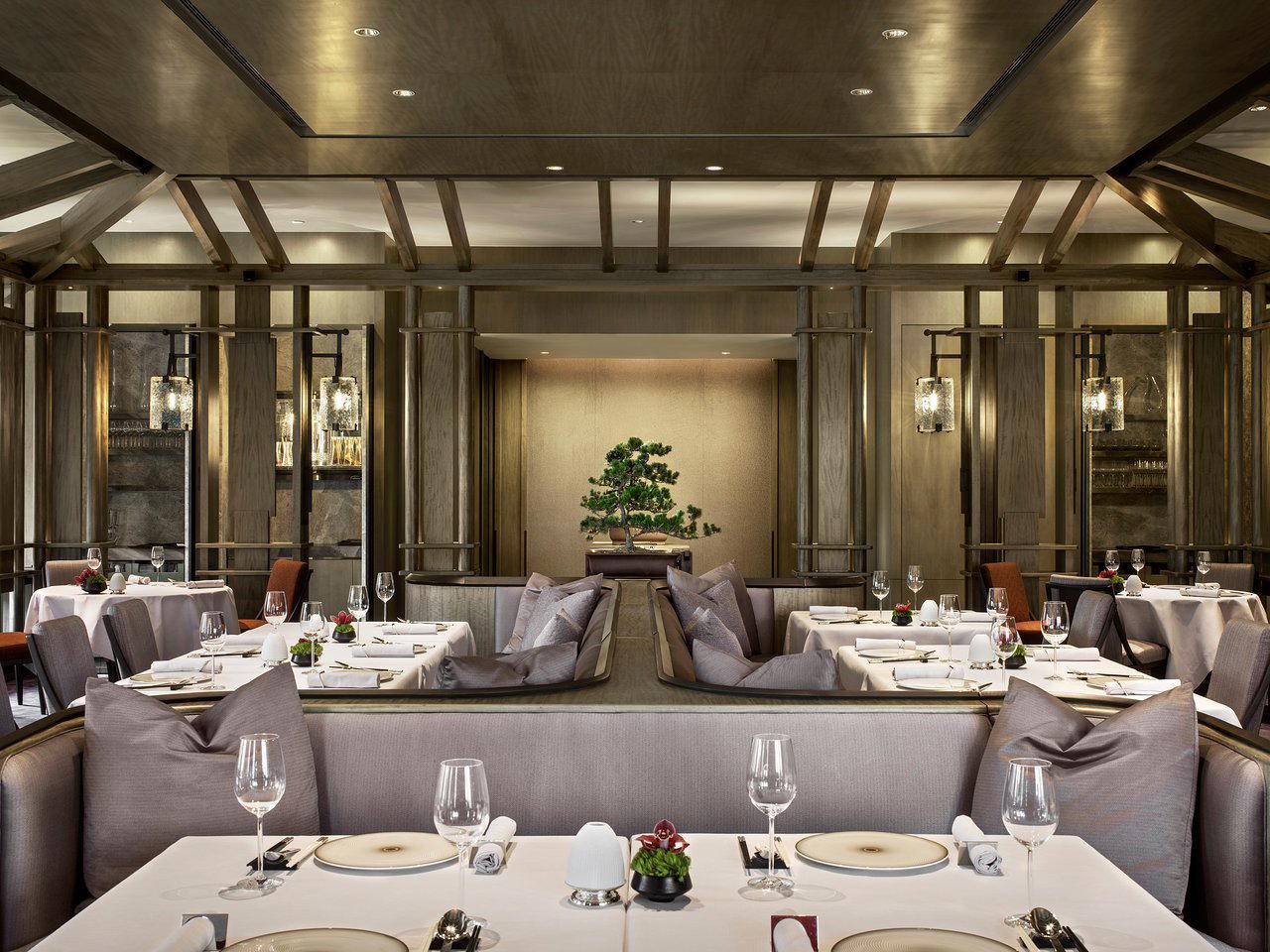
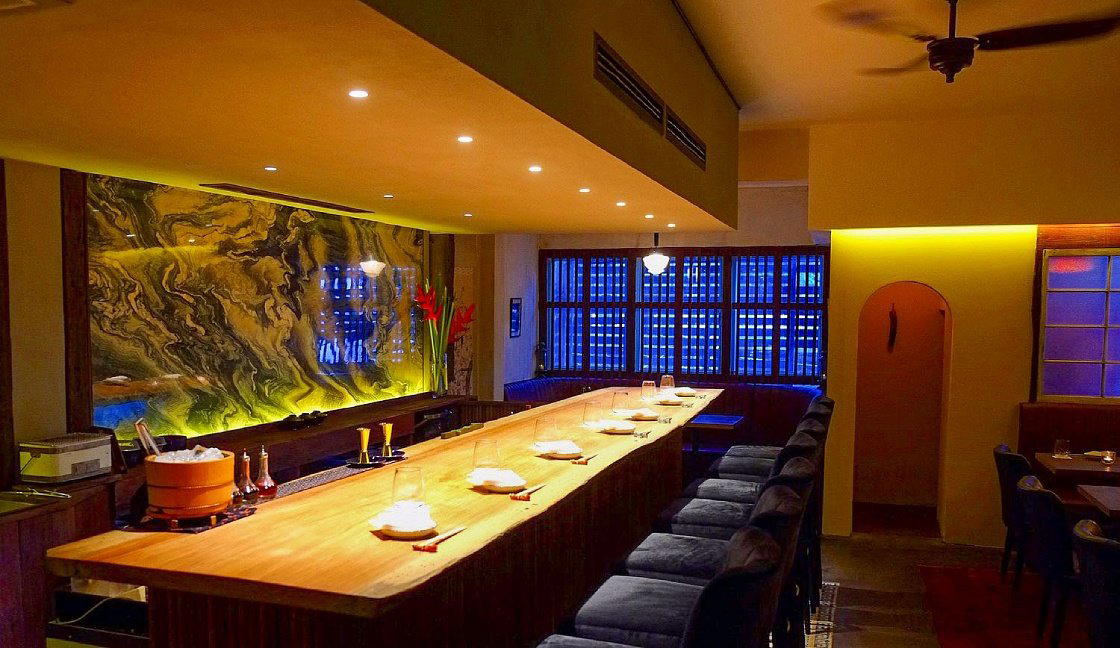
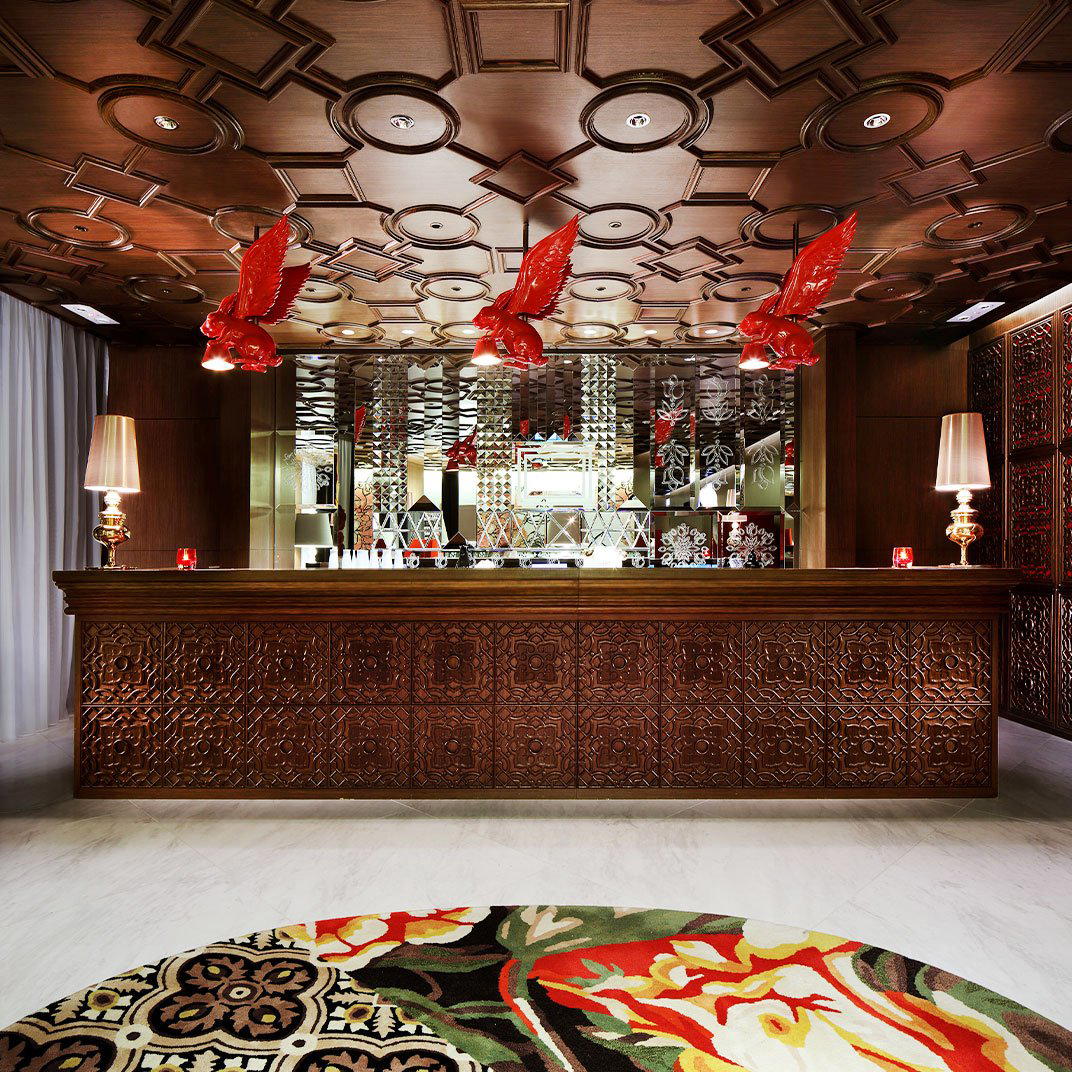
Bars in Hong Kong
Browse all →
At a Glance
- Cozy
- Rustic
- Intimate
- Date Night
- Business Dinner
- Open Kitchen
- Extensive Wine List
Current opening hours
- Monday
- 12–3 PM, 6–10:30 PM
- Tuesday
- 12–3 PM, 6–10:30 PM
- Wednesday
- 12–3 PM, 6–10:30 PM
- Thursday
- 12–3 PM, 6–10:30 PM
- Friday
- 12–3 PM, 6–11 PM
- Saturday
- 12–3 PM, 6–11 PM
- Sunday
- 12–3 PM, 6–10:30 PM
Hours can change for holidays and private events. Last verified .
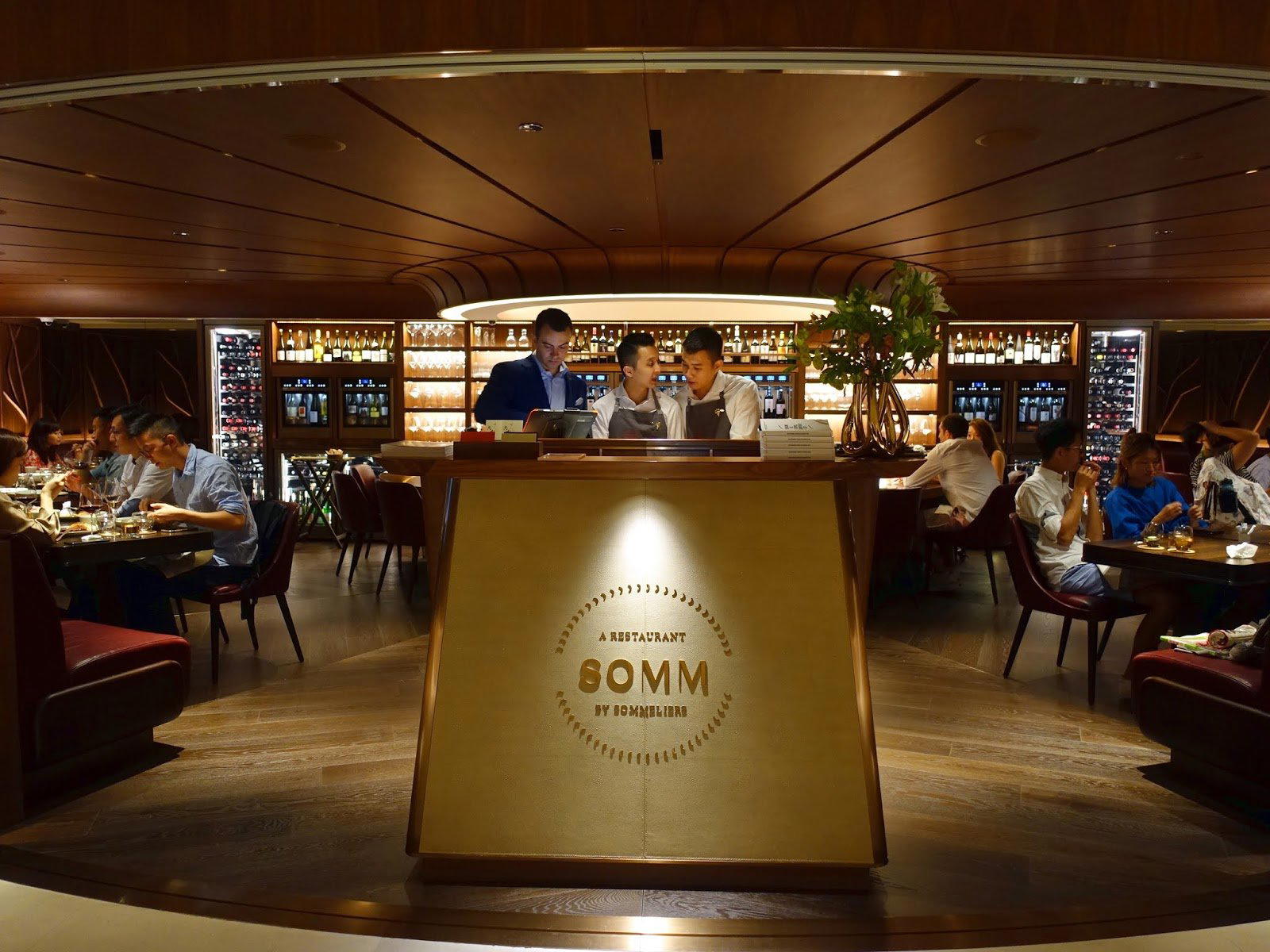
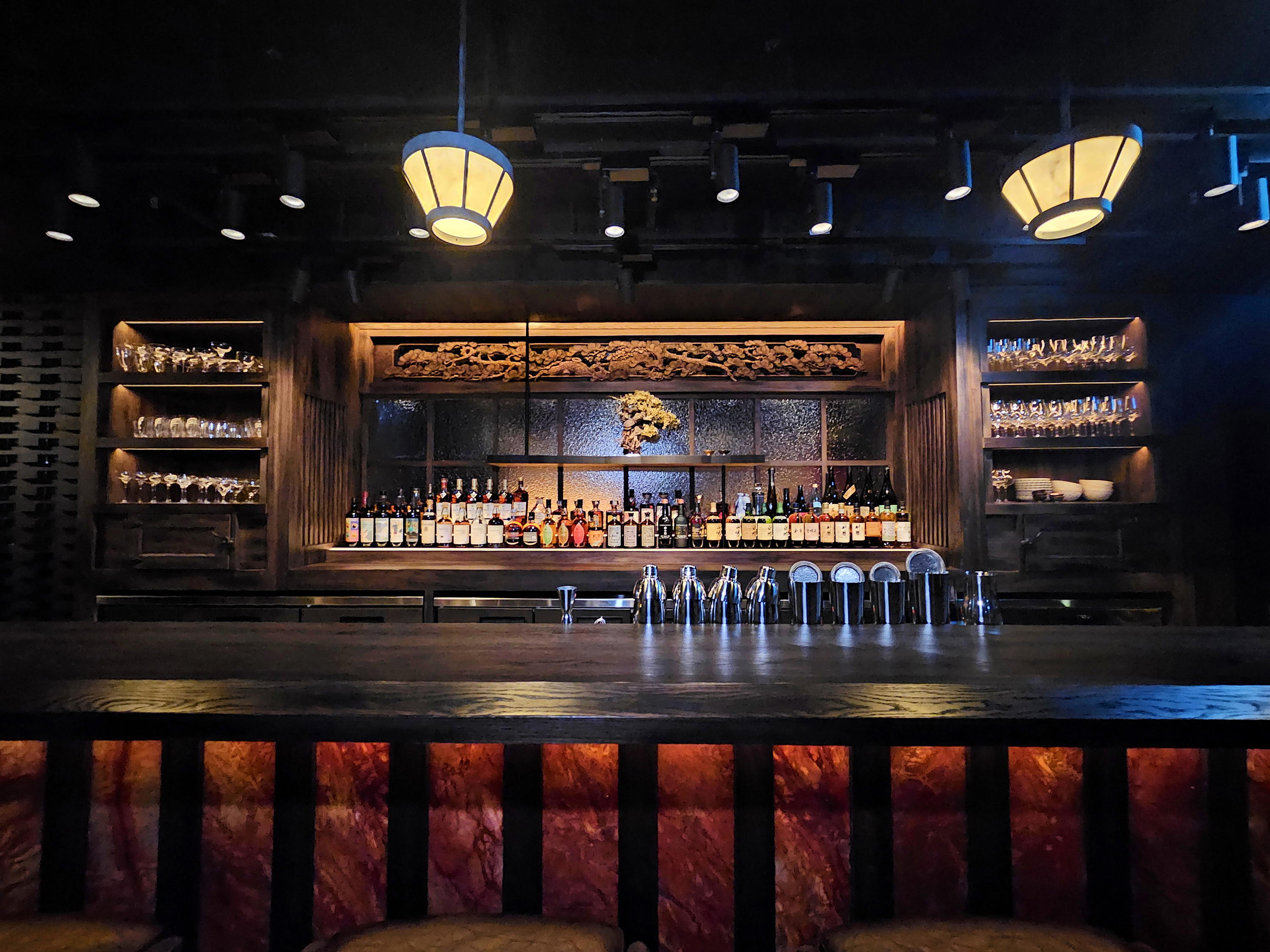
Cosy and warm with a casual, homey atmosphere described as quiet and intimate.