Situated along Wenjia'an on Pingjiang Road in Suzhou's Pingjiang district, 巴渝茶茗 occupies a neighbourhood where Jiangsu culinary tradition runs deep.
Pearl is the En Primeur Club membership app — saves, bookings, and concierge access live there. Same editors, same standards.
- Address
- China, Jiangsu, Suzhou, 平江区临顿路温家岸12号
- Phone
- +8651267208077
- Directions
- Get directions
 Saves & bookings on Pearl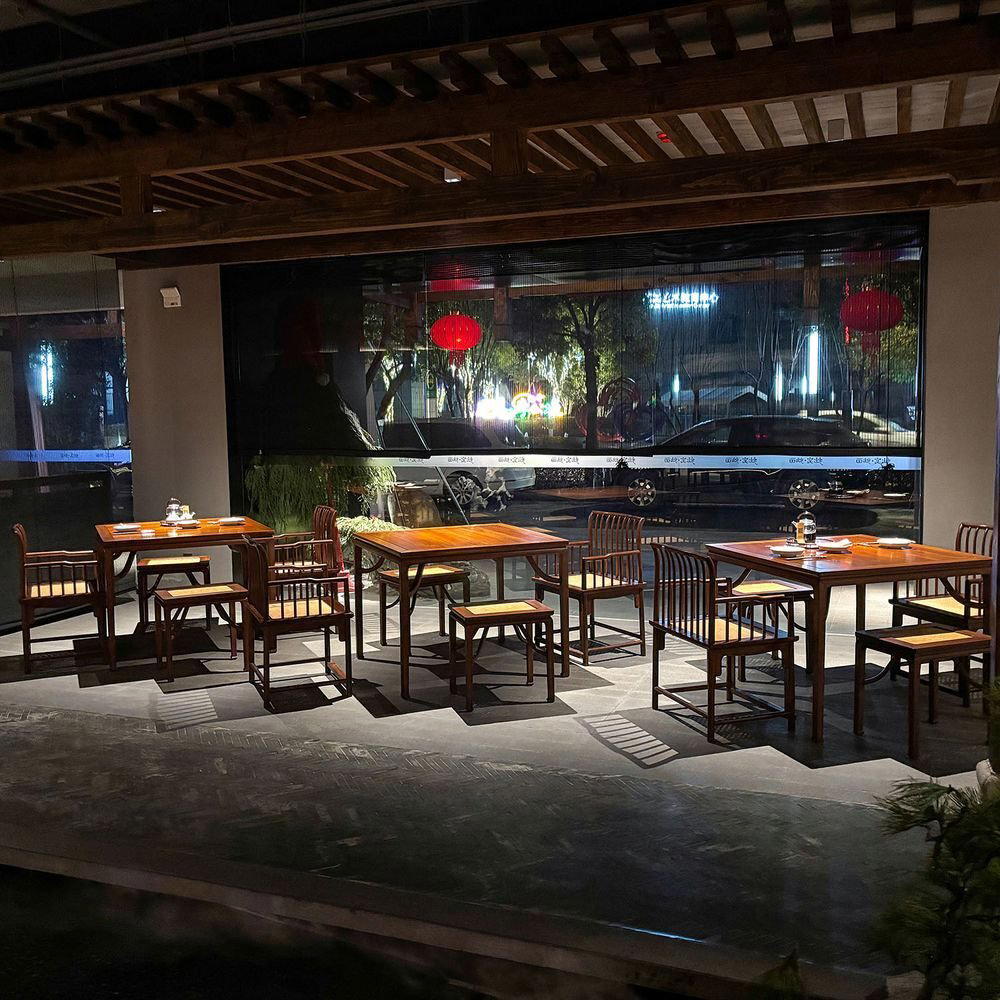
Where Suzhou's Dining Tradition Meets the River District
Pingjiang Road is one of Suzhou's most coherent surviving stretches of canal-front urbanism, and the streets feeding off it, including Linjun Road where 巴渝茶茗 sits at Wenjia'an No. 12, carry a dining character shaped by centuries of Jiangnan food culture rather than by recent development. This is a part of Suzhou where the physical environment does much of the editorial work: waterways, whitewashed walls, and the particular quietness of a historic district that has not been entirely remade for tourism. Arriving on foot along the canal is the standard approach, and the rhythm of the neighbourhood sets expectations before any door is opened.
Suzhou's dining scene has split in a way that mirrors broader shifts across Jiangnan cities. At one end sits the mid-range Jiangsu cuisine tier, where restaurants like Bai Sheng Ren Jia (Wuzhong) serve the accessible, home-style register of the cuisine. At the upper end, addresses like Pingjiangsong and Ban Ting Jia Yan operate at the ¥¥¥¥ tier, where refined presentation and sourcing credentials command a significant premium. Between those poles, a range of neighbourhood operators maintain the city's day-to-day culinary identity, the kind that residents return to on ordinary evenings rather than special occasions.
The Cultural Weight of Jiangnan Tea and Dining Culture
The name 巴渝茶茗 places this address in conversation with a tea culture that has deep roots across the Yangtze Delta region. Tea has long functioned in Suzhou not merely as a beverage but as a structural element of social dining, shaping the pace of a meal, the sequence of dishes, and the expectations around hospitality. The city's traditional tea houses historically served as meeting points for merchants, scholars, and local officials, and that layered social function persists in venues that take the tea dimension seriously.
Across the wider Jiangnan region, tea-integrated dining has found renewed interest among younger urban diners who approach it less as nostalgia and more as a counterpoint to the high-stimulation formats that dominate metropolitan restaurant culture. Cities like Hangzhou, where Ru Yuan operates within a refined Chinese culinary tradition, have seen this intersection of tea culture and considered dining attract serious attention. Suzhou, with its canal-district geography and existing cultural infrastructure, sits naturally within that conversation.
Suzhou's Position in the Broader Chinese Fine Dining Map
Understanding a Suzhou address requires some sense of how the city positions itself against its regional peers. Jiangsu cuisine, Su cuisine in Chinese culinary taxonomy, is one of the eight canonical Chinese regional traditions, and Suzhou sits at its historical core. The cuisine's defining characteristics include precise knife work, a preference for natural sweetness over heavy spicing, and a strong reliance on seasonal freshwater produce from the surrounding lakes and rivers. These are not stylistic choices but deeply embedded techniques that take years to develop and that distinguish competent practitioners from skilled ones.
The broader circuit of serious Chinese dining now extends well beyond the obvious metropolitan anchors. In Macau, Chef Tam's Seasons operates at the intersection of Cantonese tradition and contemporary refinement. In Guangzhou, Imperial Treasure Fine Chinese Cuisine holds its place in the premium Cantonese tier. Meanwhile, addresses like Xin Rong Ji in Beijing and Xin Rong Ji in Chengdu have demonstrated that regional Chinese cuisine can build serious credibility across multiple cities. Suzhou's contribution to this map is quieter but no less substantive, rooted in a local tradition that rewards patience and familiarity rather than spectacle.
For visitors building an itinerary across the region, the contrast is instructive. Shang Palace in Yangzhou represents one model of how classic Jiangnan cuisine is packaged for an international hotel context. Dai Yuet Heen in Nanjing operates within a Cantonese framework transplanted to a Jiangsu city. Suzhou's neighbourhood operators, by contrast, tend to work from within local tradition rather than importing or adapting external frameworks.
The Pingjiang District Dining Cluster
The Pingjiang district concentrates several of Suzhou's more considered dining addresses. Dingshan·Jiangyan operates in the ¥¥¥ range, positioning it as a mid-to-upper option for Jiangsu cuisine in this part of the city. Across the wider Suzhou dining map covered in our full Suzhou restaurants guide, the distribution of formats reflects a city that has retained a functioning local dining culture alongside its growth as a tourist and business destination. That balance is more fragile in some Chinese cities than in others, and Suzhou has managed it with more consistency than most.
Venues outside the Jiangsu tradition also operate here, providing useful contrast. Ban Lan (Huqiu) brings Fujian cuisine into the Suzhou mix at the ¥¥¥ tier, serving a city with enough culinary curiosity to sustain regional diversity. That appetite reflects a broader shift in Chinese urban dining, where younger diners increasingly seek out regional specificity rather than defaulting to the pan-Chinese menus that dominated a previous generation of restaurants.
Planning a Visit
The address, Wenjia'an No. 12, Linjun Road, Pingjiang district, places 巴渝茶茗 within walking distance of the canal path, which is one practical approach by foot. Hours run Mon to Sun, 11 AM to 3 PM and 5 PM to 9 PM. Pricing is about $65 per person, and reservations are essential. For visitors already planning time in the Pingjiang area, the concentration of dining options in this district makes it worth allowing extra time in the neighbourhood.
For wider regional context, the dining circuits centred on 102 House in Shanghai, Fleurs Et Festin in Xiamen, and Jiangnan Wok·Rong in Fuzhou illustrate how Jiangnan culinary identity is being interpreted across different cities and at different price points. Suzhou remains one of the more grounded reference points in that conversation, less mediated by hotel formats or international branding, and more directly connected to the regional tradition it draws from.
Price Lens
Comparable venues nearby, for context on price, style, and recognition.
| Venue | Cuisine | Price | Awards | Notes |
|---|---|---|---|---|
| åå·´çç This venue — the venue you are viewing | Not listed | $$$ | Not listed | Not listed |
| Jiangnan Delicacy | Not listed | $$$ | Not listed | Suzhou Industrial Park, Authentic Jiangnan Cuisine |
| Hairy Crab Farm at Yangcheng Lake | Not listed | $$$$ | Not listed | Yangcheng Lake, Yangcheng Lake Hairy Crab |
| 松鹤楼 Song helou | Not listed | $$$ | Not listed | Gusu District, Authentic Su Bang (Suzhou) Cuisine |
| Ban Lan (Huqiu) | Huqiu, Modern Fujian | $$$ | Michelin Plate | Not listed |
| CHAI 8 HOUSE | Not listed | $$$ | Not listed | Suzhou Industrial Park / Ligongdi, Jiangzhe fine dining with Jinji Lake views |
At a Glance
- Elegant
- Sophisticated
- Intimate
- Date Night
- Special Occasion
- Business Dinner
- Garden
- Historic Building
- Sake Program
- Garden
Current opening hours
- Monday
- 11 AM–3 PM, 5–9 PM
- Tuesday
- 11 AM–3 PM, 5–9 PM
- Wednesday
- 11 AM–3 PM, 5–9 PM
- Thursday
- 11 AM–3 PM, 5–9 PM
- Friday
- 11 AM–3 PM, 5–9 PM
- Saturday
- 11 AM–3 PM, 5–9 PM
- Sunday
- 11 AM–3 PM, 5–9 PM
Hours can change for holidays and private events. Last verified .
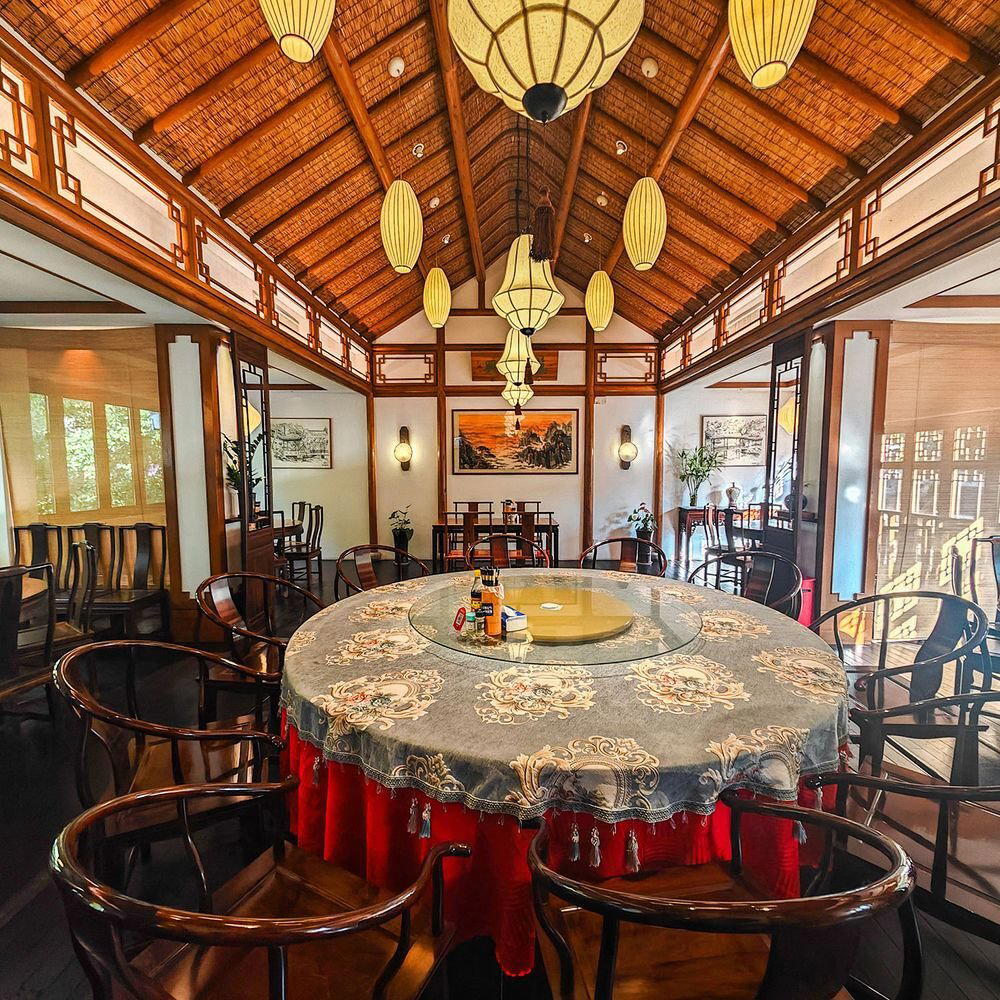
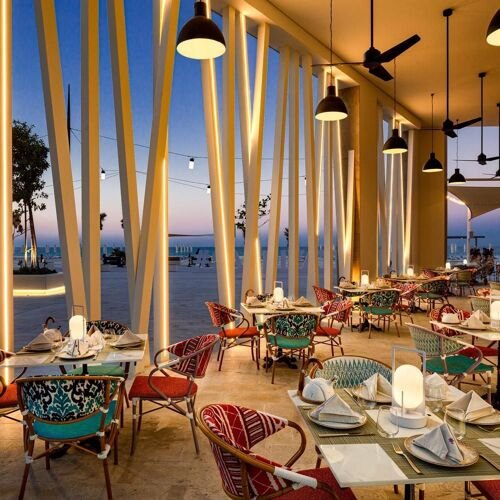
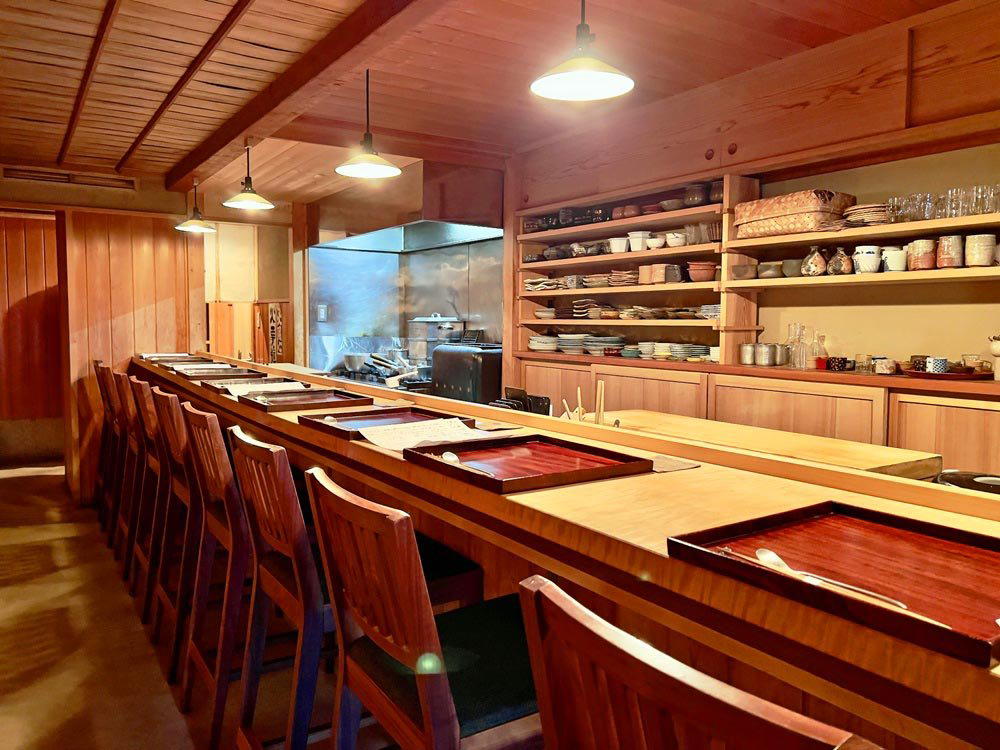
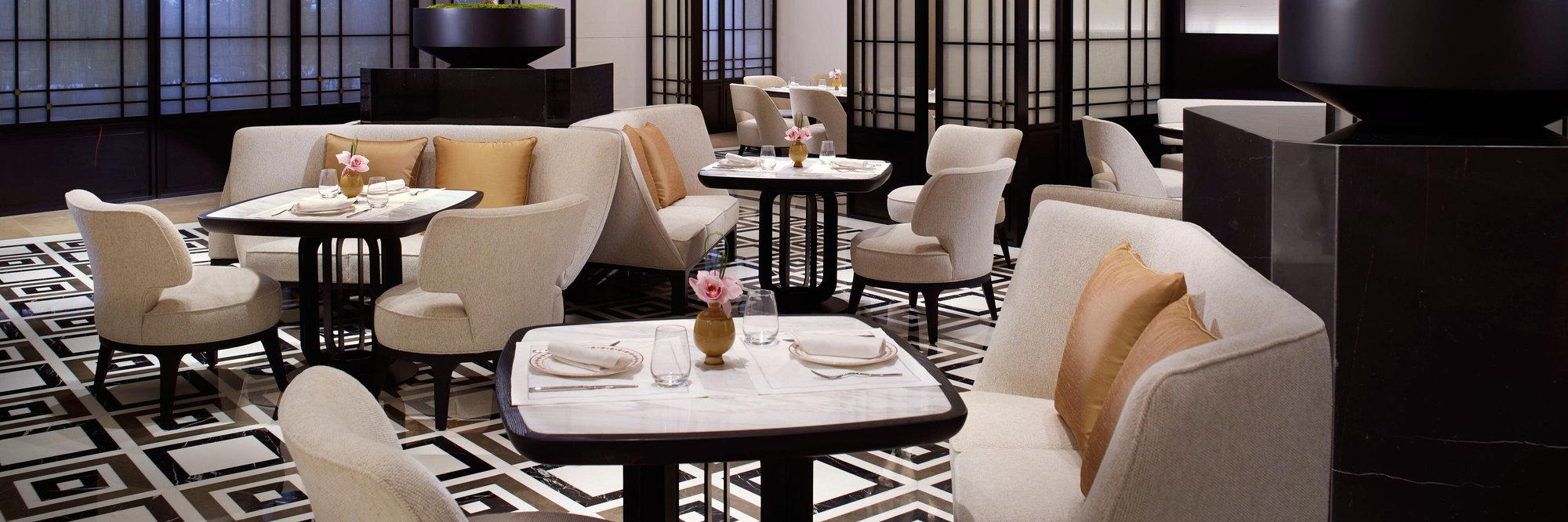
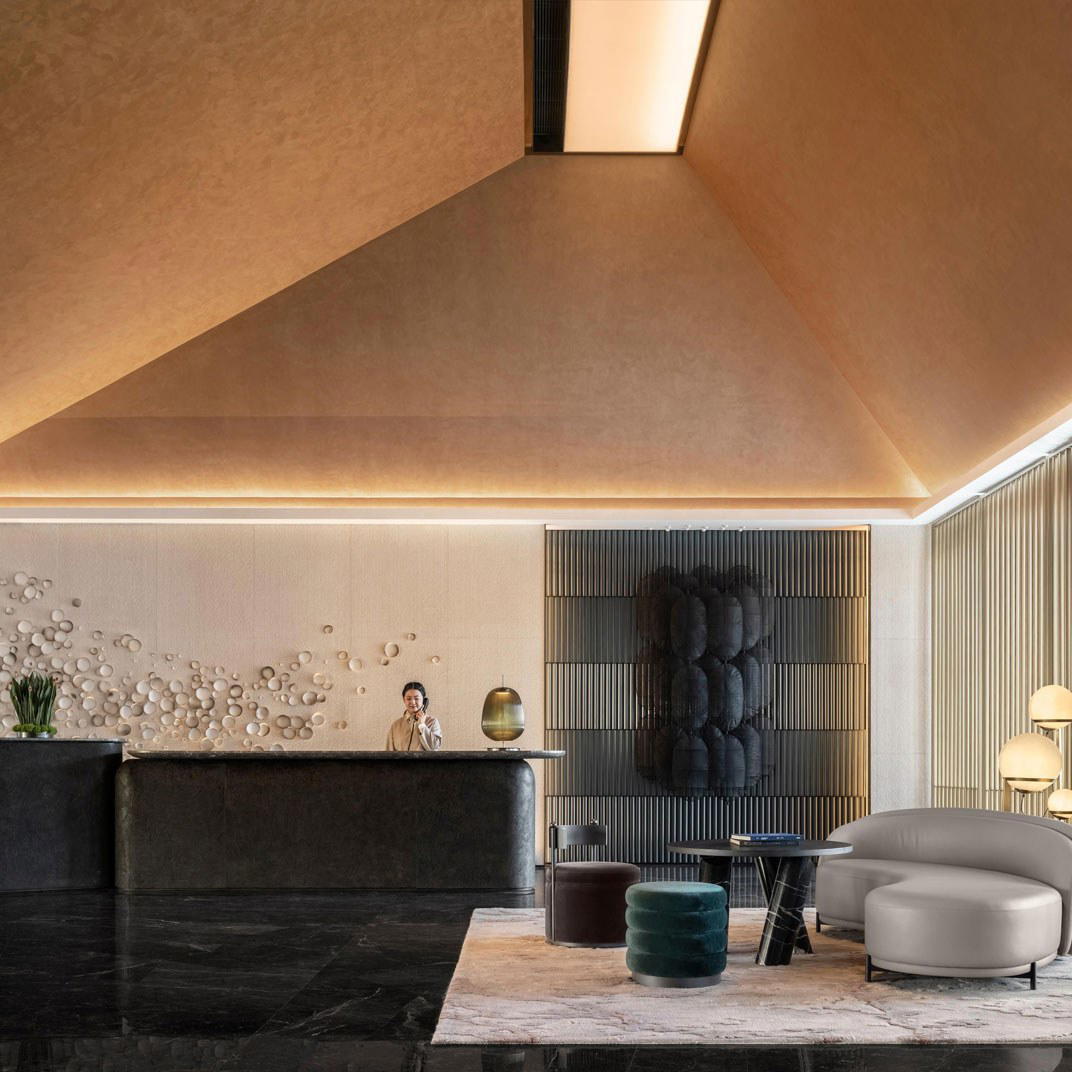
Elegant and serene with soft lighting, classical Chinese decor, and subtle garden views creating a refined, tranquil atmosphere.