Farina meets Mehl occupies a distinct position in Hamburg's Altona district, where flour-based culinary traditions meet contemporary kitchen technique. The name itself signals a cross-cultural dialogue, farina (Italian) and Mehl (German) both mean flour, pointing toward a kitchen that draws on European craft traditions while staying rooted in its Hamburg address. For visitors working through the city's serious dining circuit, it sits in the mid-to-upper tier of neighbourhood-driven restaurants worth tracking.
Pearl is the En Primeur Club membership app — saves, bookings, and concierge access live there. Same editors, same standards.
- Address
- Gaußstraße 190, 22765 Hamburg, Germany
- Phone
- +491628663600
- Website
- farina.pizza
- Directions
- Get directions
 Saves & bookings on Pearl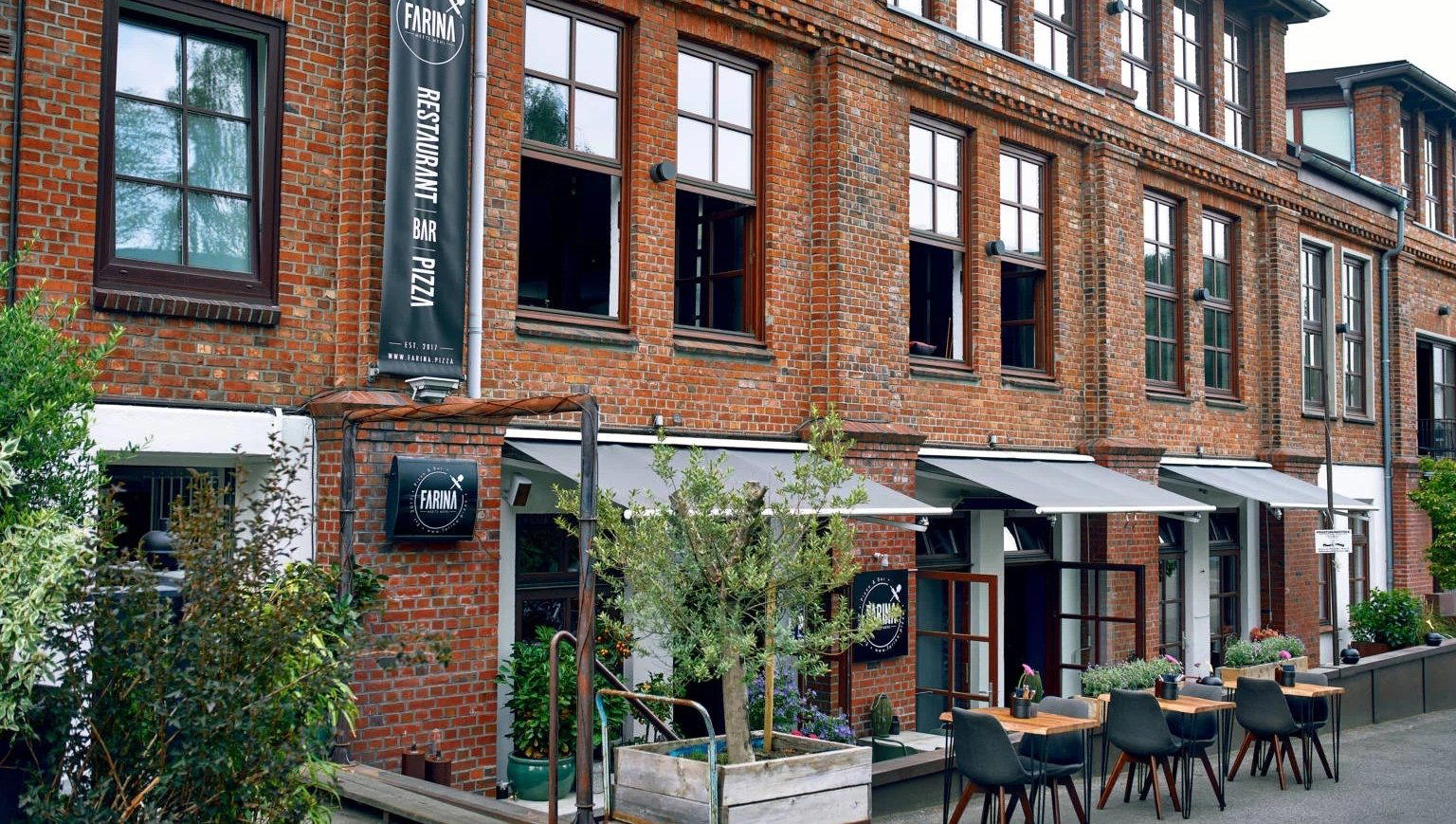
Gaußstraße runs through Altona's western residential grid, a stretch where the neighbourhood's working-class harbour history sits alongside a newer generation of independently owned restaurants and workshops. This is not the central Altona Bahnhof cluster or the gallery-facing streets further north. Gaußstraße 190 is a specific address with a specific identity, embedded in a block that rewards the deliberate visitor rather than the casual passerby. The physical approach to Farina meets Mehl carries that character: a neighbourhood restaurant set into Hamburg's dense urban fabric rather than positioned for maximum foot traffic.
Flour, Technique, and the Case for Cross-Cultural Craft
Farina meets Mehl is a name worth taking seriously as a statement. Farina and Mehl are the same word, flour, in Italian and German respectively. Naming a Hamburg restaurant after that linguistic doubling is not a quirk; it is a declaration of method. The kitchen is operating at the intersection of imported craft traditions and local German culinary identity, which is precisely where some of the more interesting work in contemporary European dining happens.
Germany's serious dining tier has increasingly engaged with this question: how much do you adapt a French or Italian technical framework before it becomes something genuinely local, and how much local product can you run through classical European techniques before the result is no longer recognisable as either? Restaurants like 100/200 Kitchen in Hamburg have approached it through hyper-local ingredient sourcing; The Table Kevin Fehling resolves it through creative precision at the summit of the market. Farina meets Mehl, positioned in Altona rather than the Michelin-tier hotel dining rooms of the city centre, frames the question differently, through craft, through the everyday staple of flour, and through the suggestion that technique transfer works both directions.
Across Germany's broader fine and serious-casual dining circuit, this intersection has produced some of the country's most compelling tables. Schwarzwaldstube in Baiersbronn and Waldhotel Sonnora in Dreis anchor one end of the spectrum, classical French technique applied with deep regional commitment. JAN in Munich and ES:SENZ in Grassau push toward something more singular. The restaurant, at street level in Altona, is engaged in the same conversation at a different register.
Hamburg's Altona Dining Frame
Understanding what the restaurant is doing requires understanding where Altona sits in Hamburg's dining geography. The district carries a different culinary character from HafenCity or the Michelin cluster around Harvestehuder Weg. Altona's restaurant scene is denser with independent operators, more likely to reward repeat visits than single-occasion tourism, and less defined by the trophy-dining logic that organises tables like Restaurant Haerlin or bianc.
That context matters for how you read the venue. In a neighbourhood where the competition is serious independent kitchens rather than hotel fine dining, the relevant comparable set shifts. The question is not whether the tasting menu competes with Hamburg's Michelin tier but whether the kitchen is doing something consistent and intelligent within its own frame. Flour-based traditions, pasta, bread, pastry, cross cultural lines freely, and a kitchen built around that crossover has a legitimate structural premise to work with.
Hamburg's northern German larder gives that premise something to work with. Proximity to the North Sea means shellfish and cold-water fish; the city's trading history has made its kitchen culture more internationally porous than inland German cities. Italian technique applied to Hamburg's product calendar, or German bread-making logic applied to Italian dough traditions, are both credible propositions in this city in a way they might not be elsewhere.
Where This Sits in Germany's Craft Dining Tier
Germany's mid-tier serious dining market has expanded considerably over the past decade. The Michelin tier, represented in Hamburg by Haerlin, The Table, and peers across the country like Vendôme in Bergisch Gladbach, Aqua in Wolfsburg, and Victor's Fine Dining by Christian Bau in Perl, occupies the leading bracket. Below that, a tier of neighbourhood-serious restaurants has developed its own credibility without chasing formal recognition. Schanz in Piesport and Bagatelle in Trier show how that plays out in smaller German cities. In Hamburg, it shows up in Altona.
The flour-and-craft premise also connects the restaurant to a broader European moment. Across serious dining in Paris, London, Copenhagen, and New York, the simple fermented grain, bread, pasta, pastry, has been repositioned as a technical centrepiece rather than a supporting element. Le Bernardin in New York City and Lazy Bear in San Francisco represent the North American version of technique-as-identity kitchens; CODA Dessert Dining in Berlin shows how Germany's own dining scene has pushed craft-based concepts into structurally unusual formats. The restaurant is working in that same territory, anchored in Altona's specific residential fabric.
Planning a Visit
Gaußstraße 190 is in Hamburg-Altona, reachable by S-Bahn to Altona station and a short walk west into the residential grid. The address sits outside the main tourist circuits, which is relevant to timing: this is a dinner destination for visitors who have already moved past the harbour-front and want to eat where Hamburg's independent kitchen culture operates without the surrounding infrastructure of hotel dining. Pairing it with Lakeside on a separate evening gives a range of the city's mid-to-upper dining scene.
Know Before You Go
- Address: Gaußstraße 190, 22765 Hamburg, Germany
- District: Altona, Hamburg
- Price range: About $34 per person
- Reservations: Recommended
- Hours: Mon-Sat 5 PM-12 AM; Sun 4-10:30 PM
- Nearest transit: S-Bahn Altona, then walk west into the Gaußstraße area
Budget and Context
Comparable venues nearby, for context on price, style, and recognition.
| Venue | Cuisine | Price | Notes |
|---|---|---|---|
| Farina meets MehlThis venue — the venue you are viewing | Neumuehlen, Neapolitan Pizza and Italian | $$ | Not listed |
| Pizza Social Club | Barmbek, Neapolitan Pizza | $$ | Not listed |
| Tagliere e Vino | Not listed | $$ | Hamburg-Altstadt, Italian Aperitivo & Wine Bar |
| Edmondo | Neustadt, Modern Italian Trattoria | $$$ | Not listed |
| Simply Food Hamburg | Barmbek, Italian Pizza and Pasta | $$ | Not listed |
| Mamalicious | Not listed | $$ | Eimsbuttel, Canadian Vegetarian & Vegan Breakfast Diner |
Continue exploring
More in Hamburg
Restaurants in Hamburg
Browse all →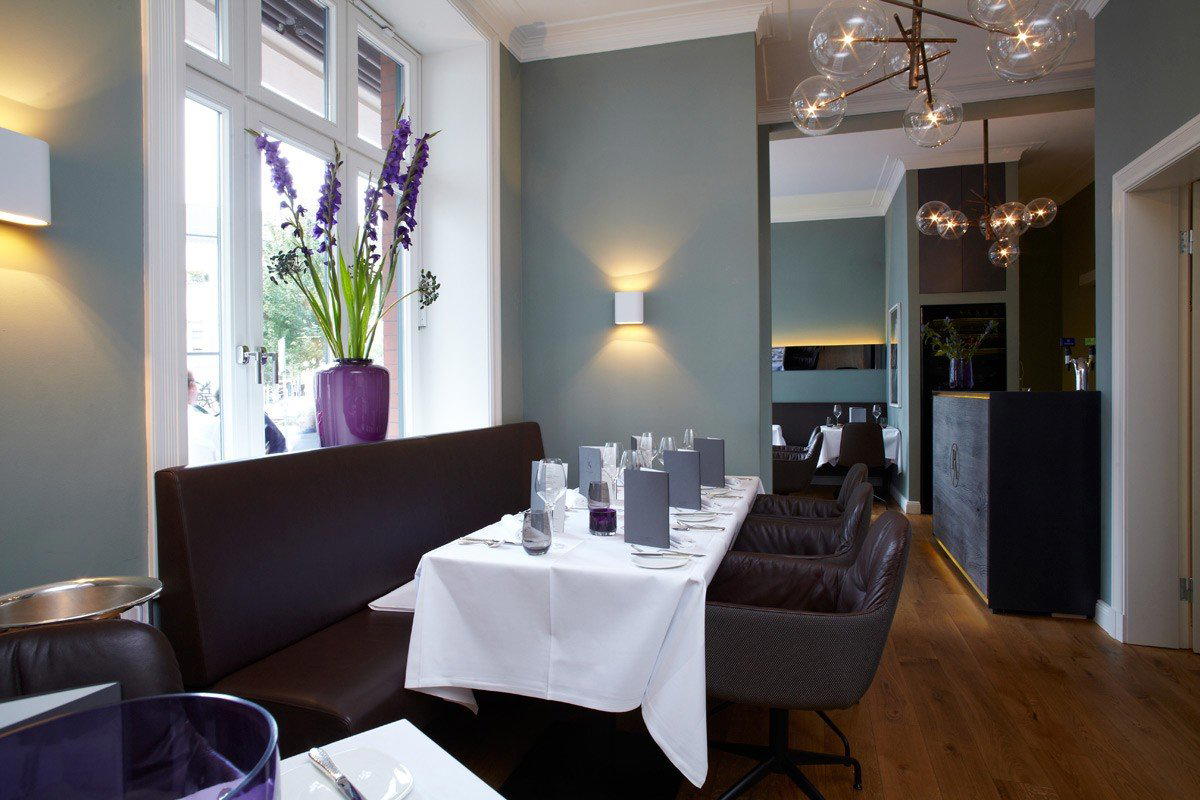
At a Glance
- Cozy
- Modern
- Date Night
- Casual Hangout
- Open Kitchen
- Craft Cocktails
Current opening hours
- Monday
- 5 PM–12 AM
- Tuesday
- 5 PM–12 AM
- Wednesday
- 5 PM–12 AM
- Thursday
- 5 PM–12 AM
- Friday
- 5 PM–12 AM
- Saturday
- 5 PM–12 AM
- Sunday
- 4–10:30 PM
Hours can change for holidays and private events. Last verified .
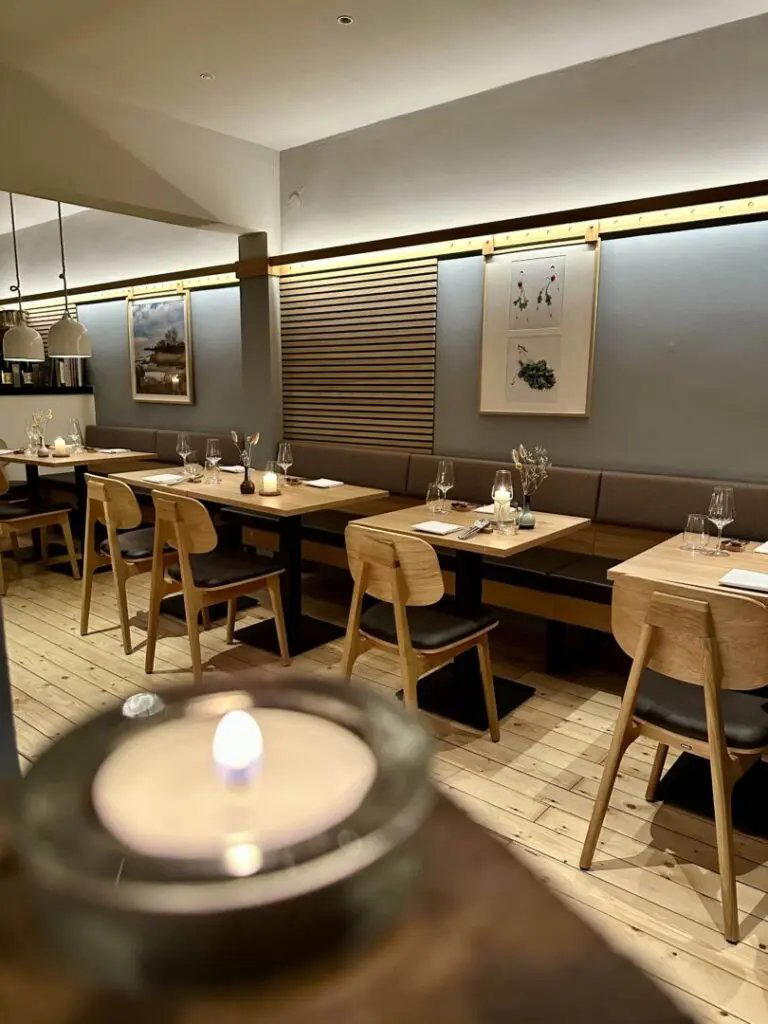
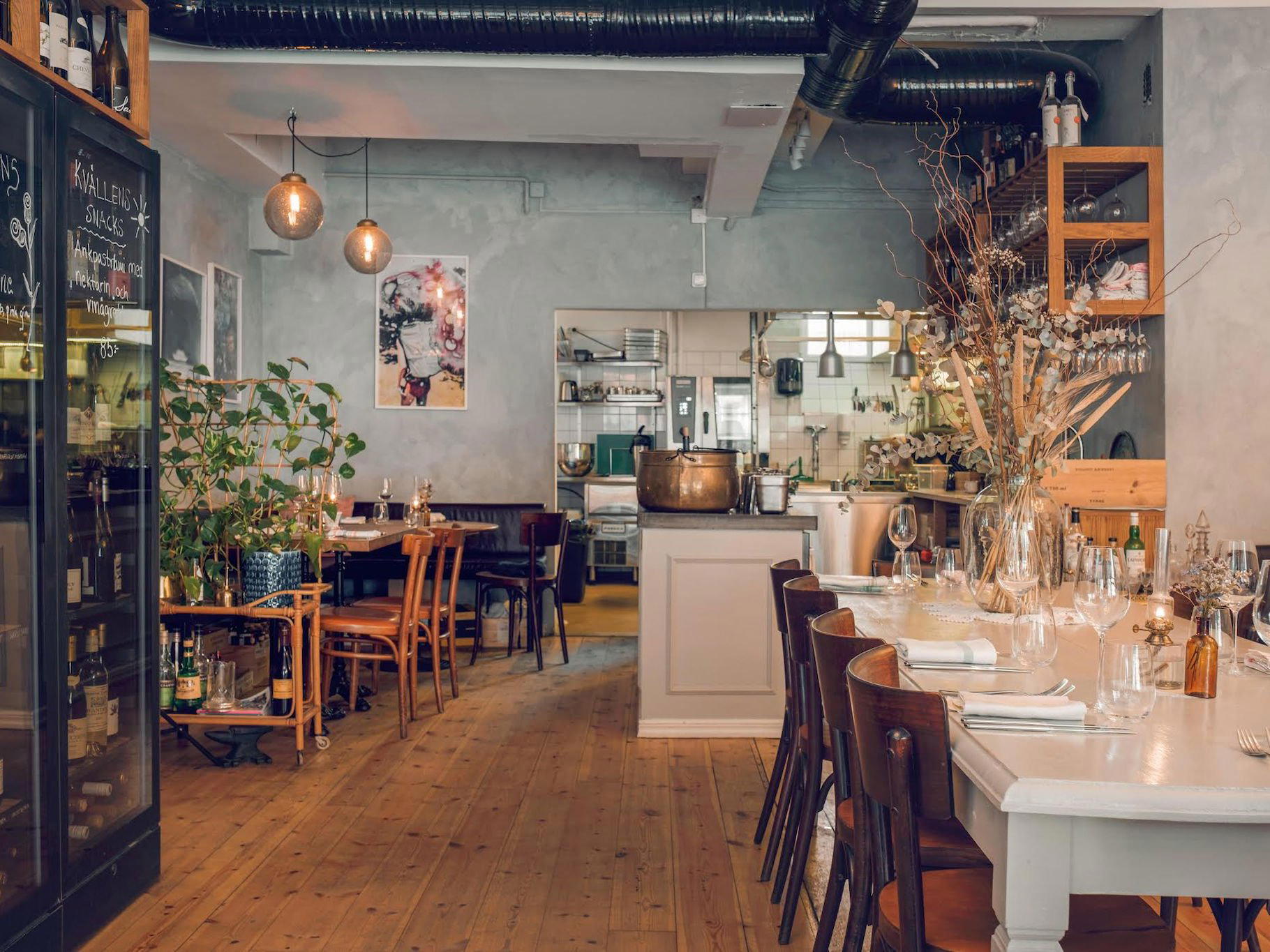
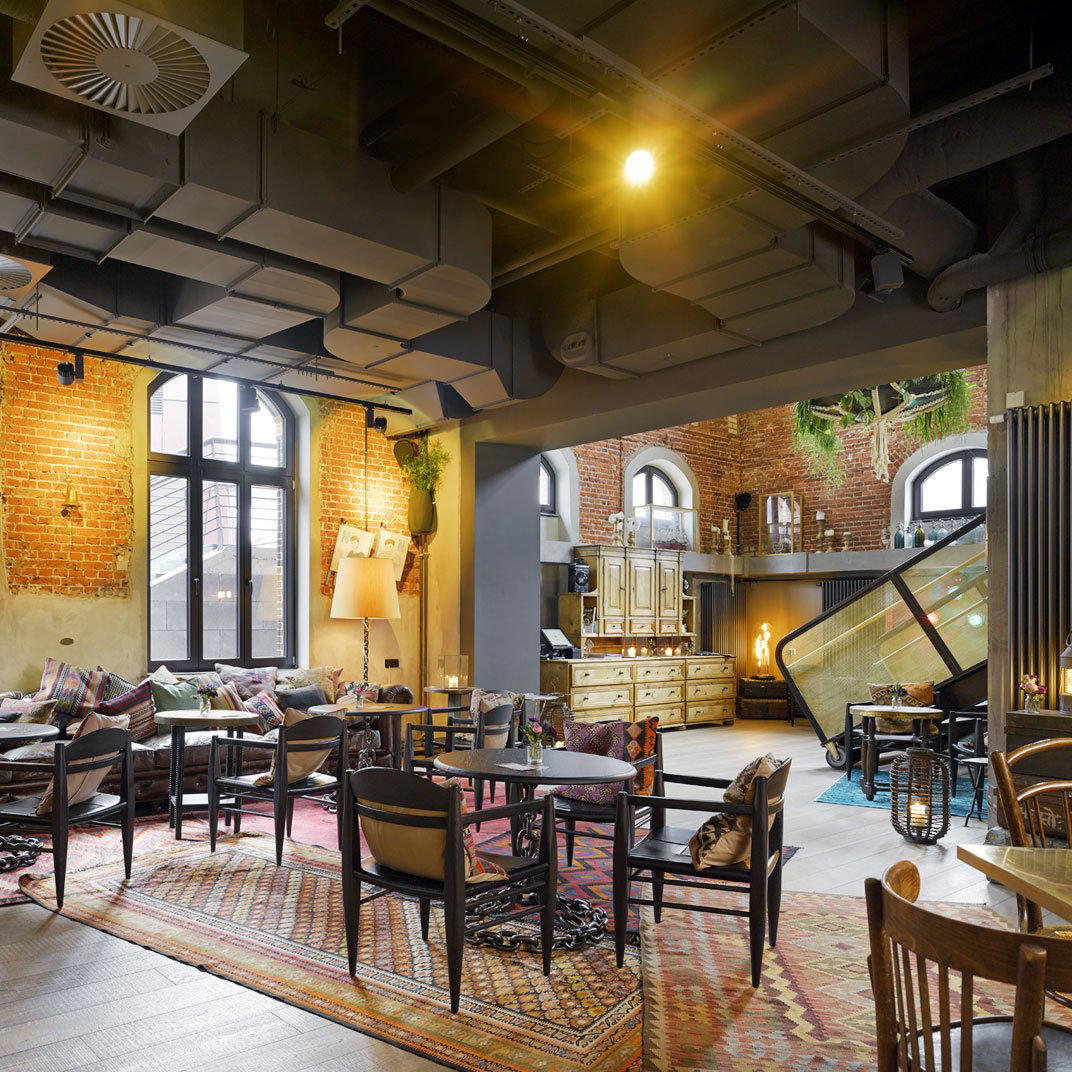
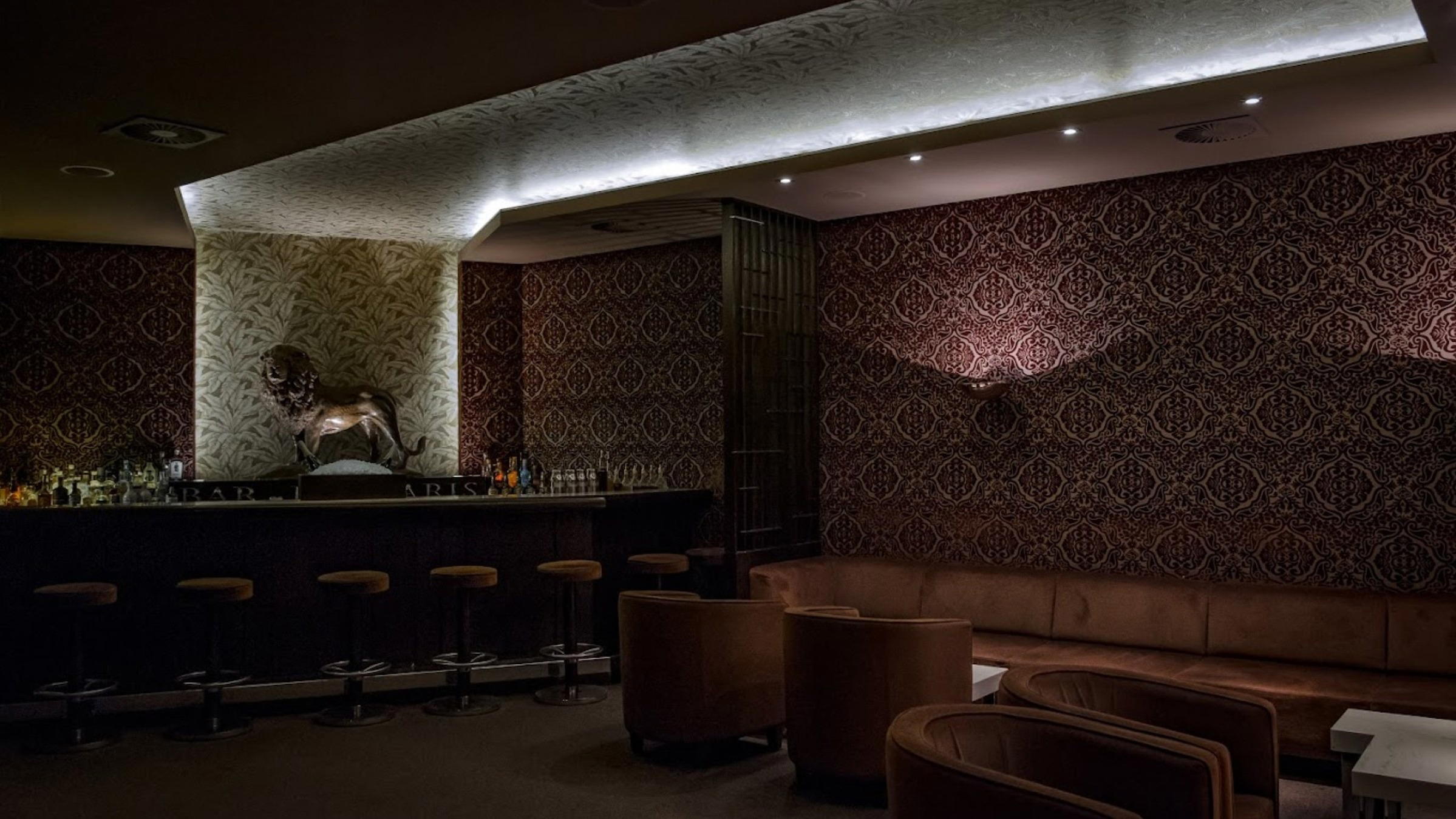
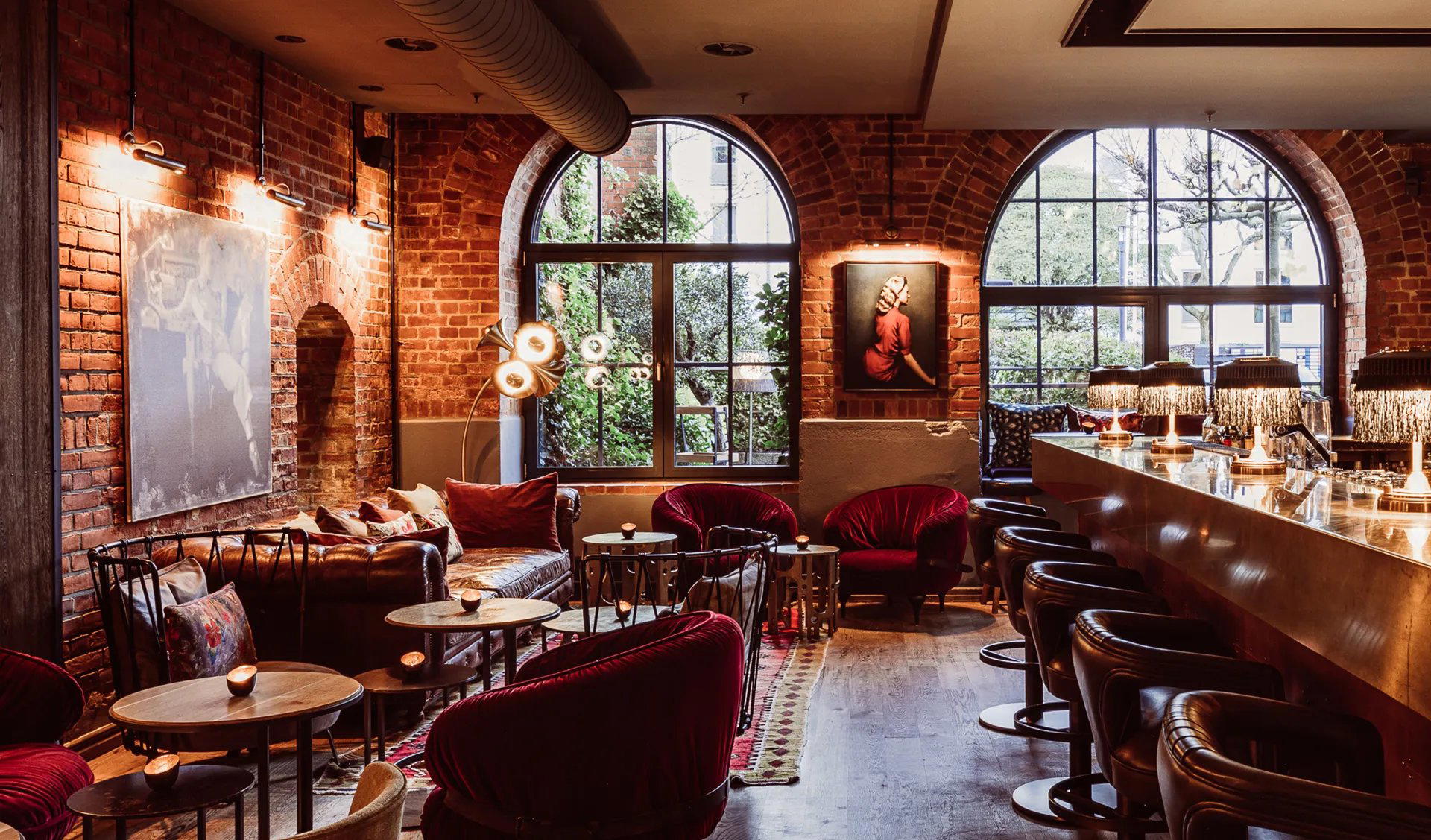
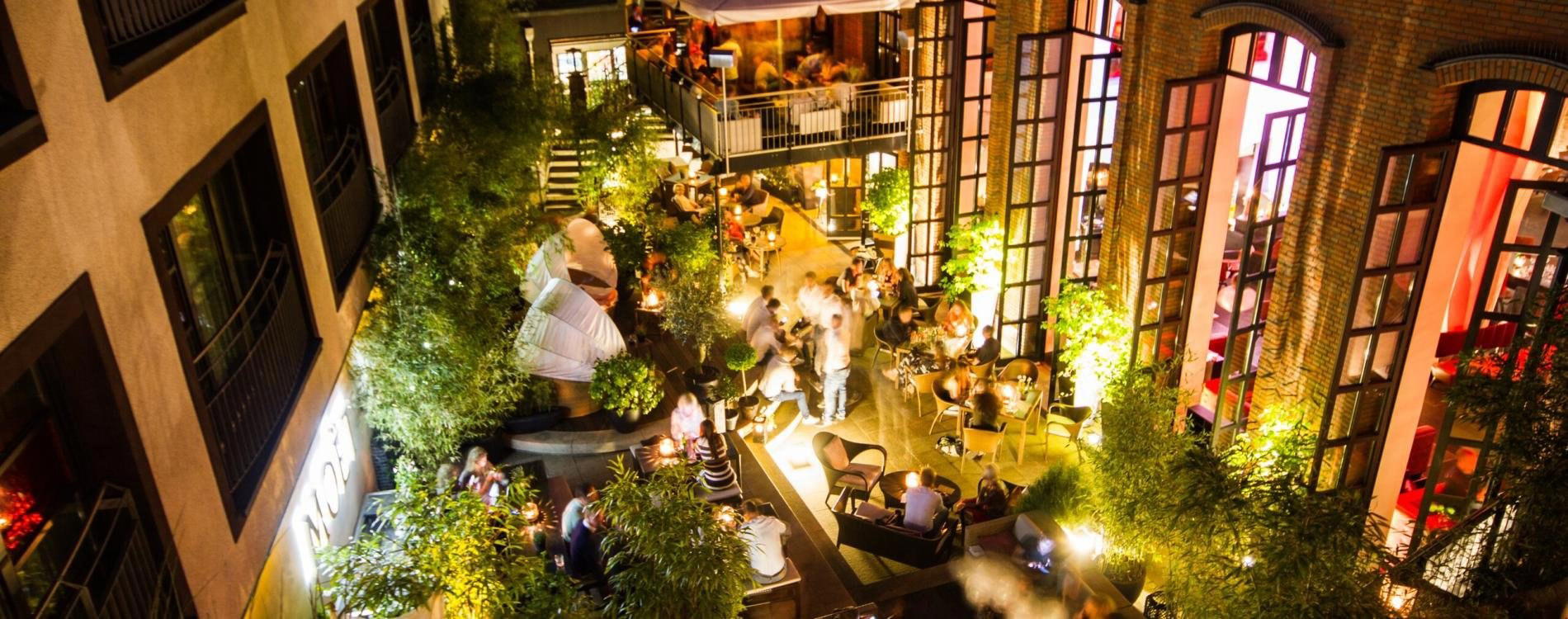
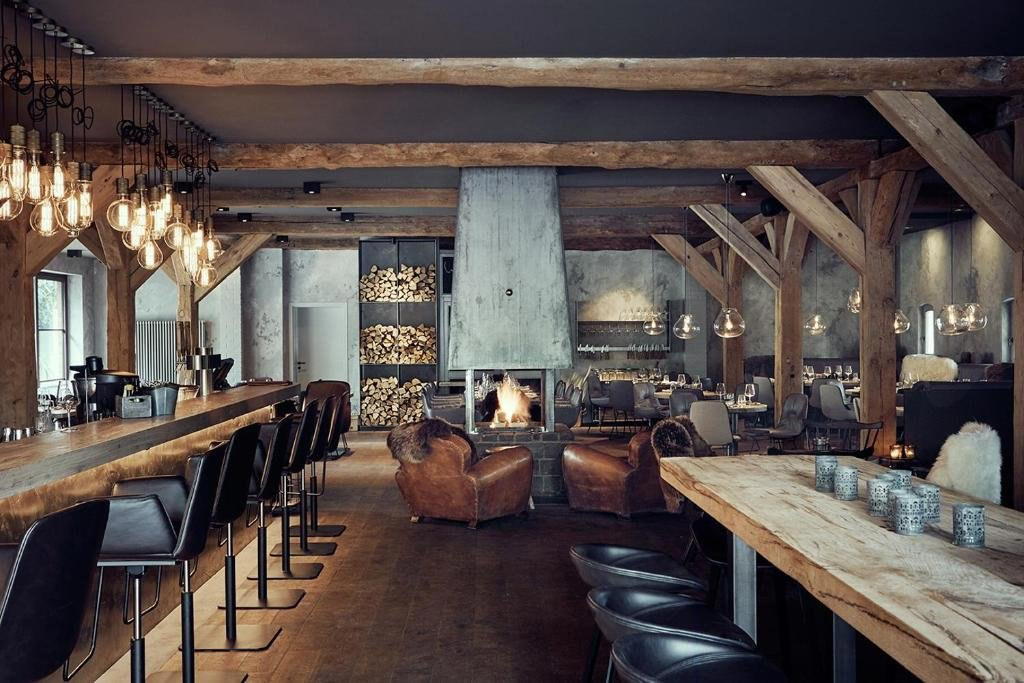
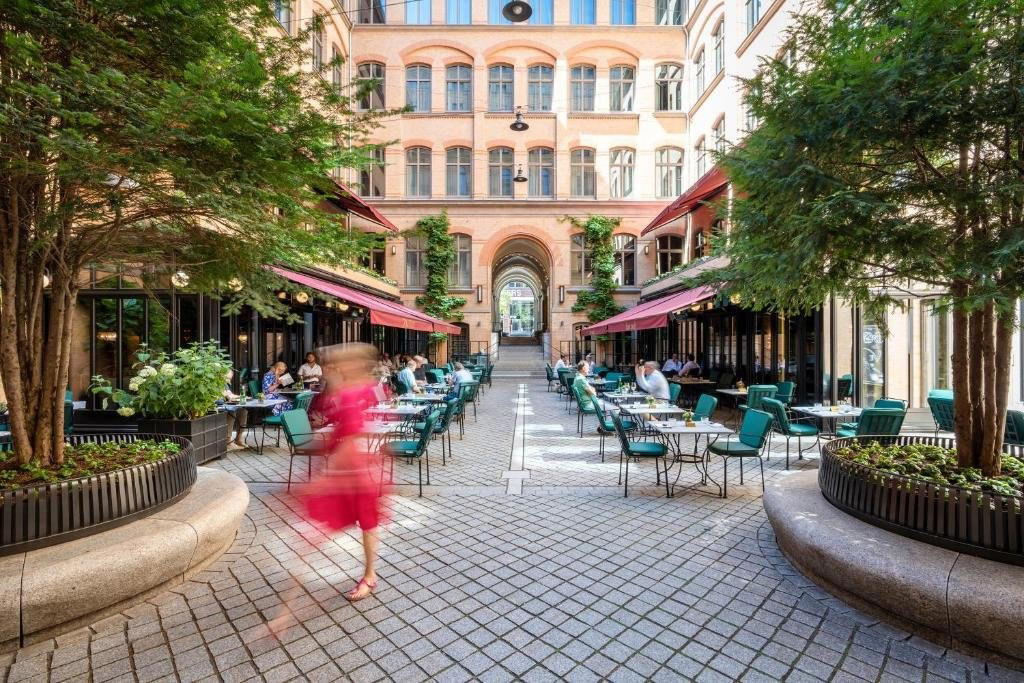
Modern and cozy with an inviting atmosphere as described in guest reviews.