On Große Bäckerstraße in Hamburg's Old Town, Tagliere e Vino occupies a corner of the city where the Italian tradition of board-and-glass drinking meets a northern European appetite for precise, unhurried hospitality. The format is direct: cured meats, aged cheeses, and wine chosen with care, served in a room that rewards lingering. It sits in a different register from Hamburg's tasting-menu circuit, and that contrast is exactly its appeal.
Pearl is the En Primeur Club membership app — saves, bookings, and concierge access live there. Same editors, same standards.
- Address
- Große Bäckerstraße 4, 20095 Hamburg, Germany
- Phone
- +494036099388
- Website
- tagliereevino.de
- Directions
- Get directions
 Saves & bookings on Pearl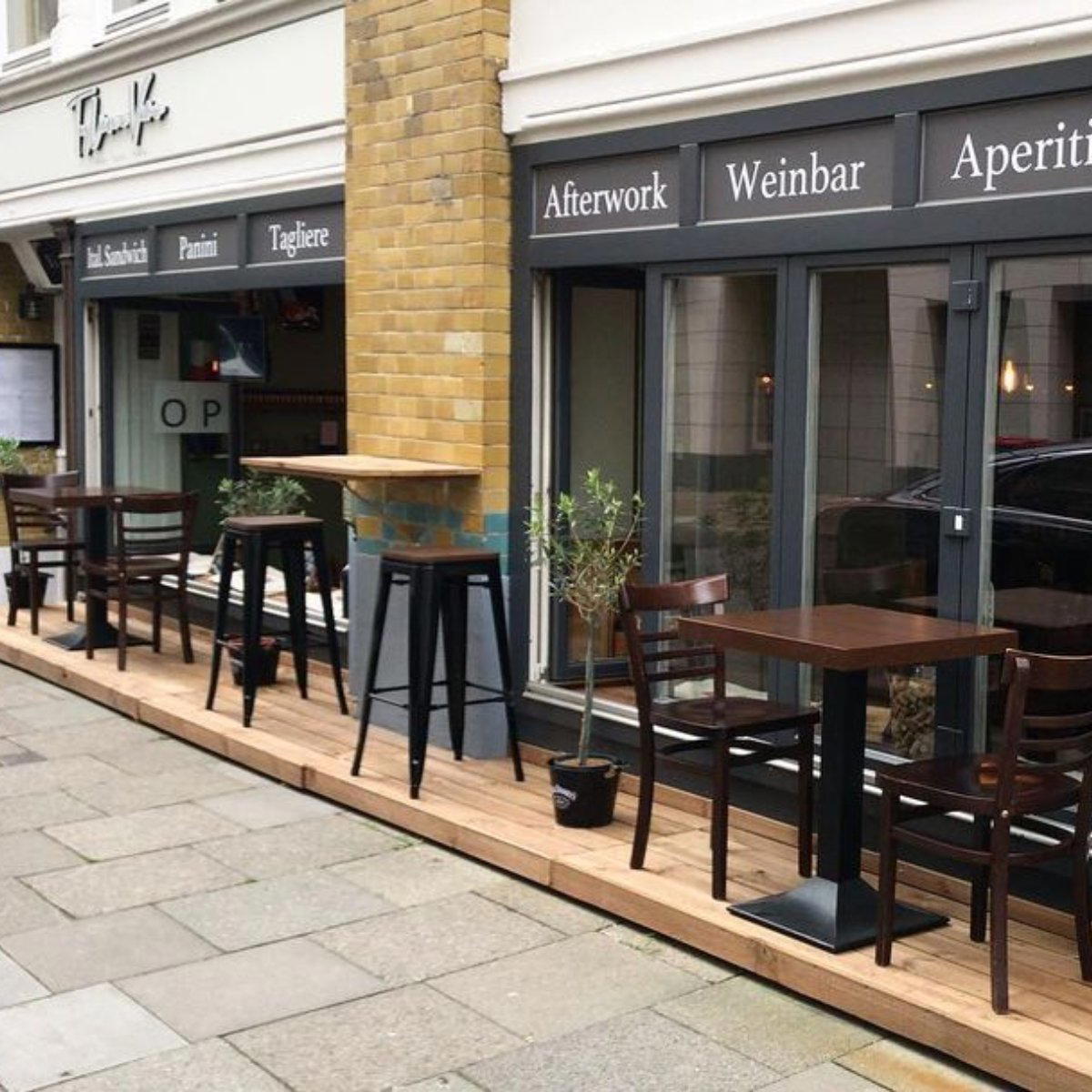
A Board, a Glass, and the Logic of Restraint
There is a particular kind of Italian venue that Hamburg has historically underserved: not the trattoria, not the pizza parlour, not the fine-dining room with hand-rolled pasta and a tasting menu priced against The Table Kevin Fehling or Restaurant Haerlin, but the enoteca, the place organised entirely around the logic of the board and the glass. Tagliere e Vino is an Italian aperitivo and wine bar at Große Bäckerstraße 4 in Hamburg's Altstadt, with. It operates in that format. The name states the proposition without decoration: tagliere, the wooden board of cured meats and aged cheeses; vino, the wine that frames it. What sounds simple is, in practice, a specific and considered approach to hospitality that takes longer to do well than most Hamburg diners might assume.
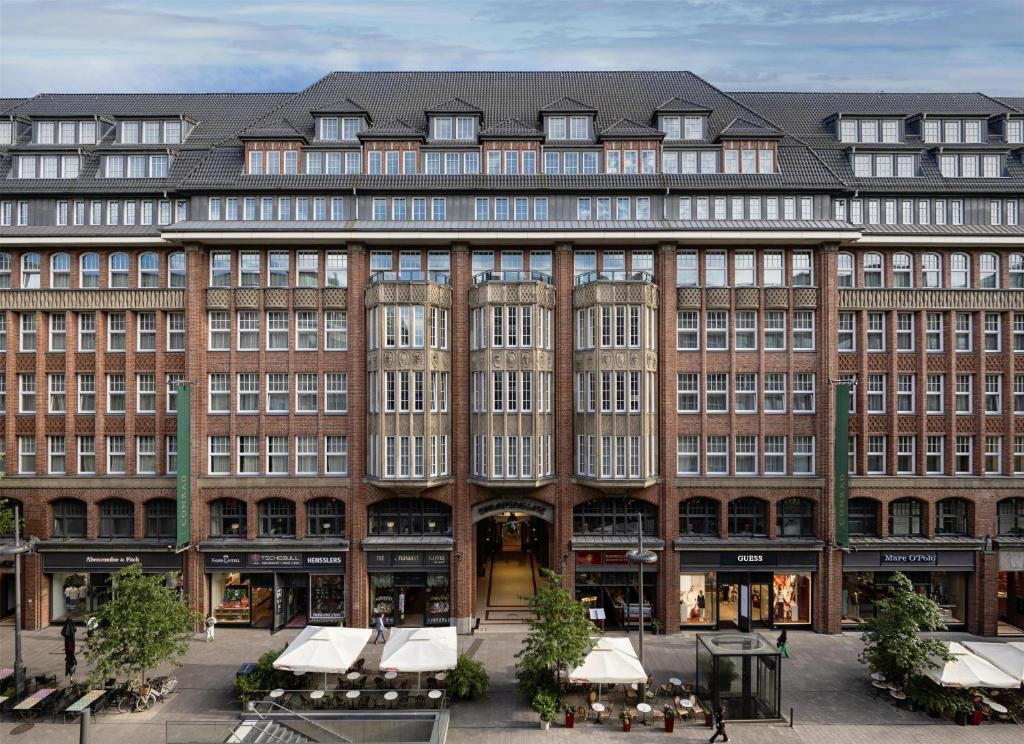
The address matters. Große Bäckerstraße sits in the commercial heart of the Altstadt, close enough to the Rathaus quarter that foot traffic runs heavy at midday and thins into something quieter by early evening. That rhythm shapes how the room functions at different hours: the lunchtime crowd tends toward efficiency, while the later evening settles into the drawn-out pace that the enoteca format actually requires. In Italian cities, this double-shift logic is built into the culture. In Hamburg, it requires a room that can hold both registers without awkwardness.
What the Format Teaches You About the Food
The enoteca model, which reached its modern form in cities like Bologna, Florence, and Rome across the latter half of the twentieth century, is built on the premise that sourcing is the kitchen. There is no brigade producing composed plates. The craft lives upstream: in the selection of a particular salumi from a specific region, in the choice of which Parmigiano Reggiano age bracket to stock, in the decision to pair a particular Sangiovese with a board weighted toward fat and salt rather than acidity. At venues like Tagliere e Vino, those upstream decisions are the editorial voice of the place.
This puts the format in a genuinely different competitive tier from Hamburg's broader Italian dining scene, which ranges from neighbourhood pasta restaurants through to the Mediterranean-inflected tasting format at bianc. The enoteca does not compete on cooking technique. It competes on provenance, on the quality of the raw product, and on the wine list's ability to illuminate rather than simply accompany. That is a more demanding standard in some respects, because there is nowhere to hide. A composed plate can distract from a mediocre ingredient. A board cannot.
Hamburg's Position in the German Wine-Bar Conversation
Germany's wine-bar and enoteca tier has grown meaningfully over the past decade, partly in response to the same international trend that has reshaped London, Copenhagen, and New York: a shift away from formal tasting menus toward format-driven, lower-barrier-to-entry spaces where the wine is the main event. Hamburg sits within that conversation, though it has historically lagged behind Berlin, where venues like CODA Dessert Dining demonstrate how a tightly defined format can build a serious reputation on the back of category discipline rather than classical kitchen ambition.
The city's fine-dining tier, anchored by multi-Michelin-starred rooms, sets a ceiling that can make mid-tier dining feel underpowered by comparison. But the enoteca format sidesteps that comparison entirely. A tagliere venue is not trying to occupy the same category as 100/200 Kitchen or Lakeside. It is operating in a format with its own internal standards, its own pace, and its own reward structure. The relevant peer comparison is not a Michelin-starred Hamburg room but rather the quality of enoteca culture in Italian cities and the handful of northern European venues that have imported that culture faithfully.
Across Germany more broadly, the range of serious dining destinations is wide. Starred rooms in smaller cities, from Aqua in Wolfsburg to Schwarzwaldstube in Baiersbronn and ES:SENZ in Grassau, demonstrate that the country's fine-dining energy is distributed rather than concentrated. Hamburg's contribution to that map includes ambitious tasting rooms, but also, increasingly, the kind of format-focused wine and food spaces that do not require a kitchen to make a strong argument.
The Sensory Register of the Board-and-Glass Format
Eating at an enoteca engages a different set of senses from a composed tasting menu. There is no procession of small plates, no brigade timing, no moment where the lights dim for a dessert reveal. What you get instead is the accumulated texture of a good board: the pull of thinly cut cured meat, the grain of a well-aged hard cheese, the resistance and then collapse of something softer alongside. The smell in the room tends toward the mineral and the cured rather than the aromatic and the cooked. Wine in a glass becomes the warm element, the thing that changes the temperature and weight of what you are eating.
At Große Bäckerstraße 4, the physical setting of a ground-floor Altstadt address brings its own acoustic quality: street noise absorbed by the building fabric, a room that tends toward a murmur rather than a roar. That quality of sound, often unremarked upon in dining criticism, matters in an enoteca because conversation is part of the format. Unlike a twelve-seat omakase counter in Tokyo or a white-tablecloth room like Vendôme in Bergisch Gladbach, the enoteca works well when it is not too quiet and not too loud. The middle register it occupies is part of what makes the format durable.
Planning Your Visit
Tagliere e Vino is located at Große Bäckerstraße 4, 20095 Hamburg, in the Altstadt district.
How It Compares to Nearby Options
| Venue | Format | Price Tier | Leading For |
|---|---|---|---|
| Tagliere e Vino | Italian enoteca / board and wine | Mid | Wine-led, informal grazing |
| bianc | Modern Mediterranean tasting | €€€€ | Special occasion, composed menu |
| The Table Kevin Fehling | Creative tasting menu | €€€€ | Multi-Michelin-starred experience |
| Lakeside | German lakeside fine dining | €€€€ | Formal, scenic fine dining |
Readers exploring Germany's wider dining geography may also want to note JAN in Munich, Schanz in Piesport, Bagatelle in Trier, Waldhotel Sonnora in Dreis, and Victor's Fine Dining by Christian Bau in Perl as reference points for the country's broader fine-dining range. Internationally, format-specific venues like Le Bernardin in New York City and Atomix in New York City illustrate how disciplined format adherence can anchor a venue's identity regardless of geography.
Accolades, Compared
Comparable venues nearby, for context on price, style, and recognition.
| Venue | Cuisine | Price | Notes |
|---|---|---|---|
| Tagliere e VinoThis venue — the venue you are viewing | Italian Aperitivo & Wine Bar | $$ | Not listed |
| Pizza Bande | Creative Contemporary Pizza | $$ | St. Pauli |
| Pizzeria Al Volo | Authentic Neapolitan Pizza | $$ | Neu Lokstedt |
| Farina meets Mehl | Neapolitan Pizza and Italian | $$ | Neumuehlen |
| Cantinetta | Modern Italian | $$ | Hamburg-Altstadt |
| Tazzi Pizza | Authentic Neapolitan Pizza | $$ | St. Pauli |
Continue exploring
More in Hamburg
Restaurants in Hamburg
Browse all →
At a Glance
- Cozy
- Rustic
- Date Night
- Casual Hangout
- Late Night
- Wine Cellar
- Extensive Wine List
Current opening hours
- Monday
- 12–10 PM
- Tuesday
- 12–10 PM
- Wednesday
- 12–10 PM
- Thursday
- 12–10 PM
- Friday
- 12–11 PM
- Saturday
- 11 AM–11 PM
- Sunday
- Closed
Hours can change for holidays and private events. Last verified .
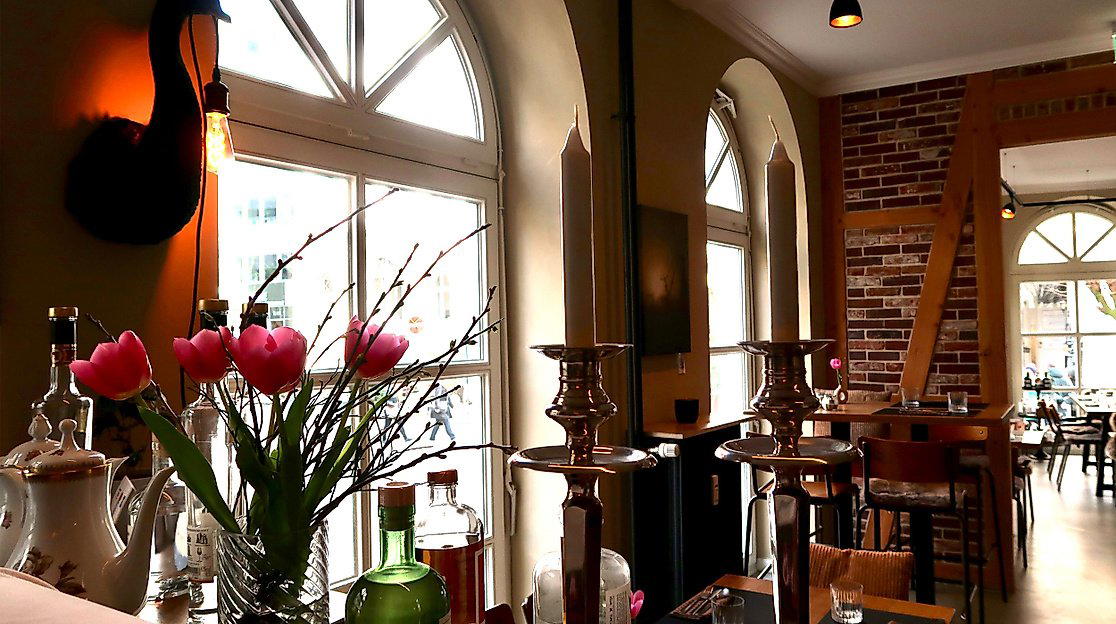
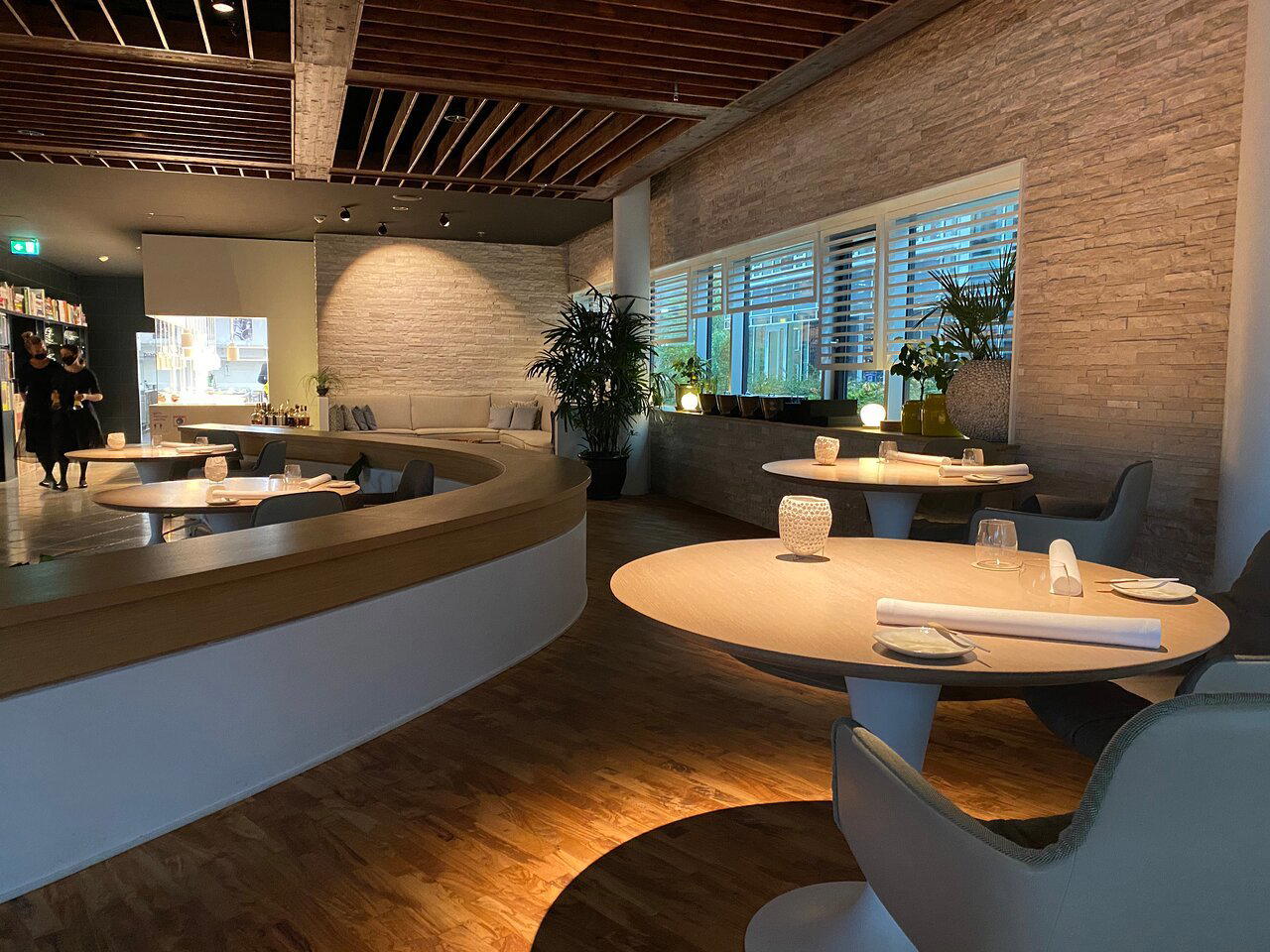
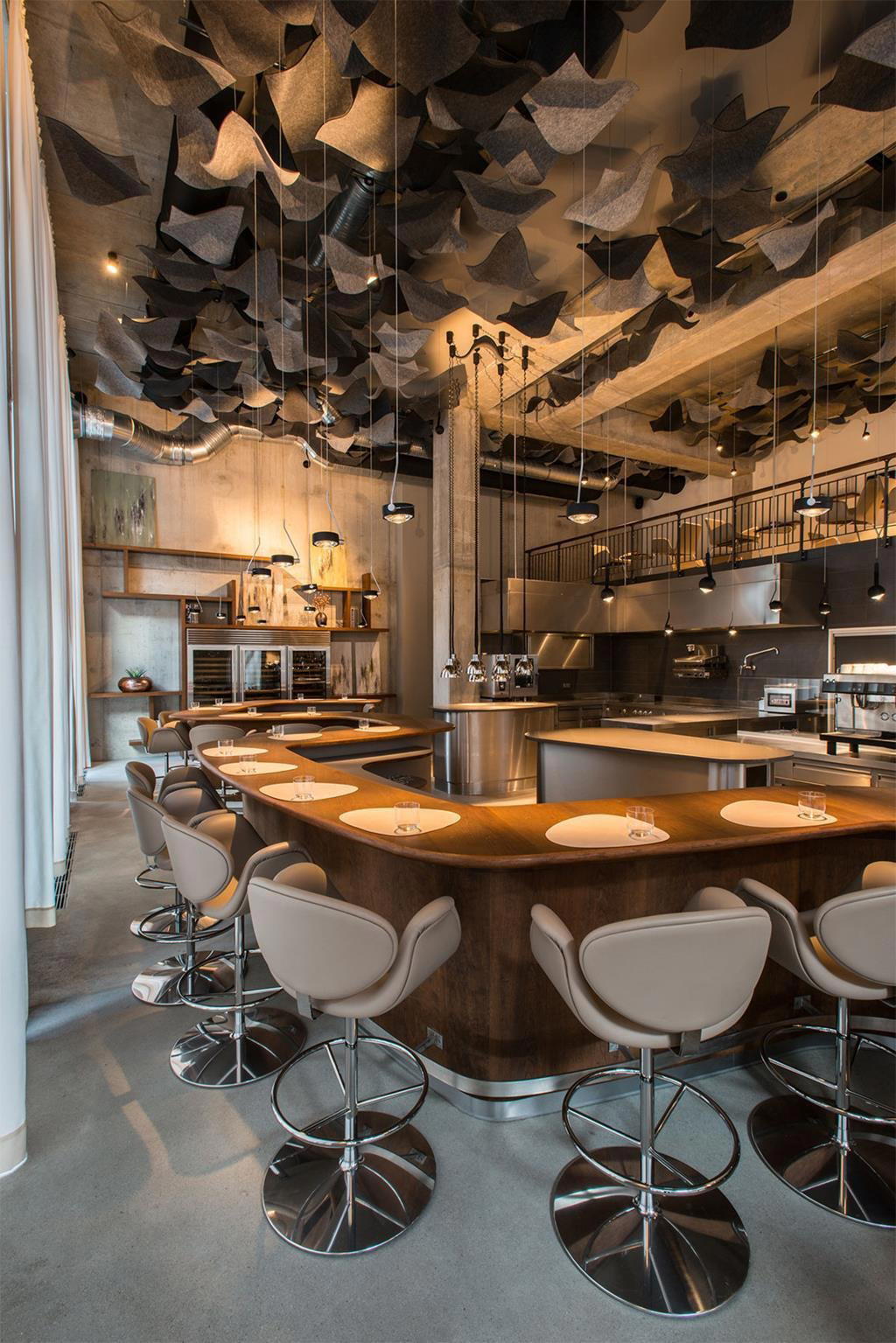
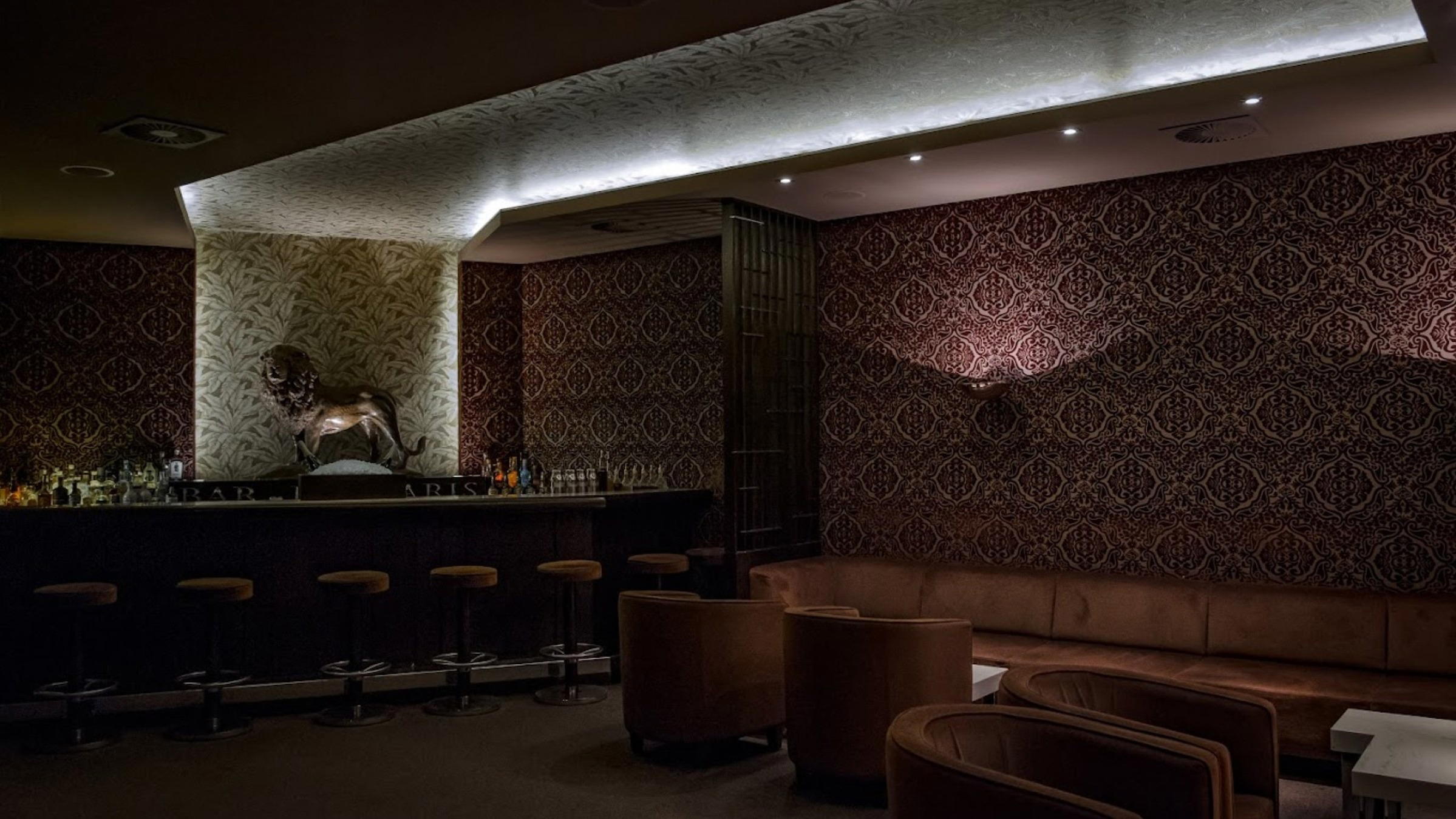
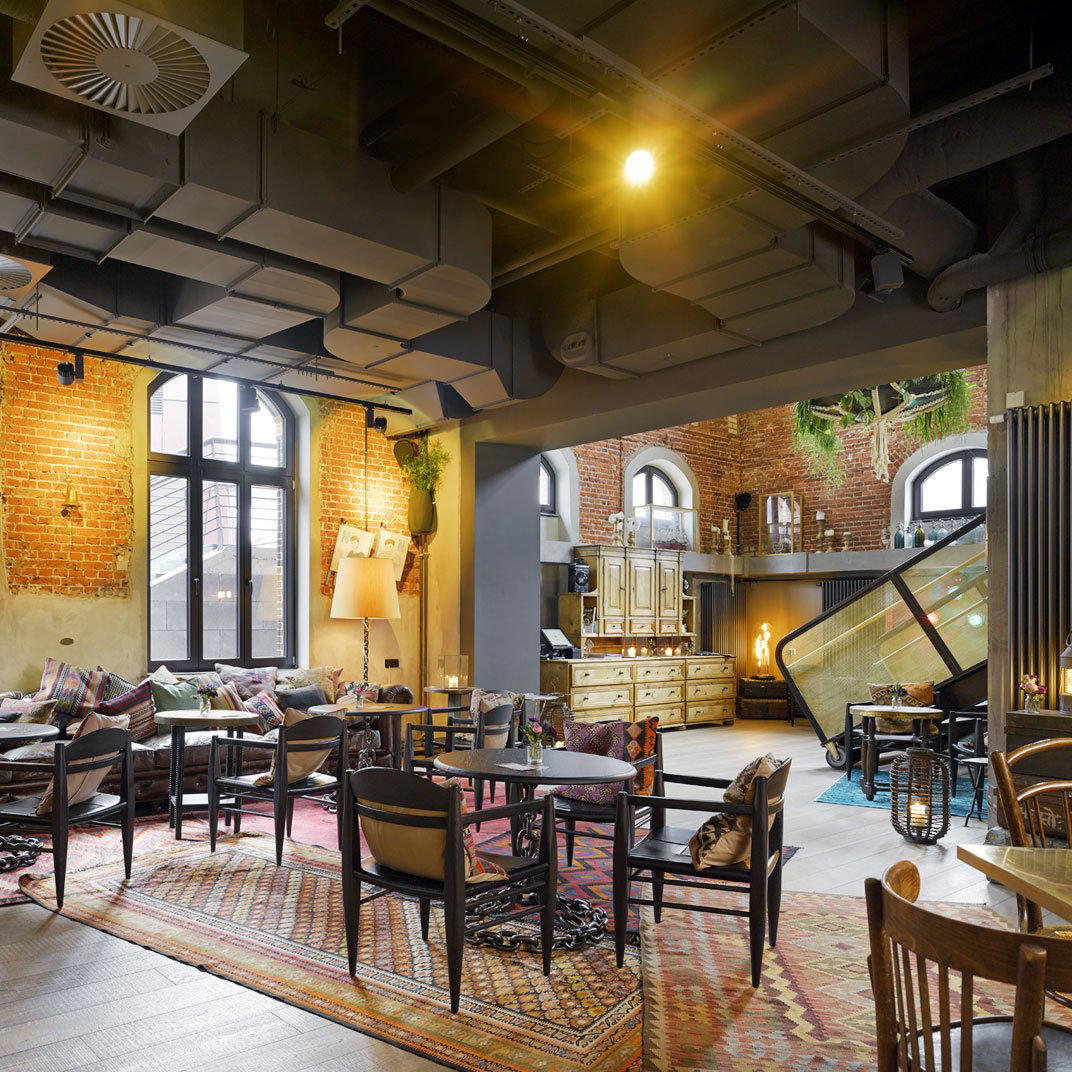
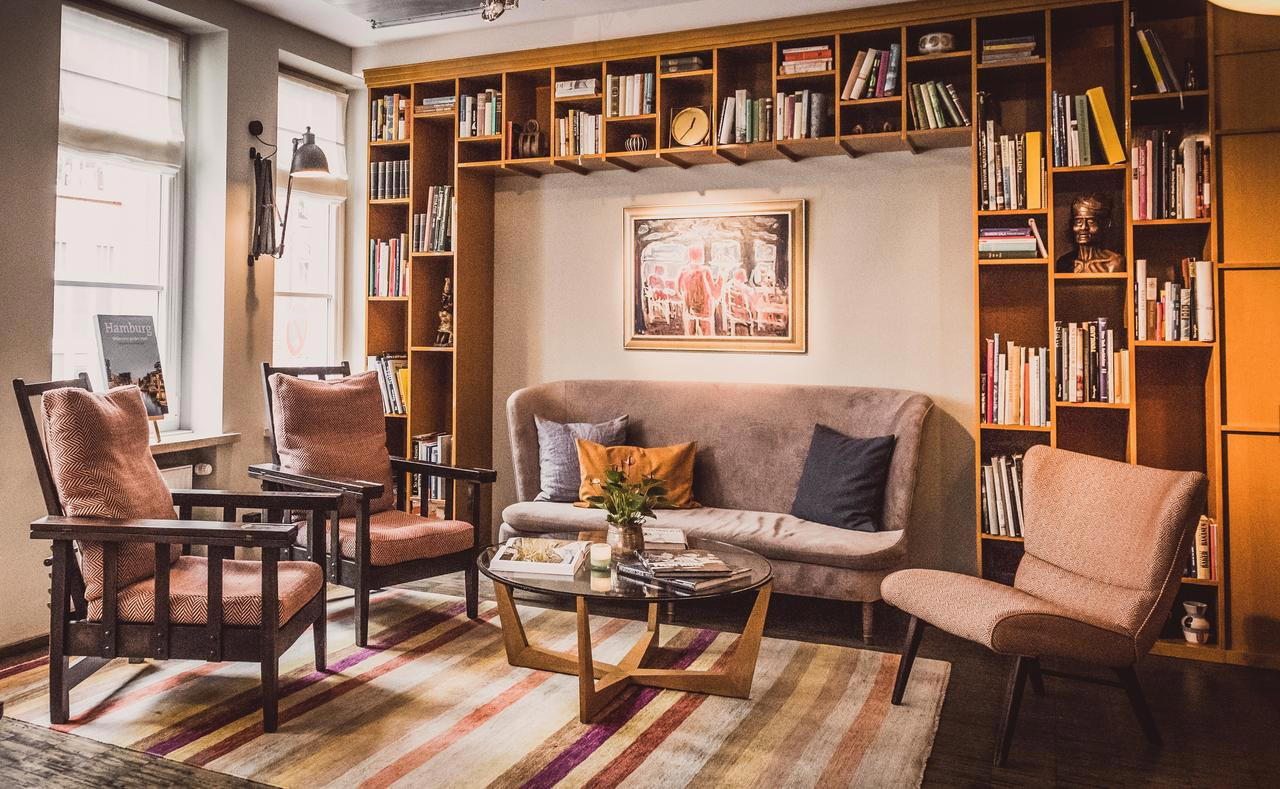
Cozy and inviting atmosphere well-suited for aperitivo with warm lighting and rustic Italian charm as noted in guest reviews.