Our verdict
Located on Max-Brauer-Allee in Hamburg's Altona district, Mamalicious sits in a neighbourhood known for its independent food scene and community-oriented character. The restaurant draws attention for its approach to honest, ingredient-led cooking in a city where the fine-dining conversation is increasingly shaped by sustainability and sourcing ethics. A practical choice for diners seeking something outside Hamburg's Michelin-weighted circuit.

Pearl is the En Primeur Club membership app, where members save venues, book tables and use the concierge.

The menu
What to order
- Pancakes
- Scrambled Tofu
- French Toast
- Cheesecake
- Full Canadian Breakfast
Altona's Independent Dining Current
Hamburg's dining scene divides more cleanly than most German cities. On one side sits the Michelin-weighted circuit anchored by places like Restaurant Haerlin and The Table Kevin Fehling, where tasting menus run long and the service architecture is formal. On the other sits a growing tier of neighbourhood-rooted restaurants that operate outside that framework entirely, drawing regulars through consistency, sourcing transparency, and a relationship with the immediate community rather than with international award bodies. Mamalicious, at Max-Brauer-Allee 277 in Altona, belongs to that second category.
Altona itself matters here. The district has historically functioned as Hamburg's most porous cultural zone, absorbing successive waves of working-class, immigrant, and creative-class residents. That demographic layering has produced a food culture that values directness over ceremony. The restaurants that hold ground on streets like Max-Brauer-Allee tend to do so through repetition and trust rather than through spectacle. They are not competing with bianc or Lakeside for the expense-account dinner. They are competing for the Tuesday regular and the Sunday family table.
Sourcing Ethics in a City Rethinking Its Plate
Across Germany's major dining cities, the question of where ingredients come from has shifted from marketing footnote to operational priority. Restaurants at every price point now face the same pressure: diners who want to understand the supply chain, not just the menu. In Hamburg, where proximity to the North Sea and the surrounding Schleswig-Holstein agricultural belt gives kitchens genuine access to short-supply-chain produce, the sourcing conversation is more tractable than in landlocked cities. The infrastructure exists; the question is which kitchens choose to use it.
Neighbourhood restaurants in Altona that take this seriously tend to build menus around what is available rather than what is conceptually consistent. The result is a different kind of menu discipline: not the seasonal tasting menu logic deployed at places like 100/200 Kitchen, where the seasonal frame is a structural feature of the format, but a looser, more pragmatic responsiveness to supply. Dishes change because the supplier's inventory changes, not because the kitchen has completed a creative cycle. That distinction matters to the diner who comes back often, because the menu is genuinely different rather than strategically refreshed.
The sustainability argument for this model is not primarily about carbon accounting, though shorter supply chains do reduce transport emissions in measurable ways. It is more fundamentally about waste. Kitchens that build menus around available supply rather than fixed concept lists tend to manage inventory tighter, because over-ordering against a variable menu carries higher operational risk. The discipline is economic before it is ethical, which is part of why it holds across ownership changes and economic cycles in ways that more ideologically driven sustainability programs sometimes do not.
Where Mamalicious Sits in the Broader German Picture
Considered against Germany's wider fine-dining and serious-casual scene, Mamalicious occupies a different register from the country's Michelin-decorated rooms. Restaurants like Aqua in Wolfsburg, Schwarzwaldstube in Baiersbronn, or Vendôme in Bergisch Gladbach operate within a formal fine-dining grammar that requires significant investment from the diner in terms of time, money, and preparation. Altona neighbourhood restaurants require none of that. The trade-off is a different kind of consistency: less technical precision, more relational continuity.
Within Hamburg specifically, the comparison that matters most is not with the Michelin tier but with the city's growing cohort of ingredient-focused independents. These are restaurants that have absorbed enough of the fine-dining sourcing conversation to apply it to accessible price points, without adopting the ceremony. That cohort is expanding in cities across Germany, from Berlin's CODA Dessert Dining to JAN in Munich, and it represents one of the more interesting structural shifts in how Germans eat out in the 2020s. Mamalicious operates within that current.
Planning Your Visit
Mamalicious is located at Max-Brauer-Allee 277, Hamburg, in the Altona district, accessible via S-Bahn to Altona station or U-Bahn to Königstraße. Altona is a walkable neighbourhood, and the restaurant sits on a main artery with good public transport connections. For broader Hamburg dining context, including the city's full range from neighbourhood independents to Michelin-rated rooms, see our full Hamburg restaurants guide.
Diners planning a Hamburg trip around a specific dining tier should note that the city's serious-casual and fine-dining options span considerable range. The Michelin-decorated rooms referenced above book weeks to months in advance. Neighbourhood restaurants in Altona typically have more availability but benefit from advance confirmation on weekends. For reference points at the higher end of the German spectrum, ES:SENZ in Grassau, Victor's Fine Dining by Christian Bau in Perl, Waldhotel Sonnora in Dreis, Schanz in Piesport, and Bagatelle in Trier each represent different expressions of regional German ambition. Internationally, the ingredient-first ethos that defines this neighbourhood tier also appears in very different contexts at Le Bernardin in New York City and the fermentation-led precision of Atomix.
Frequently asked questions
What dish is Mamalicious famous for?
Is Mamalicious reservation-only?
What's the standout thing about Mamalicious?
Do they accommodate allergies at Mamalicious?
Is Mamalicious overpriced or worth every penny?
Is Mamalicious a good option for vegetarian or plant-forward diners visiting Hamburg?
Cost Snapshot
Comparable venues nearby, for context on price, style, and recognition.
| Venue | Cuisine | Price | Notes |
|---|---|---|---|
| MamaliciousThis venue (the venue you are viewing) | Canadian Vegetarian & Vegan Breakfast Diner | $10–20 | Not listed |
| Bun's Streetfood | Gourmet Street Food Buns | $10–20 | Eimsbuttel, Gourmet Street Food Buns |
| Traumkuh | Premium Burgers & Poutine | $10–20 | Rotherbaum, Premium Burgers & Poutine |
| WilliamsBurger | American Burgers with Balkan Influences | $10–20 | Rotehaus, American Burgers with Balkan Influences |
| Burgerlich | Custom Gourmet Burgers | $10–20 | Neustadt, Custom Gourmet Burgers |
| HOB's Hut of Burger | American Burgers | $10–20 | Hamburg-Altstadt, American Burgers |
Continue exploring
More in Hamburg
Restaurants in Hamburg
All restaurants in Hamburg →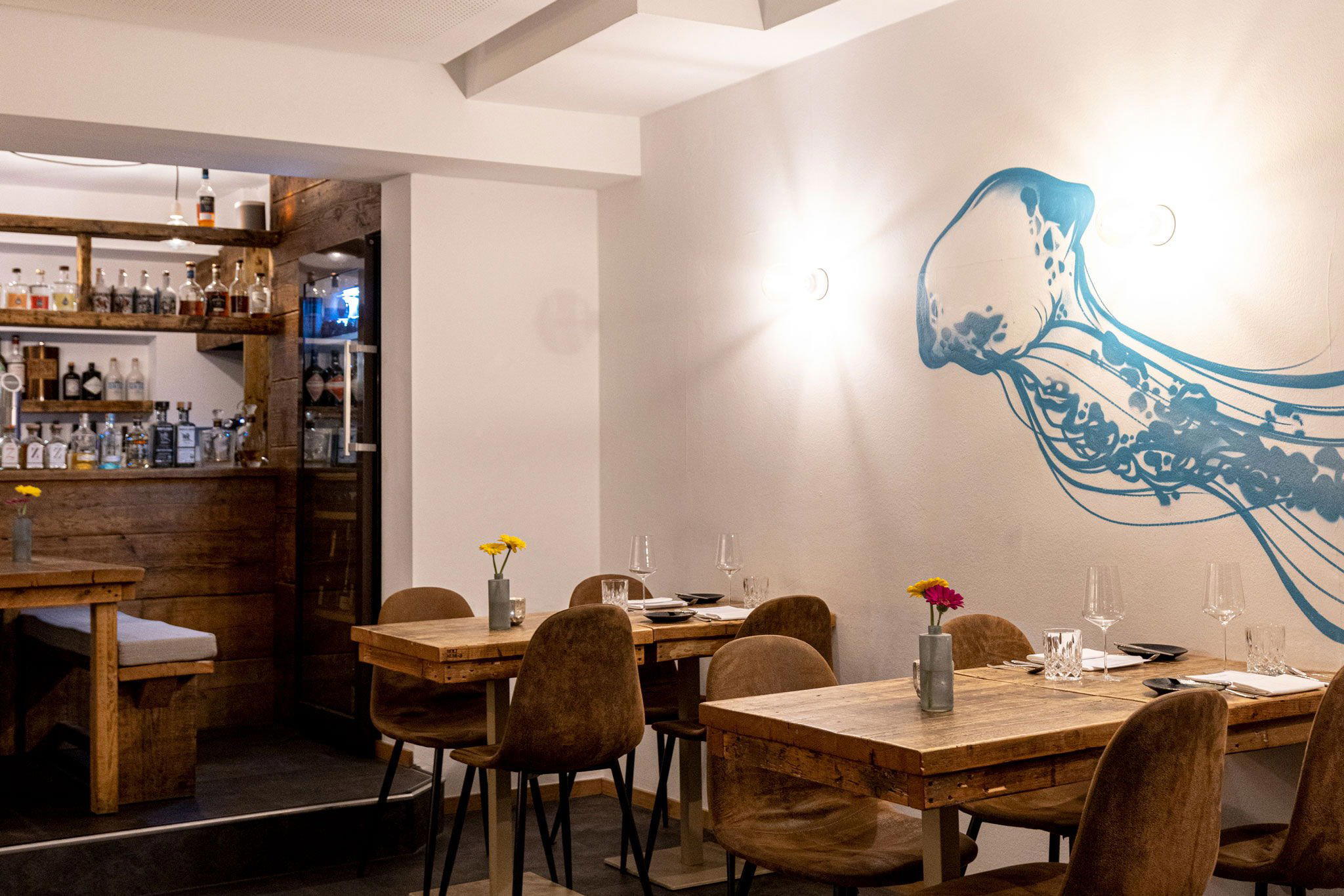
Bars in Hamburg
All bars in Hamburg →
Hotels in Hamburg
All hotels in Hamburg →
Wineries in Hamburg
Browse all →
Details
- Rustic
- Cozy
- Bohemian
- Lively
- Brunch
- Casual Hangout
- Group Dining
- Family
- Standalone
- A La Carte
- Coffee
- Specialty Lattes
- Vegetarian Friendly
- Vegan Options
- Gluten Free Options
Current opening hours
- Monday
- 10 AM–4 PM
- Tuesday
- Closed
- Wednesday
- Closed
- Thursday
- 10 AM–4 PM
- Friday
- 10 AM–4 PM
- Saturday
- 10 AM–4 PM
- Sunday
- 10 AM–4 PM
Hours can change for holidays and private events. Hours as of .
Casual diner atmosphere with rustic, authentic, and industrial design elements; described as cozy and relaxed with a bohemian vibe, though can get loud during peak hours.