
Michelin Bib Gourmand
Our verdict
Faraya brings Lebanese cooking to the quiet Brussels suburb of Wemmel with enough conviction to earn back-to-back Michelin Bib Gourmand recognition in 2024 and 2025. Under chef Kristine Ashe, the kitchen treats the mezze spread as its primary argument, placing dips, salads, and cold plates at the centre of the meal rather than as preamble. At a €€ price point, it occupies a distinct position among Belgium's Michelin-recognised tables.

Pearl is the En Primeur Club membership app, where members save venues, book tables and use the concierge.
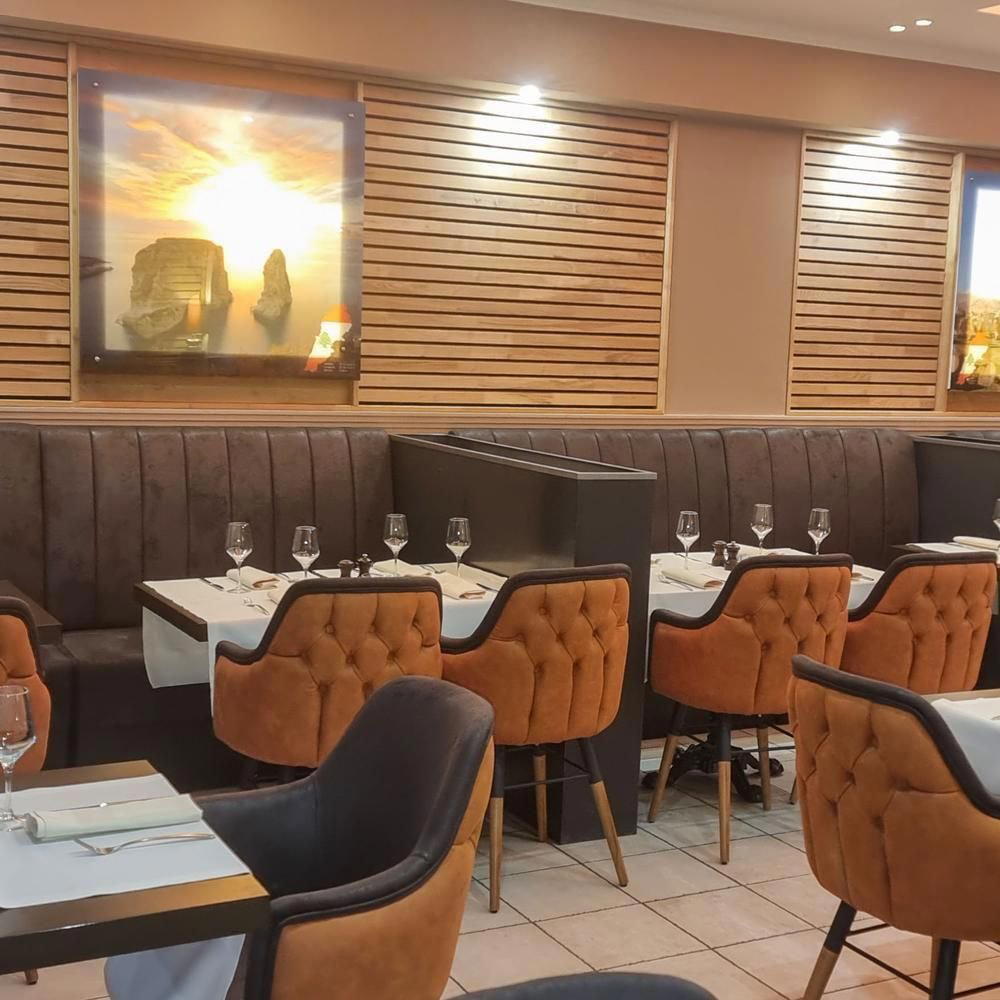
Lebanese in the Brussels Periphery
Belgium's Michelin-recognised restaurant circuit runs heavily toward fine-dining tasting menus: three-star Flemish kitchens like Boury in Roeselare, two-star modern European formats like Castor in Beveren and Cuchara in Lommel, and the long-established Flemish creative tradition represented by De Jonkman in Sint-Kruis. Bib Gourmand recognition operates at a different register entirely: it signals value over ceremony, flavour over theatre. In that context, Faraya's consecutive Bib Gourmand awards in 2024 and 2025 place it inside a small cohort of Belgian restaurants where the kitchen's credibility rests on what lands in front of you rather than how elaborately it arrives.
Wemmel itself sits just north of Brussels, a low-key residential suburb that draws little food-media attention compared with the capital's inner districts. Restaurants that earn Michelin recognition in peripheral locations do so almost entirely on the strength of their cooking; there is no foot traffic dividend, no tourist infrastructure, no neighbourhood mystique doing the marketing. That Faraya has earned the Bib Gourmand twice from De Limburg Stirumlaan 200 says something about the consistency of what chef Kristine Ashe and the kitchen are producing. For a broader orientation to eating and drinking in the area, our full Wemmel restaurants guide maps the local scene, and the Wemmel hotels guide covers accommodation for those arriving from further afield.
The Mezze Spread as the Real Argument
Lebanese restaurants are often judged at their cold-table opening, and for good reason. The mezze spread, specifically the sequence of dips, dressed salads, and herb-laden cold plates that precede grilled meats or mains, is where technique, sourcing, and palate are most exposed. There is nowhere to hide in a bowl of hummus: the chickpea-to-tahini ratio, the temperature, the quality of the olive oil drizzled across the surface, the freshness of whatever garnish sits on leading, these are not decorative decisions. They are the kitchen's argument in its most compressed form.
The same logic applies to baba ganoush, where the degree of char on the aubergine determines whether the dish carries smoke or merely hints at it, and to fattoush, where the crunch of the fried or toasted bread, the acid balance of the dressing, and the herb load either create tension on the plate or flatten into a salad that could have come from anywhere. At Lebanese tables operating at the level Faraya has signalled through its Michelin recognition, these dishes are treated as ends in themselves rather than as warm-up acts. The dip section of the menu is the section that earns the room its reputation.
This framing also helps position Faraya within a wider geography of Lebanese dining. In the Gulf, Lebanese restaurants operating at a comparable or higher price tier, addresses like Al Mandaloun in Dubai and Almayass in Abu Dhabi, have built their identities partly on the quality of cold plates and the breadth of the mezze table. What distinguishes a Bib Gourmand-level Lebanese kitchen in a Belgian suburb from those Gulf reference points is less about ambition than about context: the price point is lower, the format is less ceremonial, and the neighbourhood is not one that draws an international dining crowd. The cooking has to do more work relative to its surroundings.
Where Faraya Sits in the Belgian Price Tier
At €€ pricing, Faraya occupies a different competitive tier than the formal Flemish and French-Belgian restaurants that dominate Belgium's upper Michelin table. Compare it against Hof van Cleve in Kruishoutem, Zilte in Antwerp, or Willem Hiele in Oudenburg, and you are looking at a different meal format, a different evening commitment, and a substantially different bill. The Bib Gourmand category was designed precisely to mark out this space: restaurants where the inspector found food worth a detour at a price that does not require advance budgeting.
That positioning matters for how you plan a visit. Faraya is not a tasting-menu occasion that demands a blocked evening and a special occasion rationale. It is a neighbourhood restaurant that has earned external validation, which is a genuinely distinct thing. The decision to go is lower-friction than a three-star booking; the experience is correspondingly more direct. For comparison, Bozar Restaurant in Brussels and L'air du Temps in Liernu operate at higher price points and with more formal service architectures. Faraya is not trying to be those places, and its Michelin recognition confirms it does not need to be.
Chef Kristine Ashe and the Kitchen Credentials
The Bib Gourmand is awarded to kitchens, not just to concepts, and Kristine Ashe is the named chef behind Faraya's consecutive recognitions. Beyond the name on the kitchen pass and the Michelin signal, the record available here is limited. What the awards confirm is sustained execution across at least two consecutive guide cycles, which is a more reliable indicator of kitchen stability than any single good review. At Lebanese restaurants in this price tier, menu discipline, not attempting too many things, keeping the cold table tightly edited and precisely executed, is often what separates Michelin-noticed kitchens from their peers. A narrower menu done well consistently is a harder achievement than a broad menu done variably.
Planning Your Visit
Faraya is at De Limburg Stirumlaan 200, 1780 Wemmel, approximately ten to fifteen minutes north of central Brussels by car. Wemmel is not served by metro directly; coming from Brussels, driving or taxi is the practical approach for most visitors. The restaurant's Bib Gourmand status means it attracts diners from the wider Brussels region, so booking ahead is advisable rather than treating it as a walk-in option, particularly on weekends. The price point means a full table of mezze, mains, and drinks remains accessible relative to Brussels fine-dining alternatives. For more on drinking and spending time in the area, the Wemmel bars guide, wineries guide, and experiences guide cover the surrounding options. Also worth considering nearby is d'Eugénie à Emilie in Baudour and Bartholomeus in Heist if building a longer regional itinerary.
Frequently asked questions
Can I bring kids to Faraya?
Faraya sits in the €€ price range in a residential part of Wemmel, which makes it a practical choice for families with older children who eat confidently across a spread. The Lebanese mezze format, shared dishes rather than a structured tasting menu, suits a table that wants to graze and pass plates around.
How would you describe the vibe at Faraya?
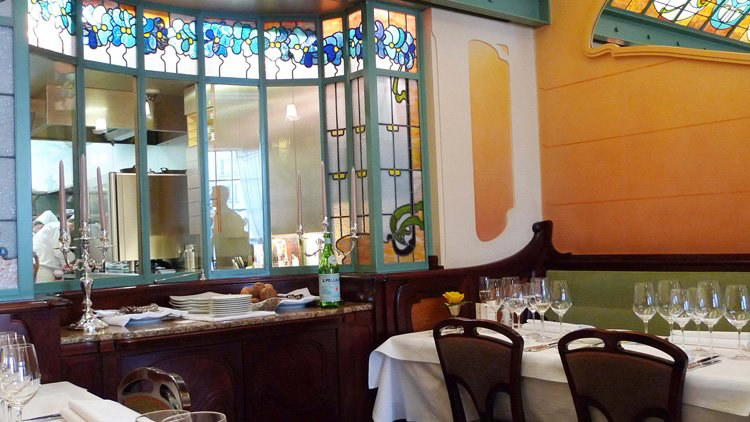
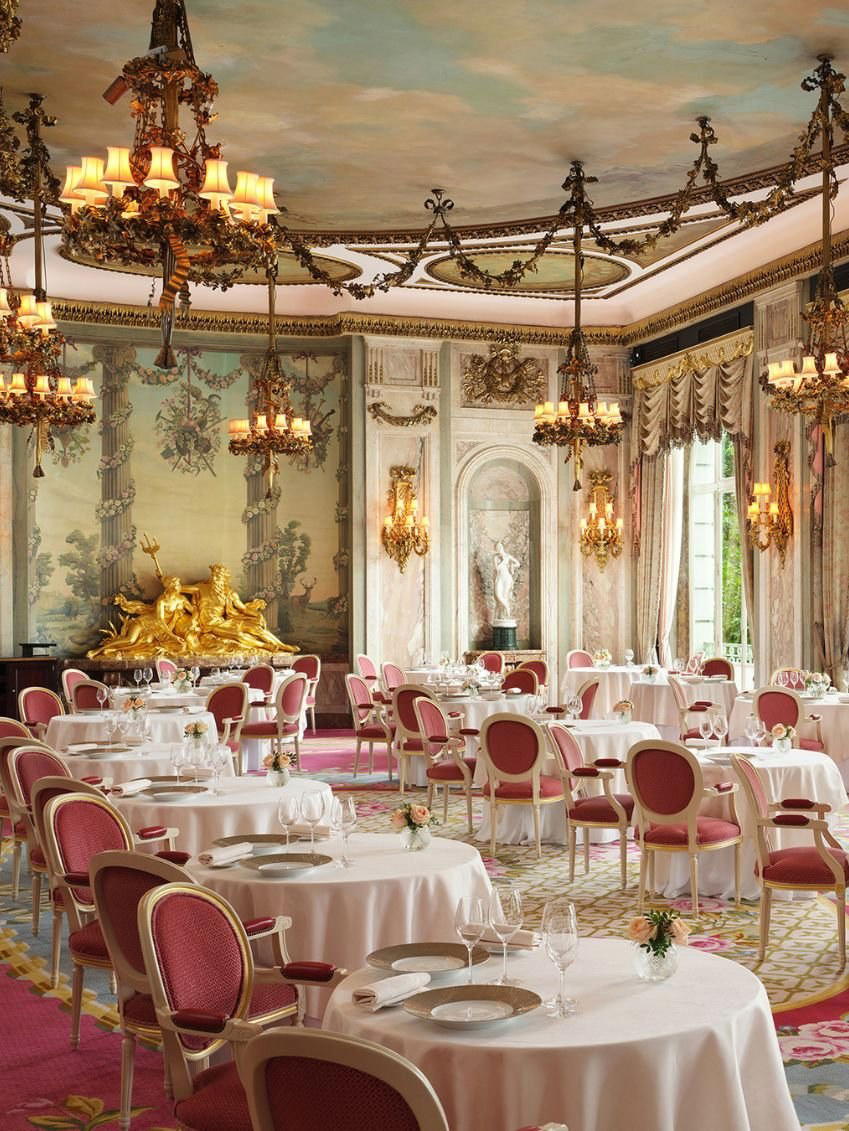
Faraya earned back-to-back Bib Gourmand recognition in 2024 and 2025, which Michelin reserves for places where the cooking outperforms the price point, not for formal dining rooms with theatrical service. At €€ pricing in suburban Wemmel, the expectation is a kitchen-forward room where what arrives on the table matters more than the ceremony around it. Think neighbourhood restaurant with professional credentials, not a special-occasion showcase.
Has Faraya won any awards?
Faraya has received recognition including: Michelin Bib Gourmand (2025); Michelin Bib Gourmand (2024).
What's the must-try dish at Faraya?
What is documented is that Faraya's consecutive Bib Gourmand awards signal consistent kitchen output across the full menu. At a Lebanese restaurant of this calibre, the cold mezze opening, dips, dressed salads, raw preparations, is typically where the kitchen's technical range is most visible, and where the argument for the meal is made or lost.
What's the price range at Faraya?
Pricing at Faraya is listed as €€.
A Quick Peer Check
| Venue | Cuisine | Price | Awards | Notes |
|---|---|---|---|---|
| FarayaThis venue (the venue you are viewing) | Authentic Lebanese | $20–30 | Michelin Bib Gourmand | Not listed |
| Boury | Creative French Fine Dining | $300–500 | 3 Michelin Stars · La Liste Top Restaurants | Modern Frlemish, Creative French |
| Comme chez Soi | French - Belgian, Classic Cuisine | Not listed | Michelin 1 Star | Not listed |
| Hertog Jan at Botanic | Modern Japanese Omakase Fine Dining | Not listed | 2 Michelin Stars · La Liste Top Restaurants | Modern Flemish, Creative |
| L'Eau Vive | Modern French Fine Dining | $150–200 | 2 Michelin Stars · La Liste Top Restaurants | French, Modern French |
| La Durée | Modern French Fine Dining | $150–200 | 2 Michelin Stars · La Liste Top Restaurants | French-Belgian, Creative |
Recognition history
Dated appearances from independent guides and award organizations, with the underlying list record or original source where available.
Michelin Bib Gourmand
Michelin
Full recognition history (3 entries)
Michelin Bib Gourmand
Michelin
Michelin Bib Gourmand
Michelin
Continue exploring
More in Wemmel
Restaurants in Wemmel
All restaurants in Wemmel →
Details
- Cozy
- Elegant
- Family
- Group Dining
- Casual Hangout
- Local Sourcing
- A La Carte
- Buffet
- Small Plates
- Vegetarian Friendly
- Vegan Options
Current opening hours
- Monday
- Closed
- Tuesday
- 6–10:30 PM
- Wednesday
- 6–10:30 PM
- Thursday
- 6–10:30 PM
- Friday
- 6–10:30 PM
- Saturday
- 6–10:30 PM
- Sunday
- 6–10:30 PM
Hours can change for holidays and private events. Hours as of .
Cozy home-like atmosphere with warm welcome, quiet and friendly setting.