Al Mandaloun

A Michelin Plate-recognised Lebanese restaurant in Dubai's DIFC, Al Mandaloun brings the slow-cooked traditions of the Levant to one of the city's most serious dining districts. Lebanese cooking at an accessible price point, done with enough rigour to earn Michelin attention.
Pearl is the En Primeur Club membership app — saves, bookings, and concierge access live there. Same editors, same standards.
- Address
- Gate Village, Building 3 - towards DIFC Parking - Zaa'beel Second - DIFC - Dubai - United Arab Emirates
- Phone
- +971 4 363 7474
- Website
- al-mandaloun.com
- Directions
- Get directions
 Saves & bookings on Pearl
Slow Fire, Levantine Roots: Lebanese Cooking in the Heart of DIFC
Dubai's financial district has become one of the more consequential dining corridors in the Gulf. Gate Village alone concentrates a tier of restaurants ranging from Michelin-starred modern cuisine at 11 Woodfire to elaborate tasting formats at Row on 45. Against that backdrop, a Lebanese kitchen earning Michelin recognition at the single-dollar price tier is not a minor footnote. Al Mandaloun sits in Gate Village Building 3, and its presence here says something useful about how the Michelin Guide has approached Dubai: not exclusively through the lens of high-spend experimentation, but also through the discipline of tradition.
What the Michelin Plate Signals in This Context
The Michelin Plate, awarded to Al Mandaloun in 2024, designates a restaurant where inspectors found cooking good enough to warrant attention, without the full star apparatus of service and setting that drives a restaurant into higher brackets. In a market where Trèsind Studio and FZN by Björn Frantzén operate at the peak of the starred tier, the Plate recognition for a Lebanese kitchen at the accessible end of the price scale reflects something specific: that the cooking here is grounded, consistent, and honest enough to hold up to the same scrutiny applied to its far more expensive neighbours.
Lebanese cuisine earns this kind of recognition through fundamentals. The protein most associated with Levantine slow cooking is lamb, and it is around lamb that the tradition's most serious ambitions tend to concentrate. Whole-roasted legs, slow-braised shanks, minced kebbeh with rendered fat, and rice dishes built on long-cooked bones represent a culinary vocabulary where patience and sourcing matter more than technique novelty. In Lebanese households and in serious Lebanese restaurants alike, the slow-roasted lamb is the dish around which occasion and identity converge.
The Tradition Behind the Cooking
Lebanese slow cooking draws from a broader Levantine tradition where time is the primary tool. A properly executed lamb shank, braised low and long until the collagen breaks down into the surrounding liquid, produces a result that no quicker method can approximate. The fat renders, the connective tissue softens, and the spicing, typically warm rather than hot, built around cinnamon, allspice, and sometimes dried lemon, penetrates through the meat rather than sitting on its surface. This is cooking that requires commitment from the kitchen, and when it works, the result reads as effortless on the plate.
At the grill, Lebanese kitchens apply similar logic to kofta and marinated cuts where the quality of the meat and the precision of the heat source determine the outcome more than any elaborate preparation. The mezze spread that precedes these proteins is itself a study in accumulated craft: hummus balanced for tahini-to-lemon ratio, tabbouleh that leans heavy on parsley rather than grain, and fattoush where the fried bread retains enough structure to resist the sumac-forward dressing. Each element is technically simple, which means each element is difficult to do well.
This is not a restaurant drawing visitors looking for novelty or spectacle. A sustained 4.4 at that volume reflects a consistent kitchen rather than a viral moment, which in the Lebanese category specifically tends to mean the slow-cooked dishes are landing correctly on most visits.
Where Al Mandaloun Fits in Dubai's Lebanese Scene
Dubai has a long relationship with Lebanese cooking. The city's Lebanese diaspora population is substantial, and the restaurant segment reflects that: there are casual canteens, mid-tier family operations, and a handful of more formal rooms. The restaurant at Gate Village sits in an interesting position within that distribution, occupying a price tier that remains accessible while operating in a location that skews toward expense-account dining. The result is a restaurant that draws a mixed room: DIFC workers at lunch, Lebanese families for dinner, and the occasional visitor who has done enough research to find it.
For those building a fuller picture of Lebanese cooking across the region, Almayass in Abu Dhabi and Beirut Sur Mer offer useful reference points, while the tradition carries globally through venues like Amal in Toronto, Beity in Chicago, Byblos in Miami, Brasserie Victória in São Paulo, and Base Kamp by Aïnata in Courchevel. The fact that the same culinary tradition anchors restaurants across four continents at varying price points reflects how thoroughly Lebanese cooking has embedded itself in global dining, but the core techniques remain consistent: the slow roast, the spiced brine, the rendered fat.
Within Dubai's broader dining scene, it is worth contrasting the restaurant's position against the seafood-forward direction of Ibn Albahr or the Emirati-inflected cooking at Erth in Abu Dhabi. Each represents a different thread of regional culinary identity; the Lebanese kitchen at the restaurant is explicitly about the Levant, not about a pan-regional synthesis.
Planning a Visit
The restaurant sits inside Gate Village Building 3 in the DIFC, with parking accessed via the DIFC Parking approach on Zaa'beel Second. The three-dollar price indicator places it at the accessible end of the Gate Village spectrum, a meaningful distinction in a district where most comparable-quality options land at two or three dollars. For visitors using DIFC as a base, the restaurant is walkable from the main Gate Village pedestrian circuit that connects several of the neighbourhood's better-known dining destinations.
What People Recommend at Al Mandaloun
What do people recommend at Al Mandaloun?
Reviewers consistently point toward the slow-cooked lamb preparations and the mezze spread as the strongest elements of the menu. Given the restaurant's Lebanese identity and its Michelin Plate recognition in 2024, the dishes that draw the consistent praise tend to be those rooted in the Levantine slow-cooking tradition: braised meat, spiced rice, and classically executed dips.
- mixed grill
- fattoush
- hummus
- falafel
- shish taouk
- cheese kunafa
Price Lens
Comparable venues nearby, for context on price, style, and recognition.
| Venue | Cuisine | Price | Awards | Notes |
|---|---|---|---|---|
| Al MandalounThis venue — the venue you are viewing | Lebanese | $$$ | Michelin Plate | Not listed |
| Ariana's Persian Kitchen | Palm Jumeirah, Modern Persian | $$$ | Michelin Plate | Not listed |
| Gerbou | Nadd Al Shiba, Modern Emirati | $$$ | Michelin Plate | Not listed |
| Osteria Funkcoolio | Not listed | $$$ | Michelin Plate | Jumeira, Itameshi (Italian-Japanese Fusion) |
| Berenjak | Al Wasl, Modern Persian Kebabs | $$$ | Bib Gourmand | Not listed |
| ZouZou Turkish & Lebanese Restaurant | Not listed | $$$ | Not listed | Al Sufouh 2, Turkish & Lebanese Fusion |
Recognition history
Dated appearances from independent guides and award organizations, with the underlying list record or original source where available.
Michelin Plate
Michelin
Continue exploring
More in Dubai
Restaurants in Dubai
Browse all →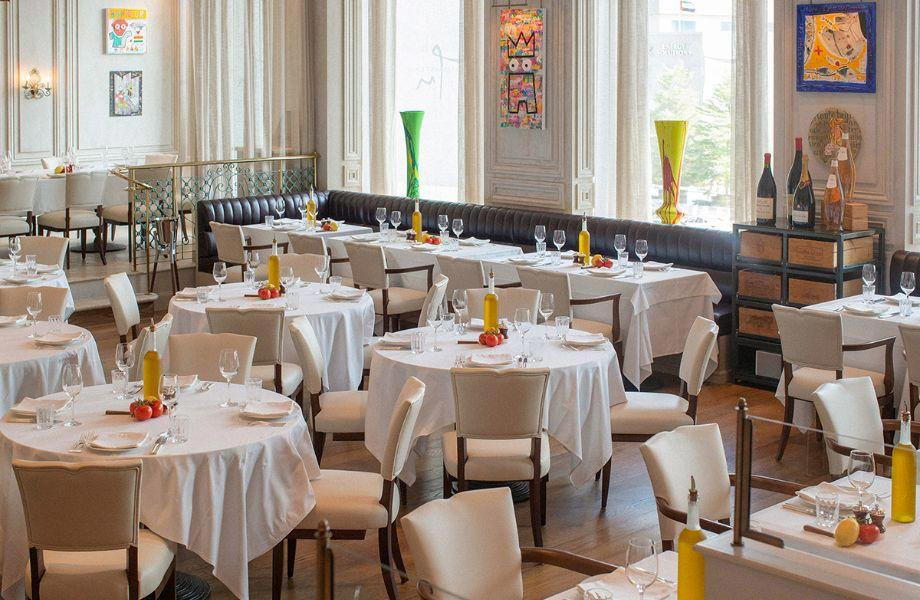
At a Glance
- Elegant
- Lively
- Cozy
- Date Night
- Group Dining
- Business Dinner
- Family
- Casual Hangout
- Brunch
- Terrace
- Street Scene
Current opening hours
- Monday
- 8 AM–10 PM
- Tuesday
- 8 AM–10 PM
- Wednesday
- 8 AM–10 PM
- Thursday
- 8 AM–10 PM
- Friday
- 8 AM–10 PM
- Saturday
- 8 AM–10 PM
- Sunday
- 8 AM–10 PM
Hours can change for holidays and private events. Last verified .
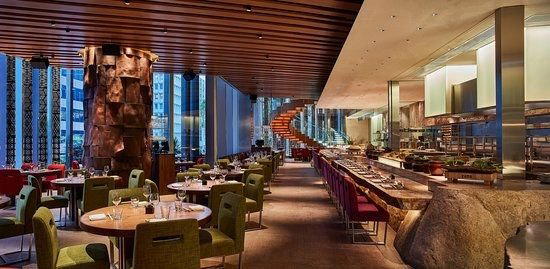
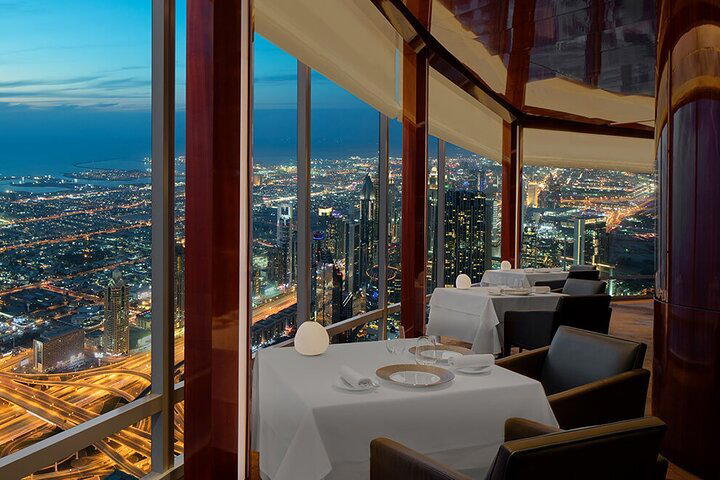
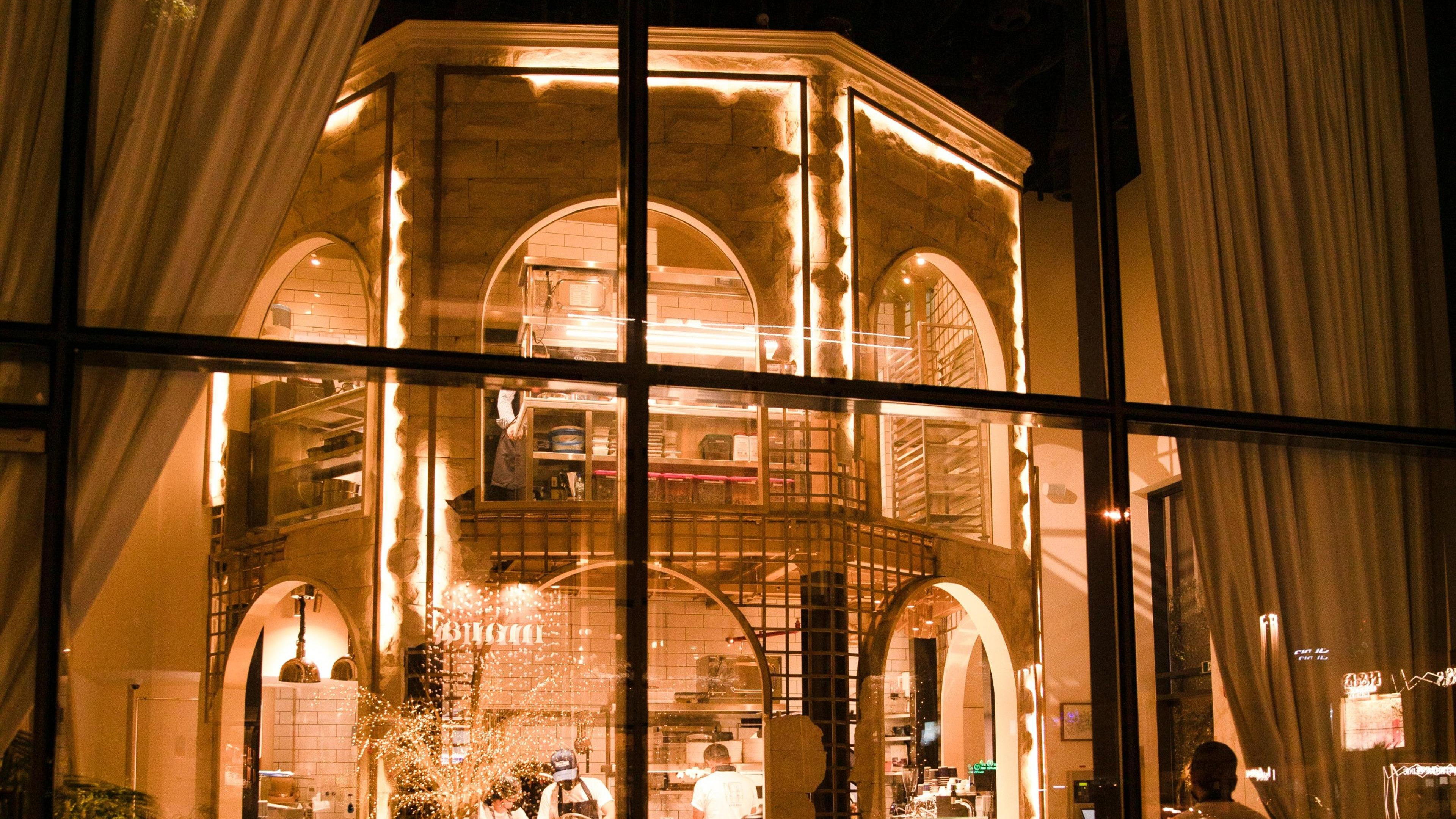
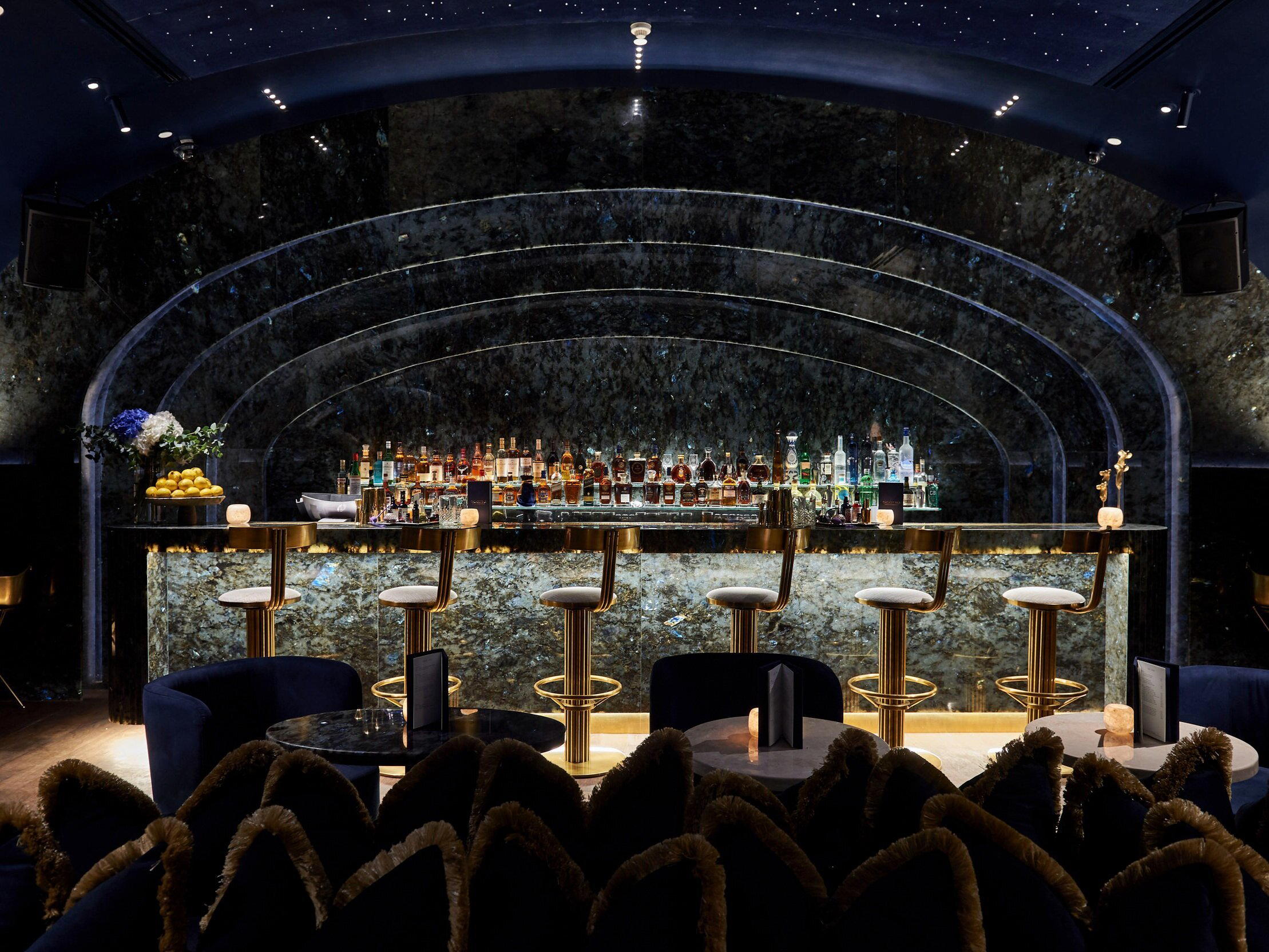
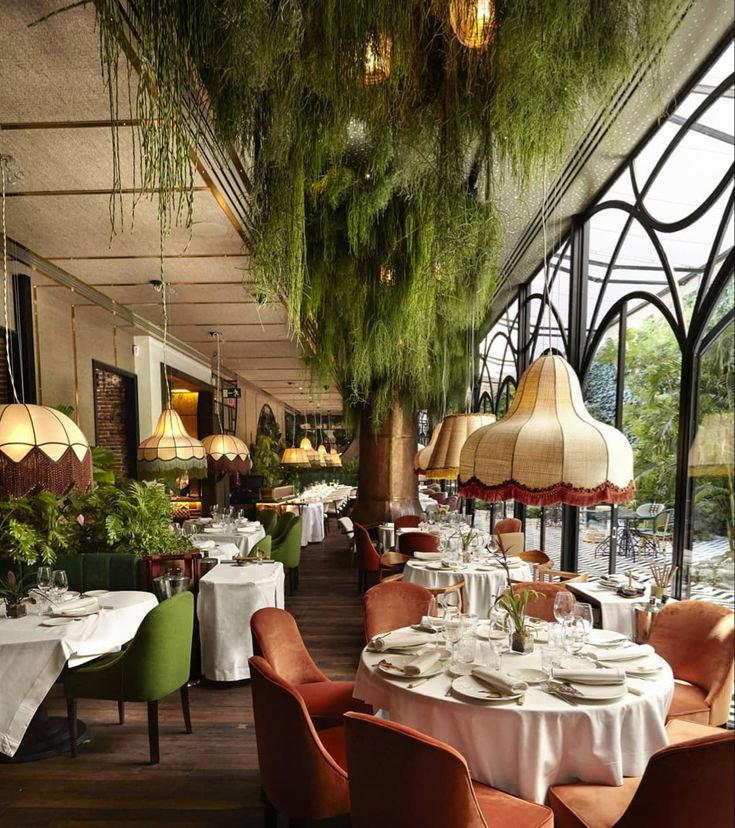
Relaxed and friendly with traditionally styled indoor rooms spilling onto terraces featuring park views and waterfall sounds; calm with soft music for breakfast.