On Grindelallee in Hamburg's Grindelviertel, Falafel Haus occupies a stretch of the city where Middle Eastern and Mediterranean counter culture has long coexisted with student canteens and independent grocers. The format is familiar across the neighbourhood: counter ordering, fast service, and a menu built around legume-based staples. For a city that still reserves its longest queues for the falafel wrap, this address holds its ground.
Pearl is the En Primeur Club membership app — saves, bookings, and concierge access live there. Same editors, same standards.
- Address
- Grindelallee 44, 20146 Hamburg, Germany
- Phone
- +4917632916365
- Website
- instagram.com
- Directions
- Get directions
 Saves & bookings on Pearl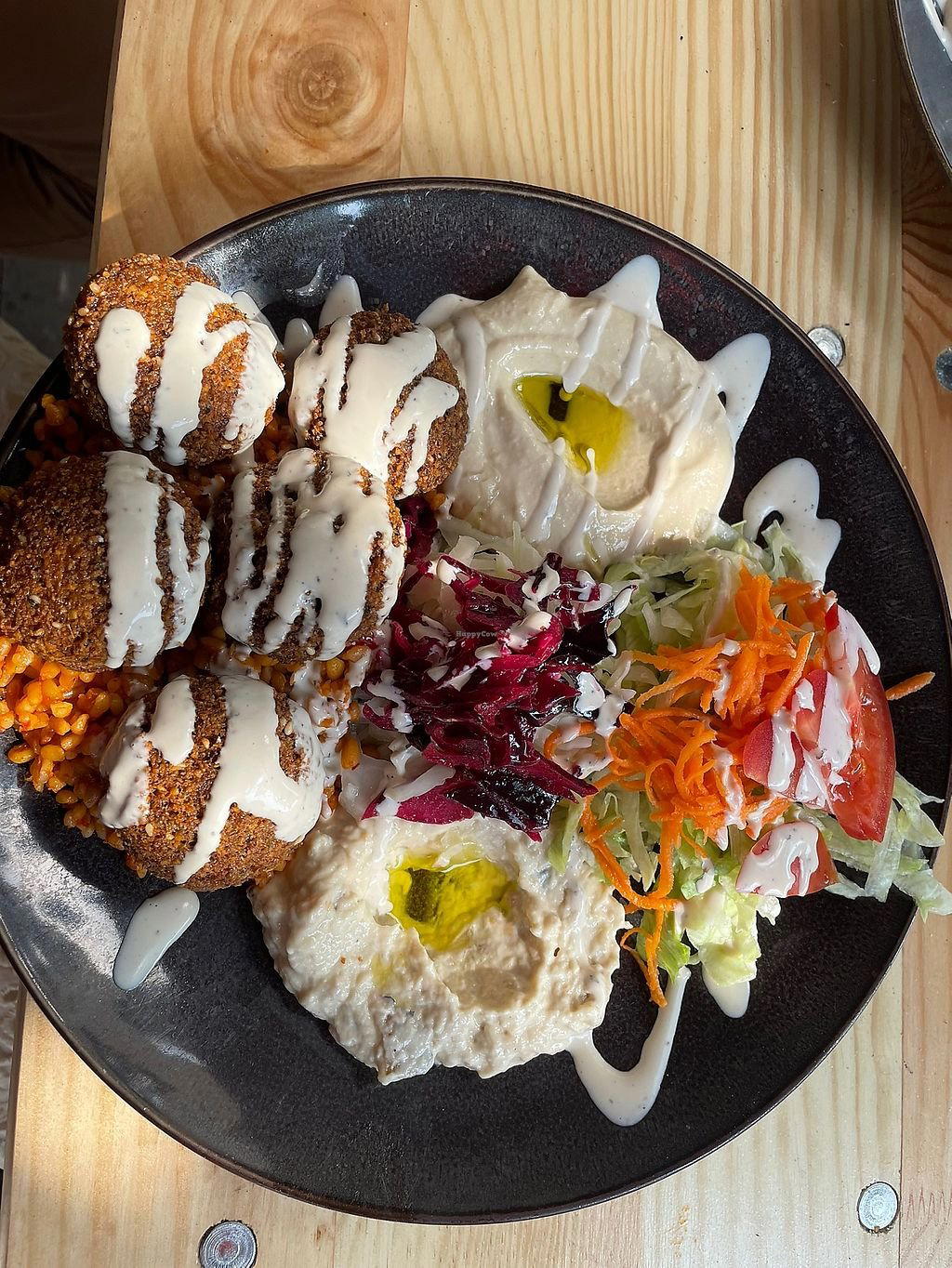
Grindelallee and the Counter-Food Tradition
The Grindelviertel in Hamburg is one of those neighbourhoods where the eating culture operates largely outside the reservation system. Grindelallee itself, running through the district at a slight diagonal from the Dammtor rail station toward Eppendorf, has functioned for decades as a corridor of affordable, consistent, fast-casual food serving students from the nearby university, residents, and the steady foot traffic of a dense inner-city district. The physical character of the street matters here: low shopfronts, modest interiors, a pace of service calibrated to people who eat standing or take a wrapped portion back to a flat or lecture hall. Falafel Haus at number 44 fits that spatial logic precisely.
Within the broader Hamburg dining picture, Grindelallee counter spots occupy a category largely separate from the €€€€ tasting-menu tier represented by venues like The Table Kevin Fehling, bianc, and Lakeside. That separation is not a deficit; it describes a different function in the city's food ecosystem. The neighbourhood counter format serves a daily-use audience rather than an occasion-dining one, and the physical environment reflects that: surfaces that clean easily, stools or standing bars rather than upholstered chairs, lighting that is functional rather than atmospheric. These are design decisions, even when they appear to be non-decisions.
The Physical Container on Grindelallee
Counter-service falafel shops in German cities tend toward one of two spatial arrangements: the narrow shopfront with a single pass-through counter and a queue extending onto the pavement, or the slightly wider format with a handful of tables against one wall and a counter running the length of the opposite side. Both arrangements prioritise throughput over dwell time. The counter itself becomes the architectural centre of the space: it is where orders are taken, where food is assembled in view of the customer, and where the transaction completes. This transparency in food preparation, standard in the category, carries its own logic, it functions as the primary trust signal in a format where written reviews and awards play a smaller role than in fine dining.
Grindelallee 44 sits in a stretch of the street with good pedestrian visibility. In a neighbourhood where the eating decision is often made on the walk rather than by advance planning, frontage matters. The physical presence of the space, the counter visible from the street, the assembly of ingredients legible through a window or open door, operates as the primary marketing medium. This is a format that does not depend on interior design flourishes or curated décor to communicate its offer. The message is the counter and what is on it.
The Food Category in Context
Falafel as a counter-service staple has deepened its presence in northern German cities over the past two decades, moving from a niche associated with specific migrant communities to a broad daily-use option across demographic groups. Hamburg, with its port history and culturally mixed inner districts, absorbed that shift earlier and more thoroughly than many German cities of comparable size. The Grindelviertel in particular, shaped by a large student population and a longstanding Lebanese and Middle Eastern commercial presence along its main streets, became one of the more reliable addresses in the city for this category.
The format, fried chickpea or fava-bean patties, served in flatbread with pickled vegetables, fresh herbs, and tahini-based sauce, has shown considerable stability in its core construction even as ingredient sourcing and variation in seasoning blends have shifted between venues. What distinguishes counters in a competitive neighbourhood is rarely a radical departure from the format; more often it is consistency of frying temperature, the moisture balance of the patty interior, and the ratio of condiments. These are execution questions, not concept questions, and they are what regular customers in a neighbourhood like Grindelviertel use to rank their preferences over time.
For context on how Hamburg's eating culture spans from this kind of everyday counter format to Germany's decorated fine-dining tier, the broader picture includes multi-starred destinations such as Restaurant Haerlin and 100/200 Kitchen within the city, and at the national level, addresses like Schwarzwaldstube in Baiersbronn, Aqua in Wolfsburg, Vendôme in Bergisch Gladbach, Victor's Fine Dining by christian bau in Perl, JAN in Munich, ES:SENZ in Grassau, Schanz in Piesport, Waldhotel Sonnora in Dreis, Bagatelle in Trier, and CODA Dessert Dining in Berlin. Internationally, the counter-service model that Falafel Haus represents finds parallels in the casual tiers of cities like New York, where technique-driven formats like Le Bernardin and participatory formats like Lazy Bear in San Francisco occupy the opposite end of the formality spectrum. The point of that range is not hierarchy but variety: a city's eating culture is judged partly by how well it serves people at every point of that spectrum.
Seasonal Rhythm in the Grindelviertel
The Grindelviertel's counter-food spots follow a seasonal rhythm tied to the university calendar and to Hamburg's weather. Summer months bring increased foot traffic from students staying in the city, tourists moving between the Alster and the outer neighbourhoods, and residents who walk rather than commute. The longer daylight hours and the tendency of Hamburgers to eat outdoors when conditions allow, on steps, on low walls, on the pavement edge, make a portable, wrapped format more practical than a sit-down option. Autumn and the return of the academic term shift the customer base back toward students and the surrounding residential community. A counter on Grindelallee reads differently in July than in November, and high-performing spots in the category sustain throughput across both modes.
Know Before You Go
- Address: Grindelallee 44, 20146 Hamburg, Germany
- Neighbourhood: Grindelviertel, close to Hamburg University
- Format: Counter-service; expect queue-and-order rather than table service
- Transport: U-Bahn Stephansplatz or Dammtor S-Bahn, then a short walk along Grindelallee
- Booking: Walk-in only; no reservation system applies in this format
- Price range: Counter-service falafel in Hamburg's Grindelviertel runs well below €15 per person for a full wrap and drink
Nearby-ish Comparables
Comparable venues nearby, for context on price, style, and recognition.
| Venue | Cuisine | Price | Notes |
|---|---|---|---|
| Falafel HausThis venue — the venue you are viewing | Traditional Lebanese Street Food | $ | Not listed |
| Kebab for Friends | Middle Eastern Kebab Shop | $ | Alstertal |
| Diggi Smalls | Oriental Street Food & Halal Wraps | $ | Rotherbaum |
| Saliba | Authentic Syrian | $$ | Neustadt |
| Mexiko Strasse Taquería | Authentic Mexican Taqueria | $ | St. Pauli |
| Gröninger Privatbrauerei | Traditional German Brauhaus | $ | Hamburg-Altstadt |
Continue exploring
More in Hamburg
Restaurants in Hamburg
Browse all →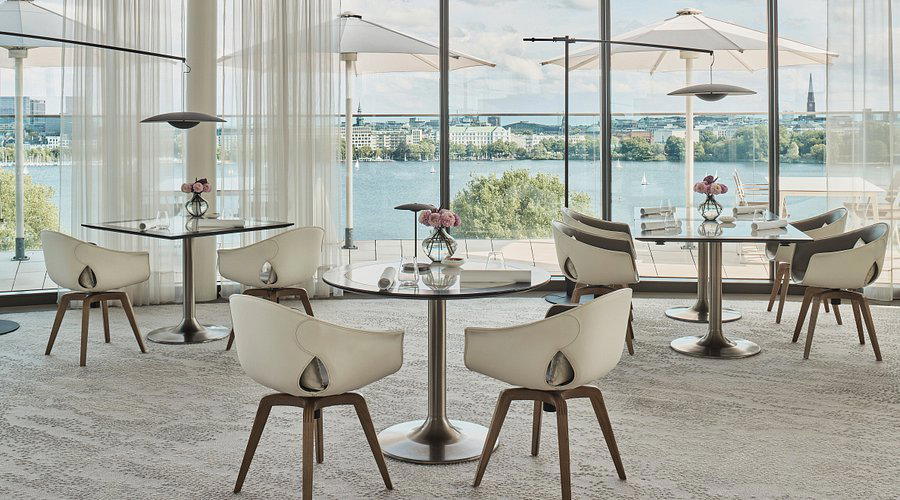
At a Glance
- Casual
- Cozy
- Casual Hangout
Current opening hours
- Monday
- 11:30 AM–9 PM
- Tuesday
- 11:30 AM–9 PM
- Wednesday
- 11:30 AM–9 PM
- Thursday
- 11:30 AM–9 PM
- Friday
- 11:30 AM–9 PM
- Saturday
- 12–9 PM
- Sunday
- 12–9 PM
Hours can change for holidays and private events. Last verified .
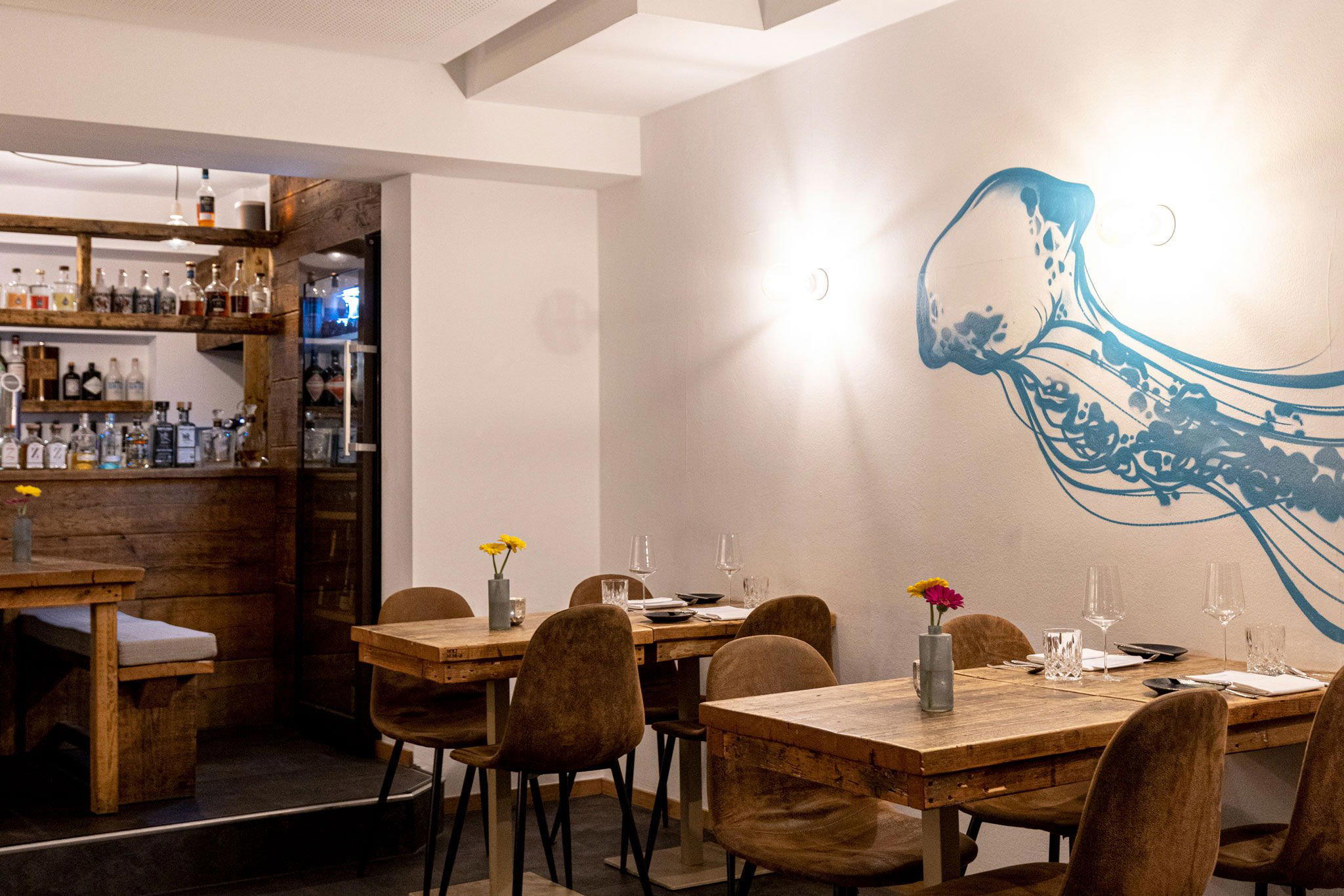
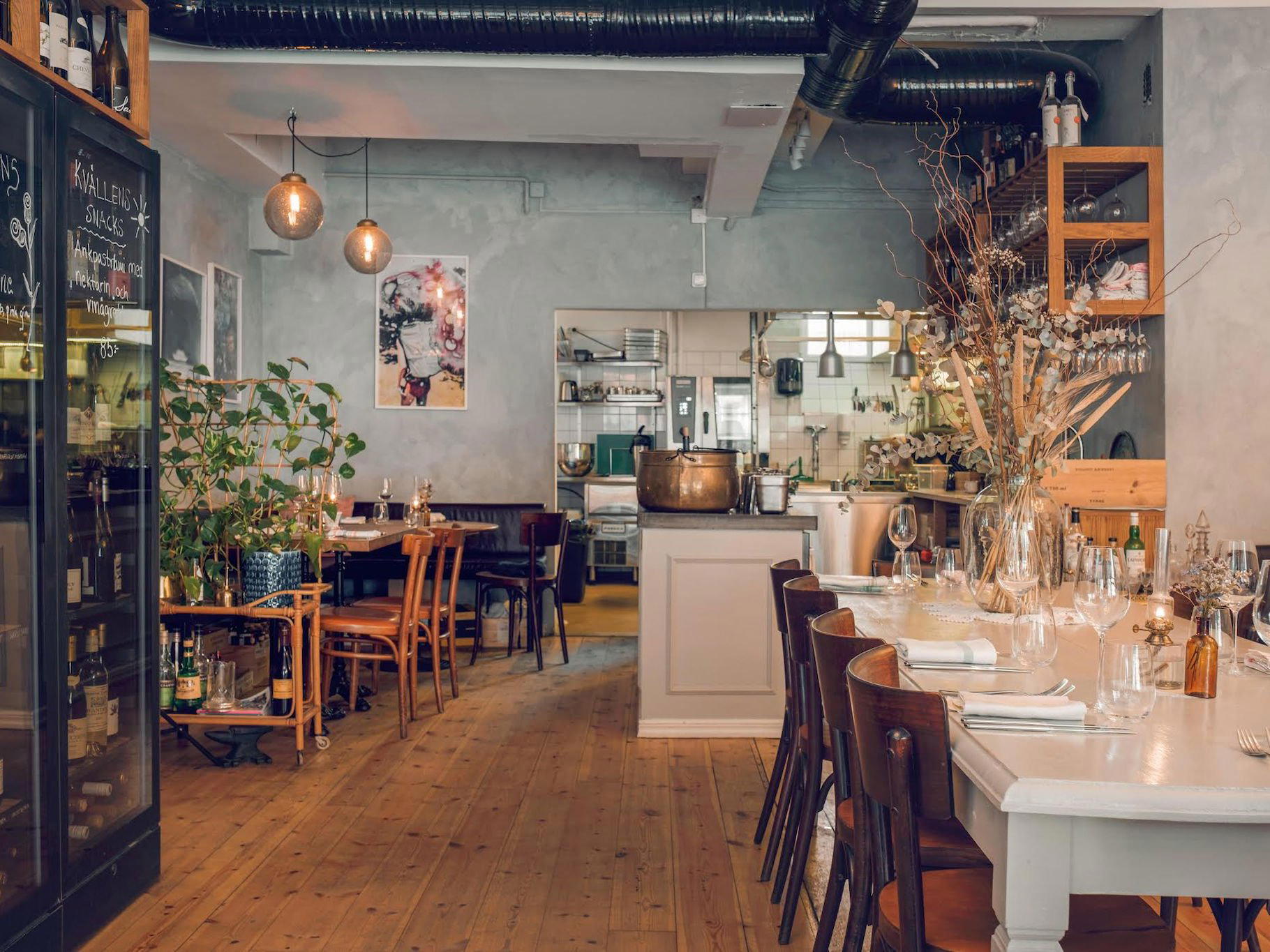
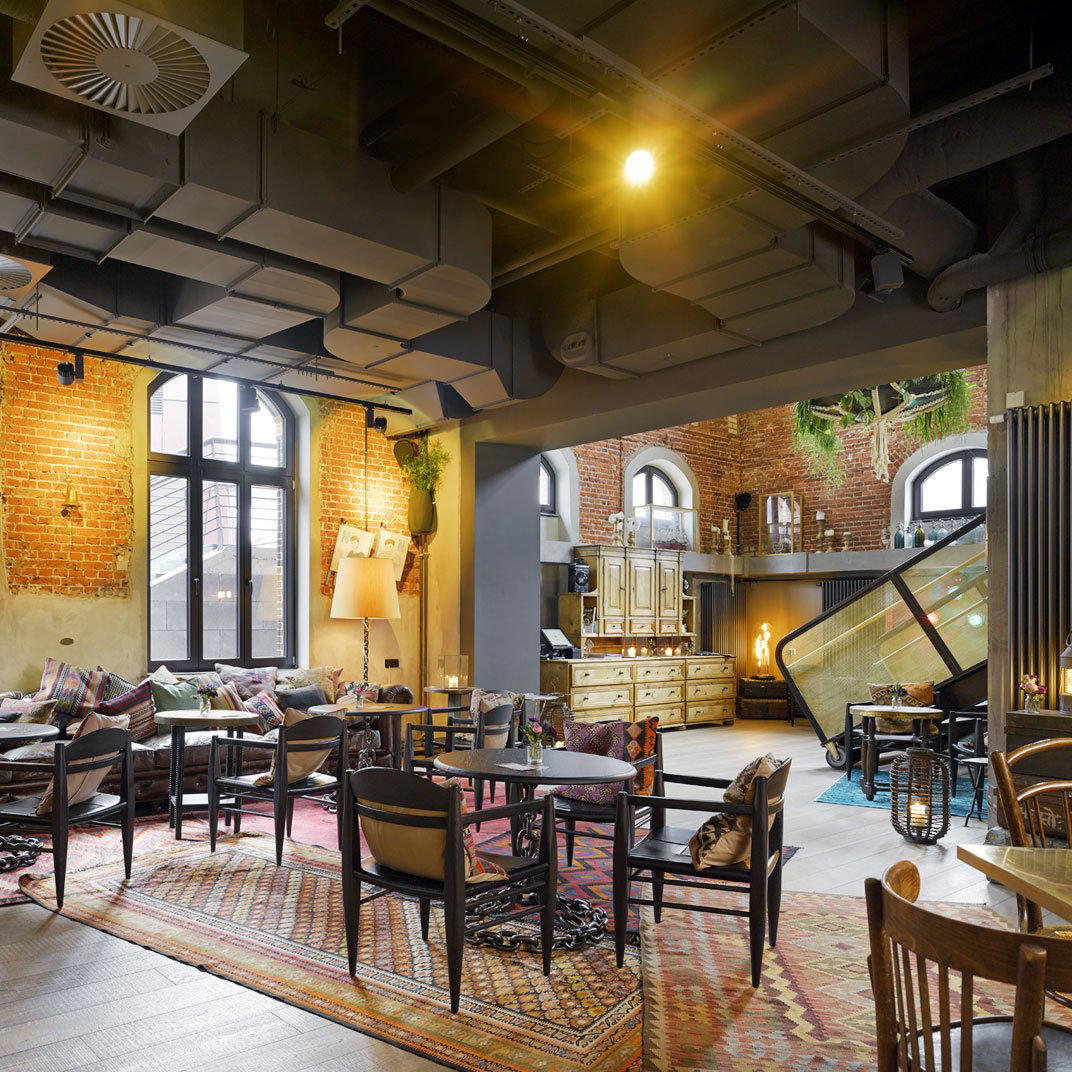
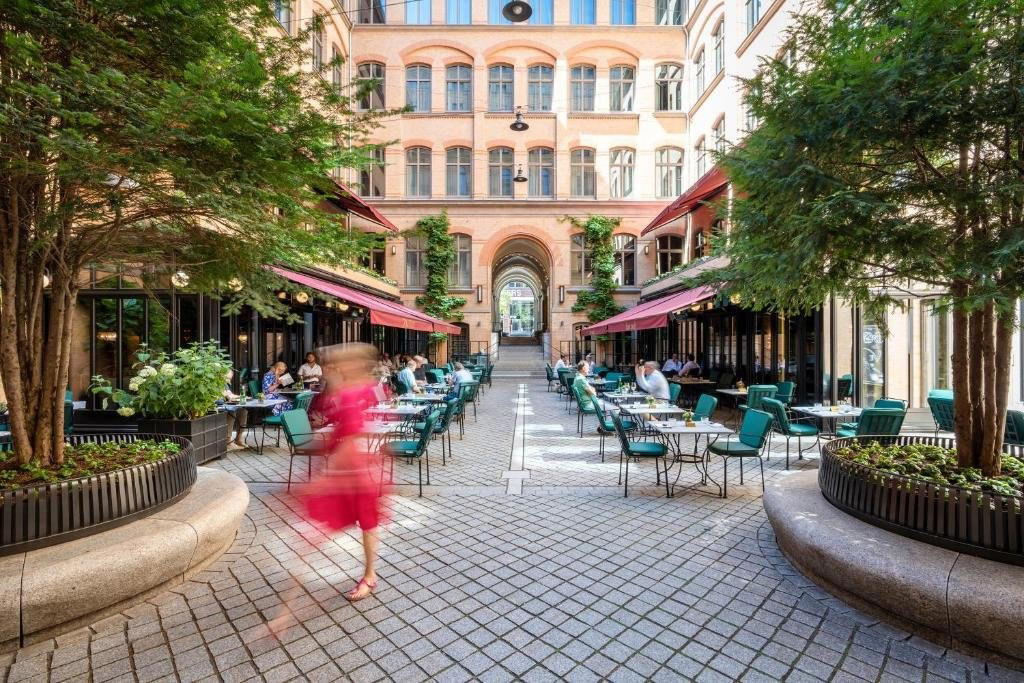
Casual and welcoming atmosphere with friendly service and both indoor and outdoor seating options.