Ethiopic
Ethiopic on H Street NE brings Ethiopian cooking into one of Washington D.C.'s most transformed dining corridors. The kitchen draws on East African tradition, presenting communal platters and spiced stews in a neighborhood that now hosts serious dining at every price point. For a city that skews heavily toward American and European formats, Ethiopic occupies a distinct and underserved category.
Pearl is the En Primeur Club membership app — saves, bookings, and concierge access live there. Same editors, same standards.
- Address
- 401 H St NE, Washington, DC 20002
- Phone
- +12026752066
- Website
- ethiopicrestaurant.com
- Directions
- Get directions
 Saves & bookings on Pearl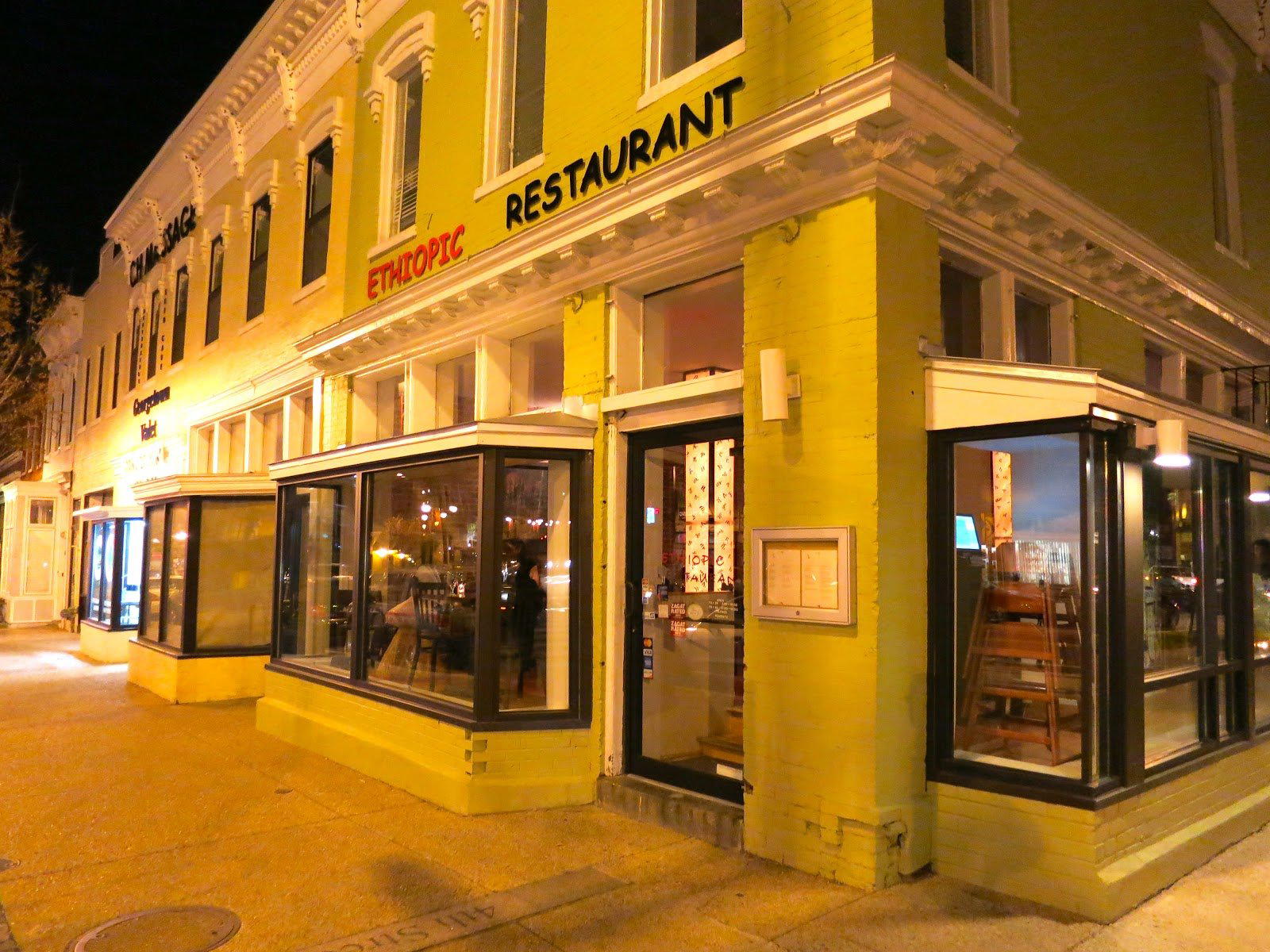
H Street and What It Says About D.C. Dining
Washington, D.C.'s northeast quadrant has undergone a shift over the past fifteen years. H Street NE now hosts a range of dining formats from casual neighborhood spots to destination-level tables. Ethiopic, at 401 H St NE, is an Authentic Ethiopian restaurant in Washington, D.C.
The broader context matters here. D.C. has a meaningful East African immigrant community, and Ethiopian cooking has been present in the city for decades, particularly concentrated in the Adams Morgan and U Street corridors. What H Street NE represents is a second geography for this cuisine, one where it competes on the same block-level terms as New American, Middle Eastern, and contemporary formats that draw destination diners. For comparison, Albi operates in the Michelin-recognized tier of Middle Eastern cooking in D.C. and Causa has brought Peruvian cuisine into the $$$$-tier conversation. Ethiopic does not compete in those price brackets, but it occupies a category where few restaurants with comparable depth of tradition are operating.
The Format: Communal by Design
Ethiopian dining is structurally different from most Western restaurant formats, and that distinction shapes everything about how a meal at Ethiopic unfolds. The communal platter, served on injera, the spongy fermented flatbread made from teff, is not a sharing-plates trend borrowed from contemporary bistro culture. It is the original format, one that predates most of what passes for communal dining in modern American restaurants by centuries.
Injera serves simultaneously as plate, utensil, and starch. The fermentation process gives it a mild sourness that functions as a counterpoint to the spiced stews and slow-cooked proteins arranged on leading. Berbere, the dry spice blend anchoring many of the red stews, and niter kibbeh, the spiced clarified butter used throughout Ethiopian cooking, are the two flavors that recur and define the cuisine's register. Restaurants that handle these elements well produce food that is deeply savory without relying on the European flavor architecture of cream, butter (unspiced), or stock reduction that D.C. diners encounter in most of the city's dining formats.
This is worth stating plainly because it is the primary editorial reason to distinguish Ethiopic from its neighborhood peers. Oyster Oyster represents a particular strand of sustainable New American cooking. Jônt and minibar operate in the tasting-menu tier where technique and progression are the primary subjects. Ethiopic offers something that none of those tables can: a cuisine with its own fully developed internal logic, one that requires no reference to European tradition to be understood or appreciated.
Drink at an Ethiopian Table: A Different Kind of Pairing Problem
Wine curation in Ethiopian cuisine raises a direct category question. Ethiopian food is not the cuisine that wine lists were historically designed around. The fermented sourness of injera, the fat-soluble heat of berbere, and the aromatic density of niter kibbeh create a flavor matrix that challenges conventional pairing logic.
Restaurants that take this seriously, and there are a growing number in cities with established Ethiopian dining communities, tend to approach the problem in one of two ways. The first is to lean into the contrast: bright, high-acid whites, natural wines with oxidative character, or sparkling options that cut through spice fat. The second is to embrace the traditional Ethiopian option of tej, a honey wine with a sweetness and mild fermentation that mirrors the logic of injera itself. A well-considered drink list at an Ethiopian restaurant is not a question of cellar depth in the Burgundy-and-Bordeaux sense that applies to The French Laundry or Le Bernardin. It is a question of whether the program has been thought through on the cuisine's own terms rather than borrowed wholesale from a European framework.
For D.C. diners who have spent time at tables like The Inn at Little Washington, the shift in pairing logic at an Ethiopian table is worth treating as a feature rather than a limitation. The cuisine offers a different kind of complexity, and the drink choices that work leading tend to reflect that difference rather than ignore it.
Where Ethiopic Sits in the Wider American Ethiopian Dining Conversation
Ethiopian cuisine operates in most American cities in a specific tier: present, often beloved by regulars, but rarely accorded the critical attention given to other immigrant cuisines that have broken into the tasting-menu or fine-dining register. In D.C. restaurants like Ethiopic function as anchors for a cuisine category with broad cultural reach.
For context on how different cities handle this gap, consider that Smyth in Chicago and Atomix in New York both represent cuisines, American and Korean respectively, that have crossed into the starred tier in their cities. Ethiopian cuisine has not yet had that crossover moment at the national critical level. Ethiopic operates in the space before that threshold, serving food that carries real tradition in a neighborhood that has demonstrated it can support serious dining across multiple formats and price points.
The comparison set in D.C. for this price register and format includes restaurants like Oyster Oyster at the $$$ tier. Ethiopic's peer logic is different: the cuisine itself is the credential.
Planning a Visit
Know Before You Go
- Address: 401 H St NE, Washington, DC 20002
- Neighborhood: H Street NE corridor, northeast D.C.
- Cuisine: Ethiopian, communal platter format
- Price Range: About $30 per person
- Reservations: Recommended
- Getting There: 401 H St NE, Washington, DC 20002
- Leading for: Communal dining
- Nearby: See our full Washington D.C. restaurants guide for the broader dining picture across the city
Booking and Cost Snapshot
Comparable venues nearby, for context on price, style, and recognition.
| Venue | Cuisine | Price | Notes |
|---|---|---|---|
| EthiopicThis venue — the venue you are viewing | Near Northeast, Authentic Ethiopian | $$ | Not listed |
| Dawa | Not listed | $$ | U Street Corridor, Modern Ghanaian Casual |
| Brisa | Not listed | Not listed | Buzzard Point, Coastal Latin with Tulum-inspired vibes |
| Café Berlin | Stanton Park, Authentic German | $$ | Not listed |
| Gemini | Not listed | $$ | Dupont Circle, Greco‑Roman small plates, pasta & pizza with natural wine |
| Letena | Not listed | $ | Columbia Heights, Health-focused Ethiopian |
Continue exploring
More in Washington DC
Restaurants in Washington DC
Browse all →
Bars in Washington DC
Browse all →
Hotels in Washington DC
Browse all →





At a Glance
- Cozy
- Modern
- Elegant
- Date Night
- Group Dining
- Casual Hangout
- Private Dining
Current opening hours
- Monday
- Closed
- Tuesday
- 5–10 PM
- Wednesday
- 5–10 PM
- Thursday
- 5–10 PM
- Friday
- 12–10 PM
- Saturday
- 12–10 PM
- Sunday
- 12–10 PM
Hours can change for holidays and private events. Last verified .
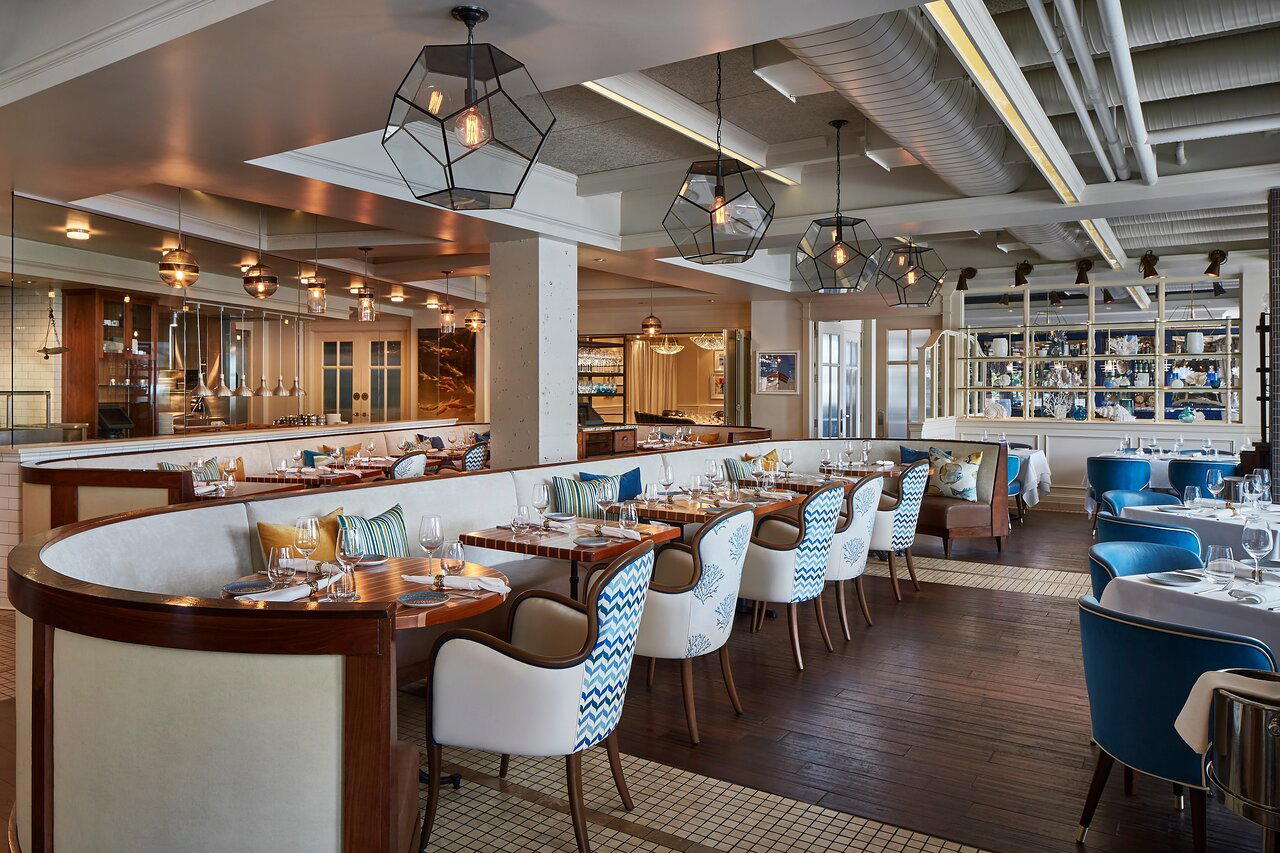
Cozy atmosphere with soft yellow walls, modern Ethiopian art, and elegant Ge'ez script-inspired decor.