Dawa operates as a West African takeout and casual counter inside Elmina in Washington, D.C., bringing a tradition of ingredient-forward West African cooking into the capital's increasingly serious conversation about diaspora cuisine. The format is unpretentious; the sourcing philosophy behind it is not. For D.C. diners tracking where the city's most compelling food is actually coming from, this is a stop worth understanding.

Pearl is the En Primeur Club membership app — saves, bookings, and concierge access live there. Same editors, same standards.
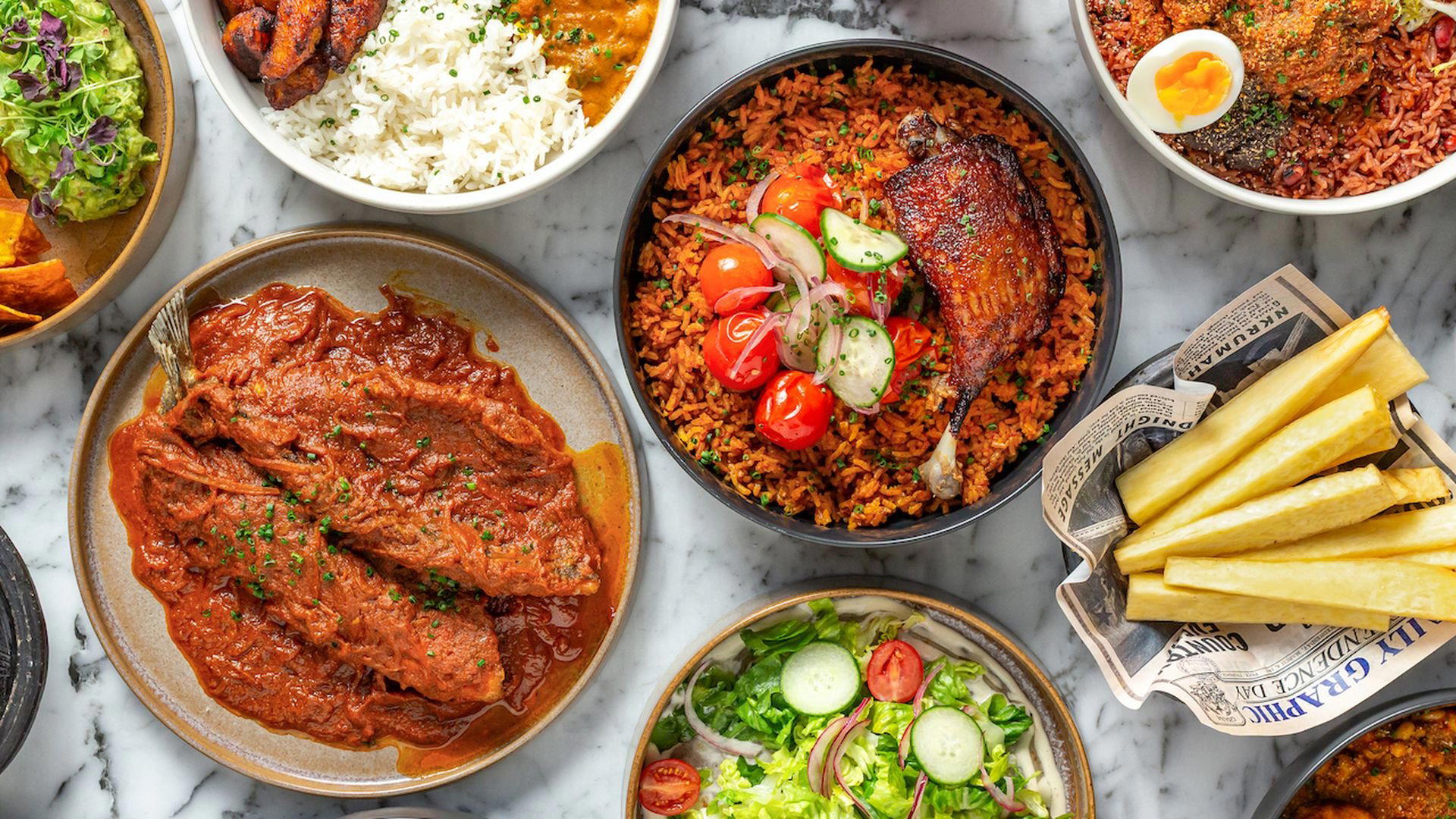
West African Casual in a City Learning to Pay Attention
Dawa is a Modern Ghanaian Casual restaurant in Washington, D.C. priced around $20 per person and operating as a walk-in-friendly counter inside Elmina. Washington, D.C. has spent the better part of a decade expanding its serious dining conversation beyond the white-tablecloth tier. The move has been uneven, the tasting-menu bracket, represented by rooms like Jônt and minibar, has accumulated international recognition while the casual end of the spectrum remains underdocumented by most editorial platforms. That gap is precisely where Dawa sits. Housed inside Elmina, the operation works within a takeout and casual format, a structure that, in other culinary traditions, has long been understood as a vehicle for serious cooking rather than a lesser register of it.
West African food in the United States occupies a complicated position. It carries one of the longest chains of culinary influence in American food history, threading through the Lowcountry rice traditions of South Carolina, the red bean cooking of Louisiana, and the spiced stew traditions that appear, transformed, across the American South. Yet the restaurant category itself has received a fraction of the critical infrastructure extended to, say, contemporary Peruvian, a cuisine that venues like Causa in D.C. have helped bring into the premium conversation. Dawa and Elmina exist at a moment when that imbalance is, slowly, correcting.
The Sourcing Question at the Center of West African Cooking
The editorial angle that frames any serious West African kitchen is ingredient provenance. The cuisine depends on a set of inputs, fermented locust beans (dawadawa), dried crayfish, palm oil at specific grades, scotch bonnet and various regional pepper varieties, crayfish paste, egusi seeds, that are either difficult to source in American markets or are frequently substituted with inferior alternatives. The quality gap between a dish built on properly sourced palm oil versus commodity-grade substitutes is not subtle. It affects color, aroma, the textural behavior of sauces, and the baseline depth of flavor that makes West African stews read as coherent rather than muddy.
This sourcing challenge is structural, not incidental. It explains why much of the West African food available in American cities, including D.C. has historically operated within a narrow bandwidth, reliable, recognizable, but not at the level of execution that the underlying tradition supports. Kitchens that take ingredient sourcing seriously enough to close that gap occupy a different position in the category, in the same way that farm-committed programs like Blue Hill at Stone Barns or Single Thread Farm in Healdsburg operate in a different register from peers who treat sourcing as a marketing point rather than a culinary one. For Dawa, the framing of the operation inside Elmina suggests a kitchen environment oriented toward getting these fundamentals right.
Format as a Statement
The takeout and casual format Dawa operates within is worth examining on its own terms. In several of the world's most respected food cultures, the casual counter or takeout window is where technically precise cooking happens, where the menu is short enough to execute every dish correctly, where there is no theatre to maintain, and where the food carries the full weight of the experience. D.C. diners who have followed the development of vegetable-forward casual programs, including Oyster Oyster, understand that format does not determine ambition.
The practical implication for the diner is that Dawa operates without many of the friction points associated with formal dining, no reservation window to manage weeks in advance, no dress code, no prix-fixe commitment. What it requires instead is a degree of familiarity with what to order and when to go. That knowledge gap is common for diners encountering West African cuisine seriously for the first time, and it represents the primary planning task for a first visit.
Dawa in D.C.'s Broader Diaspora Dining Moment
D.C.'s dining geography has always reflected the city's demographic composition more directly than most American metros. The city has substantial West African, Ethiopian, Eritrean, and Central African communities, and the restaurants that serve those communities have historically operated on circuits largely invisible to mainstream food media. The recent expansion of critical attention to venues like Albi, which brought Middle Eastern cooking into the premium bracket, suggests that D.C. critics and diners are increasingly prepared to engage with non-European culinary traditions on their own terms rather than on the terms of European-trained fine dining.
Dawa fits inside this broader shift. It is not positioned as a formal restaurant in the manner of D.C.'s tasting-menu tier, which draws comparison to destinations like The Inn at Little Washington or nationally recognized programs at Alinea in Chicago, Le Bernardin in New York City, or Providence in Los Angeles. Its comparable set is the growing cohort of diaspora-led casual operations across American cities that are doing technically serious work within accessible formats, a cohort that has so far received limited but increasing editorial recognition.
Planning Your Visit
Because Dawa operates within a takeout and casual structure inside Elmina, the planning calculus differs from D.C.'s reservation-heavy dining rooms. Walk-in access is the more likely format here. First-time visitors with no prior familiarity with West African cooking will benefit from arriving with some orientation on the key dishes and preparation styles the cuisine centers on, this is a kitchen where the food rewards a diner who knows what they are eating, not just that they are eating it.
Reputation Context
Comparable venues nearby, for context on price, style, and recognition.
| Venue | Cuisine | Price | Notes |
|---|---|---|---|
| DawaThis venue — the venue you are viewing | Modern Ghanaian Casual | $$ | Not listed |
| Ethiopic | Authentic Ethiopian | $$ | Near Northeast |
| Eatopia Eatery | Modern Ethiopian Fine Dining | $$$ | Cardozo |
| Momo | Korean Fried Chicken & Asian Fusion | $$ | Southwest Waterfront |
| Mission Dupont | Tex-Mex | $$ | Dupont Circle |
| Talkin' Tacos Washington DC | Authentic Mexican Taqueria | $$ | Dupont Circle |
Continue exploring
More in Washington DC
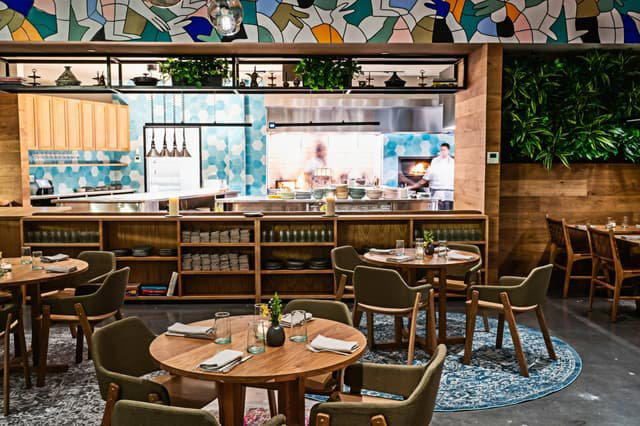
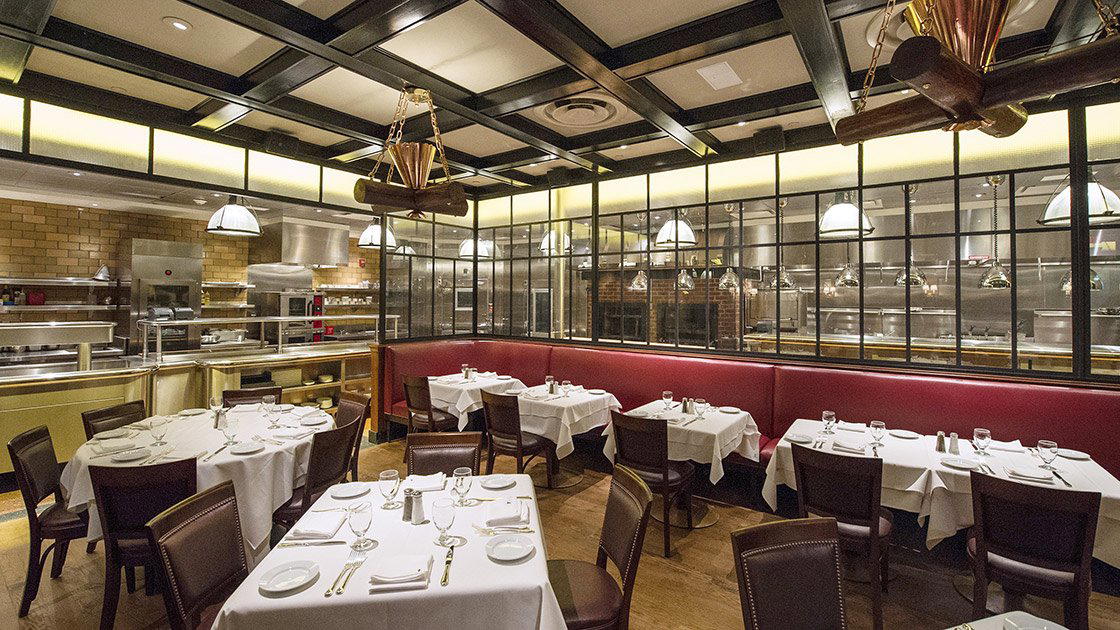
Restaurants in Washington DC
Browse all →
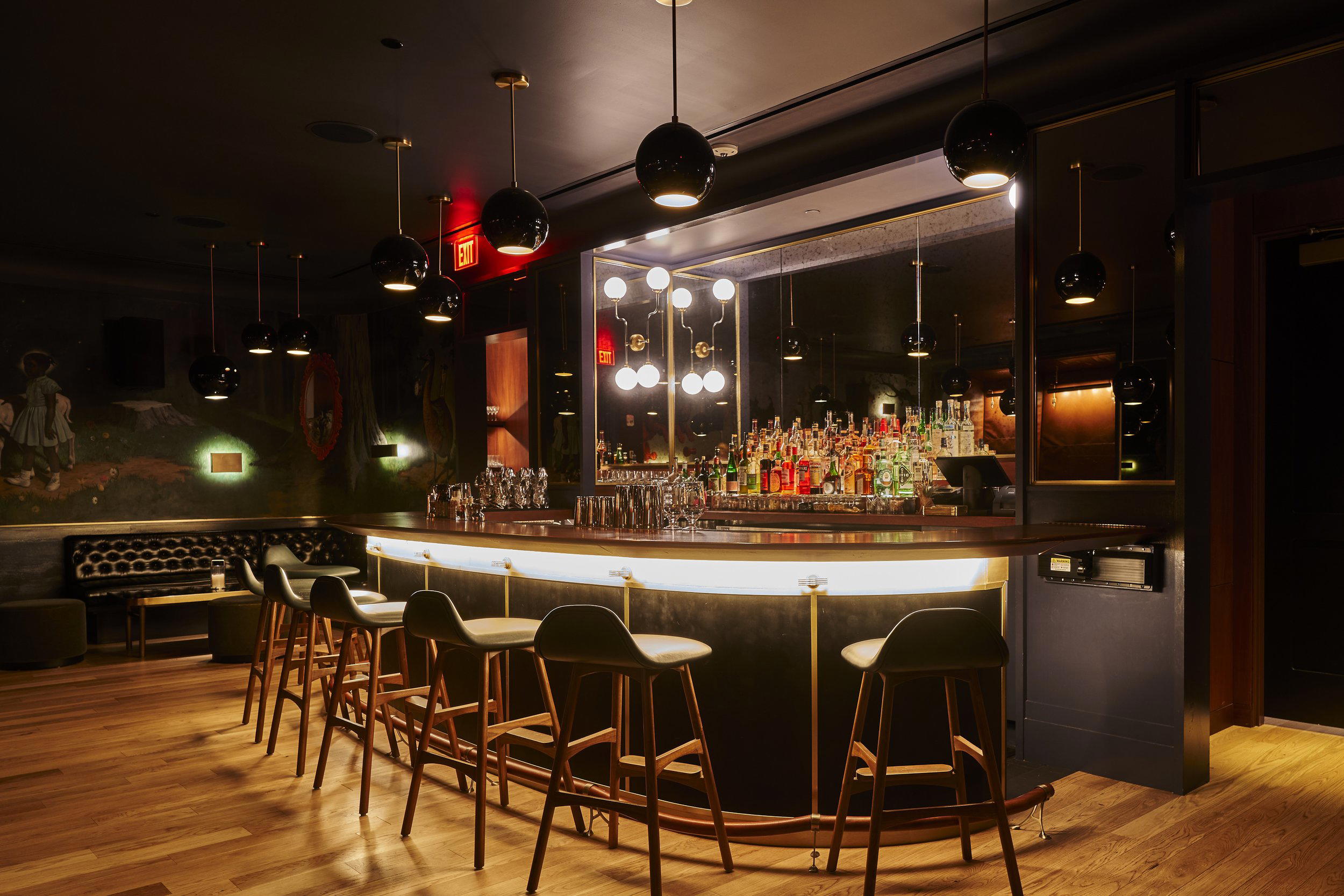
Bars in Washington DC
Browse all →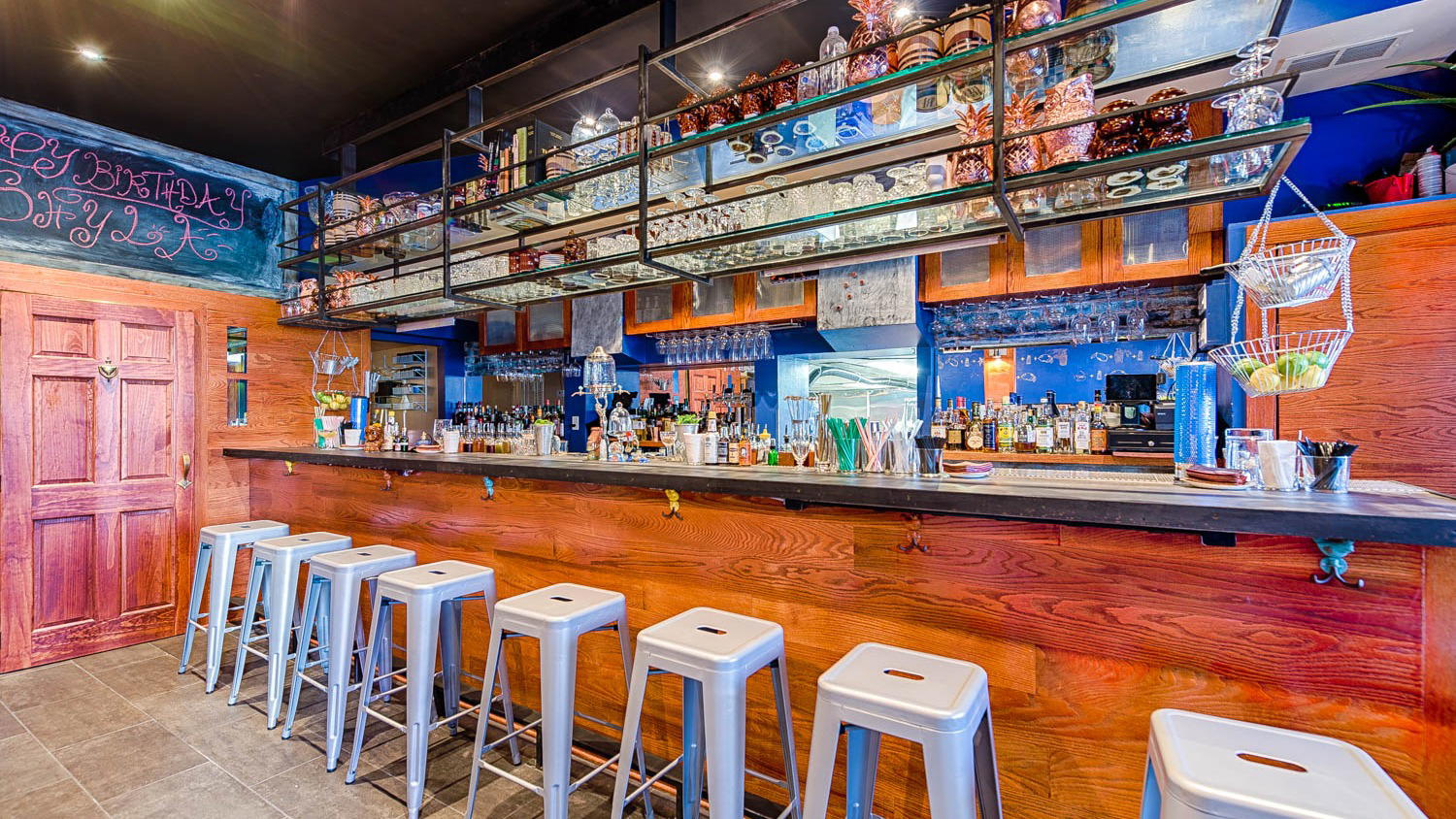


At a Glance
- Modern
- Trendy
- Casual
- Casual Hangout
- After Work
- Solo
- Open Kitchen
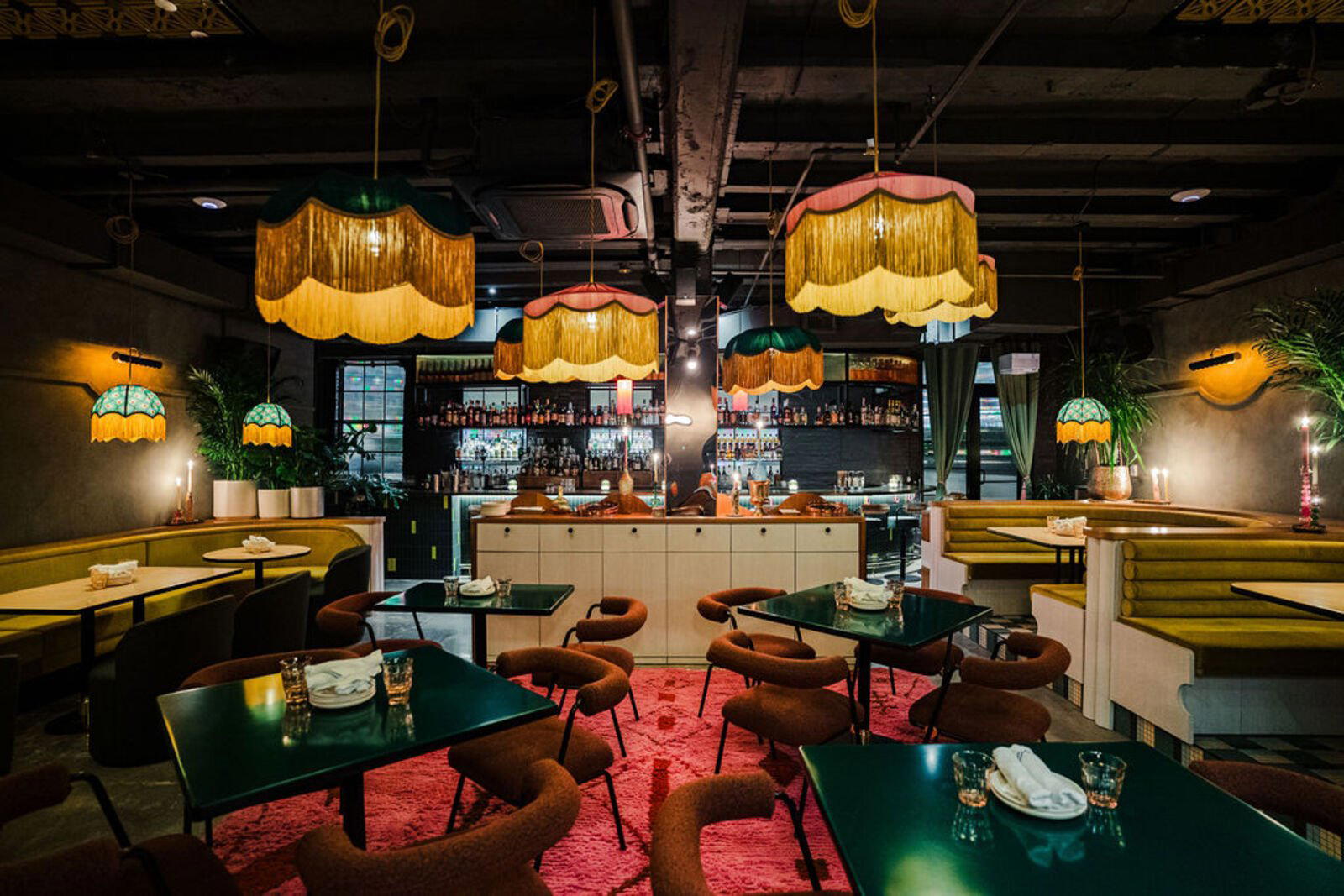
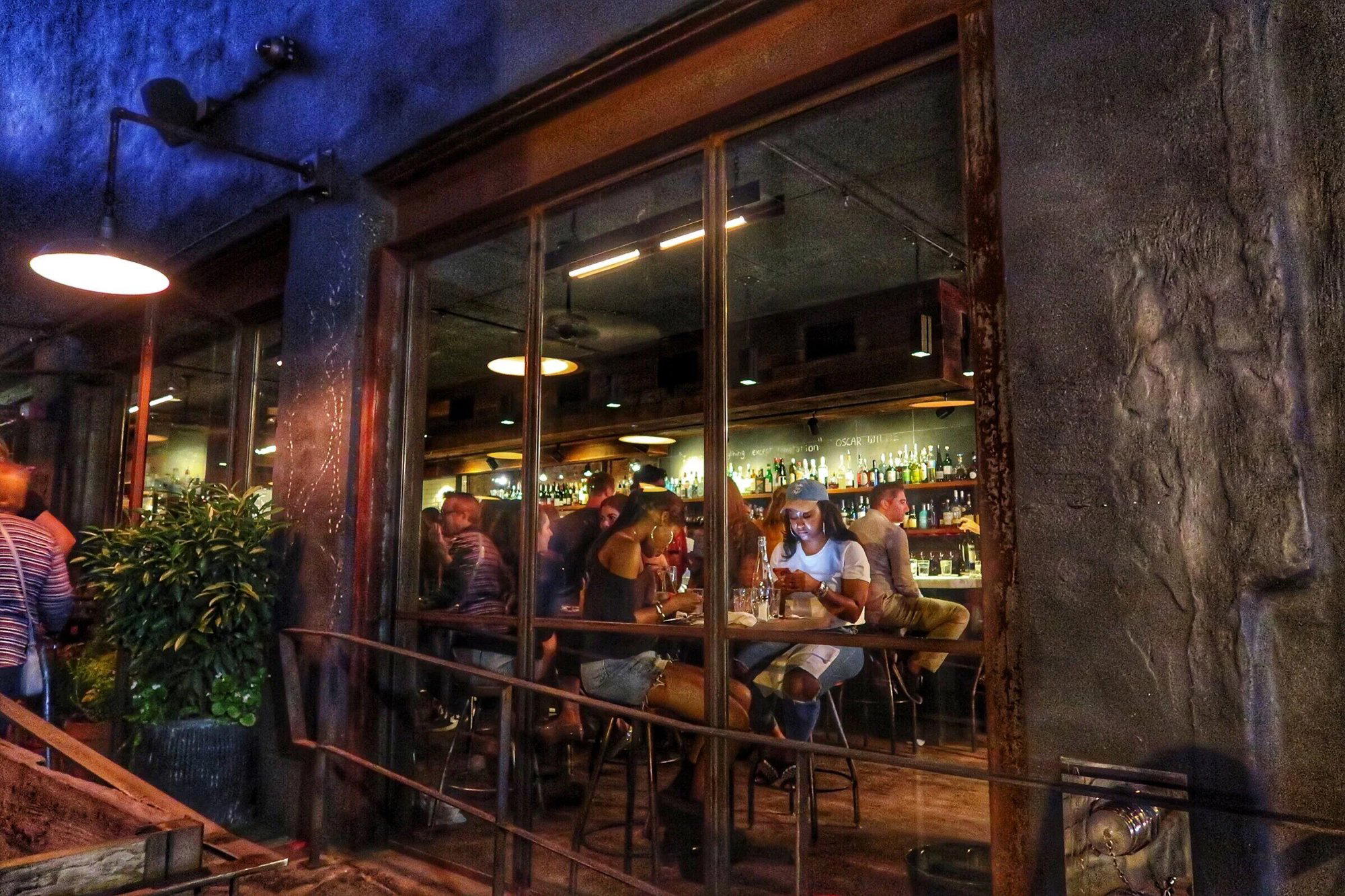
Laid-back, everyday dining atmosphere with lively West African flavors; casual takeout and delivery focused.