Brisa
Brisa serves Coastal Latin with Tulum-inspired vibes at 2121 1st St SW, pairing craft cocktails and beer with a waterfront terrace and leisurely pacing.
Pearl is the En Primeur Club membership app — saves, bookings, and concierge access live there. Same editors, same standards.
- Address
- 2121 1st St SW, Washington, DC 20024
- Website
- instagram.com
- Directions
- Get directions
 Saves & bookings on Pearl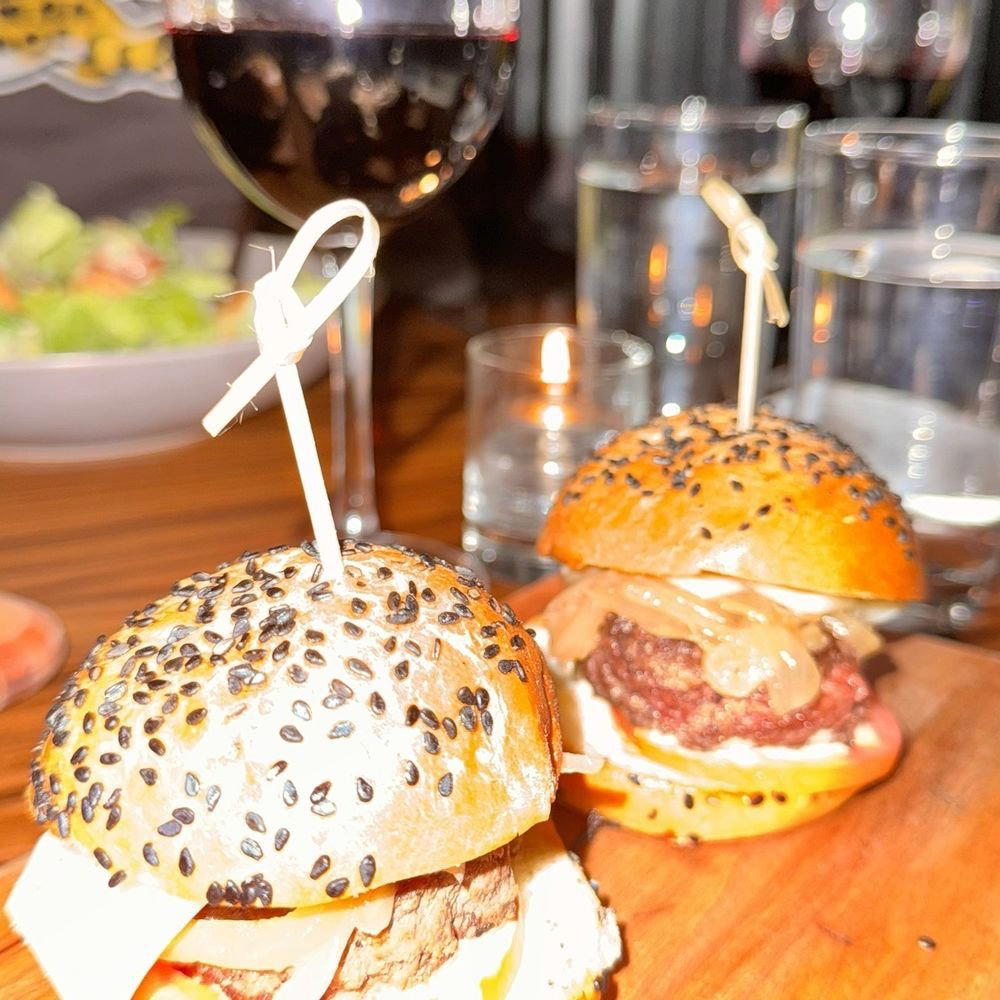
Washington, D.C. dining rooms often announce themselves before the first plate arrives: the conversation is clipped, the tables carry political gravity, and the city’s international appetite is shaped as much by embassies as by neighborhoods. Against that backdrop, Coastal Latin American cooking gives a restaurant a different kind of charge. It can move between citrus, smoke, masa, seafood, chile, herbs, and slow-built sauces without behaving like a single national cuisine. Our full Washington, D.C. restaurants guide is the broader map; Brisa belongs to the part of it where Latin American technique is treated as a contemporary city language rather than a theme.
Coastal Latin cooking through the logic of mole
The phrase Coastal Latin American can sound breezy until mole enters the conversation. Mole is not one sauce but a family of methods: chiles handled for bitterness and fruit, nuts or seeds used for body, spices added with restraint, aromatics cooked until their sharp edges soften, and sometimes chocolate used for depth rather than sweetness. Oaxaca, Puebla, Guerrero, and other regions all carry different mole lineages, and coastal cooking changes the frame again. Sauces that might read dense inland can become sharper beside fish, shellfish, vegetables, or grilled preparations.
That is the useful way to read Brisa: not as a generic Latin restaurant, but as part of a broader American shift toward regional specificity inside a category that used to be flattened by menus built around tacos, ceviche, and margaritas alone. In Washington, D.C. that matters. The city has enough international dining to make vague pan-Latin cooking feel dated. A kitchen using the Coastal Latin American label has to earn the breadth by showing control: acidity cannot become noise, chile cannot become a stunt, and mole-influenced depth has to support the plate rather than dominate it.
Mole also gives diners a better critical tool. Instead of asking whether a dish is “spicy,” the sharper question is whether the sauce has architecture. Is there bitterness, sweetness, smoke, and acidity in sequence? Does the cooking let seafood or vegetables keep their identity? Does the plate suggest a region, a coastline, or a technique rather than a decorative idea of Latin America?
Why this category fits Washington, D.C. now
D.C. is unusually well suited to restaurants that translate between regions. The city’s diners are accustomed to diplomatic dining, expense-account tasting menus, fast-casual political lunch culture, and neighborhood rooms that carry serious cooking without much ceremony. Coastal Latin American food can sit across those categories. It has enough brightness for a weekday dinner, enough technique for a longer meal, and enough regional depth to reward diners who care about provenance and preparation.
The useful comparison is not to a specific peer, but to the city’s range. Georgetown formality, 14th Street energy, H Street experimentation, and quieter residential dining all pull the market in different directions. For readers building a wider itinerary, nearby editorial context can start with 1789 (American), 1608 14th St NW, 1339 H St NE, 1226 36th St NW, and 2 Amys (Pizzeria), each pointing to a different version of how the capital eats.
Brisa’s value lies in occupying a lane that asks for precision without requiring the heavy signals of formal fine dining. That is where mole tradition becomes more than culinary history. It provides a seriousness test. A restaurant working near that tradition must understand time, heat, texture, and balance. The sauce work is slow even when the dining room is casual; the coastal element keeps the meal from becoming heavy. In a city where many restaurants lead with status, this category leads with calibration.
How to fold Brisa into a D.C. trip
Treat Brisa as a dinner anchor rather than a last-minute filler if Coastal Latin American cooking is the point of the night. Washington’s restaurant calendar tightens around congressional sessions, convention weeks, graduation periods, and spring travel, so planning ahead is sensible even without a published awards trail or chef-led public narrative. The better strategy is to pair the meal with a neighborhood-led day rather than a checklist of monuments, then leave room for a bar or hotel lounge afterward.
For that wider city plan, EP Club’s Washington coverage separates the categories cleanly: Our full Washington, D.C. hotels guide, Our full Washington, D.C. bars guide, Our full Washington, D.C. wineries guide, and Our full Washington, D.C. experiences guide help keep the meal in proportion to the trip. Readers tracking Latin, Pacific, and cross-cultural cooking across the country may also find useful context in ¿Por Qué No? in Portland, ¡Salud! in Los Angeles, Jōdo Saké Bar in Los Angeles, Onigiri Time in Pasadena, 'Ai Love Nalo in Waimanalo Beach, 'āina in San Francisco, 'Ama 'Ama in Kapolei, and -Grilled beef Sukiyaki- KAMAKURA TANUKIAN 鎌倉 たぬき庵 in Kamakura. None of those are substitutes for a D.C. reservation; they simply show how regional cooking gains force when a restaurant commits to technique rather than broad category labels.
Reputation & Price
Comparable venues nearby, for context on price, style, and recognition.
| Venue | Cuisine | Price | Notes |
|---|---|---|---|
| BrisaThis venue — the venue you are viewing | Not listed | Not listed | Not listed |
| Purple Patch | Mount Pleasant, Filipino American | $$ | Not listed |
| Realm | Not listed | $$$ | Shaw, Seychelles-Inspired Fusion Rooftop Lounge |
| Duke's Grocery | Not listed | $$ | Dupont Circle, East London-Inspired Gastropub |
| Singing Tiger | Not listed | $$ | Brentwood Railyard, Modern Pan-Asian with Karaoke |
| All-Purpose & AP Pizza Shop | Not listed | $$ | Shaw, Italian-American pizzeria and AP Pizza Shop counter |
Continue exploring
More in Washington DC
Restaurants in Washington DC
Browse all →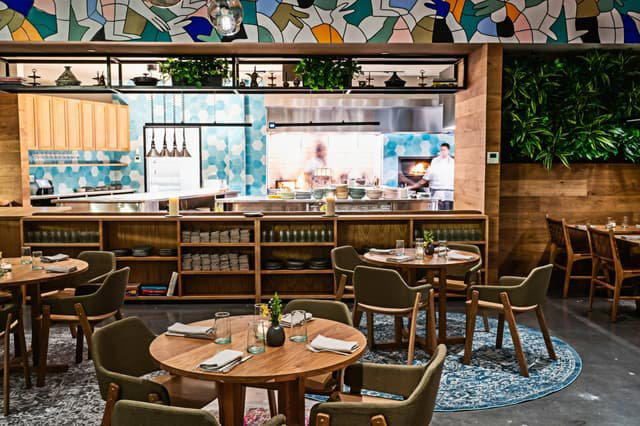
Bars in Washington DC
Browse all →
Hotels in Washington DC
Browse all →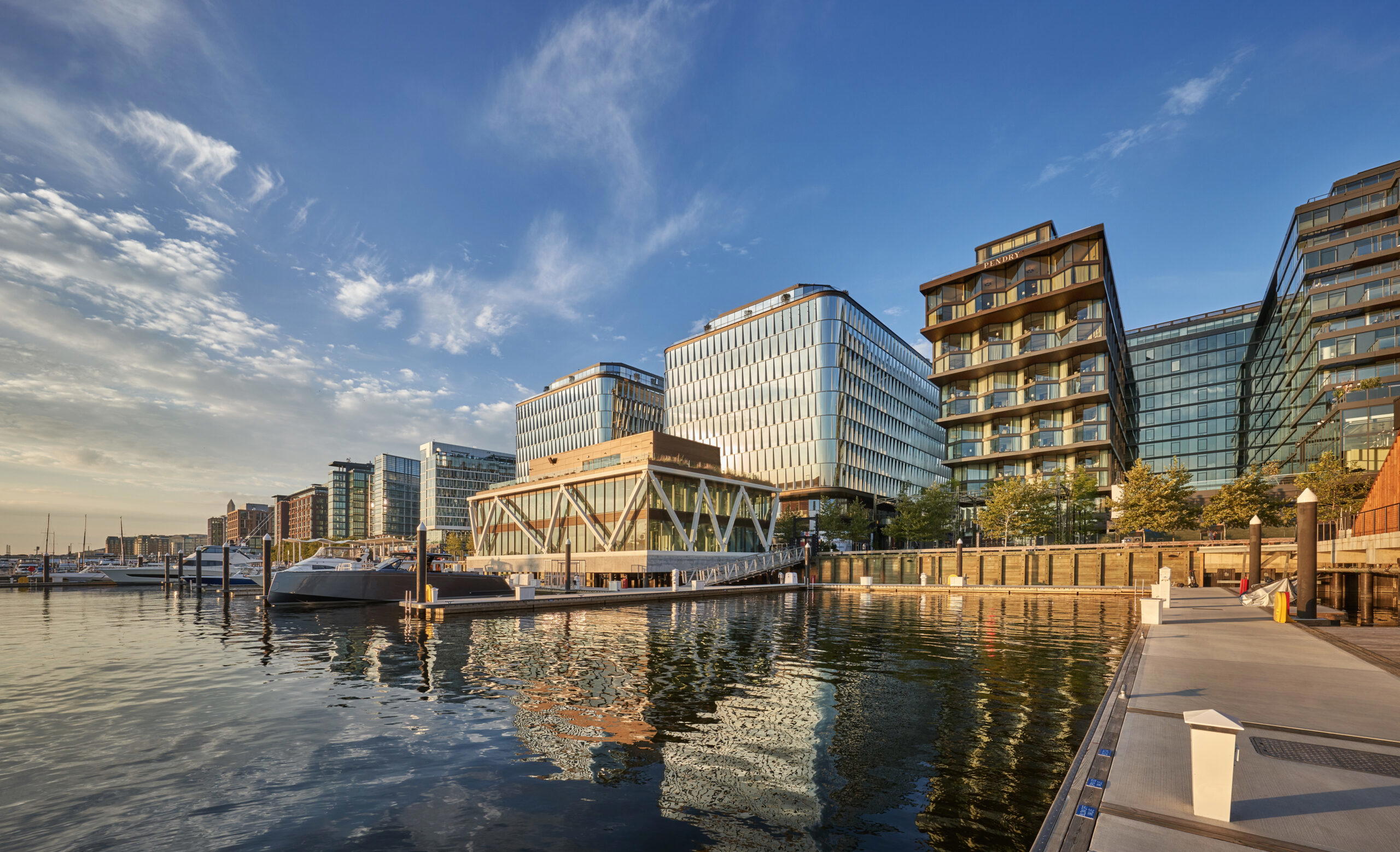
At a Glance
- Trendy
- Lively
- Romantic
- Energetic
- Date Night
- Group Dining
- Celebration
- Casual Hangout
- After Work
- Brunch
- Waterfront
- Terrace
- Standalone
- Craft Cocktails
- Beer Program
- Waterfront
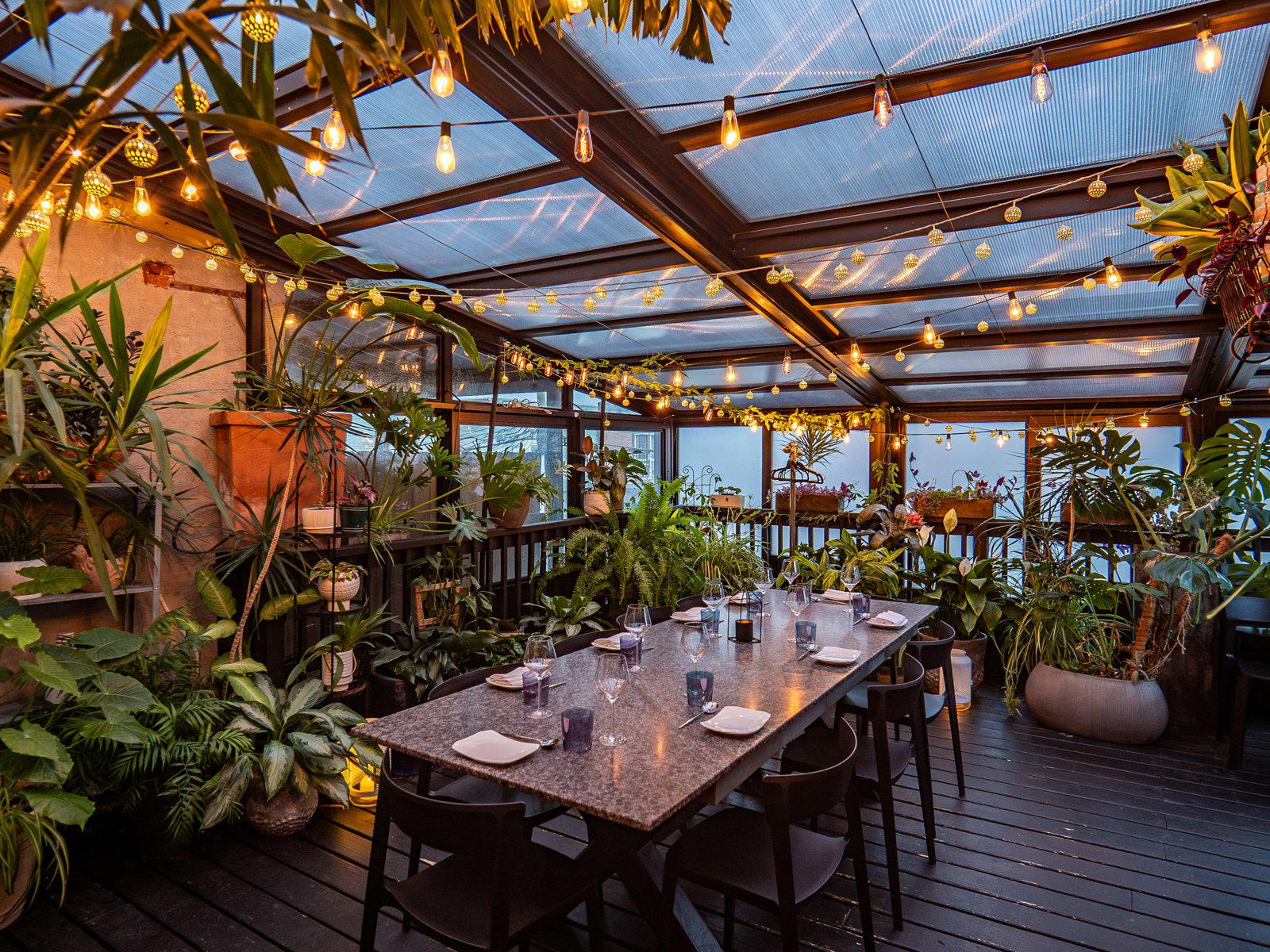
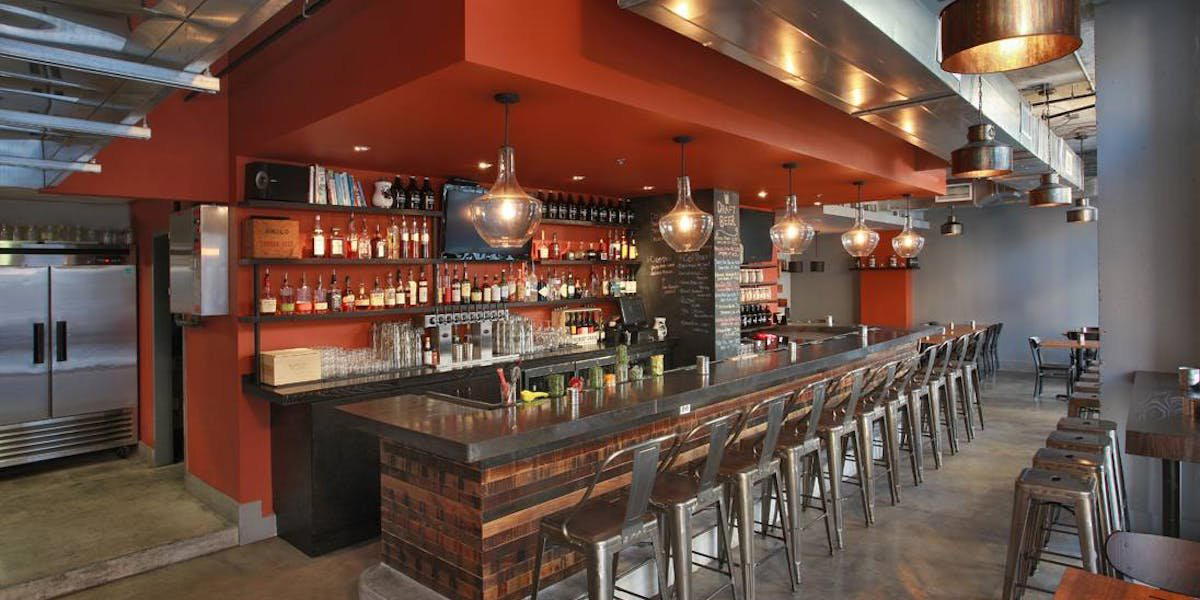
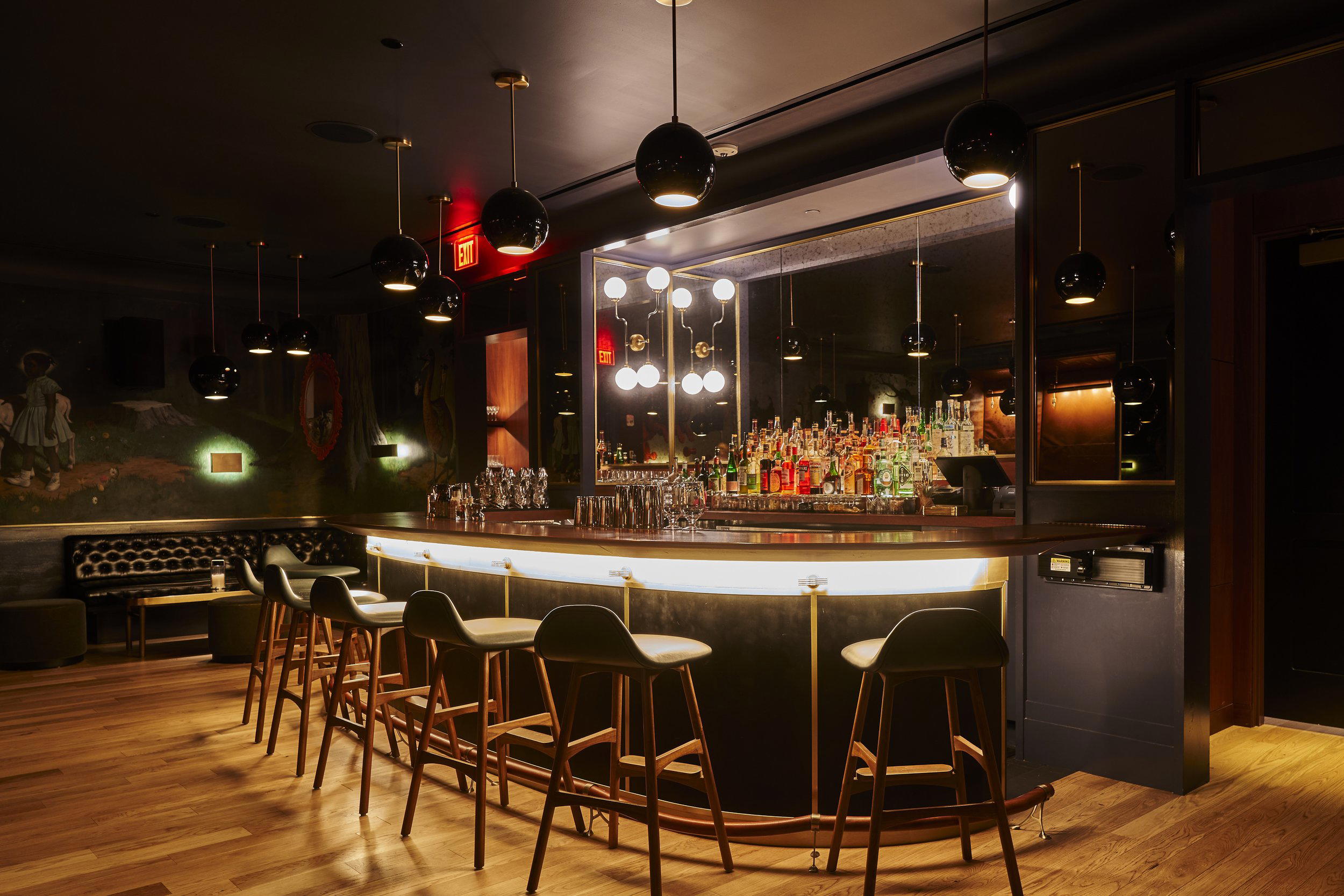
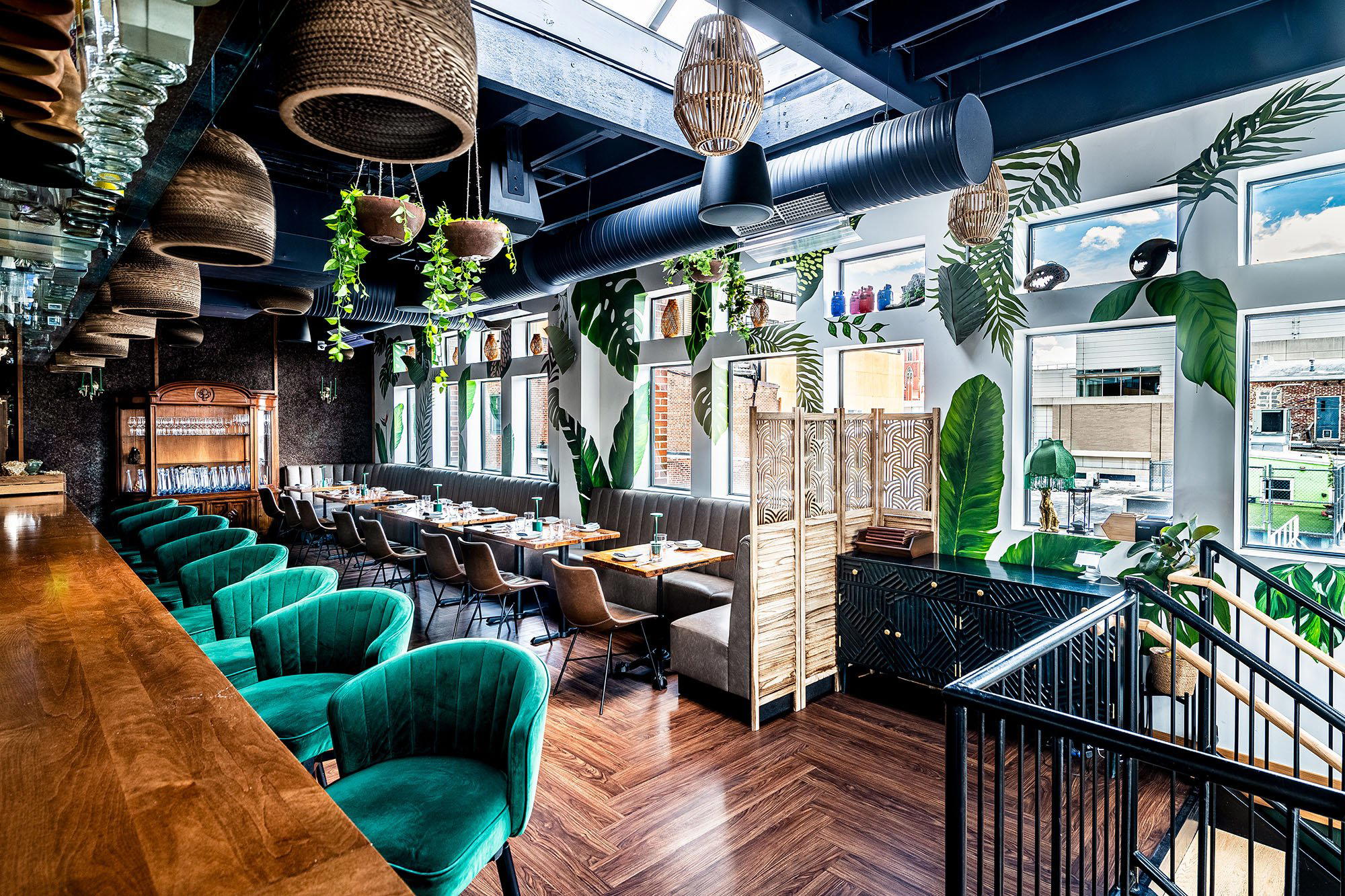
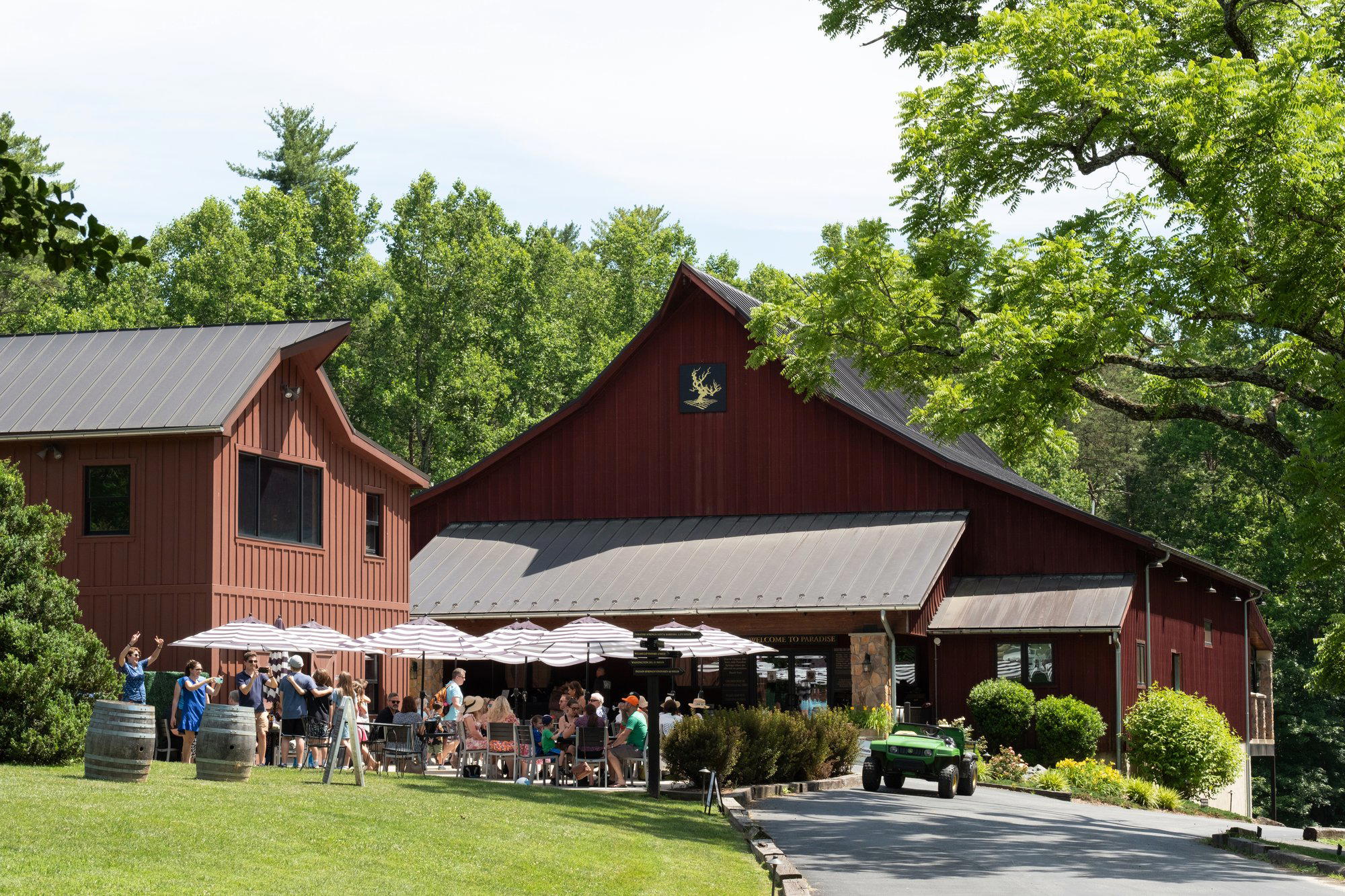
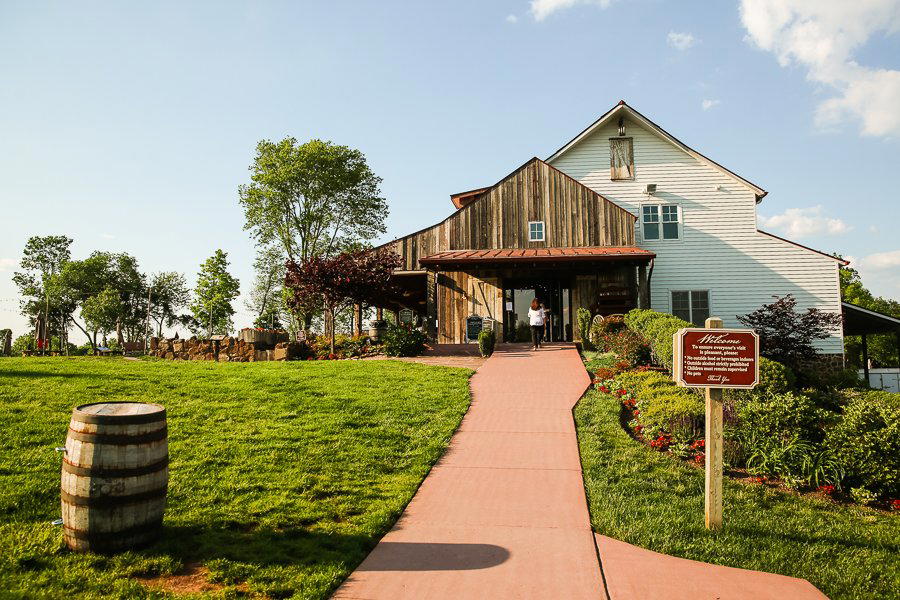
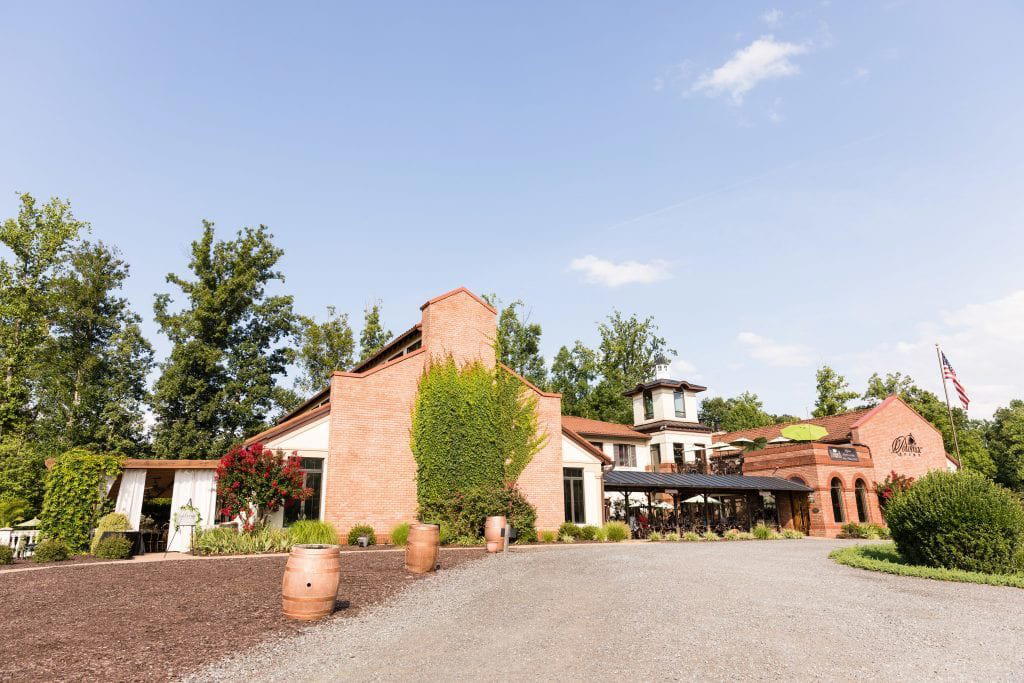
Tulum-inspired coastal resort atmosphere with waterfront views, lush outdoor spaces, and lively energy suited to social dinners and nights out.