Gemini

Washingtonian 100 Very Best Restaurants #7
Our verdict
Gemini is a Washington, D.C. restaurant on 17th Street NW with a fresh 2026 signal from Washingtonian, ranked No. 7 on its 100 Very Best Restaurants list. The draw is less about a declared genre than about how D.C. now rewards neighborhood restaurants that can carry serious editorial attention without adopting a formal fine-dining script.

Pearl is the En Primeur Club membership app, where members save venues, book tables and use the concierge.
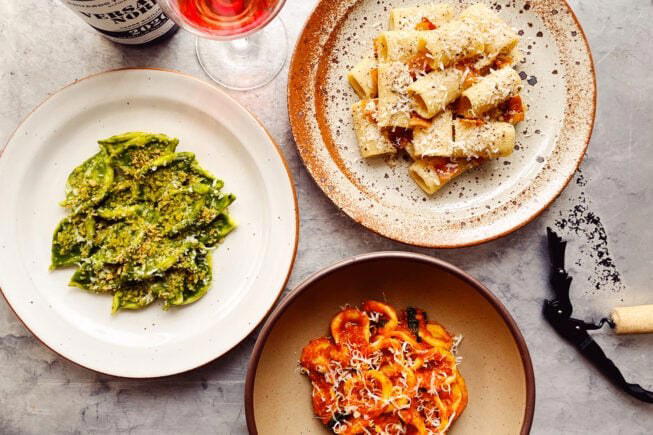
The menu
What to order
- Greco‑Roman snacks
- Handmade pasta
- Naturally‑leavened pizza
- Happy Ice Cream
Seventeenth Street NW has the useful density of a D.C. dining corridor: residential enough to feel lived-in, central enough to pull a cross-city crowd, and compact enough that a restaurant has to make its case quickly. Gemini enters that setting without the easy shorthand of a publicly listed cuisine label or chef-led mythology, which makes the stronger signal more revealing: Washingtonian placed it at No. 7 on its 100 Leading Restaurants 2026 list. In a city where awards attention often gathers around tasting menus, political dining rooms, and chef-driven openings, that ranking puts a neighborhood address into a sharper editorial frame.
D.C. restaurant culture has moved beyond the old split between expense-account dining downtown and casual rooms in the residential northwest. The current map is more granular. Serious cooking appears in compact neighborhood rooms, global traditions shape mid-priced and special-occasion meals, and local lists have become a practical filter for readers trying to separate momentum from noise. For the wider city picture, Our full Washington, D.C. restaurants guide tracks that spread across formats, while nearby category guides for Washington, D.C. hotels, Washington, D.C. bars, Washington, D.C. wineries, and Washington, D.C. experiences show how the city’s hospitality scene has widened around restaurants rather than sitting apart from them.
Getting to Gemini
The useful way to read this part of 17th Street is as a local dining spine rather than a destination district built for spectacle. It suits restaurants that depend on repeat neighborhood use, weeknight credibility, and enough polish to justify a planned evening. That is a different pressure from Penn Quarter formality or waterfront scale. The room has to work at human speed: pre-theater urgency is less central, and the meal needs enough identity to draw diners who could choose flashier corners of the city.
That context matters because Washington’s restaurant audience is unusually mixed. Policy workers, embassy circles, residents, visiting families, and list-following diners all overlap in the same reservations economy. A restaurant on this corridor cannot live only on novelty. The better test is whether recognition translates into a durable place in the city’s weekly rotation. Gemini’s 2026 Washingtonian ranking suggests that local editorial attention has moved past simple opening buzz and into the tougher category of sustained relevance.
Gemini awards and recognition
Washingtonian’s 100 Leading Restaurants list is a local trust signal with unusual practical weight in D.C. The 2026 placement at No. 7 puts Gemini in a small upper band of the city’s restaurant conversation, particularly because the list is ranked rather than merely alphabetical. That does not supply a menu category, price bracket, or chef biography on its own. It does, however, tell readers that the restaurant is being judged against the city’s more serious dining rooms rather than treated as a casual neighborhood mention.
The distinction is useful for travelers. National awards often flatten Washington into a few destination names, while local rankings catch the rooms that shape how the city actually eats between major openings. Readers comparing the capital with other American dining centers can see that difference in EP Club coverage of Benu in San Francisco, Le Bernardin in New York City, Emeril’s in New Orleans, Alinea in Chicago, Single Thread Farm in Healdsburg, The French Laundry in Napa, Atomix in New York City, and Lazy Bear in San Francisco, where the frame is often national reputation, tasting-menu structure, or long-running institutional power. D.C.’s current interest is different: the city rewards restaurants that can feel local while carrying serious critical notice.
Inside Washington, the same broader shift can be read across rooms working from distinct cultural references and formats. Albi has helped make Middle Eastern cooking central to the city’s modern conversation; Causa shows how Peruvian traditions can support a high-definition dining format; Oyster Oyster places vegetables and sustainability at the center rather than the margin; The Dabney ties regional Mid-Atlantic cooking to a contemporary restaurant grammar; and Jônt occupies the city’s more controlled modern fine-dining lane. Gemini belongs in that conversation through recognition rather than a declared category, which makes it a useful marker of how broad Washington’s serious dining field has become.
Frequently asked questions
Does Gemini work for a family meal?
Yes, if the family meal is meant to feel like a proper restaurant outing in Washington, D.C. Gemini’s No. 7 placement on Washingtonian’s 100 Very Best Restaurants 2026 list points to a room aimed at serious diners rather than casual convenience.
What's the overall feel of Gemini?
Gemini reads as a 17th Street NW dining room in Washington, D.C. with the kind of address that fits local regulars and planned meals. Its Washingtonian No. 7 ranking in 2026 signals a polished, high-attention restaurant rather than a drop-in spot.
Does Gemini have a Michelin star or similar recognition?
Gemini has received recognition including:
Where exactly is Gemini?
Gemini is located at 1509 17th St NW, Washington, D.C.
Should I book Gemini in advance?
Advance booking is sensible. A No. 7 ranking on Washingtonian’s 100 Very Best Restaurants 2026 list usually means demand outpaces casual walk-in planning, especially for prime dinner times at 1509 17th St NW.
What has Gemini built its reputation on?
Gemini has built its reputation on local critical recognition, especially its No. 7 finish on Washingtonian’s 100 Very Best Restaurants 2026 list. That placement matters in Washington, D.C. where city rankings often carry more weight than broader national hype.
Comparable Venues Nearby
Comparable venues nearby, for context on price, style, and recognition.
| Venue | Cuisine | Price | Awards | Notes |
|---|---|---|---|---|
| GeminiThis venue (the venue you are viewing) | Greco‑Roman small plates, pasta & pizza with natural wine | $50–100 | Washingtonian 100 Very Best Restaurants #7 | Not listed |
| Etto | Neapolitan Pizza & Italian Antipasti | $30–50 | Not listed | Logan Circle |
| The Park at 14th | Contemporary American with Caribbean Flavors | Not listed | Not listed | East End |
| Zenebech Restaurant | Authentic Ethiopian | Not listed | Not listed | Washington Heights |
| The Royal | Latin American | Not listed | Not listed | Ledroit Park |
| Singing Tiger | Modern Pan-Asian with Karaoke | $30–50 | Not listed | Brentwood Railyard |
Recognition history
Dated appearances from independent guides and award organizations, with the underlying list record or original source where available.
Washingtonian 100 Very Best Restaurants #7
Washingtonian
Continue exploring
More in Washington DC
Restaurants in Washington DC
All restaurants in Washington DC →
Bars in Washington DC
All bars in Washington DC →




Details
- Cozy
- Lively
- Trendy
- Date Night
- Casual Hangout
- After Work
- Group Dining
- Late Night
- Solo
- Standalone
- Design Destination
- Natural Wine
- Extensive Wine List
- Natural Wine
- A La Carte
- Counter Dining
- Small Plates
- Natural Wine
- Beer
- Non Alcoholic Options
Current opening hours
- Monday
- Closed
- Tuesday
- Closed
- Wednesday
- Closed
- Thursday
- Closed
- Friday
- Closed
- Saturday
- Closed
- Sunday
- Closed
Hours can change for holidays and private events. Hours as of .
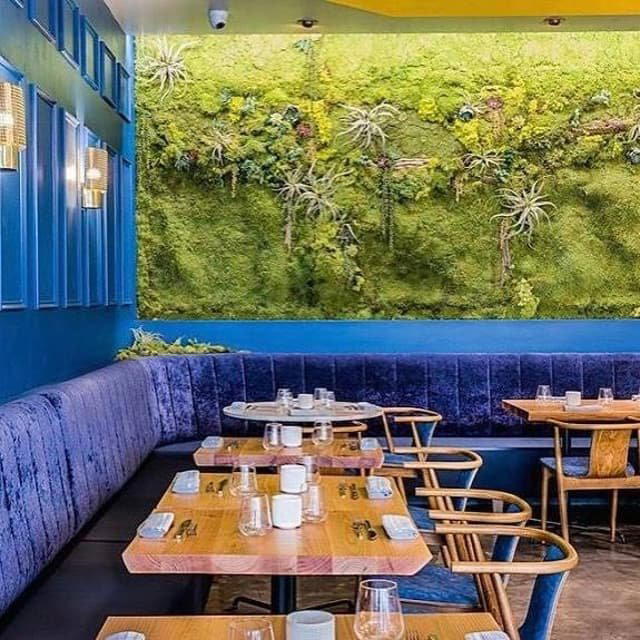
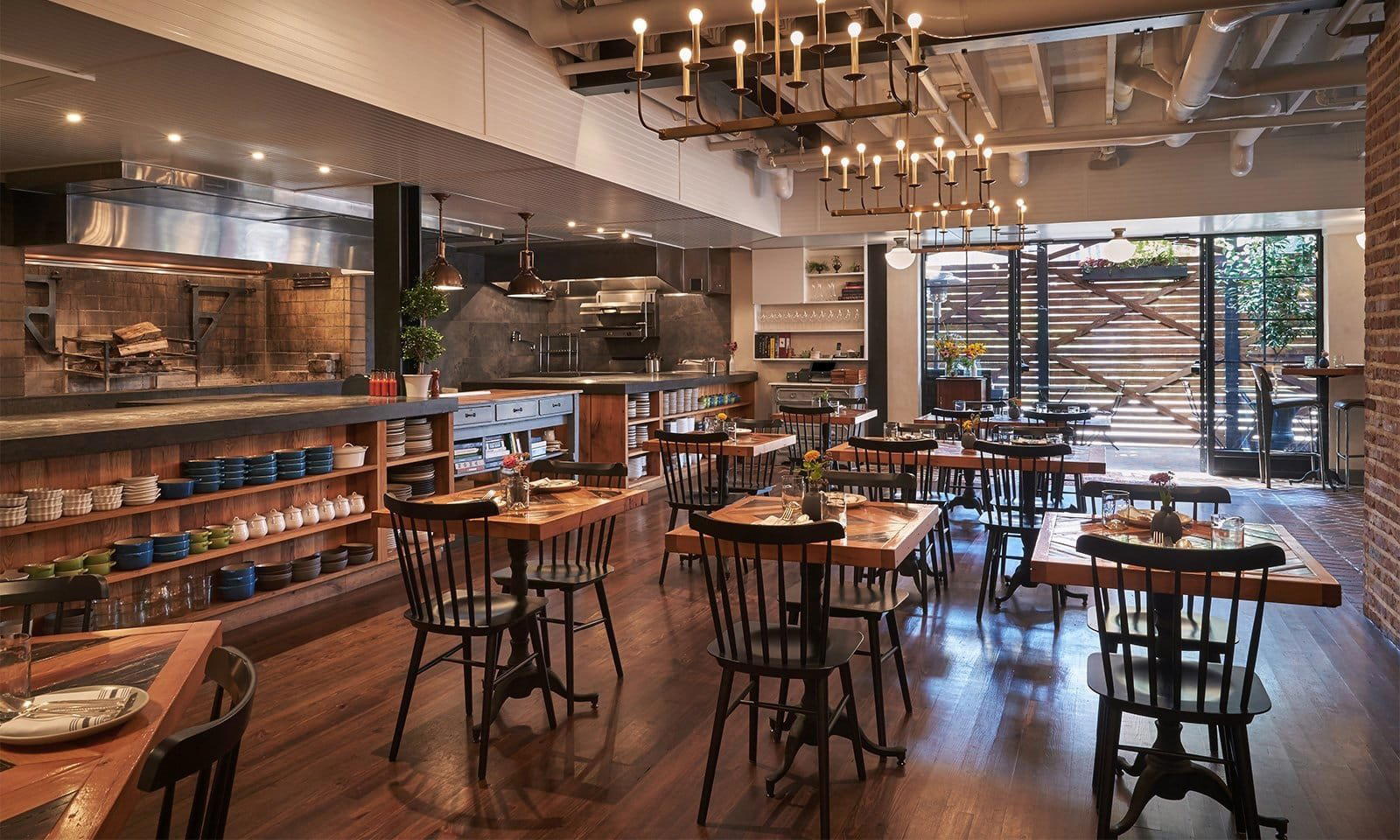
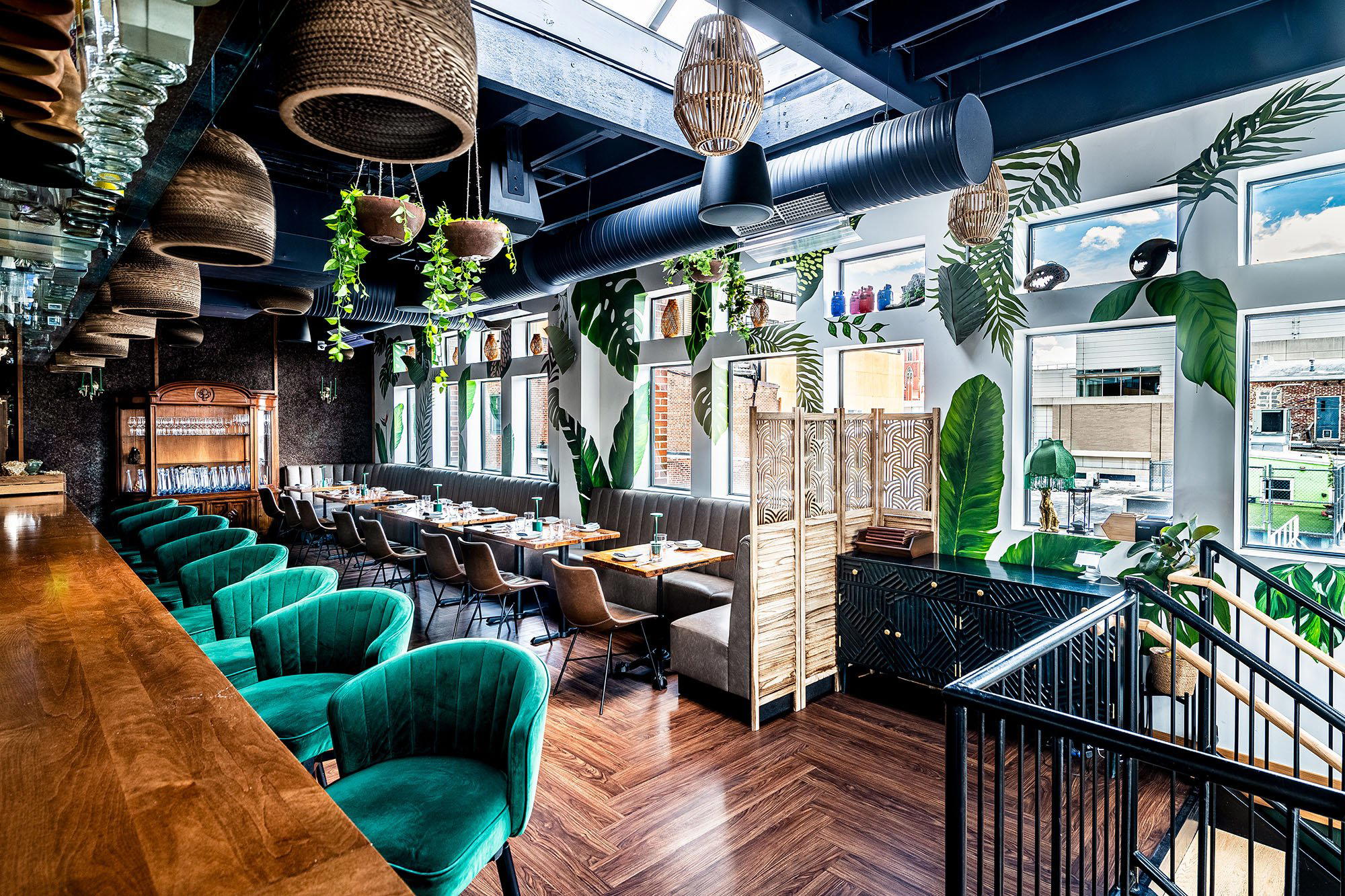
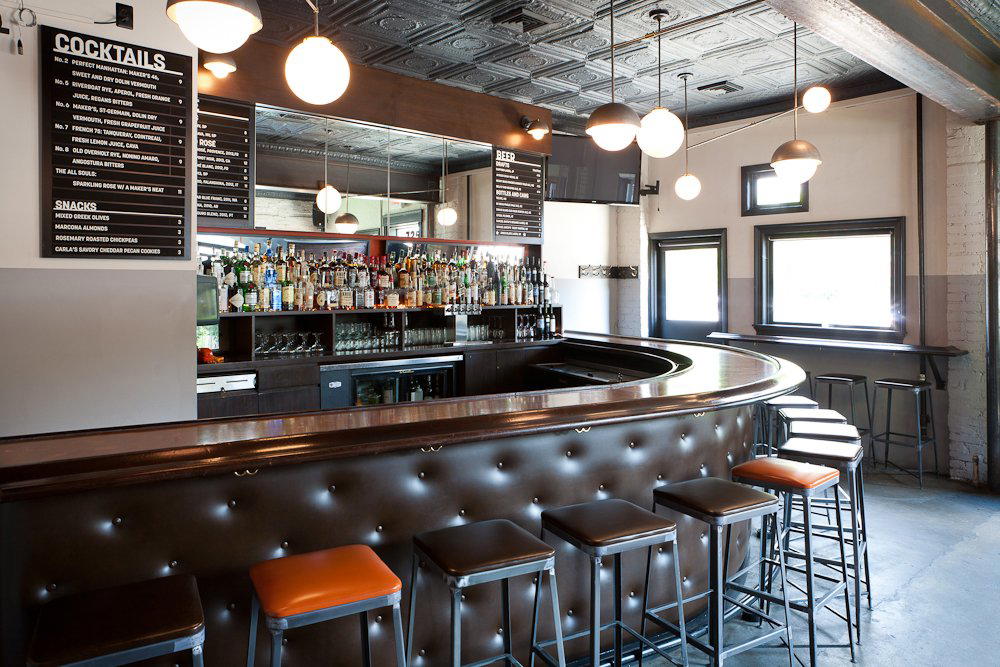
Casual and energetic with a cozy neighborhood feel, where guests order at the counter, linger over natural wine and share Greek‑ish small plates and pastas in a relaxed but chef‑driven environment.