Letena

Washingtonian 100 Very Best Restaurants #70
Our verdict
Letena sits in Washington, D.C.’s serious neighborhood-restaurant tier, with Washingtonian placing it at No. 70 on its 100 Very Best Restaurants 2026 list. Its relevance is less about spectacle than about the city’s long-running Ethiopian dining culture, where sourcing, spice handling, and communal formats carry more weight than décor theater.

Pearl is the En Primeur Club membership app, where members save venues, book tables and use the concierge.
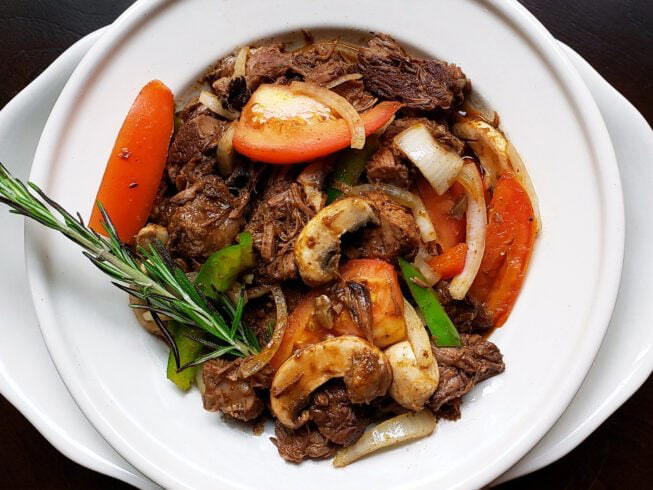
The menu
What to order
- Meat sampler
- Kay siga wat (berbere-spiced beef stew)
- Yebeg wat (garlicky braised lamb)
- Carrot wat
- Mushroom tibs
- Chef’s Signature Tibs
In Washington, D.C. the dining conversation changes block by block: polished date-night rooms, quick-service counters, neighborhood bars, and independent kitchens with deep local audiences. Letena belongs in that citywide conversation, where the room matters because it has to support a meal that feels useful to regulars as much as first-timers. In Washington, D.C. restaurants are not judged only by novelty or polish. The serious addresses are often judged by consistency, clarity, and whether the experience feels grounded rather than staged.
Washington's table is built on sourcing, not spectacle
The strength of dining in D.C. comes from a supply chain and audience that few American cities can match. The city has long had the population, networks, and customer fluency to support restaurants where staples, seasoning, produce, and technique are not treated as explanatory objects. That changes the standard. A kitchen in this category is not competing only with general neighborhood restaurants; it is competing with diners’ memory of reliable meals, established community favorites, and a regional scene dense enough to punish shortcuts.
That is where sourcing becomes the editorial hinge. Food with staying power depends on pantry depth: flavors that carry balance; vegetables and staples handled with care; and a meal that holds together rather than reading as a sequence of disconnected gestures. None of those qualities require luxury ingredients. They require repetition, procurement discipline, and a kitchen that understands how texture and pacing change across a meal. In a dining culture often distracted by rare proteins and tasting-menu choreography, this is a more grounded test of seriousness.
Washingtonian’s inclusion of Letena on its 100 Very Best Restaurants 2026 list gives the restaurant an external marker inside that competitive field. The recognition matters because it places Letena in the same citywide conversation as higher-format rooms, not because awards should replace judgment. It signals that D.C.’s restaurant hierarchy has room for places where value is measured through execution, staples, and hospitality rather than spectacle alone.
How it reads against D.C.'s current dining map
The city’s restaurant identity is split between expense-account dining, ambitious small rooms, and independent kitchens with deeper local roots than many of the newer tasting-menu projects. Letena’s lane can be read within that wider map, but its recognition places it beyond a purely local-use category. That distinction matters for travelers. A restaurant can be neighborhood-first in spirit and still be part of a city’s essential dining argument, especially in Washington, D.C. where long-running local dining traditions have helped define how people actually eat outside the most formal rooms.
Among the comparison points in Washington, other D.C. dining rooms show how varied the city’s serious dining register has become. The useful comparison is not cuisine to cuisine; it is format to format. D.C. rewards restaurants that know their audience precisely, whether that means a polished dining room, a casual counter with civic loyalty, or a kitchen built around a direct, repeatable point of view.
Compared with Fraiche, Thip Khao & Padaek, Bar del Monte, Martha Dear, and Bad Saint, the broader pattern is clear: Washington’s better small restaurants often carry a sharper point of view than their scale suggests. They do not need grand rooms to shape the city’s dining identity. They need clarity, repeat customers, and a reason to exist beyond filling seats. Letena’s recognition fits that pattern, particularly in a city where neighborhood credibility and citywide attention can overlap without becoming the same thing.
What to expect from the experience
The setting should be read as part of Washington, D.C.’s everyday restaurant landscape rather than as a ceremonial destination by default. That affects how to approach the meal and how to judge it. The experience is best considered less through spectacle than through whether the restaurant can make a complete visit feel coherent from start to finish. A good table in this category lets diners look for contrast across the meal, moving between seasoning, texture, richness, and freshness rather than waiting for a formal progression to do all the work.
For visitors mapping a D.C. trip, the smarter move is to place this kind of meal in the city’s lived geography rather than treat it as a detour from monuments and museums. Washington, D.C. offers access to a broad cross-section of dining, and the surrounding restaurant culture makes the case that the city’s food identity is not confined to downtown hotels or power dining rooms. For broader planning, use Our full Washington, D.C. restaurants guide, then cross-check stays, drinks, wine-country detours, and cultural programming through Our full Washington, D.C. hotels guide, Our full Washington, D.C. bars guide, Our full Washington, D.C. wineries guide, and Our full Washington, D.C. experiences guide.
The wider EP Club map also shows how regional food traditions travel and change across American cities: independent restaurants in other markets each sit in a different tradition, but the same editorial question applies: does the kitchen translate place, sourcing, and format into a meal with a clear local reason to exist?
Frequently asked questions
Can I bring kids to Letena?
Letena is in Washington, D.C. and its place on Washingtonian’s 100 Very Best Restaurants 2026 list suggests it sits comfortably in the city’s mainstream dining rotation. For family suitability, confirm current service details directly with the restaurant.
What kind of setting is Letena?
Letena is a Washington, D.C. restaurant recognized on Washingtonian’s 100 Very Best Restaurants 2026 list.
How do I find Letena?
Washington, D.C.
What is Letena known for?
Letena is known as a Washington, D.C. restaurant recognized on Washingtonian’s 100 Very Best Restaurants 2026 list.
A Quick Peer Check
Comparable venues by cuisine and price in the same metro.
| Venue | Cuisine | Price | Awards |
|---|---|---|---|
| LetenaThis venue (the venue you are viewing) | Health-focused Ethiopian | $20–30 | Washingtonian 100 Very Best Restaurants #70 |
| Fraiche | Upscale French-Cajun-Caribbean Fusion | $50–100 | Not listed |
| Bar del Monte | Neo‑Neapolitan Italian trattoria & wine bar | $50–100 | Washingtonian 100 Very Best Restaurants #51 |
| Martha Dear | Neapolitan Pizza with Greek Influences | $30–50 | Washingtonian 100 Very Best Restaurants #67 |
| Bad Saint | Filipino | Not listed | James Beard Award Best Chefs |
Recognition history
Dated appearances from independent guides and award organizations, with the underlying list record or original source where available.
Washingtonian 100 Very Best Restaurants #70
Washingtonian
Continue exploring
More in Washington DC
Restaurants in Washington DC
All restaurants in Washington DC →
Bars in Washington DC
All bars in Washington DC →

Details
- Cozy
- Lively
- Modern
- Intimate
- Casual Hangout
- Family
- Group Dining
- Date Night
- Celebration
- Solo
- Standalone
- Farm To Table
- Organic
- Local Sourcing
- A La Carte
- Family Style
- Beer
- Wine
- Vegetarian Friendly
- Vegan Options
- Gluten Free Options
- Organic Focus
Current opening hours
- Monday
- Closed
- Tuesday
- 5–9:30 PM
- Wednesday
- 5–9:30 PM
- Thursday
- 5–9:30 PM
- Friday
- 5–9:30 PM
- Saturday
- 5–9:30 PM
- Sunday
- 5–9 PM
Hours can change for holidays and private events. Hours as of .
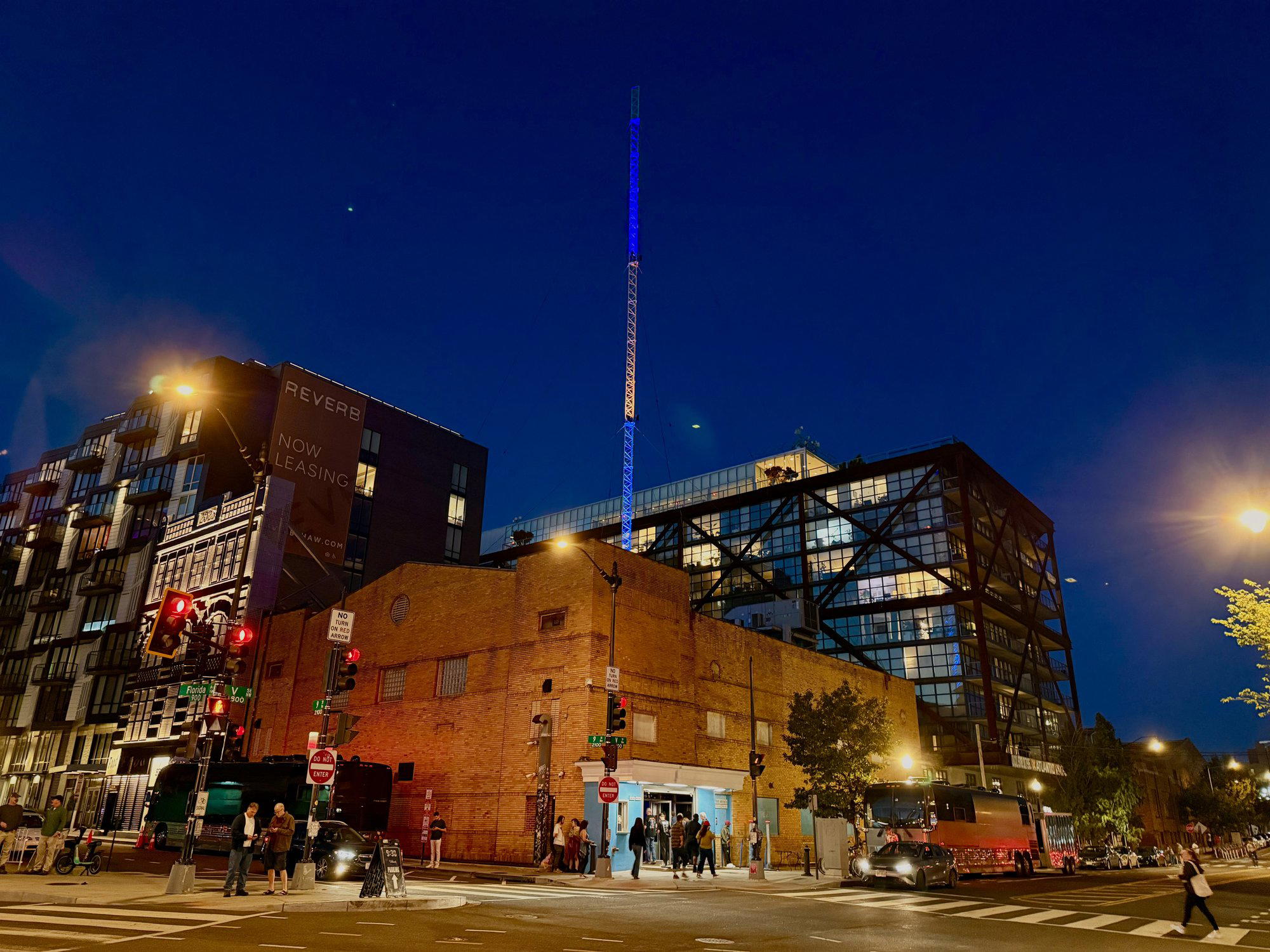
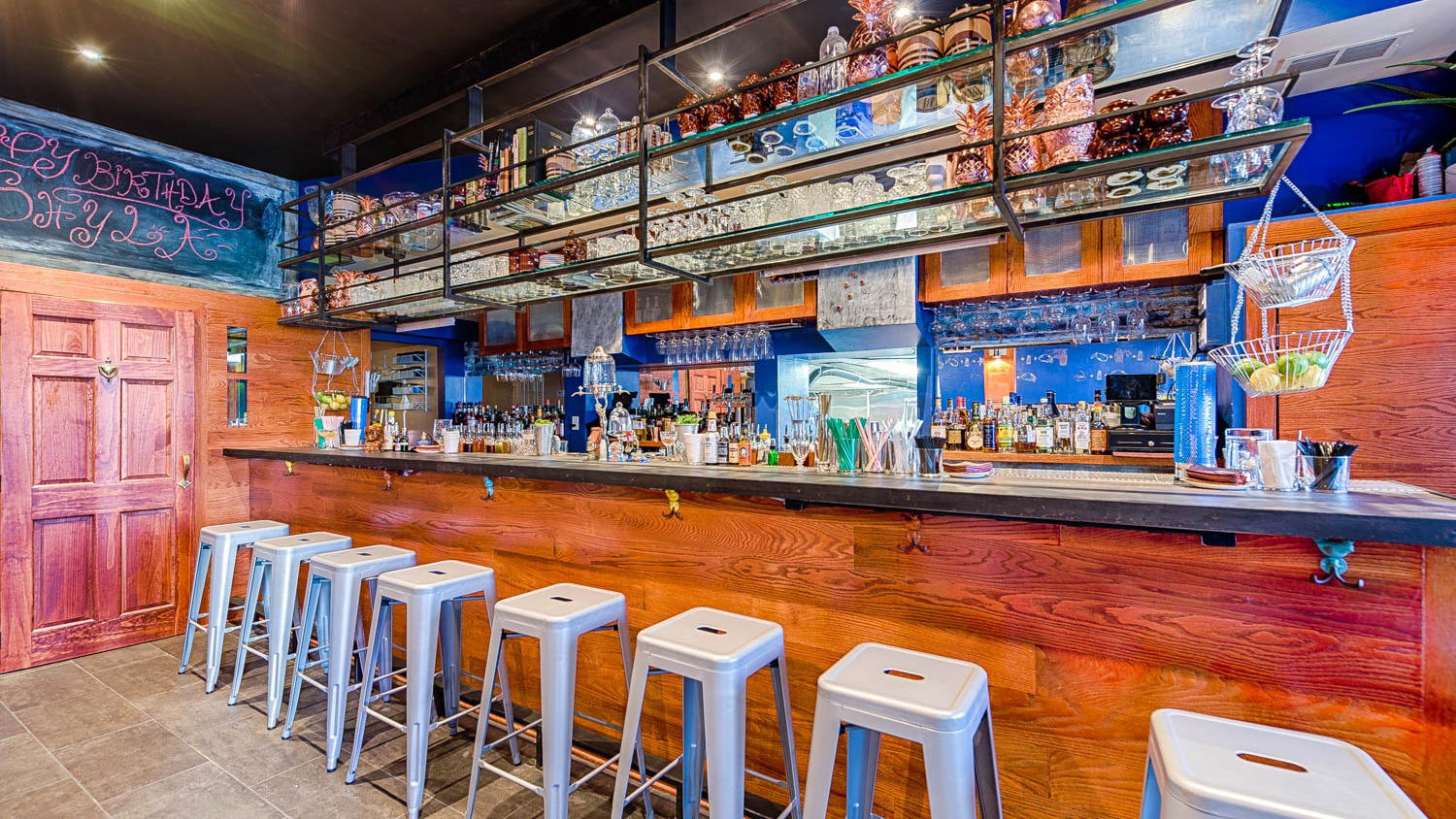
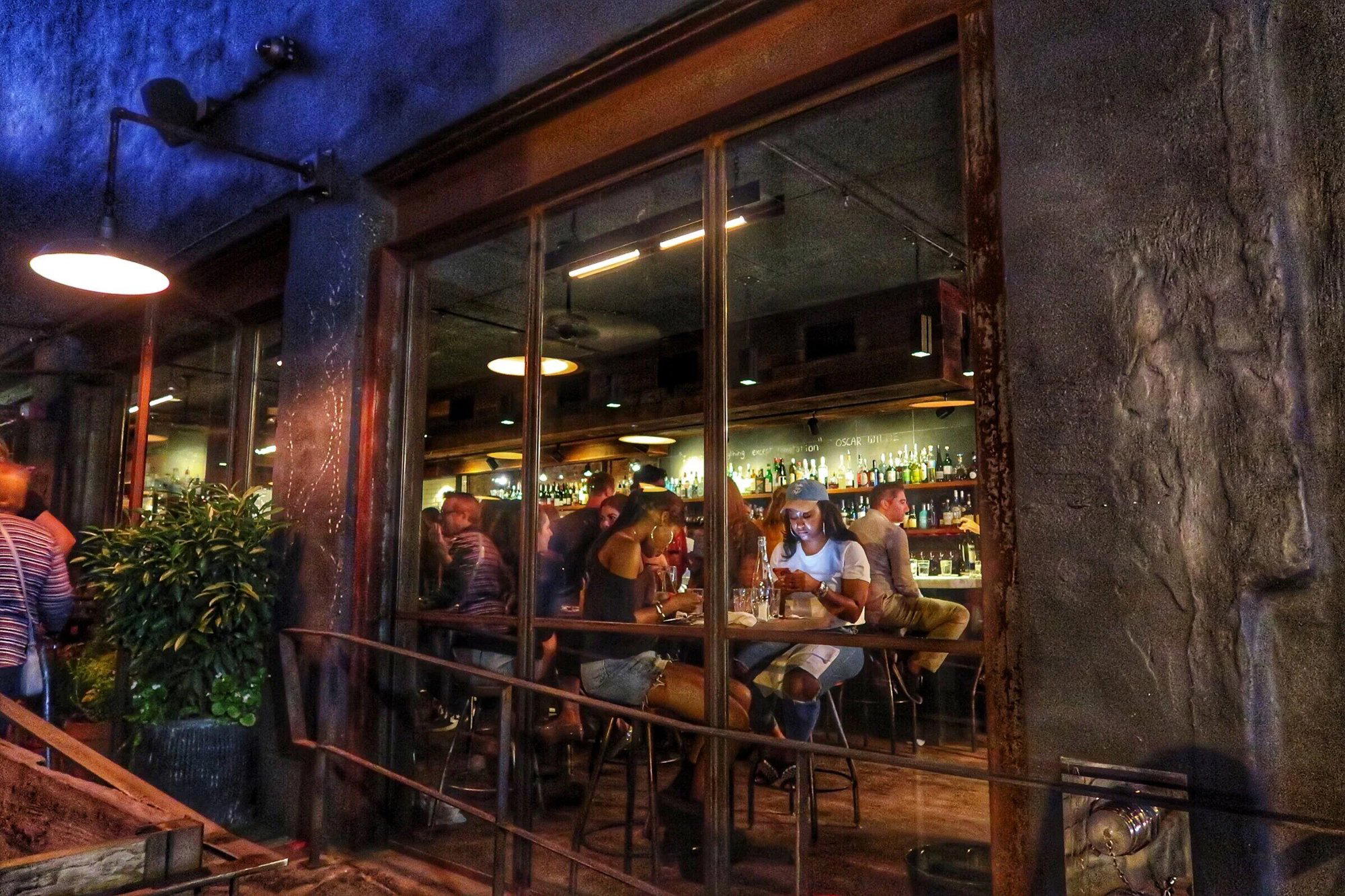
Modern yet cozy neighborhood spot with warm lighting, Ethiopian artwork on the walls, and a relaxed, welcoming feel that works for both casual dinners and small celebrations.