
ENTUKO belongs to Tokyo’s serious bread culture rather than its dessert-café circuit: a takeaway bakery in Nishi-Ogikubo with Tabelog Bread TOKYO 100 selections in 2020 and 2022. The draw is the category focus, bread and bagels, and the neighbourhood rhythm of buying rather than lingering.
Pearl is the En Primeur Club membership app — saves, bookings, and concierge access live there. Same editors, same standards.
- Address
- Japan, 〒167-0042 Tokyo, Suginami City, Nishiogikita, 4 Chome−3−4 美光弐番館
- Phone
- +81 3-3397-9088
- Website
- instagram.com
 Saves & bookings on Pearl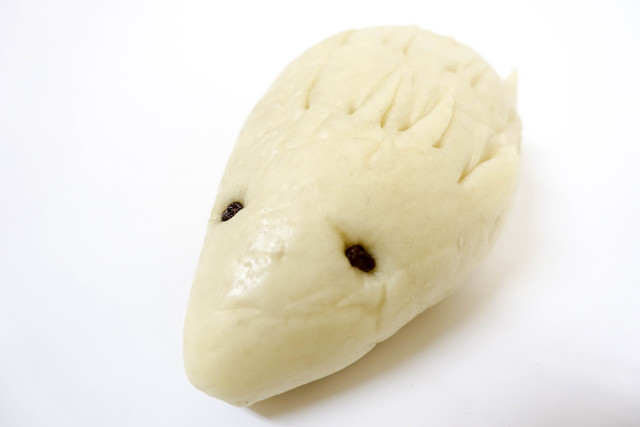
Approaching a small Tokyo bakery changes the tempo of a food day. The room is not built for lingering, and that matters: the transaction is closer to a market stop than a restaurant meal, with attention compressed into the counter, the trays, the quiet queue, and the decision made before the next person steps forward. In Nishi-Ogikubo, that format has a particular charge. The neighbourhood sits outside the polished hotel-and-department-store axis of central Tokyo, so bread culture here reads less like a luxury add-on and more like daily infrastructure.
ENTUKO fits that pattern with unusual clarity. It is categorized around bread and bagels, works as a takeaway specialty shop, and carries Tabelog Bread TOKYO 100 selections from 2020 and 2022. Those details place it inside a Tokyo bakery tier where recognition comes less from theatrical dining-room service than from repeatable craft, local demand, and a product narrow enough to be judged against specialist peers. The Tabelog score of 3.72 gives another useful signal: in Tokyo’s rating culture, bakeries with this kind of number tend to be followed by people who plan food errands with the same seriousness others reserve for sushi counters.
Nishi-Ogikubo's bread culture rewards precision over theatre
Tokyo is often described through ramen, sushi, tempura, and kaiseki, but its bakery culture is just as exacting. The city has absorbed French, German, American, and Japanese sandwich traditions without treating bread as a single imported category. A bakery can be judged on crust, crumb, fermentation, sweetness, portion size, reheating logic, and how well the bread works in a commuter bag. That creates a different kind of scrutiny from restaurant criticism: less ceremony, more repetition.
In that context, a takeaway bakery has little room for soft-focus hospitality language. There is no tasting menu to explain technique, no sommelier to frame value, no room design to stretch the experience over two hours. The product has to carry the argument. ENTUKO’s recognition in Tabelog’s Bread TOKYO 100 list matters because the award category is specific. It does not simply fold the shop into a general restaurant ranking; it identifies bread as the field of competition.
The comparison set is revealing. Pomme de terre operates in the same low-spend band, which points to a broader Tokyo truth: some of the city’s more serious everyday food sits far below the price levels associated with destination dining. Sasaki Seimenjo shows the same principle through ramen, while TONKATSU KEITA occupies a higher spend tier built around a different kind of specialization. Sennomago and Isshin Niyou sit elsewhere in the city’s casual-to-specialist spectrum. The lesson is not that these places serve comparable food, but that Tokyo rewards narrow formats when they are executed with discipline.
The sensory appeal is concentrated at counter distance
The sensory experience of a bakery is immediate and short. Sight comes first: trays, shapes, browning, the evidence of batch timing. Smell does much of the work before the order is placed. Sound is spare, usually the rustle of paper, a door, a brief exchange, and the small pause while a customer chooses. That compressed sequence explains why serious bakery visits in Tokyo often feel more exacting than casual. There is no long arc to rescue a weak choice.
This is also where Nishi-Ogikubo’s location matters. The area is residential, lived-in, and food-literate without the constant performance pressure of Ginza, Aoyama, or Shibuya. Specialist shops here survive on neighbourhood repeat business as much as outside attention. For visitors, that means the experience is better understood as part of a west-side Tokyo food route rather than a standalone pilgrimage. Pairing a bakery stop with nearby coffee, a walk through the station-area streets, or a later meal elsewhere in the city gives the visit the right scale.
That scale is important for expectations. This is not a chef-led dining narrative, and no public chef biography is needed to understand the appeal. The stronger reading is category-based: a small-format bread and bagel shop recognized in a specialist Tokyo list, operating in a neighbourhood that values craft without turning every purchase into spectacle. For travellers accustomed to restaurant reservations as the main measure of food seriousness, Tokyo’s bakery scene is a corrective.
Where it sits in a wider Tokyo itinerary
Tokyo rewards travellers who build days by format rather than by prestige alone. A bread stop in Suginami can sit comfortably beside different food experiences: grilled seafood at . 鮪と炭火焼き うお炭 秋葉原店, a Shinjuku address such as 12/10 Shinjuku ten, yakitori at 124. KAGURAZAKA (Yakitori), graphic café culture at 2D Cafe, or curry at 3 Chome no Curry Ya San. The point is contrast: Tokyo’s food intelligence is distributed across counters, bakeries, cafés, noodle shops, and specialist restaurants, not confined to formal dining rooms.
For broader planning, Our full Tokyo restaurants guide gives the restaurant map, while Our full Tokyo hotels guide, Our full Tokyo bars guide, Our full Tokyo wineries guide, and Our full Tokyo experiences guide help shape the rest of the trip. Travellers extending the same casual-specialist logic beyond Tokyo can look at -Grilled beef Sukiyaki- KAMAKURA TANUKIAN 鎌倉 たぬき庵 in Kamakura.cafe in Osaka.know in Kumamoto, (Shoku) Vietnam in Kawasaki, [Curry Senmon Ten] Maruyama Kyoju. in Sapporo, and [ki:] in Kyoto. For Japanese food culture abroad, Jōdo Saké Bar in Los Angeles and Onigiri Time in Pasadena show how focused formats translate outside Japan.
The editorial verdict is simple: ENTUKO is valuable because it keeps the experience tight. Bread, bagels, takeaway format, specialist recognition, neighbourhood setting. Nothing needs inflating. In Tokyo, that restraint is often the better signal.
A Pricing-First Comparison
Comparable venues by cuisine and price in the same metro.
| Venue | Cuisine | Price | Notes |
|---|---|---|---|
| ENTUKOThis venue — the venue you are viewing | Suginami, Artisan Bakery & Bread Shop | $ | Not listed |
| Ginyu Shijin | Not listed | $ | Suginami, Neighborhood Japanese boulangerie |
| Tomo Rakunou 63℃ | Not listed | $ | Sumida, Soft-serve ice cream & gelato shop |
| AOSAN Sengawa ten | Sengawa, Bakery | $ | Not listed |
| GELATERIA VITALI | Not listed | $ | Meguro, Florentine-style chocolate gelato shop |
| Sucre-rie | Chūō, Western-style pastry & cake shop | $ | Not listed |
Recognition history
Dated appearances from independent guides and award organizations, with the underlying list record or original source where available.
Tabelog 100 #77 · No. 77
Tabelog · Tabelog 100 - Bread - TOKYO - 2022













At a Glance
- Cozy
- Solo
- Casual Hangout
- Family
- Standalone
- Design Destination
Current opening hours
- Monday
- Closed
- Tuesday
- Closed
- Wednesday
- Closed
- Thursday
- 10 AM–6 PM
- Friday
- 10 AM–6 PM
- Saturday
- 10 AM–6 PM
- Sunday
- 10 AM–6 PM
Hours can change for holidays and private events. Last verified .
A tiny, non-smoking takeaway bakery on a side street in Nishi-Ogikubo with a cute owl sign and creative animal-shaped breads, giving it a cozy, quietly bustling neighborhood feel.