
AOSAN Sengawa ten belongs to Tokyo’s quieter bread circuit, where small suburban bakeries compete on routine rather than spectacle. Its Tabelog Bread TOKYO 100 selections from 2017, 2018, 2019, 2020, and 2022 place it in a serious peer group, while the take-out format and modest price band keep the experience closer to a neighbourhood bakery than a destination dining room.
Pearl is the En Primeur Club membership app — saves, bookings, and concierge access live there. Same editors, same standards.
- Address
- Japan, 〒182-0002 Tokyo, Chofu, Sengawacho, 1 Chome−3−5 マンション松葉
- Phone
- +81 3-5313-0787
- Website
- instagram.com
 Saves & bookings on Pearl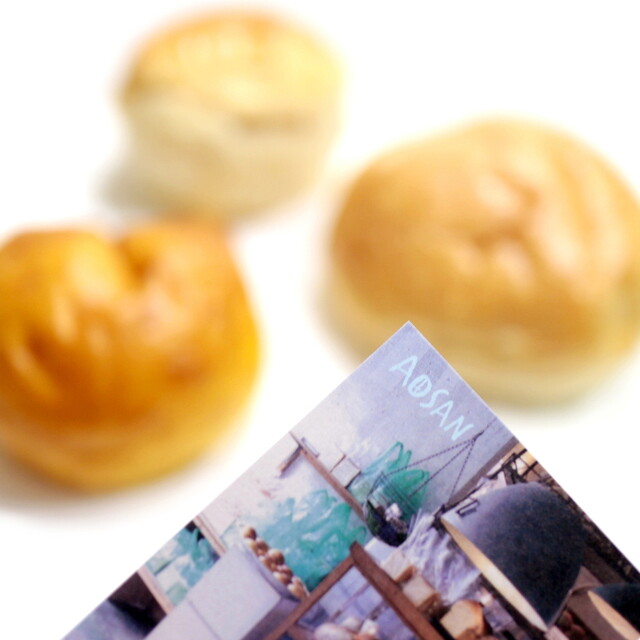
Approaching Sengawa’s residential blocks, the rhythm is different from central Tokyo’s department-store food halls and station-basement counters. The bakery format here is compact, practical, and commuter-adjacent: bread bought for the day, not staged as a long meal. AOSAN Sengawa ten sits inside that smaller Tokyo bread tradition, where European baking techniques have been absorbed into local routines, portion sizes, and weekday habits rather than presented as imported theatre.
Tokyo’s bread culture has always been more hybrid than purist. French viennoiserie, German-style loaves, Japanese shokupan, curry-pan, and sweet buns all sit within the same buying pattern, and suburban bakeries often reveal the city’s taste more clearly than luxury dining rooms. In Chofu, west of central Tokyo, the appeal is not a grand dining format. It is the discipline of a shop that works within tight physical limits, a low price band, and a local customer base that judges bread by repeat use.
Tokyo bread culture, scaled down to a Sengawa routine
The Tabelog Bread TOKYO 100 selection in 2022 gives the shop a useful frame. This is not the same kind of signal as Michelin dining, and it should not be read that way. It points instead to a category where regularity, local demand, and specialist focus matter. AOSAN Sengawa ten has also appeared in Tabelog Bread 100 selections for 2017, 2018, 2019, and 2020, which suggests sustained recognition in a field where Tokyo has many small, technically capable bakeries competing below fine-dining visibility.
The comparison set around western Tokyo helps explain the appeal. Shibasaki Tei Tsutsujigaoka honten and Teuchi Mensai Kamei speak to the same suburban appetite for focused, low-to-mid priced food formats; Patisserie Yu Sasage and LA VIEILLE FRANCE Honten show how French pastry craft has long found serious audiences outside Ginza and Omotesando. Tohakuan Karibe, with soba rather than bread, belongs to a parallel tradition: specialist shops where the product matters more than décor or service ceremony.
That is the useful way to read this bakery. The price band, listed at under JPY 999, keeps it in everyday Tokyo territory, but the awards history puts it beyond the category of anonymous neighbourhood bread shop. For travellers, the point is not to treat Sengawa as a detour for luxury. It is to understand how Tokyo’s food culture operates at small scale: exacting, local, and often more revealing away from the hotel corridors.
Imported methods, local buying habits
The editorial interest here is the meeting point between global technique and Japanese consumption patterns. Tokyo bakeries rarely reproduce European models without adjustment. Breads are sized for small households, bought around train commutes, and often eaten the same day. The take-out format reinforces that rhythm. A bakery like this competes not through a tasting menu or chef narrative, but through the practical question of whether locals return often enough for the shelves to matter.
That distinction matters for visitors who arrive with restaurant expectations. There are seven seats listed, though the format is not meaningfully built around sitting down for a meal. Reservations are unavailable, and the service model is take-out. In a city where high-end counters can turn booking into sport, this is a different kind of scarcity: limited space, daytime trade, and products that may run out before the posted closing time. The sensible approach is to think like a local, not like a diner chasing a formal reservation.
The family-friendly designation also fits the category. Bread shops in Tokyo function as household infrastructure as much as culinary destinations, and children are welcome here, including babies, preschoolers, and school-age children. That shifts the tone from rarefied to practical. The recognition is serious, but the use case is everyday.
Readers comparing the city’s casual spectrum can use Our full Tokyo restaurants guide, then contrast specialist formats such as . 鮪と炭火焼き うお炭 秋葉原店, 12/10 Shinjuku ten, 124. KAGURAZAKA (Yakitori), 2D Cafe, and 3 Chome no Curry Ya San. The wider city files, including Our full Tokyo hotels guide, Our full Tokyo bars guide, Our full Tokyo wineries guide, and Our full Tokyo experiences guide, help place a short Sengawa stop within a larger itinerary.
How to judge the detour
AOSAN Sengawa ten makes sense for travellers who care about everyday food systems as much as marquee restaurants. The strongest reason to go is not spectacle; it is the chance to see a Tabelog-recognised bread shop operating in a residential Tokyo setting, with prices and format that remain close to daily life. That makes it particularly useful for repeat visitors who have already covered central dining districts and want a sharper reading of how suburban Tokyo eats.
It is less compelling for anyone seeking a seated bakery café, a full meal, or a polished hospitality sequence. The room is small, the structure is take-out, and the experience is defined by timing rather than lingering. Pairing it with a west-side Tokyo day works better than treating it as the centre of an itinerary. Outside Tokyo, similar low-format specificity can be read across Japan and beyond: -Grilled beef Sukiyaki- KAMAKURA TANUKIAN 鎌倉 たぬき庵 in Kamakura.cafe in Osaka.know in Kumamoto, (Shoku) Vietnam in Kawasaki, [Curry Senmon Ten] Maruyama Kyoju. in Sapporo, [ki:] in Kyoto, Jōdo Saké Bar in Los Angeles, and Onigiri Time in Pasadena all show how narrow formats can carry more cultural information than their price suggests.
The Short List
Comparable venues at a glance for context.
| Venue | Cuisine | Price | Notes |
|---|---|---|---|
| AOSAN Sengawa tenThis venue — the venue you are viewing | Sengawa, Bakery | $ | Not listed |
| Gelateria Sincerita | Suginami, Artisanal Gelato & Ice Cream | $ | Not listed |
| BONNET D'ANE | Not listed | $ | Setagaya, French-style bakery & sandwich shop |
| BAKERY SASA | Shibuya, Tokyo neighborhood bakery | $ | Not listed |
| YELLOW COMPANY Ebisu honten | Shibuya, Soup curry | $ | Not listed |
| Ganesha | Minato, Sapporo-style soup curry | $ | Not listed |
Recognition history
Dated appearances from independent guides and award organizations, with the underlying list record or original source where available.
Tabelog 100 #53 · No. 53
Tabelog · Tabelog 100 - Bread - TOKYO - 2022
Continue exploring
More in Tokyo
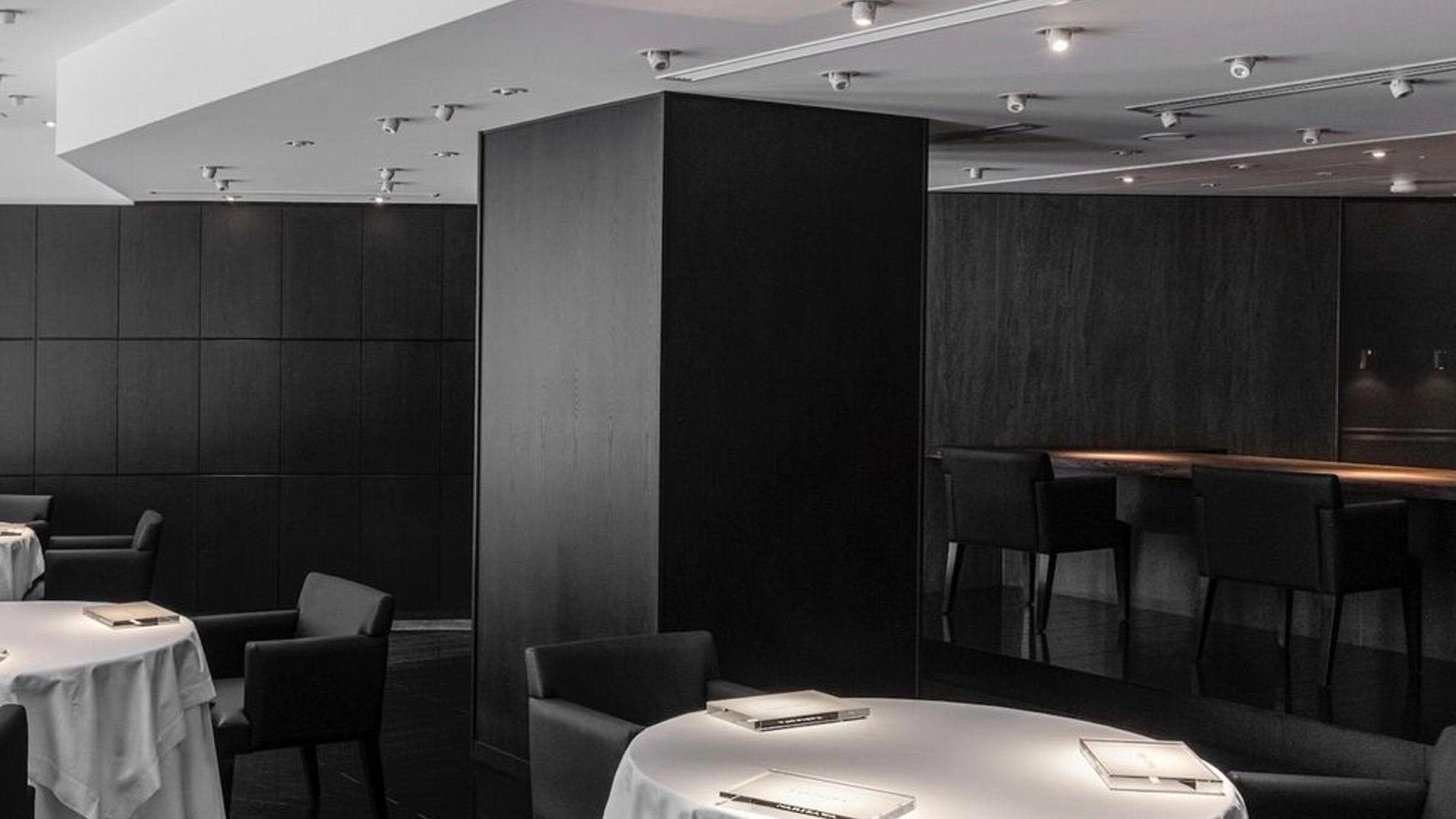
Restaurants in Tokyo
Browse all →



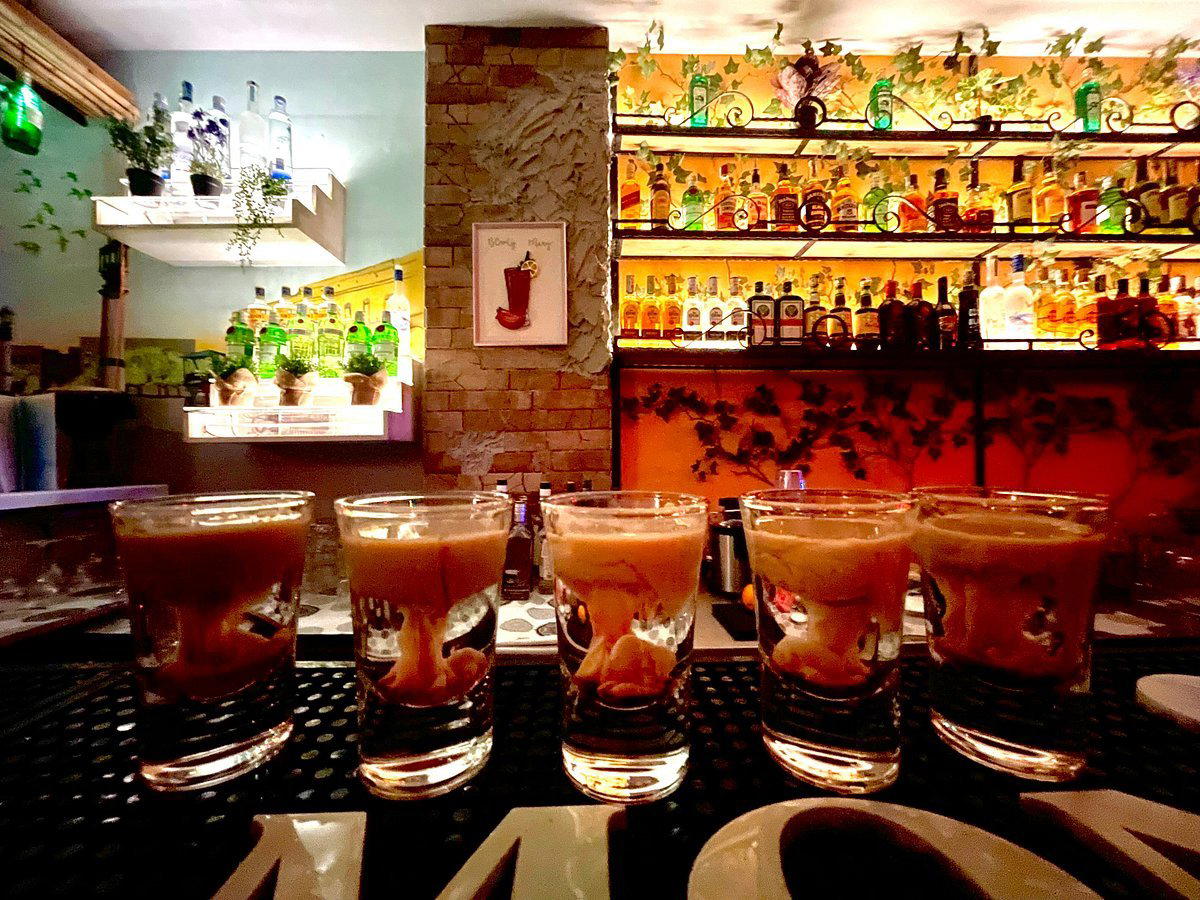
Bars in Tokyo
Browse all →



Hotels in Tokyo
Browse all →




Wineries in Tokyo
Browse all →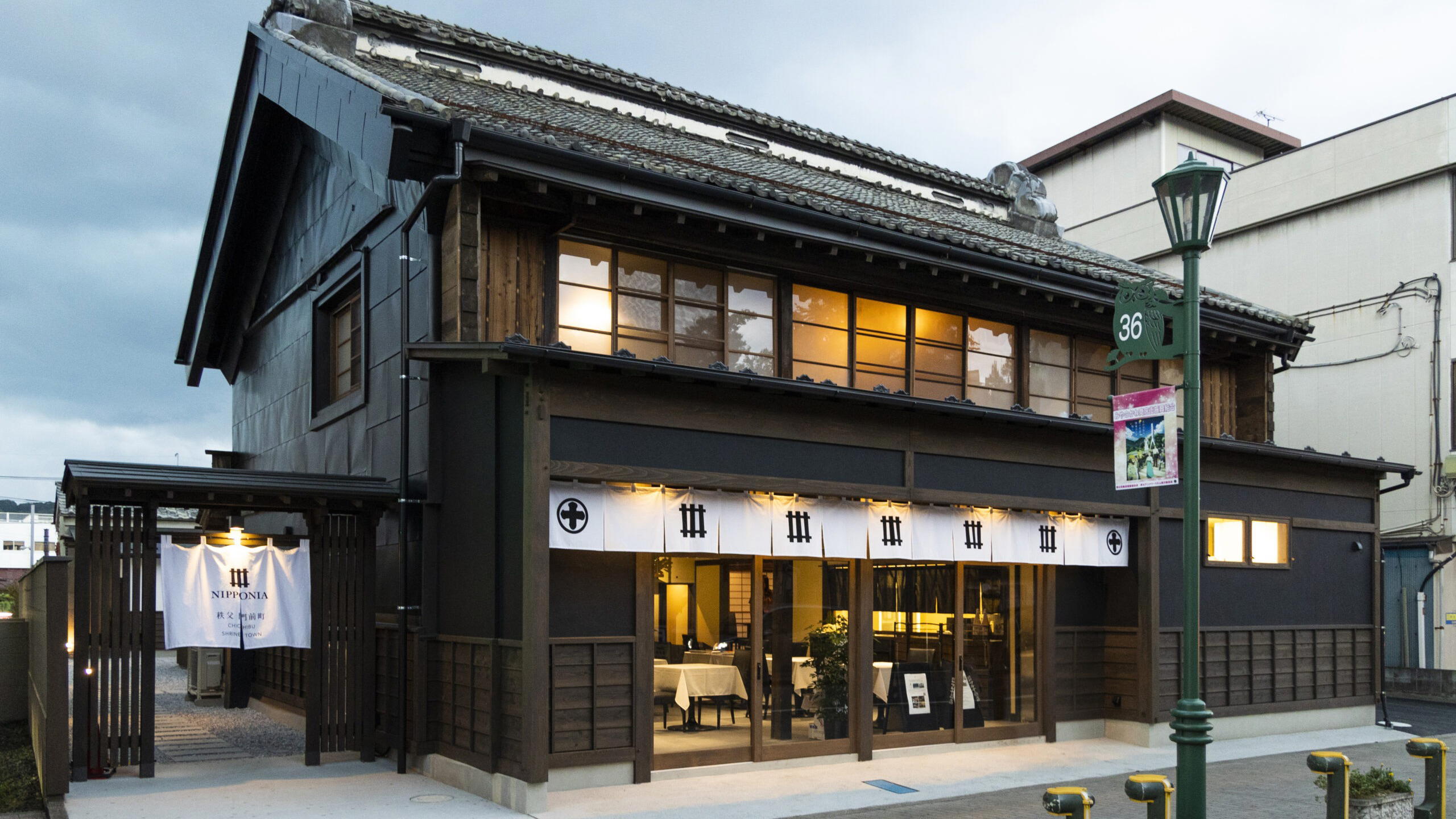
At a Glance
- Cozy
- Classic
- Family
- Casual Hangout
- Solo
- Standalone
Current opening hours
- Monday
- Closed
- Tuesday
- 10 AM–6 PM
- Wednesday
- 10 AM–6 PM
- Thursday
- 10 AM–6 PM
- Friday
- 10 AM–6 PM
- Saturday
- 10 AM–6 PM
- Sunday
- Closed
Hours can change for holidays and private events. Last verified .
Small, busy, take-out-focused bakery atmosphere with a neighborhood feel and a sell-out-before-closing rhythm.