El Tinglao sits in Madrid's dining scene at a point where neighbourhood character does as much work as the kitchen. The address places it within reach of the city's broader restaurant culture, where traditional Spanish hospitality and contemporary cooking have long operated in close proximity. For visitors orienting around Madrid's full range, it belongs in the same planning conversation as the capital's more decorated tables.
Pearl is the En Primeur Club membership app — saves, bookings, and concierge access live there. Same editors, same standards.
- Address
- Dirección
- Phone
- +34913931045
- Website
- eltinglaocerveceria.com
- Directions
- Get directions
 Saves & bookings on Pearl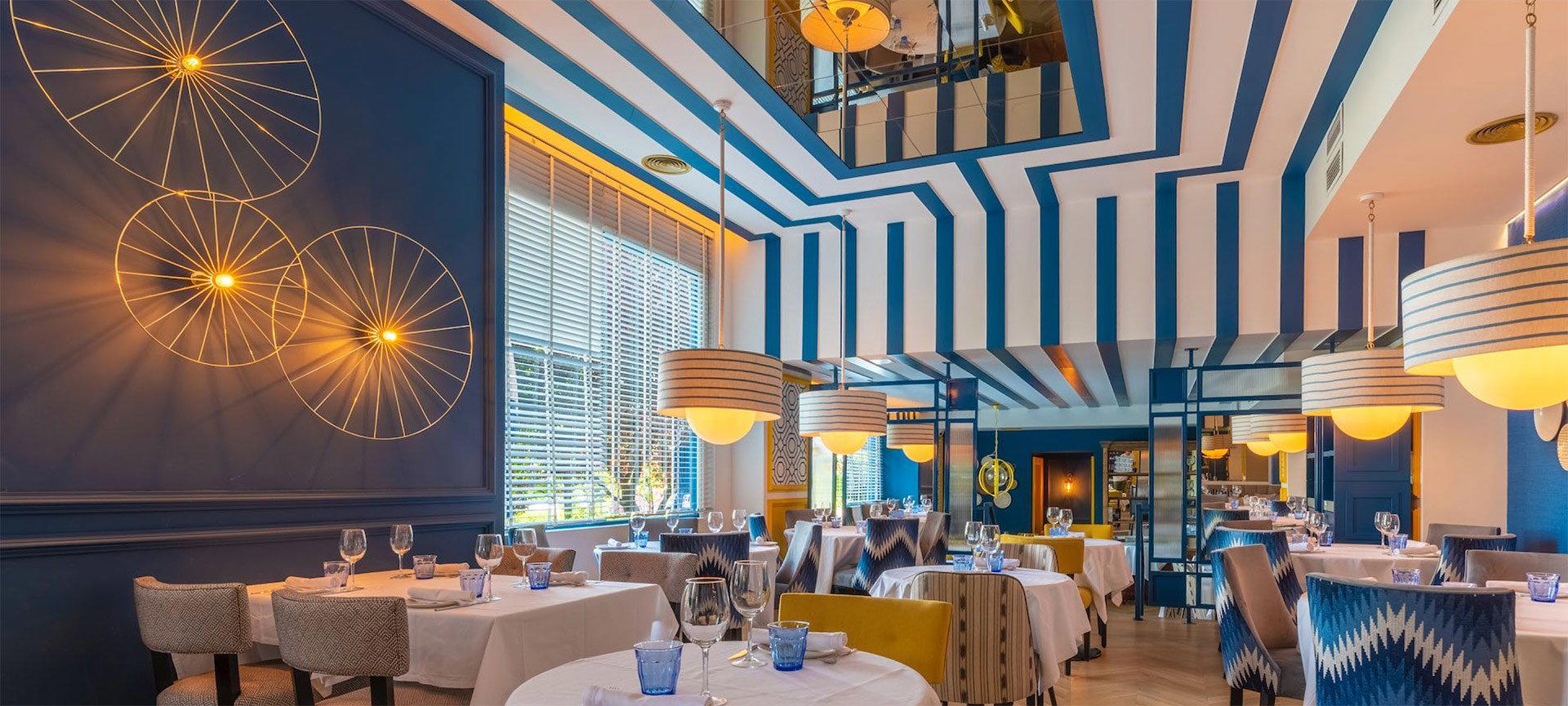
Where Madrid Eats Without a Reservation Strategy
Madrid's restaurant culture operates on two distinct registers. The first is the city's tier of internationally recognised, award-heavy tables: places like DiverXO, with its progressive Asian-inflected tasting menus, or Coque, where Spanish creative cooking is staged across multiple rooms and many courses. The second register is quieter, more neighbourhood-rooted, and in many ways more representative of how Madrileños actually spend their evenings. El Tinglao is a Spanish Andalusian restaurant in Madrid, with an average price of about $35 per person.
That neighbourhood-first positioning is not a consolation prize in Madrid. The Spanish capital has historically been a city where the corner bar, the traditional taberna, and the mid-tier restaurant have carried as much cultural weight as the destination dining room. Understanding El Tinglao means understanding what that placement implies: an experience shaped by local rhythm rather than international itinerary, by the character of its immediate surroundings rather than the logic of a tasting menu arc.
The Madrid Restaurant Context: Where Neighbourhood Tables Fit
Spanish fine dining has, over the past two decades, pulled considerable critical attention toward a handful of landmark addresses spread across the country. El Celler de Can Roca in Girona, Mugaritz in Errenteria, Arzak in San Sebastián, and Quique Dacosta in Dénia have all become reference points for serious diners planning trips around Spain's most ambitious kitchens. Madrid competes in that conversation with its own decorated addresses, including Deessa and DSTAgE, both of which operate at the creative end of modern Spanish cooking.
But the city's real dining density lives in a different tier. Madrid is, more than almost any other European capital, a city where eating well does not require a tasting menu or a months-ahead reservation. The neighbourhood restaurant tradition here runs deep, and tables like El Tinglao occupy the space where that tradition is most actively expressed: places where the room fills with locals, where the food is rooted in recognisable Spanish culinary logic, and where the experience is calibrated for repeat visits rather than singular occasions.
This is a different competitive set from the one occupied by Paco Roncero or the progressive formats that have defined Madrid's international profile. It is also, for many visitors, the more revealing one. A city's dining culture is most legible not in its flagship addresses but in what sustains the rooms that don't depend on critical attention to fill.
Atmosphere and the Logic of the Spanish Sala
Spanish restaurant spaces tend to communicate their intentions through noise and proximity as much as through decor. A room that fills early and stays loud through a long service is not a sign of chaos; it is a sign of a table that has earned its place in a neighbourhood's weekly rhythm. The traditional Spanish sala rewards a certain kind of attention: the unhurried reading of a handwritten specials board, the negotiation of shared plates, the particular social texture of a room where the kitchen and the dining space exist in easy relationship with each other.
The restaurant, by its name and positioning, signals proximity to that tradition. The word tinglao carries connotations of informal gathering, of a covered space where people come together without ceremony. In a city where particularly formally staged experiences now include operations like Azurmendi and Martin Berasategui elsewhere in Spain, the informality signalled by that name is itself a choice, one that locates the restaurant within a specific and durable strand of Spanish hospitality.
For visitors arriving from cities where restaurant informality often translates to fast-casual formats, the Spanish neighbourhood table represents something different: long service, serious product, and social ease operating simultaneously. The comparison point is not a tapas bar nor a white-tablecloth occasion; it sits between them, in the register that Spanish cities have historically managed better than most.
Madrid in the Wider Spanish Dining Picture
Planning a serious eating trip through Spain increasingly involves decisions about geographic distribution. The Basque Country commands attention for its concentration of Michelin-starred addresses. Catalonia, anchored by Cocina Hermanos Torres in Barcelona, offers its own distinct creative tradition. Andalusia has produced Aponiente in El Puerto de Santa María, one of Spain's most conceptually singular addresses. Extremadura has Atrio in Cáceres. Valencia has Ricard Camarena.
Madrid, as Spain's capital and largest city, functions as both a destination in its own right and a routing hub for those moving between regions. That dual role shapes how the city's restaurant scene is used by serious travellers: the landmark tables get booked well in advance, while the neighbourhood layer, which includes addresses like El Tinglao, gets discovered in the gaps between planned meals or on longer stays where the premium dining schedule has already been satisfied.
That positioning, incidentally, is where particularly reliable eating in any major city tends to happen. The rooms that survive on local trade rather than tourist traffic operate under different pressures and tend to maintain a different kind of consistency. See our full Madrid restaurants guide for a structured view of how the city's tiers map against each other.
For international reference, the neighbourhood-anchored format the restaurant represents has equivalents in other cities: the community-driven tasting room model visible at places like Lazy Bear in San Francisco, or the sustained local institution quality that defines addresses like Le Bernardin in New York City, albeit in a different price bracket. The principle, that longevity and local loyalty are among the more credible signals of a kitchen's reliability, holds across formats.
Planning Your Visit
Comparable Venues
Comparable venues nearby, for context on price, style, and recognition.
| Venue | Cuisine | Price | Notes |
|---|---|---|---|
| El TinglaoThis venue — the venue you are viewing | Spanish Andalusian | $$ | Not listed |
| El Figon | Traditional Spanish Tapas & Mediterranean | $$ | Pueblo Nuevo |
| perretxiCo Chueca | Modern Basque Pintxos Taberna | $$ | Chueca |
| La Burlona | Modern Spanish Tapas | $$ | Lavapies |
| casabula | Asturian Parrilla | $$ | Nueva Espana |
| PETIT COMITÉ Azca | Spanish Tapas with French Touch | $$ | Cuatro Caminos |
Continue exploring
More in Madrid
Restaurants in Madrid
Browse all →
Bars in Madrid
Browse all →
Hotels in Madrid
Browse all →


At a Glance
- Modern
- Lively
- Group Dining
- Business Dinner
- Terrace
Current opening hours
- Monday
- 12 PM–12 AM
- Tuesday
- 12 PM–12 AM
- Wednesday
- 12 PM–12 AM
- Thursday
- 12 PM–12 AM
- Friday
- 12 PM–12 AM
- Saturday
- 12 PM–12 AM
- Sunday
- 12 PM–12 AM
Hours can change for holidays and private events. Last verified .
Modern premises with lively, chic space, though noisy with tables close together.