Positioned in the lower level of Miraflores' Óvalo Gutiérrez, DIGEMIN operates within a Lima dining scene increasingly defined by questions of sourcing ethics and environmental accountability. Where the city's most-discussed restaurants compete on ingredient provenance and Andean biodiversity, DIGEMIN enters that conversation from a neighbourhood address that trades spectacle for something closer to neighbourhood authority.
- Address
- Óvalo Gutiérrez, Primer Nivel Sótano, Miraflores 15073, Peru
- Phone
- +51 1 2001143
- Website
- migraciones.gob.pe
- Directions
- Get directions
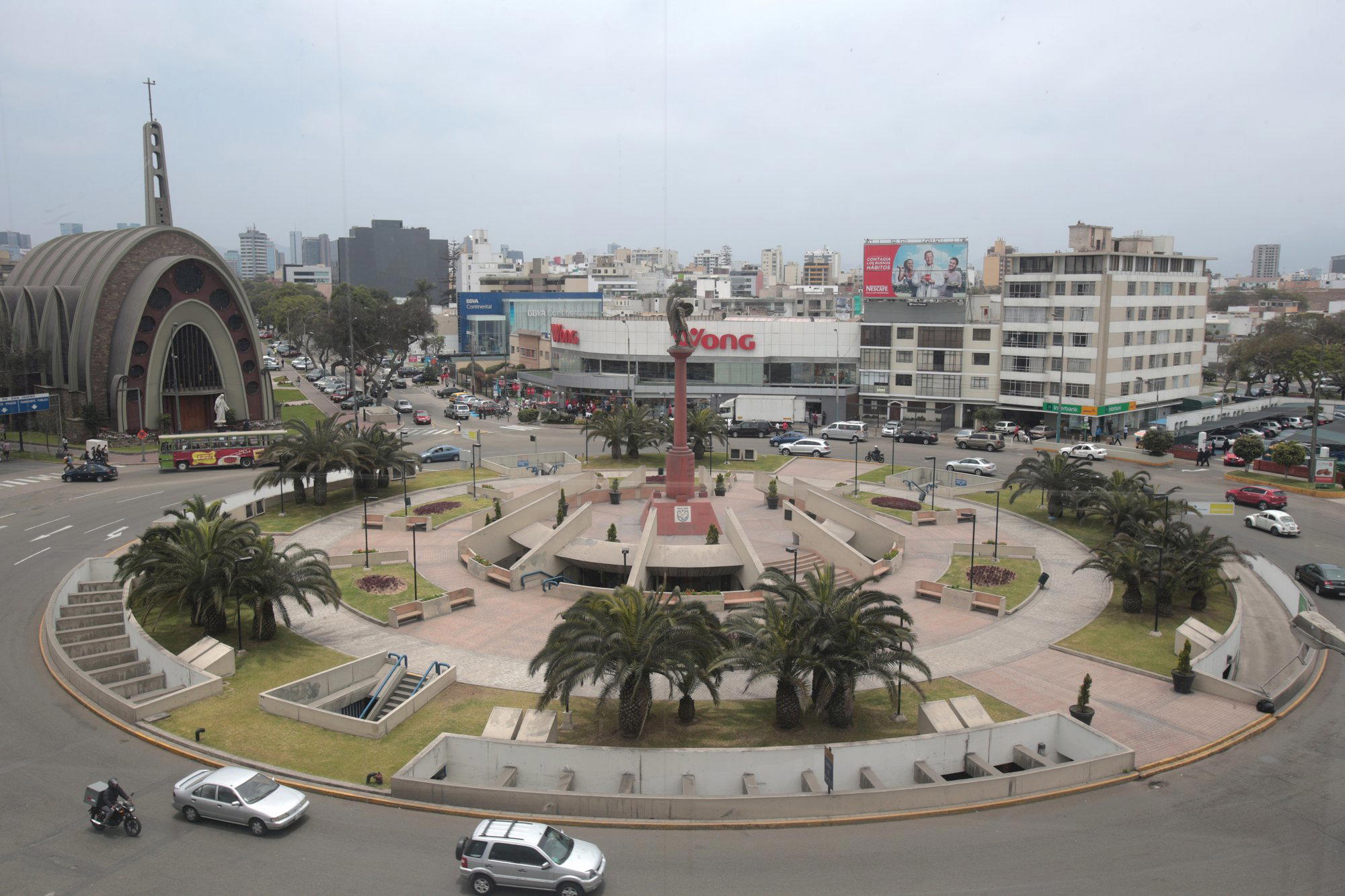
Where Miraflores Meets the Question of Accountability
DIGEMIN - Ovalo Gutiérrez is a restaurant in Miraflores, Lima, Peru, at Óvalo Gutiérrez, Primer Nivel Sótano. Lima's dining culture has spent the better part of two decades building an argument that Peruvian cuisine belongs in the same conversation as the world's most thoughtful food traditions. That argument has largely been won. What the city's restaurant scene is working through now is a second, harder question: not whether Peruvian ingredients are extraordinary, but whether the systems that bring them to the table are sustainable. DIGEMIN, located on the lower level of Óvalo Gutiérrez in Miraflores, enters that debate from a specific and telling address.
The Óvalo Gutiérrez roundabout sits at the edge of Miraflores proper, where the district bleeds into Lince and the commercial density of Arequipa Avenue. It is not the cliff-leading setting of Costanera 700 in Miraflores or the residential quiet of San Isidro. The Primer Nivel Sótano address, ground-level basement in a commercial rotunda, signals that this is not a restaurant built on view or atmosphere as primary currency. In Lima's current moment, that is itself a position.
The Sustainability Frame in Lima's Fine Dining
To understand where a restaurant like DIGEMIN sits, it helps to map the broader ethical sourcing conversation that now runs through Lima's upper tier. Central (Progressive Peruvian) built its international profile, and its position on the World's 50 Best Restaurants list, partly by making altitude-organised ingredient sourcing into the structural logic of its tasting menu. Kjolle (Modern Peruvian), which operates in the same Barranco complex, takes a warmer, more vegetable-forward approach to similar sourcing commitments. Astrid & Gastón (Modern Peruvian), the longer-established benchmark in San Isidro, has woven producer relationships and regional biodiversity into its identity for over a decade.
These restaurants set the terms. Every restaurant in Lima that takes sourcing seriously is now in implicit dialogue with that lineage, whether it positions itself as peer, alternative, or complement. The question for a Miraflores address is where it sits within that map: is it extending the conversation to a different neighbourhood and price register, or is it developing a distinct methodology?
Peru's geographic diversity, coast, sierra, high jungle, Amazon lowlands, gives restaurants an unusually rich toolkit for ethical sourcing. The biodiversity argument that drives menus at Mil Centro in Moray and informs experiences like Delfin Amazon Cruises in Iquitos is not merely aesthetic. Peru has over 3,000 varieties of potato, more than 650 native fruit species, and an agricultural heritage that predates the Inca by millennia. Using those ingredients responsibly, supporting the smallholder networks that maintain them, and reducing waste in a kitchen context are practical commitments, not abstract values.
Nikkei Influence and the Miraflores Setting
Miraflores is where Lima's most internationally visible dining tends to concentrate. Maido (Nikkei), consistently ranked among Latin America's leading restaurants, operates from Miraflores and has helped define Nikkei cuisine, the fusion of Japanese technique with Peruvian ingredients, as one of the district's signature registers. Osaka Nikkei in San Isidro extends that tradition into the neighbouring district. The Nikkei tradition is itself a story about resourcefulness and adaptation: Japanese immigrants arriving in Peru in the late nineteenth and early twentieth centuries built a cuisine from what was available, developing techniques that minimised waste and honoured ingredient integrity.
That history matters to the sustainability conversation. Nikkei cooking, at its most considered, is already a model of cross-cultural ingredient respect. A restaurant at Óvalo Gutiérrez operating within or adjacent to that tradition inherits a set of assumptions about how to treat produce.
For readers planning a broader Peru itinerary, the sourcing ethics conversation extends well beyond Lima. Cirqa in Arequipa works with the volcanic terroir of the south; El Rey in Oxapampa and Mapacho Craft Beer Restaurant in Urubamba demonstrate how the cloud forest and Sacred Valley have their own ingredient stories. Marañón Province in Maranon represents the deep north. Lima is the hub, but the sourcing networks radiate outward across the country.
Planning Your Visit
DIGEMIN's address at Primer Nivel Sótano, Óvalo Gutiérrez, Miraflores places it within walking distance of the district's main restaurant corridor and accessible by taxi or app-based transport from San Isidro and Barranco. For visitors building a Lima dining itinerary, the Óvalo Gutiérrez location is convenient as a standalone stop or as part of a day that moves between the district's commercial and gastronomic zones.
International comparisons are useful for calibrating expectations. The ethical sourcing conversation happening in Lima echoes similar discussions at Le Bernardin in New York City, where ocean sustainability has become a defining commitment, and at Lazy Bear in San Francisco, where ingredient provenance is woven into the dining format. The difference in Lima is that the country's biodiversity gives the conversation an additional dimension of urgency and opportunity. Cantina Vino Italiano in Cusco and Delfin I dining room in Nauta show how the same questions play out at different scales and in different ecosystems across Peru. Central Restaurante remains a reference point for how a Lima kitchen can make environmental accountability into a complete dining proposition.
A Minimal comparable set
Comparable venues nearby, for context on price, style, and recognition.
| Venue | Cuisine | Price | Notes |
|---|---|---|---|
| DIGEMIN - Ovalo GutiérrezThis venue — the venue you are viewing | Miraflores, peruvian | Not listed | Not listed |
| Jirón de la Unión 926 | Lima, Traditional Peruvian Bar & Tapas | $$ | Not listed |
| Siete | Not listed | $$ | Barranco, Modern Peruvian-Mediterranean Fusion |
| Alegrîa Picantería Piurana | Not listed | $$ | Miraflores, Traditional Piuran Peruvian Picantería |
| Av. Petit Thouars | San Isidro, Nikkei Fusion | $$ | Not listed |
| Anticuchos Grimanesa | Not listed | $ | Miraflores, Traditional Peruvian Anticuchos |
Continue exploring
More in Lima
Restaurants in Lima
Browse all →
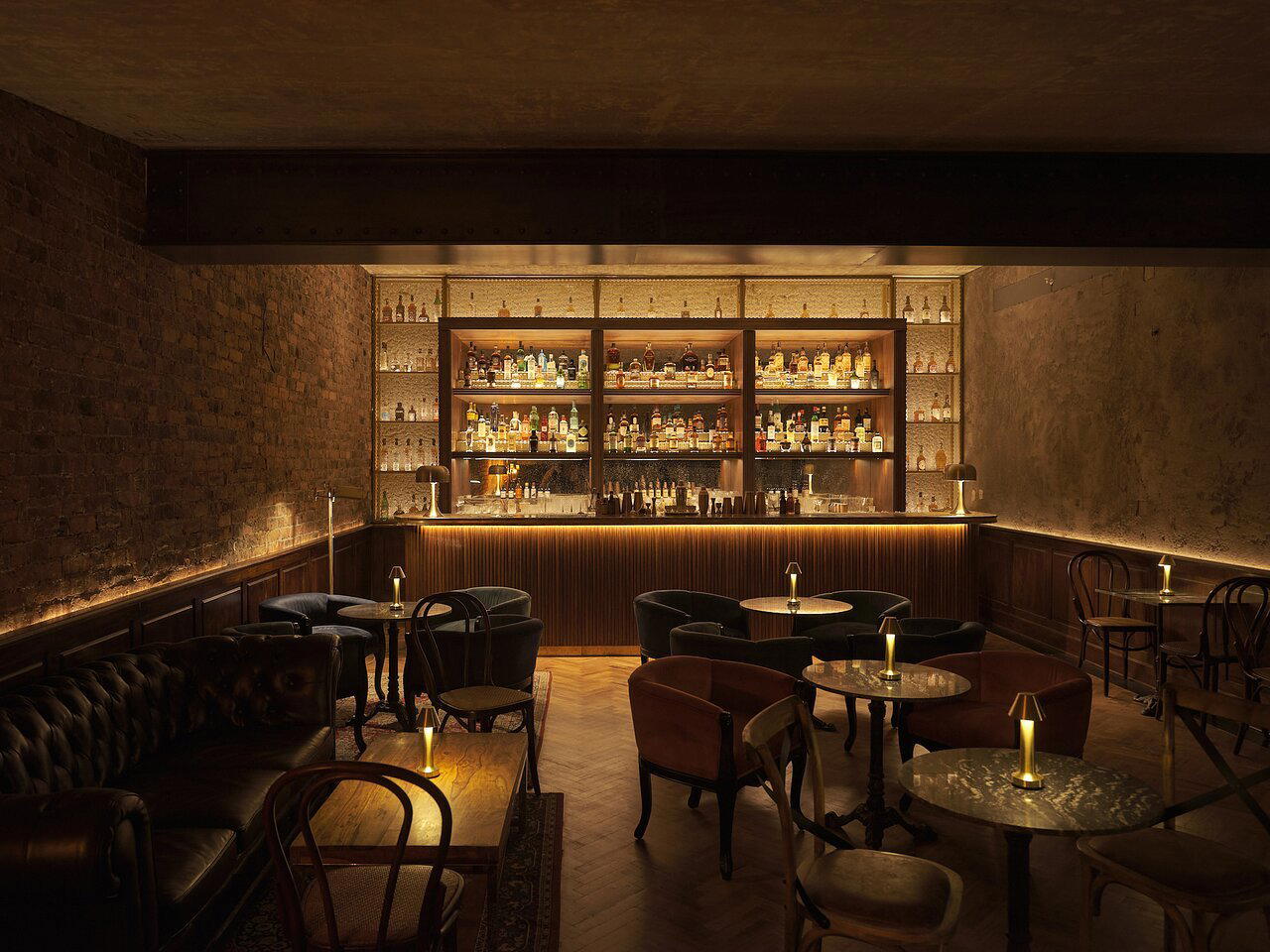
Bars in Lima
Browse all →

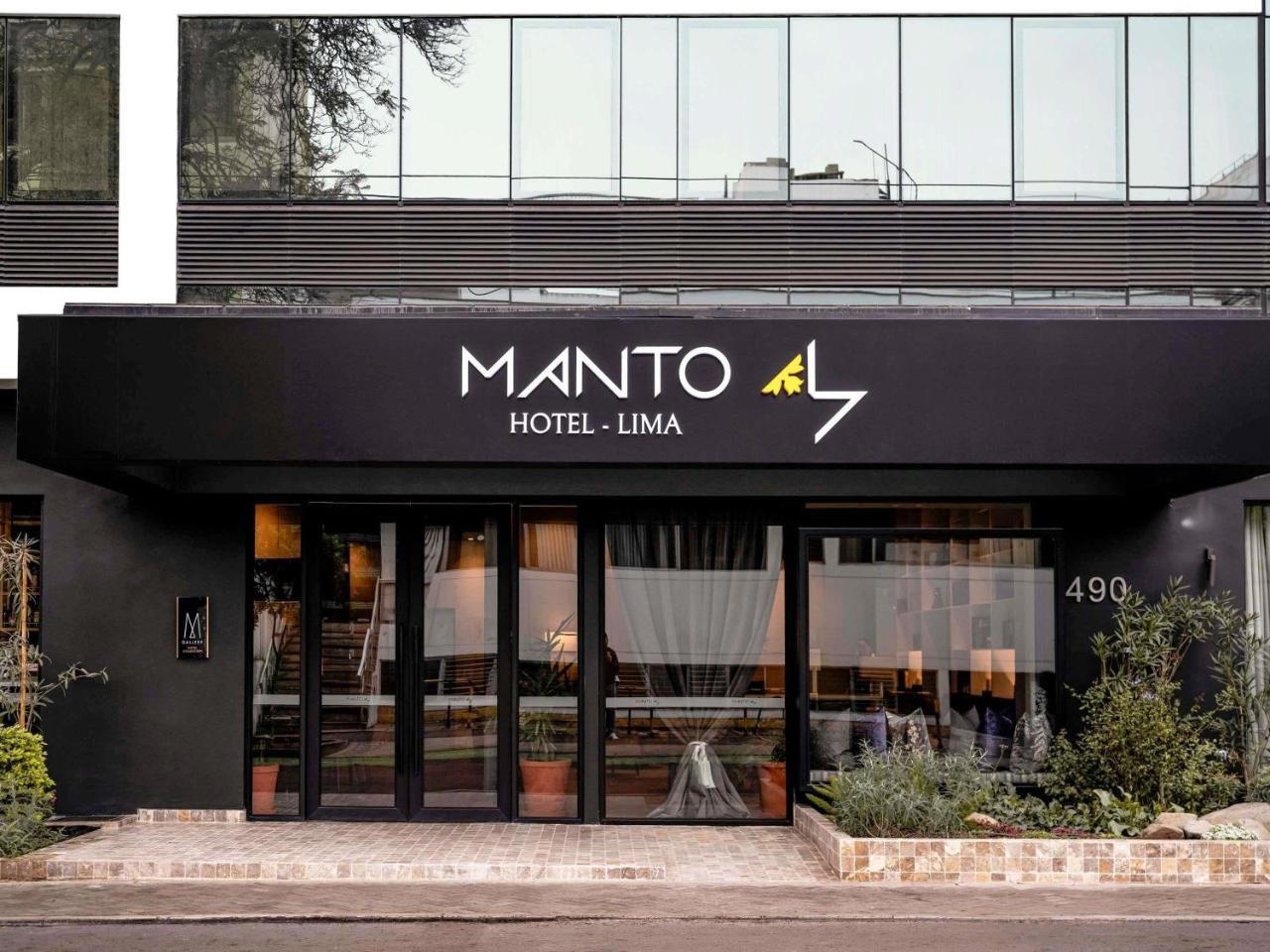
Hotels in Lima
Browse all →

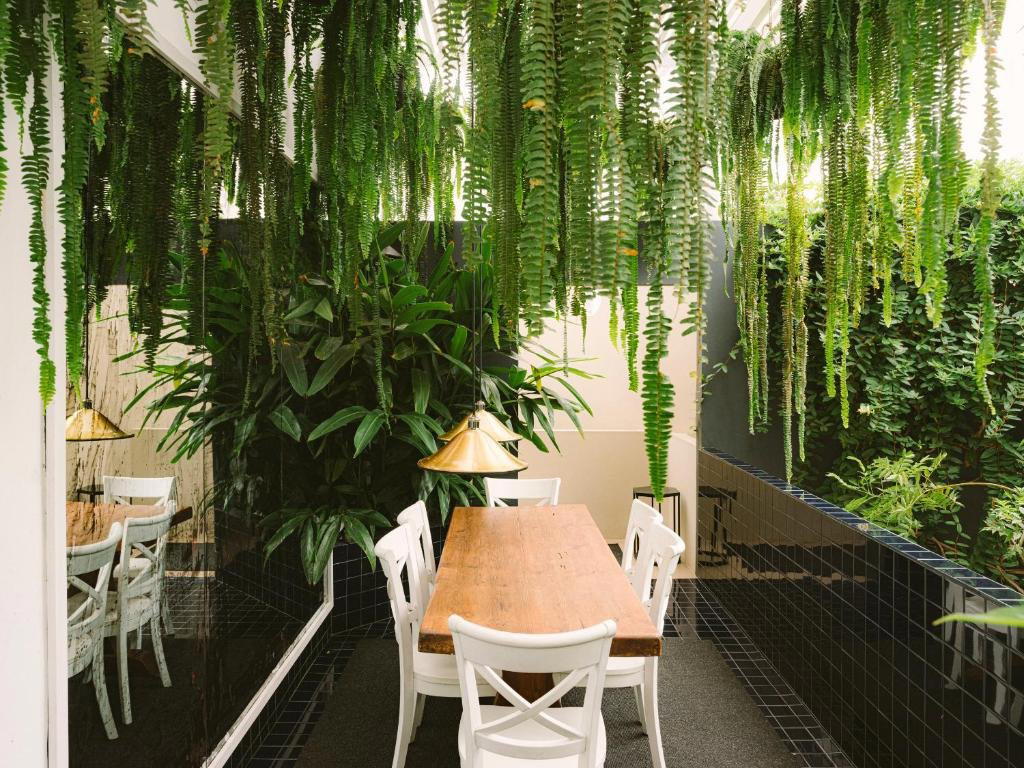

Wineries in Lima
Browse all →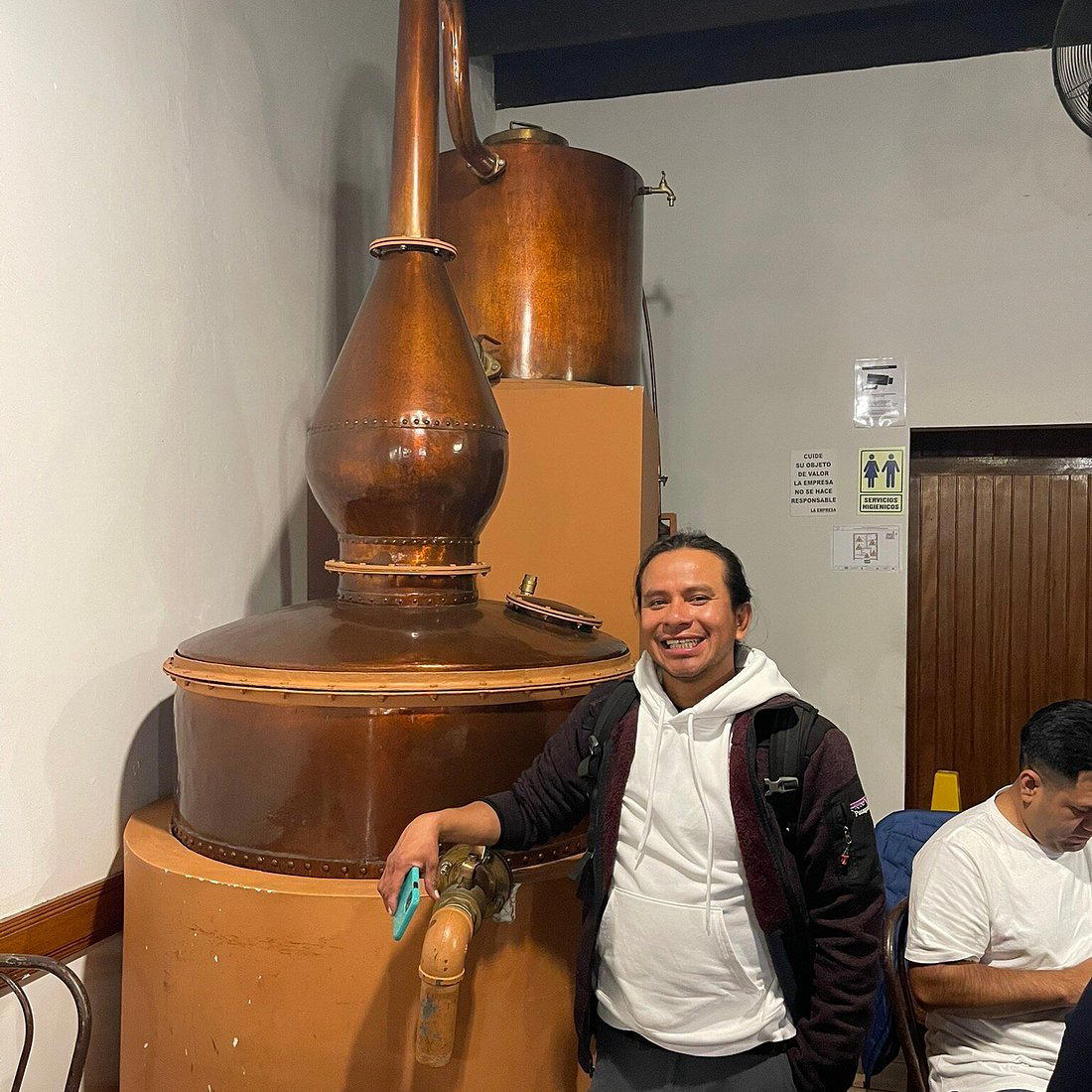
At a Glance
No ambiance information available as the venue is permanently closed.