Our verdict
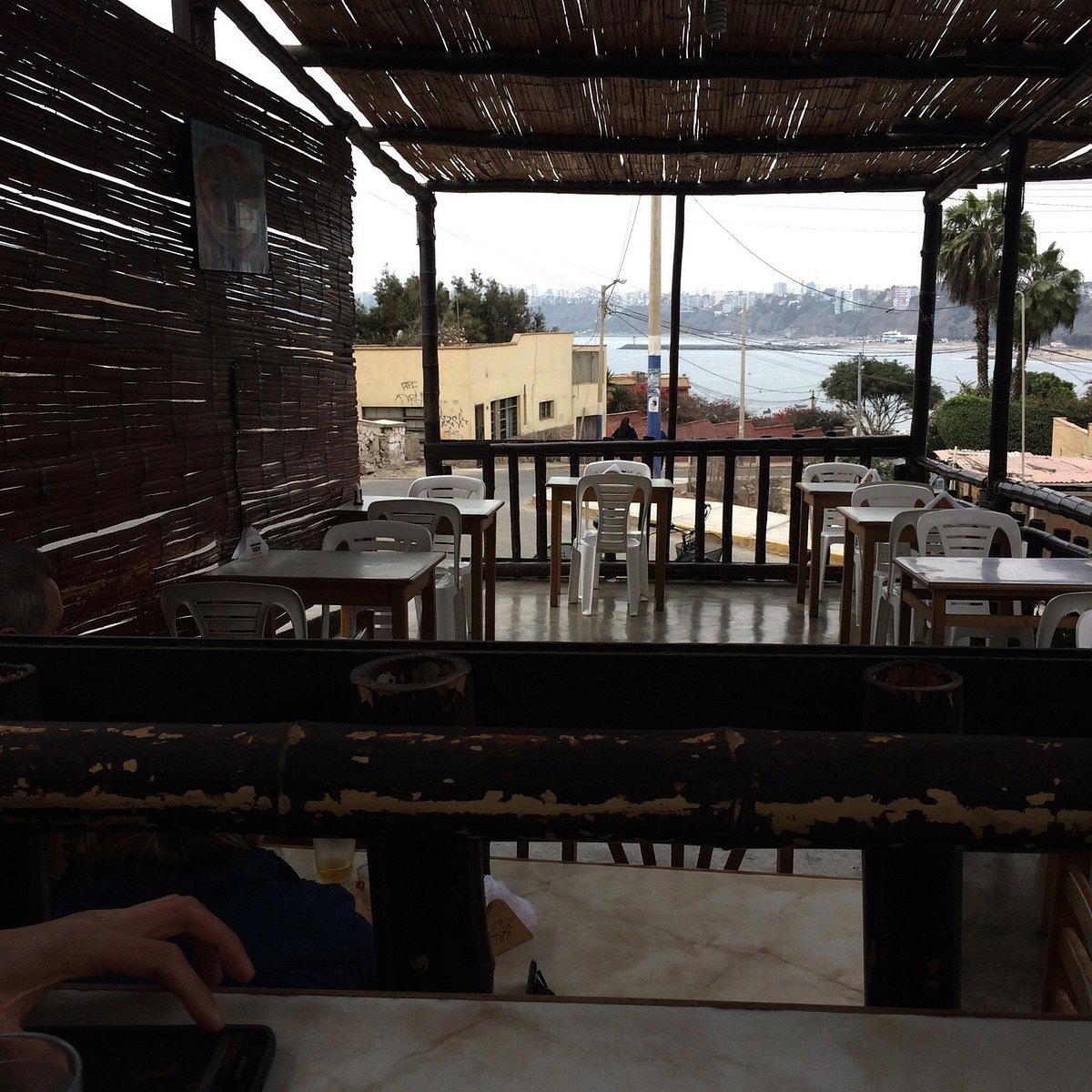
In Chorrillos, one of Lima's oldest fishing districts, Cevichería Chicho represents the neighbourhood cevichería at its most direct: a daytime-only format built around fresh catch, traditional preparation, and a crowd that arrives early and eats well. The experience belongs to a Lima dining tradition that predates the city's fine-dining moment and continues to run parallel to it.
- Address
- RXJ8+V94, Chorrillos 15064, Peru
- Phone
- +51 980 621 844
- Directions
- Get directions
The menu
What to order
- Classic ceviche
- Ceviche mixto
- Chupe de langostinos
Chorrillos and the Cevichería as Institution
Lima's global dining reputation was built on restaurants like Central (Progressive Peruvian) and Astrid & Gastón (Modern Peruvian), but the city's foundational fish culture lives somewhere older and less photographed. The neighbourhood cevichería — operating out of coastal districts where fishing boats still return in the morning — is the format that shaped the dish before the dish became internationally famous. Chorrillos, a district south of Miraflores that runs along the Pacific and retains the character of a working fishing community, is where that format has persisted with the least interference from the tourism economy. Cevichería Chicho operates in this context: a Chorrillos address, a daytime service window, and a menu structured around what the coast provides.
Understanding what Cevichería Chicho is requires understanding what the neighbourhood cevichería does as a category. These are not tasting-menu venues or reservation-driven destinations. They function on a lunch logic, open when the catch is freshest, close when it runs out, and price for a local clientele that eats here regularly rather than occasionally. The format has its own competitive set, and that set bears no meaningful comparison to the Miraflores or Barranco fine-dining tier where Kjolle (Modern Peruvian) and Maido (Nikkei) operate.
The Lunch-Dinner Divide in Lima's Cevichería Culture
Peru's seafood culture is built almost entirely around the midday meal, and the reasons are practical before they are cultural. Ceviche, raw fish cured in citrus, typically ají amarillo, and red onion, depends on fish at its freshest. In Lima's coastal districts, that means the morning catch, prepared and served between roughly 11am and 4pm. By late afternoon, any serious cevichería has either closed or is running on the day's last reserves. This is not a quirk of individual venues; it is a structural feature of how the dish has always been served.
The evening dining economy in Lima belongs to a different set of restaurants entirely. The tasting-menu circuit, the Nikkei counters, the contemporary Peruvian venues that have driven international interest in the city's food, these operate in a dinner-forward model that has no real equivalent in the traditional cevichería format. Venues like Central Restaurante and the broader modern Peruvian movement occupy a dinner-centric world. The cevichería occupies the lunch hours, and the two formats rarely compete because they are answering different questions for different occasions.
For the visitor who arrives in Chorrillos expecting an evening service, this is the most important practical note: the meal is a lunch meal. Arriving before noon is common practice among regulars in these districts. The crowd at a functioning neighbourhood cevichería in Chorrillos by midday reflects that, local families, workers, fishing-adjacent tradespeople, a mix that sets the room's energy well before the tourist economy finds its way down from Miraflores. By 3pm, the serious eating is done.
What the Neighbourhood Cevichería Format Actually Offers
The menu architecture at venues in this category follows a recognisable structure. Ceviche clásico, the acid-cured fish base with leche de tigre, anchors the offering, alongside tiradito (the Japanese-influenced raw fish preparation that marks Lima's Nikkei inheritance), causa (potato-based cold dishes), and chicharrón de pescado as a fried counterpoint. Leche de tigre, the curing liquid itself, is frequently served as a shot or small bowl alongside. These are not interpretations or reframings of the tradition, they are the tradition, presented without editorialising.
In the context of Lima's broader seafood scene, this places the neighbourhood cevichería in a different bracket from venues like Costanera 700 in Miraflores, which applies a more formal register to Peruvian seafood, or Osaka Nikkei in San Isidro, which frames the Nikkei influence through a contemporary lens. The Chorrillos format makes no argument about what Peruvian seafood could be. It presents what it has always been.
That framing matters for the visitor setting expectations. The value proposition here is not refinement, it is directness. The fish is fresh because the district's geography demands it. The preparation is skilled because the format's competitive pressure is local and exacting. And the price point, consistent with neighbourhood cevicherías across Lima's coastal districts, reflects a different economy than the city's destination restaurants.
Chorrillos in the Wider Lima Dining Context
For travellers building a Lima itinerary that extends beyond the established fine-dining circuit, the coastal district cevichería represents a distinct and necessary register. The modern Peruvian movement, documented at venues like Mil Centro in Moray and across Peru's broader restaurant geography, draws heavily from the country's culinary traditions. But the neighbourhood cevichería in a working fishing district is one of those traditions observed in its least mediated form.
Lima's restaurant geography rewards visitors who move across districts rather than staying fixed in Miraflores. Chorrillos sits south of the tourist concentration, and getting there requires either a taxi or a deliberate decision to explore. That logistical friction is part of why venues in this district remain oriented to a local clientele. Travellers who make the trip, a direct taxi ride from central Miraflores, with Chorrillos's coastal malecón as an additional reason to visit, encounter a different city than the one served by the fine-dining corridor.
For broader context on how Lima's dining scene distributes across neighbourhoods and format types, our full Lima restaurants guide maps the city's eating culture by district. Travellers with time to go further afield may also consider the culinary contexts documented at Cirqa in Arequipa or El Rey in Oxapampa, each representing distinct regional registers within Peru's wider dining geography. Amazon-rooted contexts are documented at Delfin Amazon Cruises in Iquitos and Delfin I dining room in Nauta, while craft-focused venues in the Sacred Valley are represented by Mapacho Craft Beer Restaurant in Urubamba.
Planning a Visit
The core logistical principle for any Chorrillos cevichería visit is timing: arrive between 11am and 1pm to be eating at the venue's peak. Contact details are not publicly listed at the time of writing, and given the format's walk-in, first-come character, advance reservations are not a feature of this category. The address in the Chorrillos district (referenced by the RXJ8+V94 plus code) is leading located via a mapping application before departure. Budget-conscious travellers will find this format significantly more accessible in price than Lima's destination-dining tier, which tends to run from USD 80 upward per person for tasting menus at venues like those in Miraflores and San Isidro.
Comparison venues for high-end Peruvian seafood reference points in the city include the Nikkei tradition documented at Maido (Nikkei) and international seafood benchmarks at Le Bernardin in New York City. The format at Cevichería Chicho operates at a different register than any of these, not as a lesser version, but as a different answer to the question of what eating fish well actually requires.
Frequently asked questions
Where do I go for Cevichería Chicho?
Cevichería Chicho is located at RXJ8+V94, Chorrillos 15064, Peru, Lima.
Is Cevichería Chicho in Chorrillos worth the trip from Lima's Miraflores or Barranco districts?
Chorrillos sits south of Barranco along Lima's coastal stretch, making it a reasonable half-day trip for travellers already working through the city's dining neighbourhoods. Cevicherías in this district represent a format distinct from the fine-dining restaurants that define Lima's international reputation — the draw is a working lunch culture built around fresh Pacific seafood rather than tasting menus or modern technique.
What dish is Cevichería Chicho famous for?
Cevichería Chicho sits in Chorrillos, Lima's coastal district, where the neighbourhood cevichería format centres on ceviche clásico — acid-cured fish in leche de tigre. This is the dish that defines the category in Peru's seafood lunch culture, and venues in this district build their reputation around its execution.
Do I need a reservation for Cevichería Chicho?
Contact details for Cevichería Chicho are not currently on record, which makes advance booking difficult to confirm. Neighbourhood cevicherías in Chorrillos typically operate on a walk-in basis for the midday service window. Arriving before 1pm gives you the best chance of a seat at peak lunch hours, which is when the fish is freshest and the kitchen is at full output.
What's the signature at Cevichería Chicho?
The defining format at a Chorrillos cevichería like Chicho is the midday seafood menu anchored by leche de tigre and ceviche clásico, with tiradito and causa as common supporting dishes in the category. No specific dish details for Chicho are documented, so treat the menu as market-driven and dependent on the day's catch. Peru's coastal lunch culture means the kitchen's priorities shift with availability.
How does Cevichería Chicho handle allergies?
The cevichería format in Lima is built around fresh seafood and citrus-based preparations, meaning shellfish, raw fish, and high-acid components are central to most dishes. Anyone with seafood allergies should communicate directly with staff on arrival, though no phone number or contact channel is currently documented for Chicho.
Is Cevichería Chicho overpriced or worth every penny?
Neighbourhood cevicherías in Chorrillos generally sit well below Lima's fine-dining circuit — places like Central or Maido — and are known for accessible, portion-forward lunch menus. The value proposition in this category is typically in the quality of the raw fish relative to price, not in formal service or room ambition.
Cuisine and Recognition
| Venue | Cuisine | Price | Awards | Notes |
|---|---|---|---|---|
| Cevichería ChichoThis venue — the venue you are viewing | Authentic Peruvian Cevicheria | Not listed | Not listed | Not listed |
| Astrid & Gastón | Modern Peruvian Fine Dining | $100–150 | World's 50 Best #81 · La Liste Top Restaurants | Modern Peruvian |
| Kjolle | Modern Peruvian Fine Dining | $300–500 | World's 50 Best #9 · La Liste Top Restaurants | Modern Peruvian |
| Mayta | Modern Peruvian Fine Dining | $200–300 | World's 50 Best #39 · La Liste Top Restaurants | Peruvian Modern |
| Mérito | Modern Venezuelan-Peruvian Fusion | $50–100 | World's 50 Best #26 · La Liste Top Restaurants | Venezuelan/Fusion |
| Fiesta | Northern Peruvian Gourmet | $50–100 | We're Smart World 4 Radishes | Contemporary Peruvian |
Continue exploring
More in Lima
Restaurants in Lima
Browse all →
Bars in Lima
Browse all →
Hotels in Lima
Browse all →

Wineries in Lima
Browse all →
Details
- Cozy
- Lively
- Casual Hangout
- Family
- Standalone
- Local Sourcing
- Street Scene
- A La Carte
Casual and welcoming with a lively neighborhood feel near the beach.