El Jardín del Mar occupies a Chamberí address in Madrid's Glorieta de Quevedo district, where the city's appetite for creative Spanish cooking meets a neighbourhood known for residential quiet rather than tourist spectacle. The restaurant sits in a price tier shared by Madrid's most ambitious kitchens, where the collaboration between kitchen, cellar, and dining room is treated as a single discipline rather than separate departments.
- Address
- Gta. de Quevedo, 4, Chamberí, 28015 Madrid, Spain
- Phone
- +34918145771
- Website
- eljardindelmar.com
- Directions
- Get directions
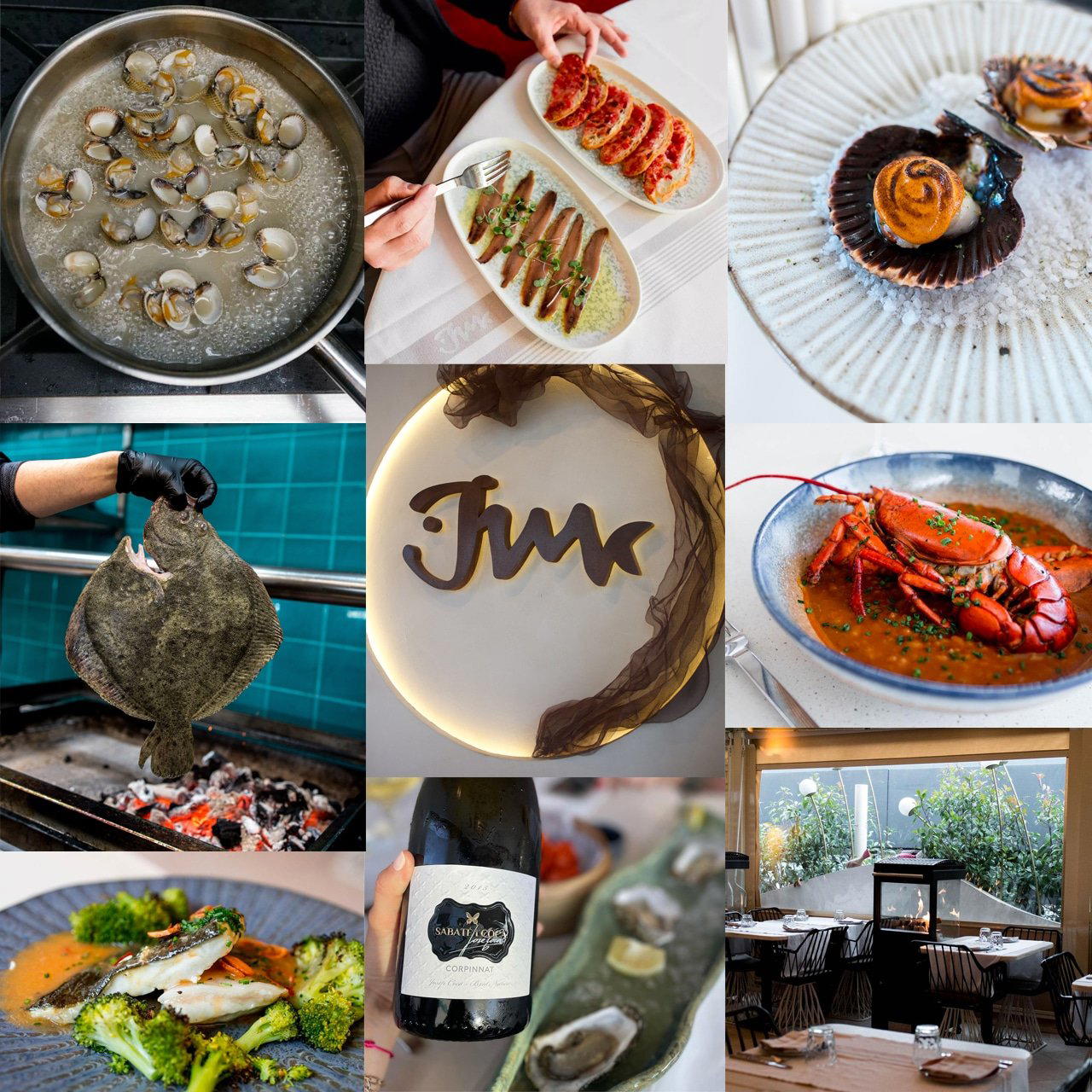
Chamberí and the Geography of Madrid's Creative Dining
Madrid's serious restaurant scene has never concentrated in a single postcode. The city spreads its most ambitious tables across a loose arc from Salamanca to Chamberí, with individual neighbourhoods developing distinct culinary personalities over time. Chamberí, anchored by the Glorieta de Quevedo, sits north of Gran Vía in territory that reads as residential and deliberate rather than tourist-facing. Restaurants that choose this address are generally pitching to a local clientele with genuine interest in what arrives on the plate, rather than counting on foot traffic from hotel corridors. El Jardín del Mar is a closed restaurant at Gta. de Quevedo, 4, Chamberí, Madrid.
The broader shift in Madrid's upper dining tier over the past decade has been a move toward format discipline: kitchens that commit to a defined approach and build their service model, wine programme, and room design around it consistently, rather than offering a general menu for a general audience. That commitment shows up most visibly in how kitchen, sommelier, and front-of-house work as a single unit, each department calibrated to reinforce the other. It is the format that separates the city's most recognised tables from venues with comparable technical ability but looser integration.
The Chamberí Room: Approaching the Space
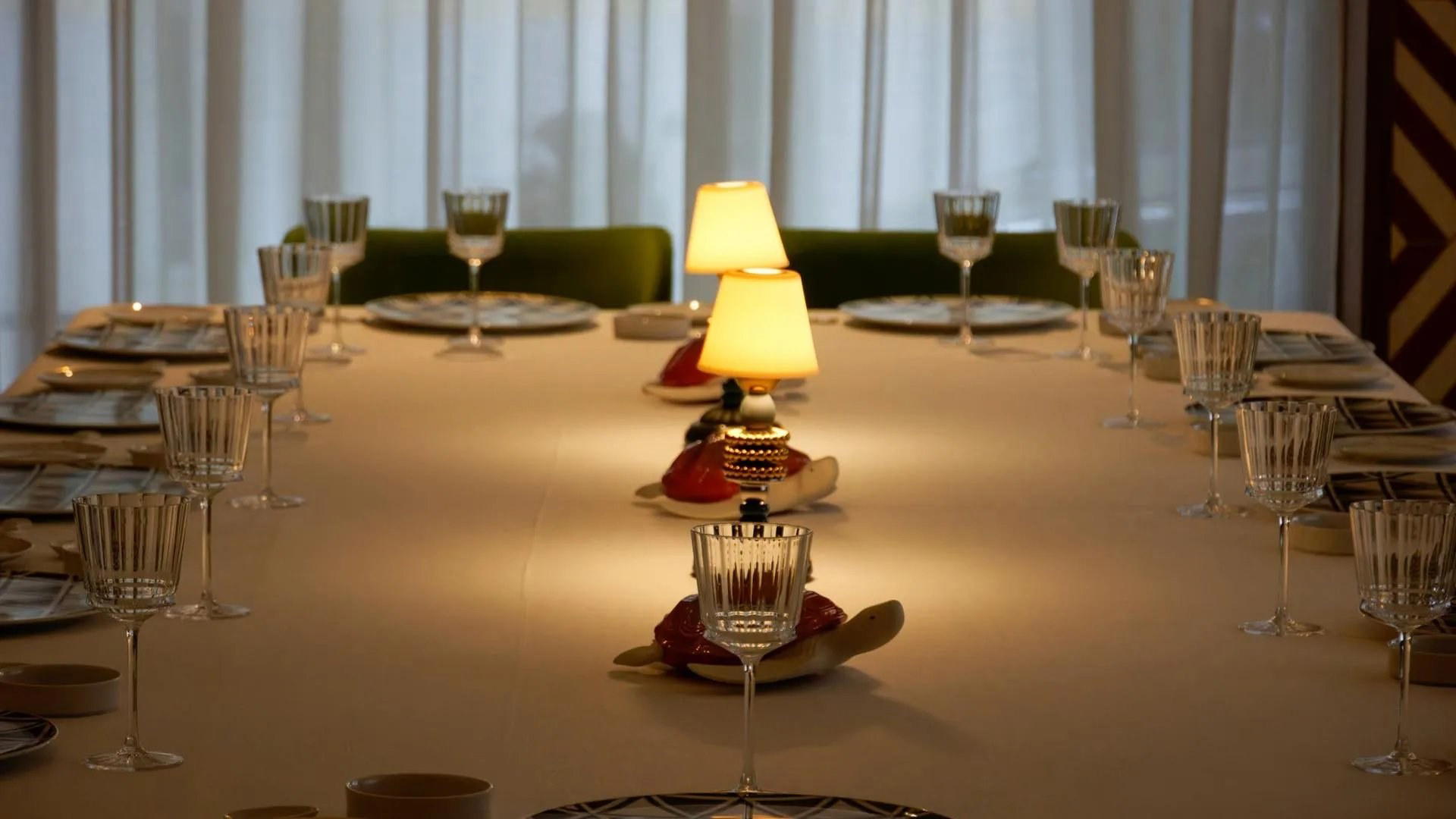
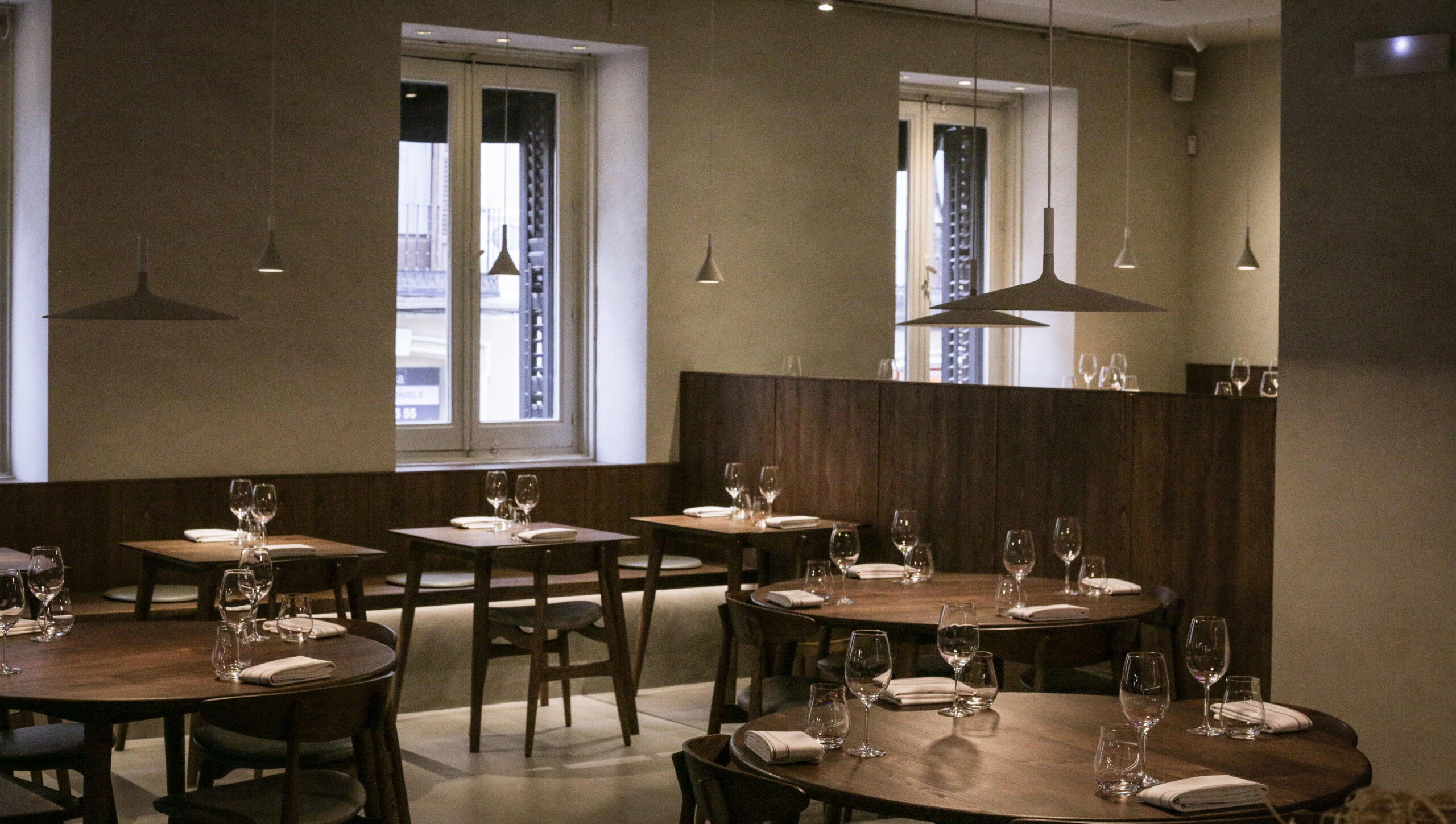
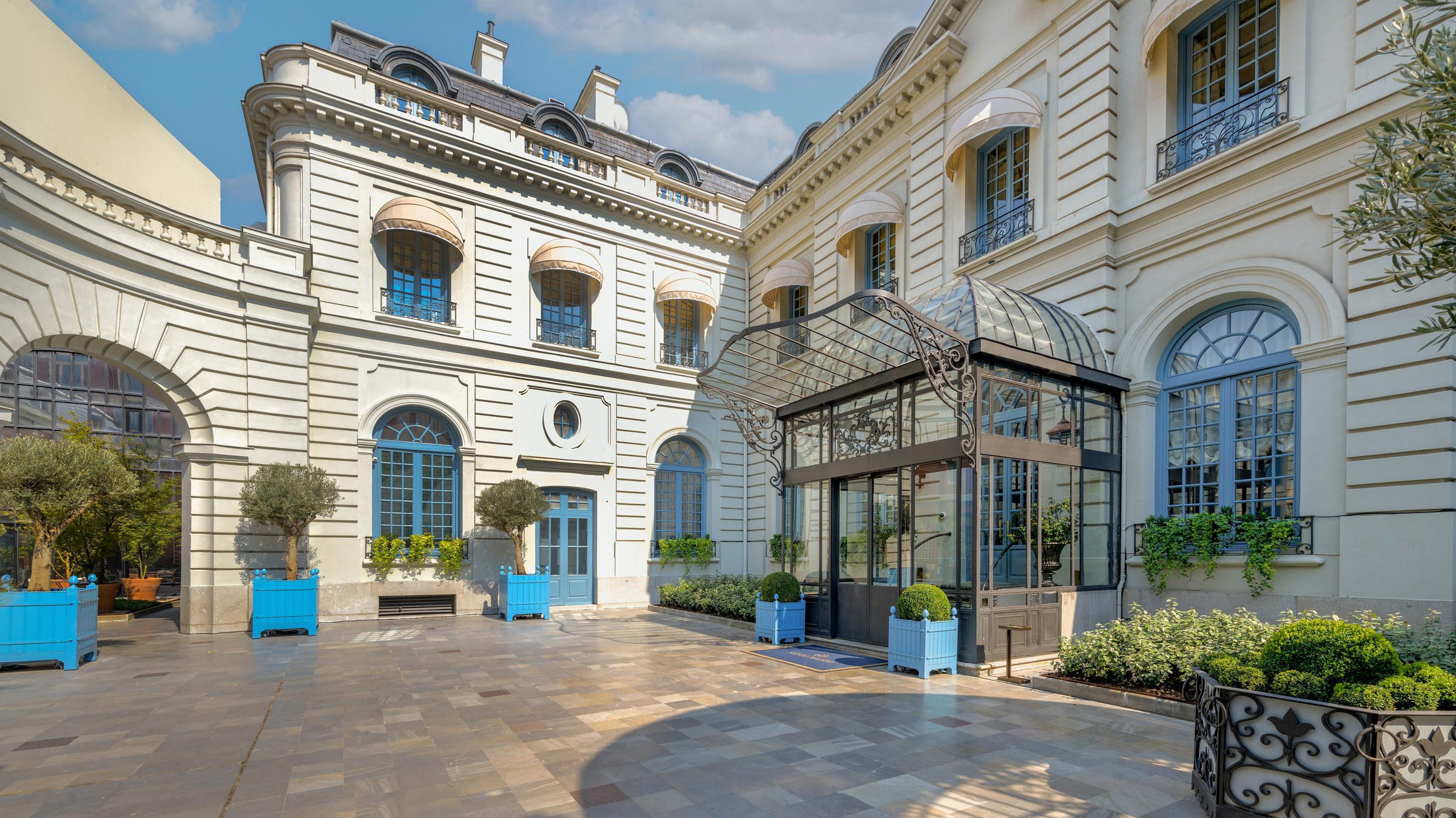
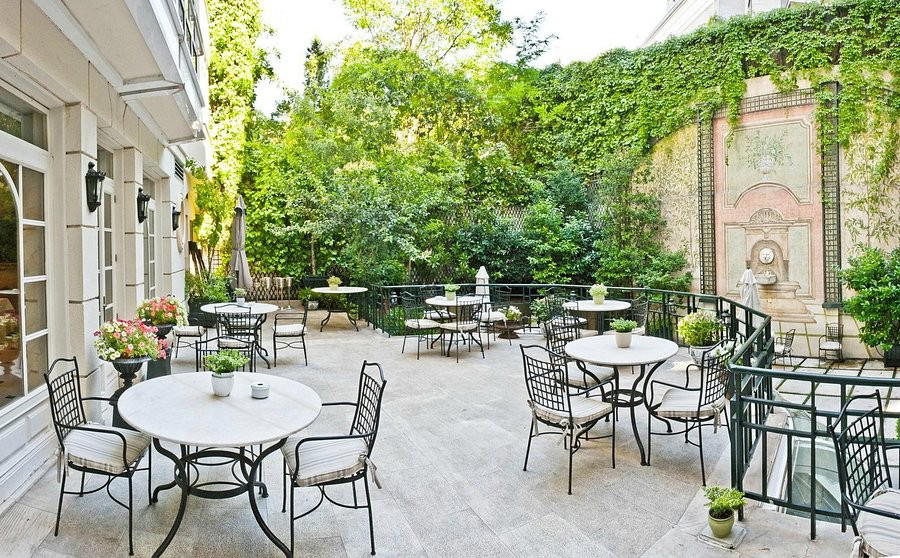
Arriving at the Glorieta de Quevedo on an autumn evening, when Madrid's light drops fast and the roundabout takes on a quieter register than the city's southern plazas, the transition from street to dining room carries a particular weight. Chamberí addresses tend toward older building stock, with interior volumes that sit lower and more intimate than the grand dining rooms of Salamanca. A restaurant in this district that names itself after a garden and a sea is making a deliberate atmospheric claim, greenery and water as organising metaphors for a city that is, emphatically, neither coastal nor verdant by default. Whether the room fulfils that premise matters as much as what the kitchen produces.
Spain's most discussed creative kitchens, DiverXO, Coque, Deessa, DSTAgE, Paco Roncero, have each solved the room question differently. DiverXO leans into controlled theatrics; DSTAgE builds its identity around a raw, industrial aesthetic that foregrounds the kitchen brigade. El Jardín del Mar's Chamberí address suggests a quieter, more residential register.
Team Dynamic: When Kitchen, Cellar, and Room Work as One
The defining characteristic of Spain's most decorated restaurants is rarely a single dish or a single chef. It is the degree to which kitchen, wine programme, and front-of-house operate in genuine coordination rather than parallel service. At El Celler de Can Roca in Girona, the three Roca brothers formalised that principle through literal family division of labour: Joan in the kitchen, Josep on the cellar, Jordi in pastry. The result earned three Michelin stars and repeated placement at the summit of the World's 50 Best list. The model has since influenced how Spain's younger creative kitchens think about team architecture.
At Mugaritz in Errenteria, the collaboration extends beyond family, with a documented culture of internal research shared across departments. Ángel León's Aponiente in El Puerto de Santa María built its three-star identity partly on a front-of-house team trained to narrate marine biology alongside service. In each case, the sommelier and the maître d' are not decorative layers on top of the kitchen, they are load-bearing parts of the guest experience.
For a table in Madrid's upper-middle price tier, the relevant question is how tightly these functions are actually integrated. A wine list that mirrors the kitchen's regional sourcing logic is a structural choice, not a coincidence. A front-of-house that can articulate why a particular pour lands at a particular course demonstrates investment in cross-department training that takes years rather than months to build. Spain's benchmark for this kind of integration runs from Coque's celebrated cellar programme to the floor work at Martín Berasategui in Lasarte-Oria.
Beyond Spain's borders, the model has parallels in restaurants like Le Bernardin in New York, where a tightly scripted front-of-house mirrors the kitchen's precision, and Lazy Bear in San Francisco, which built a communal-table format partly to force kitchen-to-guest communication that most service models avoid.
Madrid's Creative Tier in European Context
Madrid sits inside Spain's broader geography of creative cooking, which distributes its highest-recognition kitchens across multiple cities and regions. The Basque Country holds Arzak and Azurmendi. Catalonia contributes Cocina Hermanos Torres. Dénia has Quique Dacosta. Extremadura offers Atrio in Cáceres. Valencia has Ricard Camarena. Madrid competes against all of these for the attention of a travelling diner who could route their trip differently.
What Madrid offers that the Basque Country and Catalonia cannot is concentration: multiple ambitious kitchens within a city that functions around late-night rhythms, which means dinner at 9:30 pm is not a concession to tourist scheduling but a participation in how the city actually eats. A table in Chamberí at that hour sits inside a neighbourhood still running at its natural pace. For visiting diners calibrated to earlier seatings, the adjustment is worth making rather than resisting.
Planning a Visit
| Venue | Cuisine | Price Tier | Location | Booking Lead Time |
|---|---|---|---|---|
| El Jardín del Mar | TBC | TBC | Chamberí, Madrid | Confirm direct |
| DiverXO | Progressive Asian, Creative | €€€€ | Madrid | Weeks to months ahead |
| Coque | Spanish, Creative | €€€€ | Madrid | Weeks ahead |
| Deessa | Modern Spanish, Creative | €€€€ | Madrid | Weeks ahead |
| Paco Roncero | Creative | €€€€ | Madrid | Weeks ahead |
The restaurant's address at Gta. de Quevedo, 4 places it in Chamberí, Madrid.
Nearby-ish Comparables
Comparable venues nearby, for context on price, style, and recognition.
| Venue | Cuisine | Price | Notes |
|---|---|---|---|
| El Jardín del MarThis venue — the venue you are viewing | Seafood and Mediterranean Grill | $$ | Not listed |
| Santamaria | Spanish-International Tapas Gastrobar | $$ | Malasana |
| Airiños | Traditional Galician | $$ | Sol |
| El Escaldon | Traditional Canarian | $$ | La Latina |
| Can Bonet | Traditional Catalan Mediterranean | $$ | Ibiza |
| LA MADREÑA Santa Lucrecia | Traditional Asturian | $$ | Opanel |
Continue exploring
More in Madrid
Restaurants in Madrid
Browse all →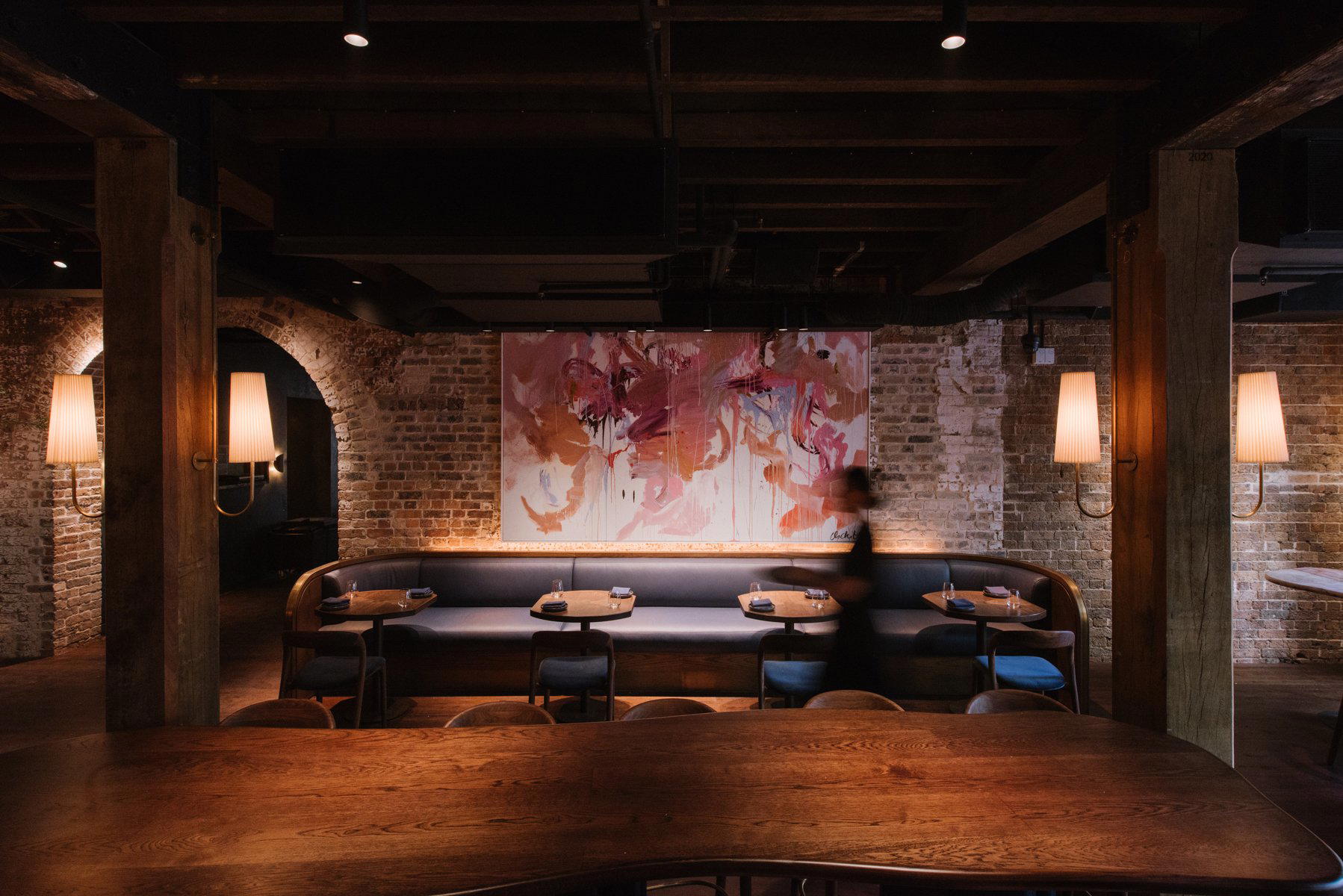
Bars in Madrid
Browse all →
Hotels in Madrid
Browse all →

At a Glance
- Scenic
- Casual Hangout
- Terrace
- Extensive Wine List
Coastal-inspired atmosphere evoking the sea.