Airiños occupies a third-floor address on Calle de Carretas in central Madrid, placing it a short walk from Sol and the literary quarter. The kitchen draws on Galician culinary tradition, a reference point that sits apart from the Castilian roast-focused mainstream of the capital. Daytime and evening service each carry a distinct pace and purpose, making the choice of visit as deliberate as the reservation itself.
Pearl is the En Primeur Club membership app — saves, bookings, and concierge access live there. Same editors, same standards.
- Address
- C. de Carretas, 14, 3ª Planta, Centro, 28012 Madrid, Spain
- Phone
- +34624112035
- Website
- airinosgastro.com
- Directions
- Get directions
 Saves & bookings on Pearl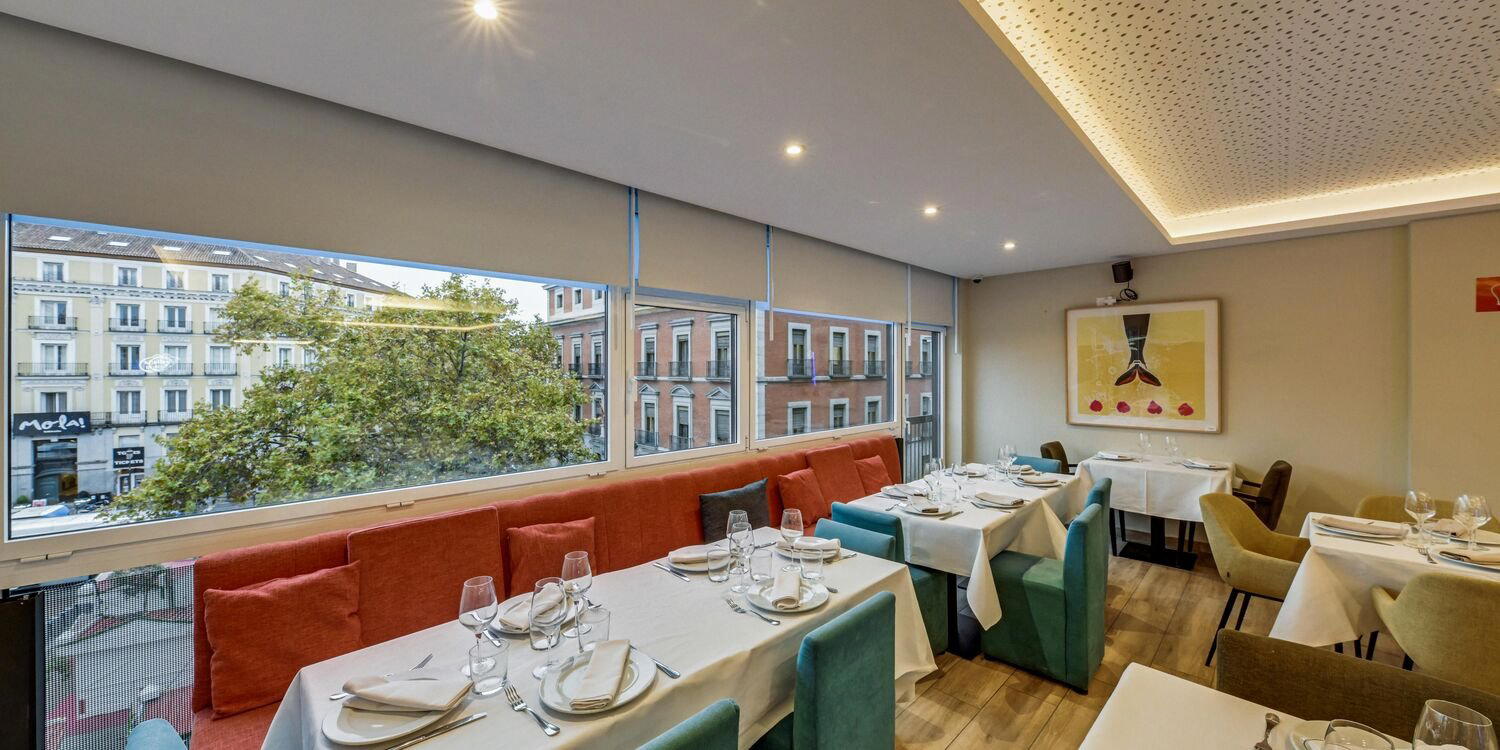
Third Floor, Centro: What a Galician Address Means in Madrid
Madrid's dining centre of gravity has long pulled toward the grand Castilian roast, the cocido madrileño, and the wave of creative tasting menus that put the city alongside San Sebastián as a reference point for contemporary Spanish cooking. Venues such as DiverXO, Coque, Deessa, DSTAgE, and Paco Roncero operate at the creative end of that tier, occupying a price bracket and reservation window that defines how Madrid is read internationally. Against that backdrop, the capital's regional dining rooms, those rooted in Galician, Asturian, or Extremaduran traditions rather than avant-garde technique, occupy a quieter but persistent niche. Airiños, on the third floor of a building on Calle de Carretas 14, sits inside that niche.
Calle de Carretas connects the Puerta del Sol to the literary quarter around Huertas, a corridor that has always carried a working-city character: bookshops, modest hotels, locals moving between the metro and the market. A third-floor restaurant here signals something specific about the intended audience. This is not a ground-floor room designed for passing trade or a terrace for casual drop-ins. The elevation asks for intention on arrival, and the room offers a setting closer to Galician tavern tradition than to Madrid's flagship tasting-menu addresses.
The Galician Reference Point
Galicia's culinary identity is built around seafood, percebes, pulpo, vieiras, navajas, prepared with a restraint that treats the Atlantic product as the primary argument. The regional cooking tradition resists the heavy sauce work that defines French-adjacent fine dining and equally resists the deconstructive impulse of Madrid's avant-garde tier. In the capital, Galician restaurants have historically served a dual function: as a dining option for the Galician diaspora (substantial in Madrid, given generations of internal migration) and as a reliable seafood address for madrileños who accept that the leading fish arrives by overnight freight from the Rías Baixas rather than from any local source.
That provenance argument is the foundation on which Galician restaurants in Madrid build their credibility. It also explains why the daytime and evening splits at this type of address tend to carry different social registers. The lunch service at a Galician room in central Madrid typically draws office workers, locals with time, and visitors using the midday meal as their main dining event of the day, a pattern consistent with the Spanish meal structure, where the two-hour lunch remains standard across much of the city. The evening service, by contrast, tends to be slower and more deliberate, with wine doing much of the work alongside smaller plates or raciones.
Lunch vs. Evening: The Divide That Matters Here
The editorial angle most useful for reading a room like Airiños is not the tasting menu versus à la carte question that dominates coverage of Madrid's leading creative addresses. It is the lunch-dinner divide, and in this case that divide is genuinely consequential. Spanish dining culture preserves the main meal at midday with more conviction than almost any other European tradition. A Galician room in central Madrid at 2pm on a weekday is a different social event from the same room at 9pm on a Saturday, and the gap between those two moments reflects something real about how the kitchen is asked to perform and how the diner is expected to engage.
Lunch here is likely to be the moment of highest kitchen intensity, and any set lunch format would be the value proposition that makes this type of address accessible to a broader local audience. Evening service shifts the calculus toward product showcase, the kind of ordering pattern where a table of four works through a sequence of seafood preparations at their own pace, with Albariño or Godello anchoring the table. For visitors from outside Spain, the practical recommendation is simple: midday service gives more structure and typically more value; the evening service gives more latitude but requires more active engagement with the format.
For context on how other Spanish kitchens handle the regional-versus-avant-garde tension at a national level, the range is wide. Quique Dacosta in Dénia and Arzak in San Sebastián represent the transformative end of regional product, while Azurmendi in Larrabetzu, Martin Berasategui, Aponiente in El Puerto de Santa María, Cocina Hermanos Torres in Barcelona, El Celler de Can Roca in Girona, Ricard Camarena in València, Mugaritz in Errenteria, and Atrio in Cáceres each occupy distinct positions along that spectrum. A Galician address in central Madrid sits outside that creative axis and is not trying to win Michelin stars or earn column inches in international food media. Its measure of success is consistency of product and a loyal repeat clientele.
Internationally, the model has parallels: Le Bernardin in New York City demonstrates how seafood-focused dining can occupy a formal fine-dining register, while Lazy Bear in San Francisco shows a different approach to fixed-format intimate dining. Airiños operates in neither of those registers, it is closer to the neighbourhood institution model, where the room's value is inseparability from its local context.
Planning a Visit
Airiños sits on Calle de Carretas 14, third floor, in the Centro district, within easy walking distance of Sol metro station (Lines 1, 2, and 3). The address puts it inside the dense commercial and pedestrian zone between Sol and the Huertas neighbourhood, so arrival on foot from the historic centre is direct. The safest approach is to contact the restaurant directly or check current reservation availability before visiting.
Price and Positioning
Comparable venues nearby, for context on price, style, and recognition.
| Venue | Cuisine | Price |
|---|---|---|
| AiriñosThis venue — the venue you are viewing | Sol, Traditional Galician | $$ |
| Portomarín | Lavapies, Galician Spanish | $$ |
| Alegrias | Malasana, Spanish Tapas | $$ |
| Lola 09 | Chueca, Modern Spanish Tapas | $$ |
| Restaurante Adrede | Jeronimos, Traditional Spanish Tapas | $$ |
| La Flaca | Castellana, Traditional Spanish Tapas | $$ |
Continue exploring
More in Madrid
Restaurants in Madrid
Browse all →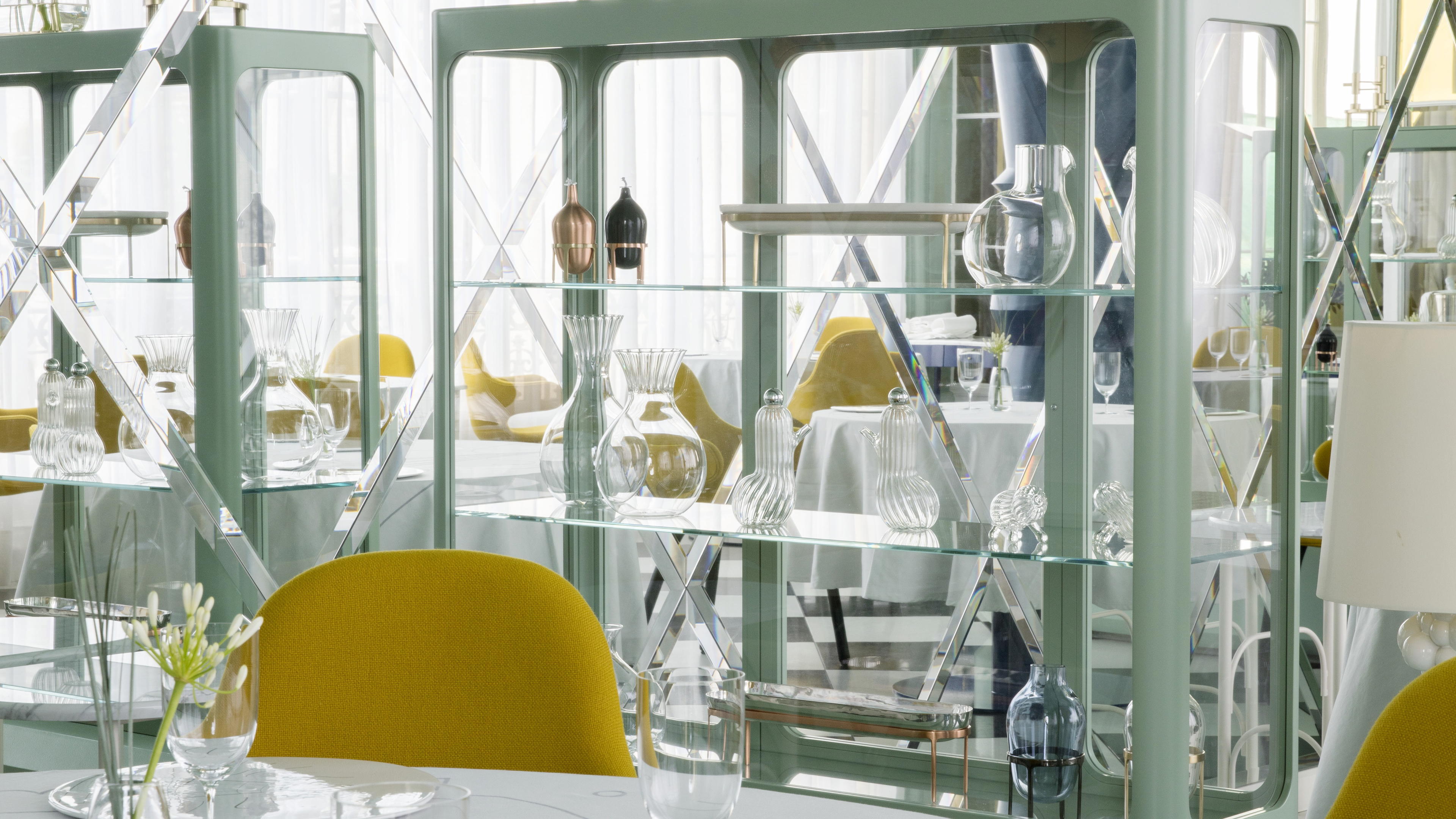
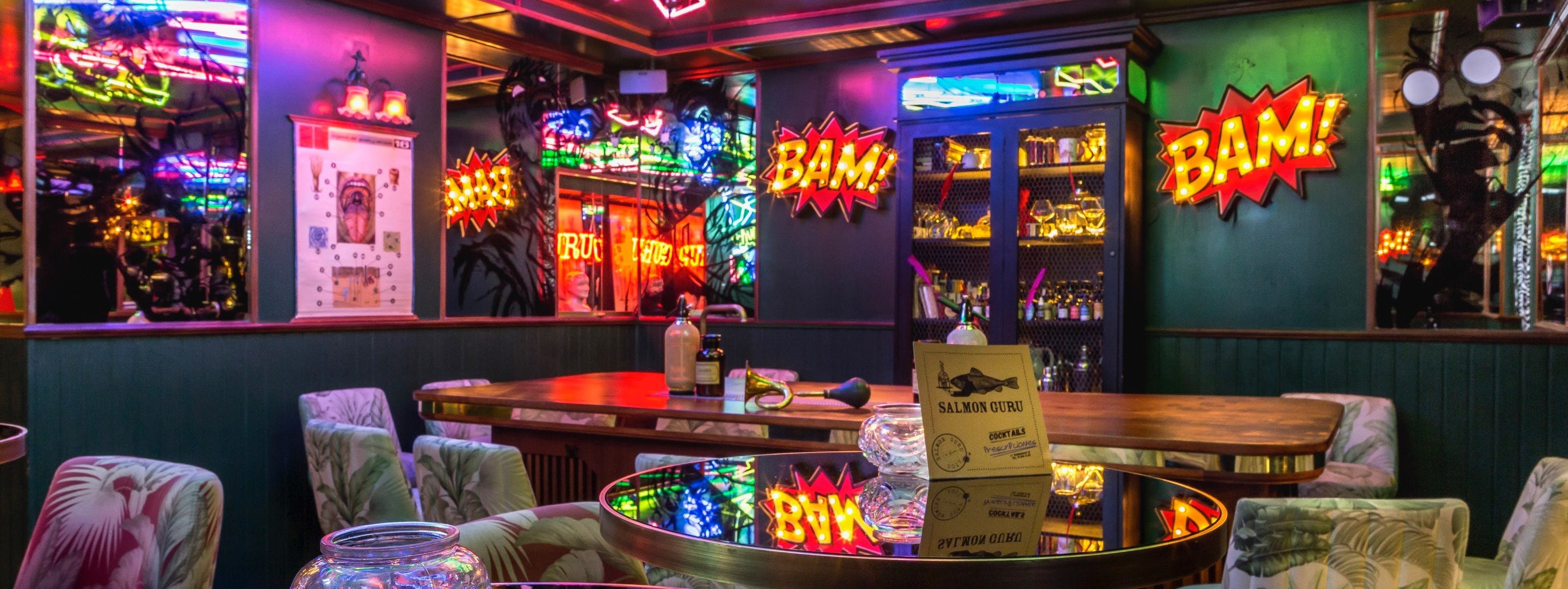
Bars in Madrid
Browse all →
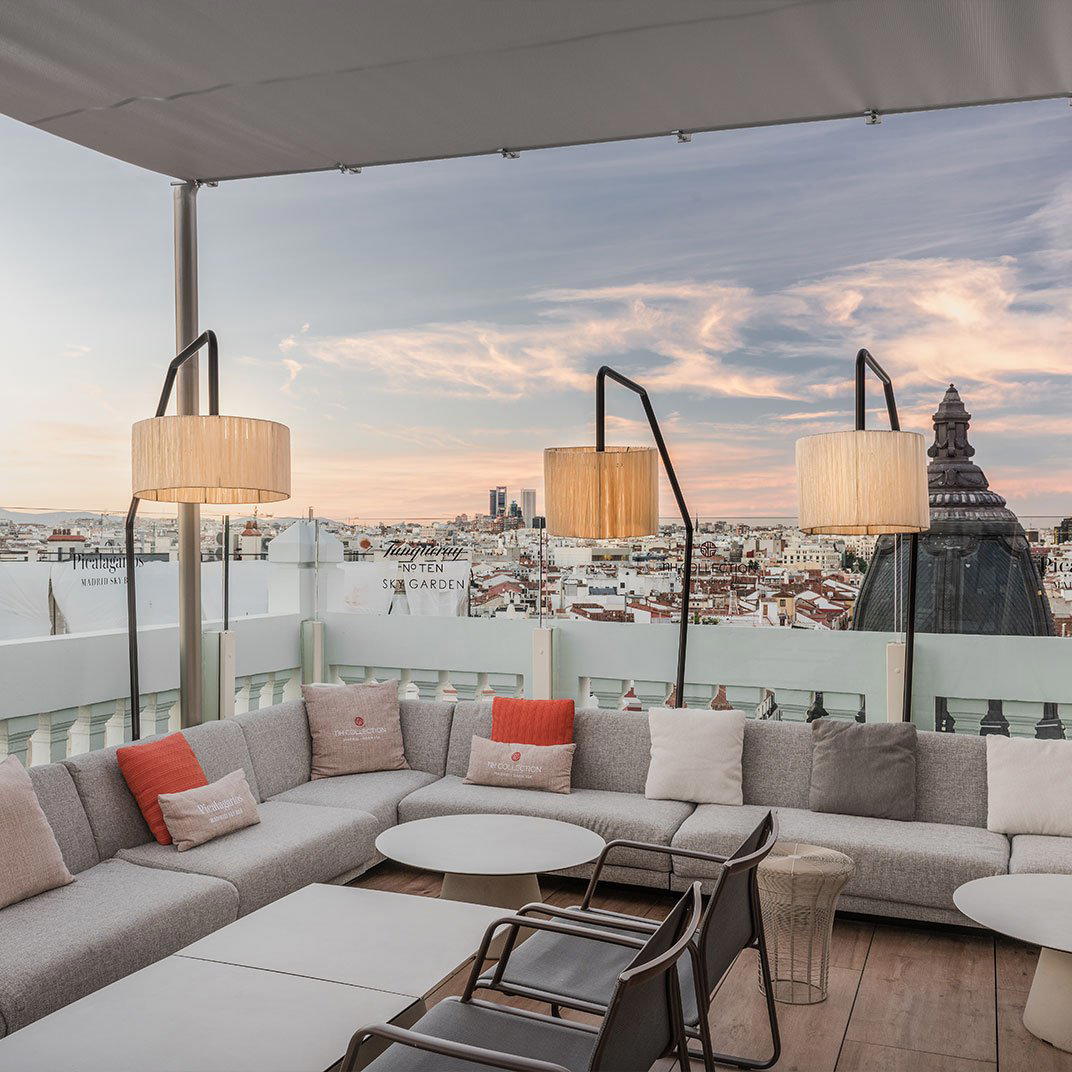
Hotels in Madrid
Browse all →

At a Glance
- Cozy
- Group Dining
- Casual Hangout
- Standalone
Current opening hours
- Monday
- Closed
- Tuesday
- 1–4:30 PM, 8–11 PM
- Wednesday
- 1–4:30 PM, 8–11 PM
- Thursday
- 1–4:30 PM, 8–11 PM
- Friday
- 1–4:30 PM, 8 PM–12 AM
- Saturday
- 1–5 PM, 8 PM–12 AM
- Sunday
- 1–5 PM
Hours can change for holidays and private events. Last verified .
Cozy space promoting Galician culture with a welcoming atmosphere.