Our verdict
On Calle de la Ballesta in Madrid's Centro district, Santamaria draws a loyal local crowd that returns not for spectacle but for consistency, the kind of place that feels claimed rather than discovered. Set against a neighbourhood where independent restaurants increasingly hold their own against the city's Michelin-starred circuit, it occupies a quieter register that regulars tend to protect.

Pearl is the En Primeur Club membership app, where members save venues, book tables and use the concierge.

A Street That Earns Its Regulars
Calle de la Ballesta runs through one of Centro's more quietly consequential blocks, a few minutes from Gran Vía but a world away from its tourist density. The street has developed a character shaped by independent operators rather than branded concepts, and it is the kind of address where locals develop habits rather than itineraries. Santamaria sits on this strip in a way that feels settled, the sort of venue whose clientele arrives with a preferred table in mind rather than a photo opportunity.
Madrid's dining scene has bifurcated sharply over the past decade. At the leading end, restaurants like DiverXO, Coque, and Deessa operate within the formal Michelin circuit, with tasting menus, advance booking windows, and price points that position them against peers like DSTAgE and Paco Roncero. Below that tier, a different kind of loyalty forms, one built on repetition, on knowing what to order without opening the menu, on the particular comfort of a room that does not need to announce itself.
What Keeps People Coming Back
The regulars' perspective is usually the most reliable editorial lens for a neighbourhood restaurant. It asks a harder question than "is it good?", it asks whether a place sustains interest over many visits, whether it has depth that reveals itself slowly rather than performing everything in a single meal. For a venue on a street like Calle de la Ballesta, that sustained return is itself a signal.
Centro's independent restaurant culture has faced consistent pressure from rising rents and the gravitational pull of food halls and concept restaurants, a pattern visible in cities from Barcelona to Valencia. The restaurants that survive that pressure typically do so through a combination of neighbourhood anchoring and a kitchen that does not drift. Consistency is not the same as stagnation, it is the discipline to execute the same things well across a year of services rather than chasing seasonal reinvention for its own sake.
Spain's broader dining culture has long understood this distinction. The tradition of the neighbourhood restaurant in Madrid, the restaurante de barrio, carries real cultural weight, these are not fallback options but often the settings for the most honest cooking in the city. Compared to the high-production environments of El Celler de Can Roca in Girona or Martin Berasategui in Lasarte-Oria, or destination experiences like Aponiente in El Puerto de Santa María and Mugaritz in Errenteria, the neighbourhood format operates under different rules entirely: intimacy over theatre, return visits over first impressions.
The Neighbourhood as Context
Centro is not a monolithic district. The blocks around Malasaña bleed into those around Chueca, and the character of a street shifts within a few hundred metres. Calle de la Ballesta falls into a zone that retains a working texture, not gentrified to the point of uniformity, not resistant to the better independent restaurants that have settled there. For a venue like Santamaria, that location matters because the clientele it draws is likely local-weighted: people who chose this address deliberately rather than ending up here from a map search.
That dynamic shapes the atmosphere in ways that differ from destination restaurants. There is less performance on both sides of the pass. A room where regulars know the staff, where the rhythm of the week is understood, where a standing order is a reasonable concept, these are conditions that produce a different kind of meal than a tasting-menu counter where every element is introduced with a rehearsed explanation. Spain's finest formal dining, from Arzak in San Sebastián to Quique Dacosta in Dénia, is worth understanding in contrast to this register, not in competition with it.
Where Santamaria Sits in Madrid's Wider Circuit
It is not operating in the same register as Cocina Hermanos Torres in Barcelona or the intricate creative programmes at Azurmendi in Larrabetzu or Ricard Camarena in València. It sits closer to the tier of independently run Madrid addresses that prioritise a consistent room and reliable kitchen over the architecture of a tasting menu.
Internationally, the comparison holds. A venue like Le Bernardin in New York City operates at the farthest extreme of formal fine dining, where every detail is codified; something like Atomix in New York City represents a different kind of controlled environment, high-concept but intimate. Santamaria, based on its address and neighbourhood positioning, sits in a different category altogether, closer to the kind of room you return to because it is yours, not because it is reviewed.
That positioning is not a lesser category. It is, for many regular Madrid diners, the more valuable one. The city's restaurant culture is broad enough to contain both the spectacle of its Michelin-chasing upper tier and the quiet authority of a Centro address that does not need to explain itself. See our full Madrid restaurants guide for a broader reading of where the city's dining sits in 2024, including how the neighbourhood independent tier fits against the formal fine-dining circuit.
For those considering the full range of Spain's serious restaurant destinations, the contrast between a venue like Atrio in Cáceres and an independently run Centro address clarifies why Madrid functions as both a destination dining city and a city of genuine neighbourhood eating culture. Both registers are real. Both reward attention.
Planning a Visit
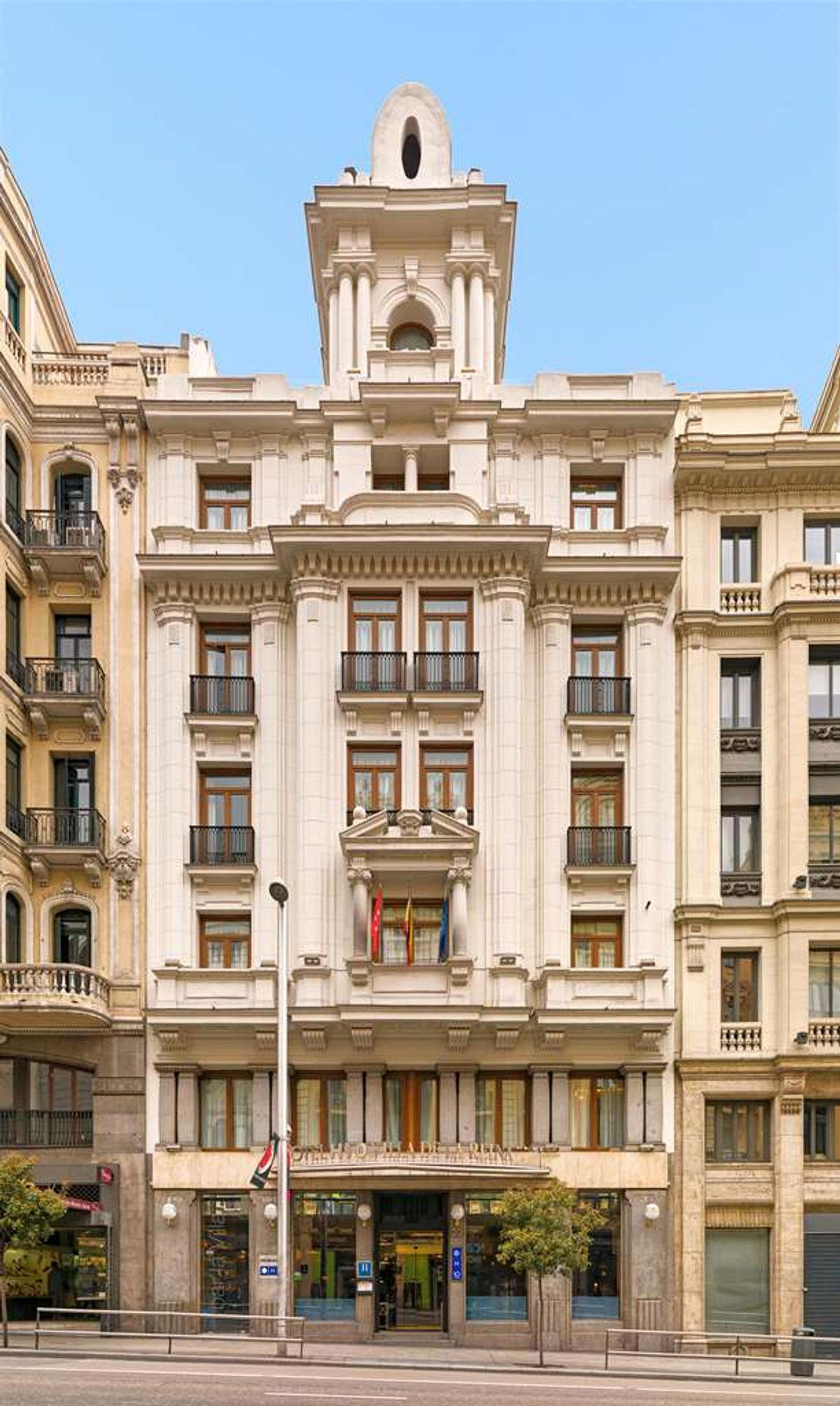
Santamaria is located at C. de la Ballesta, 6, Centro, 28004 Madrid. Booking details, current hours, and pricing are best confirmed directly with the venue before visiting, as information was not available at time of writing.
Frequently asked questions
Is Santamaria good for families?
Centro's dining culture skews toward adult regulars rather than family-optimised formats, and Santamaria's position on Calle de la Ballesta places it in a neighbourhood that runs toward independent local restaurants rather than child-friendly venues. Families with older children comfortable in a sit-down adult dining setting will fare better than those with young children. Confirm the setup directly with the venue before visiting.
What's the overall feel of Santamaria?
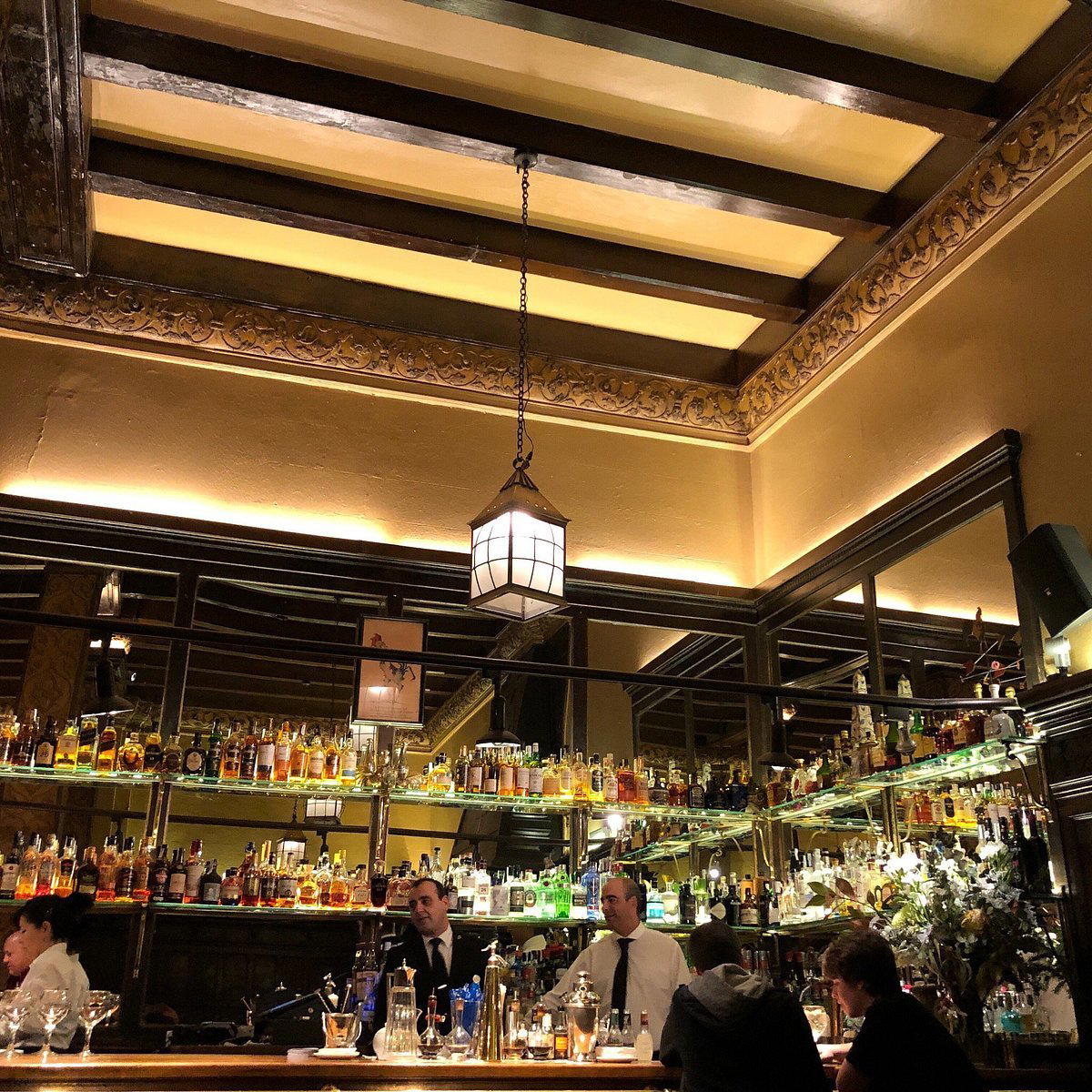
Santamaria reads as a neighbourhood regular rather than a destination-dining proposition. Calle de la Ballesta sits a few minutes from Gran Vía in Madrid's Centro, in a block where local loyalty counts for more than tourist footfall. The atmosphere aligns with that premise: a place people return to rather than arrive at once for a special occasion.
How does Santamaria fit into Madrid's independent restaurant scene on Calle de la Ballesta?
Calle de la Ballesta sits at the edge of several converging Madrid neighbourhoods, Centro, Malasaña, and Chueca, giving venues on this street access to a mixed but locally-grounded clientele. Santamaria occupies the independent, non-chain tier of Madrid's restaurant circuit, a category that has grown in credibility as the city's dining culture has moved away from purely tourist-facing formats. For visitors reading Madrid's food scene beyond the Michelin corridor, this block is worth understanding on its own terms.
What do people recommend at Santamaria?
Confirmed dish data is not available for Santamaria at this time. The practical approach at any neighbourhood restaurant with a strong regular base is to ask which items have been on the menu longest, longevity in that context signals consistent demand, not inertia. Staff at venues like this tend to be candid about what the kitchen does consistently well.
Where is Santamaria in Madrid?
Santamaria is located at C. de la Ballesta, 6, Centro, 28004 Madrid, Spain, Madrid.
Do I need a reservation for Santamaria?
Any independent restaurant in Centro with a reliable local following carries walk-in risk at peak hours, particularly on weekend evenings when Madrid's dining rhythm runs late. Booking ahead is the practical call.
Cuisine-First Comparison
Comparable venues nearby, for context on price, style, and recognition.
| Venue | Cuisine | Price | Notes |
|---|---|---|---|
| SantamariaThis venue (the venue you are viewing) | Spanish-International Tapas Gastrobar | $20–30 | Not listed |
| ORIO Fuencarral | Basque Pintxos and Seafood | $30–50 | Malasana |
| El Patio de Atocha | Modern Spanish Fusion | Not listed | Barrio de las Letras |
| Harina | Spanish Café & Bakery | Not listed | Jeronimos |
| Ana la Santa | Modern Spanish Tapas | $30–50 | Barrio de las Letras |
| La Bobia | Traditional Asturian Tapas & Cider | $30–50 | Embajadores |
Continue exploring
More in Madrid
Restaurants in Madrid
All restaurants in Madrid →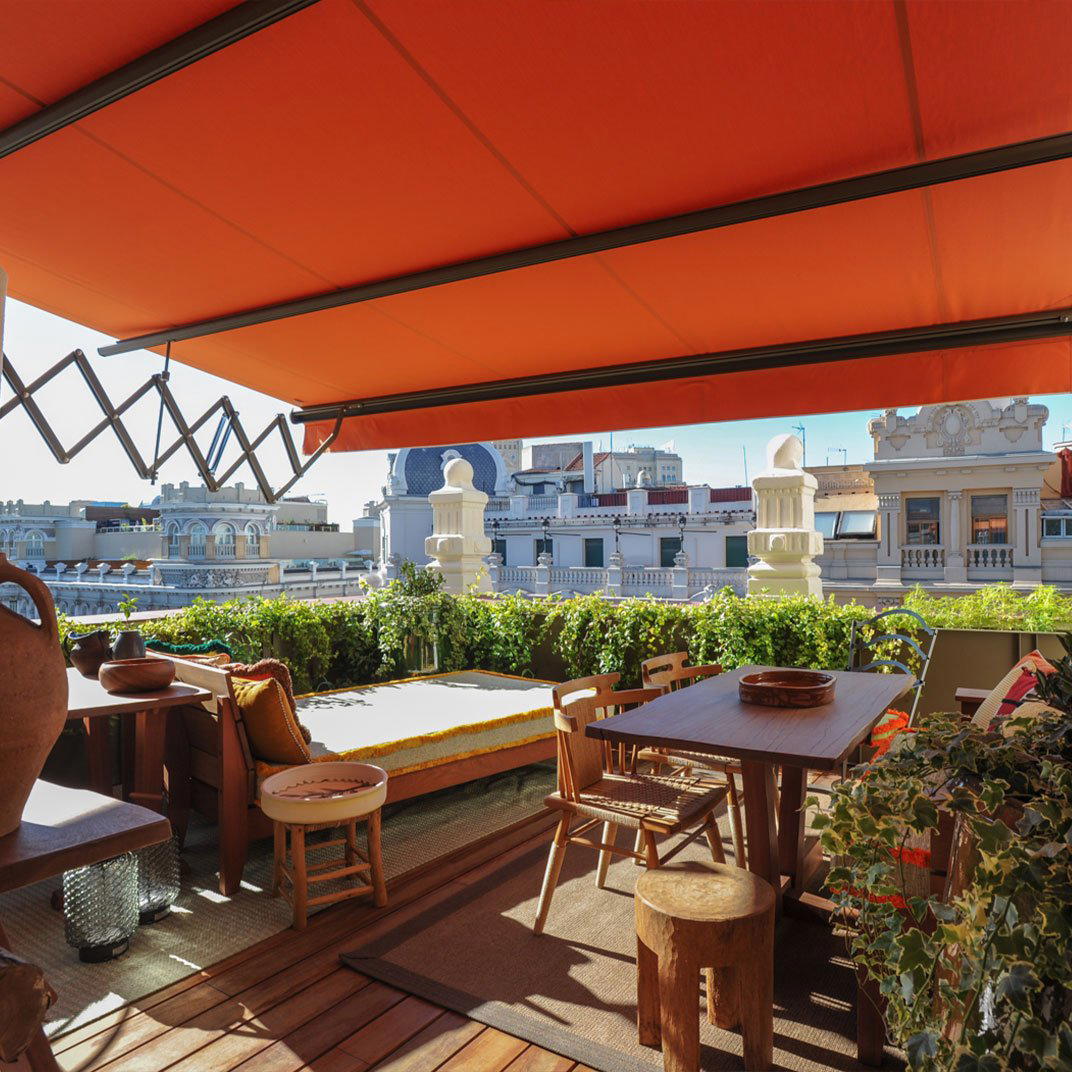
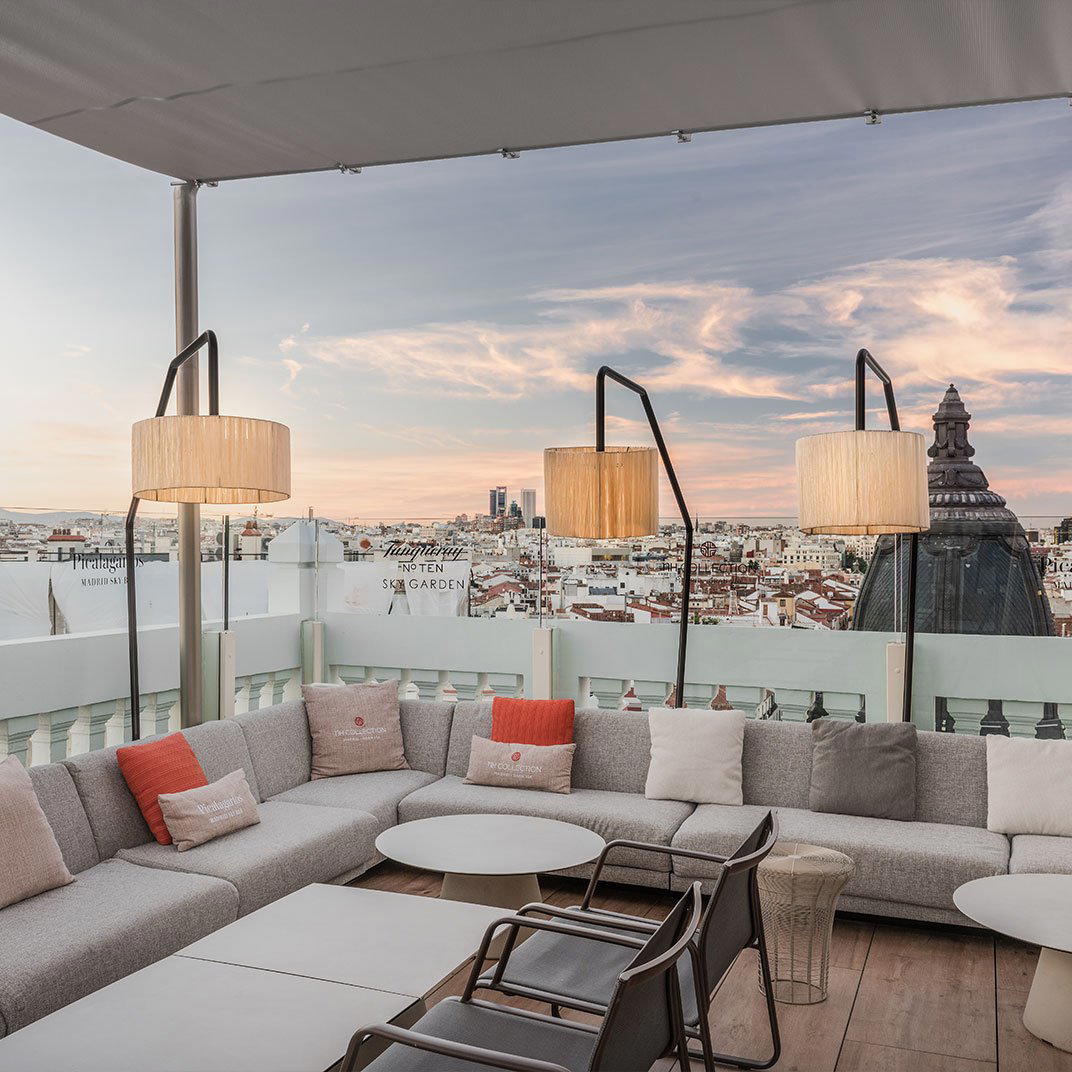
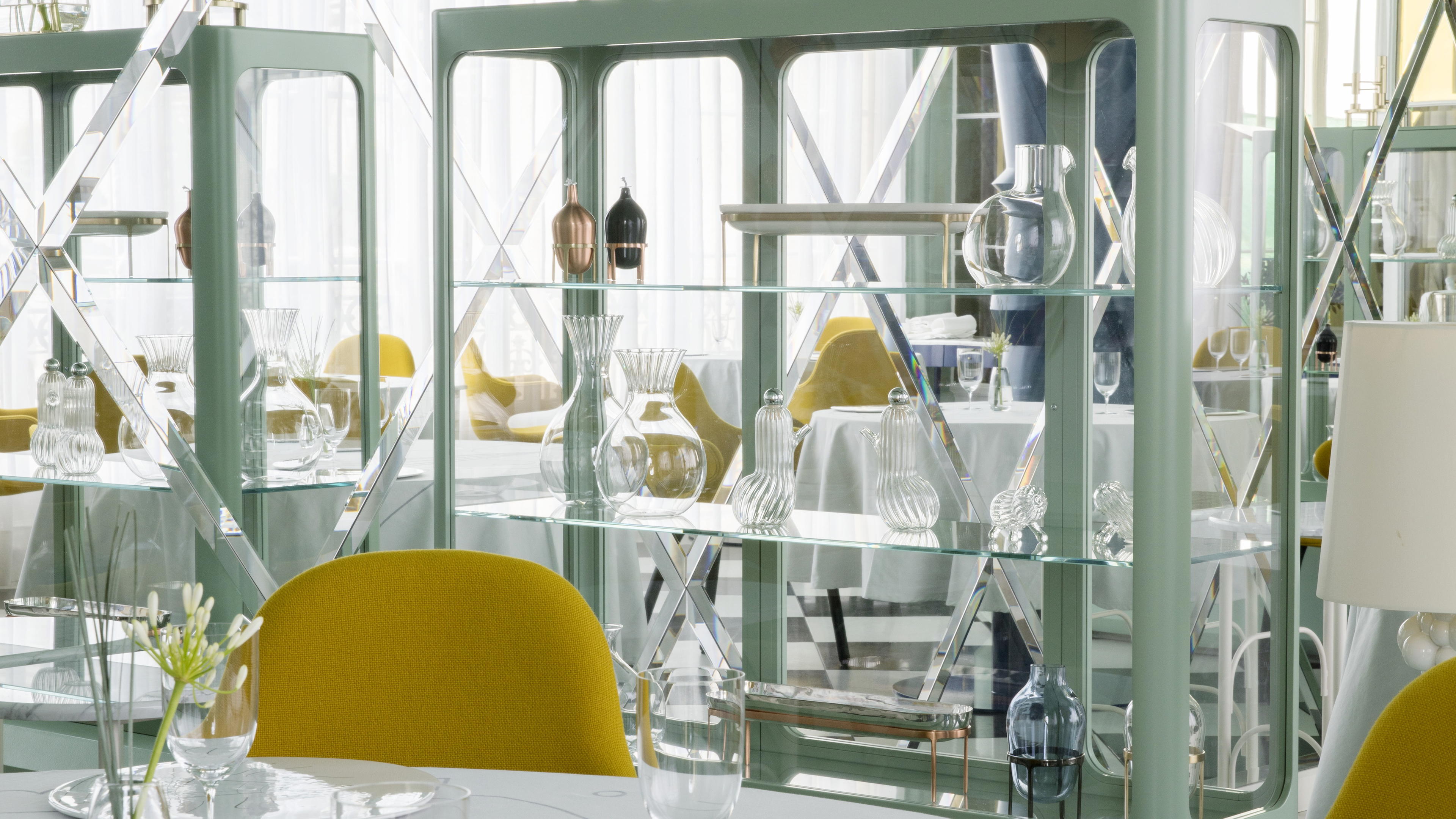
Bars in Madrid
All bars in Madrid →

Details
- Trendy
- Lively
- Casual Hangout
- Date Night
- Hotel Restaurant
- Craft Cocktails
- Small Plates
Current opening hours
- Monday
- 7 PM–2 AM
- Tuesday
- 7 PM–2 AM
- Wednesday
- 7 PM–2 AM
- Thursday
- 7 PM–3 AM
- Friday
- 4 PM–3 AM
- Saturday
- 4 PM–3 AM
- Sunday
- 7 PM–2 AM
Hours can change for holidays and private events. Hours as of .
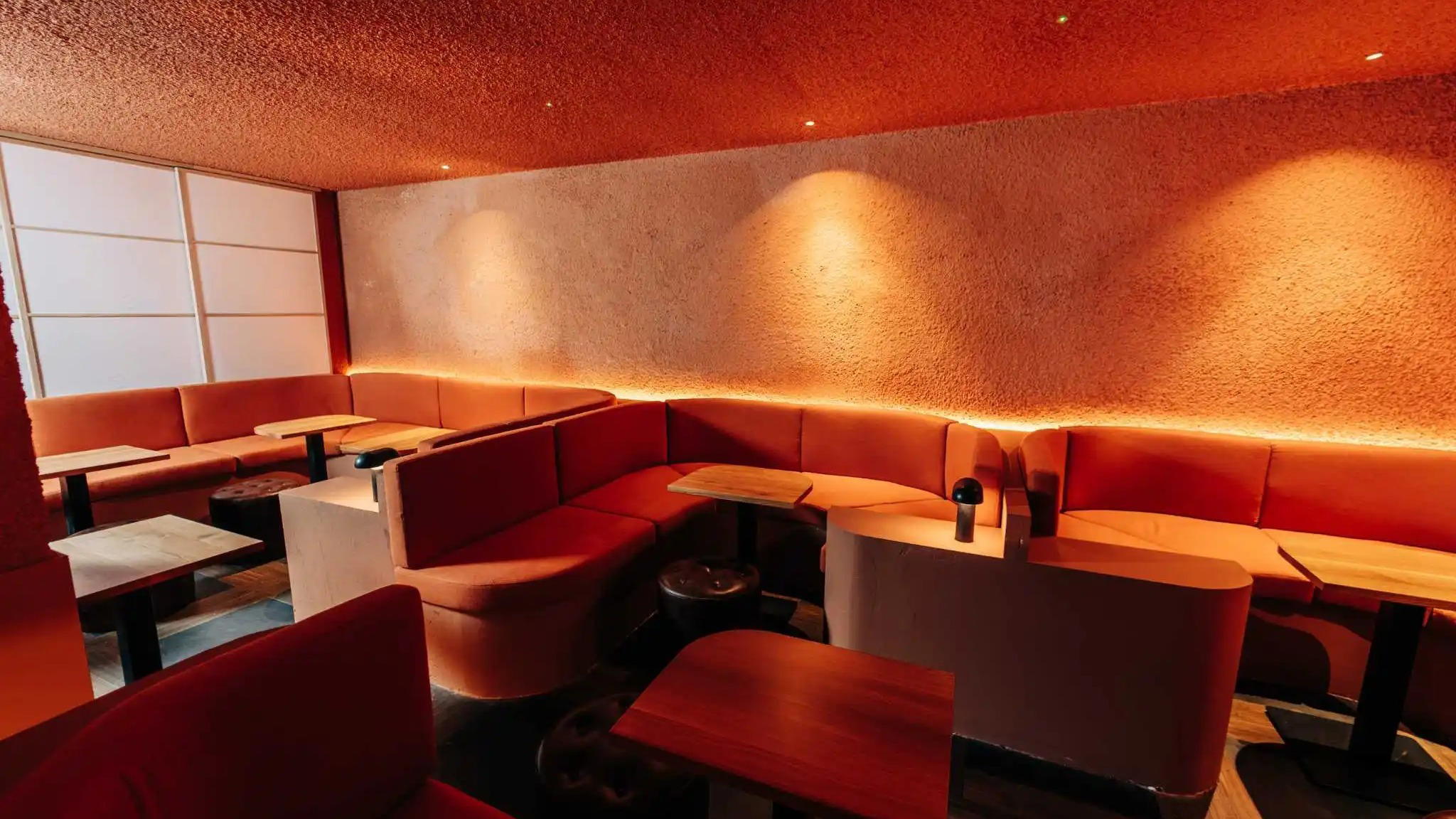
Contemporary design with lively and fun atmosphere enhanced by DJ music.