LA MADREÑA Santa Lucrecia sits in Carabanchel, one of Madrid's most talked-about working-class districts, where a new generation of neighbourhood restaurants has been quietly rewriting the city's dining geography. With no Michelin stars to anchor its reputation, it competes on conviction rather than credentials, placing it in a growing cohort of Madrid addresses that trade on locality and craft over formal accolade.
Pearl is the En Primeur Club membership app — saves, bookings, and concierge access live there. Same editors, same standards.
- Address
- C. de Sta. Lucrecia, 10, Carabanchel, 28019 Madrid, Spain
- Phone
- +34914605375
- Website
- lamadrena.com
- Directions
- Get directions
 Saves & bookings on Pearl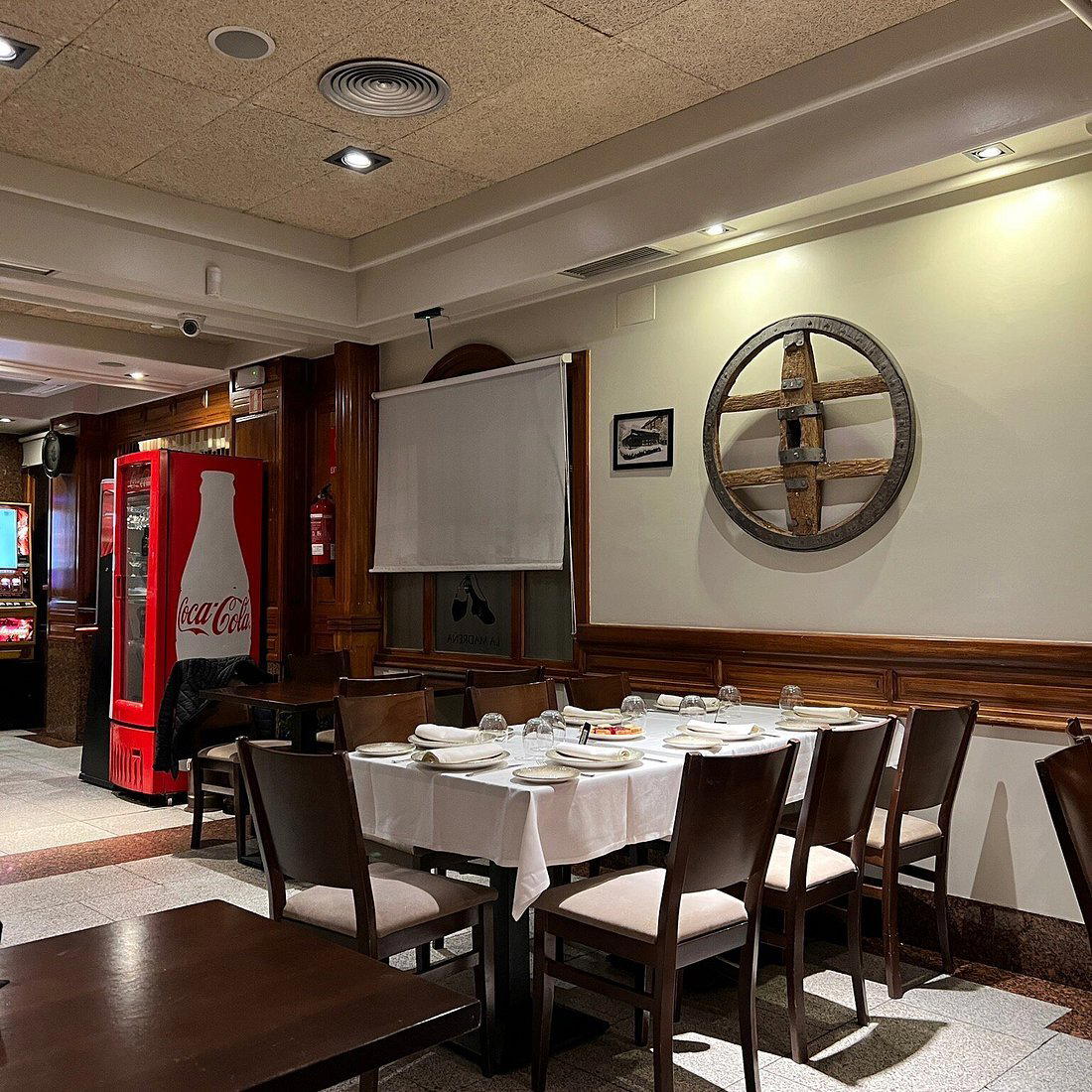
Carabanchel and the Shift in Madrid's Dining Geography
For most of its modern history, serious dining in Madrid meant a cluster of addresses in Salamanca, Chamberí, and the centro, with the occasional outlier pushing toward Chueca or Malasaña. Carabanchel, a district that spent decades defined by its industrial past and working-class identity in the city's south, was not part of that conversation. It is now. Over the past several years, a generation of chefs and operators has moved into neighbourhoods like Carabanchel not because rents are cheaper, though they are, but because the distance from the city's established dining circuit allows for a different kind of restaurant. LA MADREÑA Santa Lucrecia, at Calle de Santa Lucrecia 10, is positioned inside that shift, in a district where the interesting question is no longer whether good food exists but how the neighbourhood's character shapes the cooking that happens there.
The Evolution of the Neighbourhood Restaurant in Madrid
Madrid's restaurant culture has historically tracked two parallel lines: the grand tasting-menu house, represented at the leading by addresses such as DiverXO and Coque, and the traditional taberna or mesón serving roast meats and stews to a neighbourhood clientele. What has changed in the past decade is the emergence of a middle register: smaller, independent restaurants that apply genuine technical ambition to accessible formats, without the ceremony or price architecture of the tasting-menu tier. DSTAgE and Deessa occupy the upper end of that middle register, still within the city's established dining geography. Carabanchel addresses like LA MADREÑA push the format further south, both geographically and in terms of the relationship they build with their immediate community.
This kind of evolution mirrors what has happened in other Spanish cities. In Barcelona, Cocina Hermanos Torres demonstrated that ambition need not be confined to a historic centre. In the Basque Country, the dispersal of serious cooking across smaller towns, from Arzak in San Sebastián to Martin Berasategui in Lasarte-Oria, established a precedent for cooking that does not require a central metropolitan address to earn serious attention. Madrid has been slower to follow that dispersal model, which is part of why Carabanchel's emergence reads as a structural shift rather than a passing trend.
What the Address Signals
A restaurant choosing Carabanchel today is making a statement about audience and intent. The neighbourhood's population is diverse, price-sensitive by necessity, and historically not the target demographic for restaurants with wine pairings and printed menus. Opening there means competing for a local clientele first, and for destination diners second. That ordering of priorities shapes everything: the format tends toward accessibility, the pricing toward reason, and the cooking toward dishes that earn repeat visits rather than single-occasion spectacle.
This contrasts sharply with the model operating at addresses like Paco Roncero, where the tasting-menu architecture is designed for an audience that plans the visit weeks in advance and arrives with specific expectations. LA MADREÑA's Carabanchel positioning suggests a different contract with its guests, one where the cooking earns trust through consistency and locality rather than through the grammar of fine dining. Spain's broader dining conversation, from Aponiente in El Puerto de Santa María to Mugaritz in Errenteria, has long included restaurants that operate outside capital-city circuits while commanding national attention. Carabanchel is not yet in that conversation, but the conditions for it are being assembled.
Reinvention as a Neighbourhood Proposition
The editorial angle that matters most for LA MADREÑA is not where it started but what it has become as Carabanchel's profile has changed. Restaurants in gentrifying districts face a specific pressure: evolve with a neighbourhood that is attracting new money and new attention, or anchor to the original community and risk being bypassed by the destination-dining circuit. Particularly durable neighbourhood restaurants in cities like New York, addresses such as Le Bernardin or the Korean tasting-menu approach of Atomix, have each navigated versions of this tension, though in different price tiers and formats.
In Madrid's context, the restaurants that have maintained both neighbourhood credibility and wider recognition tend to be those that did not abandon their original format as the surrounding area changed. They sharpened their cooking and their sourcing without changing the fundamental proposition. That discipline, resisting the drift toward tasting-menu complexity that destination attention often incentivises, is what defines the evolution worth watching at an address like LA MADREÑA Santa Lucrecia.
For comparison within Spain's broader dining map, the template is less about starred houses such as El Celler de Can Roca in Girona or Azurmendi in Larrabetzu and more about what happens when a committed kitchen operates in a community context over time, accumulating local trust before any external validation arrives. Quique Dacosta in Dénia and Ricard Camarena in València both built reputations through deep regional rootedness before national media attention followed. Atrio in Cáceres demonstrated that geographic marginality, relative to Madrid or Barcelona, is not an obstacle to serious recognition. Carabanchel is not geographically marginal in the same way, but it has historically been institutionally marginal within Madrid's dining hierarchy.
Planning a Visit
LA MADREÑA Santa Lucrecia is located at Calle de Santa Lucrecia 10 in Carabanchel, in the south of Madrid, accessible via metro lines serving the Carabanchel district. For a fuller picture of how this address fits within Madrid's broader dining map, see our full Madrid restaurants guide. Reservations: Contact details are not currently listed; visiting in person or checking third-party booking platforms is one reliable approach. Dress: No dress code is confirmed; neighbourhood restaurant context suggests casual dress is appropriate. Timing: The neighbourhood's growing profile means weekend evenings attract more foot traffic than was the case even two years ago; a midweek visit is likely to offer a more settled experience.
A Quick Peer Check
Comparable venues nearby, for context on price, style, and recognition.
| Venue | Cuisine | Price | Notes |
|---|---|---|---|
| LA MADREÑA Santa LucreciaThis venue — the venue you are viewing | Traditional Asturian | $$ | Not listed |
| Airiños | Traditional Galician | $$ | Sol |
| Café Central | Spanish Tapas & Jazz | $$ | Barrio de las Letras |
| Don Benito San Roque | Andalusian Tapas | $$ | Trafalgar |
| Las Margaritas - Casa de Comidas | Traditional Spanish Casa de Comidas | $$ | El Plantio |
| Restaurante El Ducado | Traditional Spanish Tapas | $$ | Palacio |
Continue exploring
More in Madrid
Restaurants in Madrid
Browse all →
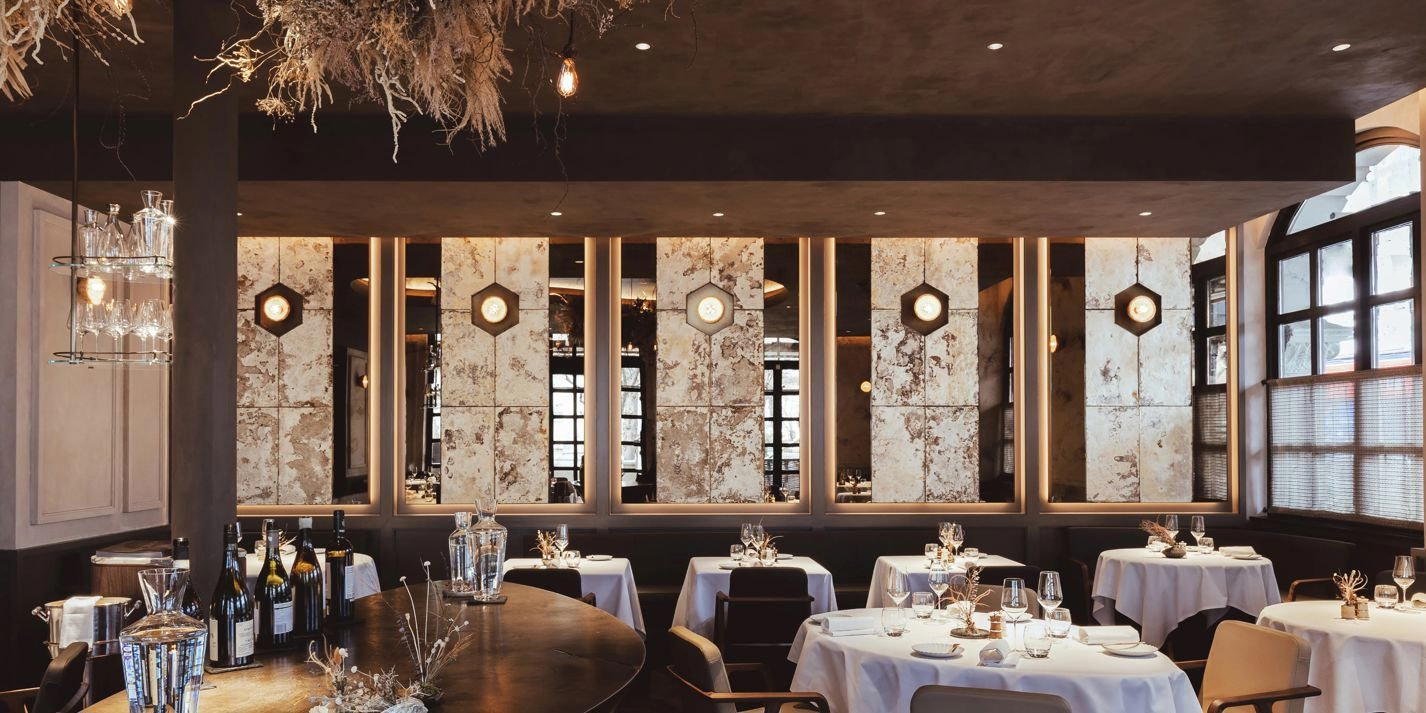
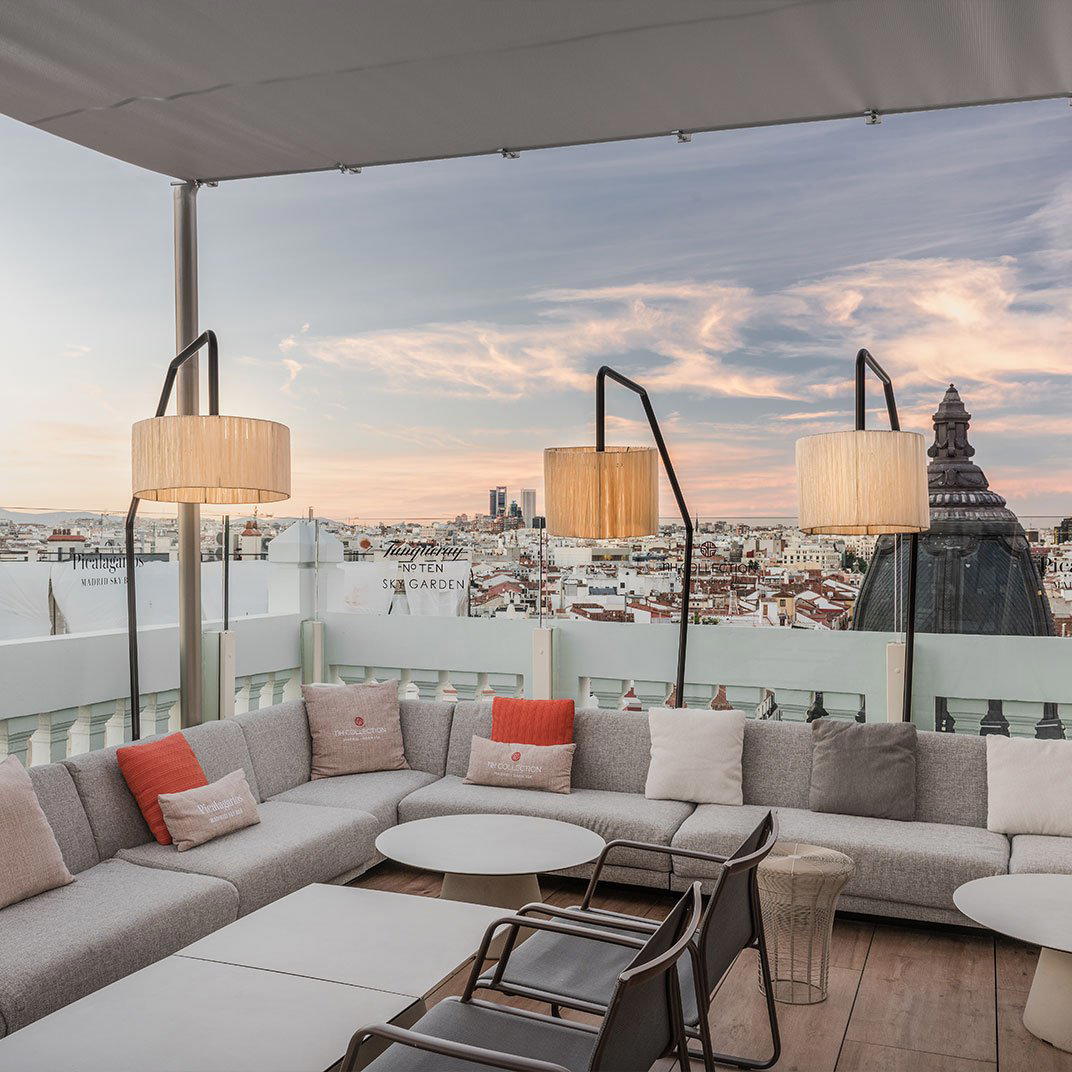
Bars in Madrid
Browse all →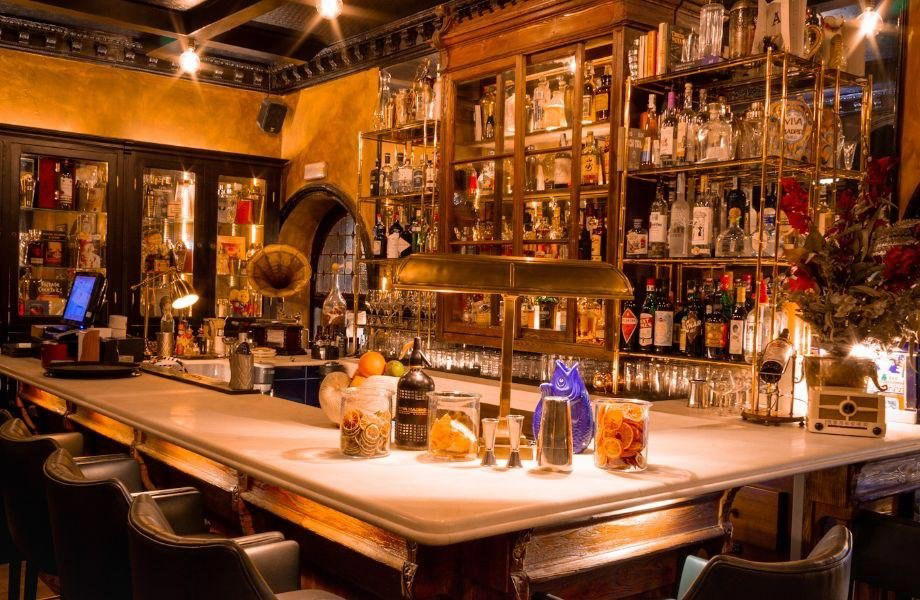
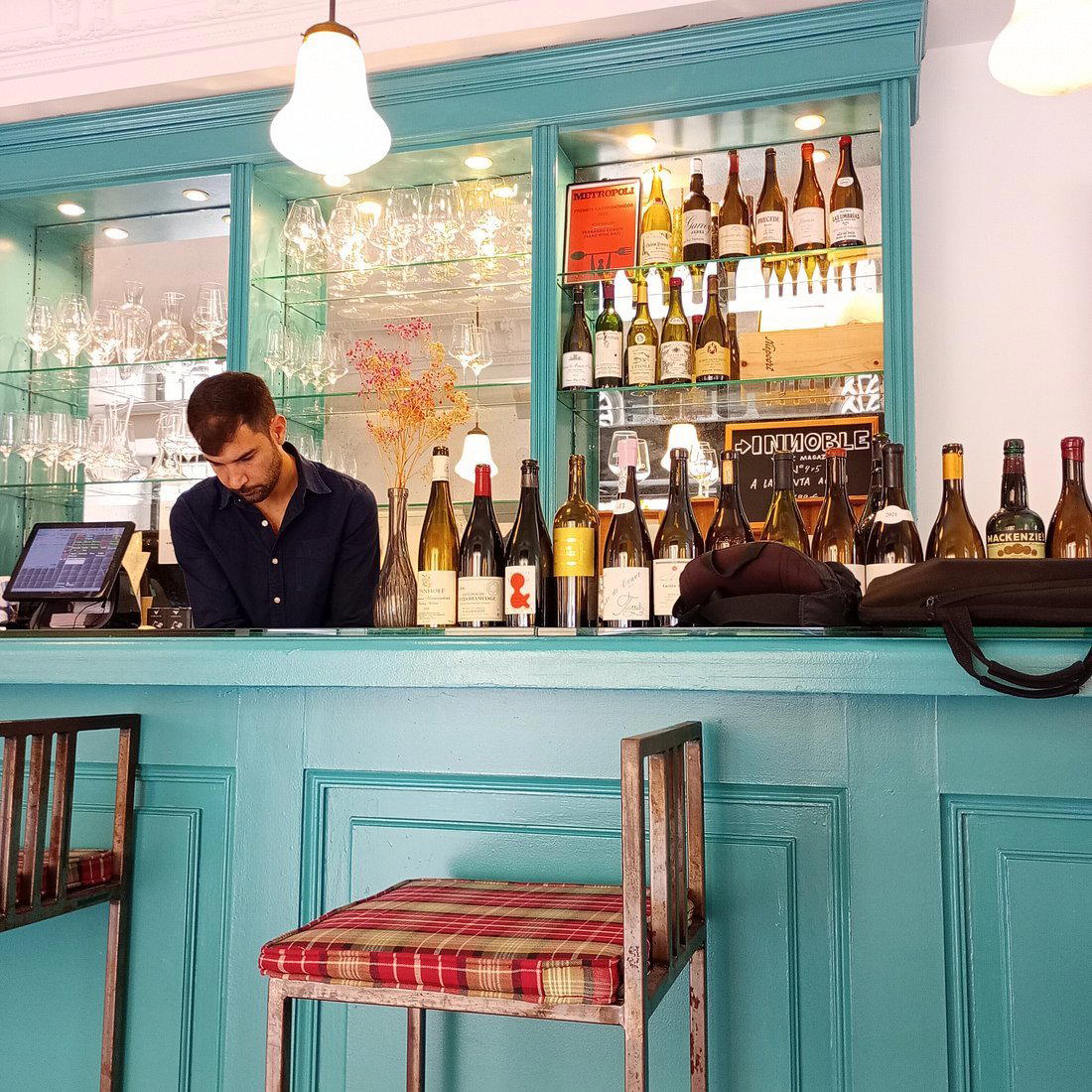
Hotels in Madrid
Browse all →

At a Glance
- Cozy
- Rustic
- Classic
- Elegant
- Group Dining
- Celebration
- Casual Hangout
- Standalone
- Terrace
- Extensive Wine List
- Local Sourcing
Current opening hours
- Monday
- 7:30 AM–11:30 PM
- Tuesday
- 7:30 AM–11:30 PM
- Wednesday
- 7:30 AM–11:30 PM
- Thursday
- 7:30 AM–12:30 AM
- Friday
- 7:30 AM–12:30 AM
- Saturday
- 8 AM–12:30 AM
- Sunday
- 8:30 AM–5 PM
Hours can change for holidays and private events. Last verified .
Warm and inviting with stone masonry, rich wood decoration, vintage furniture mixed with modern mirrors and lighting; columns and beams resembling young trees and a striking oak-wood mural evoking stacked firewood.