El Gaucho sits on Landhausgasse in the heart of Graz's historic centre, placing it within a short walk of the city's most serious dining addresses. In a Styrian restaurant scene increasingly shaped by questions of sourcing provenance and regional identity, El Gaucho represents one entry point into Graz's broader conversation about where meat-forward cooking fits alongside the province's farm-to-table traditions.
Pearl is the En Primeur Club membership app — saves, bookings, and concierge access live there. Same editors, same standards.
- Address
- Landhausgasse 1, 8010 Graz, Austria
- Phone
- +43316830083
- Website
- elgaucho.at
- Directions
- Get directions
 Saves & bookings on Pearl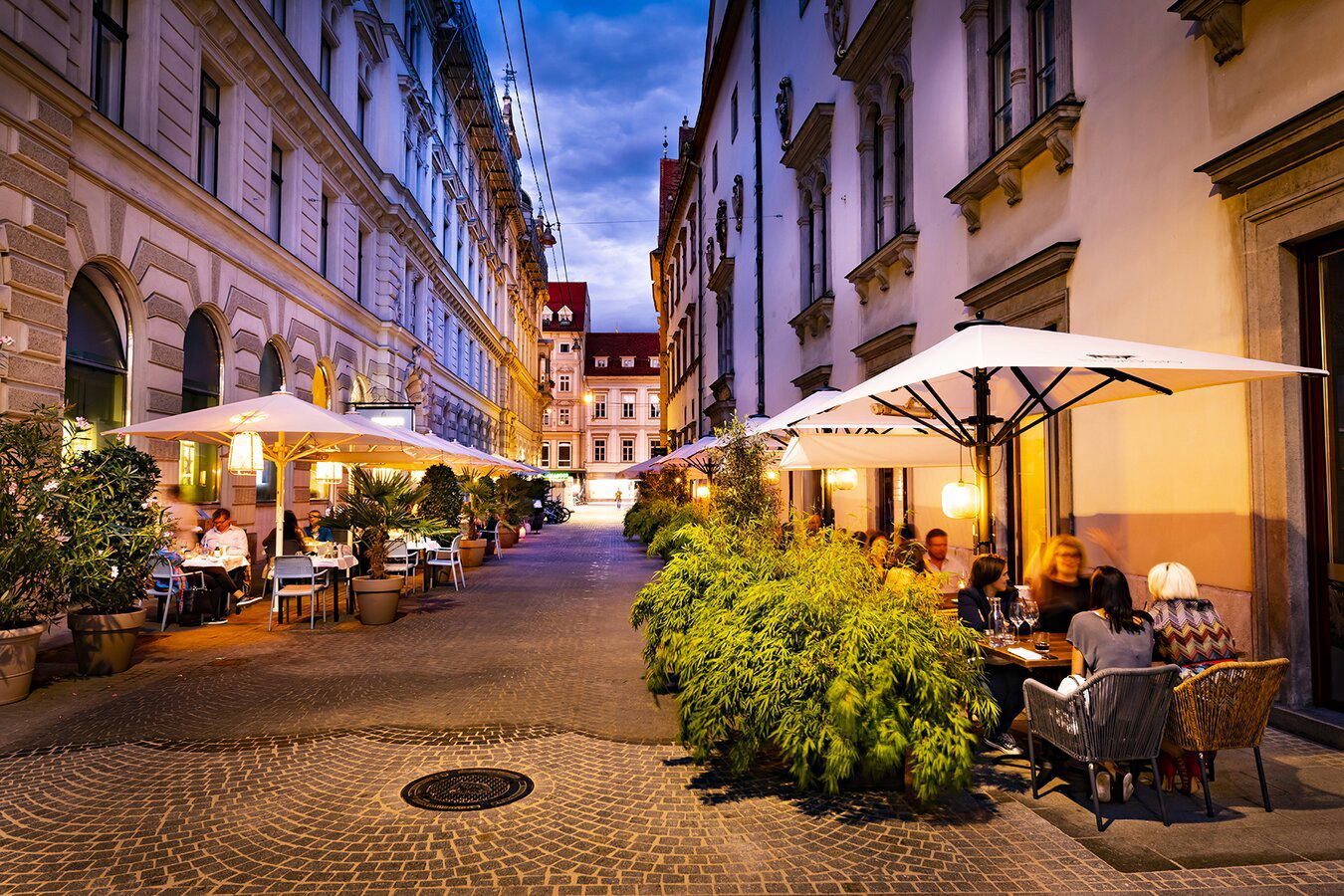
Landhausgasse and the Weight of Address
Landhausgasse 1 is not an accidental address. The street runs through Graz's Altstadt, the UNESCO-listed old town where the Landhaus, among the more architecturally significant Renaissance buildings in the German-speaking world, anchors the western end. Arriving at El Gaucho, you are stepping into a city block that has hosted political assemblies, merchant trade, and civic ceremony for centuries. That density of civic history sets a particular tone before you have ordered anything: this is a city that takes its institutions seriously, and a restaurant that has chosen to operate within that gravity.
Graz's dining scene has matured considerably over the past decade, developing a tiered structure that ranges from €€ farm-to-table producers working directly with Styrian growers through to €€€€ creative kitchens pushing regional identity into more experimental territory. Venues like Artis (Creative) occupy the upper creative register, while addresses such as Adelphia and Arravané contribute to the city's international-facing middle tier. El Gaucho on Landhausgasse positions itself within this scene as a meat-forward destination, drawing on the Gaucho chain's Argentine-influenced concept in a city that has its own strong traditions around beef and livestock agriculture.
Styrian Sourcing and the Ethics of the Grill
Any serious conversation about an Argentine-concept steakhouse in Austria eventually arrives at the same question: where does the beef come from, and how is that supply chain managed? This is not a niche concern in Styria. The province is one of Austria's most agriculturally active regions, with a livestock and dairy tradition that gives local restaurants genuine access to traceable, regionally raised product. In a city where farm-to-table operations like Adelphia and producers working in the vein of Aiola im Schloss have built their identities around Styrian provenance, the sourcing question carries real weight.
Austria's premium restaurant sector has been moving, broadly, toward shorter supply chains and more explicit producer relationships. The restaurants earning sustained recognition across the country, from Steirereck im Stadtpark in Vienna to Landhaus Bacher in Mautern an der Donau, tend to be those that have built durable relationships with specific growers and producers rather than working through anonymous commodity channels. That pattern has influenced expectations at every price point. Diners arriving at a steakhouse in central Graz in the mid-2020s are increasingly likely to ask about breed, provenance, and how the animal was raised.
The sustainability conversation in high-end meat-focused restaurants is particularly complex. Unlike vegetable-forward kitchens, where waste reduction and seasonal discipline are relatively direct to communicate, a steakhouse must contend with the full environmental ledger of beef production: land use, water, feed conversion, and transport. The restaurants that have handled this most credibly, internationally, operations like Lazy Bear in San Francisco have done it through radical transparency about sourcing, while European addresses approaching similar territory often lean on protected-designation regional breeds and documented farming practices. The expectation, in any premium meat-focused restaurant operating in an environmentally aware market, is that the sourcing story should be as legible as the menu itself.
Graz in the Austrian Dining Context
Graz operates at a slight remove from Austria's most celebrated fine-dining circuit, which tends to concentrate in Vienna, in alpine resort destinations like Ischgl and Sankt Anton am Arlberg, and in the Salzburg region addresses like Obauer in Werfen and Döllerer in Golling an der Salzach. That separation has historically meant Graz restaurants compete more directly against each other than against the national tier, which has produced a scene with genuine local character rather than one simply mirroring Vienna.
Within Graz, the competitive set for a steakhouse with serious ambitions is specific. The €€€ middle tier, where restaurants like aiola upstairs and Arravané operate, demands clear product differentiation. A venue in this bracket cannot rely on location alone. The Landhausgasse address provides footfall and civic association, but sustained reputation in Graz's dining scene requires a legible identity: a clear answer to what makes a meal here the relevant choice over a Styrian-seasonal kitchen, a creative tasting menu, or a farm-direct producer table.
Argentina-concept steakhouses operating in European cities have generally differentiated through one of two routes: the premiumisation of the cut and the aging process, or the ceremony of the grill itself, the wood, the technique, the timing. At the level of venues like Le Bernardin in New York City, what sustains a destination reputation is not the concept but the discipline with which the kitchen executes and refines it over years. That discipline is what distinguishes a restaurant with staying power from one that trades on its address.
Planning a Visit
El Gaucho is an Argentine steakhouse at Landhausgasse 1, 8010 Graz, Austria. The address is accessible on foot from the main train station in under fifteen minutes, and the surrounding neighbourhood is densely served by public tram lines connecting to the broader city. For visitors spending more than a day in Graz and building an itinerary around the city's dining culture, the Altstadt's concentration of addresses means the restaurant can sit logically alongside visits to Aiola im Schloss on the Schlossberg or a lunch at one of the market-adjacent producers near the Farmers' Market on Kaiser-Josef-Platz.
For comparable Austrian restaurants with confirmed booking pathways, addresses like Schwarzer Adler in Hall in Tirol, Ois in Neufelden, and Kräuterreich by Vitus Winkler in Sankt Veit im Pongau offer well-documented reservation processes and verified seasonal programming. For Graz specifically, Artis and Restaurant 141 by Joachim Jaud represent the city's more documented upper tier.
The Short List
Comparable venues nearby, for context on price, style, and recognition.
| Venue | Cuisine | Price | Notes |
|---|---|---|---|
| El GauchoThis venue — the venue you are viewing | Innere Stadt, Argentine Steakhouse | $$$ | Not listed |
| STREETS by el Gaucho | Lend, Modern Steak Street Food | $$ | Not listed |
| Landhauskeller | Not listed | $$$ | Innere Stadt, Traditional Styrian/Austrian |
| Peppino im Hofkeller | Not listed | $$$ | Innere Stadt, Authentische Italienische Küche mit Sardischem Einfluss |
| Caylend | Not listed | $$$ | Lend, Modern Styrian Fusion with Seafood Focus |
| Kabuff | Lend, Creative Seasonal Vegetable Bistro | $$$ | Not listed |
Continue exploring
More in Graz
Restaurants in Graz
Browse all →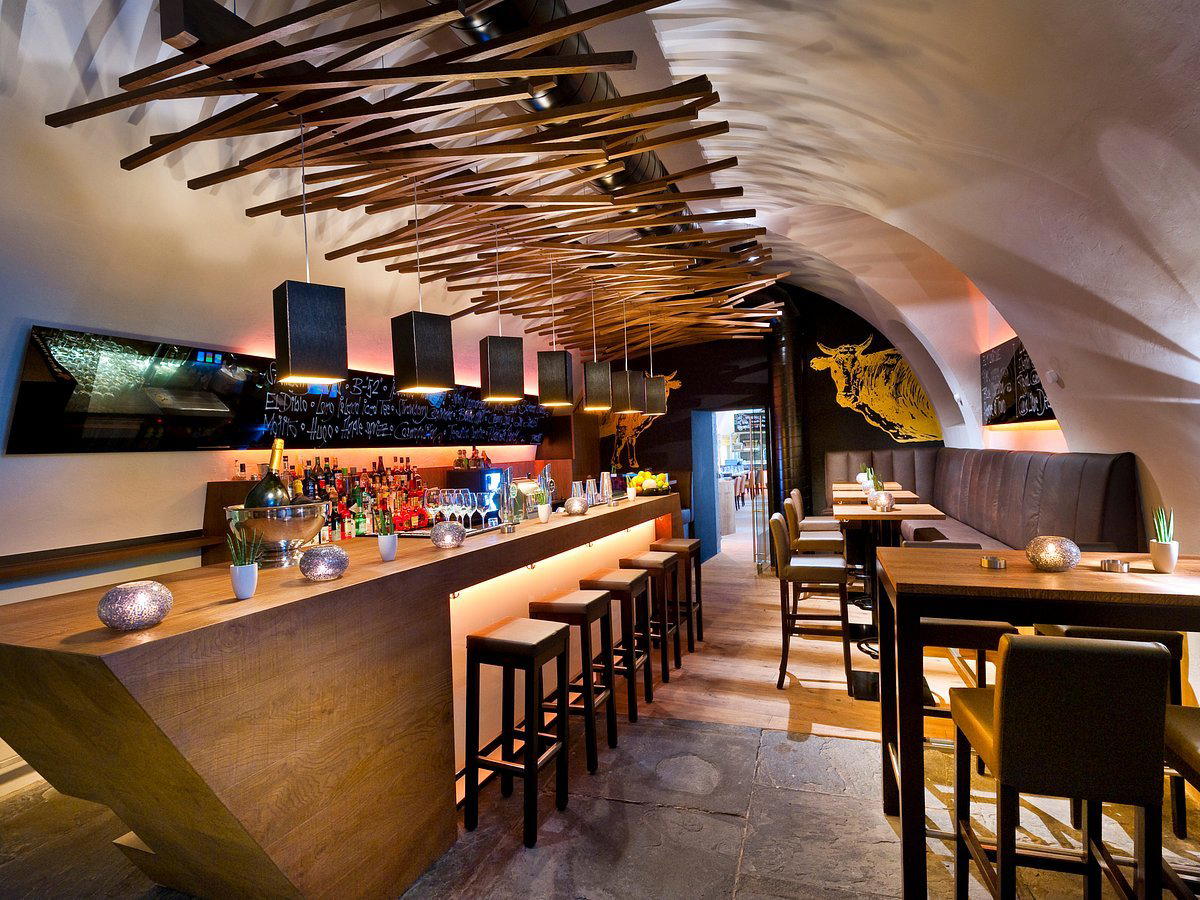
Bars in Graz
Browse all →
Hotels in Graz
Browse all →


At a Glance
- Elegant
- Sophisticated
- Modern
- Date Night
- Special Occasion
- Business Dinner
- Courtyard
- Historic Building
- Extensive Wine List
- Local Sourcing
- Street Scene
Current opening hours
- Monday
- 5 PM–12 AM
- Tuesday
- 5 PM–12 AM
- Wednesday
- 5 PM–12 AM
- Thursday
- 5 PM–12 AM
- Friday
- 11:30 AM–12 AM
- Saturday
- 11:30 AM–12 AM
- Sunday
- 11:30 AM–11 PM
Hours can change for holidays and private events. Last verified .
Stylish and elegant with inviting modern atmosphere and historic courtyard.