
Michelin Plate
Our verdict
On the Lendkai embankment in Graz's left-bank district, Kabuff occupies a stretch of the city where casual bars and independent kitchens have steadily displaced tourist-facing dining. The address places it squarely in Graz's Lend neighbourhood, where sourcing-led cooking and neighbourhood loyalty tend to matter more than formal credentials. For those tracing Styria's ingredient-driven food culture beyond the obvious addresses, it is a reasonable point of entry.

Pearl is the En Primeur Club membership app, where members save venues, book tables and use the concierge.
The menu
What to order
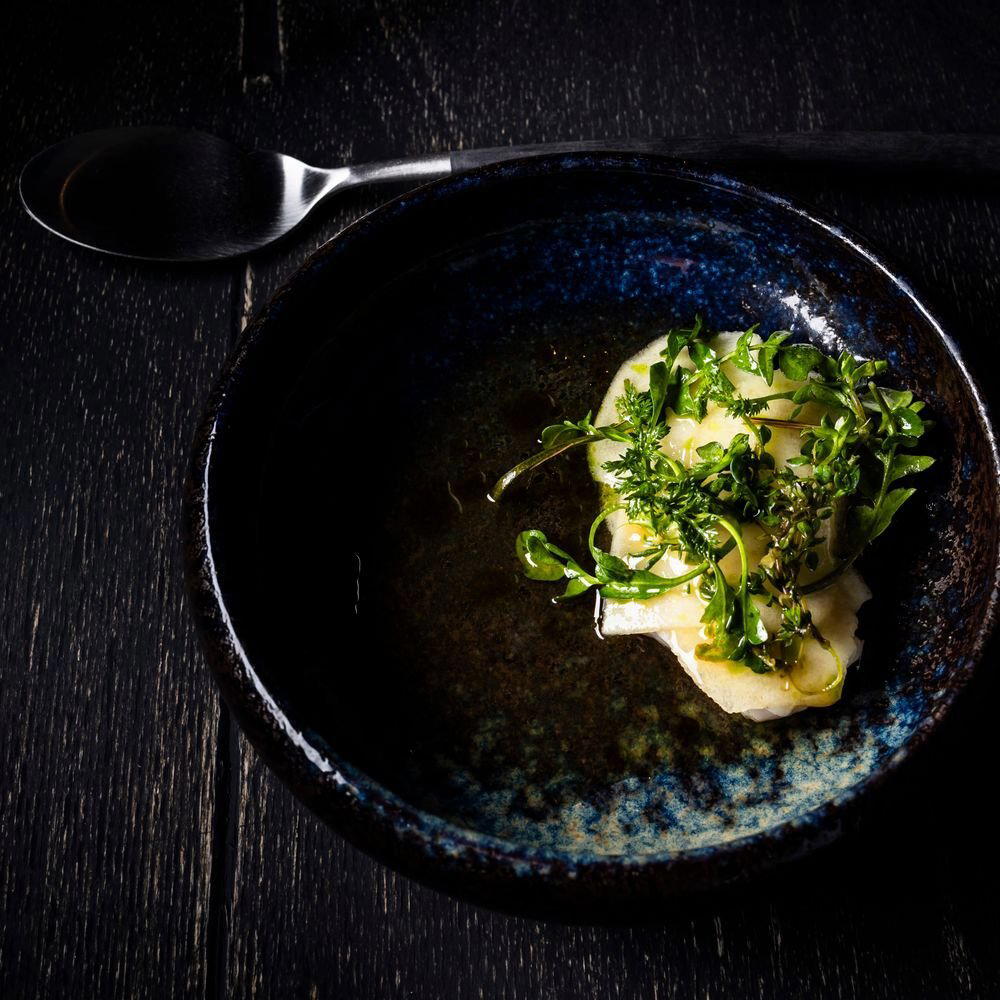
- Tomato, elderberry, black garlic, sunflower seeds
- Onion & onion, whey, sage
- House-baked sourdough bread
The Lend Bank and What It Produces
Graz's culinary identity is usually narrated from the Altstadt side of the Mur, through the market stalls of the Farmers' Market at Kaiser-Josef-Platz and the formal dining rooms that cluster around the old town. The left bank tells a different story. Along the Lendkai, the energy is more residential, the kitchens more pragmatic, and the relationship between what's on the plate and what's grown in Styria's surrounding agricultural belt tends to be less stylised. Kabuff, at Lendkai 13, sits inside that quieter tradition, on a stretch where the restaurant proposition is shaped by neighbourhood demand rather than visitor footfall.
Styria is one of Austria's most agriculturally diverse provinces. Its southern reaches produce some of the country's most characterful pumpkin seed oil, its hills supply wine from Welschriesling and Schilcher grapes, and its farms have long provided the ingredient base that kitchens in Graz and Vienna rely upon. The best-known expression of this supply chain at the fine dining level is Steirereck im Stadtpark in Vienna, where Styrian provenance is treated as a structural element of the menu rather than a decorative flourish. In Graz itself, that sourcing logic filters down through a range of price points and formats.
Ingredient Sourcing as a Neighbourhood Signal
Across Austrian regional cooking, the farm-to-table positioning that has become a marketing shorthand in other markets carries genuine geographic specificity in Styria. The province's short supply chains, relatively small-scale farms, and strong culinary identity mean that restaurants drawing on local ingredients are not making a conceptual gesture so much as responding to what is readily available and culturally expected. In the Lend neighbourhood specifically, where the dining scene skews toward independent operators rather than hotel restaurants or fine dining formats, that sourcing ethic tends to show up in menus that rotate with season and market availability rather than holding fixed dishes year-round.
This is the context in which Kabuff reads most clearly. The address on the Lendkai places it within walking distance of the Lend market infrastructure and the broader network of Styrian producers that supply the left-bank dining scene. For comparison, Arravané and Adelphia operate in Graz's more central zones, where the competitive set skews more formal. Kabuff's Lendkai position suggests a different set of priorities: proximity to supply, neighbourhood regulars over destination visitors, and a format calibrated to the area's more relaxed register.
Where Kabuff Sits in the Graz Dining Picture
Graz has developed a layered restaurant scene that runs from Michelin-level ambition at addresses like Aiola im Schloss and aiola upstairs, through mid-tier creative cooking at Artis (Creative), and down into the neighbourhood-facing independent kitchens of Lend and Gries. The city's dining culture benefits from being a university city and regional capital simultaneously, which produces a broad enough customer base to sustain kitchens at multiple price points without forcing every independent into a tourist-dependent model.
In that structure, the left-bank independent occupies a position that relies on repeat local trade, word of mouth, and a cooking approach that earns neighbourhood loyalty rather than one-time destination traffic. This is a format that Austria's regional kitchen tradition has long supported well, and Graz's Lend district has become one of the more reliable places to find it. Our full Graz restaurants guide maps the broader picture across the city's dining zones.
Styria's wider food culture extends well beyond Graz, with operations like Döllerer in Golling an der Salzach and Obauer in Werfen demonstrating how Austria's regional kitchens have built serious reputations on terroir-led cooking. In Salzburg, Ikarus in Salzburg approaches regional ingredients through a rotating guest chef format. Elsewhere in the Alpine south, Kräuterreich by Vitus Winkler in Sankt Veit im Pongau has built a distinct identity around herb-forward sourcing. These reference points set the ceiling for what Styrian and Austrian ingredient-led cooking can achieve at its most developed; Kabuff operates at a different altitude, in a neighbourhood format where the same sourcing logic applies with less ceremony.
The Lendkai as a Dining Address
The Lendkai is a riverside embankment rather than a destination street, which shapes how a kitchen there operates. Foot traffic is largely local, drawn from the residential blocks of Lend and the students and younger professionals who have made the district Graz's most active independent dining zone over the past decade. The format that succeeds on the Lendkai tends to be informal, moderately priced by Graz standards, and consistent enough to sustain repeat visits from a neighbourhood customer base that has other options nearby.
For those arriving in Graz primarily to eat, the practical question is how the Lendkai fits into a wider itinerary. The left bank is easily reached from the Altstadt on foot across the Kunsthaus bridge, or by tram along the Annenstrasse axis. An evening that begins at one of the Lend independent kitchens and moves to the neighbourhood's bar circuit afterwards is a coherent way to spend time in the district without crossing back into the more polished hotel-adjacent dining of the old town. Planning a visit during the week rather than at weekends tends to give more flexibility at most Lend addresses.
For comparison within Austria's mountain and lake regions, the sourcing-led approach that defines this tier of Graz cooking finds equivalents in addresses like Griggeler Stuba in Lech, Gourmetrestaurant Tannenhof in Sankt Anton am Arlberg, Restaurant 141 by Joachim Jaud in Mieming, Landhaus Bacher in Mautern an der Donau, and Ois in Neufelden, each operating within their own regional supply networks. At the international level, the precision that ingredient sourcing can reach is visible at operations like Le Bernardin in New York City and the produce-led tasting format at Atomix in New York City.
Practical Orientation
Kabuff is located at Lendkai 13, 8020 Graz, on the left bank of the Mur in the Lend district. The Lend neighbourhood is well-served by Graz's tram network, and the embankment address is a direct walk from the Kunsthaus and the central market zone.
Frequently asked questions
What part of town is Kabuff in?
Kabuff is located at Lendkai 13, 8020 Graz, Austria, Graz.
How does Kabuff fit into the broader Lend district food scene in Graz?
The Lend district has emerged as Graz's most active neighbourhood for independent, producer-focused restaurants, partly because its demographic skews younger and more locally rooted than the Altstadt. Kabuff at Lendkai 13 occupies the riverside edge of that scene, where the embankment setting filters out tourist footfall and keeps the room oriented toward regular Graz diners. That position within the city's dining geography gives it a different rhythm from the market-adjacent spots around Kaiser-Josef-Platz.
What's the must-try dish at Kabuff?
What the Lend district context does suggest is a focus on Styrian regional produce, given that the neighbourhood has become a reference point for ingredient-led cooking on Graz's left bank. Visiting with an open approach to whatever is being featured that day is the more reliable strategy here.
Should I book Kabuff in advance?
Kabuff sits on the Lendkai, a riverside embankment that draws a primarily local crowd rather than passing tourist traffic. That dynamic tends to fill smaller neighbourhood rooms on weekday evenings and weekends without much notice from outside the district. Contacting the venue directly ahead of your visit is advisable, particularly if you're planning around a specific evening.
What's Kabuff best at?
Based on its address at Lendkai 13 in Graz's Lend district, Kabuff operates in a part of the city where kitchens have built their identity around proximity to Styrian producers rather than formal dining ambition. That positions it closer to the neighbourhood-cooking end of the Graz restaurant spectrum, below Michelin-level addresses like Aiola im Schloss but valued for a different set of reasons. The Lendkai location itself signals a room that serves the community around it.
Is Kabuff good for vegetarians?
Austrian regional cooking in Graz has historically been meat-forward, though the farm-to-table orientation common in the Lend district often brings strong seasonal vegetable sourcing alongside it. Checking directly with Kabuff before your visit remains the only reliable way to confirm current options.
Side-by-Side Snapshot
Comparable venues nearby, for context on price, style, and recognition.
| Venue | Cuisine | Price | Awards | Notes |
|---|---|---|---|---|
| KabuffThis venue (the venue you are viewing) | Creative Seasonal Vegetable Bistro | $50–100 | Michelin Plate | Not listed |
| Gerüchteküche | Vegan Fine Dining with Regional Seasonal Tasting Menu | $50–100 | Not listed | St. Leonhard |
| Ristorante Corti | Authentic Italian Trattoria | Not listed | Not listed | Jakomini |
| Landhauskeller | Traditional Styrian/Austrian | $30–50 | Not listed | Innere Stadt |
| SAKANA | Modern Japanese Sushi | $30–50 | Not listed | Geidorf |
| YAMAMOTO SUSHIBAR | Japanese Sushi Bar | $20–30 | Not listed | Innere Stadt |
Recognition history
Dated appearances from independent guides and award organizations, with the underlying list record or original source where available.
Michelin Plate
Michelin
Continue exploring
More in Graz
Restaurants in Graz
All restaurants in Graz →
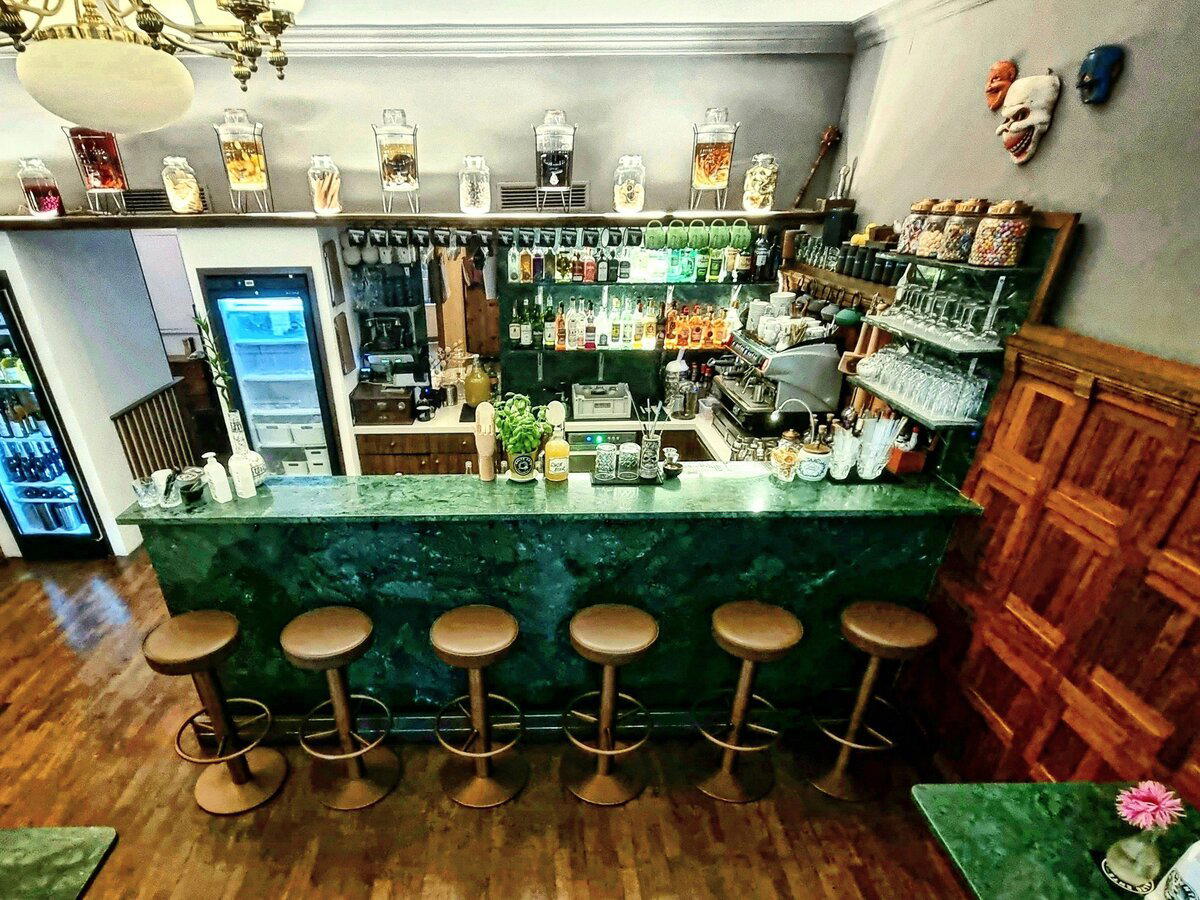
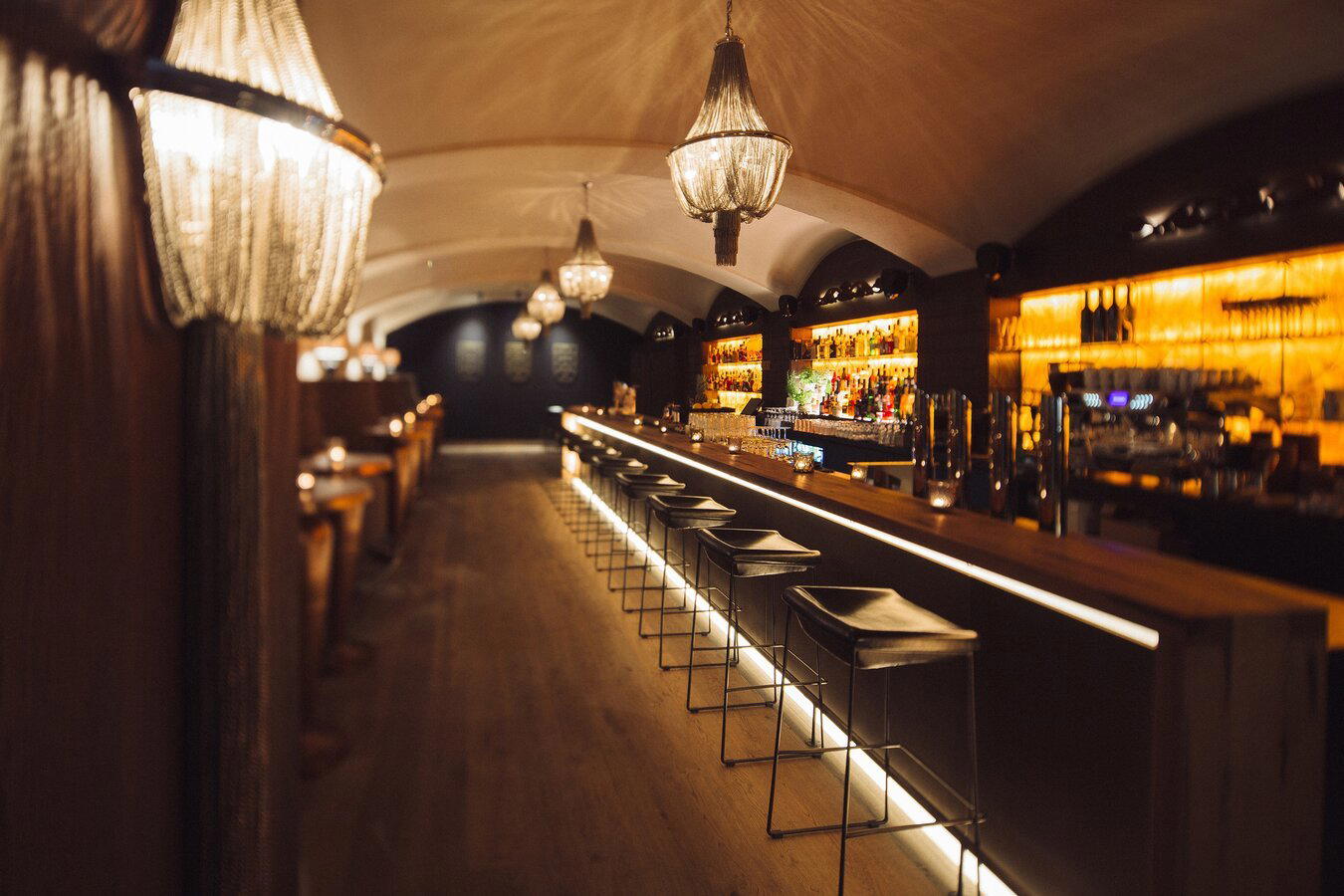
Bars in Graz
All bars in Graz →
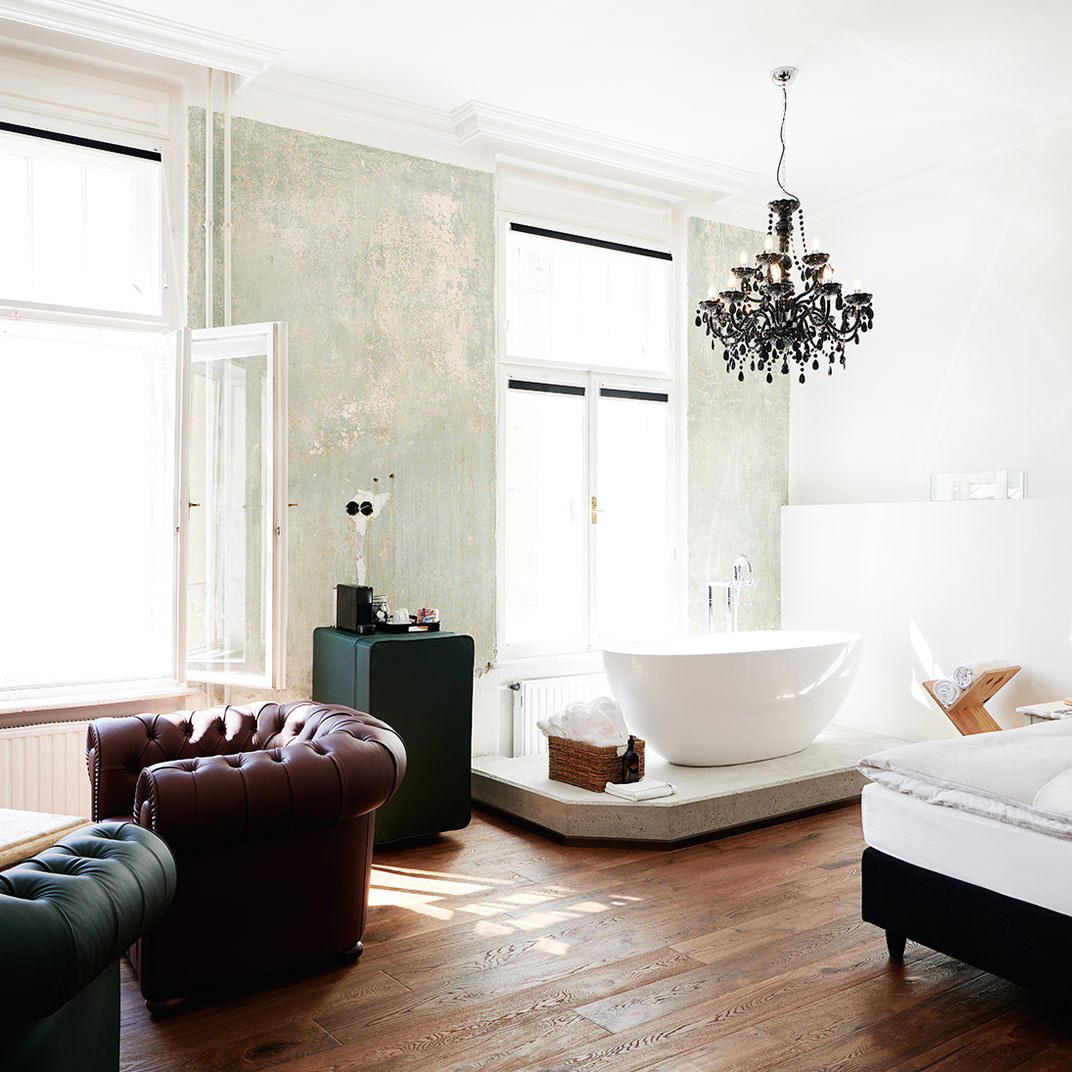
Hotels in Graz
All hotels in Graz →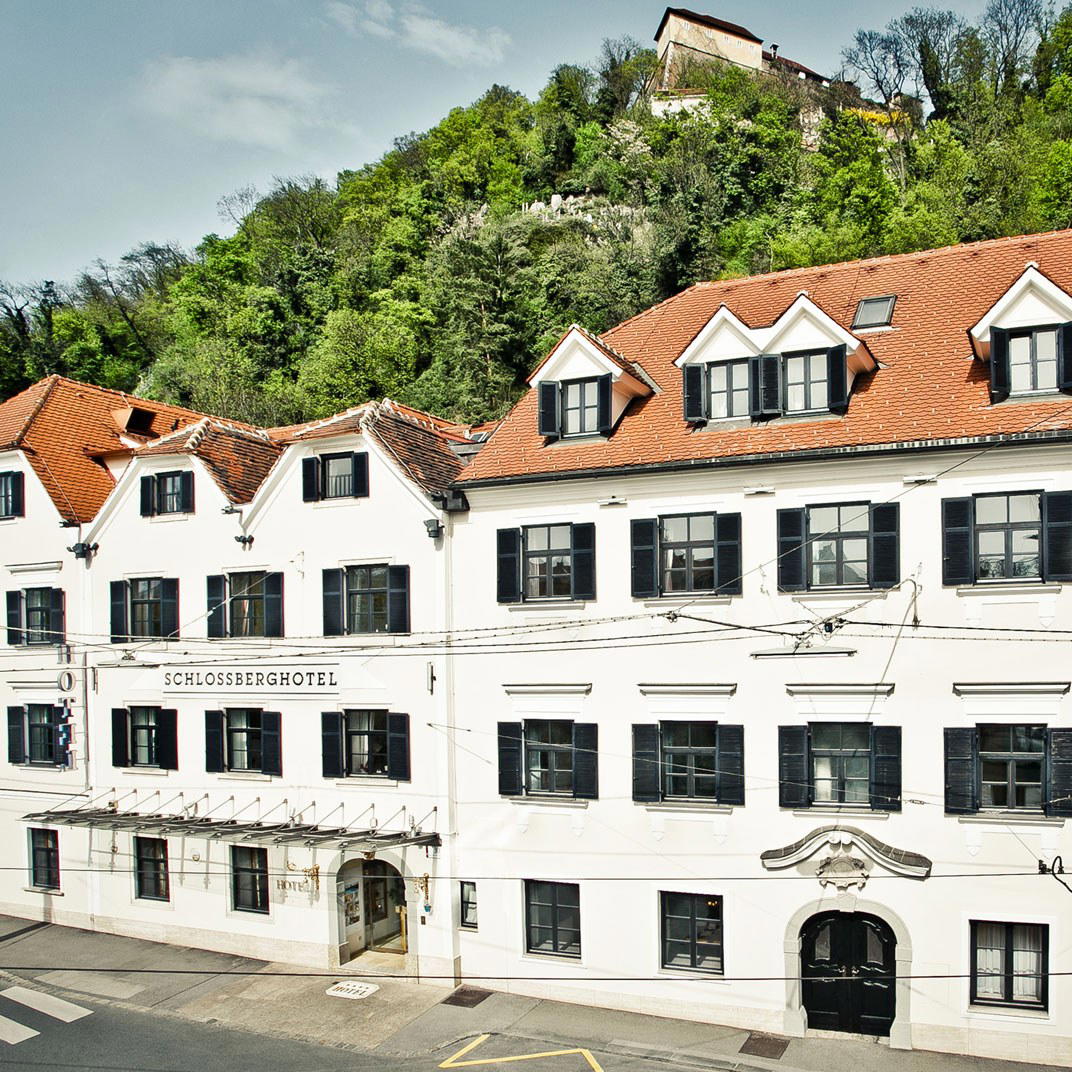
Details
- Modern
- Cozy
- Minimalist
- Trendy
- Group Dining
- Casual Hangout
- Brunch
- Special Occasion
- Open Kitchen
- Design Destination
- Standalone
- Natural Wine
- Sommelier Led
- Farm To Table
- Local Sourcing
- Natural Wine
- Organic
- Waterfront
- A La Carte
- Family Style
- Natural Wine
- Organic Wine
- House Made Alcohol Free Drinks
- Vegetarian Friendly
- Organic Focus
- Allergy Accommodating
Current opening hours
- Monday
- Closed
- Tuesday
- Closed
- Wednesday
- Closed
- Thursday
- 4–10 PM
- Friday
- 4–10 PM
- Saturday
- 9 AM–1 PM
- Sunday
- 9 AM–1 PM, 4–10 PM
Hours can change for holidays and private events. Hours as of .
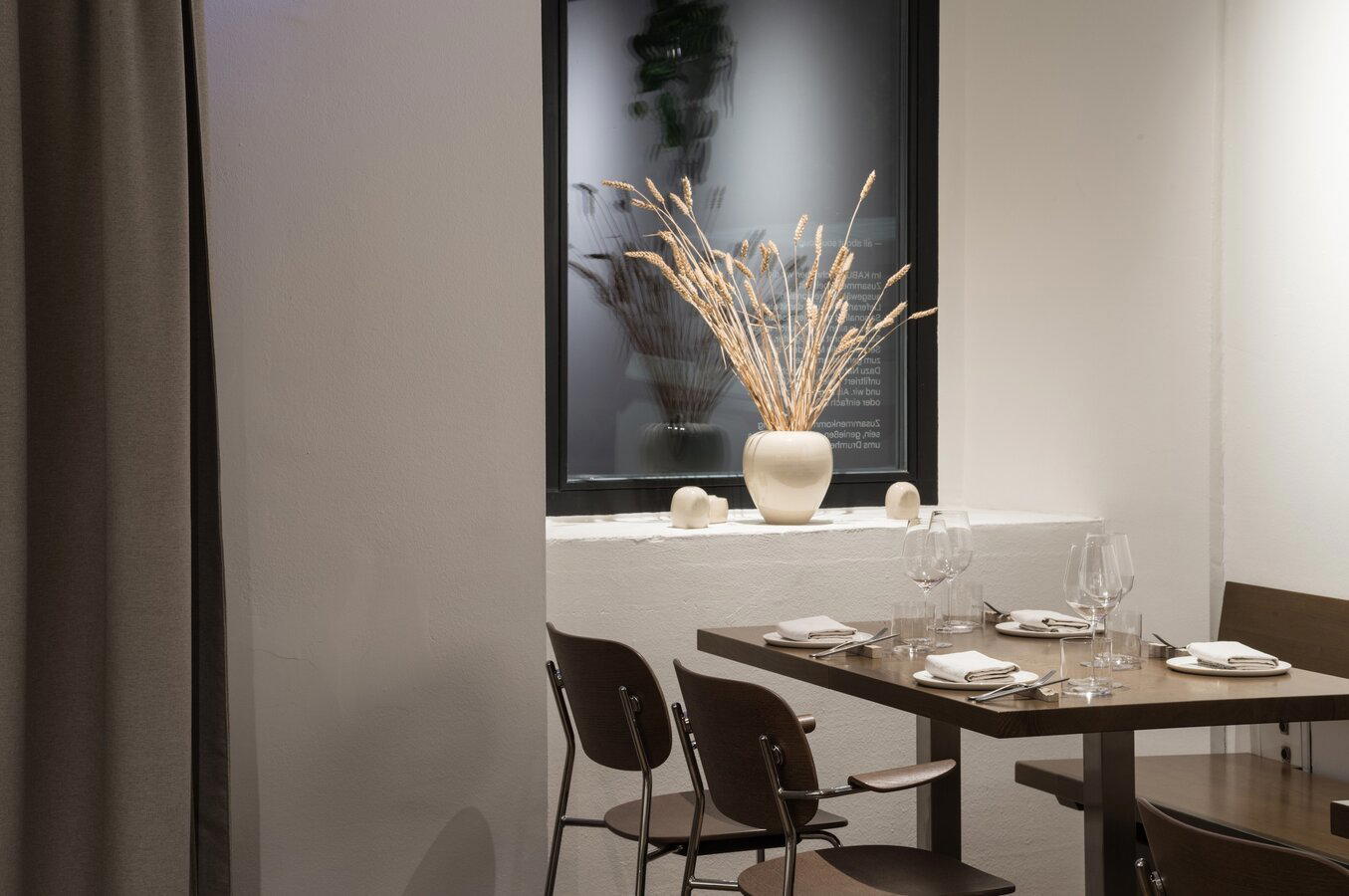
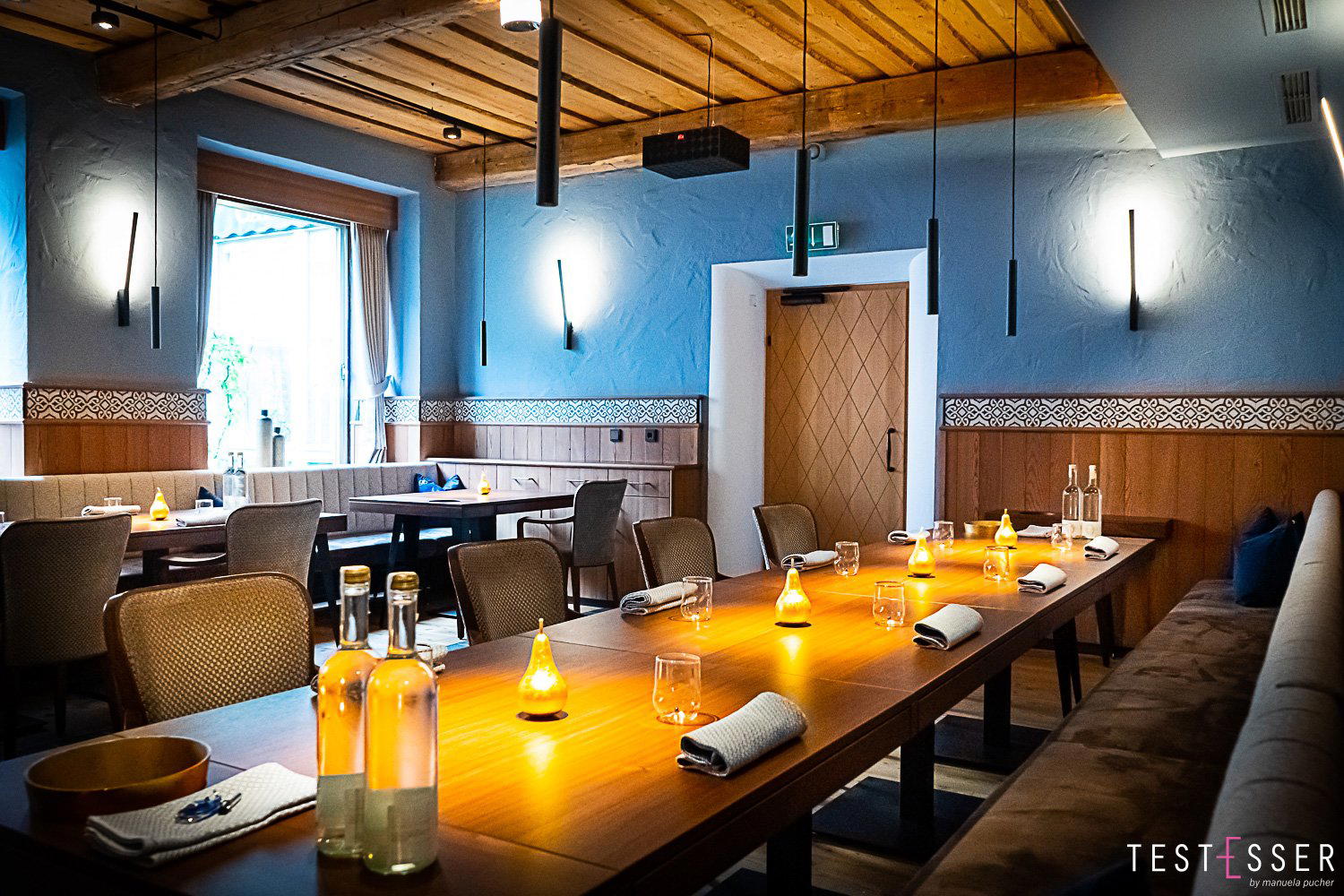
Minimalist, upscale modern bistro with a small central kitchenette, warm and intimate atmosphere focused on shared dining experiences.