STREETS by el Gaucho occupies a distinct position in Graz's evolving dining scene, bringing the el Gaucho group's red-meat focus to the Waagner-Biro district. The address places it away from the Altstadt, in a neighbourhood where industrial regeneration and creative venues coexist. For visitors tracking where Graz's restaurant energy is moving, this part of the city merits attention.
Pearl is the En Primeur Club membership app — saves, bookings, and concierge access live there. Same editors, same standards.
- Address
- Waagner-Biro-Straße 109, 8020 Graz, Austria
- Phone
- +43316573357
- Website
- streets-graz.at
- Directions
- Get directions
 Saves & bookings on Pearl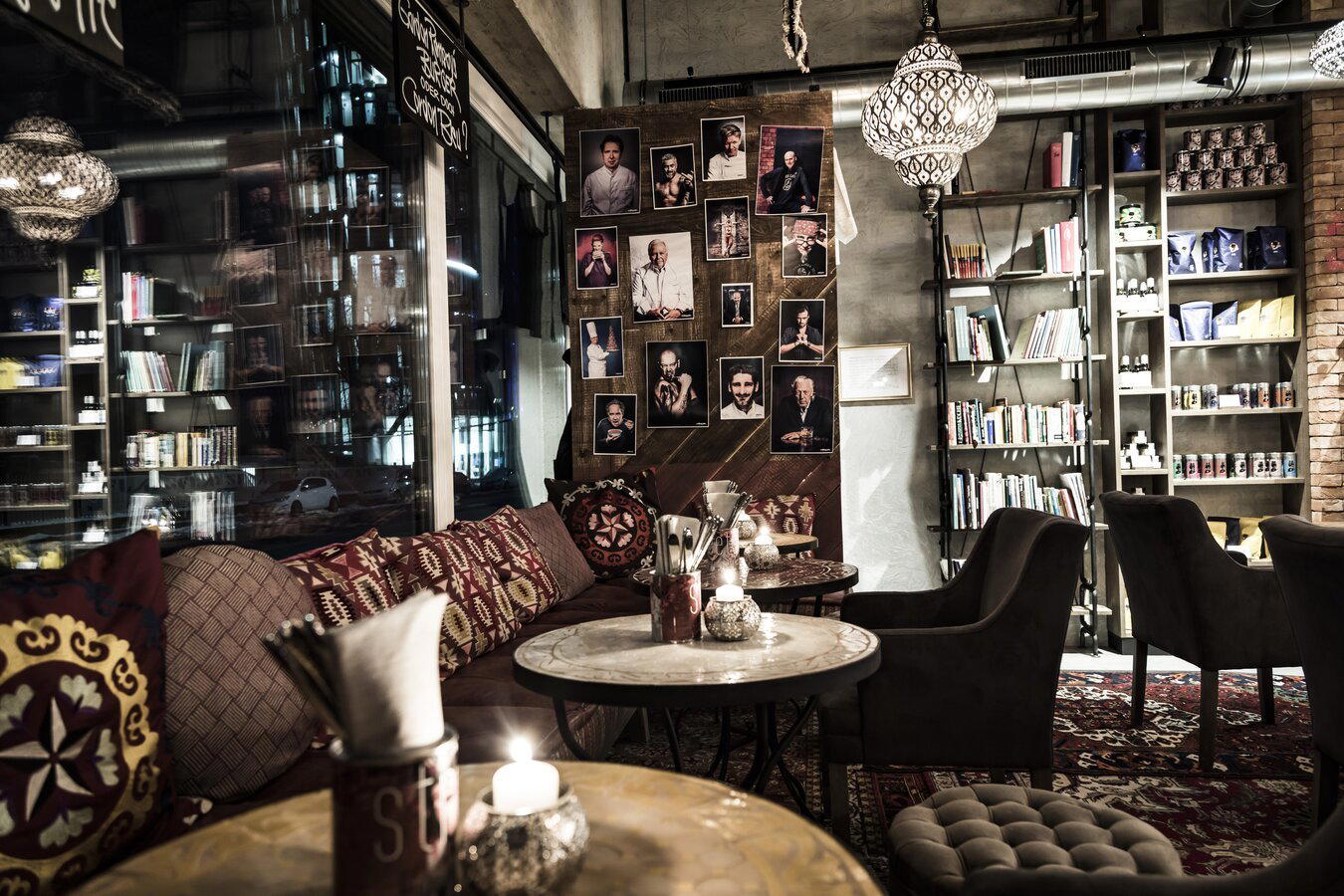
A District in Motion, a Menu Built Around Fire
The Waagner-Biro-Straße corridor in Graz has been accumulating momentum for several years now. What was once a purely functional stretch of light-industrial and commercial buildings has absorbed studios, event spaces, and restaurants as the district has changed. STREETS by el Gaucho, at number 109 on that street, belongs to this wave: a venue that reads as deliberate destination rather than neighbourhood convenience stop, positioned within a part of Graz that still surprises visitors who expect Styrian dining to concentrate entirely around the Hauptplatz and the Schlossberg.
STREETS by el Gaucho is a restaurant in Graz serving Modern Steak Street Food at a casual price point. The group built its reputation on red meat handled with South American-influenced directness, the kind of approach that prioritises sourcing quality and cooking method over elaborate sauce work. That positioning is meaningful in Austria, where the steakhouse format competes against a deep tradition of Viennese Beisl cooking and Styrian farm-to-table restaurants. El Gaucho has always occupied a different register: the emphasis is on the grill and the animal, not the garden.
What the Neighbourhood Tells You Before You Sit Down
Arriving at Waagner-Biro-Straße 109 is part of the experience in a way that arriving at a central Altstadt address is not. This part of Graz operates on a different visual frequency: the architecture is lower and more horizontal, the street has width rather than the compressed verticality of the old city, and the sense of a mixed-use district still mid-transformation is present in the texture of buildings around the venue. For Austrian dining, this kind of address has become a familiar signal, the outpost of a known operator using a peripheral location to build something with a slightly different identity than its city-centre siblings. Think of how Vienna's most interesting mid-range openings have repeatedly clustered in districts like the 16th or the 2nd before spilling toward the Ring.
Inside, the STREETS format suggests a more casual register than a full el Gaucho flagship. The name itself implies a certain informality, a deliberate stepping-down from white-tablecloth expectations while maintaining the group's core protein focus. In a city like Graz, where restaurants such as Artis (Creative) and Aiola im Schloss anchor the formal end of the market, and where Adelphia and aiola upstairs cover international and atmospheric mid-range territory, a casual red-meat concept from a credentialled group fills a specific gap rather than duplicating what already exists.
The Sensory Register of a Grill-Focused Room
What distinguishes a serious grill restaurant from a generic steakhouse is primarily a matter of smell and sound before taste. The Maillard reaction, the browning process that produces the crust on a properly seared piece of beef, generates aromatic compounds that, when you encounter them in a dining room rather than filtered through extraction systems, signal that the kitchen is cooking at the temperatures the protein requires. Restaurants that manage this well wear their ventilation as a feature rather than hiding it. The atmosphere that results is warmer and more immediate than in kitchens oriented around delicate preparations; sound is higher, surfaces tend toward materials that absorb less.
El Gaucho's broader positioning in Austria has always leaned into this sensory directness. The group's approach, sourcing beef with traceability, applying dry-ageing where appropriate, and cooking over live fire or high-heat grills, produces results that differ materially from the Viennese Schnitzel tradition or the Styrian pumpkin-seed-oil school. Comparing it to what Arravané does with Austrian produce, or to the seasonal precision of operations like Steirereck im Stadtpark in Vienna, illustrates how differently restaurants can interpret the same national ingredient base. El Gaucho and Steirereck are not competing; they represent opposite ends of a long spectrum.
Graz as a Dining City: Where STREETS Fits
Graz's dining scene punches above its population weight partly because Styria's agricultural depth gives chefs access to ingredients, Vulcano charcuterie, Liptauer, Styrian pumpkin oil, local trout, highland beef, that reward restaurants across every price tier. The city's restaurant ecology runs from farm-to-table operators like Restaurant Scheucher, which keeps price points accessible at the €€ level, through mid-range international rooms, to a handful of addresses with serious regional and national profiles. STREETS occupies a distinct pocket: group-backed, red-meat-focused, and positioned in a neighbourhood that skews younger and more architecturally adventurous than the Altstadt restaurant cluster.
For visitors cross-referencing Graz against Austria's broader fine-dining geography, the comparison venues are instructive. Döllerer in Golling an der Salzach, Ikarus in Salzburg, and Obauer in Werfen define Austria's upper-register regional dining, while Landhaus Bacher in Mautern an der Donau and Kräuterreich by Vitus Winkler in Sankt Veit im Pongau show how Styrian and Alpine produce can be worked at the highest level. STREETS sits on a different axis entirely, it is not making a case for Austrian terroir in the way those restaurants are. It is making a case for a specific approach to red meat, applied in a city that has the appetite and the demographic base to support it. For international reference points on how that kind of focused protein program can reach serious ambition, restaurants like Le Bernardin in New York City and Atomix in New York City demonstrate what discipline around a singular ingredient category looks like at the highest tier, though the register at STREETS is considerably more casual.
Planning a Visit
Waagner-Biro-Straße 109 is reachable from central Graz by tram, with the city's public transport network making the district accessible without a car. The address sits outside the typical tourist circuit, which means arrival by foot from the Altstadt is a longer proposition, factor twenty minutes minimum if you are walking from the Hauptplatz. As with any group-backed venue in a city where dinner reservations at popular addresses fill a week or more ahead, booking in advance is prudent, particularly for weekend evenings when the Waagner-Biro district draws from across the city. Griggeler Stuba in Lech, Gourmetrestaurant Tannenhof in Sankt Anton am Arlberg, Restaurant 141 by Joachim Jaud in Mieming, and Ois in Neufelden represent the regional spread of serious Austrian cooking well beyond the capital.
Reputation First
Comparable venues nearby, for context on price, style, and recognition.
| Venue | Cuisine | Price | Notes |
|---|---|---|---|
| STREETS by el GauchoThis venue — the venue you are viewing | Modern Steak Street Food | $$ | Not listed |
| Das Eggenberg | Modern Italian Pizza and All-Day Dining | $$ | Eggenberg |
| Himalaya Masala | Nepalese & Indian Himalayan | $$ | Jakomini |
| Fürstenstand | Traditional Styrian Mountain Restaurant | $$ | Gösting |
| Casa Costiera | Authentic Southern Italian | $$ | Innere Stadt |
| Má kitchen | Vietnamese Streetfood | $$ | Geidorf |
Continue exploring
More in Graz
Restaurants in Graz
Browse all →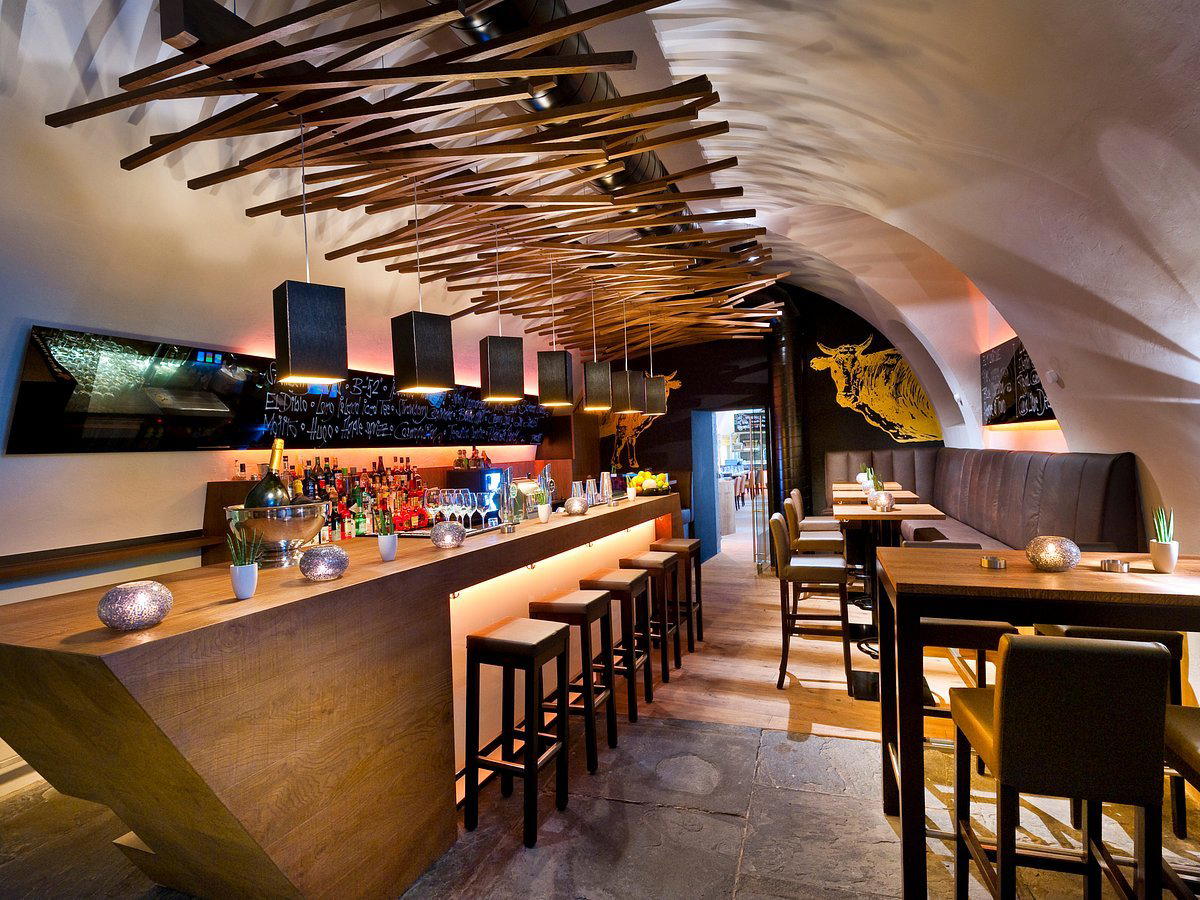
Bars in Graz
Browse all →
Hotels in Graz
Browse all →



At a Glance
- Modern
- Lively
- Trendy
- Casual Hangout
- Open Kitchen
- Craft Cocktails
Current opening hours
- Monday
- 11 AM–10 PM
- Tuesday
- 11 AM–10 PM
- Wednesday
- 11 AM–10 PM
- Thursday
- 11 AM–10 PM
- Friday
- 11 AM–10 PM
- Saturday
- 5–10 PM
- Sunday
- Closed
Hours can change for holidays and private events. Last verified .
Nicely decorated modern street food spot with excellent atmosphere as per guest reviews.