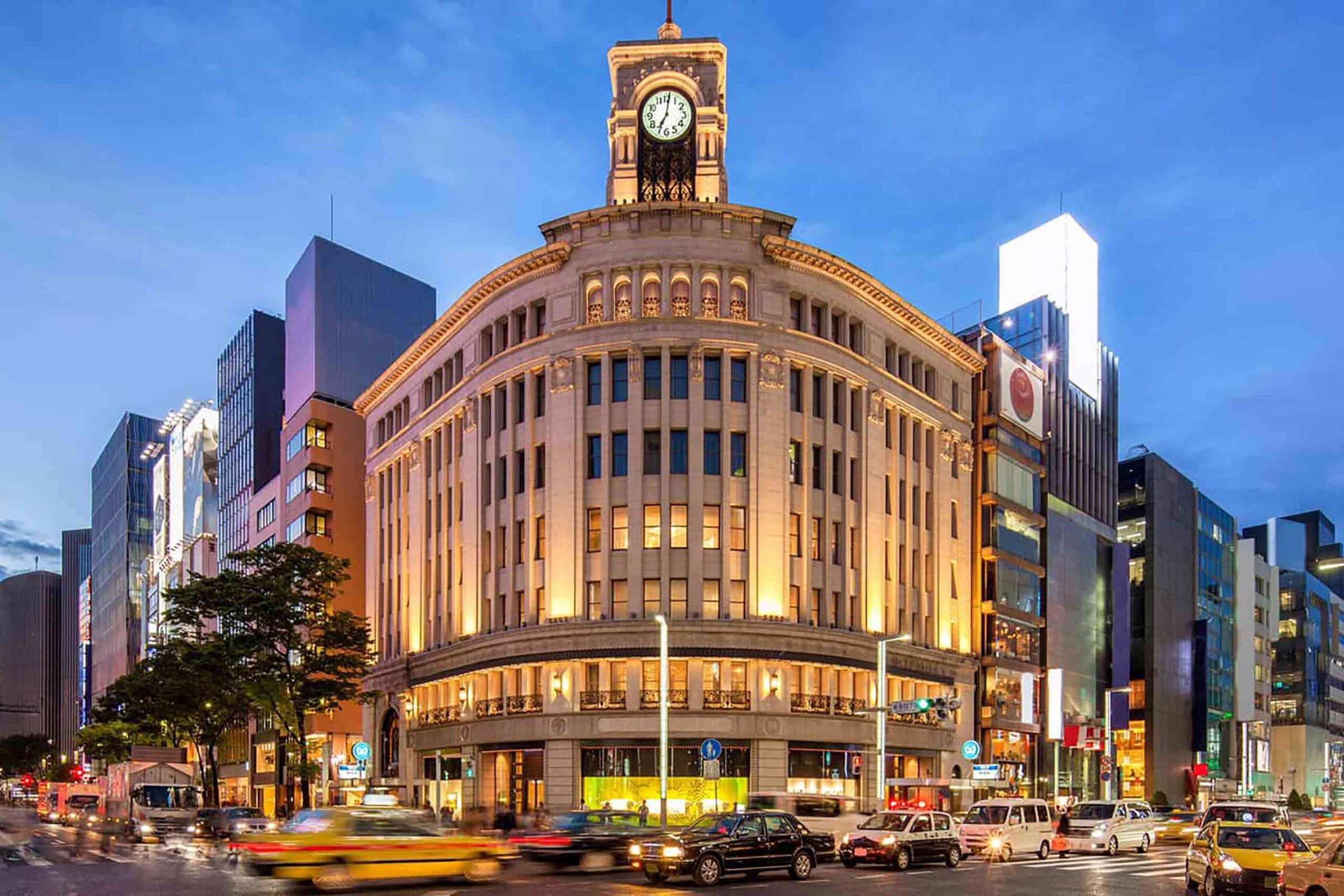
Tabelog 100 #25
Our verdict
Located in Nihonbashiningyocho, one of Tokyo's older merchant districts, 泰寿 occupies a seventh-floor address that separates it from the streetside clusters of the city's better-known dining corridors. The venue sits in a neighbourhood where culinary ambition tends to run quieter than in Ginza or Roppongi, making the address itself a statement about how the restaurant positions its offer.

Pearl is the En Primeur Club membership app, where members save venues, book tables and use the concierge.
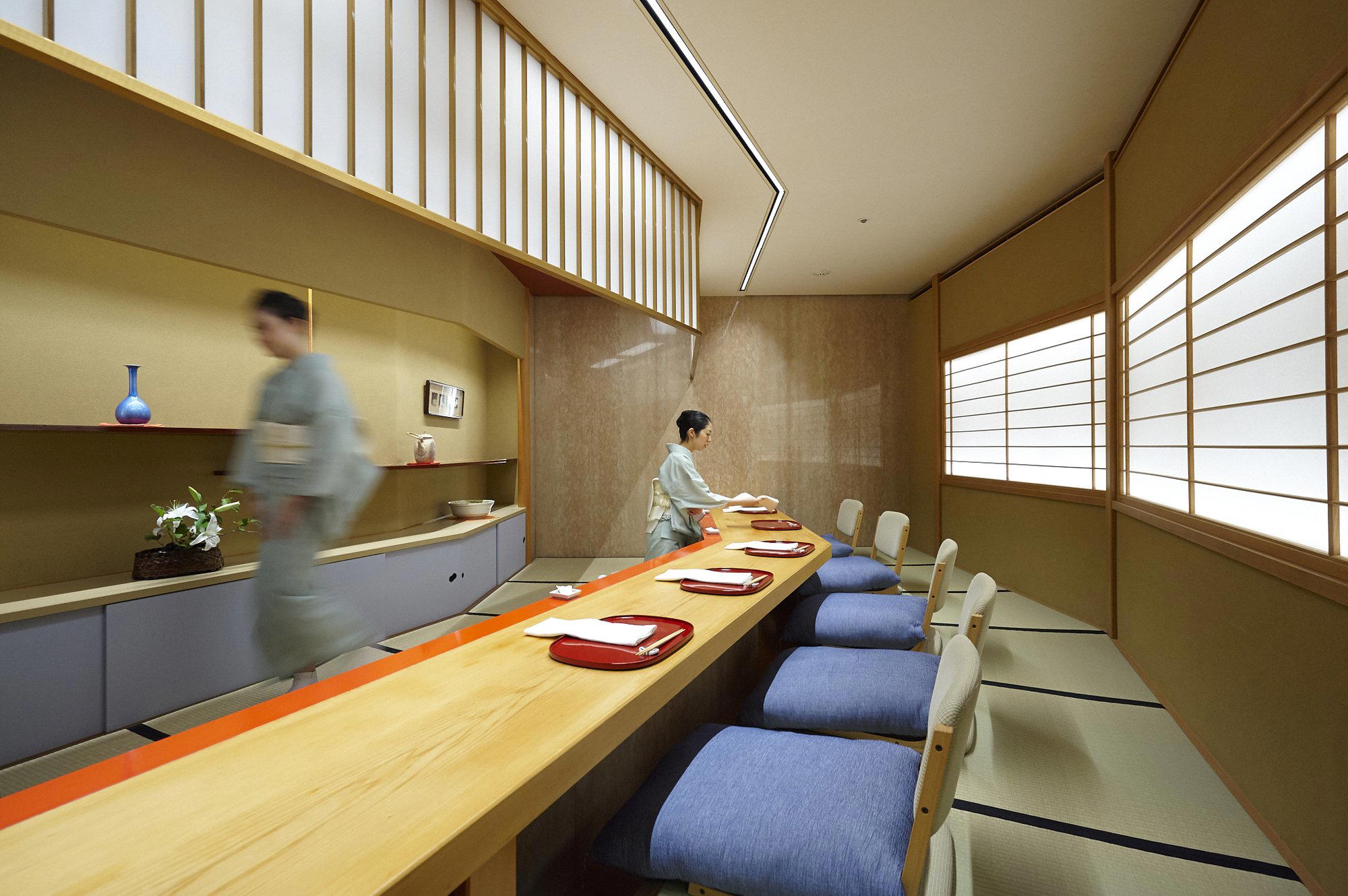
Nihonbashiningyocho and the Question of Placement
Tokyo's premium dining scene has long been organised around a handful of postcode clusters: Ginza for high-ceremony sushi and French, Roppongi for international-facing tasting menus, Shinjuku for volume at every price point. Nihonbashiningyocho sits outside all three. The neighbourhood carries the quieter energy of old Chuo City, a district shaped more by Edo-period merchant culture than by the post-bubble luxury redevelopment that defined Tokyo's hospitality belt. A restaurant choosing this address in 2024 is, in effect, making an argument: that the dining proposition is strong enough to work without borrowed neighbourhood prestige.
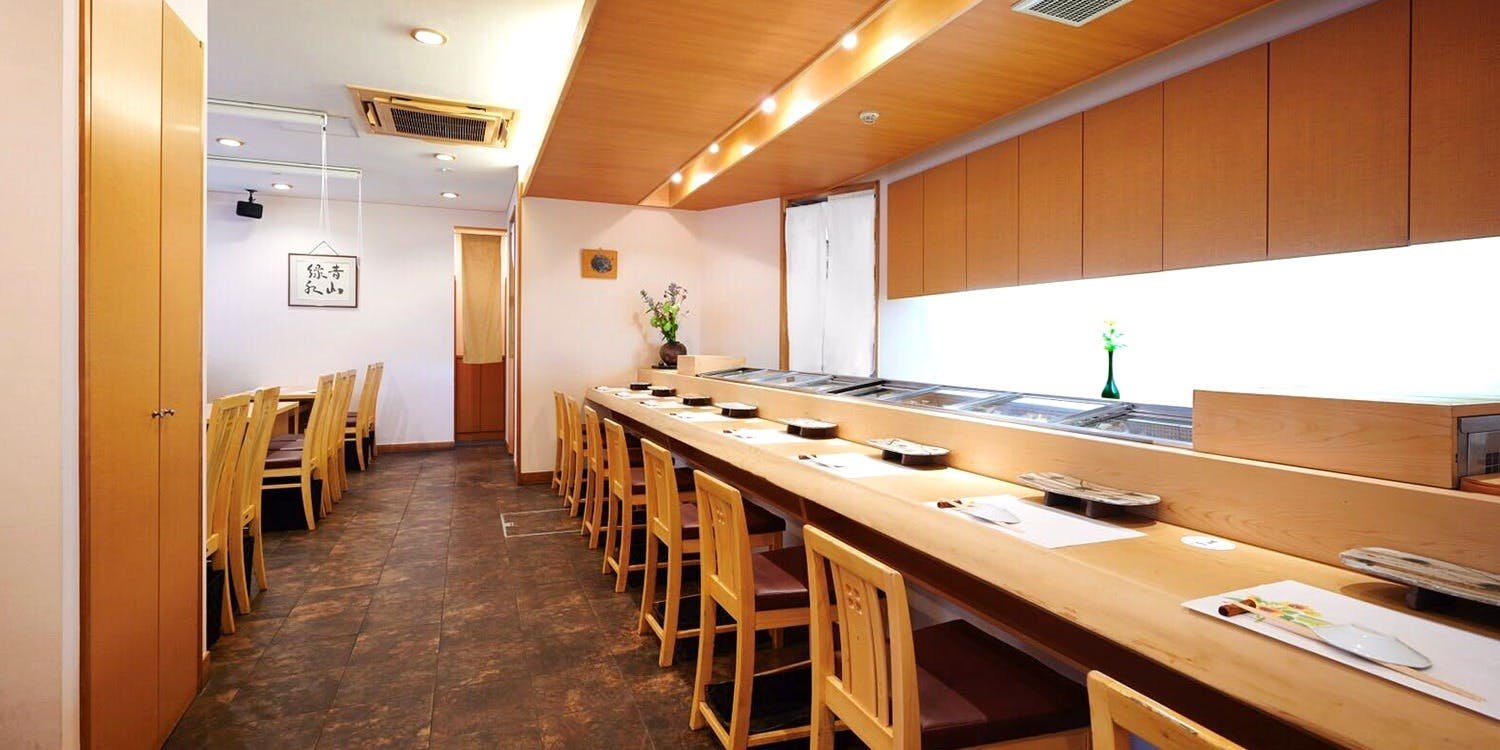
泰寿 (Taiju) occupies the seventh floor of KYOE PLAZA NINGYOCHO on 2-chome, a position that removes it from street-level foot traffic entirely. In Tokyo's restaurant geography, that kind of elevation almost always signals a counter-format or an omakase-style room rather than a walk-in dining floor. The building approach through Ningyocho's low-rise commercial streets, puppet-theatre traditions, old confectionery shops, the preserved rhythm of a pre-war commercial district, sets a particular register before a guest arrives. That context is not incidental. Tokyo's most considered restaurants tend to understand the approach as part of the experience, and a seventh-floor address in this neighbourhood controls that approach more deliberately than a Ginza shopfront ever could.
Menu Architecture as an Editorial Statement
In Tokyo's upper dining tier, the structure of a menu communicates almost as much as what appears on it. The shift over the past decade has been away from à la carte flexibility and toward fixed progressions, a format that now dominates across kaiseki rooms, sushi counters, and the growing cohort of Franco-Japanese tasting menus. Venues like RyuGin (Kaiseki, Japanese) and L'Effervescence (French) both operate within that fixed-progression logic, using menu length and pacing as primary design tools. The progression communicates intent: what the kitchen thinks matters, in what order, and at what tempo.
This is a pattern visible across Tokyo's more discreet addresses. Counter-format restaurants in secondary neighbourhoods, from the quieter streets off Hiroo to the older commercial blocks of Bakurocho, tend to strip their menus back to what the kitchen can defend at maximum precision rather than extend them to fill a formal-dining expectation. The result is often a tighter editorial statement than anything the Ginza cluster produces at equivalent price points.
Placing 泰寿 in its competitive context requires acknowledging what Nihonbashiningyocho is not: it is not a dining destination in the way that Ginza or Nishiazabu are dining destinations. Restaurants that work in this neighbourhood do so on the strength of a specific following rather than on location-driven discovery. That positioning has parallels outside Tokyo. HAJIME in Osaka built its three-Michelin-star reputation in a city where the dining geography is less hierarchically postcode-driven than Tokyo's. Gion Sasaki in Kyoto operates in a neighbourhood that carries its own cultural weight, separate from guidebook circuits. In each case, the address communicates something about the restaurant's confidence in its proposition over its location.
Within Tokyo specifically, 泰寿's Chuo City placement puts it in a different competitive register than the ¥¥¥¥-bracket counters of Ginza. Venues like Harutaka (Sushi) and Sézanne (French) operate at the top of Tokyo's visibility hierarchy, in addresses that carry independent reputational weight. A restaurant in Ningyocho competes on different terms: the guests it attracts are, by definition, making a more deliberate choice.
Tokyo in a Wider Japan Context
For visitors building a Japan itinerary around serious dining, the capital is one node among several. The country's restaurant infrastructure outside Tokyo is as considered as anything the city produces. akordu in Nara operates a format that would command serious attention anywhere in the world. Goh in Fukuoka represents a strain of Kyushu cooking that Tokyo can reference but not replicate. Further north, aki nagao in Sapporo and affetto akita in Akita make cases for regional Japan dining that are gaining international recognition independently of the Tokyo circuit. Across the country's western reach, Abon in Ashiya, Aji Arai in Oita, Ajidocoro in Yubari District, and Akakichi in Imabari form a picture of Japanese dining that resists reduction to a single city narrative.
That context matters for how to read 泰寿's placement. A restaurant in a secondary Tokyo neighbourhood is not competing against the whole of Japan's dining infrastructure. It is making a case within a specific urban geography, and the Nihonbashiningyocho address suggests a deliberate decision to operate outside the city's most competitive postcode brackets rather than within them. For context on where 泰寿 fits in the broader Tokyo picture, see our full Tokyo restaurants guide.
Internationally, the tasting-menu format that Tokyo's upper dining tier has largely adopted is not unique to Japan. Le Bernardin in New York City and Lazy Bear in San Francisco both operate within fixed-format logic, and the comparison is instructive: in each city, the structured progression has become the dominant grammar of premium dining, whatever the cuisine.
Also Worth Considering
For guests whose Tokyo itinerary has room for more than one serious meal, Crony (Innovative, French) represents the Franco-Japanese hybrid format at a different price point and register. The Tokyo dining week has enough range across formats, neighbourhoods, and price brackets that single-venue itineraries rarely make sense. Ningyocho's proximity to the older shitamachi districts also makes it a reasonable base for a broader afternoon before a dinner reservation, a consideration that higher-profile Ginza reservations don't always allow.
Know Before You Go
- Address: 7F KYOE PLAZA NINGYOCHO, 2-10-11 Nihonbashiningyocho, Chuo City, Tokyo 103-0013
- Getting There: Ningyocho Station (Tokyo Metro Hibiya Line / Toei Asakusa Line) is the nearest transit point; the building is within the immediate commercial block.
- Booking: No confirmed booking method available; approach directly via the address or search for current reservation channels closer to your travel dates.
- Hours: Not confirmed; verify directly before visiting.
- Dress Code: Not specified; a smart-casual register is appropriate for a seventh-floor room in this format tier.
Frequently asked questions
What's the address for 柳燕?
柳燕 is located at Japan, 〒103-0013 Tokyo, Chuo City, Nihonbashiningyocho, 2 Chome−10−11 7階 KYOE PLAZA NINGYOCHO, Tokyo.
What's the best thing to order at 泰寿?
Venues operating at this level in Tokyo's Nihonbashiningyocho district typically present a set course rather than à la carte choice, so the question of what to order is usually answered before you sit down. Confirm the current format when booking.
What's the best way to book 柳燕?
Reservations are recommended for 柳燕 in Tokyo. Confirm current policy via the venue's official channels.
What is 柳燕 known for?
柳燕 is best approached by focusing on the core concept and signature offerings.
What if I have allergies at 柳燕?
Dietary accommodations can vary. Flag restrictions in advance via the venue's official channels.
| Venue | Cuisine | Price | Awards | Notes |
|---|---|---|---|---|
| æ³çThis venue (the venue you are viewing) | This venue | Not listed | Tabelog 100 #25 | Not listed |
| Harutaka | Edo-Style Omakase Sushi | $200–300 | 3 Michelin Stars · World's 50 Best #76 | Sushi |
| L'Effervescence | Modern French with Japanese Influences | $200–300 | 3 Michelin Stars · World's 50 Best #69 | French |
| RyuGin | Modern Kaiseki | $500+ | 3 Michelin Stars · World's 50 Best #41 | Kaiseki, Japanese |
| Crony | Modern French with Japanese Influences | $150–200 | 2 Michelin Stars · World's 50 Best #34 | Innovative, French |
| Den | Modern Japanese Kaiseki | $150–200 | 2 Michelin Stars · World's 50 Best #51 | Innovative, Japanese |
Recognition history
Dated appearances from independent guides and award organizations, with the underlying list record or original source where available.
Tabelog 100 #25 · No. 25
Tabelog · Tabelog 100 - Japanese cuisine - TOKYO - 2025