
A compact Nihonbashi Mitsukoshi basement stop for bread, Western-style sweets and cafe use, Fortnum and Mason Concept Shop Nihonbashi mitsukoshi ten belongs to Tokyo’s department-store food culture rather than the destination tasting-menu circuit. Its Tabelog Bread TOKYO 100 selection in 2022 gives it a clear credential within a crowded bakery field.
Pearl is the En Primeur Club membership app — saves, bookings, and concierge access live there. Same editors, same standards.
- Address
- Japan, 〒103-0022 Tokyo, Chuo City, Nihonbashimuromachi, 1 Chome−4−1 日本橋三越新館B2
- Phone
- +81 3-3243-9881
- Website
- fortnumandmason.co.jp
 Saves & bookings on Pearl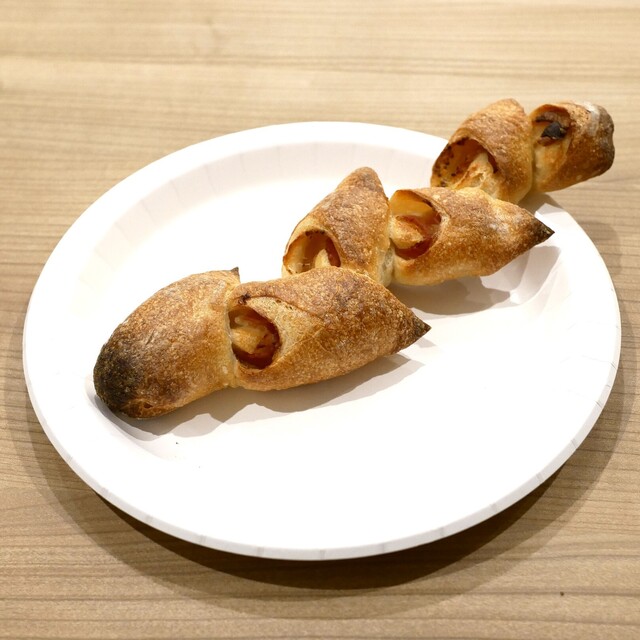
The approach is pure Tokyo department-store theatre: polished basement counters, commuters moving with purpose, gift boxes passing from hand to hand, and food halls arranged with the precision of a rail timetable. In Nihonbashi, that setting matters. The area’s old merchant gravity has long made department stores part pantry, part social infrastructure, and the basement level remains one of the city’s sharpest classrooms in how imported food traditions get translated for Japanese daily life.
Fortnum and Mason Concept Shop Nihonbashi mitsukoshi ten sits inside that tradition rather than outside it. The category is not chef-led fine dining; it is bread, Western-style sweets and cafe service, judged by a different code: consistency, packaging discipline, take-away utility, and the ability to make European tea-shop language function inside a Japanese depachika rhythm. The 2022 Tabelog Bread TOKYO 100 selection is the useful signal here. Tokyo’s bakery field is dense, technical and unforgiving, so inclusion on a bread-focused list says more than a generic popularity cue.
British tea-shop vocabulary filtered through a Tokyo depachika
Tokyo has a long habit of absorbing foreign formats and making them cleaner, smaller and more operationally exact. French pâtisserie, Viennoiserie, curry rice and coffee-house culture all show the same pattern: imported method, local expectations around seasonality, portioning, packaging and service speed. A British name inside Nihonbashi Mitsukoshi is therefore less a novelty than a case study in adaptation. The point is not London transplanted wholesale; it is a department-store expression of bread, sweets and cafe culture built for shoppers who may be eating in, carrying out, or assembling a gift.
That distinction separates it from the more formal dining rooms nearby. Daikanyama ASO Celeste Nihonbashi ten and Tempura Yama no Ue Mitsukoshi nihonbashi tennai occupy a higher-commitment restaurant bracket, while Club Harie Nihonbashi mitsukoshi ten and MIKADO Nihonbashi hon ten sit closer to the department-store sweets and light-refreshment lane. La Paix, by contrast, belongs to Tokyo’s French dining conversation rather than the basement food-hall economy. For readers mapping Nihonbashi, those contrasts are useful: this is the stop for a low-friction bakery-and-cafe pause, not the anchor meal of an evening.
The broader editorial read is that Tokyo’s bread culture rewards both craft bakeries and institutional counters. Independent bakeries often sell scarcity and personal authorship; department-store shops sell dependability, access and gifting fluency. In a city where a train transfer can decide lunch, that second model has its own seriousness. The food hall compresses the city’s appetite for imported technique into formats that survive rush-hour movement, office gifting, family errands and solo cafe time.
Nihonbashi makes the format feel native, not imported
Nihonbashi is the right frame for this kind of shop. The district is associated with commerce, old-line retail and a more buttoned-up tempo than trend-led west-side neighbourhoods. Mitsukoshi’s presence reinforces that older Tokyo grammar: polished service, dependable counters, and food purchases that often carry social meaning beyond immediate hunger. In that context, a British tea and bakery concept is absorbed into a Japanese department-store ritual, where wrapping, payment options, non-smoking space and ease of movement are part of the experience.
The shop’s scale also matters. A 44-seat setting puts it in the practical middle ground between counter-only take-away and a full-service restaurant. That makes it especially legible for travellers who want a controlled pause in Nihonbashi without committing to a multi-course meal. The absence of private rooms and the take-out orientation keep the format casual, but the department-store environment gives it more polish than a street-corner bakery. For families, solo shoppers and office workers, that middle register is often the point.
Local ingredient language is harder to assess without a named menu, but the format itself reflects a Tokyo pattern: global categories made to answer local habits. Western-style sweets in Japan are rarely mere replicas. They are adjusted around texture, sweetness, presentation and seasonality expectations shaped by Japanese retail culture. Bread counters face the same pressure. The result, at this level, is less about spectacle than calibration: items must work for immediate consumption, boxed gifting and repeat weekday use.
For a broader Tokyo itinerary, place this stop alongside a more deliberate restaurant or bar rather than treating it as the main event. EP Club’s Tokyo coverage can help build that contrast, from Our full Tokyo restaurants guide and Our full Tokyo bars guide to Our full Tokyo hotels guide, Our full Tokyo wineries guide and Our full Tokyo experiences guide. For other casual and specialist Japanese dining references, compare the mood with. 鮪と炭火焼き うお炭 秋葉原店, 12/10 Shinjuku ten, 124. KAGURAZAKA (Yakitori), 2D Cafe and 3 Chome no Curry Ya San.
How to use it in a Tokyo day
The practical appeal is strongest when the day is already moving through Nihonbashi, Mitsukoshimae or the east side of central Tokyo. It works before a museum, between shopping floors, or as a restrained cafe break when a formal reservation would slow the itinerary. The low spend bracket and take-out service make it a flexible counterpoint to Tokyo meals that demand advance planning, while the Tabelog recognition gives it more editorial weight than a random department-store stop.
That is the critical line: come for a compact, polished version of Tokyo’s imported bakery-and-sweets culture, not for culinary theatre. The experience is rooted in convenience, retail discipline and the city’s skill at making foreign formats feel operationally Japanese. Travellers continuing beyond Tokyo can use it as a reference point for how casual formats shift across Japan and abroad, from -Grilled beef Sukiyaki- KAMAKURA TANUKIAN 鎌倉 たぬき庵 in Kamakura.cafe in Osaka.know in Kumamoto, (Shoku) Vietnam in Kawasaki, [Curry Senmon Ten] Maruyama Kyoju. in Sapporo and [ki:] in Kyoto to Japanese-inflected addresses overseas such as Jōdo Saké Bar in Los Angeles and Onigiri Time in Pasadena.
Pricing, Compared
Comparable venues at the same tier.
| Venue | Cuisine | Price |
|---|---|---|
| Fortnum and Mason Concept Shop Nihonbashi mitsukoshi tenThis venue — the venue you are viewing | Chūō, British-style tea house & cafe | $$ |
| Tonkatsu Maruichi (とんかつ丸一) | Fukagawa, Tonkatsu Specialist | $$ |
| Hirugao (ひるがお) | Marunouchi, Shio Ramen Specialist | $$ |
| Kinozen | Kagurazaka, Traditional Japanese Sweets | $$ |
| Ginza Kagari (銀座 篝) | Ginza, Chicken Paitan Ramen | $$ |
| Kajitsuen Riberu | Meguro, Fruit Parlor | $$ |
Recognition history
Dated appearances from independent guides and award organizations, with the underlying list record or original source where available.
Tabelog 100 #14 · No. 14
Tabelog · Tabelog 100 - Bread - TOKYO - 2022







At a Glance
- Elegant
- Classic
- Well Known
- Cozy
- Brunch
- Casual Hangout
- Special Occasion
- After Work
- Solo
- Family
- Design Destination
- Standalone
- Zero Proof
- Organic
Current opening hours
- Monday
- 11 AM–7:30 PM
- Tuesday
- 11 AM–7:30 PM
- Wednesday
- 11 AM–7:30 PM
- Thursday
- 11 AM–7:30 PM
- Friday
- 11 AM–7:30 PM
- Saturday
- 11 AM–7:30 PM
- Sunday
- 11 AM–7:30 PM
Hours can change for holidays and private events. Last verified .
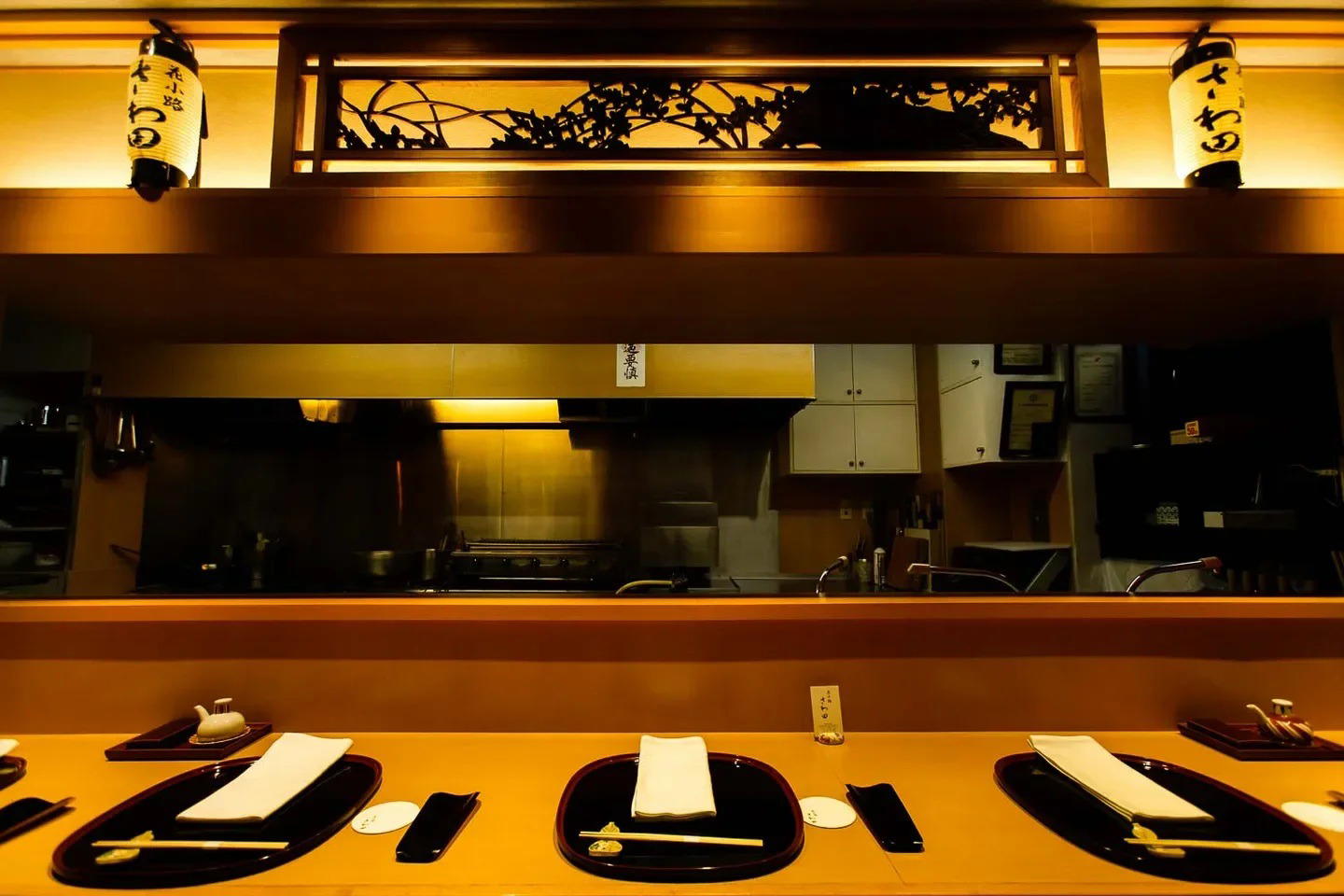
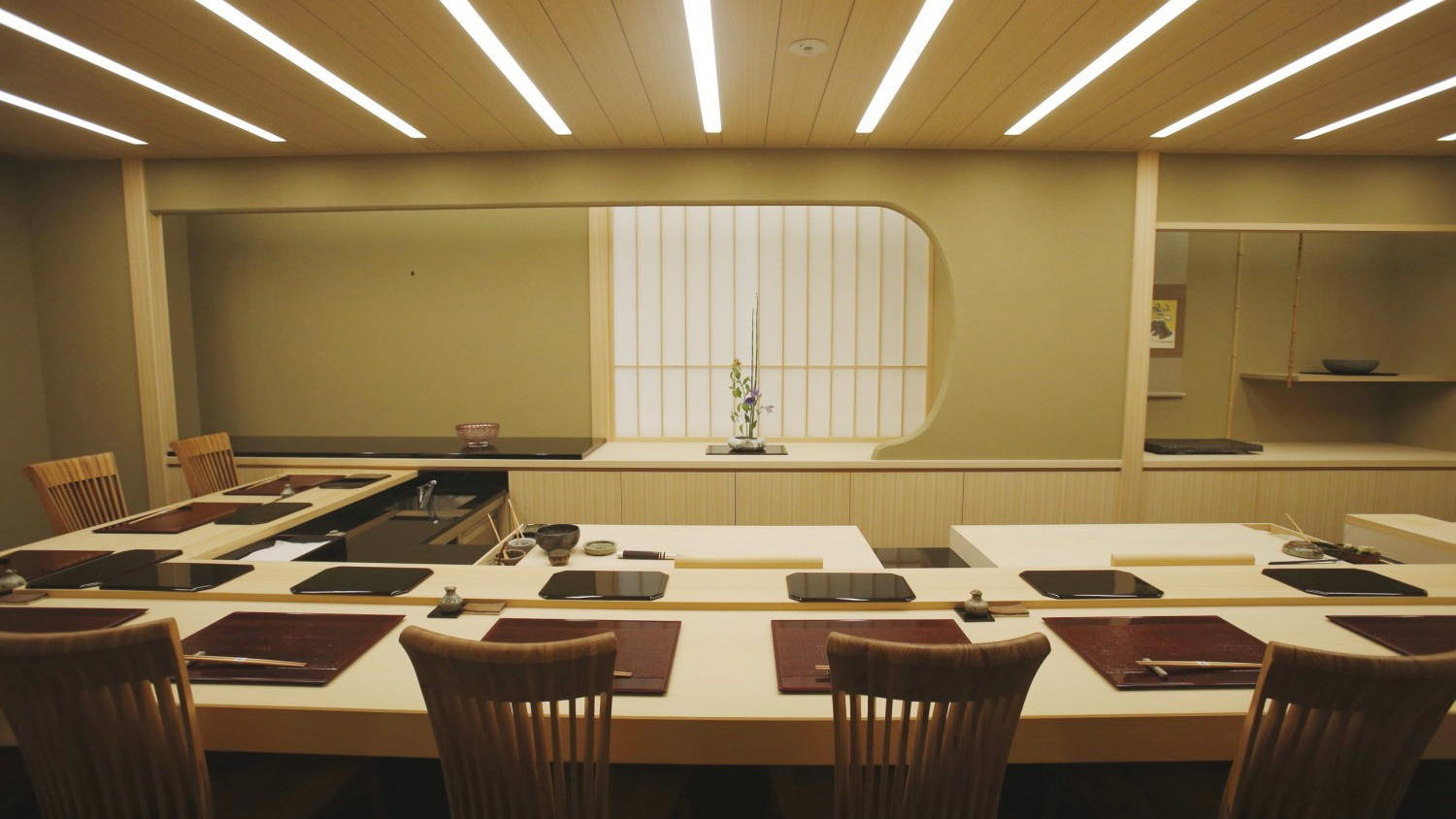
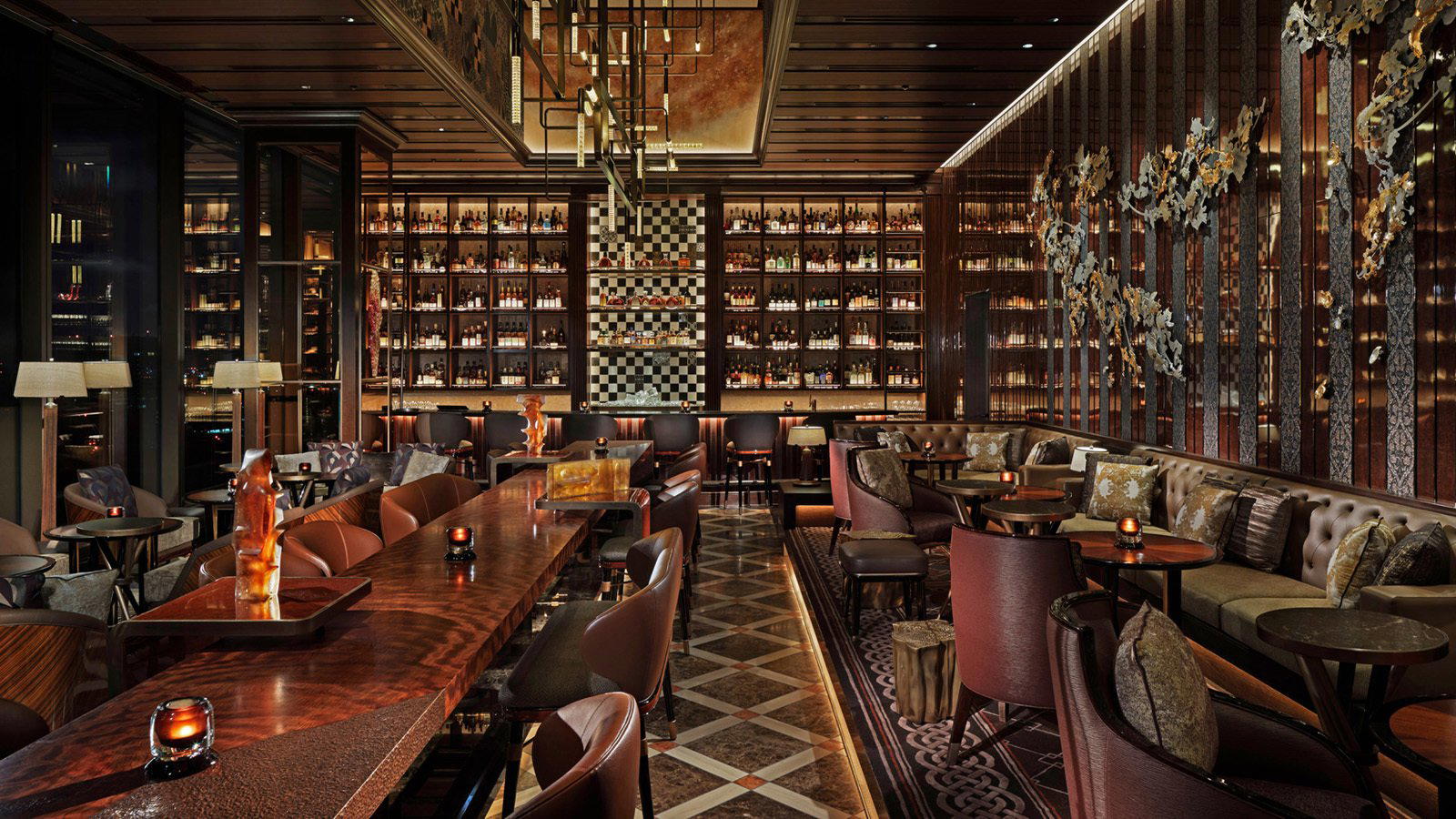
A calm, elegant cafe space within a department store basement, with a classic British tea-room feel, relaxed pacing, non-smoking environment, and a focus on refined yet comfortable afternoon tea service.