A wine-centric Gasthof on the rural edge of Alzenau, EDER's in Simons Weingasthof sits within a tradition of Franconian hospitality where the vineyard and the kitchen operate as a single system. The address, Dörsthöfe 4, in the orchard and wine country south of the Main valley, signals the format before you arrive: this is a destination defined by provenance, not urban convenience.
Pearl is the En Primeur Club membership app — saves, bookings, and concierge access live there. Same editors, same standards.
- Address
- Dörsthöfe 4, 63755 Alzenau, Germany
- Phone
- +494960238902
- Website
- simons-weingasthof.de
- Directions
- Get directions
 Saves & bookings on Pearl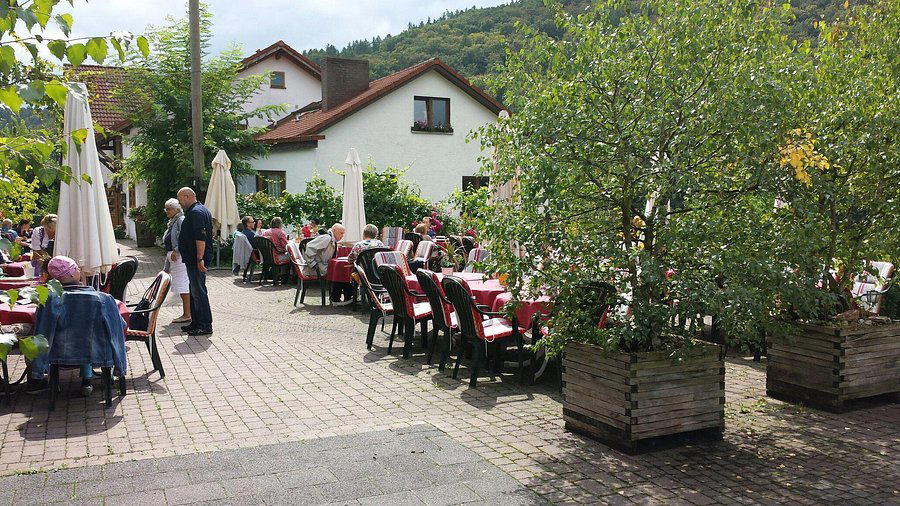
Where the Vineyard Sets the Menu
EDER's in Simons Weingasthof is a restaurant in Alzenau, Germany, with. The road to Dörsthöfe 4 tells you something before the meal does. Alzenau sits in the westernmost reach of Franconia, where the Main valley's vineyards give way to orchard land and small agricultural holdings. The Weingasthof format, a guest house directly attached to a wine estate, is one of the older hospitality structures in this part of Germany, and it operates on a different logic than a standalone restaurant. The wine comes from the property or its immediate circle. The kitchen works with what the land and the season produce. The guest is, in effect, eating the farm.
That integration of source and plate is what distinguishes a functioning Weingasthof from a restaurant that happens to have a wine list. In the better examples across Franconia and the Rheingau, the menu shifts when the harvest does, and the cellar dictates the pour rather than a buyer's spreadsheet. EDER's in Simons Weingasthof sits within that tradition, at an address that makes the premise explicit: this is the kind of place where proximity to the source is the point.
The Franconian Weingasthof Tradition
Franconia produces some of Germany's most underappreciated white wines, Silvaner above all, but also Riesling, Scheurebe, and Bacchus in the hands of serious producers. The region's Bocksbeutel bottle is the visual shorthand, but the more interesting story is structural: Franconian wine culture developed around small estates that served food as a way to anchor guests to the cellar. The Weingasthof is the institutional form that emerged from that history.
Across Germany's wine regions, this format has diverged sharply. Some have moved toward fine dining, building tasting menus that compete with urban restaurants, places like Schanz in Piesport or Waldhotel Sonnora in Dreis occupy a tier where the address is rural but the ambition is international. Others have stayed closer to the Gasthof root: seasonal, local, relatively informal, and designed around the wine rather than around chef reputation. EDER's in Simons Weingasthof reads as the latter type, a place where the editorial story is sourcing and terroir, not tasting-menu architecture.
For context on how rural German fine dining can escalate, the contrast with Victor's Fine Dining by Christian Bau in Perl or ES:SENZ in Grassau is instructive: those are destination restaurants that happen to be outside major cities. The Weingasthof model is something different, the destination is the land itself, and the restaurant is the access point.
Sourcing as the Organising Principle
The ingredient-sourcing logic of a Weingasthof is worth taking seriously as a dining proposition. When a kitchen operates within walking distance of its wine production, and within a short radius of agricultural suppliers shaped by the same soil and microclimate, the menu reflects a coherence that is difficult to manufacture in an urban setting. Franconian cooking in this vein tends toward the direct: cured and roasted meats, dishes built around root vegetables and brassicas in cooler months, fruit-forward preparations in summer and autumn when the orchards around Alzenau are producing.
The leading Weingasthof kitchens are technically competent in ways that don't always announce themselves, stocks built over days, fermentation applied to preserve the harvest's surplus, bread baked on premises. The sourcing advantage only translates to the plate when the kitchen knows what to do with high-quality primary ingredients. The format rewards restraint and punishes overreach: a Weingasthof that tries to cook like Vendôme in Bergisch Gladbach or Aqua in Wolfsburg will lose on both counts.
Alzenau's position, geographically between Frankfurt and Würzburg, with the Main river shaping its agricultural character, means the local supply circle includes produce from the Spessart foothills as well as the more intensively farmed valley floor. That range gives a capable kitchen latitude to work seasonally without becoming repetitive.
How This Fits the Broader German Restaurant Conversation
Germany's restaurant scene has consolidated around a few dominant narratives: the Michelin-chasing urban tasting room, the creative format pushing dessert or fermentation into new territory (as CODA Dessert Dining in Berlin does), and the regional anchor that holds its ground against metropolitan pull. The Weingasthof belongs to the third category, and it is especially culturally specific among the three, it does not translate easily to other contexts, and its quality is almost entirely a function of local commitment.
Places like Restaurant Haerlin in Hamburg, Jante in Hanover, or JAN in Munich operate within an international fine-dining grammar that a well-travelled diner can decode immediately. The Weingasthof requires a different frame: you are not benchmarking against a global comparable set, you are benchmarking against the land and season in front of you. For readers who find that more interesting than a technically identical tasting menu executed in a different postcode, EDER's in Simons Weingasthof represents a format worth seeking out.
The comparison extends internationally: the Weingasthof model has rough analogues in the farm-restaurant formats that have emerged at places like Lazy Bear in San Francisco, where sourcing and communal dining structure the experience, though the cultural roots and price positioning differ substantially.
Planning a Visit
EDER's in Simons Weingasthof is located at Dörsthöfe 4, 63755 Alzenau, a rural address that requires a car or deliberate transport planning. Alzenau is served by S-Bahn connections from Frankfurt (S2 line), but the Dörsthöfe address sits outside the town centre, making onward transport necessary.
Comparable Venues
Comparable venues nearby, for context on price, style, and recognition.
| Venue | Cuisine | Price | Notes |
|---|---|---|---|
| EDER´s in Simons WeingasthofThis venue — the venue you are viewing | Modern German Fine Dining | $$$ | Not listed |
| Bestenheider Stuben | German with French Flair | $$$ | Wertheim center |
| das krü | Modern German with International Influences | $$$ | Ludwigstraße, Darmstadt city center |
| ATRIUM Restaurant im Atrium Hotel Mainz | Modern Regional German | $$$ | Mainz-Finthen |
| Gerbermühle | Modern German with International Influences | $$$ | Im Teller |
| Landwehrstübchen | Polished German-Austrian Cuisine | $$$ | Sachsenhausen |
Continue exploring
More in Alzenau
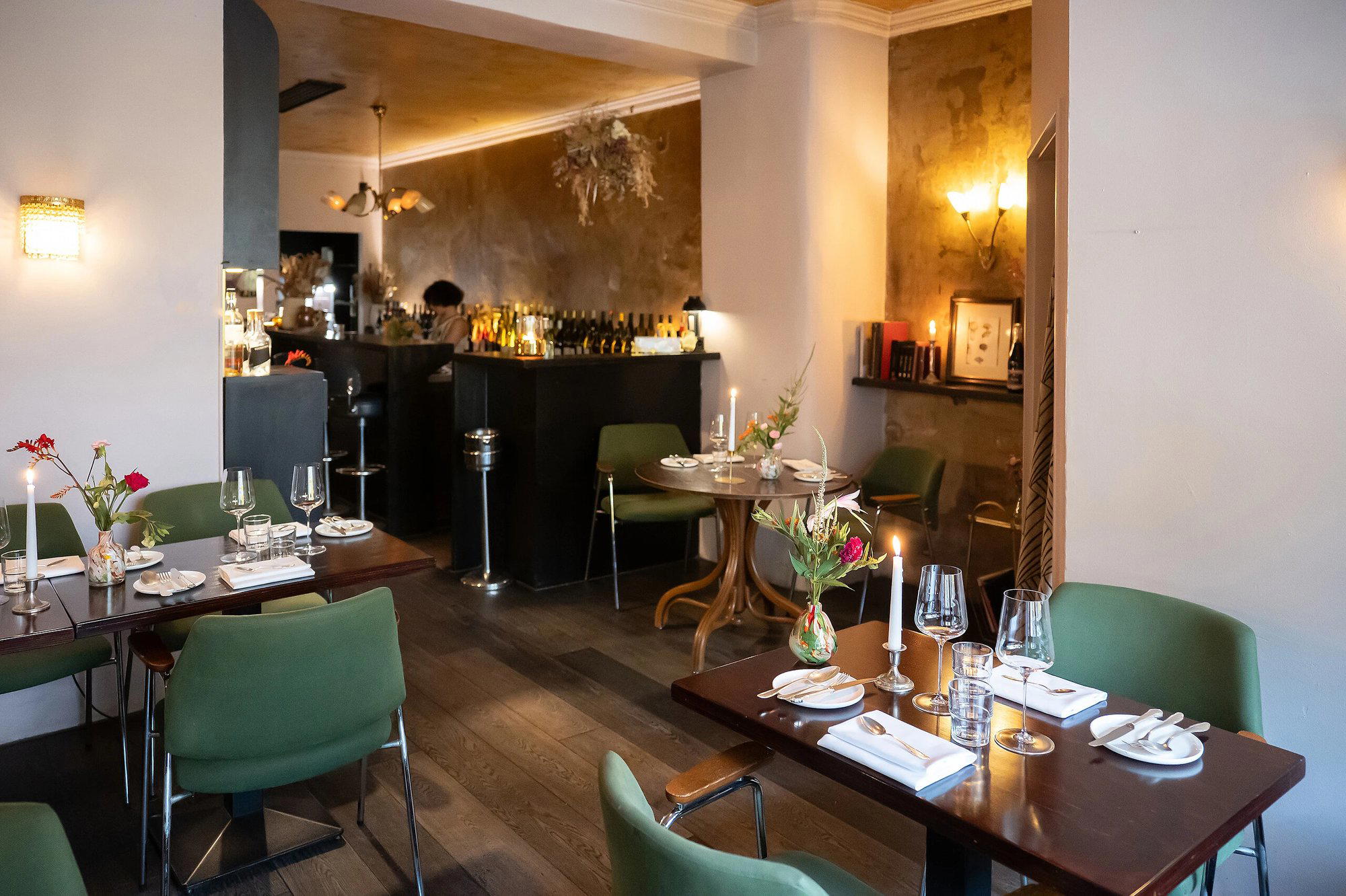
Restaurants in Alzenau
Browse all →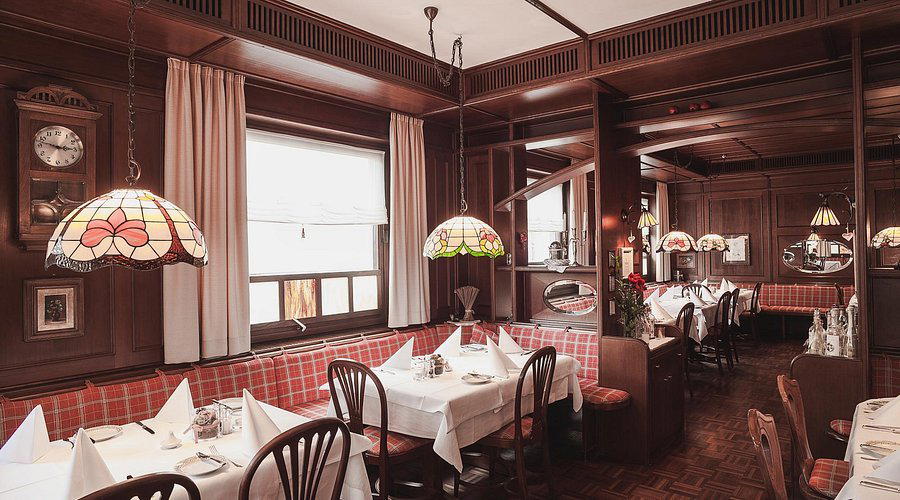
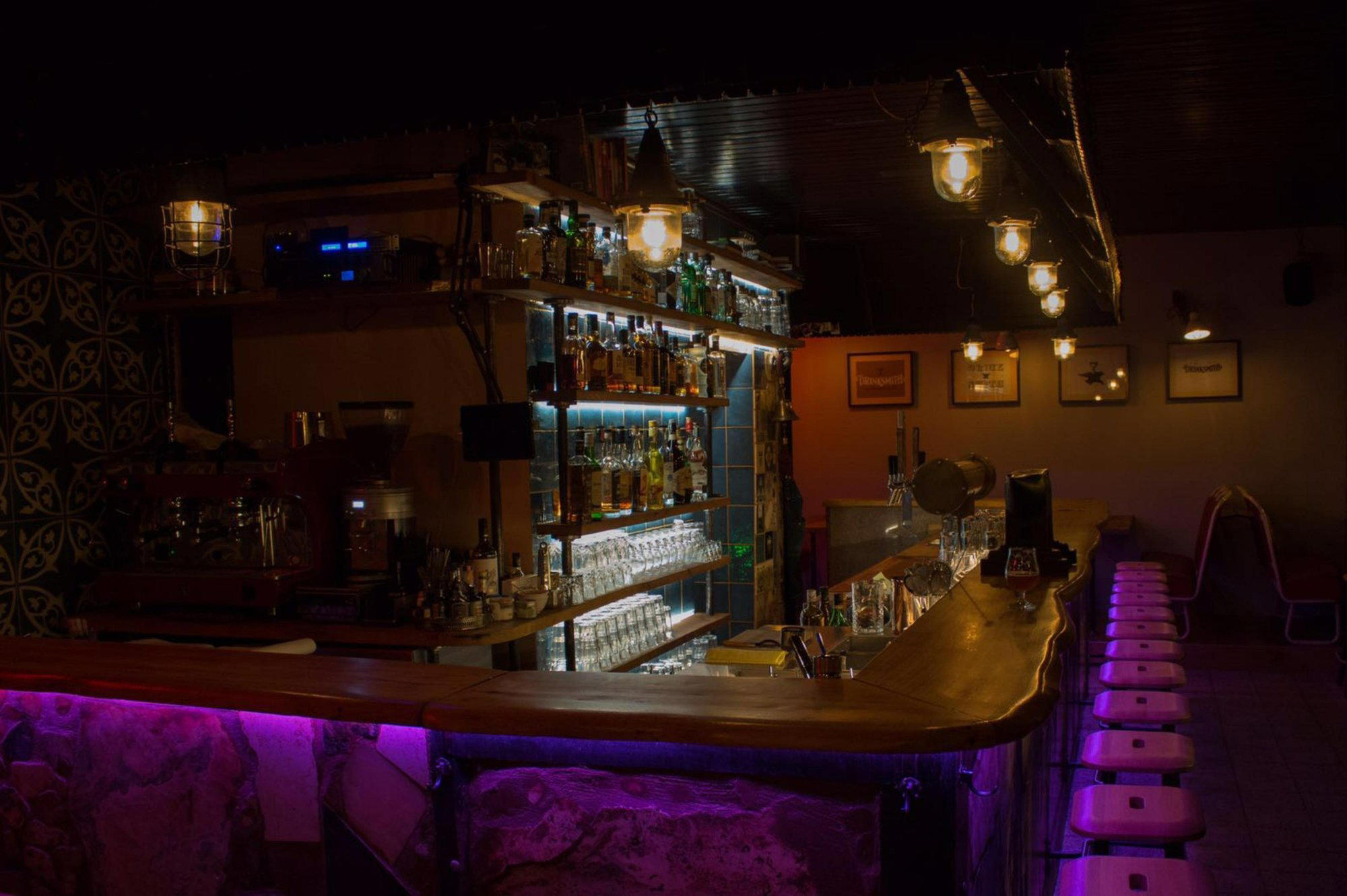
Bars in Alzenau
Browse all →

Hotels in Alzenau
Browse all →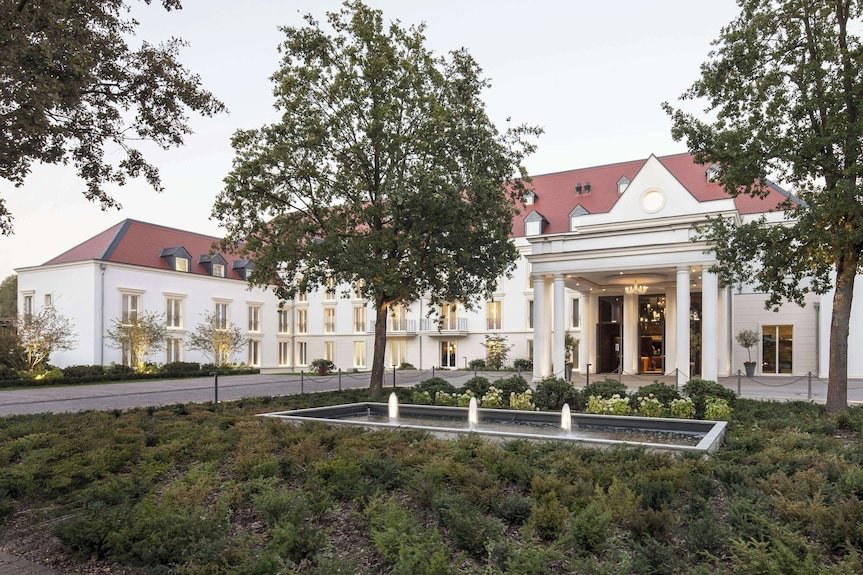
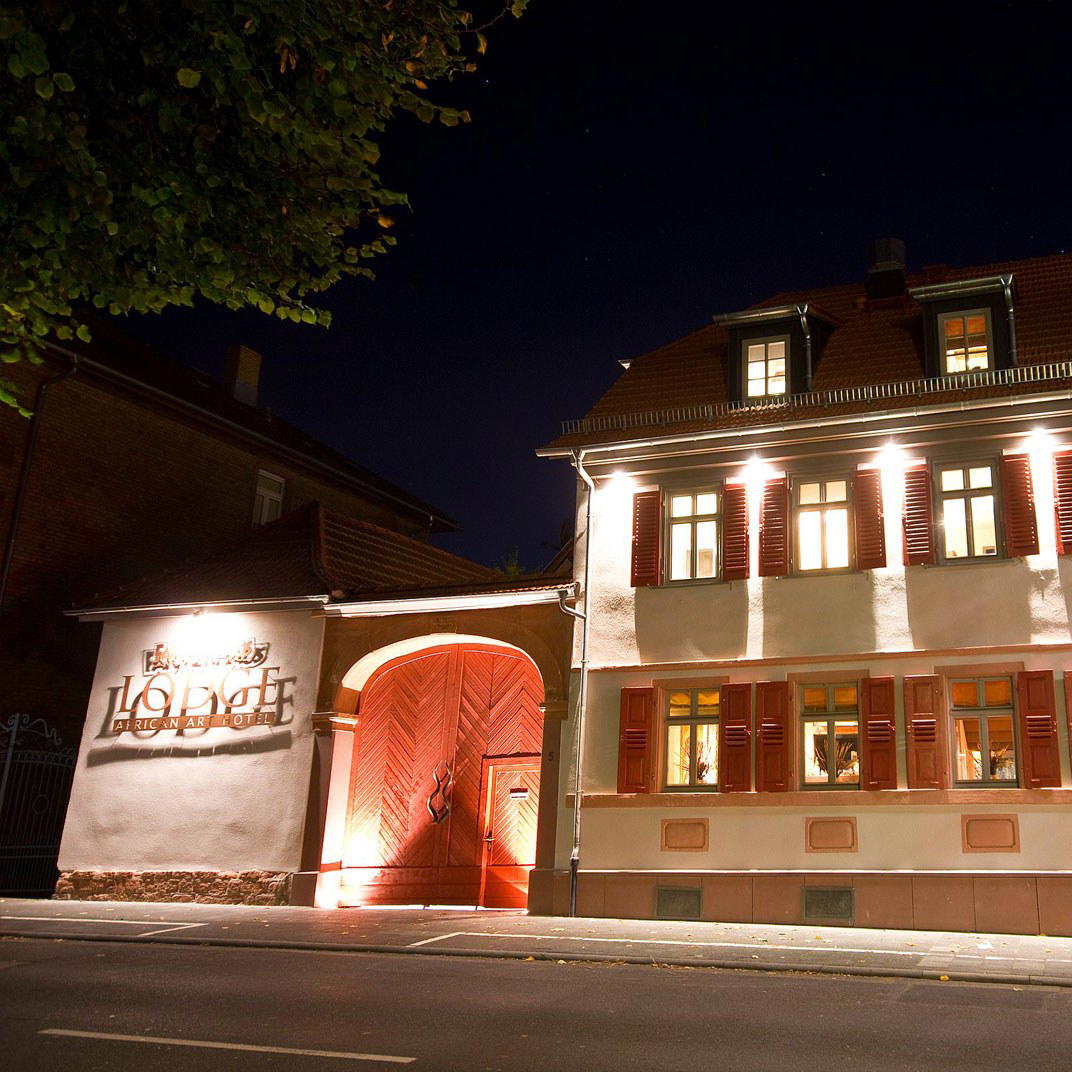
Wineries in Alzenau
Browse all →
At a Glance
- Elegant
- Classic
- Cozy
- Sophisticated
- Special Occasion
- Date Night
- Group Dining
- Private Dining
- Extensive Wine List
Current opening hours
- Monday
- 4–11 PM
- Tuesday
- Closed
- Wednesday
- Closed
- Thursday
- 6–11 PM
- Friday
- 4–11 PM
- Saturday
- 4–10 PM
- Sunday
- 12:30–9 PM
Hours can change for holidays and private events. Last verified .
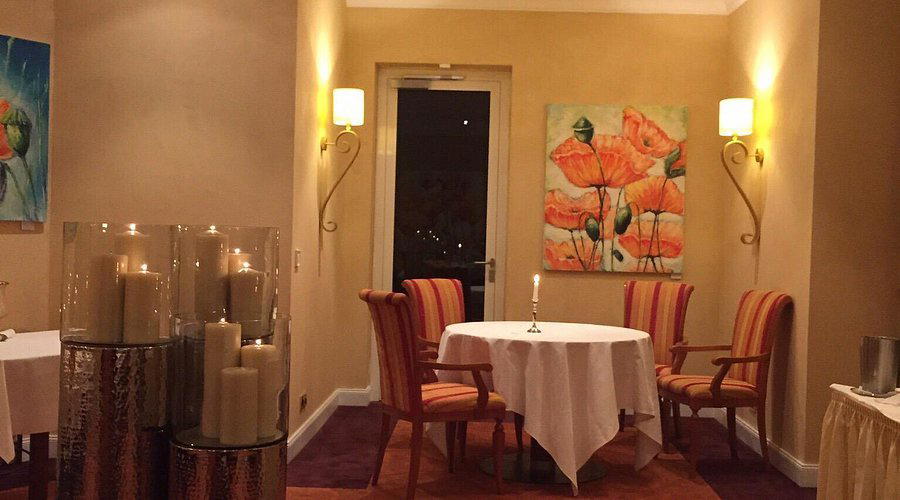
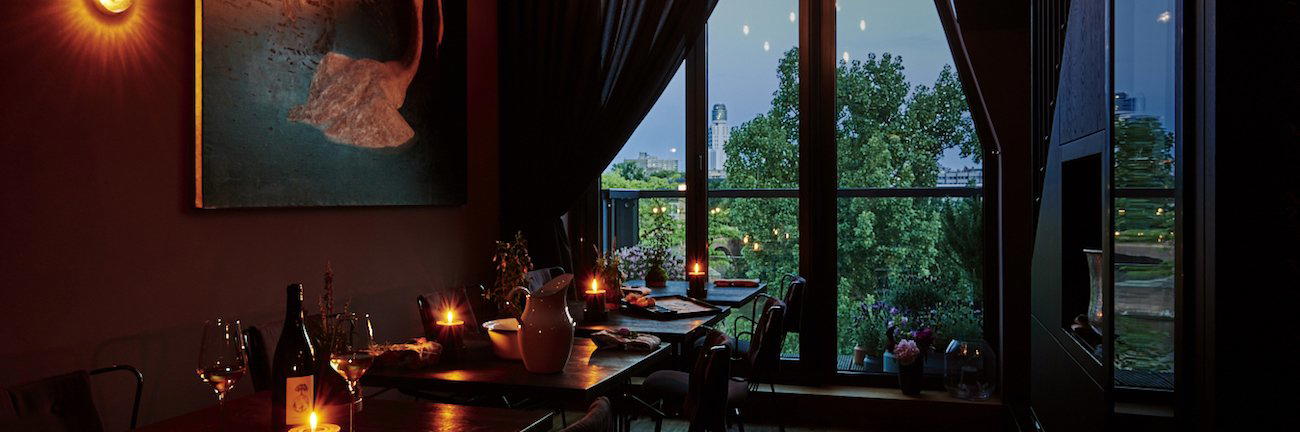
Stylish and refined setting with a blend of traditional German warmth and modern sophistication, creating an elegant yet comfortable dining environment.