



Jante holds two Michelin stars and scores 85 points in the 2026 La Liste rankings, placing it firmly among Germany's serious creative-cooking addresses. Chef Tony Hohlfeld runs a tightly focused menu at Marienstraße 116 in Hanover's Südstadt, where the kitchen operates at a level that competes well beyond the city's dining scene. The price range sits at €€€€, consistent with its two-star comparable set across the country.
Pearl is the En Primeur Club membership app — saves, bookings, and concierge access live there. Same editors, same standards.
- Address
- Marienstraße 116, 30171 Hannover, Germany
- Phone
- +49 511 54555606
- Website
- jante-restaurant.de
- Directions
- Get directions
 Saves & bookings on Pearl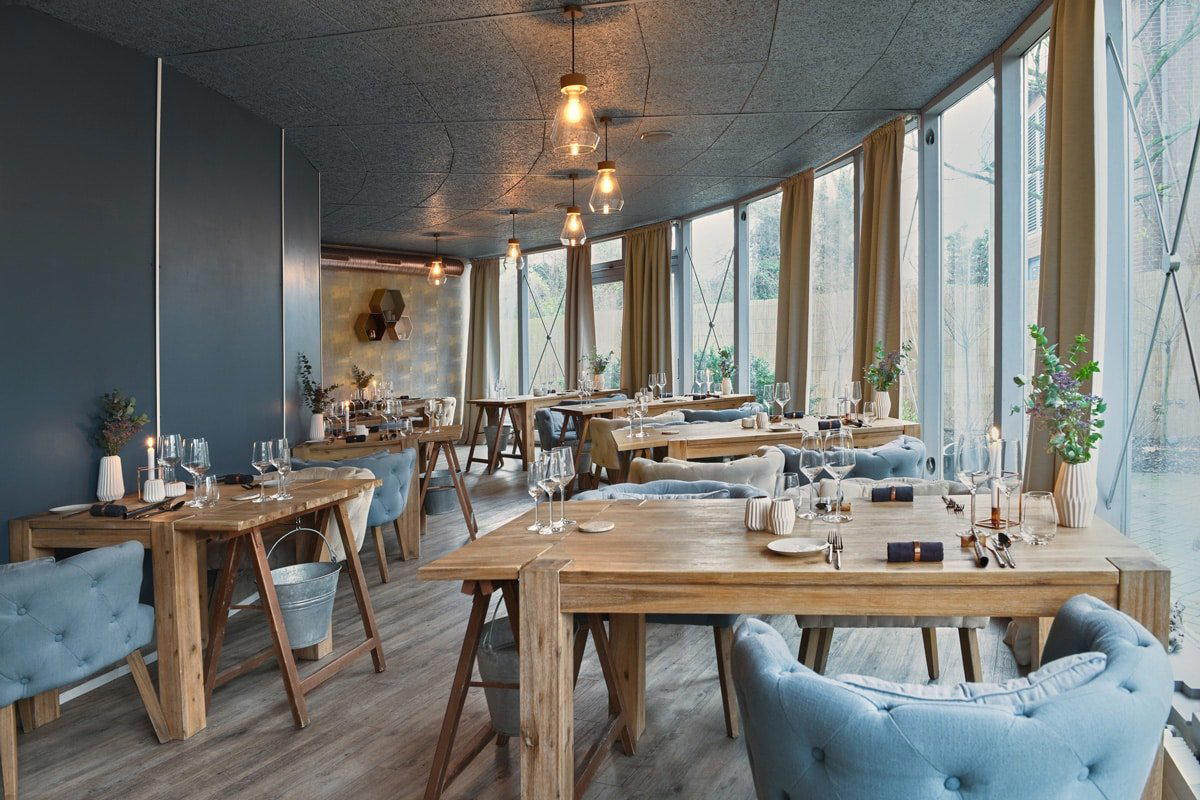
Where Hanover's Fine Dining Conversation Gets Serious
Marienstraße 116 sits in Hanover's Südstadt, a residential neighbourhood whose quiet streets do nothing to signal what happens inside. The approach is understated in the way that particularly confident two-star kitchens in Germany tend to be: no theatre at the door, no grand architectural statement, just a room that understands its purpose. This kind of deliberate restraint has become a signature of northern Germany's leading creative tables, where the cooking is expected to carry the room rather than the other way around.
Germany's two-Michelin-star tier has grown more geographically spread over the past decade, with serious kitchens appearing in cities that once lived entirely in the shadow of Munich, Hamburg, or the Rhine Valley. Hanover sits in that expanding map. Jante holds two stars across both the 2024 and 2025 Michelin guides, and its La Liste score has moved from 84.5 points in 2025 to 85 points in 2026, a trajectory that places it among the tracked addresses in German creative cooking rather than a static local fixture.
Creative Cooking in Northern Germany: The Cultural Frame
The creative cuisine category in Germany draws on a set of influences that differ from the French-rooted fine dining that dominated the country through the 1980s and 1990s. The shift has been gradual but consistent: kitchens at this level now more frequently engage with Nordic and northern European produce traditions, fermentation techniques, and a preference for precision over richness. This is not a uniform movement, but it is a recognisable tendency in the northern tier of the country, where proximity to Scandinavia and the North Sea coast shapes what ingredients are available and what approaches feel culturally coherent.
Chef Tony Hohlfeld's work at Jante sits within this broader shift. The creative classification in Michelin's framework is applied to kitchens where the cooking does not resolve neatly into a national or regional tradition, and where the chef's own interpretive choices are the primary organising logic. At the two-star level, that classification carries weight: it signals that the guide's inspectors found the food consistently accomplished and distinctly authored. That dual-star consistency across 2024 and 2025 is itself evidence of a kitchen operating with discipline rather than relying on a single strong season.
Hanover's Dining Tier and Where Jante Sits in It
Hanover's restaurant scene is smaller than its status as a state capital and trade-fair city might suggest. The city draws significant business travel around major trade events, but its permanent fine dining infrastructure is compact. At the upper end, the creative and modern cuisine addresses occupy a defined bracket. Jante and Votum share the two-Michelin-star tier and the €€€€ price range, making them direct peers in the local hierarchy. Below that, Handwerk holds one star in the modern cuisine register at €€€, and Marie operates French one-star cooking at the same price point. More accessible options like Beckers and Schorse im Leineschloss fill the mid-range French and international tiers at €€.
What this structure means in practice is that Hanover's leading creative tables are few enough that each one carries an outsized share of the city's serious dining identity. Jante's consistent two-star status means it functions as a benchmark address, the kind of restaurant that visiting food critics, international trade guests, and residents celebrating significant occasions all converge on. That concentration of purpose shapes the room: expect a clientele that is self-selecting in its seriousness, and a service register calibrated to match.
Practical Considerations for Planning a Visit
Jante sits at Marienstraße 116 in the Südstadt district, reachable from Hanover's central station without difficulty. The €€€€ pricing places it in a bracket where a full dinner with wine pairing will represent a significant outlay; this is a tasting-menu-format restaurant at the two-star level, so budget accordingly. Reservations at this tier in Germany typically require advance planning of several weeks, with popular dates at the better-known addresses filling two to three months ahead.
Cuisine-First Comparison
Comparable venues nearby, for context on price, style, and recognition.
| Venue | Cuisine | Price | Awards | Notes |
|---|---|---|---|---|
| JanteThis venue — the venue you are viewing | Modern European Fine Dining | $$$$ | Michelin 2 Star | Not listed |
| Votum | Dining | $$$$ | Michelin 2 Star | Not listed |
| Handwerk | Modern European Fusion with Nordic & Far Eastern Influences | $$$$ | Michelin 1 Star | Südstadt |
| Marie | Modern French with Asian Accents | $$$ | Michelin 1 Star | Oststadt |
| EssKultur | Modern European Fusion Fine Dining | $$$$ | Not listed | Mitte |
| Buddha Bowl | Pan-Asian Sushi & Indochinese | $$$ | Not listed | Mitte (Altstadt) |
Recognition history
Dated appearances from independent guides and award organizations, with the underlying list record or original source where available.
Falstaff Restaurant - 97 Falstaff Points
Falstaff
La Liste Top Restaurants
La Liste
Michelin 2 Stars
Michelin
La Liste Top Restaurants
La Liste
Michelin 2 Stars
Michelin
The Best Chef One Knife
The Best Chef
Michelin 2 Stars
Michelin
Continue exploring
More in Hanover
Restaurants in Hanover
Browse all →
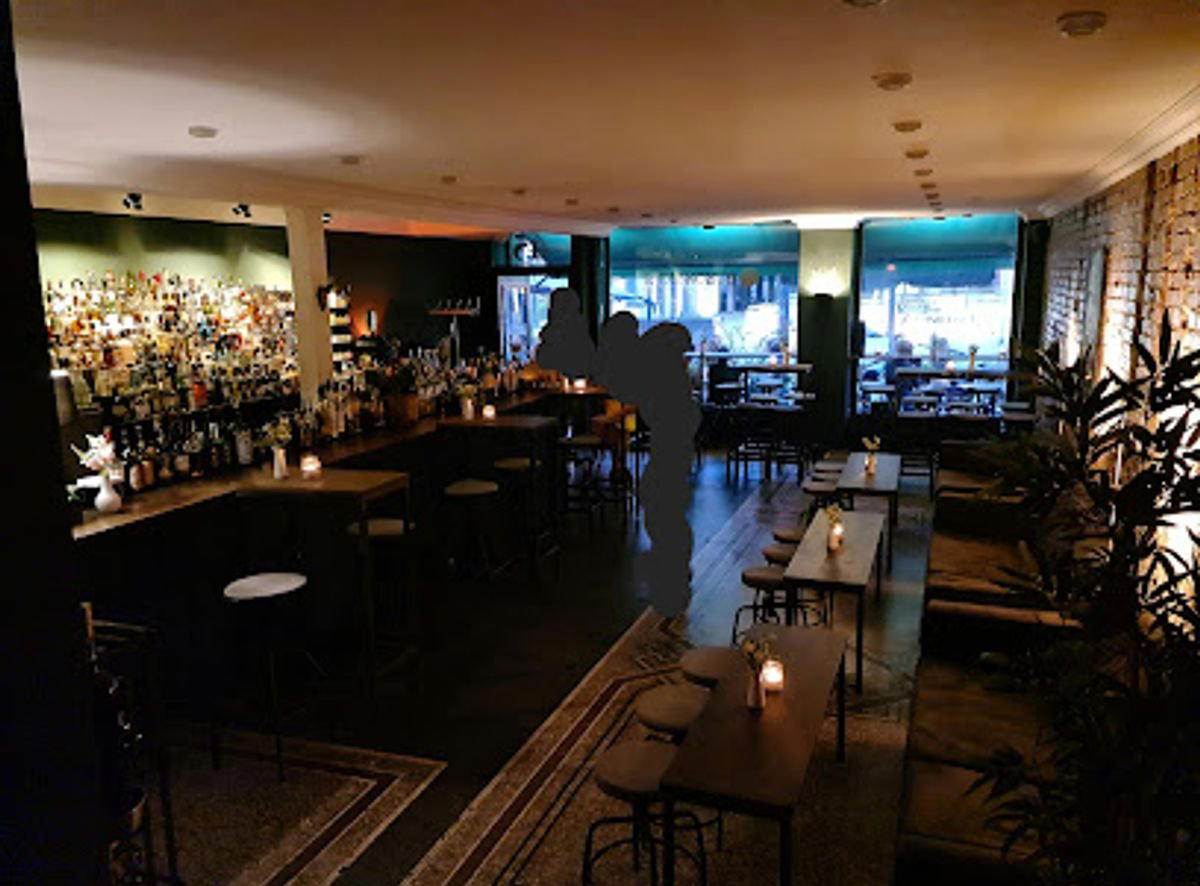
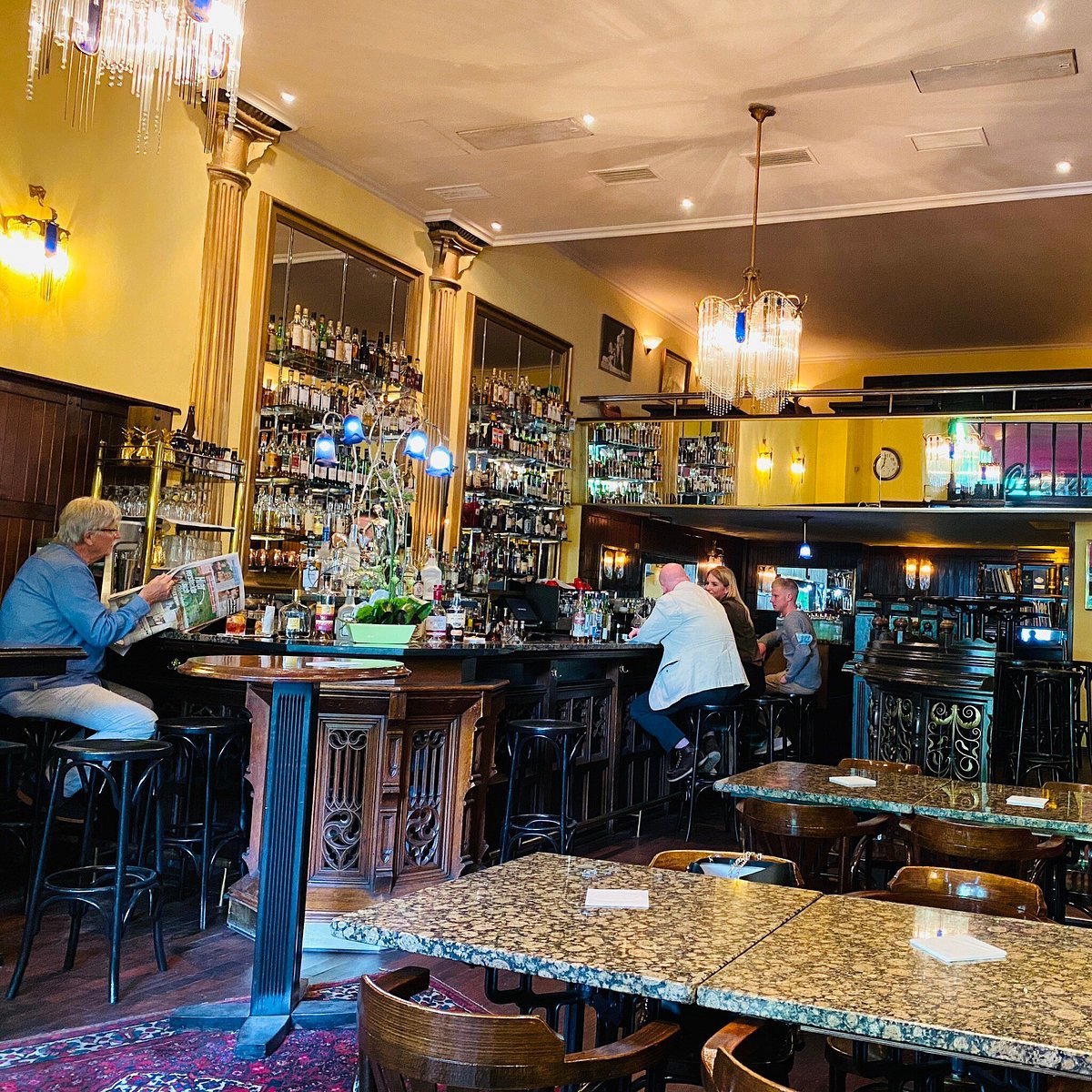
Bars in Hanover
Browse all →
Hotels in Hanover
Browse all →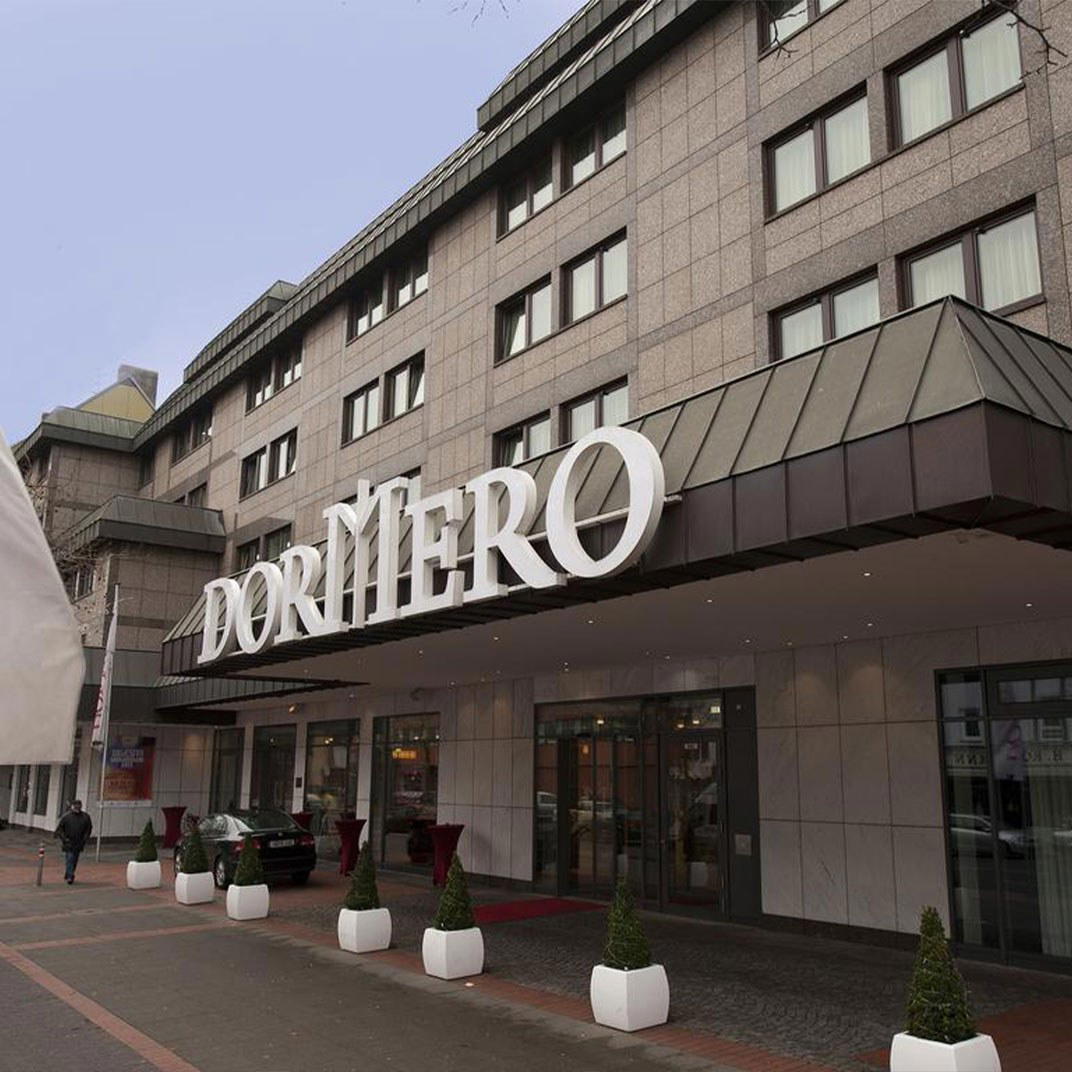

At a Glance
- Elegant
- Cozy
- Sophisticated
- Modern
- Intimate
- Date Night
- Special Occasion
- Business Dinner
- Celebration
- Open Kitchen
- Extensive Wine List
- Sommelier Led
- Local Sourcing
- Street Scene
Current opening hours
- Monday
- Closed
- Tuesday
- Closed
- Wednesday
- 6 PM–12 AM
- Thursday
- 6 PM–12 AM
- Friday
- 6 PM–12 AM
- Saturday
- 12–3 PM, 6 PM–12 AM
- Sunday
- Closed
Hours can change for holidays and private events. Last verified .
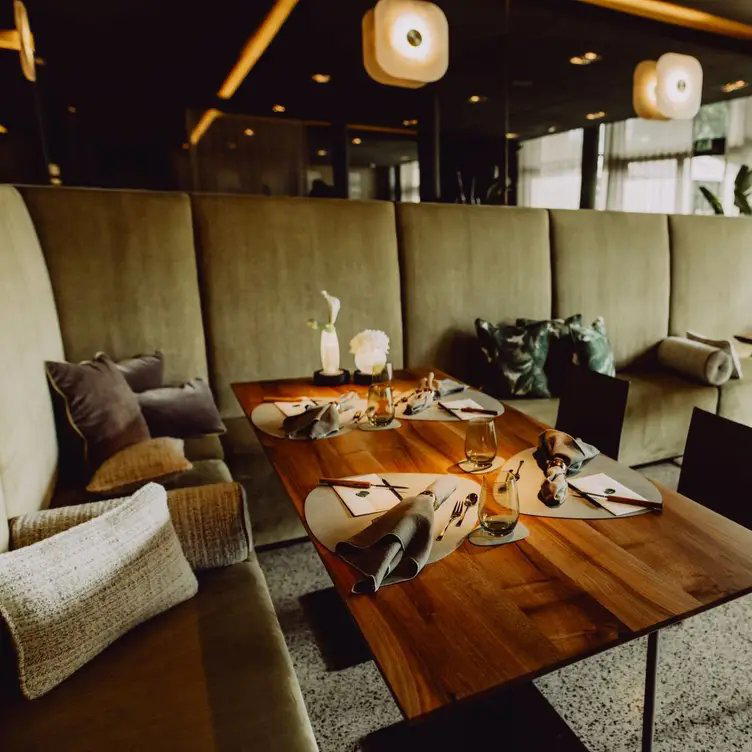
Sleek Scandinavian-style with floor-to-ceiling windows, cozy and relaxed yet refined atmosphere.