Farmerhaus

Farmerhaus in Groß-Umstadt holds consecutive Michelin Plates for 2024 and 2025, a signal of consistent kitchen discipline that is rare for African cuisine in provincial Germany. The €€€ price point positions it above casual dining but within reach of a considered evening out.
Pearl is the En Primeur Club membership app — saves, bookings, and concierge access live there. Same editors, same standards.
- Address
- Am Farmerhaus 1, 64823 Groß-Umstadt, Germany
- Phone
- +49 6078 911191
- Website
- farmerhaus.de
 Saves & bookings on Pearl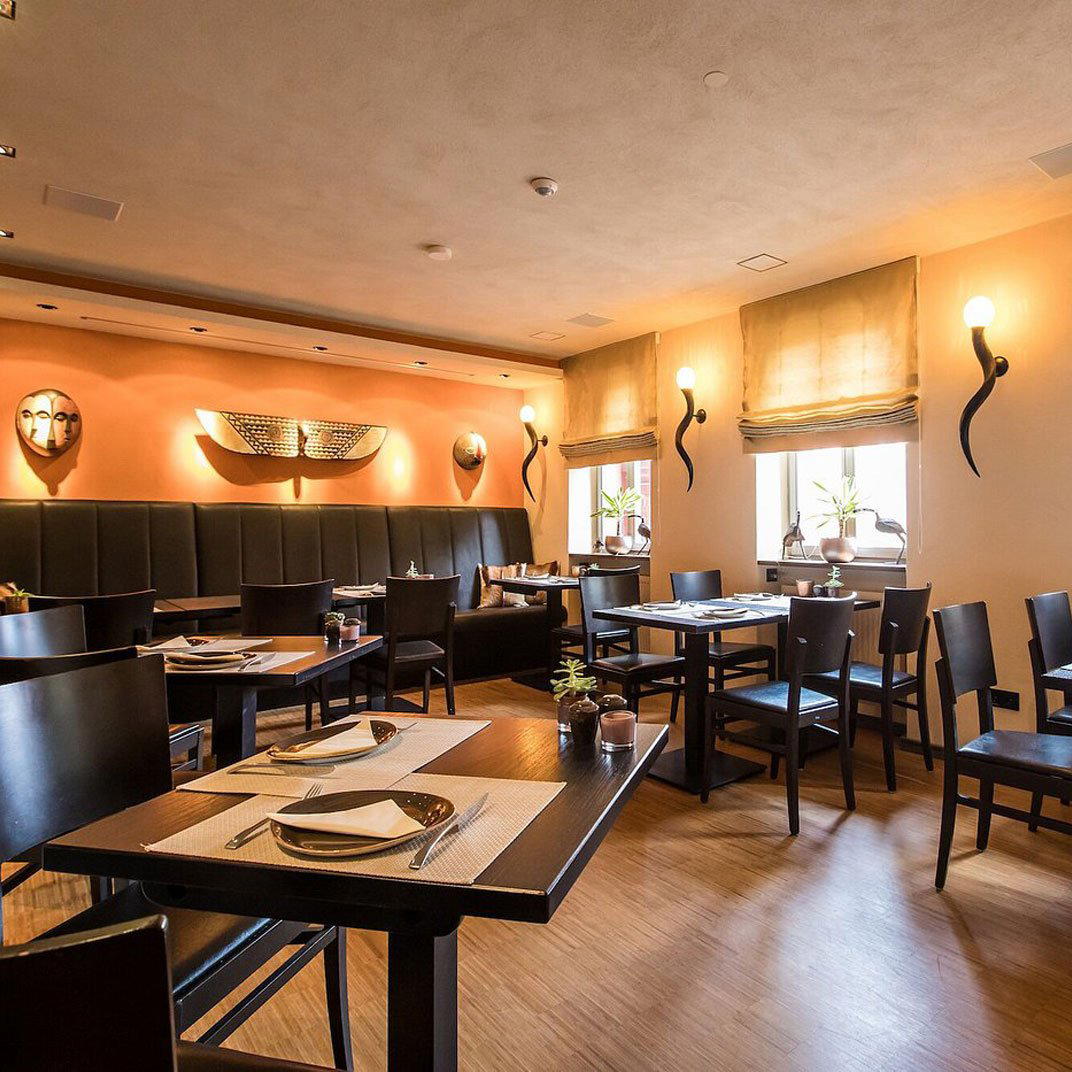
African Cooking in the Hessian Countryside
Germany's Michelin-recognised restaurant circuit clusters predictably around its major cities and established fine-dining corridors: the haute cuisine of Aqua in Wolfsburg, the classical French tradition at Schwarzwaldstube in Baiersbronn, the creative ambition of CODA Dessert Dining in Berlin. Against that backdrop, a Michelin-acknowledged African restaurant in Groß-Umstadt, a small market town in the southern Hessian flatlands east of Darmstadt, is a genuinely unusual proposition. Farmerhaus sits at Am Farmerhaus 1, and the address itself tells you something: this is not a restaurant that grew up inside a city's dining infrastructure. It arrived in a context where African cuisine has almost no precedent at this level, which makes its consecutive Michelin Plates for 2024 and 2025 a more pointed credential than the same recognition would be in Frankfurt or Berlin.
Where the Food Comes From
The editorial case for African cuisine at the Michelin-recognised tier often rests on sourcing discipline. African culinary traditions, across their enormous regional diversity, share a structural relationship with raw ingredients that European fine dining has only recently started to rediscover: fermentation, drying, smoking, and spice-forward seasoning that transforms modest materials into complex, layered dishes. Restaurants working in this tradition at a serious level, like Chishuru in London or Dōgon in Washington, D.C., typically build their sourcing programs around both indigenous African ingredients and locally available produce that respects the flavour logic of the cuisine. The question of where the food comes from is not incidental to African cooking at this level; it is the premise.
In a location like Groß-Umstadt, the sourcing conversation has a particular texture. The southern Hesse region is agricultural, with market gardening, fruit cultivation (the Odenwald produces substantial quantities of apples and soft fruit), and proximity to the Rhine-Main agricultural corridor. A kitchen drawing on African technique here would likely work across two supply chains: regional produce available locally, and specialist African ingredients sourced through importers serving Germany's larger cities. That dual sourcing logic, where the terroir is both local and diasporic, is increasingly how serious African restaurants in Europe position themselves. The Michelin Plate, awarded in consecutive years, suggests Farmerhaus is executing within that logic at a consistent standard.
The Setting at Am Farmerhaus 1
The name and address carry their own atmosphere before you walk through the door. "Farmerhaus" is not subtle branding: it anchors the restaurant to a specific physical and agricultural idea, a working relationship between land and table that is core to the culinary tradition it represents. Arriving in Groß-Umstadt, a town of roughly 20,000 residents with a mediaeval core and surrounding farmland, positions the evening differently than a city restaurant visit would. There is no ambient dining district, no cluster of comparable venues to browse before or after. The decision to eat at Farmerhaus is the destination, and that concentration of intent tends to sharpen the experience on both sides of the kitchen pass.
The €€€ price positioning, one tier below Germany's full fine-dining ceiling, places Farmerhaus in the same bracket as restaurants that treat the meal as an occasion without demanding the full ceremony of tasting-menu formats at venues like Vendôme in Bergisch Gladbach or JAN in Munich. That price tier, at this standard, represents a meaningful value proposition for the region.
Consecutive Recognition and What It Signals
A single Michelin Plate is a qualifier: the inspectors noticed and approved. A second consecutive Plate for 2025, following the 2024 recognition, is a more deliberate signal. It indicates that the kitchen is not coasting on novelty or a single strong inspection visit. The consistency required to maintain Plate recognition over two annual cycles, at a cuisine type that Michelin's German guide has limited comparative reference points for, suggests a kitchen operating with genuine technical discipline. For African cuisine specifically, where European fine-dining audiences and inspectors alike may approach the food with less established expectation, sustaining that recognition is harder than maintaining equivalent status in a well-mapped French or Japanese context.
Among the broader set of Michelin-recognised African restaurants in Europe, Farmerhaus occupies an unusual geographic position. Its. Restaurants that generate that kind of purposeful journey tend to earn it through a combination of kitchen consistency and a dining proposition that cannot be replicated closer to home.
For further context on Germany's Michelin-recognised dining circuit, see our coverage of ES:SENZ in Grassau, Restaurant Haerlin in Hamburg, Schanz in Piesport, Victor's Fine Dining by Christian Bau in Perl, Waldhotel Sonnora in Dreis, and Bagatelle in Trier.
Planning Your Visit
Groß-Umstadt sits roughly 30 kilometres southeast of Frankfurt, making it a plausible evening excursion from the city or a stop within a broader Hessian itinerary. Given the purposeful-journey nature of the guest base and the venue's Michelin recognition, booking ahead rather than walking in is the sensible approach, particularly on weekends. The €€€ pricing means dinner for two will sit in the mid-range of a Frankfurt fine-dining evening without the full expense of a starred tasting menu.
For broader planning around a visit to the region, our full Groß-Umstadt restaurants guide maps the local dining context, alongside our guides to hotels in Groß-Umstadt, bars in Groß-Umstadt, wineries in Groß-Umstadt, and experiences in Groß-Umstadt.
Fast Comparison
Comparable venues nearby, for context on price, style, and recognition.
| Venue | Cuisine | Price | Awards | Notes |
|---|---|---|---|---|
| Farmerhaus | South African | $$$$ | Michelin Plate | Groß-Umstadt |
| Backmulde | Modern French | $$$$ | Michelin Plate | Old Town |
| Carte blanche | Modern German Seasonal Tasting Menu | $$$$ | Michelin Plate | Nordend-Ost |
| HerR | Innovative Klassik | $$$$ | Michelin Plate | Altstadt |
| Goldener Karpfen | Refined Seasonal German with International Influences | $$$$ | Michelin Plate | Fulda center |
| Helbigs Gasthaus | Traditional Bavarian Fine Dining | $$$ | Michelin Plate | Johannesberg |
Recognition history
Dated appearances from independent guides and award organizations, with the underlying list record or original source where available.
Michelin Plate
Michelin · 2026 Michelin Plate
Michelin Plate
Michelin
Michelin Plate
Michelin
Continue exploring
More in Groß-Umstadt
Restaurants in Groß-Umstadt
Browse all →
Bars in Groß-Umstadt
Browse all →
Hotels in Groß-Umstadt
Browse all →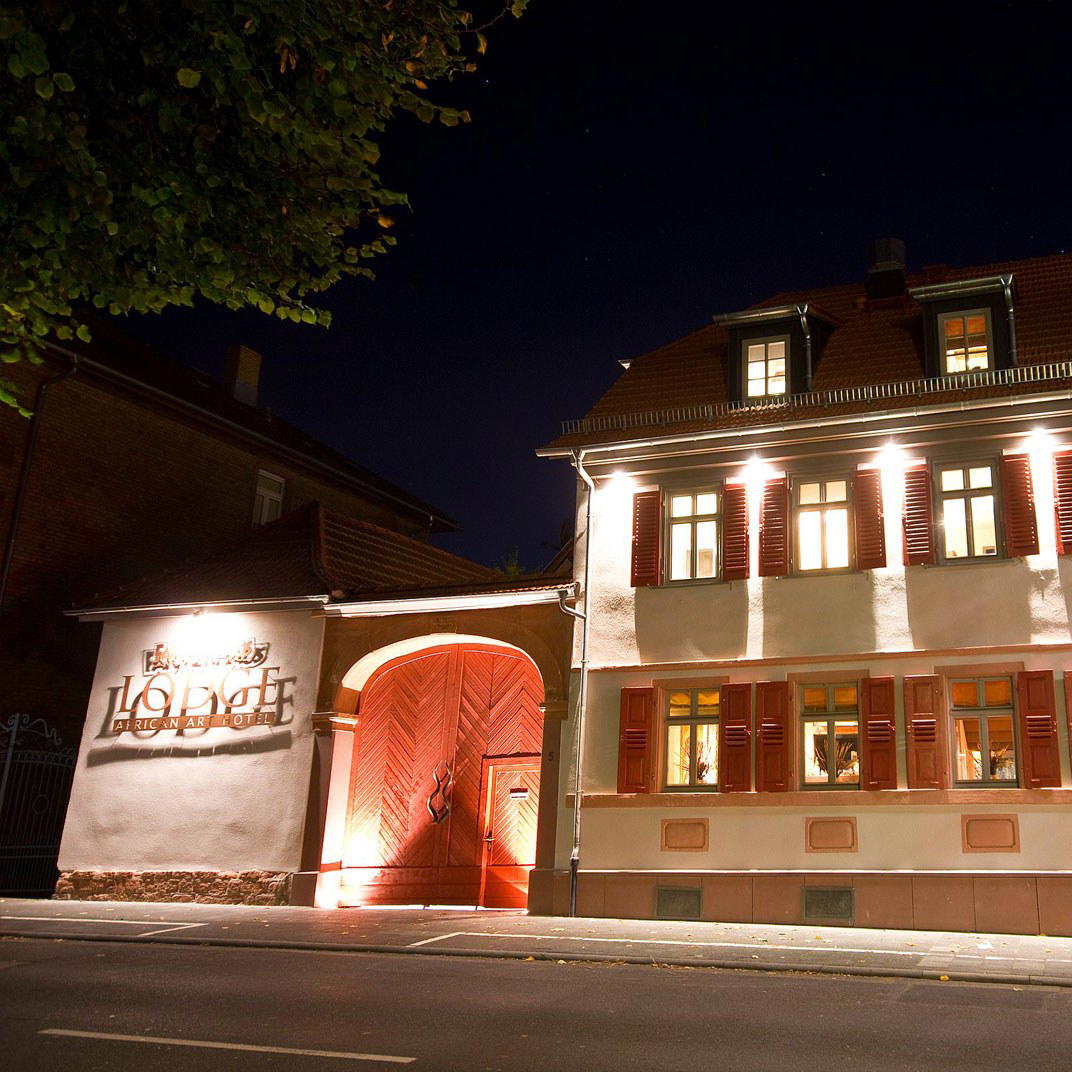

Wineries in Groß-Umstadt
Browse all →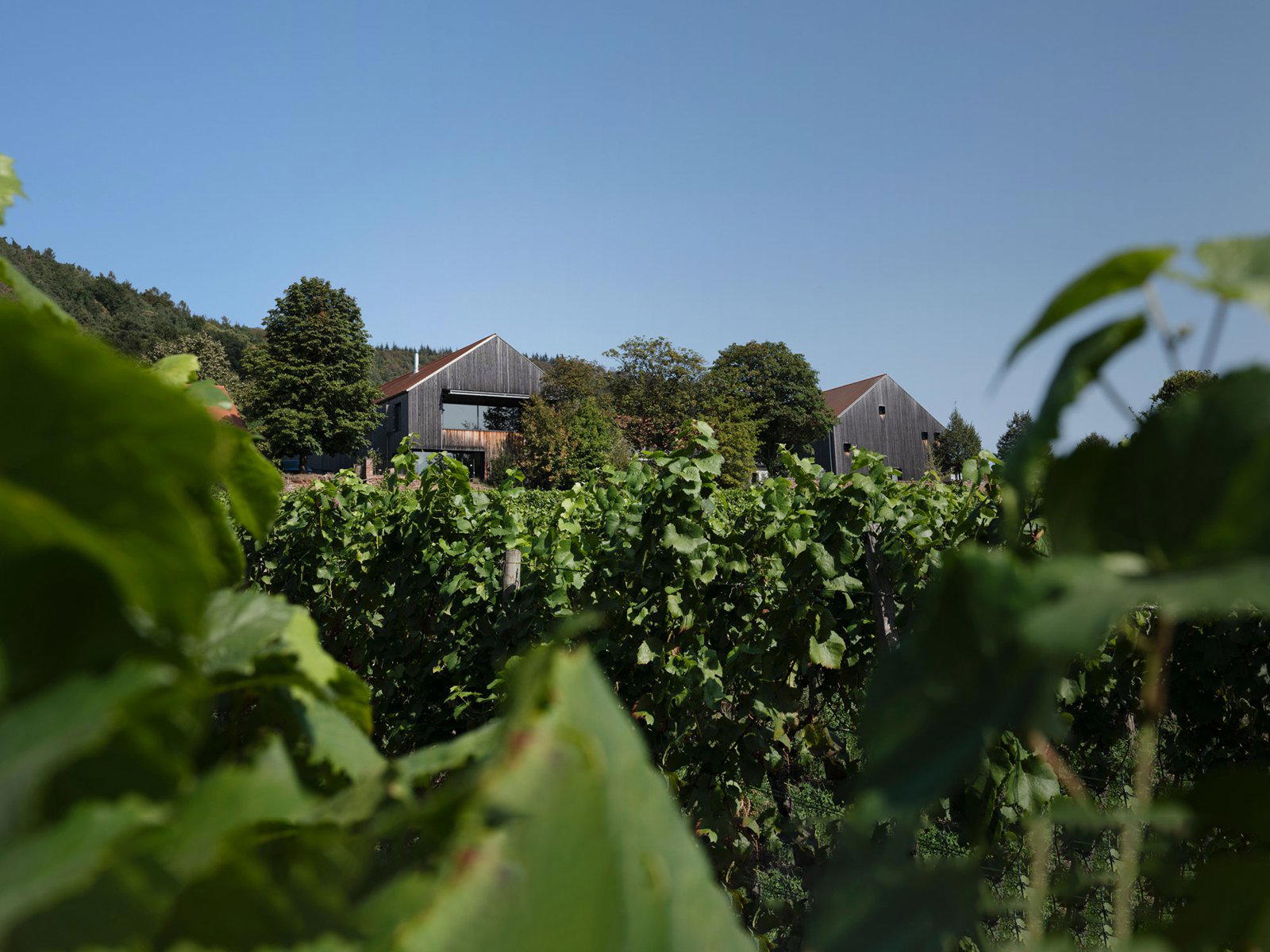
At a Glance
- Rustic
- Cozy
- Intimate
- Date Night
- Special Occasion
- Garden
- Terrace
- Garden
Current opening hours
- Monday
- Closed
- Tuesday
- Closed
- Wednesday
- 6–11 PM
- Thursday
- 6–11 PM
- Friday
- 6 PM–12 AM
- Saturday
- 6 PM–12 AM
- Sunday
- Closed
Hours can change for holidays and private events. Last verified .
Warm African-themed atmosphere with wood carvings, trophies, and cozy terrace.