Ziegler Distillery

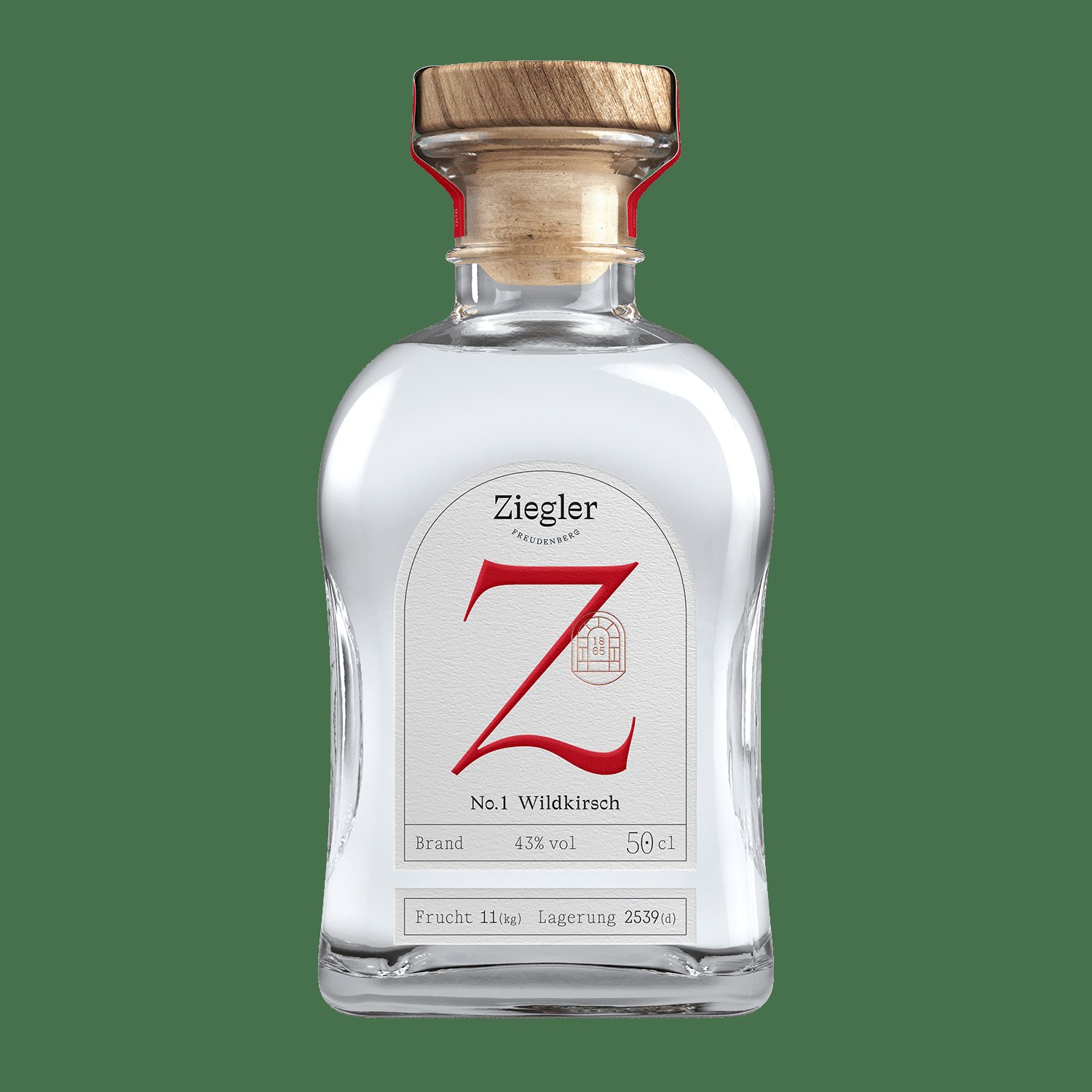
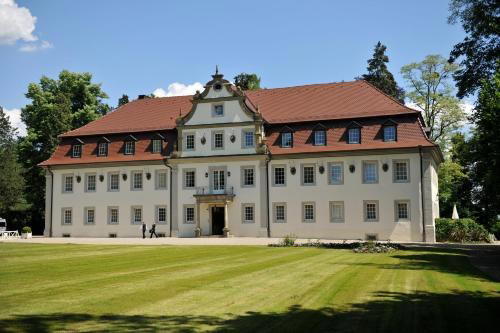
Ziegler Distillery operates from the heart of Freudenberg am Main, a small Franconian town where distilling tradition runs as deep as the Main valley itself. Recognised with a Pearl 2 Star Prestige award in 2025, it occupies a position at the serious end of Germany's craft spirits scene. The address on Hauptstraße places it firmly within the town's compact historic core, making it accessible on foot from the old town quarter.
 Discover on Pearl
Pearl is the En Primeur Club membership app — saves, bookings, and concierge access live there. Same editors, same standards.
- Address
- Hauptstraße 26, 97896 Freudenberg
- Phone
- +49 9375 92880
- Website
- brennerei-ziegler.de
Franconian Distilling and the Geography That Shapes It
Freudenberg am Main sits in the Lower Franconia region of Bavaria, a stretch of river valley where the Main curves through sandstone ridges and dense forest before opening into the broader wine and spirits corridor that connects Würzburg to the west. This is not Rhine or Mosel country, where grand viticulture dominates the conversation. Instead, the area belongs to a quieter German tradition: small-batch distilling rooted in orchard fruit, forest botanicals, and a continental climate that produces raw materials with pronounced seasonal character. Distilleries operating here work with ingredients shaped by cold winters and warm, dry summers, a combination that concentrates flavour in stone fruit and pushes fermentation in particular directions.
It is against that backdrop that Ziegler Distillery, located at Hauptstraße 26 in Freudenberg's historic centre, earns its standing. The 2025 Pearl 2 Star Prestige recognition positions it within a tier of German craft producers taken seriously by specialist spirits critics, not as a novelty regional producer but as a distillery whose output merits structured evaluation. Ziegler Distillery is a winery in Freudenberg, and the record lists its price tier as 3. In a country where distilling heritage is often overshadowed internationally by wine, that kind of recognition carries weight precisely because the category is less crowded at the leading.
What the Land Puts Into the Glass
The editorial angle on any serious Franconian distillery begins with terroir in its broadest sense: not just soil chemistry, but the entire growing environment that determines what arrives at the still. The Main valley's combination of red sandstone soils, moderate continental rainfall, and elevation variation across its slopes produces orchard fruit, particularly plums, cherries, and pears, with a density and acidity that differs from equivalent fruit grown further south in warmer Alpine foothills. That acidity is not incidental. In distillation, it shapes the ester profile of the finished spirit, contributing to brightness and complexity that distinguishes Franconian fruit distillates from the rounder, softer profiles associated with warmer-climate equivalents.
Germany's distilling tradition is older and more technically rigorous than many visitors expect. The country maintains one of the world's most detailed regulatory frameworks for spirits production, with strict categories governing what can be labelled as Obstbrand, Edelbrand, or Geist depending on fermentation and distillation process. Producers working within this system operate with less flexibility than their counterparts in some other countries, but the discipline also enforces a kind of accountability: a named fruit distillate must genuinely express that fruit, and the still operator's skill lies in how faithfully, and how elegantly, they render what the orchard provides. For a reference point on how regional German producers approach this kind of expression at different scales, estates like Weingut Bürgerspital zum Heiligen Geist in Würzburg illustrate how Franconian producers have historically built reputations around the specificity of place.
Situating Ziegler in Germany's Craft Spirits Tier
Germany's premium craft spirits scene has developed differently from the Scottish or American models that dominate global conversation. Whereas Scotch whisky producers such as Aberlour in Aberlour operate within a globally recognised category framework with established export markets, German Edelbrand producers have historically served a domestic and central European audience with less international profile. That is changing. A generation of producers bringing technical precision and regional specificity to the category has begun attracting critical attention, and formal recognition schemes have followed.
The Pearl 2 Star Prestige designation Ziegler Distillery received in 2025 sits within that evolving critical framework. Two-star recognition in prestige-tier evaluations typically reflects consistent quality across multiple expressions rather than a single standout product, and it positions a producer within a comparable set that includes Germany's most-discussed craft distilleries rather than its mass-market operators. For context on how recognition functions across German producers more broadly, the estates awarded at the top of wine rankings, including Weingut A. Christmann in Neustadt an der Weinstraße, Weingut Dr. Bürklin-Wolf in Wachenheim an der Weinstraße, and Weingut Bassermann-Jordan in Deidesheim, demonstrate how German producers at the serious end of their categories tend to earn recognition through depth and consistency rather than volume or marketing reach.
The Town as Context
Freudenberg am Main is not a wine destination in the way that Rüdesheim or Brauneberg are. The town's identity is tied more closely to the river and to the kind of small-scale Franconian craftsmanship that rarely generates international travel features. Its historic centre, where Hauptstraße runs through a compact arrangement of half-timbered buildings, reflects a Central European market-town character that has been largely preserved. That physical context matters for a distillery operating within it: the setting signals a producer working within a local tradition rather than performing for an export audience.
Visitors approaching Freudenberg from Frankfurt, roughly 80 kilometres to the west, or from Würzburg to the east, enter a landscape that shifts gradually from the Rhine-Main urban corridor into something quieter and more agricultural. The Main valley narrows here, and the pace changes accordingly. Travellers combining a visit to Ziegler Distillery with broader exploration of German wine and spirits production will find natural connections to Kloster Eberbach in Eltville to the west, or to producers along the Mosel such as Weingut Fritz Haag in Brauneberg, Weingut Clemens Busch in Pünderich, Weingut Grans-Fassian in Leiwen, and Weingut Heymann-Löwenstein in Winningen, all of which represent the kind of place-driven German production that provides useful comparison. For Rheingau context, Weingut Georg Breuer in Rüdesheim am Rhein and Weingut Allendorf in Oestrich-Winkel round out a region where precision and terroir specificity have become the dominant critical values. An even more demanding benchmark for what biodynamic commitment looks like in a German context comes from Weingut Battenfeld-Spanier in Hohen-Sülzen.
Planning a Visit
The town itself is small enough that a few hours covers both the distillery and the surrounding historic centre. For travellers building a longer German itinerary, California comparisons are sometimes drawn to allocation-model producers like Accendo Cellars in St. Helena, where limited output and critical recognition combine to make advance planning essential.
In Context: Similar Options
Comparable venues nearby, for context on price, style, and recognition.
| Venue | Cuisine | Price | Awards | Notes |
|---|---|---|---|---|
| Ziegler DistilleryThis venue — the venue you are viewing | non-peated malt | $$$ | 1 recognition | |
| Weingut Rainer Schnaitmann | Pinot Noir, Lemberger | $$$ | 1 recognition | Fellbach |
| Weingut Philipp Kuhn | Riesling, Pinot Noir | $$$ | 1 recognition | Laumersheim |
| Weingut Kruger-Rumpf | Riesling, Weissburgunder | $$$ | 1 recognition | Münster-Sarmsheim |
| Weingut Juliusspital | Silvaner, Riesling | $$ | 1 recognition | Würzburg center |
| Cristom Vineyards | Pinot Noir, Chardonnay | $$$ | 1 recognition | Eola-Amity Hills |
Continue exploring
More in Freudenberg am Main
Wineries in Freudenberg am Main
Browse all →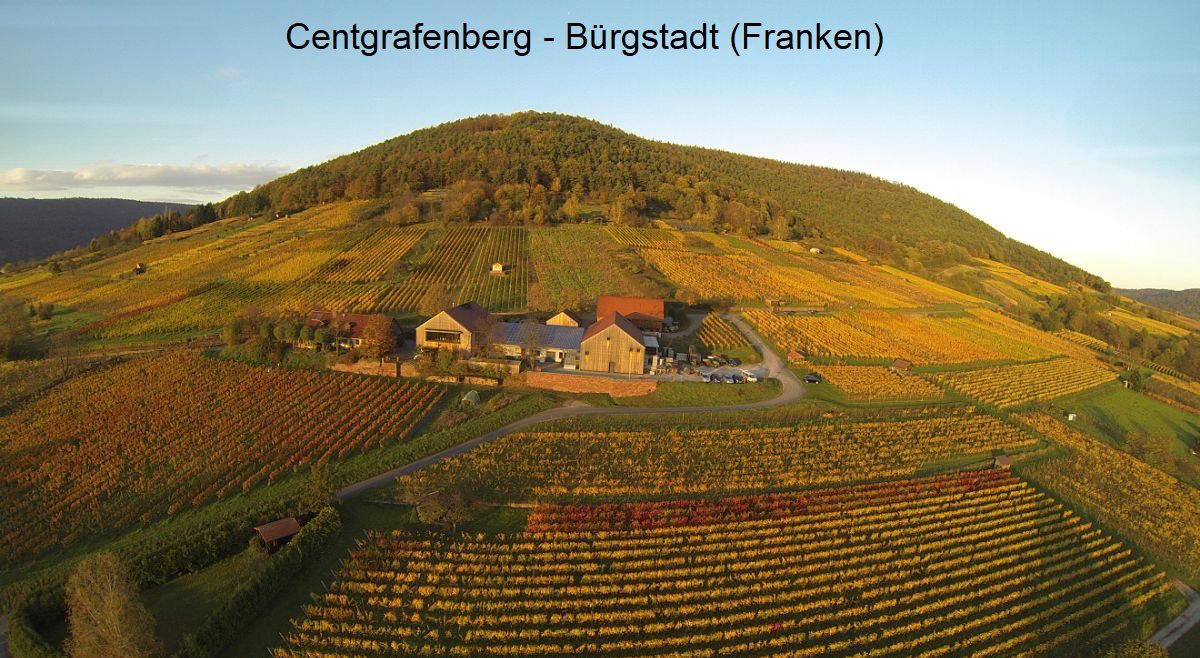
Restaurants in Freudenberg am Main
Browse all →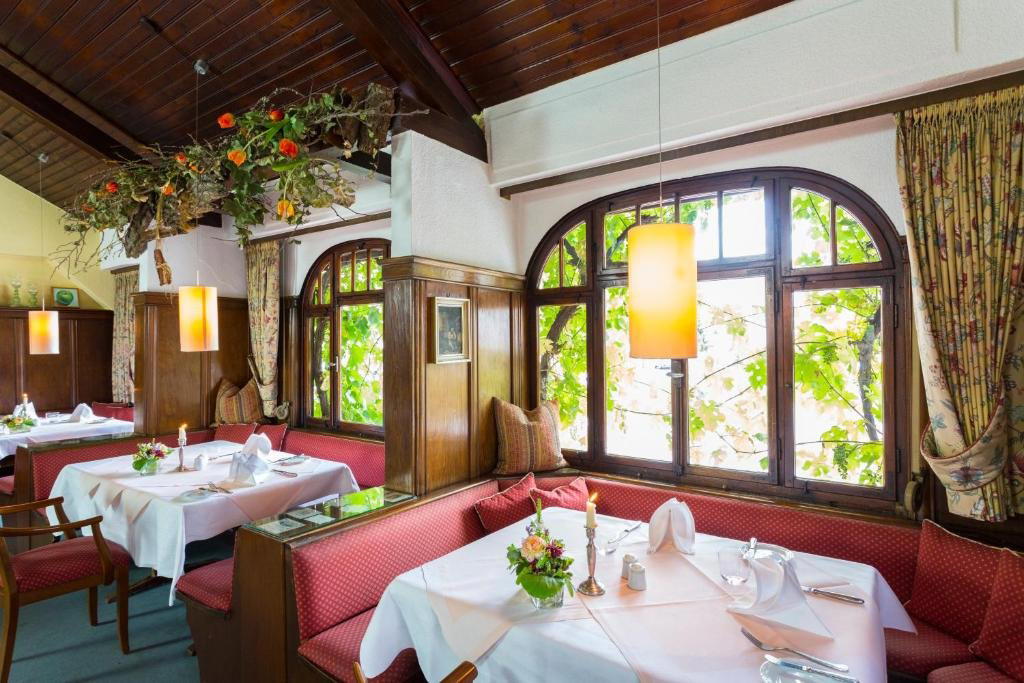
Hotels in Freudenberg am Main
Browse all →
At a Glance
- Rustic
- Classic
- Intimate
- Wine Education
- Group Outing
- Barrel Room
- Historic Building
Traditional and dedicated atmosphere with hands-on craftsmanship from fruit harvest to bottling, praised for friendly staff and expert-led tours.