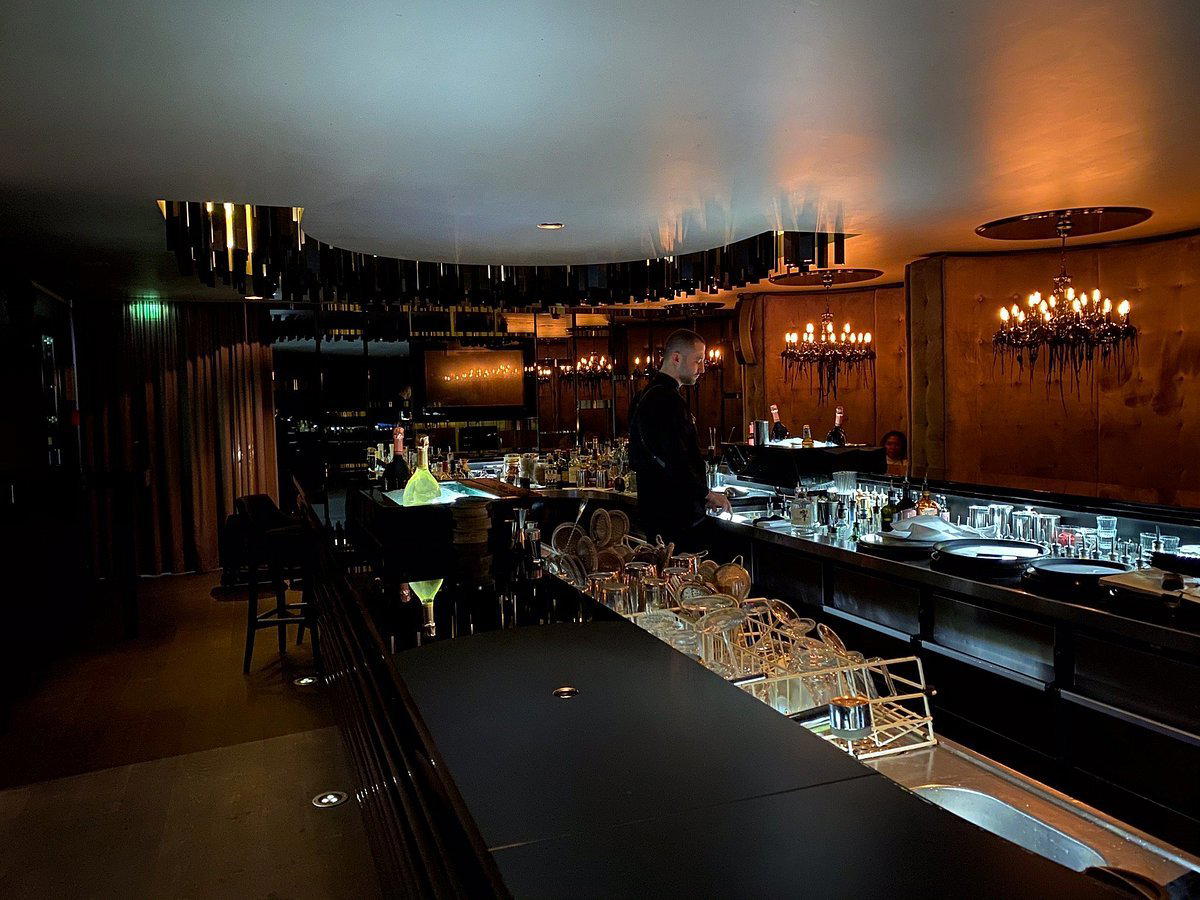
Maxie Eisen occupies a deliberately low-lit corner of Frankfurt's Bahnhofsviertel, drawing its identity from the neighbourhood's layered, unsentimental character. The bar has built a reputation on American-inflected drinking, cocktails with backbone, food that earns its place on the menu, in a city better known for banking than bartending. It sits in Frankfurt's small tier of bars where the food programme is taken as seriously as what's in the glass.

Pearl is the En Primeur Club membership app, where members save venues, book tables and use the concierge.
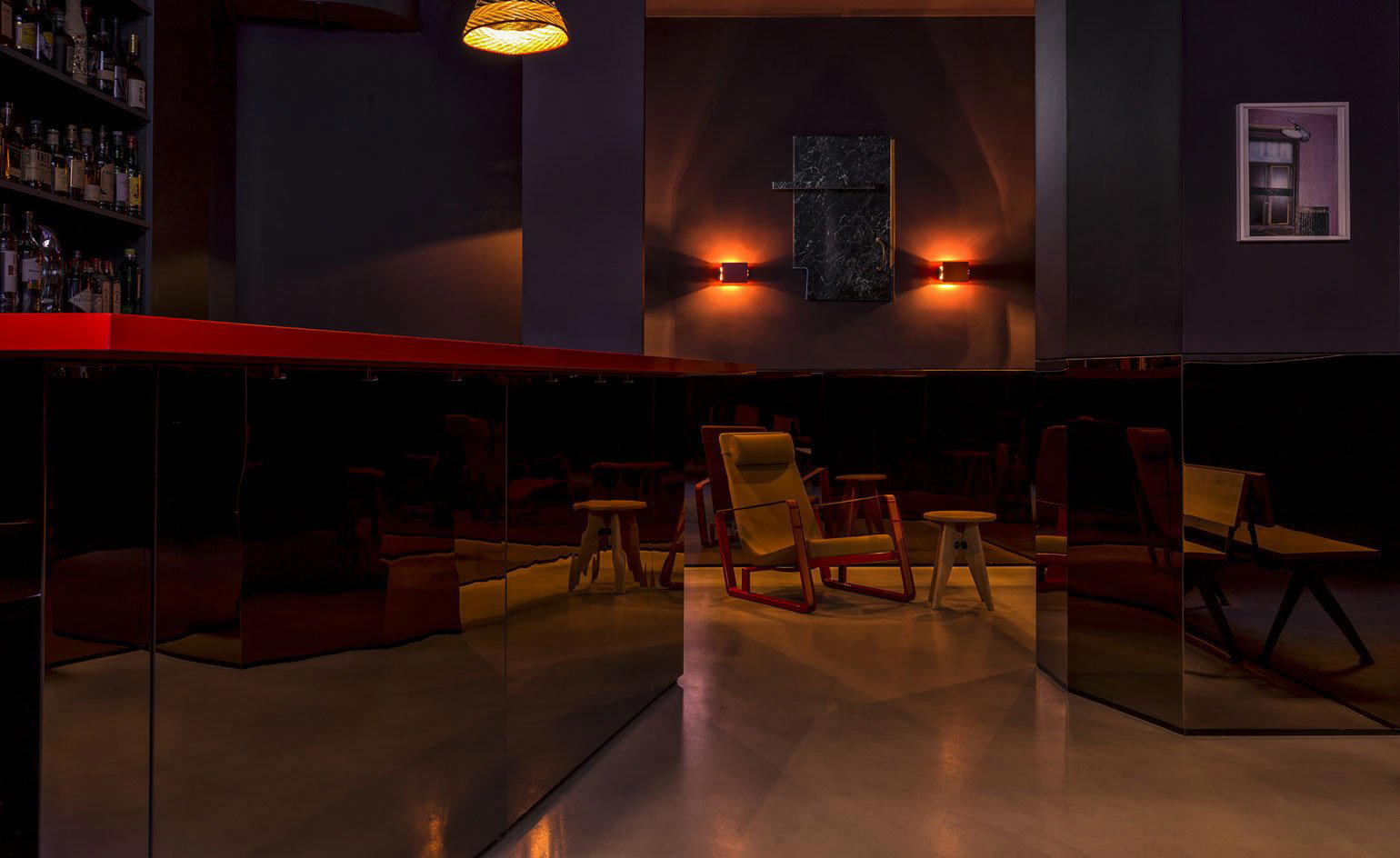
The Bahnhofsviertel After Dark
Frankfurt's Bahnhofsviertel has never been a comfortable neighbourhood, and that's precisely what makes it interesting. The district surrounding the main station has spent decades as a transit zone, migrants, traders, sex workers, and bankers passing through the same streets at different hours, and that friction has produced one of Germany's more genuinely pluralist bar cultures. Maxie Eisen sits on Münchener Strasse, a street that runs through the heart of this density, and draws its aesthetic vocabulary directly from the surroundings: deli counter origins, low light, wood panelling, the visual grammar of mid-century American urban bars translated into a Frankfurt frame.
The name itself is a reference to Max Eisen, a Jewish gangster and fixer associated with interwar Chicago, and that provenance is worn openly rather than as a costume. The bar format follows: an American deli-bar hybrid where the food is not an afterthought. In a city where the bar food conversation typically stops at pretzels and chips, that positioning carries weight.
Why the Food Programme Changes the Calculus
The pairing question at any serious bar is whether the kitchen is supporting the drinks list or competing with it. At Maxie Eisen, the approach leans toward support with occasional interruption, the food is deli-coded and deliberately not precious, which means it amplifies rather than distracts from what's in the glass. The Bahnhofsviertel crowd eating at a counter at 11pm does not want a six-course interruption; they want something that holds up to a strong drink and earns the next round.
This food-as-anchor model is increasingly how serious European bars distinguish themselves from venues that bolt on a snack menu for appearances. Bars in this tier, the ones operating in the gap between a restaurant with a bar and a bar with a menu, tend to hold their audiences longer and build more consistent spending patterns across the night. Maxie Eisen occupies that gap with deliberate confidence. The deli register, with its association with late-night eating across American cities, gives the bar a logic that extends past midnight without strain.
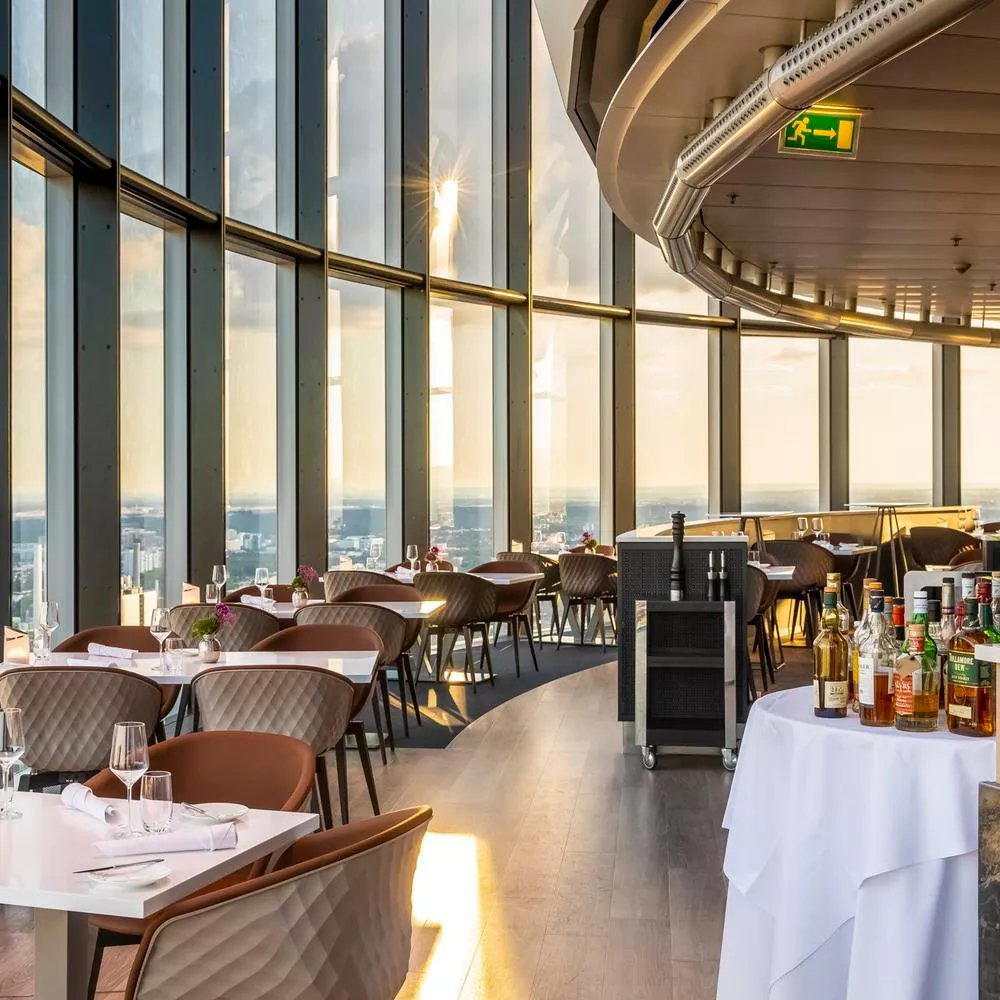
Frankfurt's bar scene, when mapped honestly, runs from the corporate hotel bars along the Taunus Anlage to the neighbourhood-specific venues in Sachsenhausen and the Bahnhofsviertel. The hotel tier, represented by places like Main Tower Restaurant & Lounge, operates at a different altitude, view-driven, formally dressed, suited to expense accounts. The neighbourhood tier is where Maxie Eisen competes, and there the competition includes Aber, Doctor Flotte, MARGARETE, and The Parlour in Frankfurt on the Main, bars with distinct identities and specific crowd profiles rather than broad appeal.
The Cocktail Register: American Templates, European Execution
American bar culture has exported its templates widely, but the gap between template and execution is where bars reveal themselves. The classic American cocktail canon, whisky-forward, spirit-forward, built with precision, translates well to a deli-bar context because the drinks and the food share a flavour logic: salt, fat, acid, and proof working together rather than against each other. A properly made Old Fashioned or a clean Negroni sits alongside cured meat and pickled things in a way that a delicate floral cocktail does not.
What visitors to Maxie Eisen most consistently report is that the cocktail programme functions as a genuine programme rather than a list of named classics executed without thought. The bar has become a reference point in discussions about which Frankfurt venues actually understand American drinking culture rather than merely referencing it aesthetically. That reputation, built over time through word of mouth in a city with a competitive expatriate and finance community, is harder to earn than a design award.
For context on how Maxie Eisen fits within Germany's bar conversation more broadly: the country's serious cocktail bars tend to cluster in Berlin, Munich, and Hamburg. Buck & Breck in Berlin operates in the intimate, reservation-forward tier; Goldene Bar in Munich carries institutional weight through its Haus der Kunst setting; Le Lion Bar de Paris in Hamburg has held awards recognition for over a decade. Frankfurt's entry in this national conversation is smaller and less documented, which means bars like Maxie Eisen carry disproportionate weight in representing the city's credibility. Further afield, the model of a bar that takes both drinks and food seriously, without sliding into restaurant territory, is executed with similar intent at Bar Leather Apron in Honolulu and Bar Trattoria Celentano in Cologne, each operating in markets where the bar-food relationship defines the proposition.
Getting There and When to Go
Münchener Strasse 18 places Maxie Eisen within a short walk of Frankfurt Hauptbahnhof, which is both a practical advantage and a defining characteristic, the bar draws from the station's transit energy, the neighbourhood's evening crowd, and the city's considerable after-work population. Frankfurt's Bahnhofsviertel operates differently by season: summer brings outdoor eating culture and longer evenings that shift the energy of the street; winter compresses the neighbourhood into its interiors, which suits a low-lit bar with a serious drinks list considerably well. If the goal is to arrive without waiting, a weeknight in the colder months offers the most access. Weekend evenings in spring and early summer, when the Bahnhofsviertel is at its most active, mean a fuller room and a correspondingly longer wait for a seat at the counter.
There is no booking system publicly documented for Maxie Eisen, which aligns with the walk-in culture of the neighbourhood. The bar's address on Münchener Strasse is publicly listed; beyond that, the practical logistics are best confirmed via current sources before visiting. For a broader view of what Frankfurt offers across price points and formats, the EP Club Frankfurt guide maps the scene from hotel bars to neighbourhood spots.
Peers Worth Knowing
| Venue | Price | Awards |
|---|---|---|
| Maxie EisenThis venue (the venue you are viewing) | Not listed | Not listed |
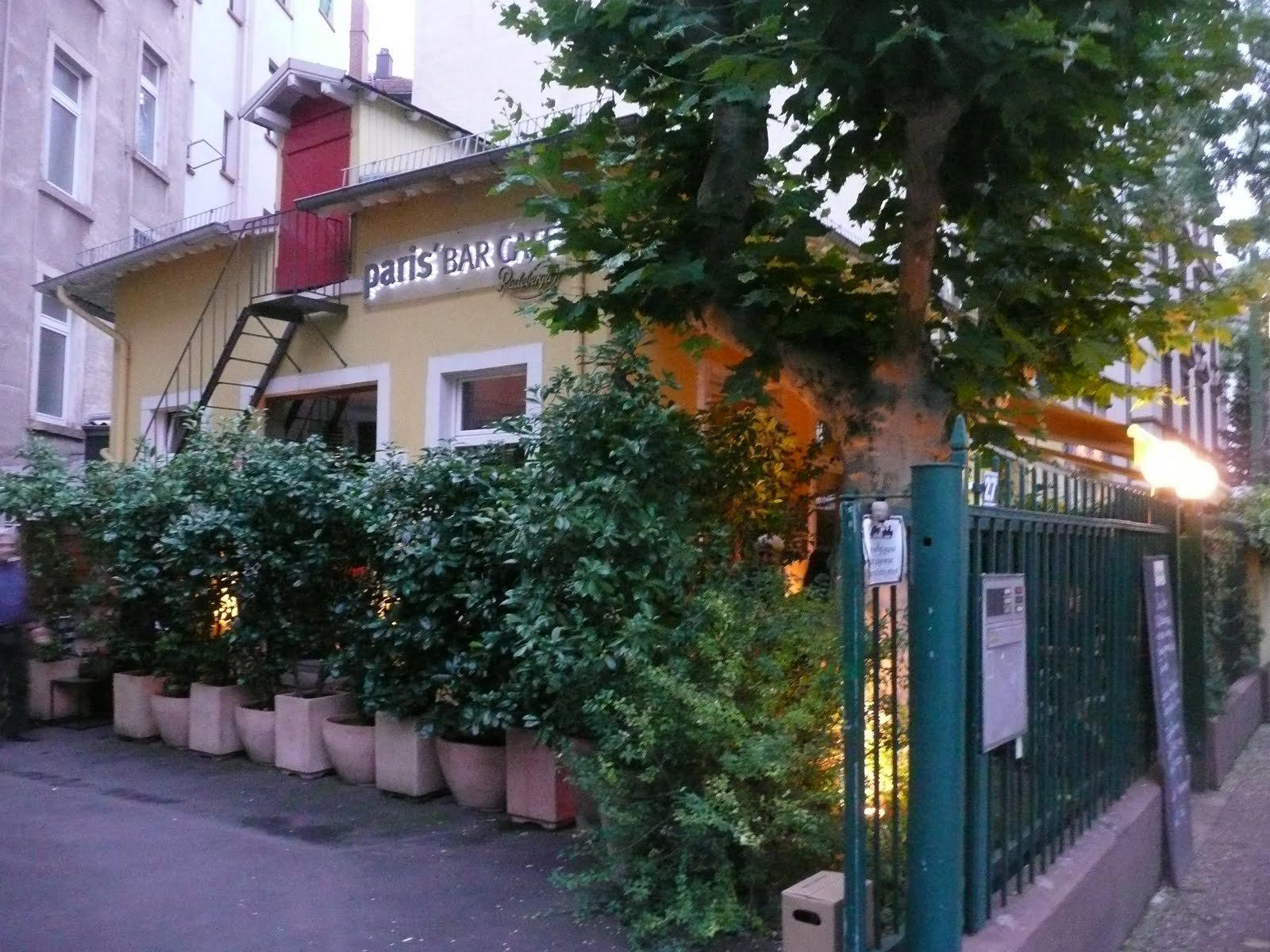
| Paris' Bar | $20–30 | Star Wine List · Falstaff Wine Bar - 91 Falstaff Points |
| Mona Lisa Bar | $20–30 | Not listed |
| Aber | $20–30 | Not listed |
| Doctor Flotte | $10–20 | Not listed |
Continue exploring
More in Frankfurt
Bars in Frankfurt
All bars in Frankfurt →
Restaurants in Frankfurt
All restaurants in Frankfurt →
Hotels in Frankfurt
All hotels in Frankfurt →

Details
- Cozy
- Trendy
- Intimate
- Casual Hangout
- After Work
- Design Destination
- Seated Bar
- Lounge Seating
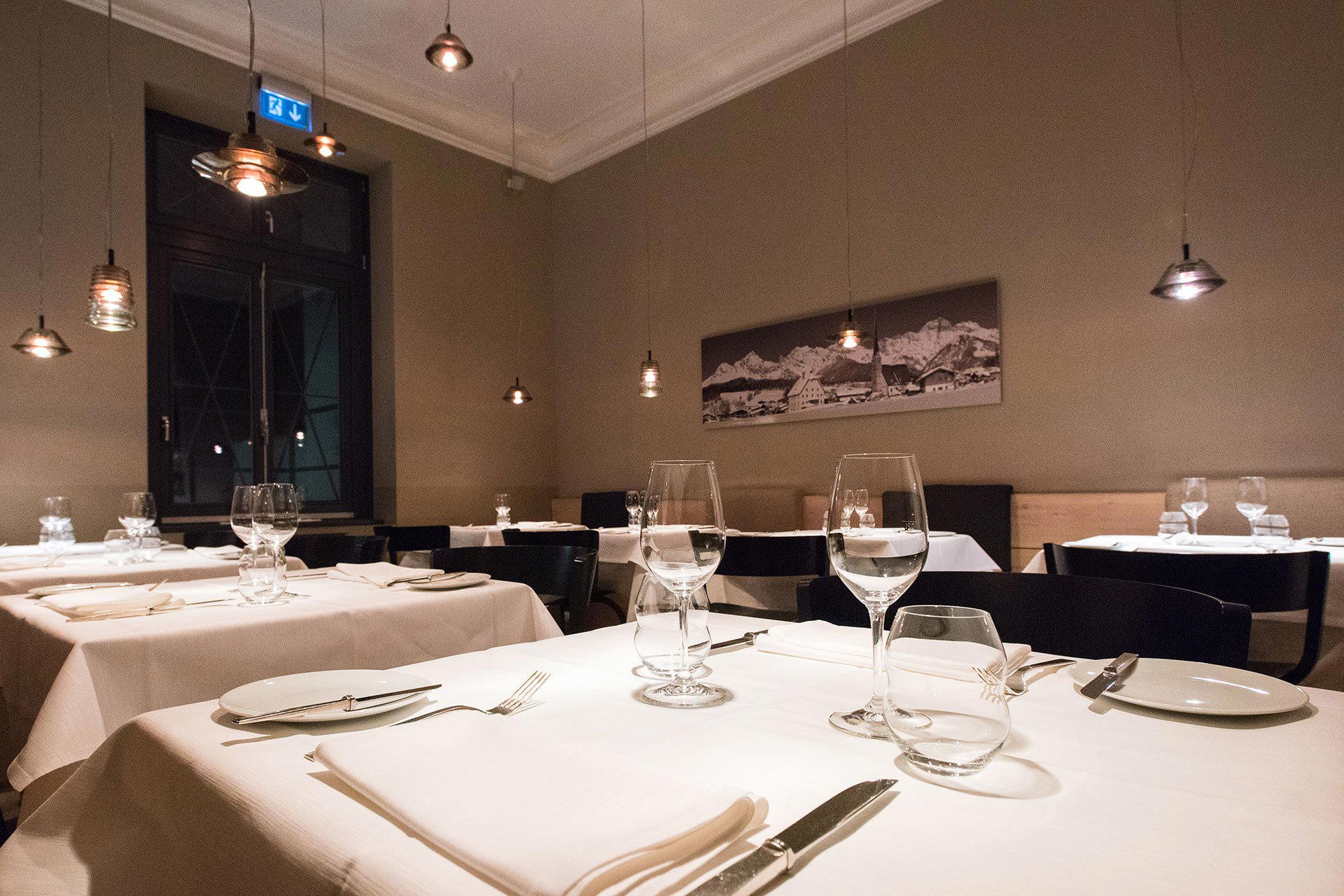
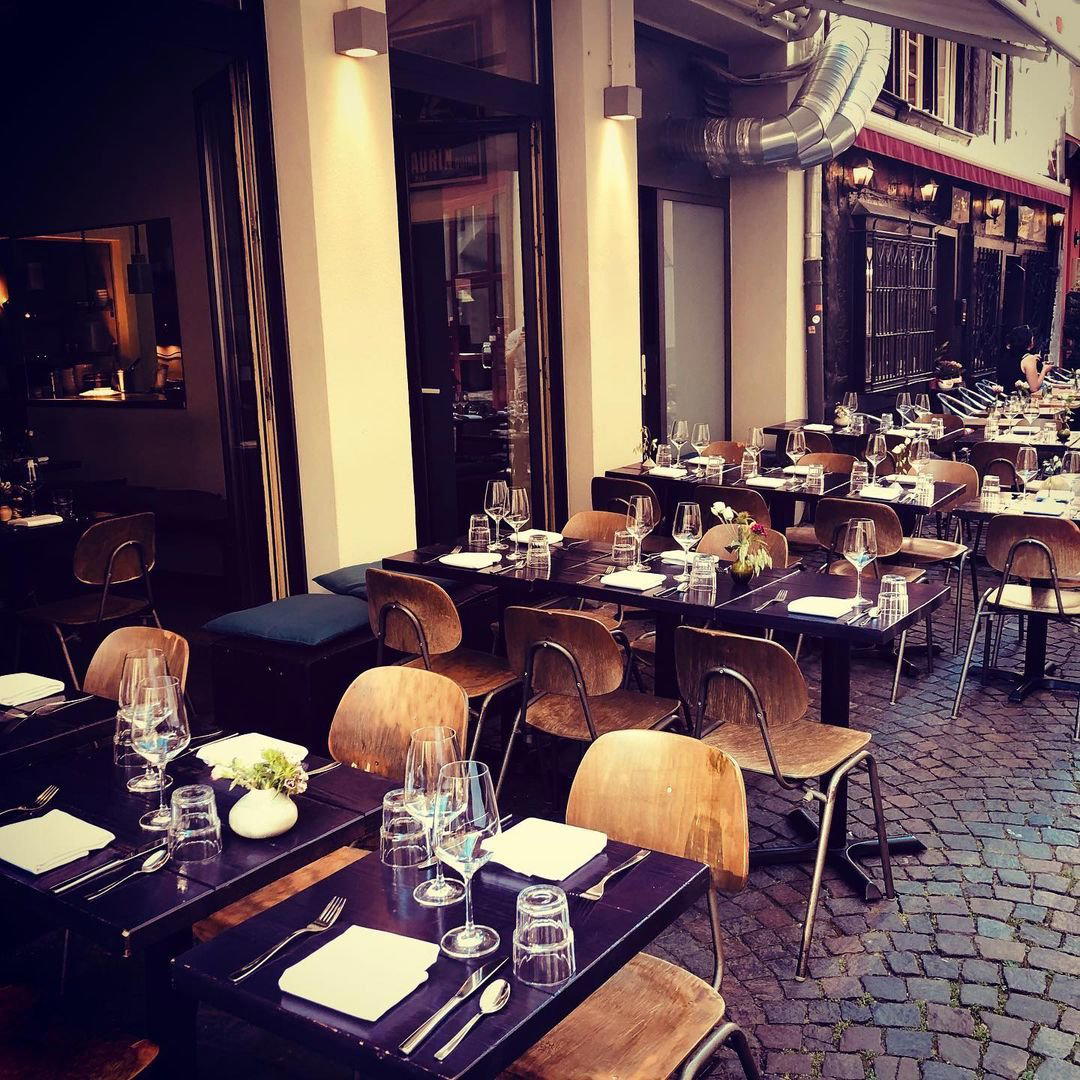
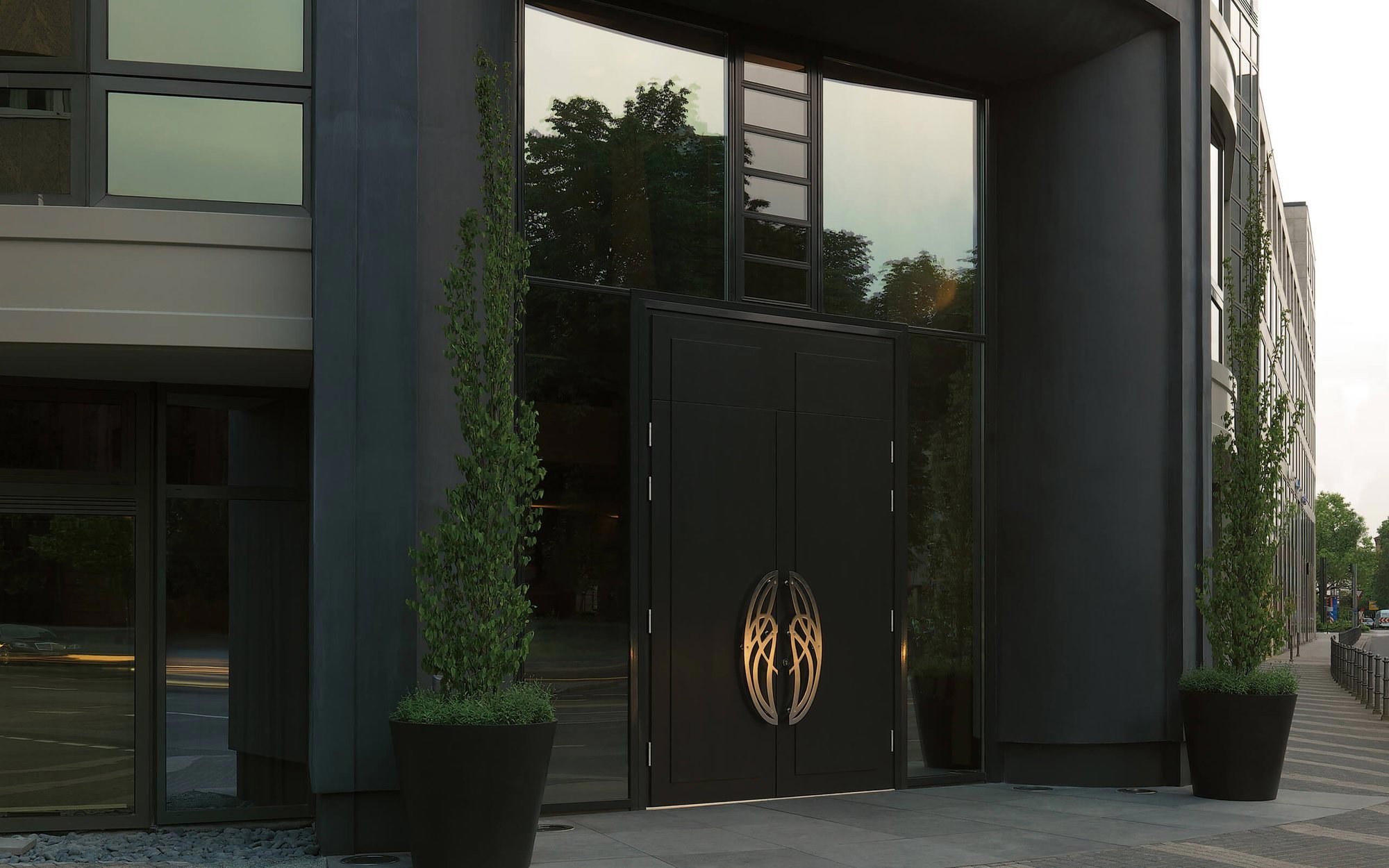
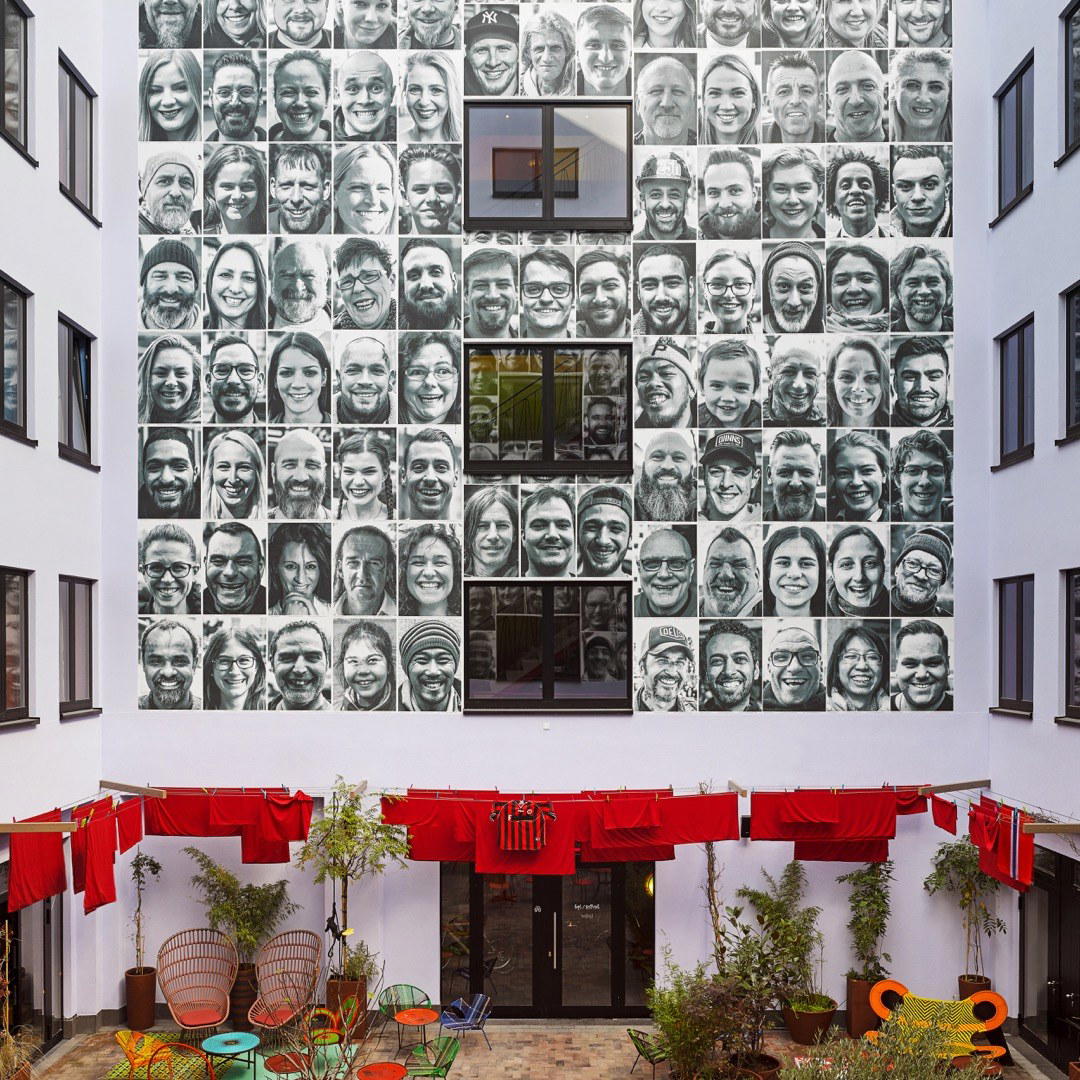
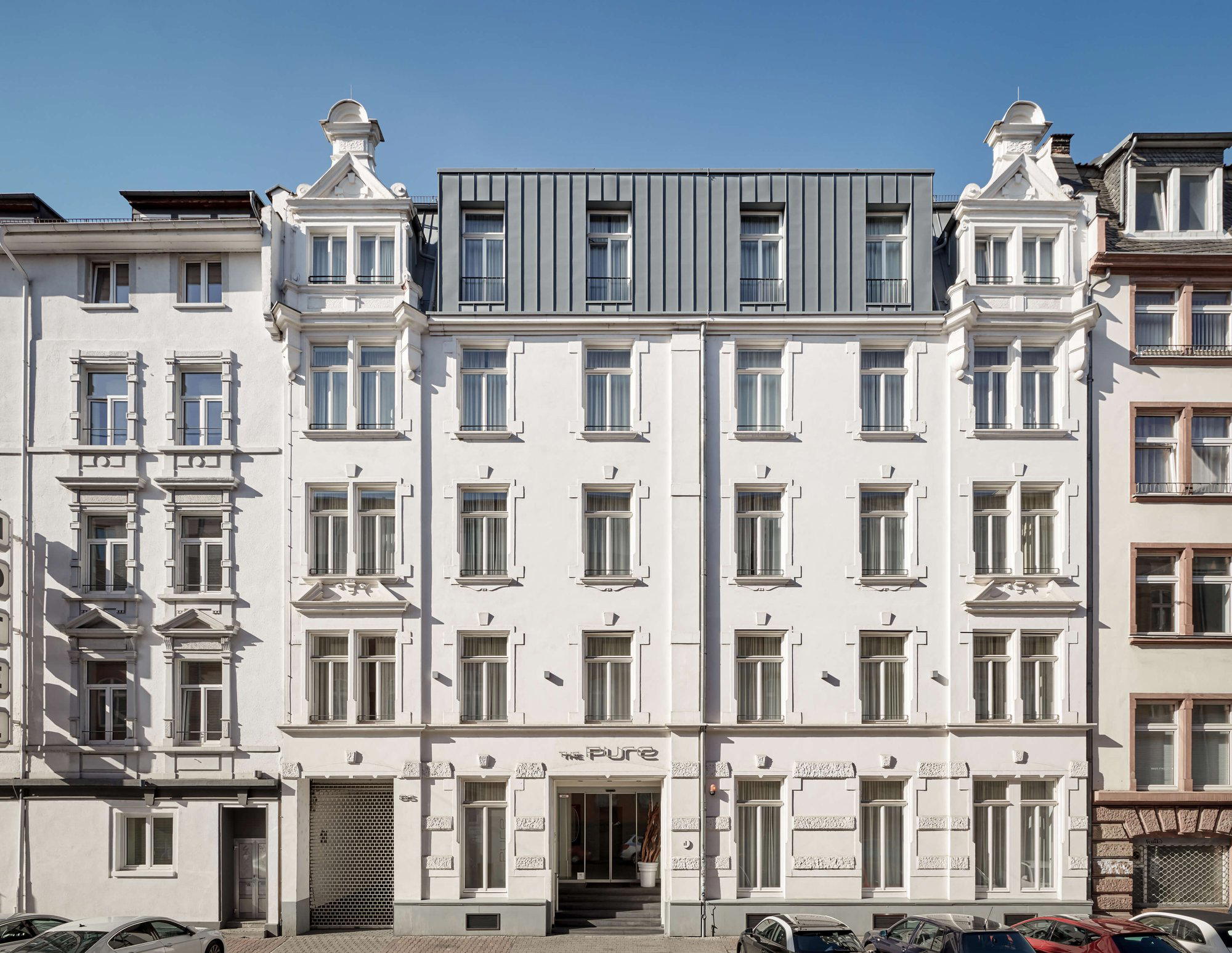
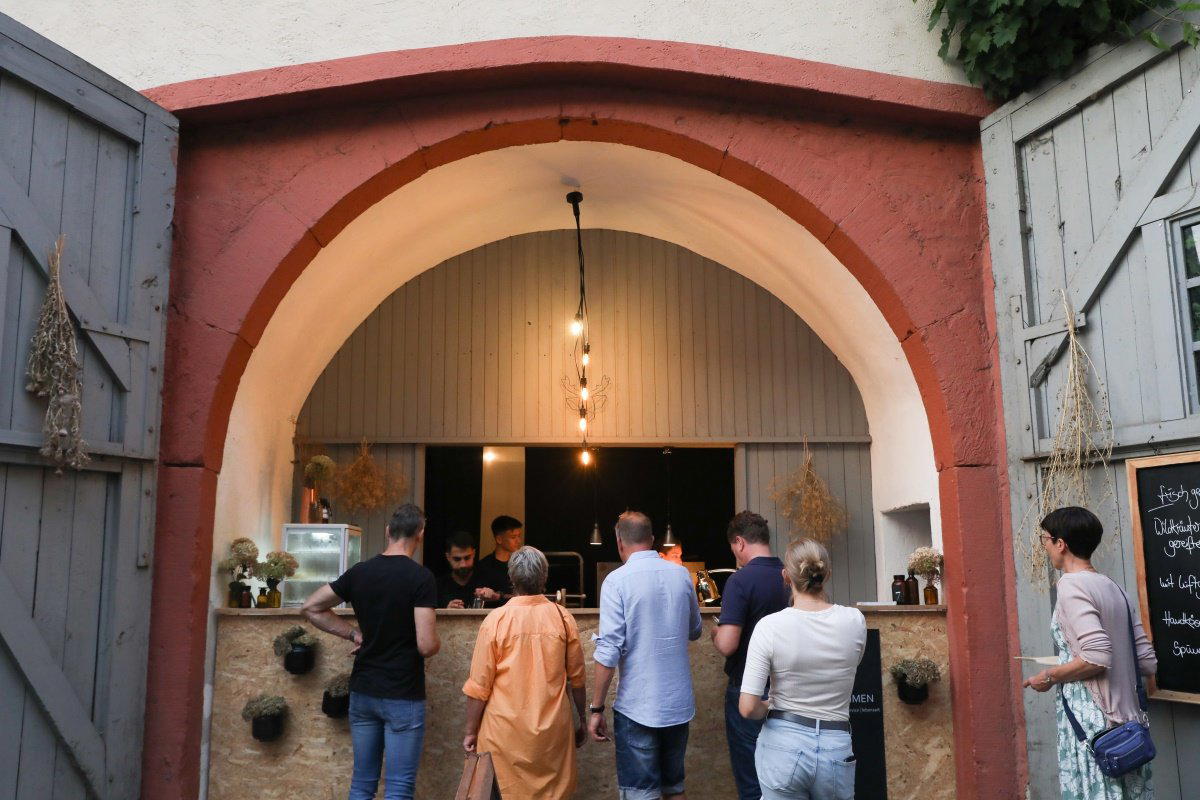
Relaxed atmosphere with subtle lighting in the bar area, featuring dark gloss finishes, red bar, and comfortable mid-century furniture like Jean Prouvé loungers.