
Open since 1876 and known throughout Frankfurt as The Grande Dame, the Steigenberger Icon Frankfurter Hof occupies Am Kaiserplatz in the city's business district, holding 267 rooms and 36 suites across a 19th-century structure that has hosted figures from Thomas Mann to American heads of state. Its Brasserie Moderne Oscar's, Autorenbar, and 16 event venues place it firmly in Frankfurt's upper tier of historic grand hotels.
Pearl is the En Primeur Club membership app — saves, bookings, and concierge access live there. Same editors, same standards.
- Address
- Am Kaiserplatz, Hessen
- Directions
- Get directions
 Saves & bookings on Pearl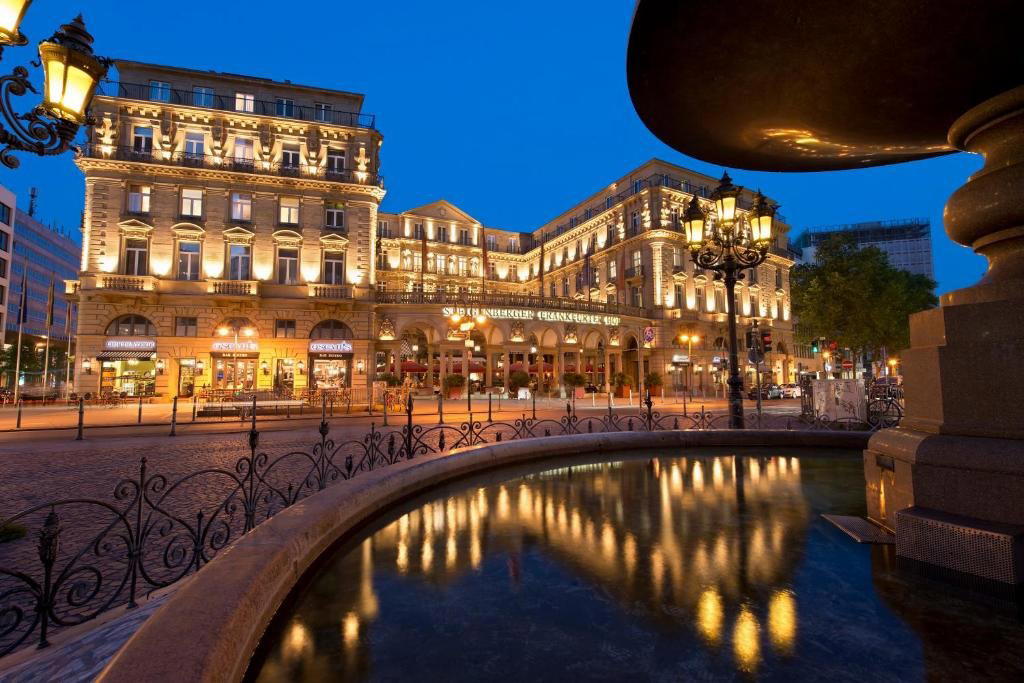
Am Kaiserplatz: Where Frankfurt's Grand Hotel Tradition Takes Physical Form
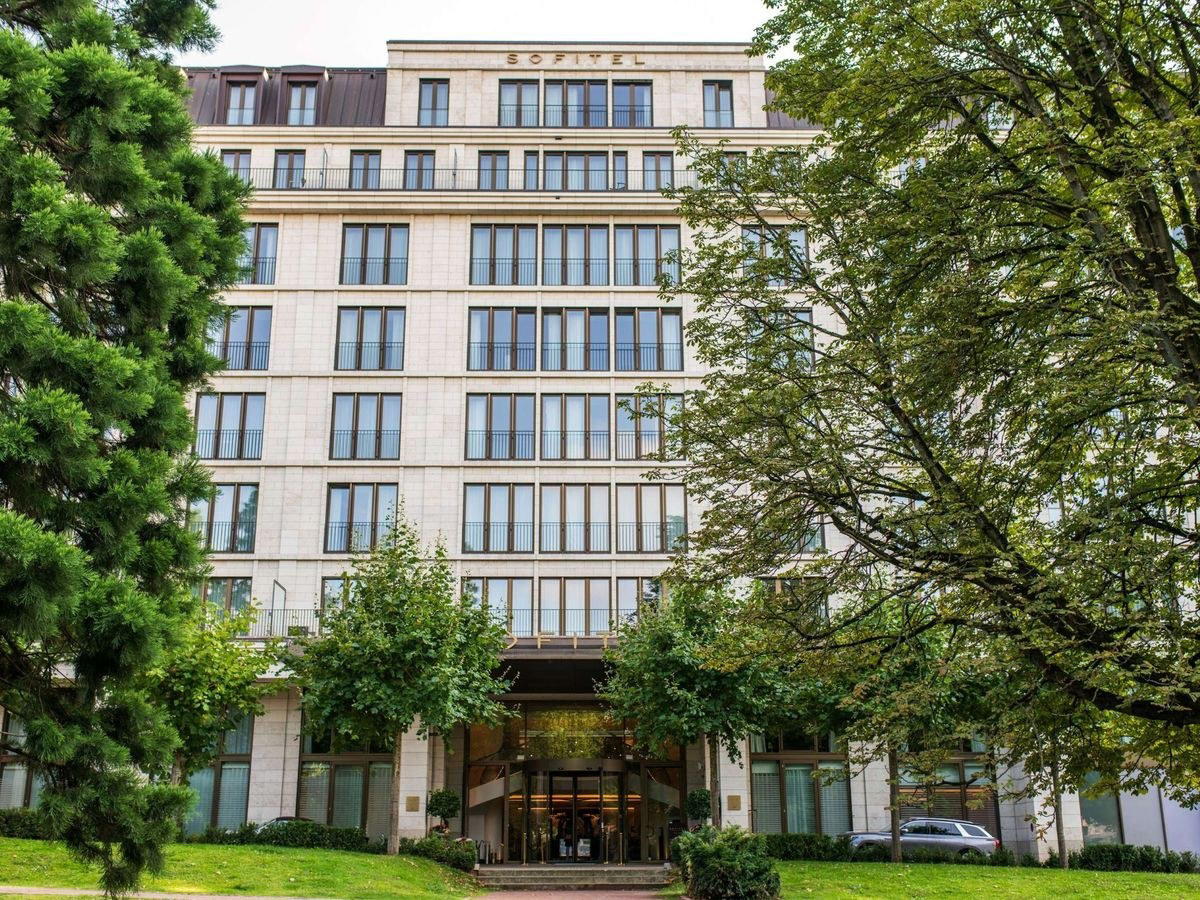
Steigenberger Icon Frankfurter Hof is a 5-star hotel in Frankfurt Am Main at Am Kaiserplatz, Hessen. Approach the Steigenberger Icon Frankfurter Hof from Am Kaiserplatz and the building's presence is architectural argument rather than decoration. The 19th-century facade rises with the proportioned confidence of a structure that was designed to be permanent, to occupy its square the way a Hausmann boulevard building occupies Paris, as though the city were arranged around it, not the other way around. Frankfurt's financial district hums behind you; the hotel's stone frontage holds its ground against it. That tension between mercantile city and grand hospitality institution is precisely what the European palace hotel format was built to manage, and few properties in Germany have been doing so for as long as this one.
The Frankfurter Hof opened in 1876, placing it in a generation of European grand hotels that also produced the Vier Jahreszeiten in Hamburg (see the Fairmont Hotel Vier Jahreszeiten) and properties that César Ritz would later use as reference points for his own standards of luxury. That lineage matters when assessing what the building represents architecturally: it belongs to an era when hotels were civic gestures as much as commercial ventures, designed to signal a city's ambitions to visiting diplomats, industrialists, and artists. Thomas Mann and Ernest Hemingway are among those documented as guests, and figures like Romy Schneider made the address a regular stop. The guest list reads less as hospitality marketing than as a record of where European cultural and political life actually moved.
The Interior: 19th-Century Scale Meets Contemporary Operation
Inside, the scale of the public spaces reflects the original design brief: rooms conceived for an era when hotel lobbies were places of genuine social transaction, not mere transit corridors. The Ehrenhof terrace, which overlooks Am Kaiserplatz, operates as one of the property's defining spatial moments, a covered courtyard format common to grand European hotels of the period, offering views of the historic square while remaining within the hotel's architectural envelope. This kind of intermediate space, neither fully interior nor exterior, was a deliberate feature of late 19th-century hotel design and is rarer in surviving properties than the facade work tends to be.
The property has 303 rooms, placing the Frankfurter Hof firmly in the larger-format tier of Frankfurt's luxury hotel market. That scale distinguishes it from the more recent trend toward smaller, design-led boutique properties, a format well represented in the Althoff Collection's The Florentin, which operates at a more intimate key count with a contemporary design logic. The Frankfurter Hof argues the opposite case: that scale, when it comes with genuine architectural heritage, produces a different kind of spatial authority.
German luxury hospitality has split into recognizable camps over the past two decades. Mountain and spa retreats like Schloss Elmau in Elmau and Althoff Seehotel Überfahrt in Rottach-Egern occupy a wellness-and-landscape niche, while urban palace hotels hold a different brief entirely. The Frankfurter Hof belongs to the latter category alongside properties like Excelsior Hotel Ernst in Cologne and Breidenbacher Hof in Düsseldorf.
Dining and Bar: Brasserie Moderne and the Autorenbar
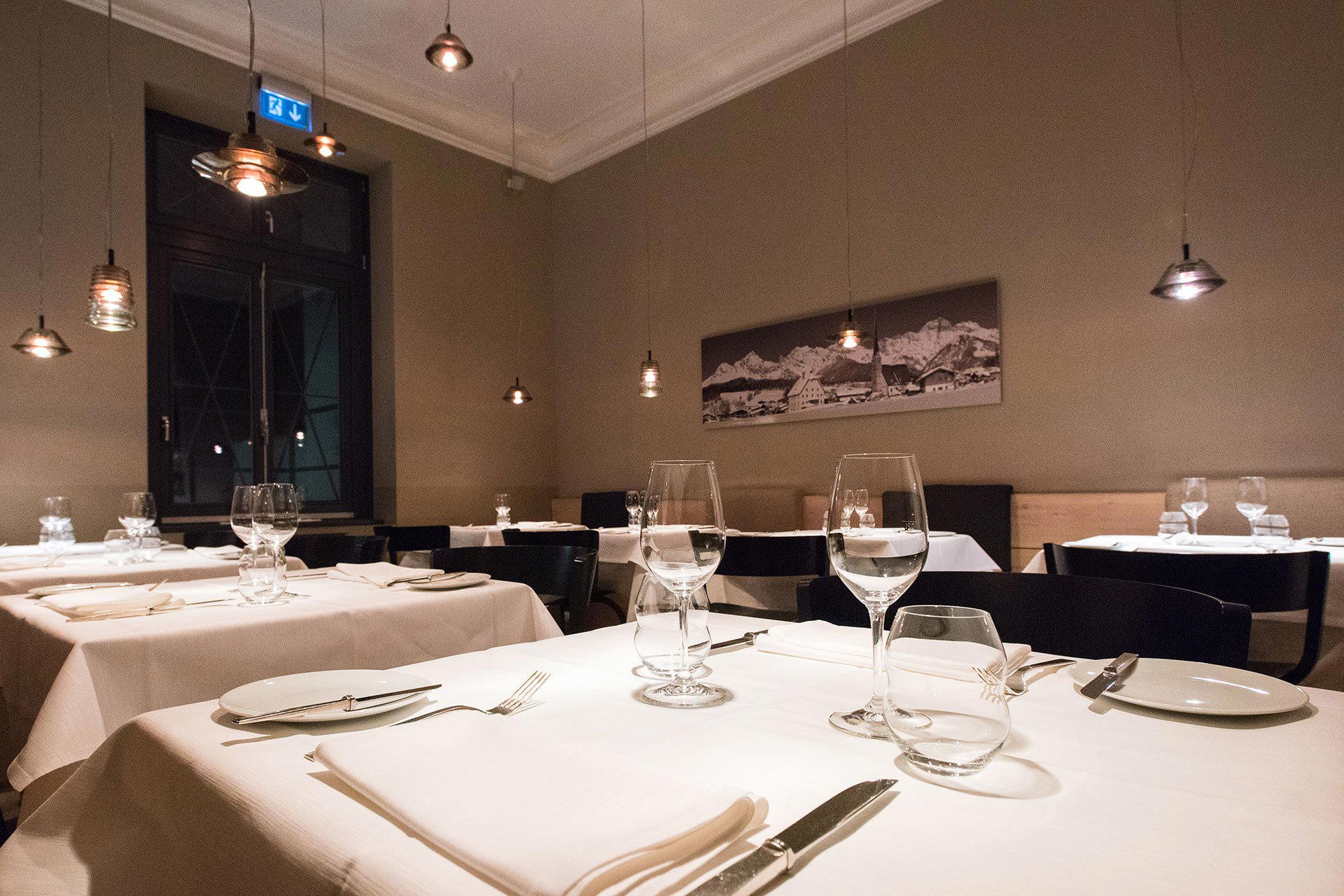
The food and drink program at a property of this type carries a specific burden: it needs to function for the business traveler eating alone at the bar, for the group dinner in a formal setting, and for the kind of lingering afternoon that historic hotel restaurants have traditionally supported. Brasserie Moderne Oscar's addresses the dining side with French cuisine reframed for contemporary preferences, a logical pairing for a property that has always styled itself against the Paris of César Ritz rather than against the Frankfurt of the financial district. French brasserie format in a grand hotel context is a durable European model, one that allows a kitchen to run with discipline across multiple services without requiring the theatrical focus of a tasting-menu-only operation.
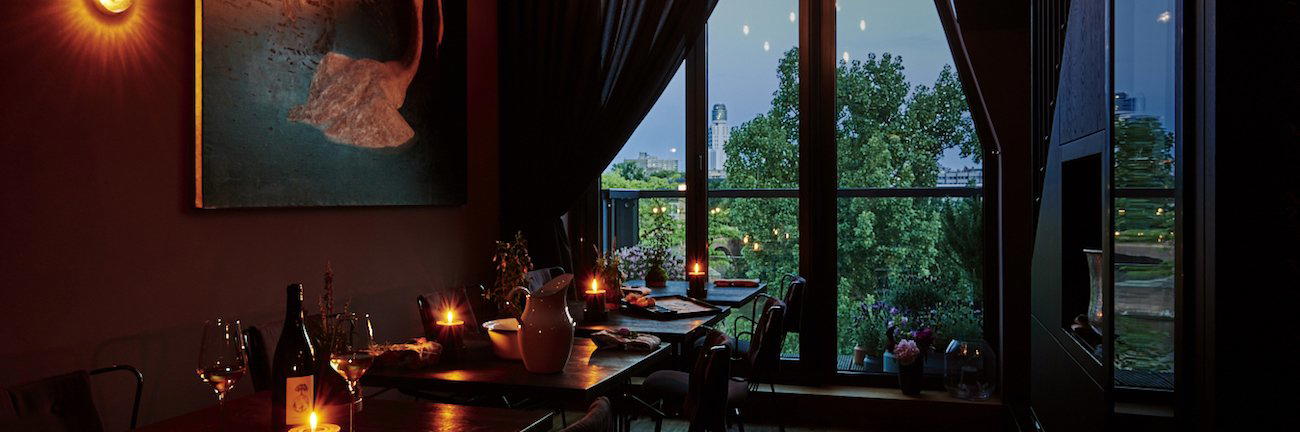
The Autorenbar carries a different register. Bar programs at historic European hotels have been among the more durable social institutions of the 20th century, and strong examples among them maintain relevance not through menu reinvention but through atmosphere and consistency. The Autorenbar's name, a nod to the writers and artists who have used the hotel as a working address, positions the space as something closer to a literary salon than a hotel bar, which is either an accurate description of its character or an aspirational one depending on any given evening's clientele. The 16 event venues across the property, ranging from intimate formats to large gala-scale spaces, give the Frankfurter Hof a conference and events footprint that few competitors in Frankfurt can match across a single historic address.
Wellness: The 1001 Nights Concept
Spa program takes an explicitly narrative approach, drawing on the framing of 1001 Nights as its organizing reference, an unusual choice for a property that otherwise anchors its identity in 19th-century European grand hotel tradition. This kind of thematic contrast between a property's architectural heritage and its wellness offering appears at other properties in the upper German market; Das Kranzbach in Kranzbach, for instance, pairs an Arts and Crafts building with a contemporary spa logic. The Frankfurter Hof's Wellness Institute also includes the Gentleman Barber, a grooming-specific service that fits the property's business-travel-heavy guest profile.
Location and Planning
Hotel sits at Am Kaiserplatz in Frankfurt's business district, a position that puts it within walking distance of the historic Römerberg quarter and the Paulskirche. Frankfurt's Hauptbahnhof is accessible within a short taxi or U-Bahn ride, and Frankfurt Airport, one of Europe's major transit hubs, connects the property to long-haul routes that make it a logical choice for international travelers stopping in the city. For those building a longer itinerary through German luxury properties, the Frankfurter Hof pairs logically with stays at Hotel de Rome in Berlin or Mandarin Oriental Munich, both of which operate in the urban-heritage tier. Booking should be made well in advance for peak periods, Frankfurt's trade fair calendar, including Ambiente, the Frankfurt Book Fair, and Frankfurt Motor Show, compresses availability across the city's leading properties several months ahead.
Other German properties worth contextualizing against the Frankfurter Hof's offer include Hotel Bareiss in Baiersbronn, Bülow Palais in Dresden, Landhaus Stricker on Sylt, Der Öschberghof in Donaueschingen, Kempinski Hotel Berchtesgaden, Gut Steinbach in Reit im Winkl, Luisenhöhe in Horben, Hotel Ketschauer Hof in Deidesheim, Esplanade Saarbrücken, LA MAISON in Saarlouis, Villa Contessa in Bad Saarow, and BUDERSAND Hotel in Hörnum. For grand hotel comparisons beyond Germany, The Fifth Avenue Hotel in New York and Aman Venice represent the same heritage-property tier in their respective cities, as does Aman New York for those tracking how historic buildings convert to contemporary luxury standards.
A Quick Peer Check
Comparable venues nearby, for context on price, style, and recognition.
| Venue | Cuisine | Price | Awards | Notes |
|---|---|---|---|---|
| Steigenberger Icon Frankfurter HofThis venue — the venue you are viewing | Timeless European grand hotel with historic facade and modern renovations | $$$$ | 5-Star | Not listed |
| The Florentin by Althoff Collection | Historic villa transformed into contemporary urban luxury retreat | $$$$ | 5-Star | Sachsenhausen |
| Villa Rothschild, Autograph Collection | Historic boutique castle hotel in Art Nouveau style | $$$$ | 5-Star | Königstein im Taunus |
| Schlosshotel Hugenpoet | Historic moated castle with neo-Renaissance elements and modern renovations | $$$$ | 5-Star | Kettwig |
| Hotel Jagdhof Glashütte | Charming 1905 farmhouse with luxurious country-style interiors | $$$$ | 5-Star | Bad Laasphe |
| Hotel Nassauer Hof | Historic luxury palace hotel blending tradition with modern elegance | $$$$ | 5-Star | Mitte |
Recognition history
Dated appearances from independent guides and award organizations, with the underlying list record or original source where available.
Virtuoso Luxury Hotel Partner
Virtuoso
Continue exploring
More in Frankfurt
Hotels in Frankfurt
Browse all →
Bars in Frankfurt
Browse all →

Restaurants in Frankfurt
Browse all →

At a Glance
- Elegant
- Sophisticated
- Classic
- Well Known
- Ornate
- Business Trip
- Romantic Getaway
- Anniversary
- Historic Building
- Terrace
- Panoramic View
- Spa
- Pool
- Sauna
- Fitness Center
- Room Service
- Concierge
- Business Center
- Valet Parking
- Wi Fi
- Skyline
- Spa
- Pool
- Sauna
- Fitness Center
- Room Service
- Concierge
- Business Center
- Valet Parking
- Wi Fi
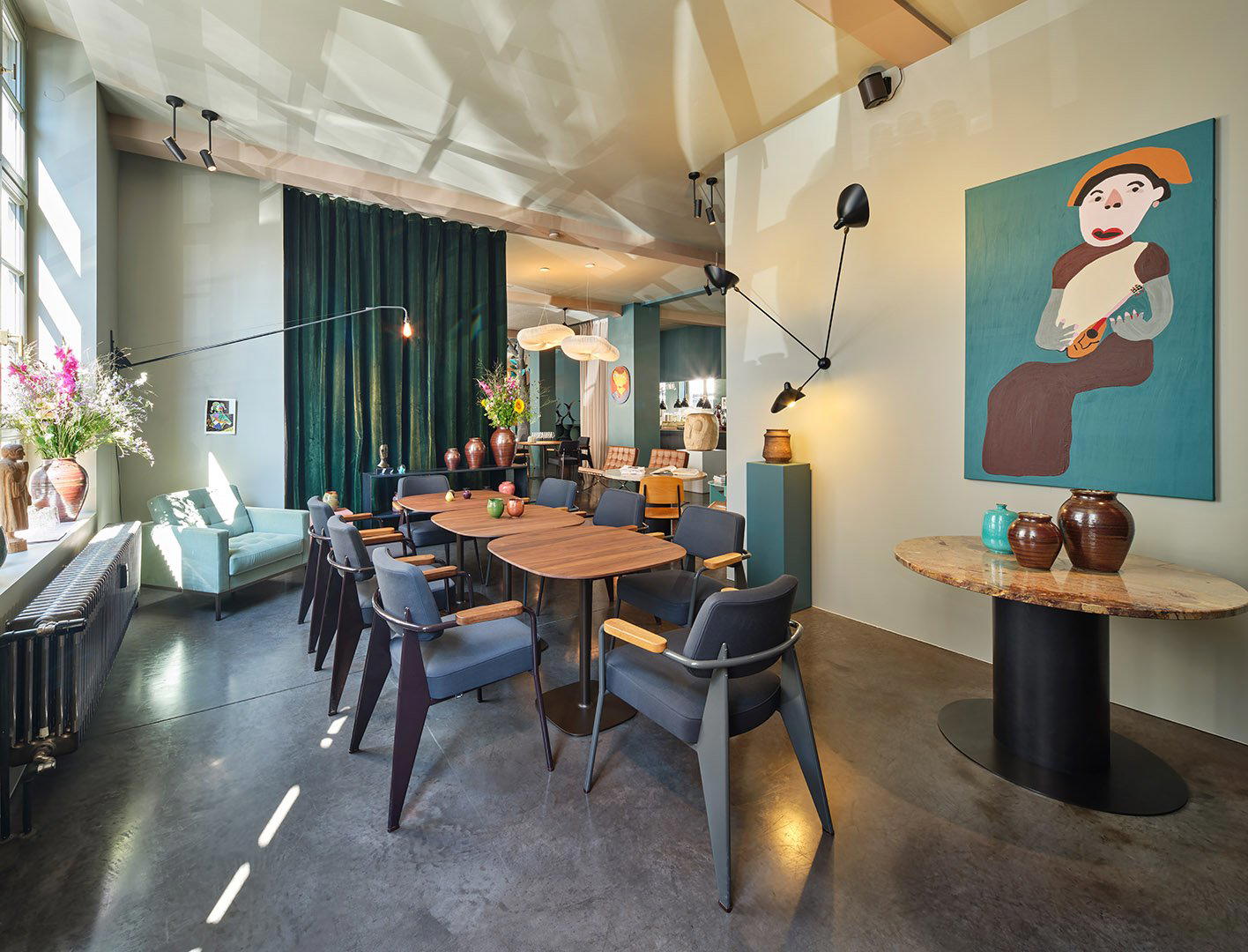
Sophisticated and elegant atmosphere with soundproofed rooms, historic grandeur, and refined lighting in individually decorated spaces.