
Tabelog 100 #28
Our verdict
Hatchobori’s curry scene sits between office-lunch pragmatism and Tokyo’s serious spice-curry culture. Japanese Spice Curry wacca belongs to the latter camp, with Tabelog Curry TOKYO 100 selections in 2023 and 2024, a 24-seat room, no reservations, and a price split that keeps lunch accessible while dinner moves into a higher spend bracket.

Pearl is the En Primeur Club membership app, where members save venues, book tables and use the concierge.
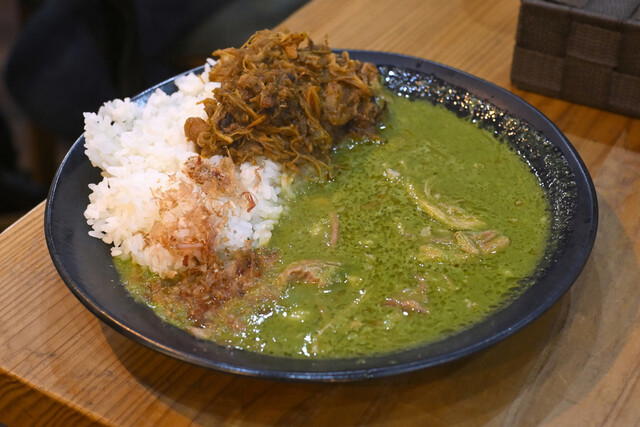
Tokyo is not short on loud dining narratives, which is exactly why a focused curry specialist can stand out without needing theatrical framing. Japanese Spice Curry wacca sits within the city’s everyday restaurant rhythm: a curry address whose reputation is best understood through repeat dining, category recognition, and the practical appeal of a well-defined meal rather than through destination spectacle.
Tokyo curry is often discussed as a comfort food category, but the city now contains several distinct approaches. There is everyday Japanese curry, specialist curry cooking, and newer curry formats shaped by seasoning, rice-plate composition, and experimentation. Wacca belongs to the curry conversation in that broader sense. Its public recognition matters because Tabelog’s category-based Hyakumeiten selections are more useful than a general popularity badge; recognition in 2024 places it among curry rooms that regular diners treat with the same seriousness given to other focused Tokyo dining formats.
Tokyo spice curry, seen through a citywide lens
Japanese spice curry is often discussed as a focused restaurant culture as much as a menu style, with cooks pushing beyond the thick, roux-based curry rice that long dominated everyday Japan. The format usually prizes spice architecture over luxury framing: heat, bitterness, acidity, texture, and rice all matter, but the plate remains direct. Wacca’s appeal fits that lineage without needing extra mythology: it is best read as a focused Tokyo curry venue where the category itself carries the story.
That also says something about Tokyo’s appetite. The capital has absorbed curry ideas without turning them into a single formula. In Tokyo, the audience can be weekday, food-focused, practical, and highly comparative all at once. A curry shop here has to survive the practical test of regular use while retaining enough depth for diners who track category awards. The listed budgets reflect that split: lunch sits at JPY 1,000 to JPY 1,999, while dinner is listed at JPY 6,000 to JPY 7,999, a wider gap than casual curry visitors may expect.
The comparison set around Tokyo helps sharpen the point. Rodin offers another way to think about curry within the city, while Menya Shichisai anchors a different everyday-specialist lane. Yakitori Miyagawa shows how Tokyo’s focused specialists can separate day and night expectations without losing category identity. Wacca is best read as a curry specialist with a broader price signal at dinner than as a simple office-lunch address.
A focused curry venue with category recognition
The venue is best approached as a focused curry stop rather than a luxury ritual. That matters for curry. Unlike formats where pacing and chef proximity often define the experience, curry rewards aroma, plate-by-plate consistency, and a direct relationship between cooking and appetite. Wacca’s value lies in that concentration: a clear category, a clear reason to go, and a format that does not need embellishment.
Recognition is strong enough to count as a trust signal rather than a passing mention. Wacca is listed with Tabelog Hyakumeiten recognition for 2024, and the listed Tabelog score is 3.75. Those numbers should be read in Japanese context: on Tabelog, scores above the mid-3s can indicate serious local traction, especially in categories with dense competition and highly active reviewing cultures. The useful takeaway is selection, category, and a score that signals meaningful diner attention.
For an EP Club reader, the editorial decision is simple: this is not the place to fold into a luxury tasting-menu day. It is better used as a targeted curry stop, particularly for travelers already building a Tokyo food itinerary. The value is cultural rather than theatrical. It shows how Japan’s curry tradition keeps renewing itself: not by abandoning the everyday bowl, but by tightening spice technique inside focused urban venues.
The format also suits mixed itineraries. A traveler building a Tokyo food day might pair this with broader city research in Our full Tokyo restaurants guide, then shift categories through Our full Tokyo bars guide, Our full Tokyo hotels guide, Our full Tokyo wineries guide, or Our full Tokyo experiences guide. Within restaurants, useful contrast comes from other Tokyo formats such as Rodin, Menya Shichisai, Yakitori Miyagawa, MUDAN JIANG, and てんぷら 小野.
Know Before You Go
- Recognition: Listed with Tabelog Hyakumeiten recognition for 2024; listed Tabelog score 3.75.
- Format: Curry specialist in Tokyo.
- Reservations: Check the latest booking and operating details before going.
- Price signal: Lunch is listed at JPY 1,000 to JPY 1,999; dinner at JPY 6,000 to JPY 7,999.
- Location: Tokyo.
- Payment: Confirm current payment options before visiting.
- Room notes: Treat this as a focused curry stop rather than a large-format dining plan.
- Family access: Confirm current access details directly before visiting with children or strollers.
- Parking: Plan around Tokyo transit or confirm nearby parking independently.
For wider Japan planning beyond Tokyo, the same category-by-format thinking applies. Curry comparisons can stretch into other unnamed Japanese dining rooms, while other Japanese dining formats appear through specialists across the country. For readers tracking Japanese food culture abroad, the broader lesson is similar: specific formats travel differently outside Japan, and curry is best understood through context, repetition, and category focus rather than through generic destination dining language.
Frequently asked questions
Where exactly is Japanese Spice Curry wacca?
Tokyo.
What should I budget for a meal at Japanese Spice Curry wacca?
Pricing at Japanese Spice Curry wacca is listed as Dinner: JPY 6,000 - JPY 7,999; Lunch: JPY 1,000 - JPY 1,999.
What are the opening hours for Japanese Spice Curry wacca?
Opening hours for Japanese Spice Curry wacca should be checked directly before visiting.
What is Japanese Spice Curry wacca known for?
Japanese Spice Curry wacca is known as a curry venue in Tokyo with Tabelog Hyakumeiten recognition for 2024 and a listed Tabelog score of 3.75.
Recognition Snapshot
Comparable venues at the same tier.
| Venue | Cuisine | Price | Awards | Notes |
|---|---|---|---|---|
| Japanese Spice Curry waccaThis venue (the venue you are viewing) | Japanese spice curry | $10–20 | Tabelog 100 #28 | Not listed |
| Arry 8Bites | Japanese Small Bites | Not listed | Not listed | Tokyo |
| Buta Daigaku (豚大学) | Grilled Pork Bowl (Butadon) | $1–10 | Not listed | Shimbashi |
| Kyokasuduke Uokyu Ginza ten | Traditional Japanese kasuzuke fish teishoku | $10–20 | Tabelog 100 #48 | Chūō |
| Seijuken | Traditional Japanese wagashi & dorayaki shop | $1–10 | Tabelog 100 #38 | Chūō |
| Curry Ya Banbi | Japanese curry & Indian curry izakaya | $10–20 | Tabelog 100 #64 | Chiyoda |
Recognition history
Dated appearances from independent guides and award organizations, with the underlying list record or original source where available.
Tabelog 100 #28 · No. 28
Tabelog · Tabelog 100 - Curry - TOKYO - 2024
Continue exploring
More in Tokyo
Restaurants in Tokyo
All restaurants in Tokyo →






Details
- Cozy
- Lively
- Solo
- After Work
- Casual Hangout
- Group Dining
- Standalone
- A La Carte
- Counter Dining
Current opening hours
- Monday
- 11:30 AM–3 PM, 6–9 PM
- Tuesday
- 11:30 AM–3 PM, 6–9 PM
- Wednesday
- 11:30 AM–3 PM, 6–9 PM
- Thursday
- 11:30 AM–3 PM, 6–9 PM
- Friday
- 11:30 AM–3 PM, 6–9 PM
- Saturday
- 11:30 AM–3 PM
- Sunday
- Closed
Hours can change for holidays and private events. Hours as of .
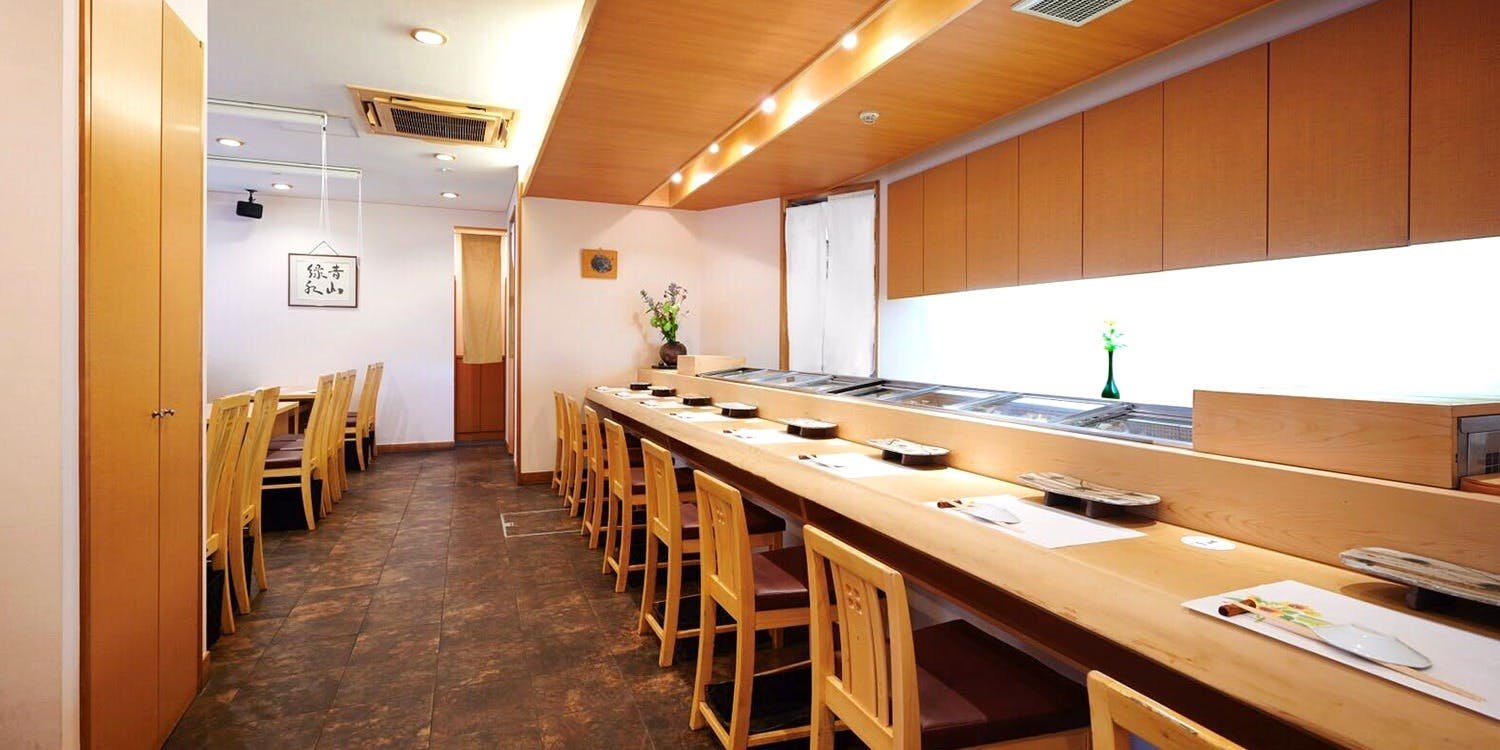
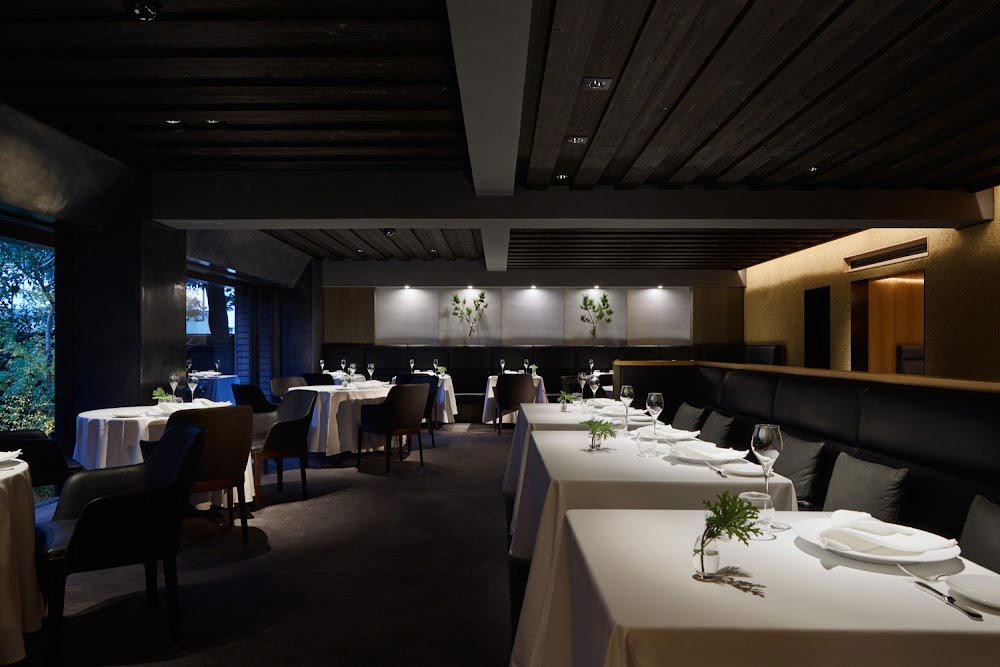
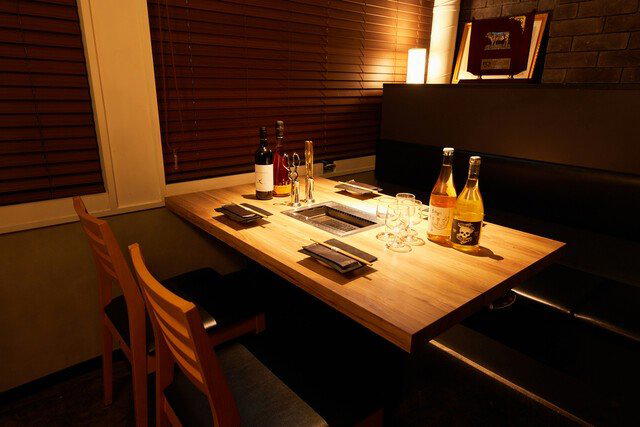
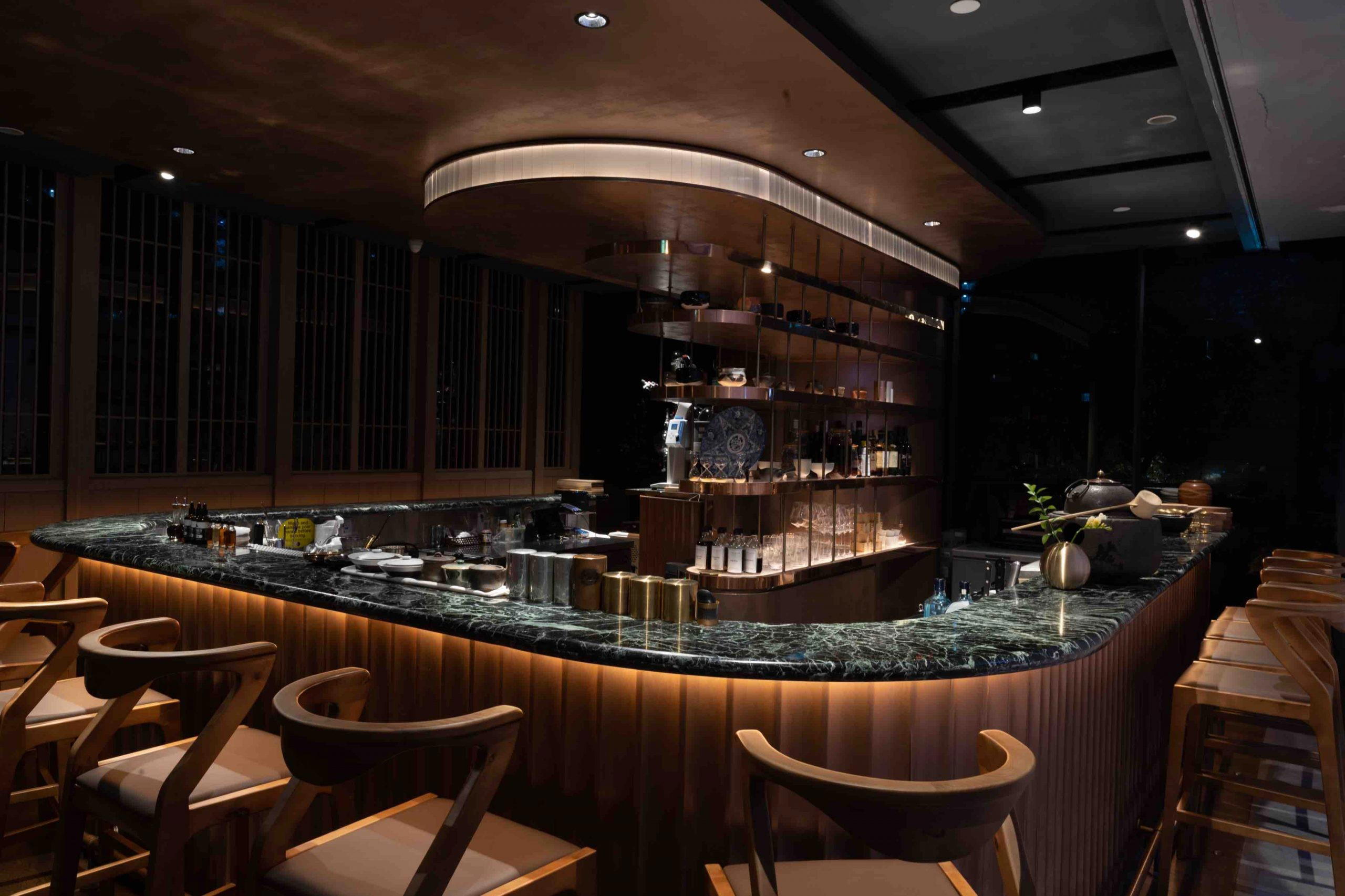
Casual and compact curry shop with simple table seating, a relaxed atmosphere suited to solo diners and small groups, focused on the food rather than decor.