
Tempura Koizumi Takano is a compact Toyama tempura counter recognized in Tabelog 100 - Tempura - 2025, with lunch and dinner budgets listed at JPY 10,000 - JPY 14,999. The appeal is less about spectacle than about Toyama’s place in Japan’s regional dining map: a small city where serious technique can sit close to the station and still feel rooted in local eating habits.
Pearl is the En Primeur Club membership app — saves, bookings, and concierge access live there. Same editors, same standards.
- Address
- 富山県富山市牛島町18-7 アーバンプレイス B1F
- Website
- tempura-takano.jp
 Saves & bookings on Pearl
Approach in Toyama is quieter than in Tokyo or Osaka: fewer theatrical entrances, less appetite for dining-room drama, and a stronger sense that a serious meal can begin in an ordinary building rather than a destination district. That matters for tempura. The form rewards proximity, timing, and restraint; it does not need a grand room to make its argument. Tempura Koizumi Takano belongs to that smaller Japanese category of specialist restaurants where the counter, the fryer, and the sequence of service carry more weight than decorative signals.
Toyama’s dining culture is often discussed through seafood, mountain water, rice, and sake, but tempura gives those ingredients a different grammar. Instead of the raw-product emphasis of sushi or the communal rhythm of izakaya cooking, the tempura counter turns dinner into a sequence of controlled decisions: batter thickness, oil temperature, resting time, and pacing. In regional cities, this format can feel especially precise because the meal is not competing with a large luxury-dining ecosystem. The restaurant’s selection for Tabelog 100 - Tempura - 2025 places it in a national conversation around the genre, rather than merely a local one.
Tempura as Toyama's quiet specialist language
Japan’s tempura tradition has long balanced two identities. One is democratic: tendon bowls, lunch sets, and market-adjacent shops where fried seafood and vegetables offer speed and comfort. The other is counter-led and technique-heavy, closer in spirit to omakase sushi than to casual frying. Tempura Koizumi Takano sits on the specialist side of that divide, while the listing category also acknowledges ten-don, a useful reminder that tempura in Japan is not a single social code. It can be quick, celebratory, solitary, or family-oriented depending on format.
That distinction is useful in Toyama, where travelers often arrive expecting seafood first. The city’s restaurant scene is not only about raw fish and local sake; it also supports small-format rooms that ask diners to slow down. Compared with lower-priced local options such as Boteyan Tanaka, and compared with higher-spend dining such as Himawari Shokudo 2, this tempura address occupies a middle-to-premium band with a narrower culinary brief. That is the point: the meal is built around a technique, not a broad menu designed to satisfy every mood.
The 2025 Tabelog recognition is a useful trust signal because tempura remains a category where small differences matter and where national visibility usually favors consistency over novelty. The restaurant was also selected for Tabelog Tempura 100 in 2022 and 2023, which gives the listing continuity rather than a single-year spike. For a traveler choosing one serious meal in Toyama, repeated category recognition says more than generic praise.
The room favors counter discipline over dining-room theatre
Counter seating changes the contract between kitchen and diner. In tempura, it makes the meal more linear: pieces arrive in sequence, the pace is visible, and the kitchen has fewer places to hide. The format also suits solo dining, a useful quality in Japan’s regional cities where business travelers and rail-based visitors often eat alone without wanting a compromised experience. Family suitability is narrower than at a casual shop because school-age children are expected to take the same course menu as adults, but that policy also protects the rhythm of the meal.
There is a practical cultural point here. Tempura at this level is not formal in the Western fine-dining sense, yet it is not a drop-in casual meal either. The etiquette is closer to a specialist Japanese counter: arrive prepared for a set pace, dress with restraint, and treat the sequence as the structure of the evening. Toyama’s quieter dining scene makes that tone feel less performative than in larger cities. The seriousness is in the cooking method and the small room, not in luxury signals.
Drink culture also matters. The restaurant’s listed drinks include sake, shochu, and wine, and BYO is noted, which places the meal at an interesting intersection between traditional Japanese pairing habits and a more flexible modern counter culture. Tempura can work with sake’s softness, shochu’s clarity, or wine’s acidity, but the broader lesson is that Toyama’s higher-end dining is not frozen in old categories. It can be regional, Japanese, and internationally literate without turning into a fusion pitch.
How it fits into a Toyama itinerary
For travelers mapping a food-focused stay, this is the kind of meal to place as the anchor rather than the afterthought. Toyama rewards pacing: a serious counter meal one day, a casual local specialist the next, and a broader look at bars, hotels, and regional excursions around it. Useful nearby editorial context includes Our full Toyama restaurants guide, Our full Toyama hotels guide, Our full Toyama bars guide, Our full Toyama wineries guide, and Our full Toyama experiences guide.
Within Toyama, the useful comparison is not only price but purpose. Boteyan and Boteyan Tanaka speak to the city’s more casual appetite; Cave Yunoki, Daimon, and Daruma help sketch the range of local dining choices beyond tempura. For readers building a wider Japan itinerary, contrast the regional precision here with specialist formats elsewhere, from -Grilled beef Sukiyaki- KAMAKURA TANUKIAN 鎌倉 たぬき庵 in Kamakura to. 鮪と炭火焼き うお炭 秋葉原店 in Tokyo,.cafe in Osaka,.know in Kumamoto, (Shoku) Vietnam in Kawasaki, [Curry Senmon Ten] Maruyama Kyoju. in Sapporo, Jōdo Saké Bar in Los Angeles, and Onigiri Time in Pasadena.
The editorial case for Tempura Koizumi Takano is clear: it gives Toyama a serious tempura reference point with national category recognition, a compact counter-led format, and enough discipline to make the meal feel intentional rather than merely local. Choose it when the trip needs one focused Japanese technique meal, not when the group wants a loose, all-purpose dinner.
Cost Snapshot
Nearby venues at a similar price tier for orientation.
| Venue | Cuisine | Price | Awards | Notes |
|---|---|---|---|---|
| Tempura Koizumi TakanoThis venue — the venue you are viewing | $$$$ | , | ||
| SOTO | Izumicho, High-End Omakase Sushi | $$$$ | , | |
| 鮨し人 | Nishinakanomachi, Edomae Sushi Omakase | $$$$ | , | |
| Kuchi Iwa | $$$ | , | Higashi-Iwase, Soba and sake multi-course Japanese | |
| Oryori Fujii | Iwase, Toyama Kaiseki | $$$$ | ||
| Gin Sakana no Hanare Gin Chirori | Shintomicho, Japanese Izakaya | $$ | , |
Continue exploring
More in Toyama
Restaurants in Toyama
Browse all →
At a Glance
- Intimate
- Cozy
- Elegant
- Hidden Gem
- Scenic
- Sophisticated
- Date Night
- Special Occasion
- Business Dinner
- Solo
- Celebration
- Chefs Counter
- Standalone
- Sake Program
- Extensive Wine List
- Local Sourcing
- Farm To Table
- Sustainable Seafood
- Street Scene
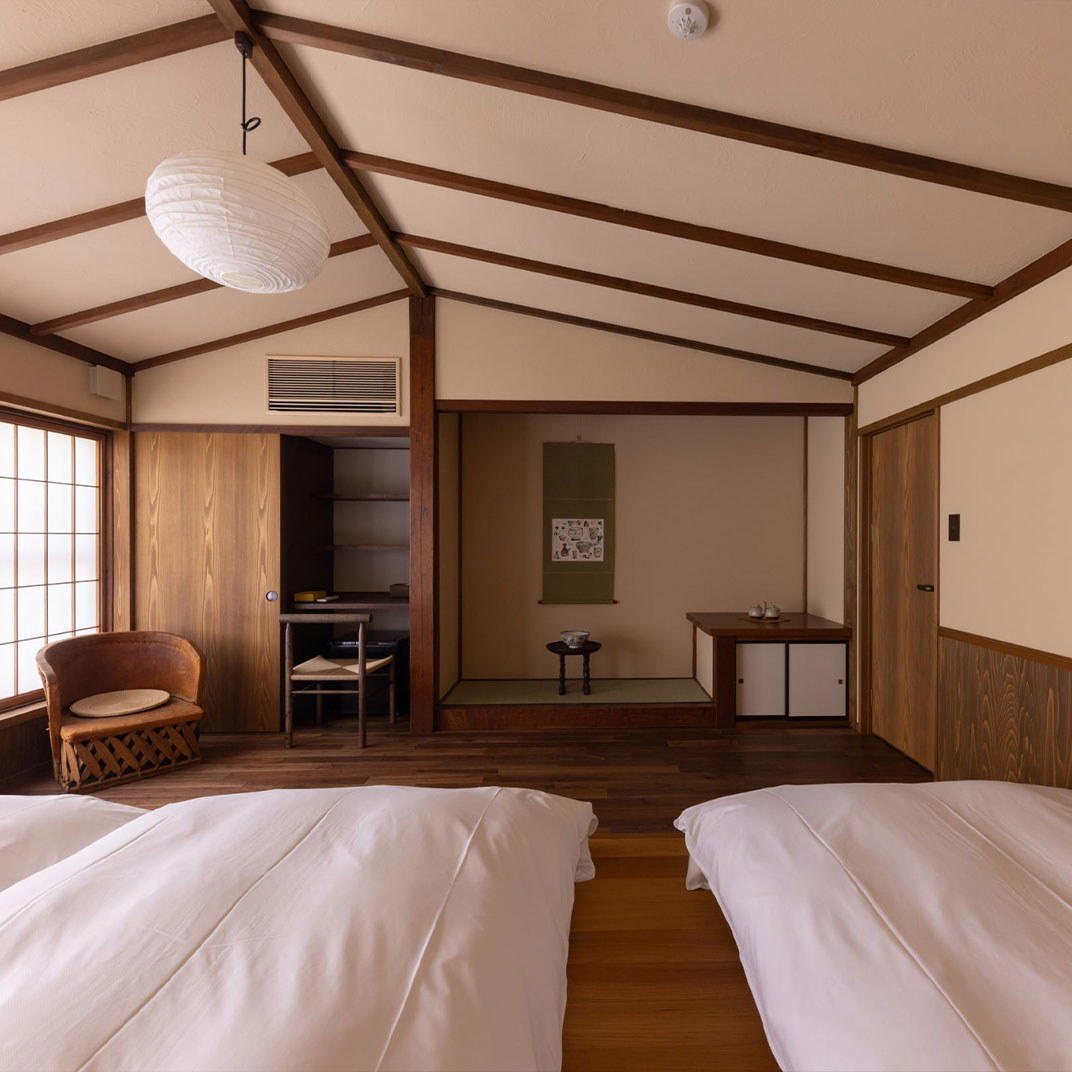
An intimate 9-seat counter in a hidden, quietly elegant space near Toyama Station, offering a calm, almost hushed atmosphere where guests watch each piece of tempura being fried and served in a relaxed but refined setting.