
Akita’s sushi scene rewards attention to locality rather than spectacle, and Sushi Kojima sits in that serious regional tier with a 2025 Tabelog Sushi EAST 100 selection and a 3.73 score. The appeal is the northern setting: Japan Sea seafood, rice-country context, and a dinner price band that places it above casual sushi without turning it into Tokyo theatre.
Pearl is the En Primeur Club membership app — saves, bookings, and concierge access live there. Same editors, same standards.
- Address
- 1 Chome-8-13 Sanno, Akita, 010-0951, Japan
- Phone
- +81 18-853-1378
- Website
- instagram.com
 Saves & bookings on Pearl
Sanno is not Ginza, and that matters. Sushi in Akita carries less metropolitan performance code and more northern port-city rhythm: a quieter room, sharper focus on fish, and the expectation that rice beneath the neta has cultural weight in a prefecture built around rice as much as seafood. Sushi Kojima fits that register, where the counter format is about calibration rather than spectacle.
Akita’s Sea of Japan position gives sushi here a different starting point from Pacific-facing capitals. Cold-water seafood, sake-country rice culture, and diners who do not need every serious meal framed as a special occasion shape the regional conversation. A sushi counter in Sanno becomes a useful lens on the city’s food hierarchy: not casual, not hotel-formal, and not imitating Tokyo luxury. Its 2025 selection for Tabelog Sushi EAST 100 places it in a recognized eastern Japan cohort, while the 3.73 score signals meaningful local and national traction rather than a purely neighborhood following.
Northern sushi, rice-country context, and the value of restraint
The ingredient story in Akita starts before the fish reaches the counter. Sushi is often described through seafood alone, but here rice is not background architecture. Akita’s agricultural identity gives the shari cultural charge: grain, seasoning, temperature, and handling all sit inside a region where diners understand rice with unusual seriousness. That needs no grand thesis from the chef; it simply changes how the meal reads.
At this tier, sourcing is not decorative. It determines whether the meal justifies its place above everyday sushi and below rarefied Tokyo counters that trade on global demand. Sushi Kojima’s dinner band, JPY 15,000 to JPY 19,999, is considered for Akita: well beyond a quick local meal, yet far from the upper end of capital-city omakase. That middle-premium position is where regional sushi can persuade most clearly: the diner pays for selection, timing, and counter discipline, not imported glamour.
Comparison inside Akita clarifies the point. Takaraya sits lower at around JPY 5,000 to JPY 5,999, while Akita Gyugentei Sannou bekkan occupies a beef-led lane with lunch and dinner pricing for a different local occasion. Kaiseki at Nihon Ryori Takamura, tempura at Akita Tempura Mikawa, and sushi at Sushi Kojima each answer separate questions about refinement in the prefecture: sequence, frying technique, and fish-and-rice precision. The useful decision is not which is superior, but which tradition should define the evening.
Akita’s broader dining map matters for the same reason. Italian at affetto akita, beef at Akita Gyugentei Ekimae honten, regional chicken cooking at Akita Hinaiya Oodate honten, and sake-aware local dining at Akita Kurasu show how the city rewards specificity over breadth. Sushi belongs in that pattern when the meal is built around provenance and timing rather than crowd-pleasers.
The Sanno address suits a serious, low-noise counter meal
Sanno’s civic-commercial character gives the restaurant a different feel from station-front dining. Akita Station’s surroundings suit convenience, quick meals, and business travel, but Sanno has the slower tempo of an evening destination. That separation frames the room before any course arrives: this is a planned dinner, not a stop between trains.
The operating pattern reinforces that reading. Dinner service runs Monday through Saturday, with Sunday closed and additional closures on the second and fourth Mondays. Reservations are available, and the absence of private rooms or private-use service points to shared counter-room logic rather than a banquet format. Non-smoking status, parking, and support for credit cards, electronic money, and QR payments make the experience more practical than many small-format Japanese counters, especially for travelers moving around Akita by car.
For visitors building a wider Akita itinerary, Sushi Kojima is best treated as the day’s anchor meal rather than a flexible add-on. The price band asks for attention, and sushi rewards arrival without a compressed schedule. Use Our full Akita restaurants guide for the surrounding dining field, then pair the evening with Our full Akita hotels guide, Our full Akita bars guide, Our full Akita wineries guide, and Our full Akita experiences guide if the trip extends beyond dinner.
Who should choose this over Akita's other polished tables
The strongest case for Sushi Kojima is for diners who want Akita expressed through sushi rather than a broader regional menu. A beef-focused evening gives a clearer read on wagyu culture; a chicken-focused table connects more directly to Hinai-jidori; kaiseki broadens the seasonal lens. Sushi narrows the frame and asks for different attention: fish condition, rice balance, pacing, and the confidence to leave some things unsaid.
That makes it a poor fit for anyone seeking maximal choice or a casual family fallback. It suits couples, solo diners comfortable with counter formality, and travelers who understand that regional Japanese sushi can be more revealing outside famous metropolitan circuits. The Tabelog Sushi EAST 100 recognition matters because it places an Akita counter inside a wider eastern Japan sushi conversation, not because it makes the meal a trophy stop.
Readers comparing across Japan should resist flattening the category. A sukiyaki table such as -Grilled beef Sukiyaki- KAMAKURA TANUKIAN 鎌倉 たぬき庵 in Kamakura, a Tokyo seafood-and-grill venue like. 鮪と炭火焼き うお炭 秋葉原店 in Tokyo, a café-format address such as.cafe in Osaka, or a contemporary regional room like.know in Kumamoto each solves a different dining problem. The same is true of (Shoku) Vietnam in Kawasaki, [Curry Senmon Ten] Maruyama Kyoju. in Sapporo, Jōdo Saké Bar in Los Angeles, and Onigiri Time in Pasadena. Sushi Kojima’s value is narrower: a serious Akita sushi dinner where region, rice, and seafood sit in close focus.
Quick Comparison
Comparable venues by cuisine and price in the same metro.
| Venue | Cuisine | Price | Awards | Notes |
|---|---|---|---|---|
| Sushi KojimaThis venue — the venue you are viewing | Traditional Omakase Sushi | $$$ | , | |
| N | Northern Japanese | $$ | , | Akita |
| Washoku Sugawara | Seasonal Japanese Kaiseki | $$$ | , | Akita |
| Sake Tomi | Japanese Izakaya | $$ | , | Akita |
| Shinsui Chubo Sie | Japanese Izakaya | $$$ | , | Akita |
| Torikou | Yakitori Izakaya | $$$ | , | Akita |
Continue exploring
More in Akita
At a Glance
- Elegant
- Cozy
- Quiet
- Intimate
- Hidden Gem
- Scenic
- Date Night
- Special Occasion
- Business Dinner
- Solo
- Chefs Counter
- Garden
- Standalone
- Sake Program
- Beer Program
- Local Sourcing
- Sustainable Seafood
- Garden
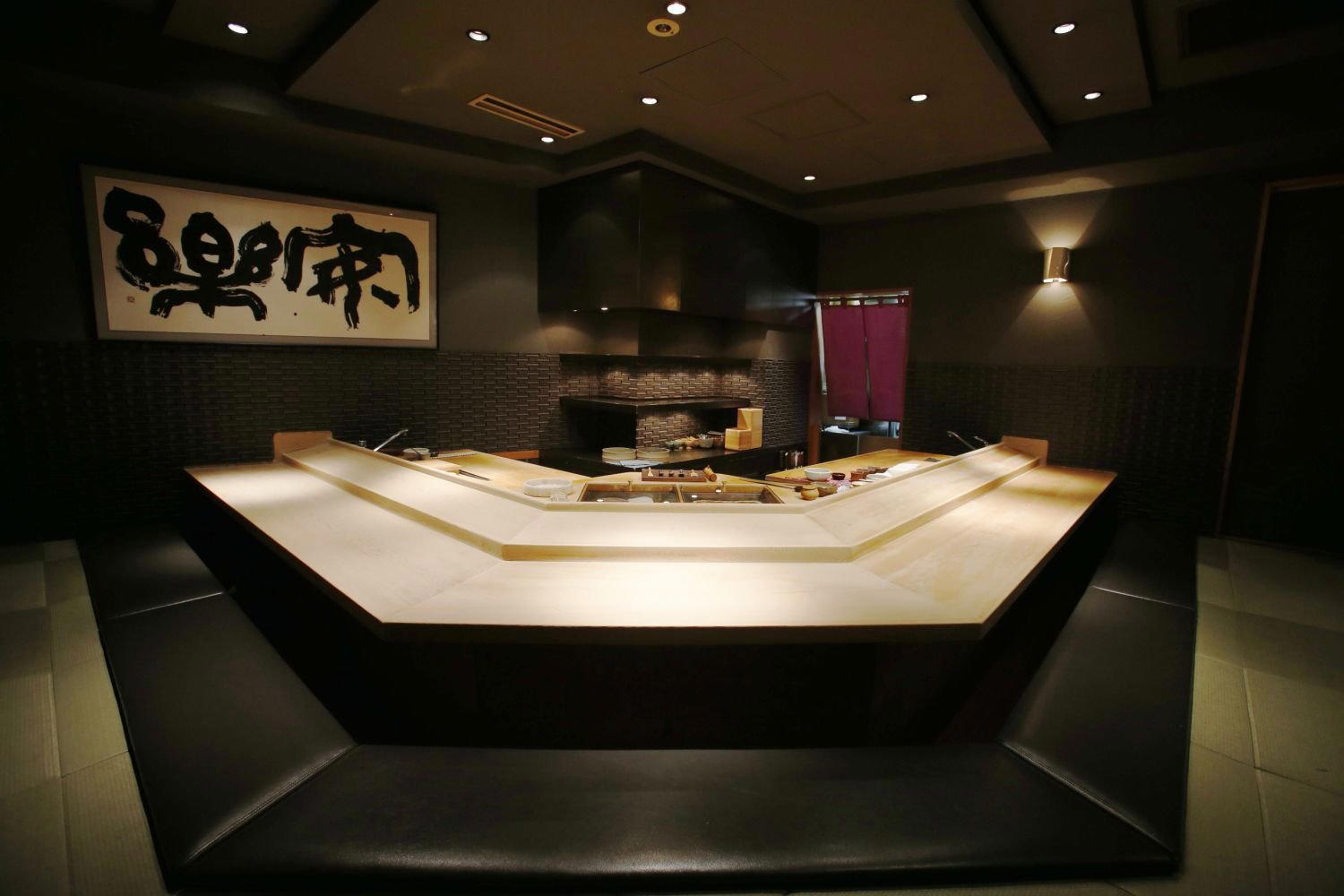
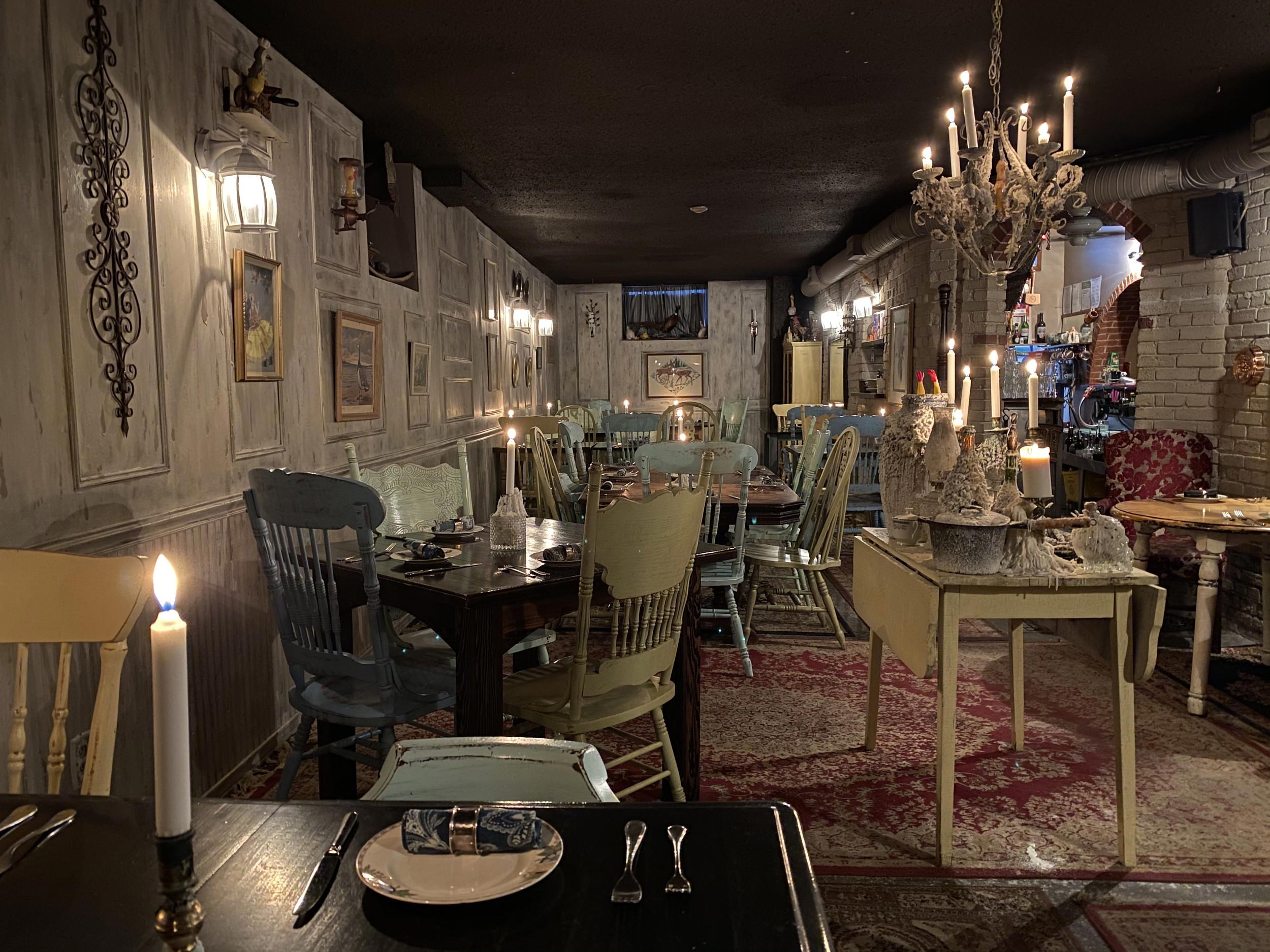
Calm and refined with counter seating facing a traditional-style garden; a small, high-class space focused on the quiet interaction between chef and guests rather than a bustling crowd.