Our verdict
Vienna's Würstelstand tradition runs deeper than street food convenience, it is a sociological institution, a late-night leveller where office workers and taxi drivers share the same standing space. Petra's Würstelstand, at Brunner Strasse 64 in the 23rd district, sits within that tradition at its most local: away from the tourist circuit, serving the residents of Liesing rather than the sightseeing crowd.

Pearl is the En Primeur Club membership app, where members save venues, book tables and use the concierge.

Standing at the Counter: Vienna's Würstelstand in Context
Approach a Viennese Würstelstand after dark and you encounter something that formal dining rooms rarely produce: genuine social compression. The stainless steel counter, the overhead heat lamps, the cardboard tray of mustard sachets, these are the same at every stand in the city, yet each one develops a distinct neighbourhood character over years of repeat custom. Petra's Würstelstand, on Brunner Strasse in Liesing, the city's 23rd district, operates in that register. It is not a destination for visitors arriving with a restaurant list; it is a fixed point for the people who live nearby, which is exactly what a Würstelstand is supposed to be.
Vienna's Würstelstand culture sits in a different category from street food markets or pop-up formats. These stands have operated continuously since the postwar period, when city authorities licensed fixed kiosks as part of the urban fabric. The format is deliberately static: a small heated cabinet, a short menu of sausages, rolls, and condiments, and no seating beyond the occasional ledge or standing rail. The social function is as important as the food itself, the stand is where the neighbourhood pauses, where the 2 a.m. conversation happens between people who would not otherwise share a table.
The 23rd District and What It Tells You
Liesing is not Vienna's most written-about arrondissement. The inner districts, the 1st, 7th, and 9th, attract most of the dining coverage, and the restaurant scene in those areas has been catalogued at length. Vienna's fine-dining tier, anchored by addresses like Steirereck im Stadtpark, Amador, Konstantin Filippou, and Mraz & Sohn, operates at price points and booking lead times that make it a separate planning category entirely. Liesing, by contrast, is residential and largely outer-suburban in character. A Würstelstand here serves a genuinely local function rather than a tourist or gastronomy-curious one.
That geographic remove is relevant context. Visiting Petra's means travelling to a working district on the city's southern edge, not dropping in between museum visits. The address, Brunner Strasse 64, places it on a main arterial road through Liesing, which gives it foot and transit traffic from commuters and local residents rather than from the hospitality circuits that bring visitors to other parts of the city.
The Würstelstand Format and What It Offers
The Würstelstand menu is among the most standardised in Austrian food culture. Käsekrainer, a pork sausage with cheese pockets that blister and ooze under the grill, is the reference point against which every stand is measured. Alongside it: Burenwurst, Bratwurst, Debreziner, and usually a Leberkäse option. The roll is a Semmel or a Weckerl; the mustard is either mild (süßer Senf) or sharp (Estragon). This is not a format where individual stands distinguish themselves through menu innovation, differentiation comes from sourcing, from the condition of the grill, and from the institutional knowledge of whoever runs the counter.
The wine dimension of a Würstelstand is, by format, minimal. What the format does connect to, however, is a broader Austrian drinking culture in which a cold beer or a small glass of Grüner Veltliner is as natural a pairing with a sausage as any wine list assembled by a sommelier. Austria's wine identity has become increasingly precise over the past two decades, the Wachau, Kamptal, and Burgenland regions now produce wines with international recognition, and the casual end of Viennese food culture participates in that without ceremony. A Würstelstand does not carry a cellar; the pairing logic is instinctive rather than programmatic. For the formal end of Austrian wine curation, the comparison tier sits at addresses like Doubek, where the wine program is a structural part of the offering. The Würstelstand is the other end of that spectrum, and it makes no pretence otherwise.
Austria's broader dining geography extends well beyond Vienna. The country's fine-dining tradition has strong regional roots, with addresses like Döllerer in Golling an der Salzach, Obauer in Werfen, and Landhaus Bacher in Mautern an der Donau holding long-standing critical reputations outside the capital. In the Alpine west, addresses including Gourmetrestaurant Tannenhof in Sankt Anton am Arlberg, Griggeler Stuba in Lech, and Schwarzer Adler in Hall in Tirol serve a clientele that arrives specifically for the cooking. The contrast with the Würstelstand format is total, but both belong to the same national food culture.
Where This Fits in the Vienna Food Order
Vienna's restaurant ecosystem spans a wider range than most European capitals of comparable size. At the technical peak, tasting-menu formats at places like Ikarus in Salzburg or Kräuterreich by Vitus Winkler involve extended preparation and multi-course progression. Ois in Neufelden and Restaurant 141 by Joachim Jaud in Mieming represent the kind of regional ambition that has made Austrian cooking a serious subject internationally, a development also tracked through New York's Austrian-influenced fine-dining crossovers at addresses like Le Bernardin and Atomix, where precision and cultural specificity now define the upper tier.
The Würstelstand sits at the opposite end of that production chain, deliberately and correctly. It is the format that Austrian food culture has chosen to make permanent and public, licensed, fixed, available at hours when formal dining rooms are dark. The fact that Petra's operates in Liesing rather than in the tourist-facing inner districts makes it a more accurate example of the format's actual social function than any stand operating in the 1st district for visitors.
For a full map of Vienna's dining options across price tiers and cuisine types, see our full Vienna restaurants guide.
Planning Your Visit
Address: Brunner Strasse 64, 1230 Wien (Liesing, 23rd district). Reservations: Not applicable, the Würstelstand format is walk-up only. Dress: No code; standing outdoors or at a counter ledge. Budget: Würstelstand pricing in Vienna runs at the lowest end of any food category; expect a few euros per item. Getting there: Liesing is served by the U6 line and S-Bahn connections on the southern edge of the city; confirm current service details before travelling. Timing: Late evening and post-midnight hours are the traditional peak for Würstelstand culture in Vienna.
Frequently asked questions
What part of town is Petra's Würstelstand in?
Petra's Würstelstand is located at Brunner Str. 64, 1230 Wien, Austria, Vienna.
Is Petra's Würstelstand worth visiting if I'm staying in central Vienna?
Petra's sits in Liesing, Vienna's 23rd district, well outside the 1st and 7th districts where most food coverage concentrates. That distance is the point: the clientele at a neighbourhood Würstelstand reflects the local 23rd-district mix rather than a tourist-facing crowd, which changes the atmosphere at the counter considerably. If the authentic pavement-counter format of Vienna street food is the draw rather than proximity to the Ringstrasse, the detour is consistent with that goal.
What's the signature dish at Petra's Würstelstand?
The Käsekrainer is the reference point at any serious Viennese Würstelstand, and Petra's at Brunner Strasse 64 is no exception. It is a pork sausage embedded with pockets of cheese that blister and ooze under heat, served with bread and mustard in the format that has remained unchanged across Vienna for decades. Ordering anything else first would miss the point of the counter entirely.
Do I need a reservation for Petra's Würstelstand?
No reservation is possible or necessary. The Würstelstand format is walk-up only, you arrive, you order at the counter, and you eat standing. That is the format's defining social contract, operating the same way at Petra's on Brunner Strasse in Vienna's 23rd district as at any other Würstelstand across the city.
Just the Basics
| Venue | Cuisine | Price | Awards | Notes |
|---|---|---|---|---|
| Petra's WürstelstandThis venue (the venue you are viewing) | Traditional Austrian Sausages | $10–20 | Not listed | Not listed |
| Steirereck im Stadtpark | Modern Austrian Fine Dining | $200–300 | 3 Michelin Stars · World's 50 Best #33 | Creative |
| Konstantin Filippou | Modern Fish-Led Fine Dining | $200–300 | 2 Michelin Stars · La Liste Top Restaurants | Modern European, Modern Cuisine |
| Mraz & Sohn | Contemporary Austrian Fusion | $150–200 | 2 Michelin Stars · La Liste Top Restaurants | Modern Austrian, Creative |
| Silvio Nickol Gourmet Restaurant | Modern Austrian Fine Dining | $300–500 | 2 Michelin Stars · La Liste Top Restaurants | Modern Cuisine |
| APRON | Modern Austrian Fine Dining | $150–200 | 1 Michelin Star · Falstaff Restaurant - 95 Falstaff Points | Austrian, Creative |
Continue exploring
More in Vienna
Restaurants in Vienna
All restaurants in Vienna →
Bars in Vienna
All bars in Vienna →
Details
- Well Known
- Lively
- Rustic
- Casual Hangout
- Late Night
- A La Carte
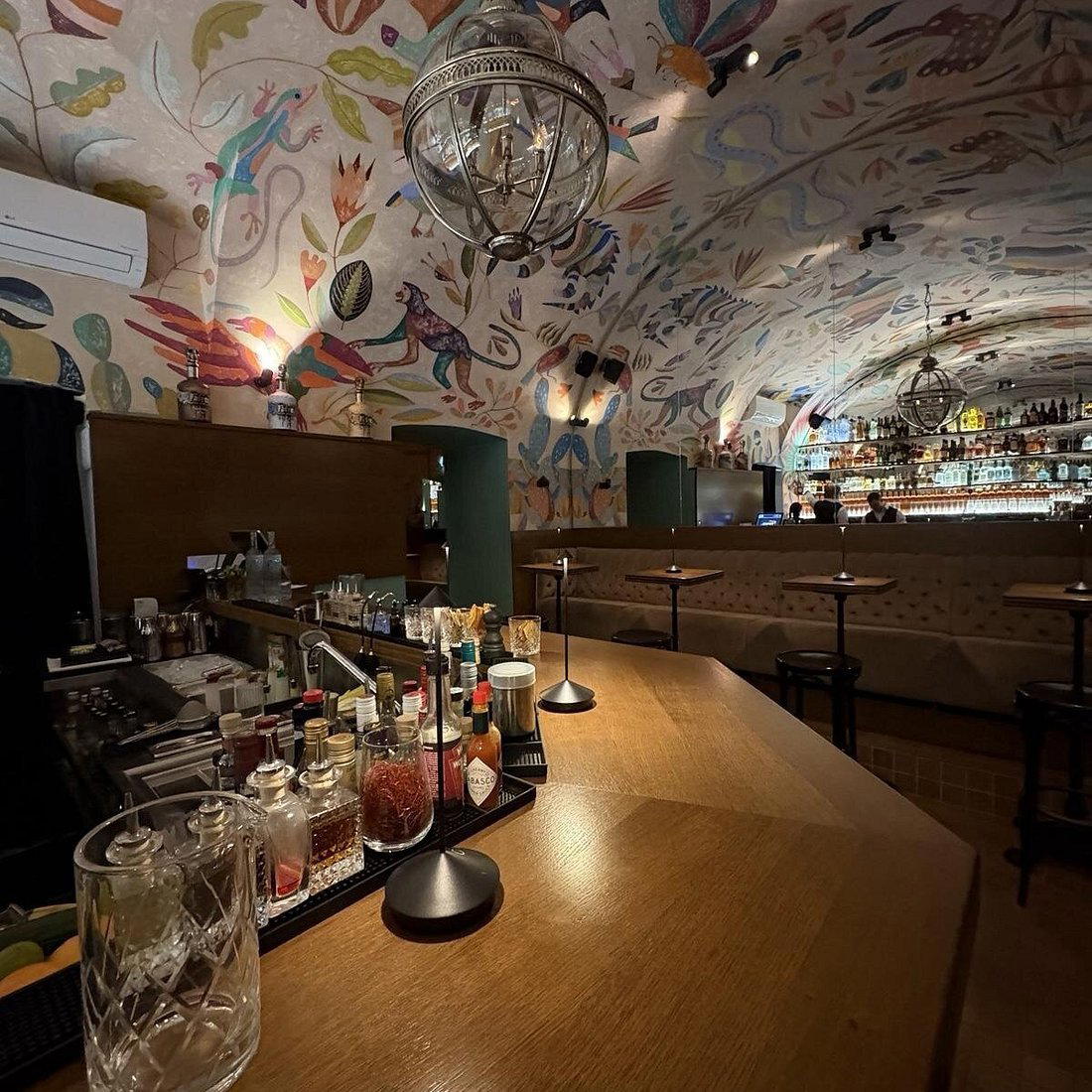
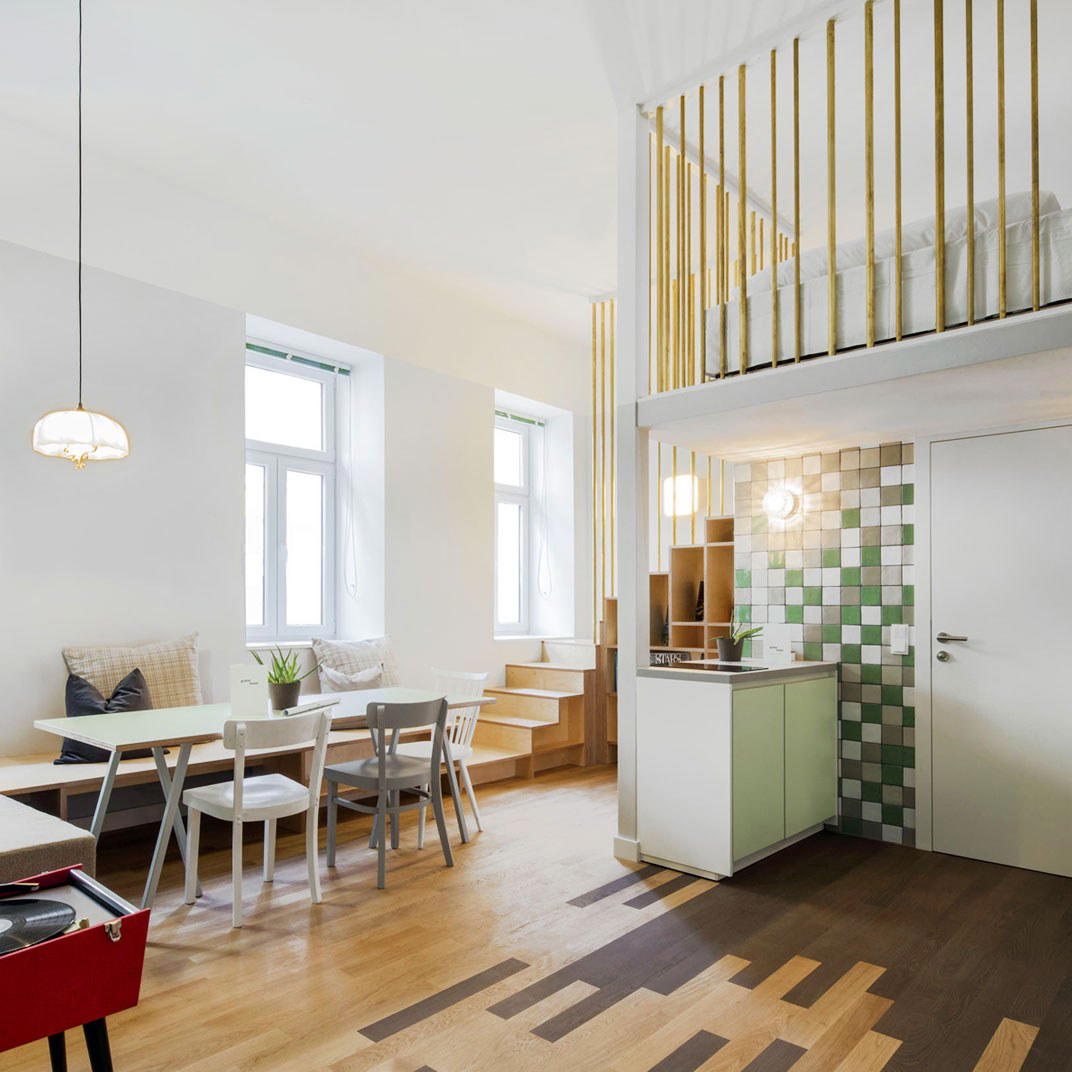
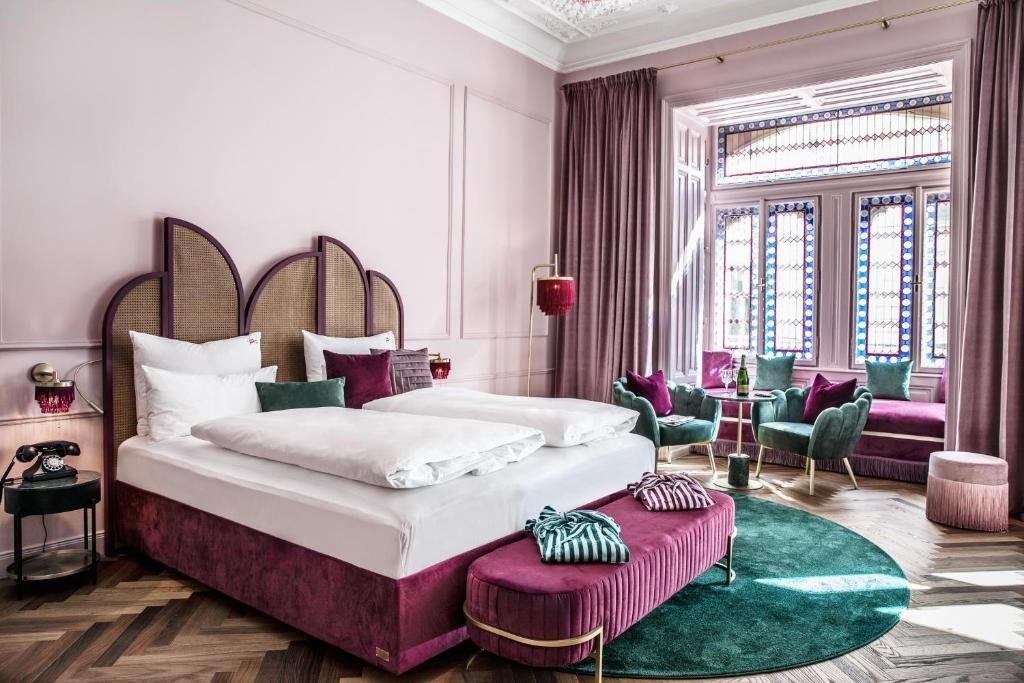
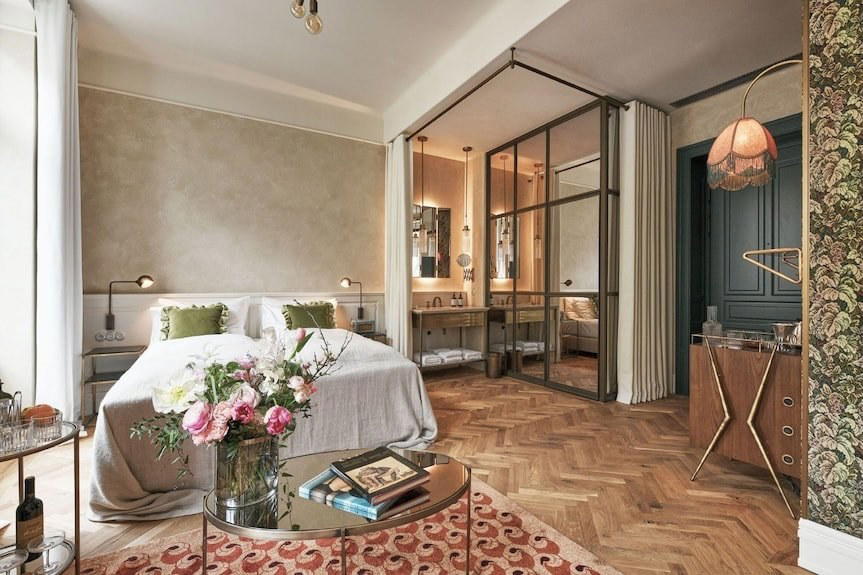
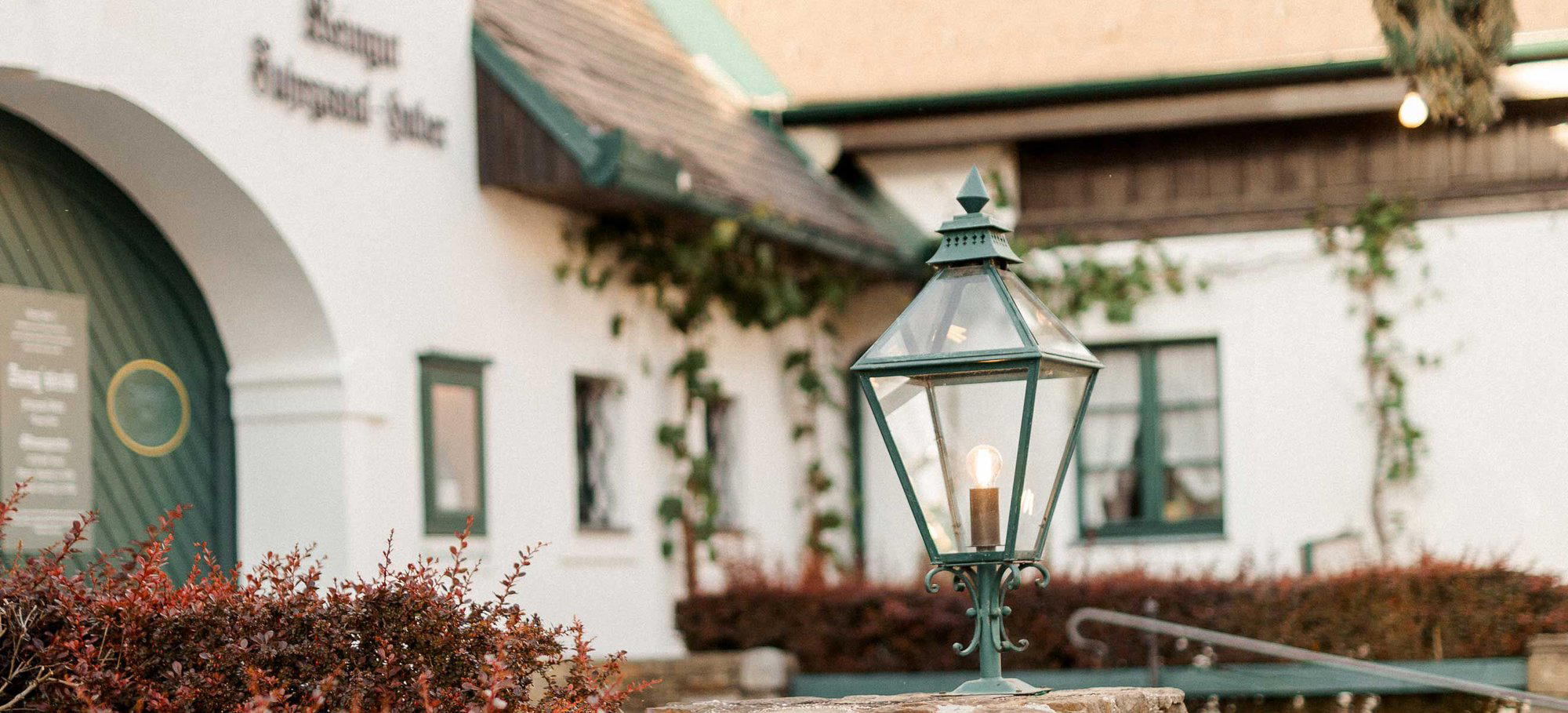
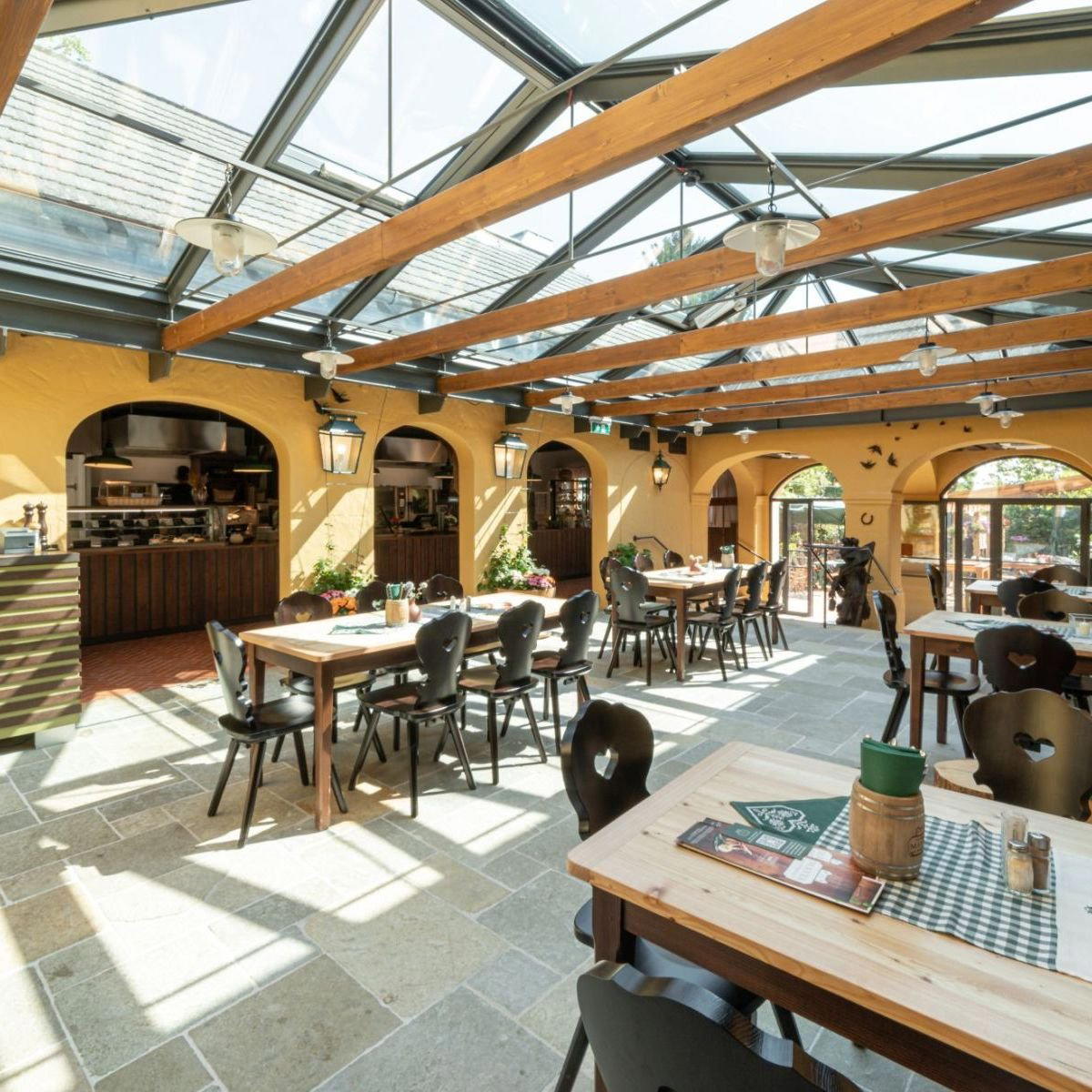
Casual street food atmosphere typical of Vienna's well-known Würstelstände.